 Rembrandt van RijnPaíses Bajos, 1606–1669
Philemon and Baucis
¿Puedo verla?
Sí, expuesta ahora
¿Dónde está «Philemon and Baucis» hoy? Galería Nacional de Arte, Sala 48 · Edificio Oeste, planta principal, Washington D. C. Sí, expuesta ahora. Comprobado 29 de septiembre de 2026.

Abierto· hasta las 17:00
Expuesta al público.
- Comprobado
- En este estado desde
- Fuente
- El museo
Sobre el cuadro
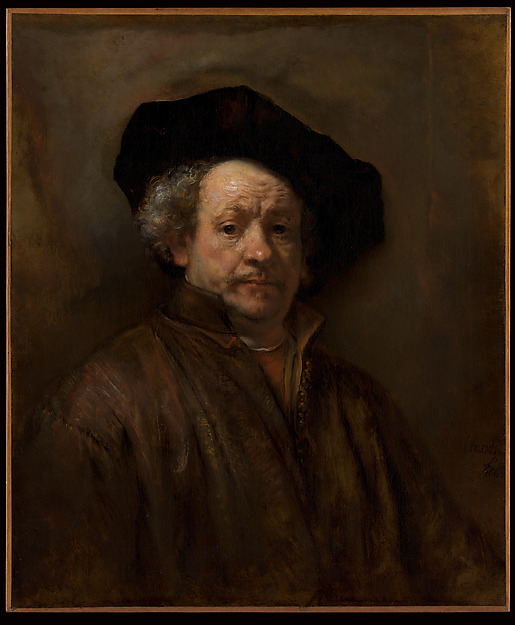
Filemón y Baucis es un cuadro del pintor neerlandés Rembrandt, fechado en el año 1658. Se trata de una pintura al óleo sobre lienzo. Se conserva en la Galería Nacional de Arte de Washington.
Ficha
- Número de inventario
- 1942.9.65
Lo que muestra
En el catálogo
Fuentes
- Galería Nacional de Arte
- Imagen: Galería Nacional de Arte — Museum open access
En la vida de Rembrandt van Rijn
La vida entera1631–1669 · Lugar de trabajo
Amsterdam
1639–1658 · Residencia
Rembrandt House Museum
1656
Declaration of Insolvency
Under pressure from creditors, Rembrandt declared himself insolvent (cessio bonorum) in July 1656 and voluntarily surrendered his property; by that time he had already transferred the house to his son.
1657–1658
Sale of His Property and Collection
Rembrandt's property and art collection were sold at auction; the detailed inventory listed 363 items — paintings, prints, antique busts, weapons, textiles, and exotic objects.
1658
Move to the Rozengracht
After the house was sold at auction, the family left the prestigious Jodenbreestraat and moved to modest rented lodgings on the Rozengracht — a district of craftsmen and artists, where Rembrandt lived until the end of his life.
1660
Titus and Hendrickje Found an Art Firm
Since after his declaration of insolvency Rembrandt could not trade on his own, in 1660 Titus and Hendrickje founded an art-dealing firm through which his works were sold.