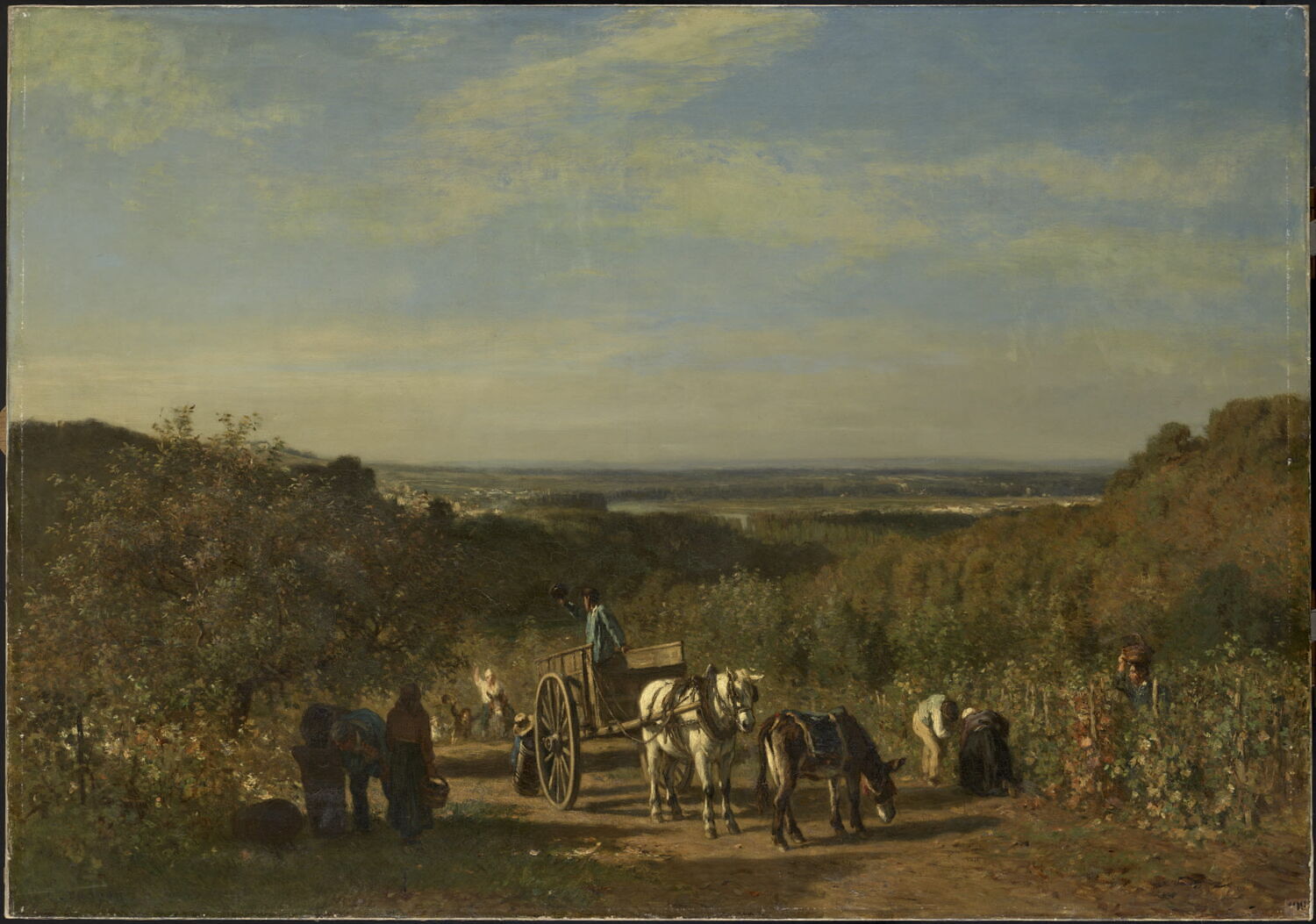
Édouard ManetFrancia, 1832–1883
Olympia
¿Se puede contemplar?
Se desconoce: el museo guarda silencio

Museo de Orsay
París, Francia
Se sabe quién es el propietario. Si hoy está expuesta, el museo no lo dice, y a adivinar no nos enseñaron.
- En este estado desde
- Fuente
- Los datos de colección del propio museo
About the painting
Olympia es un cuadro realizado por el pintor francés Édouard Manet en 1863. Mide 130,5 cm de altura y 190 cm de ancho. Actualmente se encuentra expuesto con la colección del Museo de Orsay en París.
Manet comenzó a trabajar en él en 1863 para presentarlo en el Salon des Refusés de ese mismo año. Sin embargo, la obra no se expuso hasta 1865, en el Salón de París, en donde causó un gran escándalo, ya que aunque el público y la crítica aceptaban los desnudos en obras mitológicas, no era así cuando se trataba de un desnudo realista. La modelo con su postura recuerda a obras de Tiziano (hacia 1485-1576), Diego Velázquez, Goya y Jean-Auguste-Dominique Ingres. El nombre del cuadro no le fue dado por su realizador sino por Charles Baudelaire.
En 1867, cuatro años después de pintar el cuadro, Manet lo reprodujo con variantes en un pequeño grabado al aguafuerte.
Ficha
- Número de inventario
- RF 644
En el catálogo
Fuentes
- Wikidata · obtenido hace 6 días
- Imagen: Museo de Orsay — Édouard Manet · Public domain · Wikimedia Commons
Mientras tanto, en la vida de Édouard Manet
La vida entera1861
His first participation in the Salon
In 1861 the Salon accepted two canvases by Manet: “Portrait of Monsieur and Madame Manet” and “The Spanish Singer”. Critics received the portrait coldly, while “The Spanish Singer” was admired by Théophile Gautier and, because of its popularity, hung in a more conspicuous place; the work intrigued young artists and brought new business to his studio.
1862
“Music in the Tuileries”: the fury of the public
In 1862 Manet exhibited “Music in the Tuileries” (probably painted in 1860), where the strollers include the poet Baudelaire, the musician Offenbach and the artist himself. It mostly provoked fury: the thick brushstrokes looked crude and unfinished, several visitors threatened to destroy the canvas; Delacroix defended it, and the controversy made Manet a well-known name in Paris.
1863
“The Luncheon on the Grass” at the Salon des Refusés
The Salon of 1863 rejected “The Luncheon on the Grass” (originally “Le Bain”), and Manet exhibited it at the Salon des Refusés, a parallel exhibition initiated by Napoleon III after a public outcry, the jury having accepted only 2,217 of more than 5,000 submissions. The juxtaposition of dressed men and a nude woman and the sketch-like handling caused a scandal; one critic compared the brushwork to a “floor mop”.
1863
Marries Suzanne Leenhoff
In 1863, a year after his father's death, Manet married Suzanne Leenhoff at a Protestant church: a Dutch-born piano teacher two years his senior with whom he had been romantically involved for about ten years. Auguste Manet had employed her to teach his sons the piano, and she may also have been Auguste's mistress.
1863
Married: Suzanne Manet
1865
“Olympia” at the Salon: a scandal
In 1865 the Salon accepted “Olympia”, and the frank depiction of a self-assured prostitute created a scandal; according to Antonin Proust, only the precautions taken by the administration prevented the painting from being punctured and torn. The popular press caricatured it, while the avant-garde, including Courbet, Cézanne and Monet, championed it.