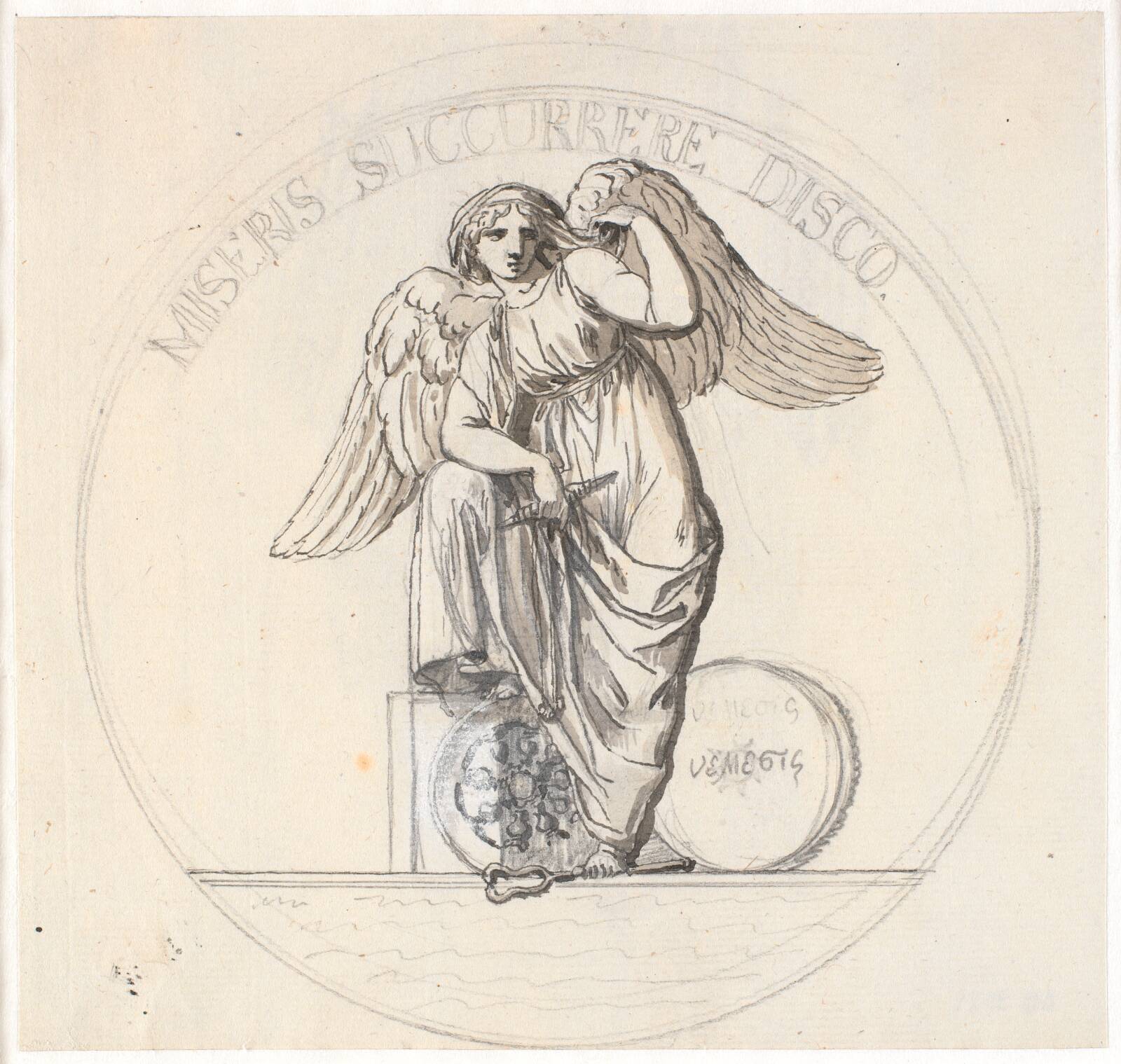
 Nicolai AbildgaardDinamarca, 1743–1809
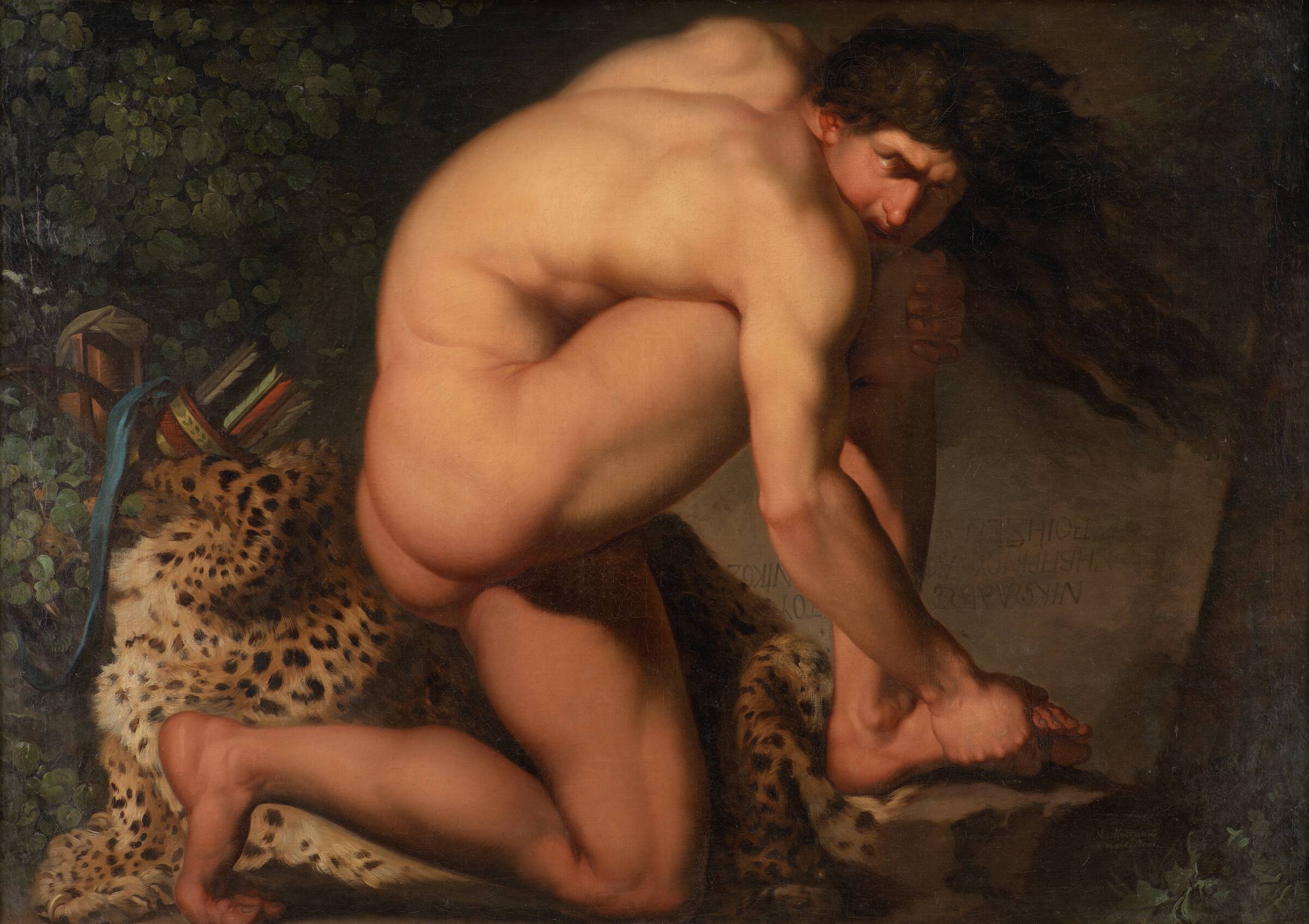
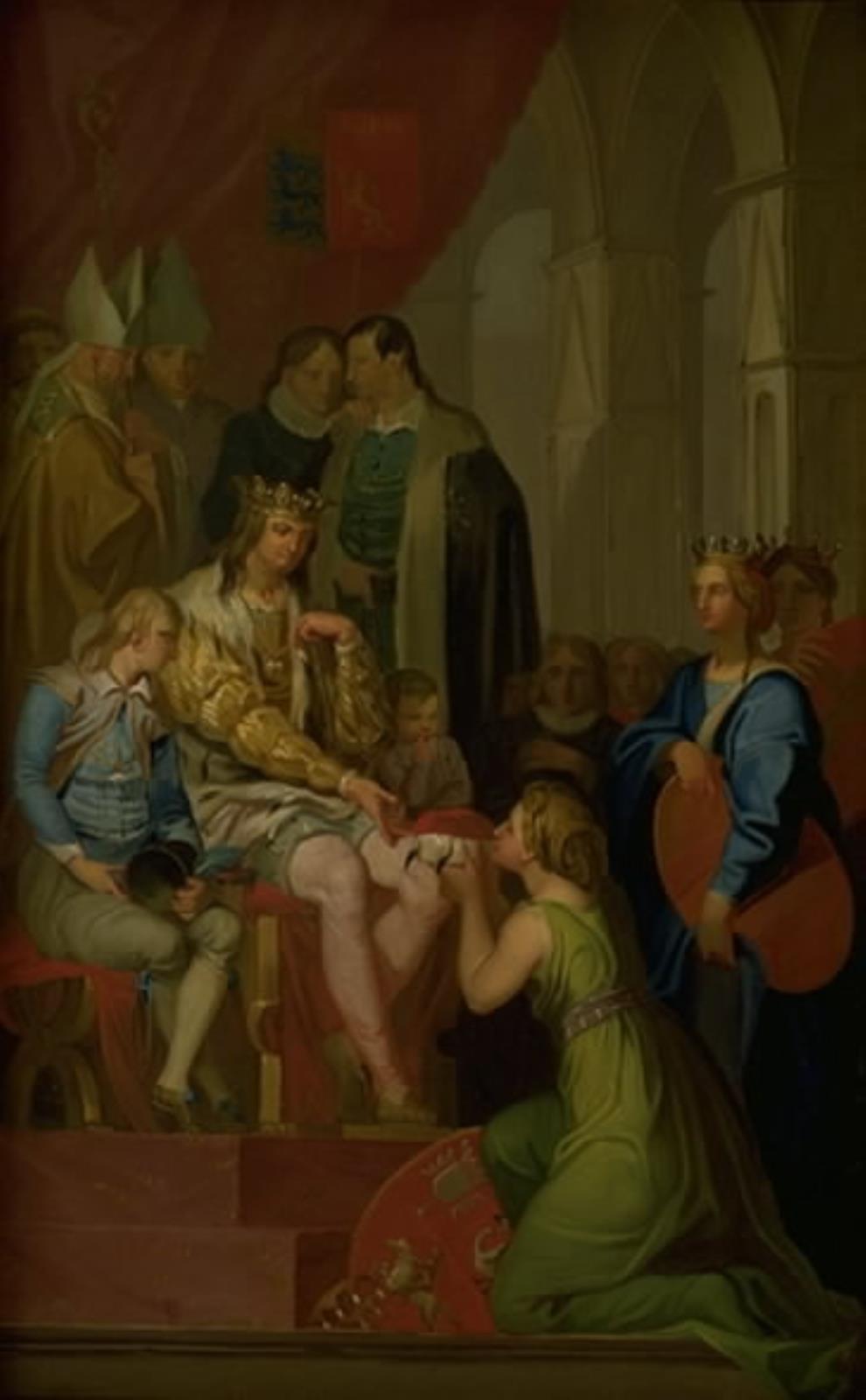
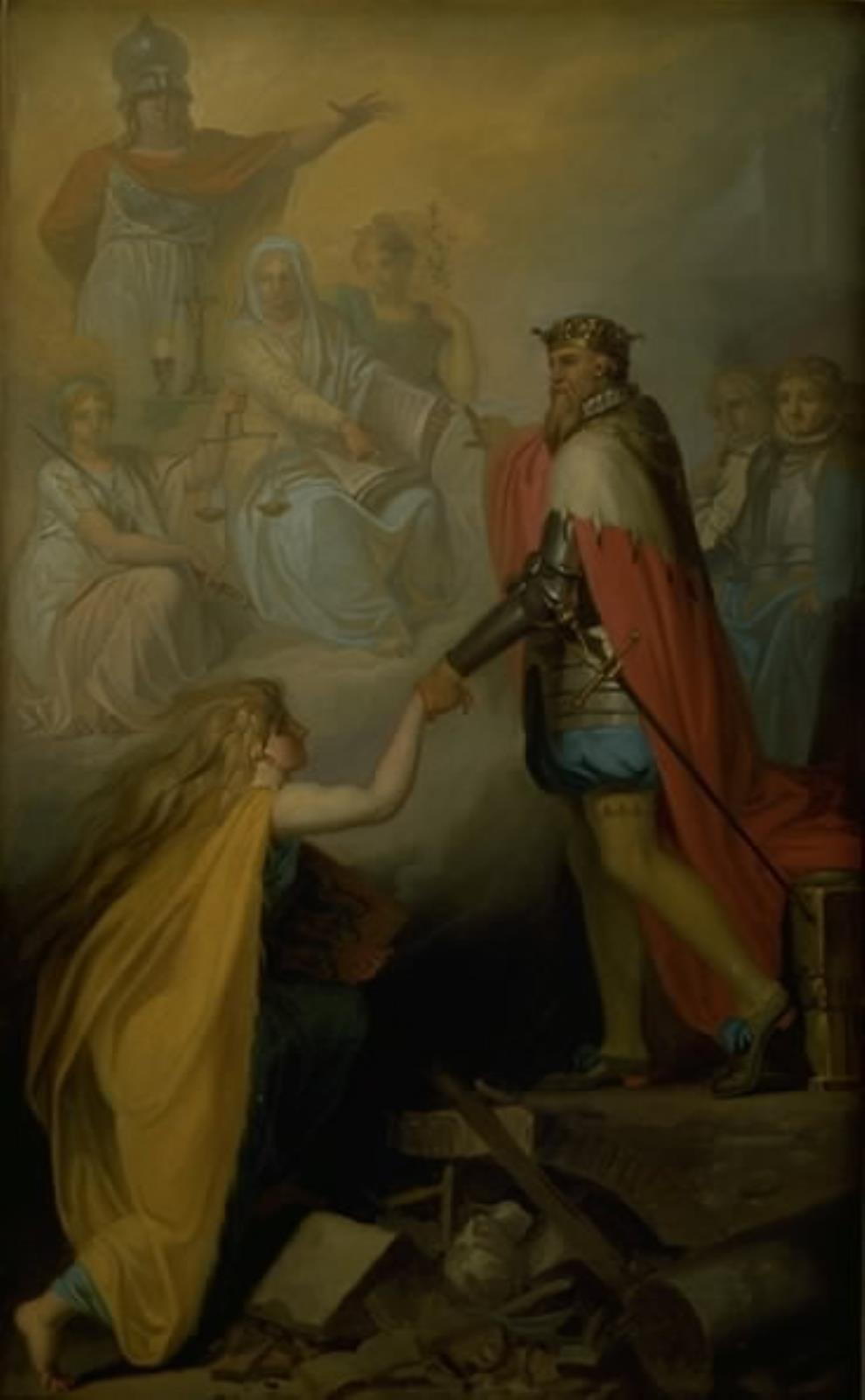
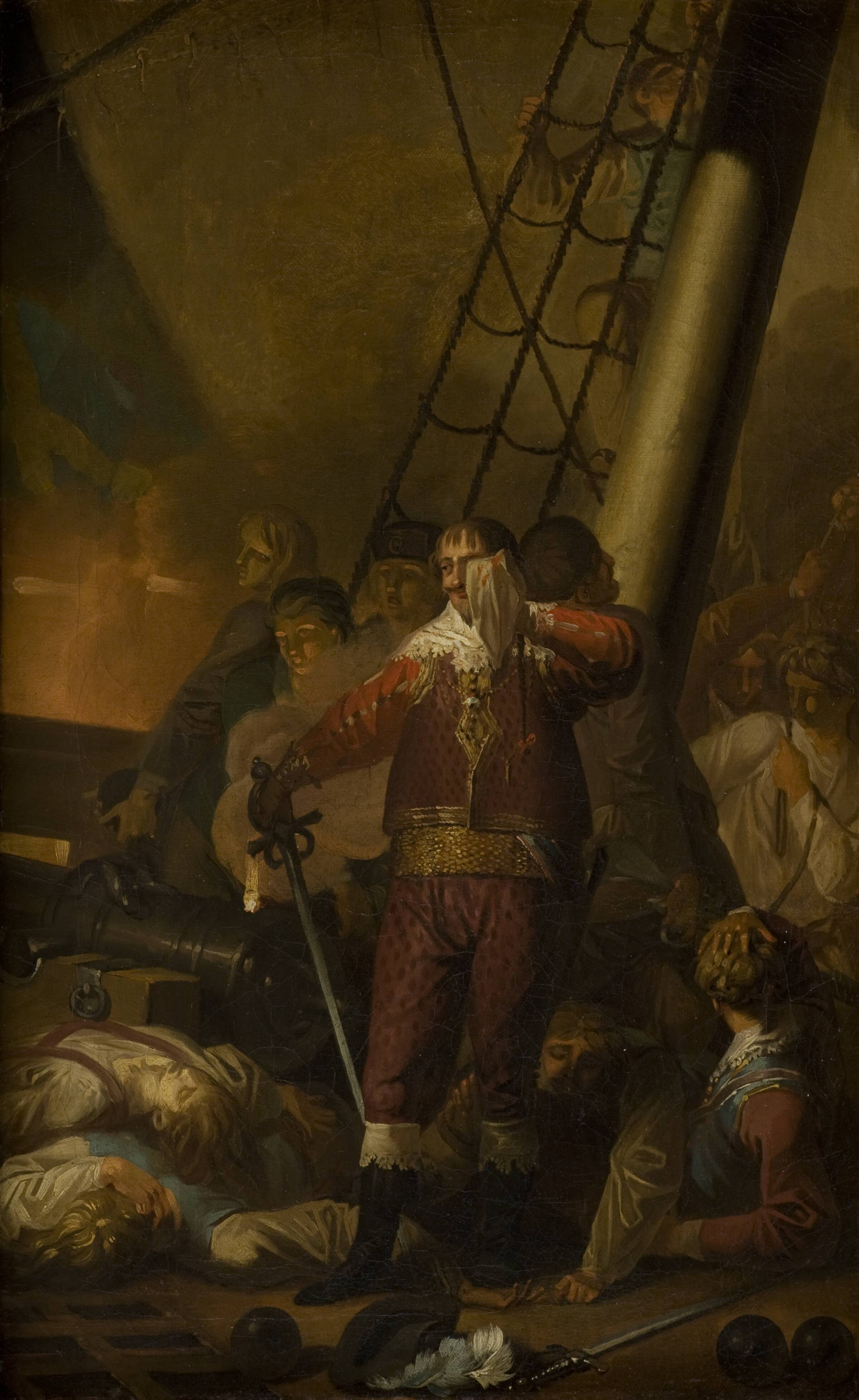
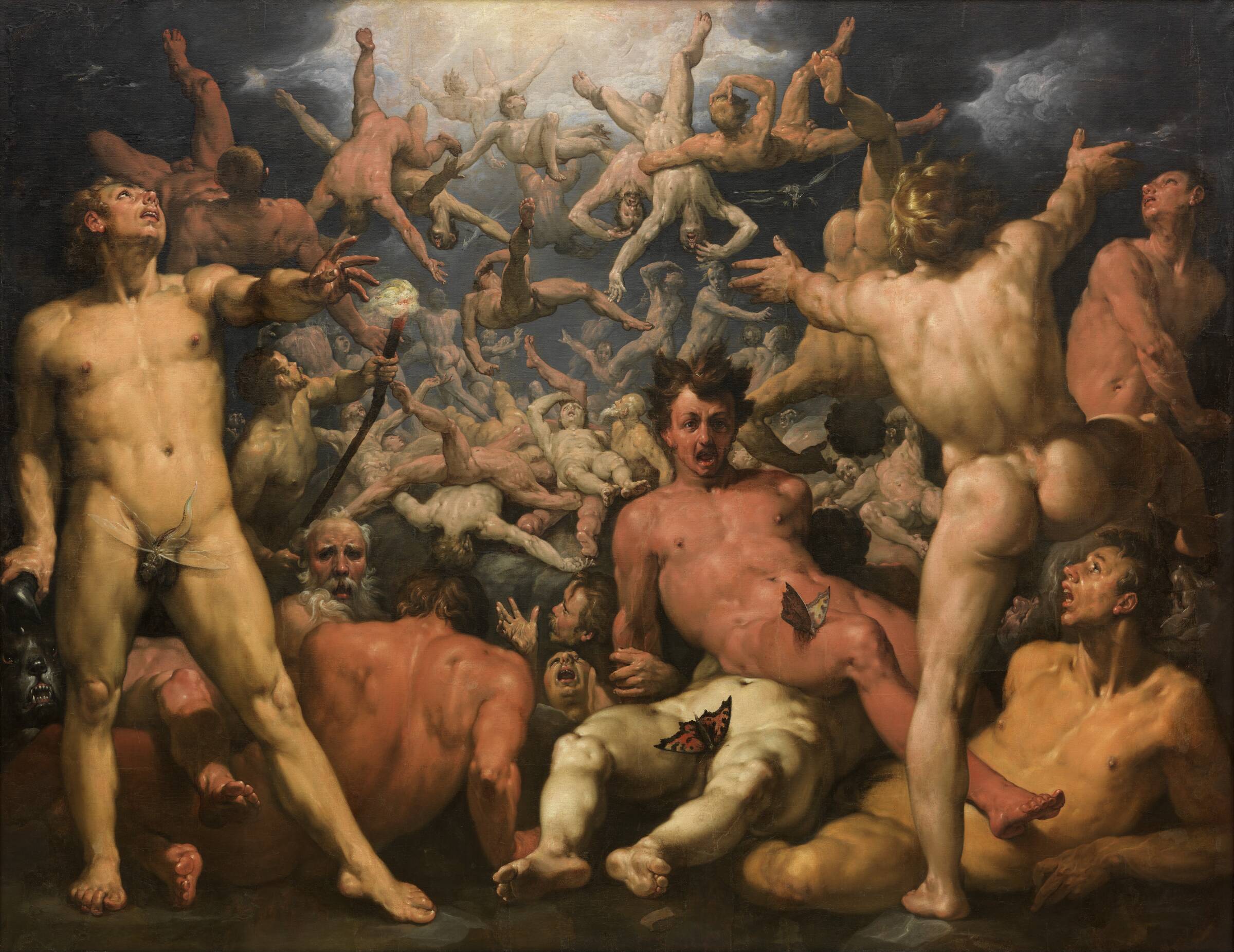
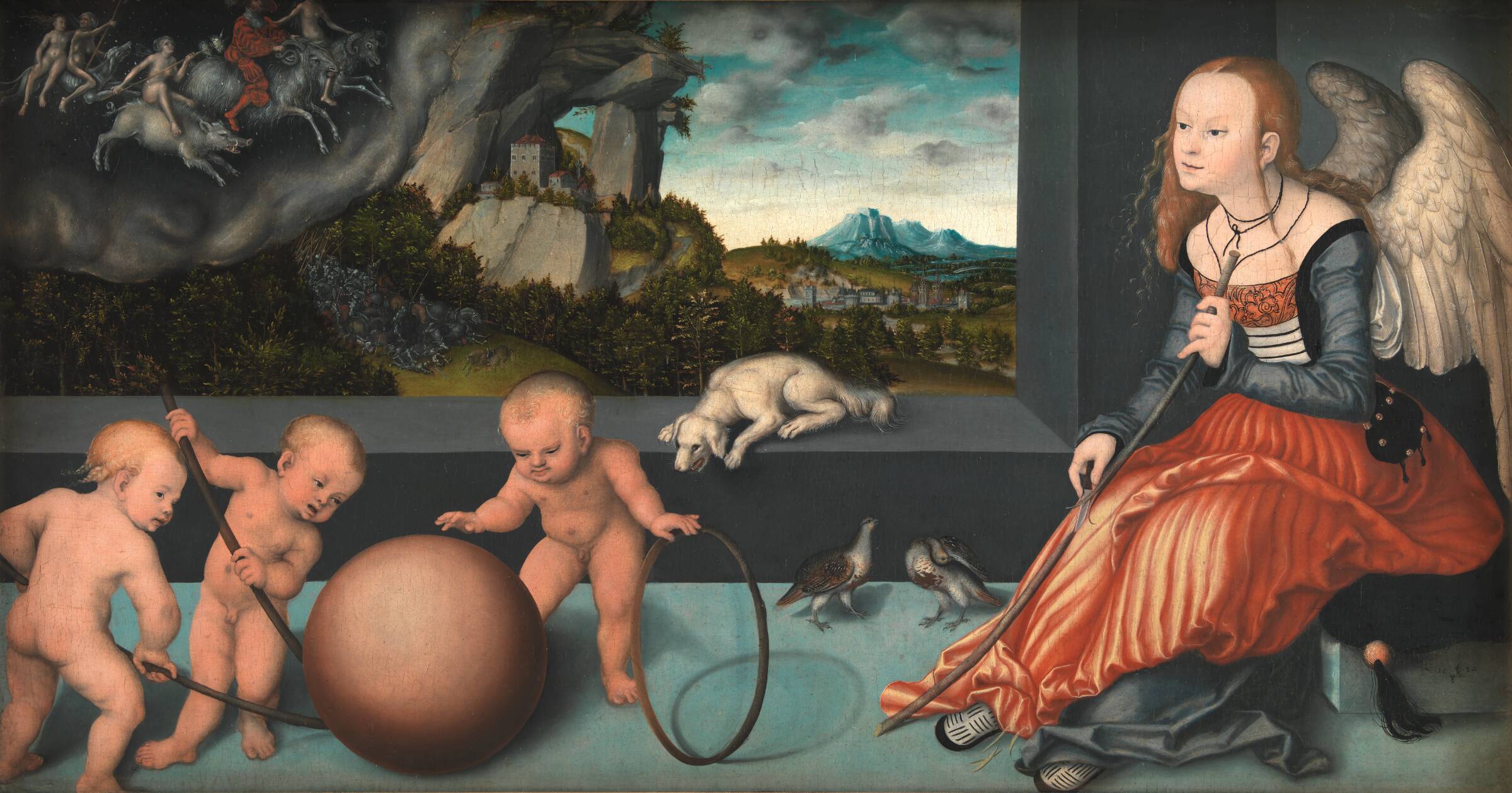
Nemesis
¿Se puede contemplar?
Por ahora no recibe

Galería Nacional de Dinamarca
Copenhague, Dinamarca
Pertenece a la colección, pero ahora mismo no está expuesta.
- Comprobado
- anteayer
- En este estado desde
- 19 ago 2026
- Fuente
- Los datos de colección del propio museo
Ficha
- Número de inventario
- KKSgb3723
Fuentes
- Galería Nacional de Dinamarca: the museum's own open data · obtenido hace 5 días
- Imagen: Galería Nacional de Dinamarca — public domain
Mientras tanto, en la vida de Nicolai Abildgaard
La vida entera1777–1794
His most productive years
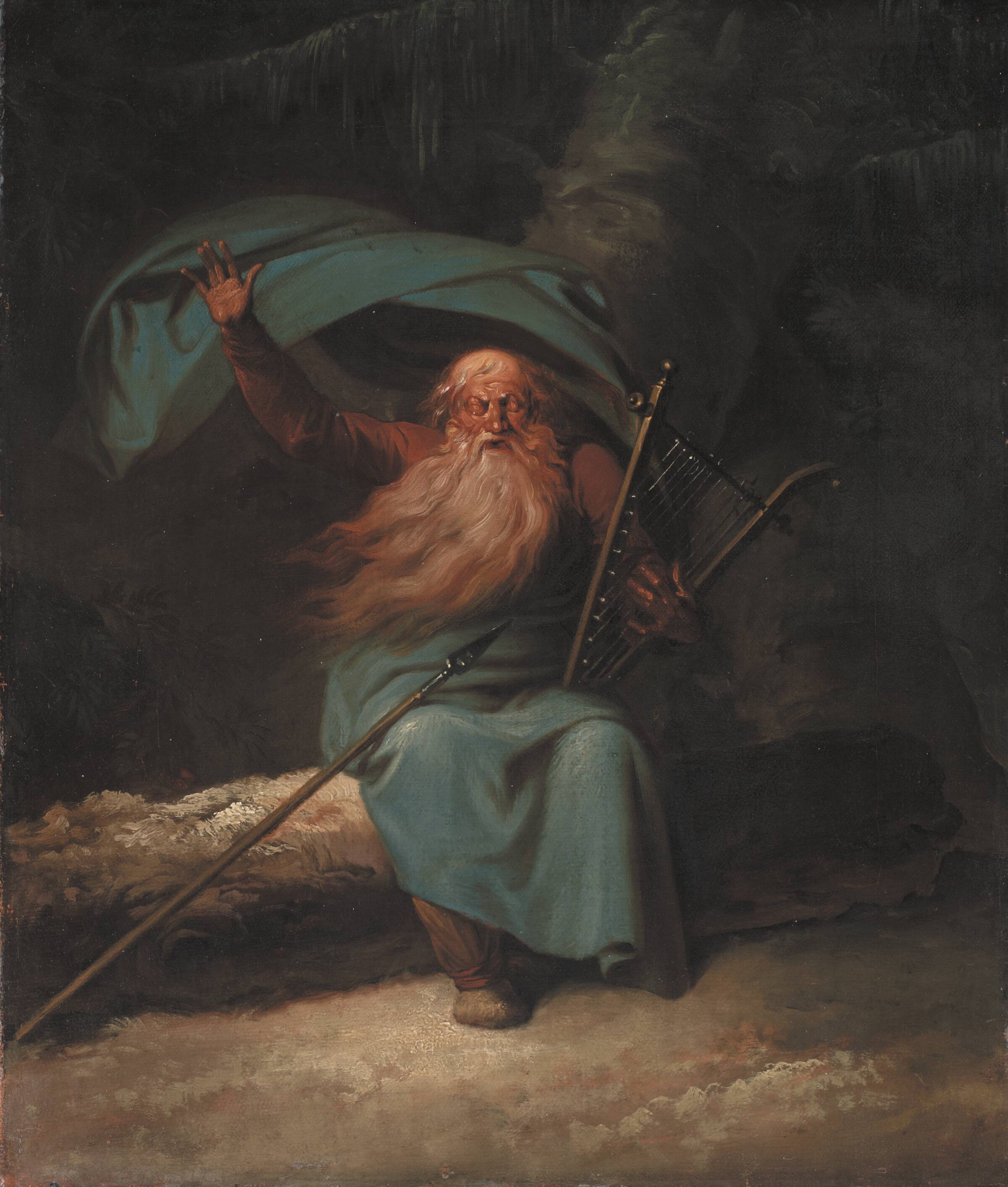
Besides monumental works Abildgaard produced vignettes and illustrations, to Socrates and Ossian among others, designed Old Norse costumes, and did some sculpture, etching and writing.
1789–1790
Revolutionary ideals in the Knights’ Hall
Inspired by the French Revolution, Abildgaard tried to bring its ideals into the paintings of the Knights’ Hall at Christiansborg, but the King rejected his designs.
1792
A design for the Freedom Column
A religious freethinker and advocate of political reform, Abildgaard supported the emancipation of the farmers, helped raise money for the Freedom Column (Frihedsstøtten) and contributed a design for the monument and for two reliefs on its base.
1794
“Jupiter Weighs the Fate of Mankind”: isolation
His clashes with the establishment, fuelled by provocative statements and satirical drawings, culminated when his allegory “Jupiter Weighs the Fate of Mankind” was shown at the Salon. Abildgaard was politically isolated and cut out of public debate by the censors.
February 1794
The Christiansborg fire destroys his canvases
The fire at Christiansborg Palace destroyed seven of the ten monumental paintings of the grand cycle. The project stopped, and with it the painter’s income.
1794–1798
Decorating the Levetzau Palace at Amalienborg
After the fire Abildgaard obtained decorative commissions and the chance to work as an architect: he decorated the Levetzau Palace (now Christian VIII’s Palace) at Amalienborg, home of King Christian VII’s half-brother Frederik, with his protégé Bertel Thorvaldsen leading the sculptural work. He drew up plans for rebuilding Christiansborg but did not get the commission.