ART WIKI32.963 en sala
MapaColecciónArtistasMuseosExposicionesRevista
Acceder

ART WIKI

Dónde cuelga la obra maestra y cuándo le dejan pasar.

Colecciones: Galería Nacional de Arte, Galería Nacional de Dinamarca, Galería Nacional de Retratos, Galería Tretiakov, Harvard Art Museums, Instituto de Arte de Chicago, Instituto de Artes de Mineápolis, MoMA, Museo de Arte de Cleveland, Museo de Victoria y Alberto, Museo del Hermitage, Museo del Louvre, Museo Estatal Ruso, Museo Hirshhorn y Jardín de Esculturas, Museo J. Paul Getty, Museo Metropolitano de Arte, Museo Pushkin, Museo Smithsoniano de Arte Americano, Museo Whitney de Arte Estadounidense, National Museum of Asian Art, Rijksmuseum, Villa Getty, Catálogo Estatal del Fondo Museístico de Rusia (274 museos), Europeana (19 museos), Wikidata (6 museos), Paris Musées (12 museos) y Joconde, la base de museos del Ministerio de Cultura de Francia (495 museos). Las imágenes pertenecen a sus titulares de derechos.

Secciones

  • Mapa
  • Búsqueda
  • Colección
  • Obras maestras
  • Expuestas ahora
  • Artistas

Más

  • Museos y galerías
  • Exposiciones
  • Revista
  • De dónde salen los datos
  • Privacidad y cookies
InicioMapaCatálogo
  1. Colección/
  2. Museo de Victoria y Alberto/
  3. Mercury
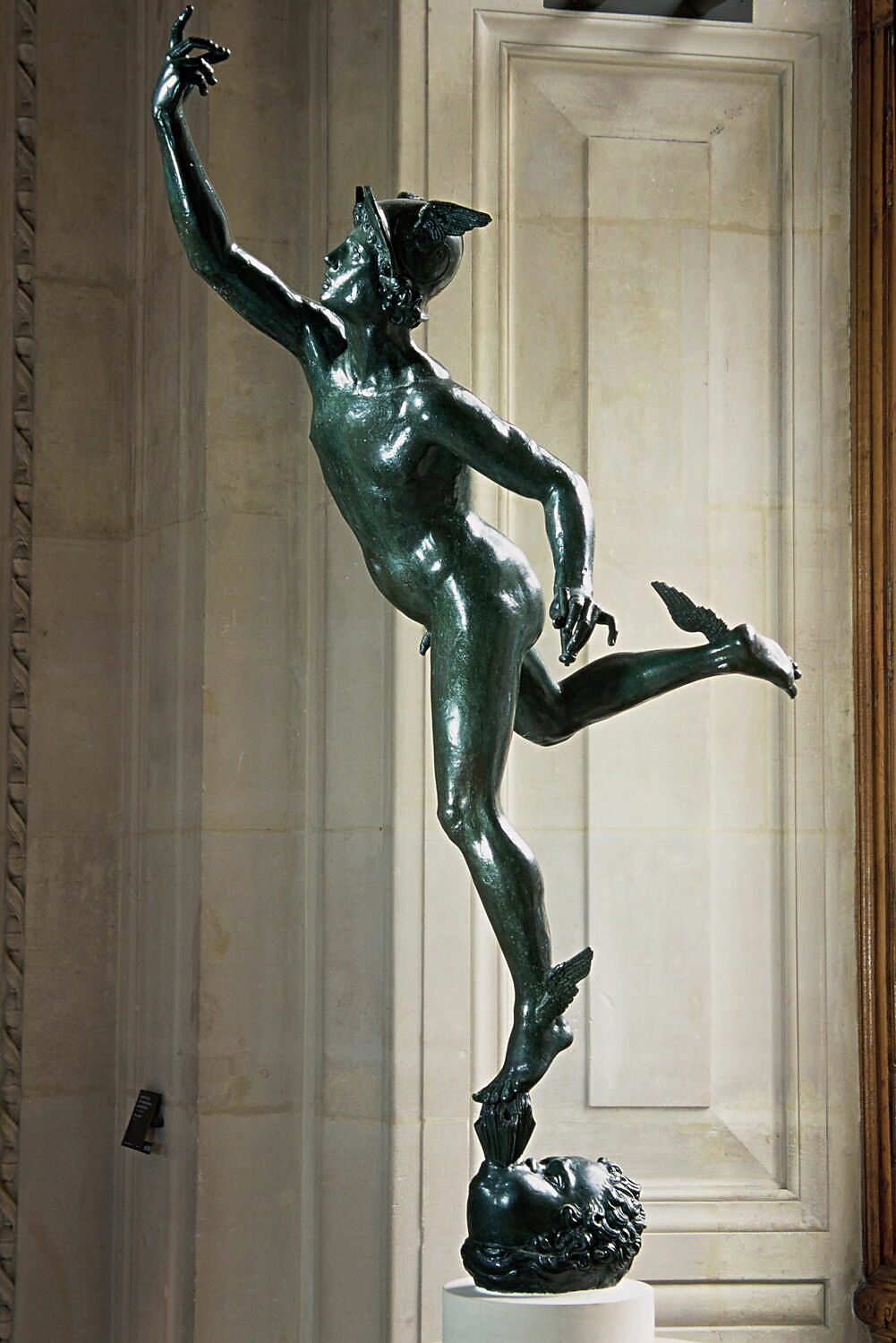
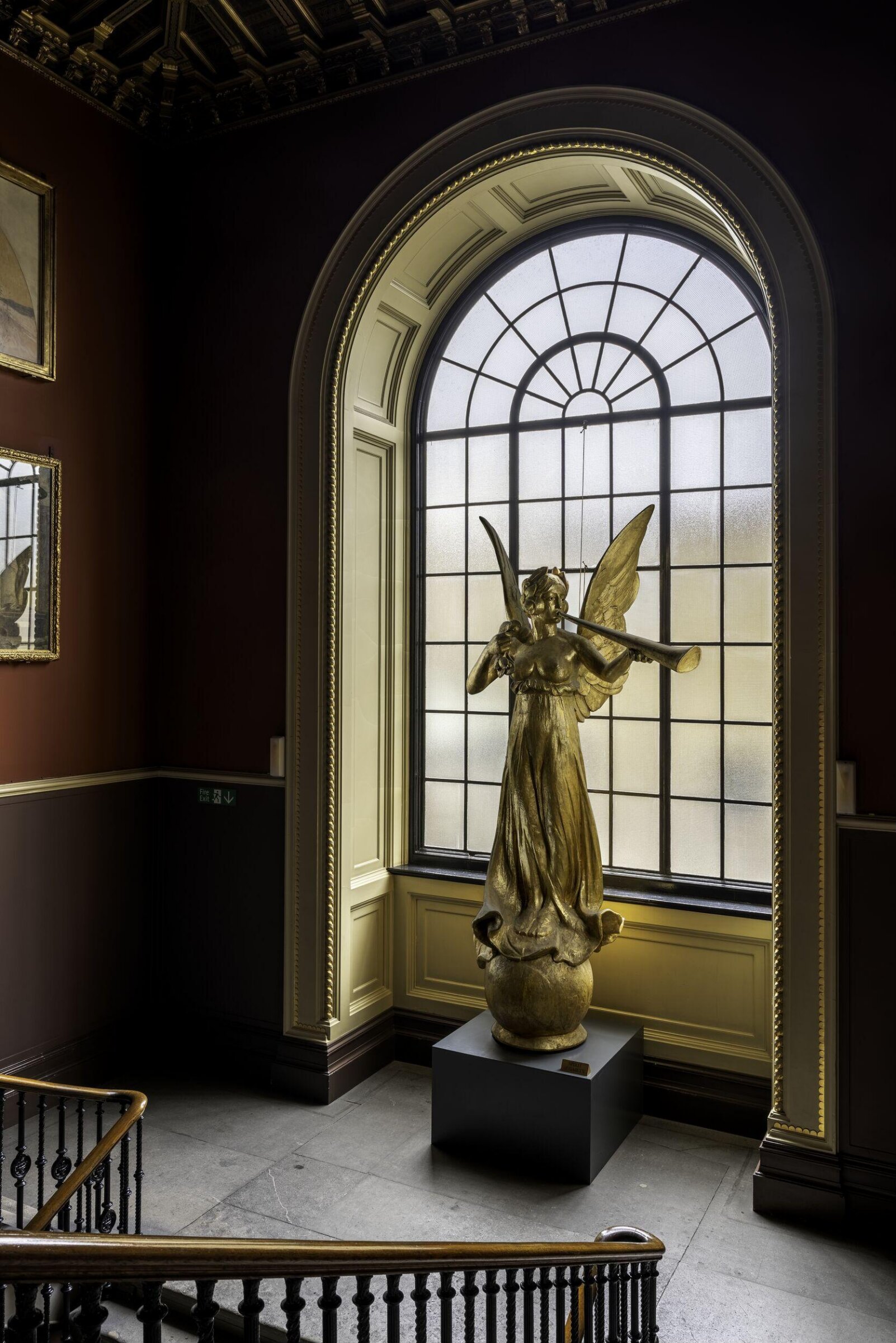
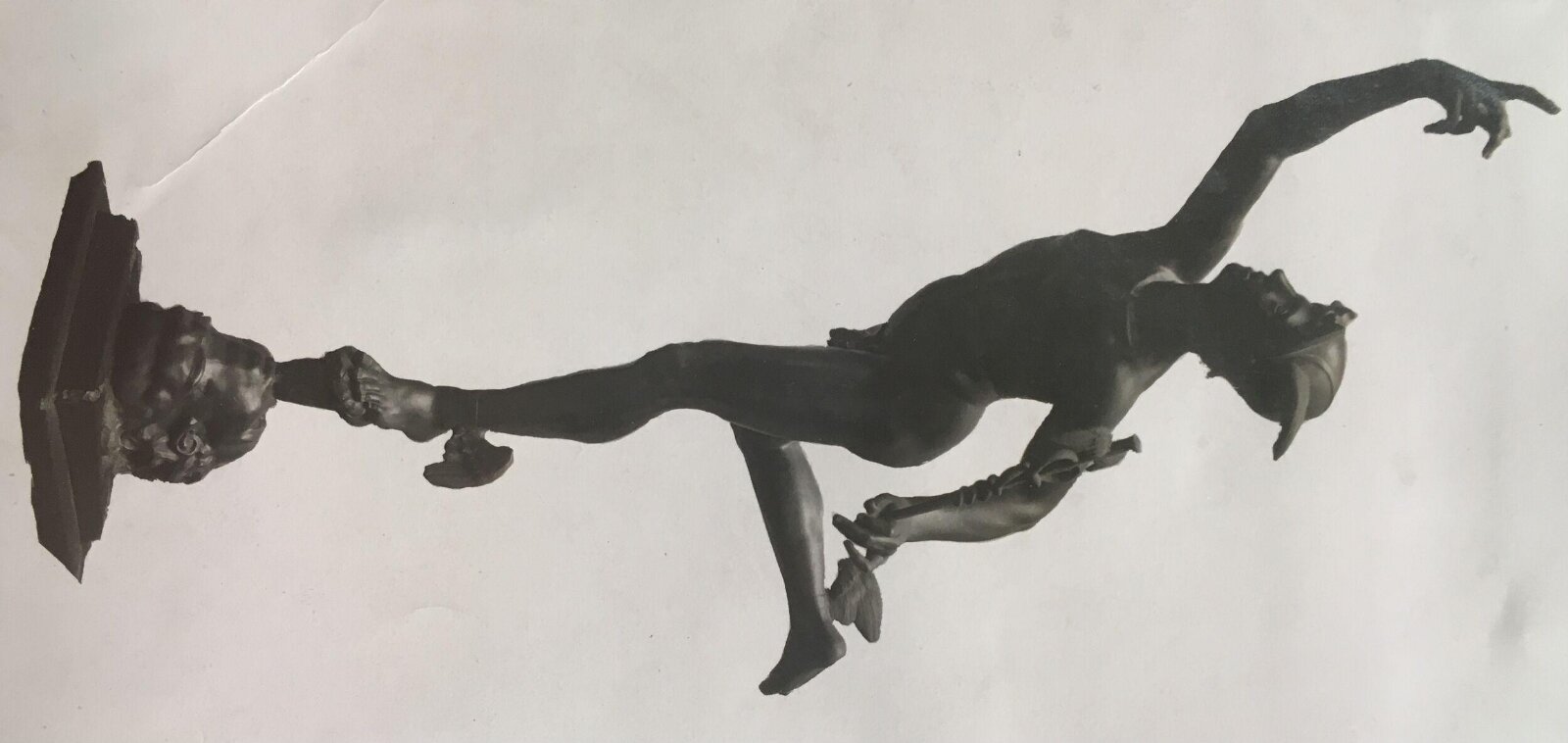
Mercury, Giambologna, ca. 1863
Giambologna, retratoGiambolognaFlandes, 1529–1608

Mercury

ca. 1863 · Statue · 182.9 × 121.9 cm

Sobre la escultura

Acquired by the museum in Paris in 1863 as a modern cast, the bronze is freely adapted from the version of Giambologna's Mercury in the Louvre. The Louvre bronze was sent to France from Florence in 1598, and is an example of a late type of Mercury evolved in Giambologna's workshop in the 1590s.

Born in Flanders Giovanni Bologna (1524-1608), or short Giambologna went to Rome to study antique sculpture from about 1550 to 1553. He then travelled through Florence where he was persuaded to stay. He became sculptor to the Medici family and thus became one of the most influential sculptors of the late 16th and early 17th centuries. He drew attention to many artists from Northern Europe and disseminated his style mainly through small bronzes. He established an efficient and large workshop.

Museo de Victoria y Alberto

Ficha

Número de inventario
9071-1863

Más obras de Giambologna

Todas las obras

En la misma sala · In store, Museo de Victoria y Alberto

Página del museo

Sobre el mismo tema · Putto

Todas las obras sobre el tema

¿Se puede contemplar?

Sí, recibe visitas

Museo de Victoria y Alberto

Londres, Reino Unido

SalaIn store

Expuesta al público. Quién lo avala figura más abajo.

Comprobado
hace 12 días
En este estado desde
25 sept 2026
Fuente
El museo
En el mapaPágina del museo

Lo que muestra

PuttoWindMercury

En el catálogo

EsculturaBronceRealismoImpresionismoSiglo XIXFrancia

Fuentes

  • Museo de Victoria y Alberto
  • Imagen: Museo de Victoria y Alberto — © Victoria and Albert Museum, London
Triton, Giambologna, 1590s

Triton

1590s · Museo Metropolitano de Arte

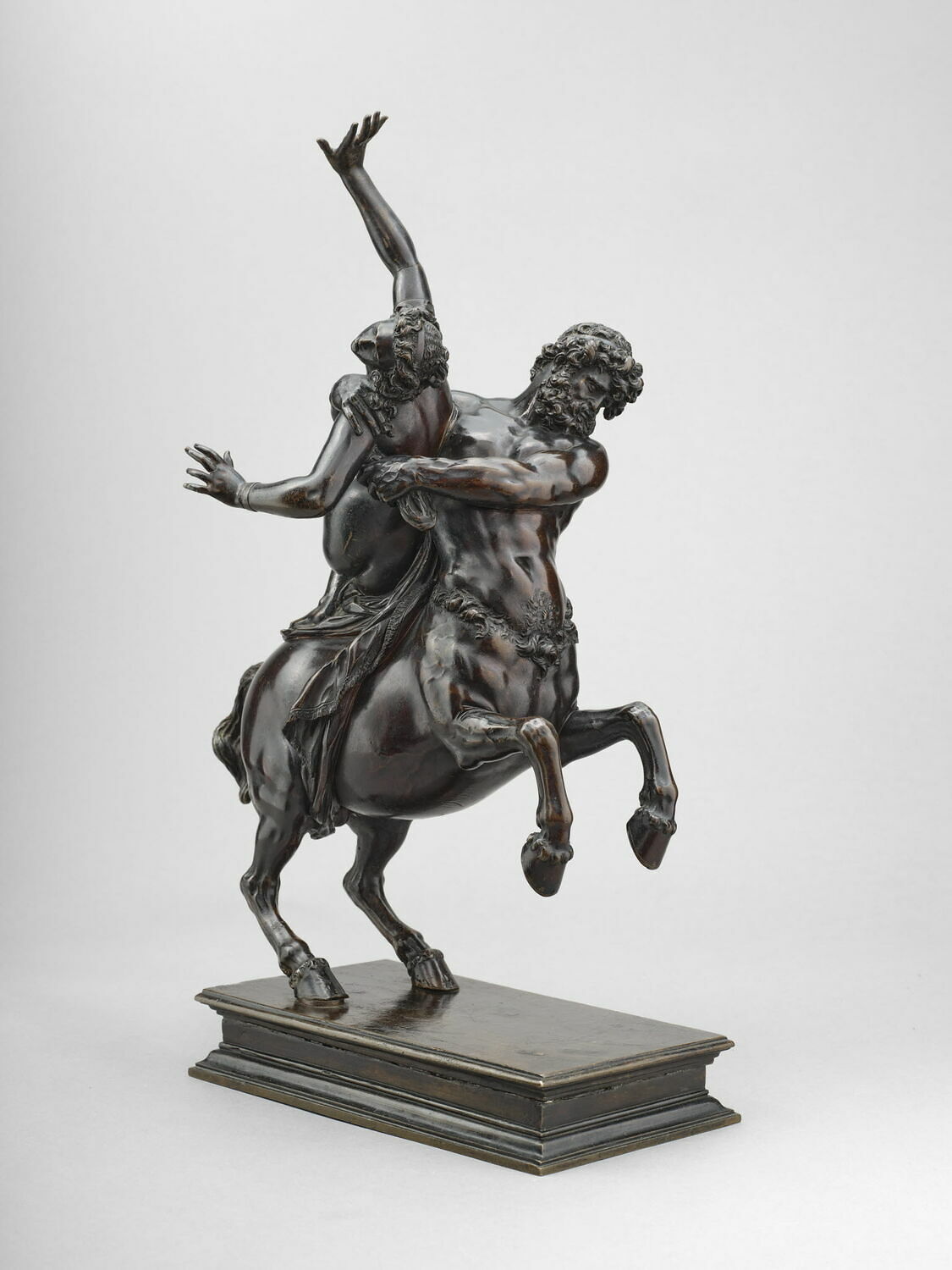
Groupe sculpté : l'Enlèvement de Déjanire, Bologne, Jean

Groupe sculpté : l'Enlèvement de Déjanire

Museo del Louvre

Mercure, Italie, 1574 - 1700

Mercure

1574 - 1700 · Museo del Louvre

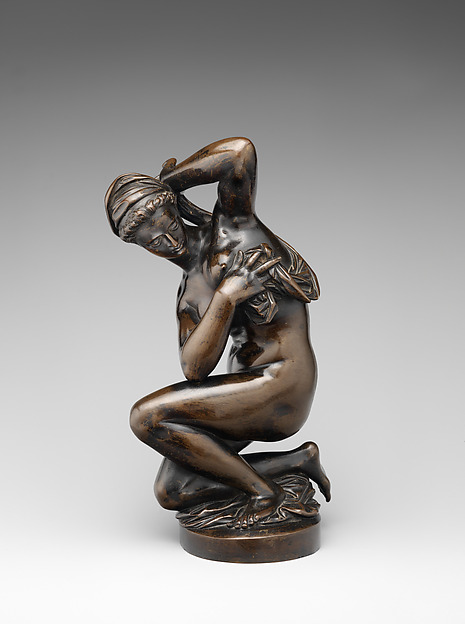
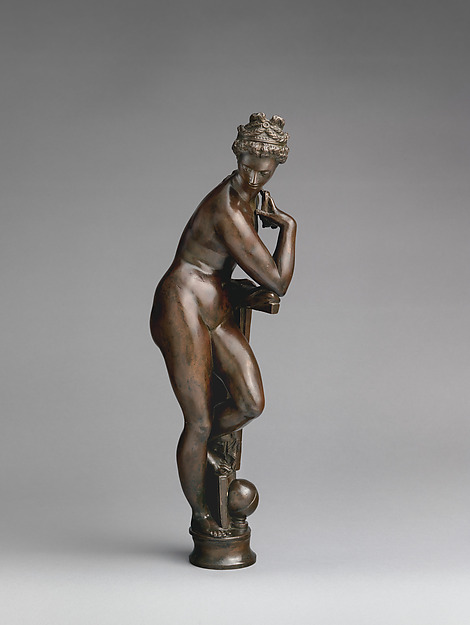
Crouching Venus, Giambologna, 17th century

Crouching Venus

17th century · Museo Metropolitano de Arte

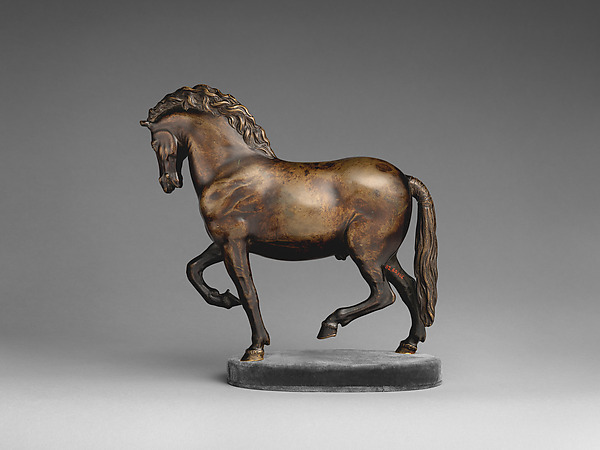
Trotting horse, Giambologna, 18th–19th century?

Trotting horse

18th–19th century? · Museo Metropolitano de Arte

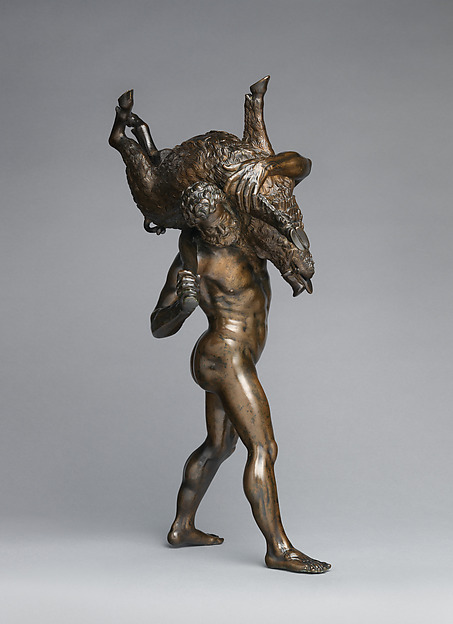
Hercules and the Erymanthian boar, Giambologna, Late 17th or 18th century

Hercules and the Erymanthian boar

Late 17th or 18th century · Museo Metropolitano de Arte

Astronomy, Giambologna, 17th century

Astronomy

17th century · Museo Metropolitano de Arte

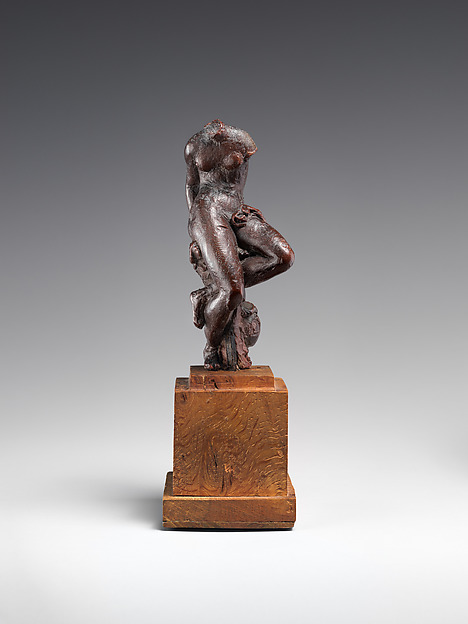
Seated woman representing Astrology, Giambologna, mid-1570s

Seated woman representing Astrology

mid-1570s · Museo Metropolitano de Arte

The Spirit of Gaiety, Hibbert C. Binney, 1904

Hibbert C. Binney

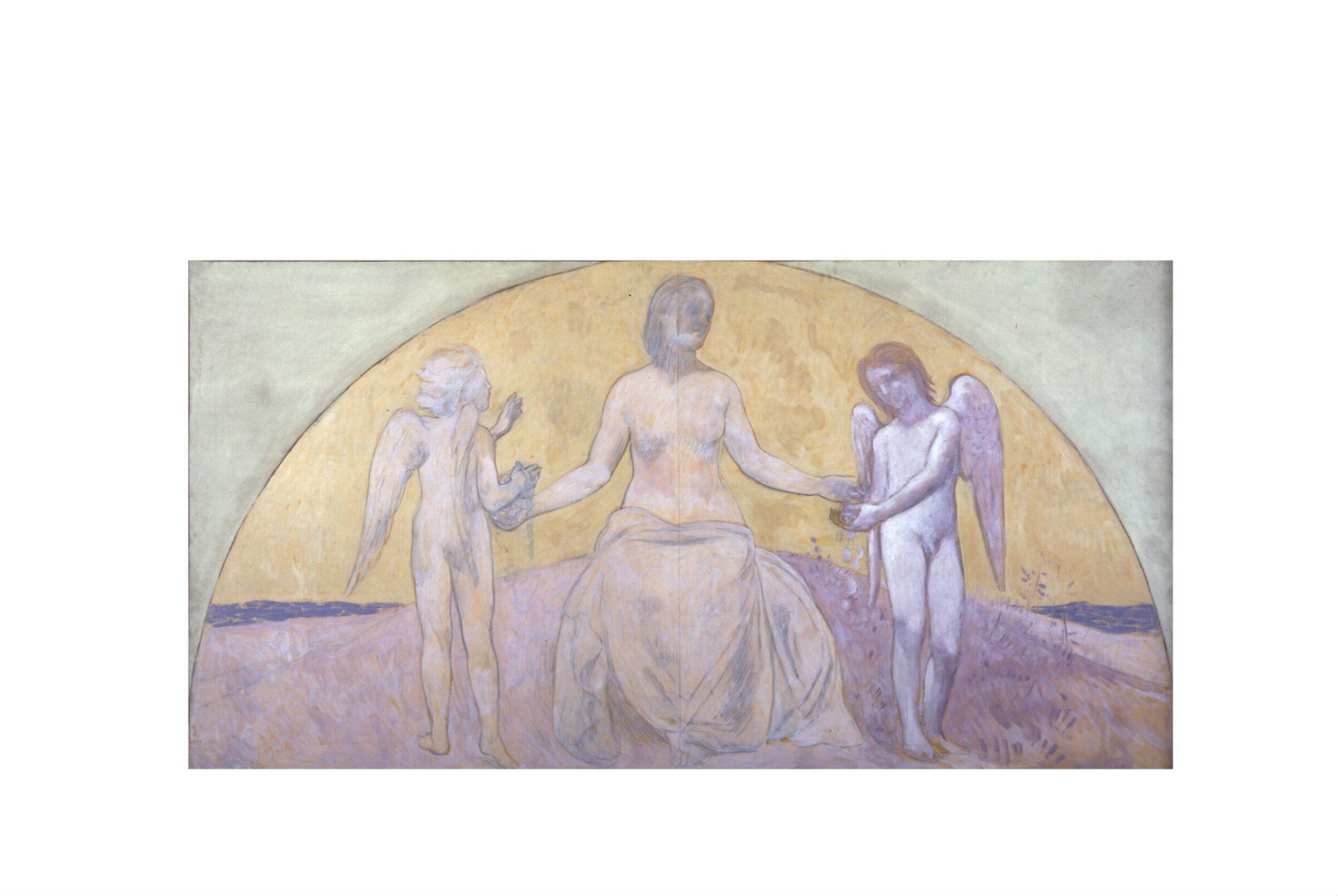
The Spirit of Gaiety, 1904

La Générosité, Pierre Puvis de Chavannes, 1894

Pierre Puvis de Chavannes

La Générosité, 1894

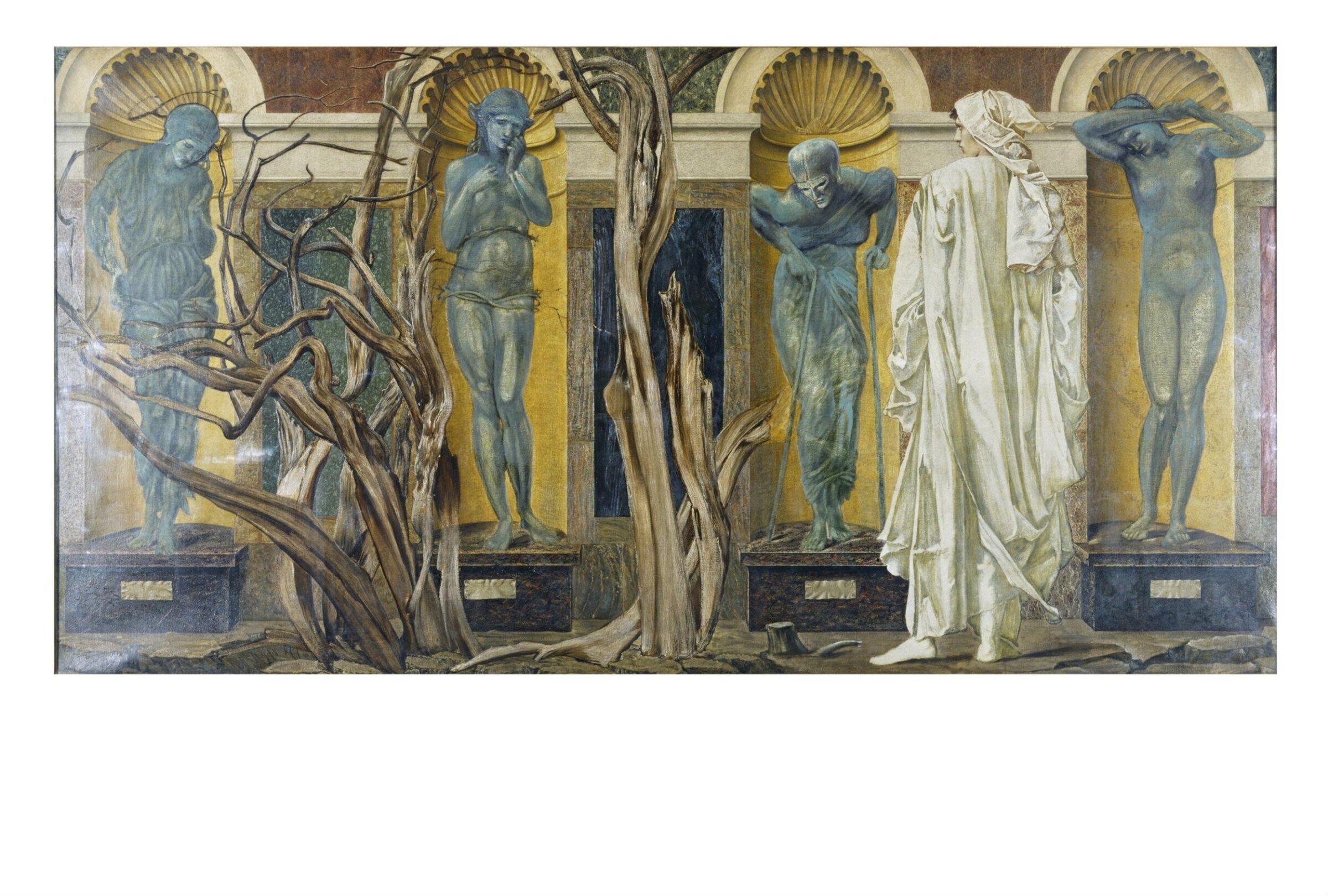
The Pilgrim Outside the Garden of Idleness (Scene from Roman de la Rose), Edward Coley Burne-Jones, ca. 1893-1898

Edward Burne-Jones

The Pilgrim Outside the Garden of Idleness (Scene from Roman de la Rose), ca. 1893-1898

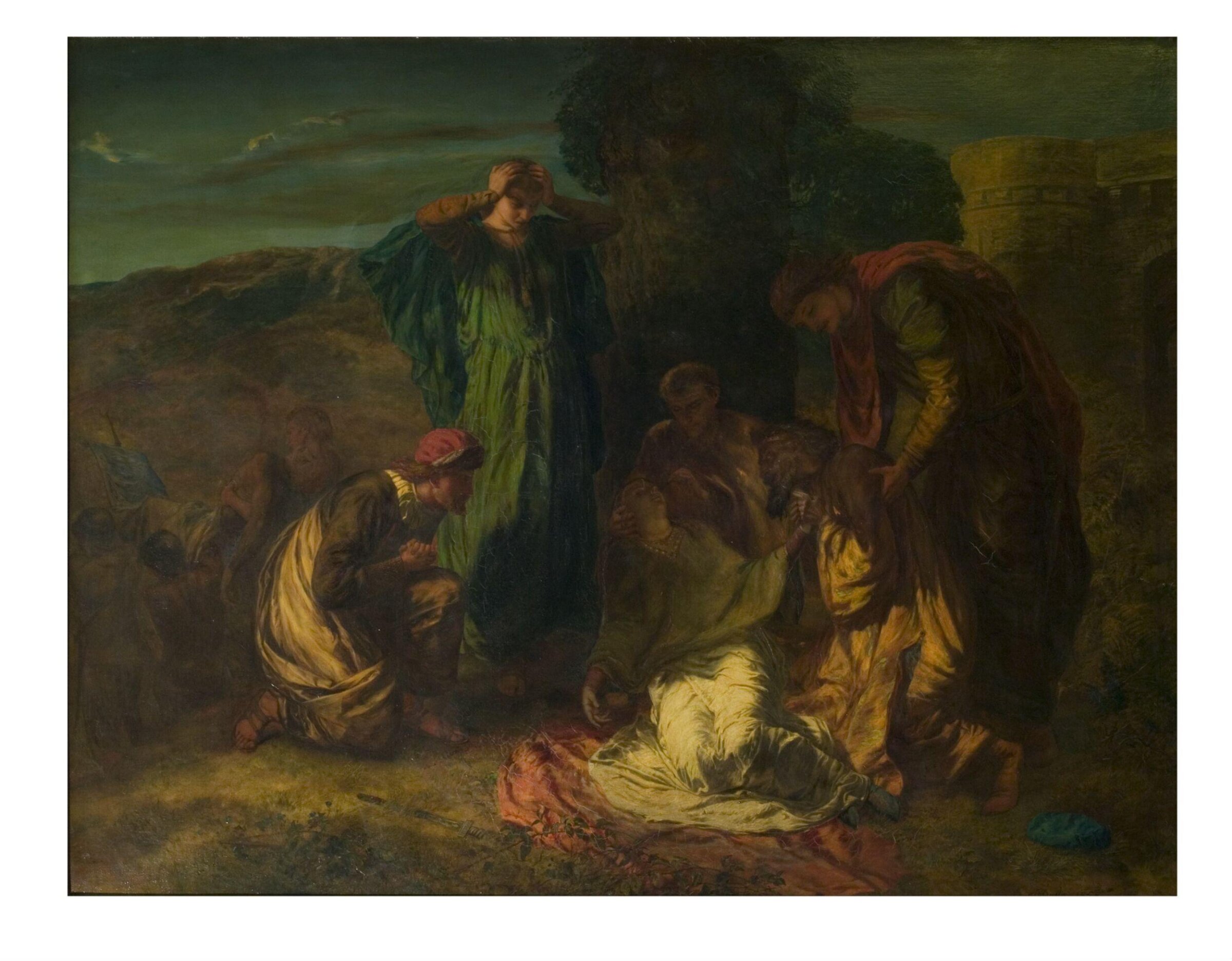
The Death of Cordelia, Paul Falconer Poole, 1858

Paul Falconer Poole

The Death of Cordelia, 1858

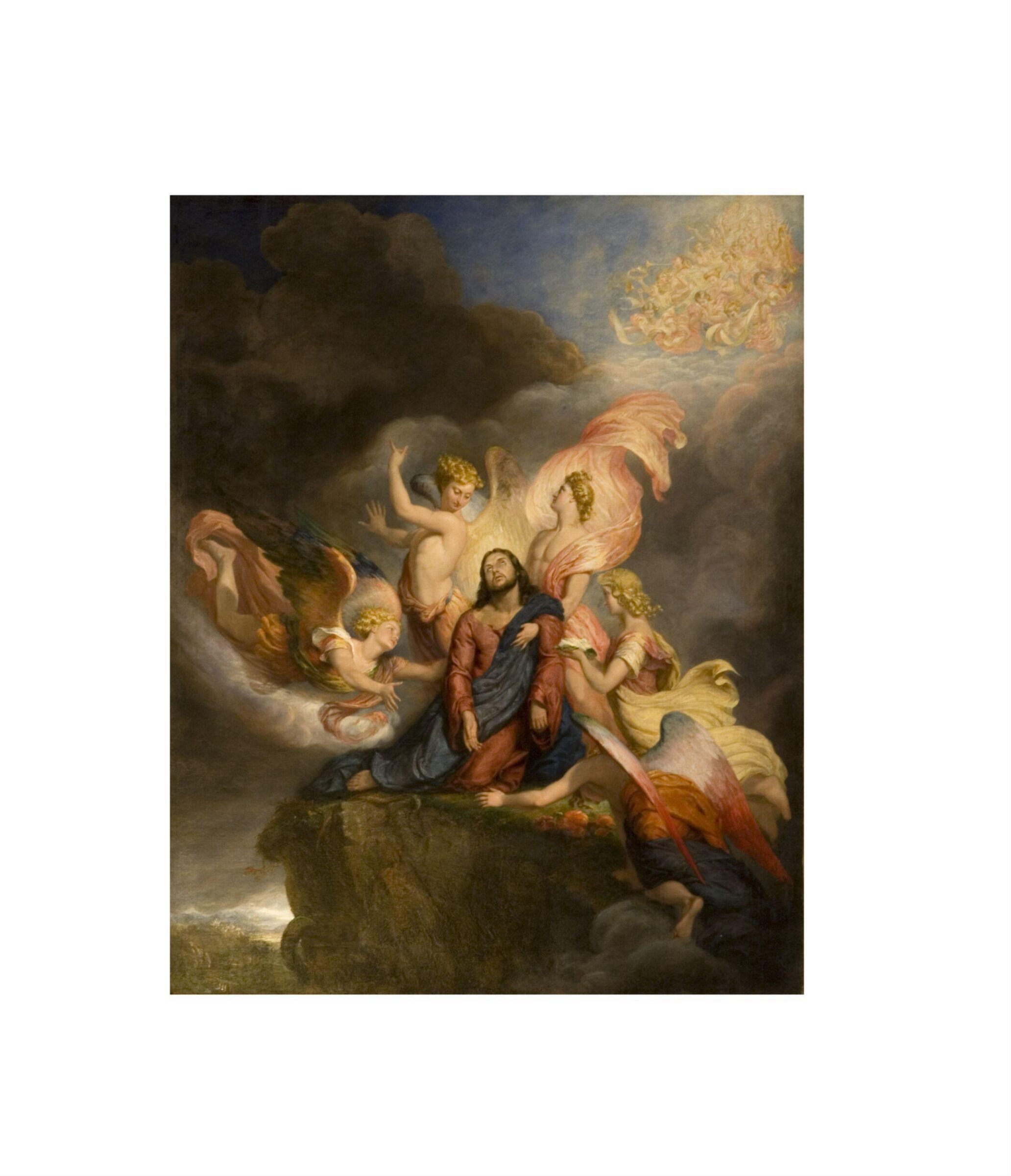
The Angels ministering to Christ, George Hayter, 1847-1849

Sir George Hayter

The Angels ministering to Christ, 1847-1849

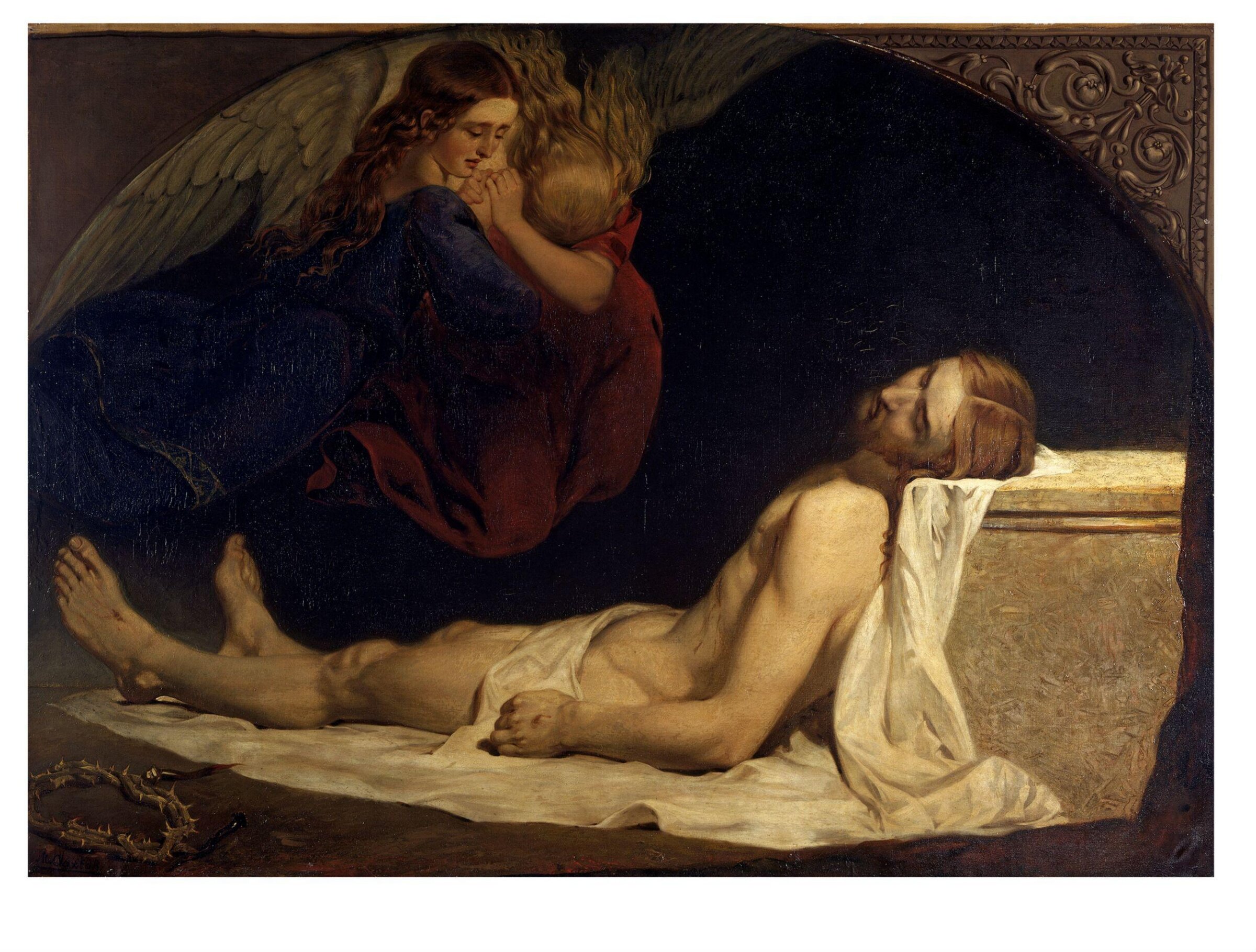
The Sepulchre, Marshall Claxton, 1843

Marshall Claxton

The Sepulchre, 1843

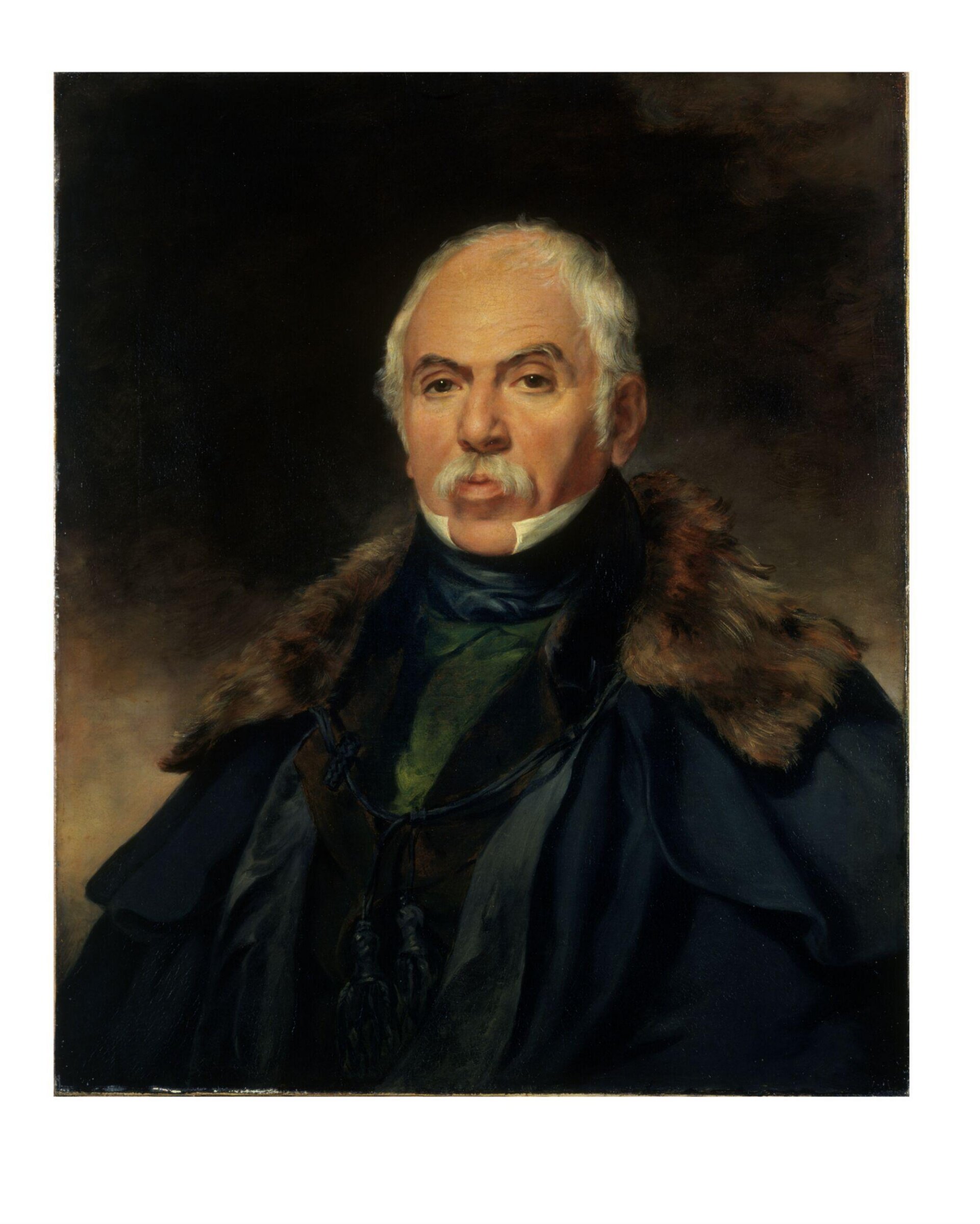
Constantine Ionides, George Frederick Watts, ca. 1840

George Frederick Watts

Constantine Ionides, ca. 1840

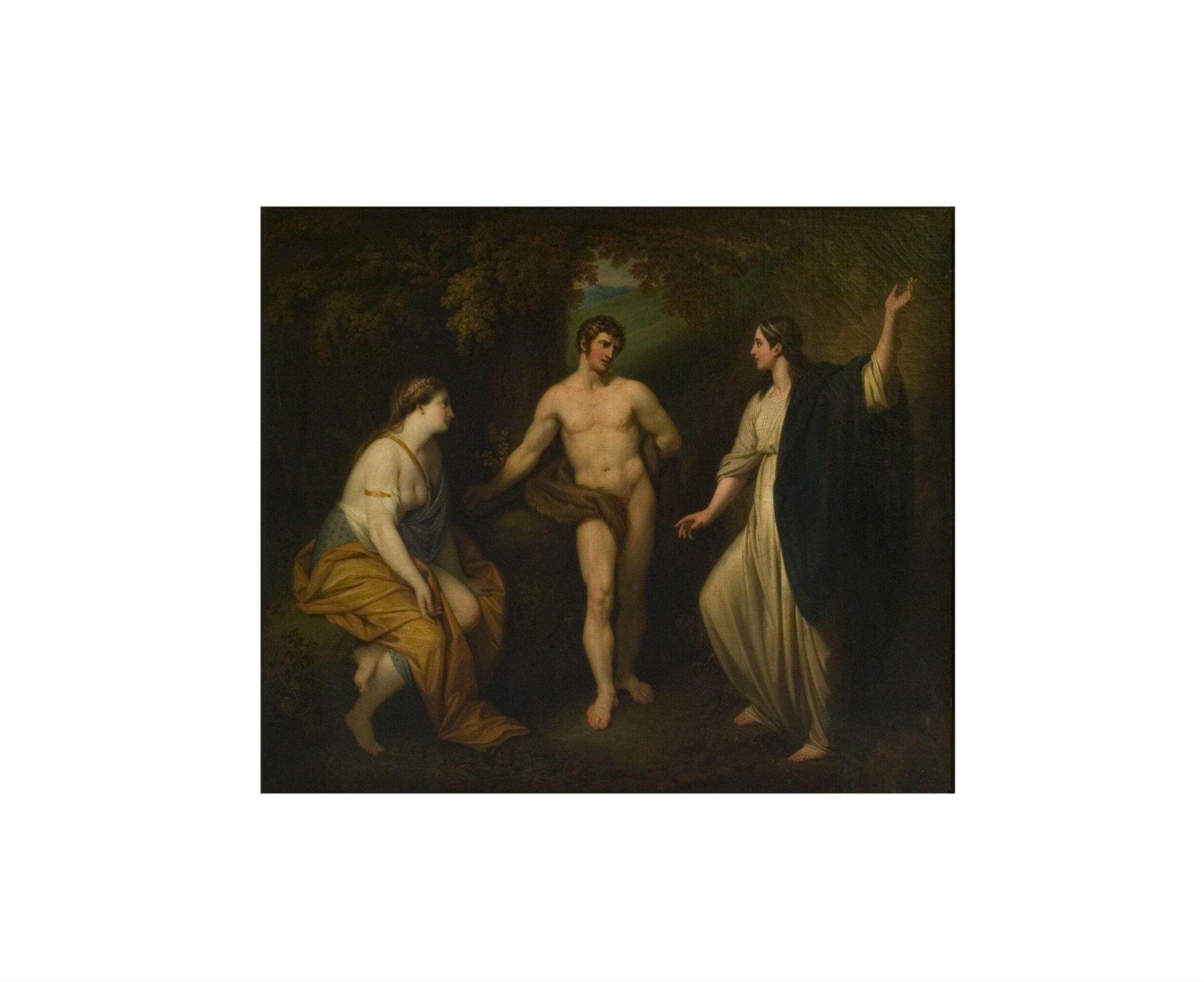
The Choice of Hercules between Virtue and Pleasure, Benjamin West, 1764

Benjamin West

The Choice of Hercules between Virtue and Pleasure, 1764

Die Heilige Sippe mit zwei musizierenden Engelknaben, Albrecht Dürer, 1511

Albrecht Dürer

Die Heilige Sippe mit zwei musizierenden Engelknaben, 1511

Museo Herzog Anton Ulrich

Die Eifersucht, Albrecht Dürer, 1498–1499

Albrecht Dürer

Die Eifersucht, 1498–1499

Museo Herzog Anton Ulrich

Meleagar und Atalanta, Peter Paul Rubens, 1674–1684

Peter Paul Rubens

Meleagar und Atalanta, 1674–1684

Museo Herzog Anton Ulrich

Thetis in der Schmiede des Vulkan, Anthony van Dyck, 1686

Anthony van Dyck

Thetis in der Schmiede des Vulkan, 1686

Museo Herzog Anton Ulrich

Christus wird von Engeln betrauert, Jusepe de Ribera, 17th century

Jusepe de Ribera

Christus wird von Engeln betrauert, 17th century

Museo Herzog Anton Ulrich

[Ausschnitt aus dem Fresko der Himmelfahrt Maria], Antonio da Correggio, 1697

Antonio da Correggio

[Ausschnitt aus dem Fresko der Himmelfahrt Maria], 1697

Museo Herzog Anton Ulrich

Die Madonna des heiligen Georg, Antonio da Correggio

Antonio da Correggio

Die Madonna des heiligen Georg

Galería de Pinturas de los Maestros Antiguos

Apotheose der Bildenden Künste, Charles Le Brun, 1639–1690

Charles Le Brun

Apotheose der Bildenden Künste, 1639–1690

Museo Herzog Anton Ulrich