 Ferdinand BolPaíses Bajos, 1616–1680
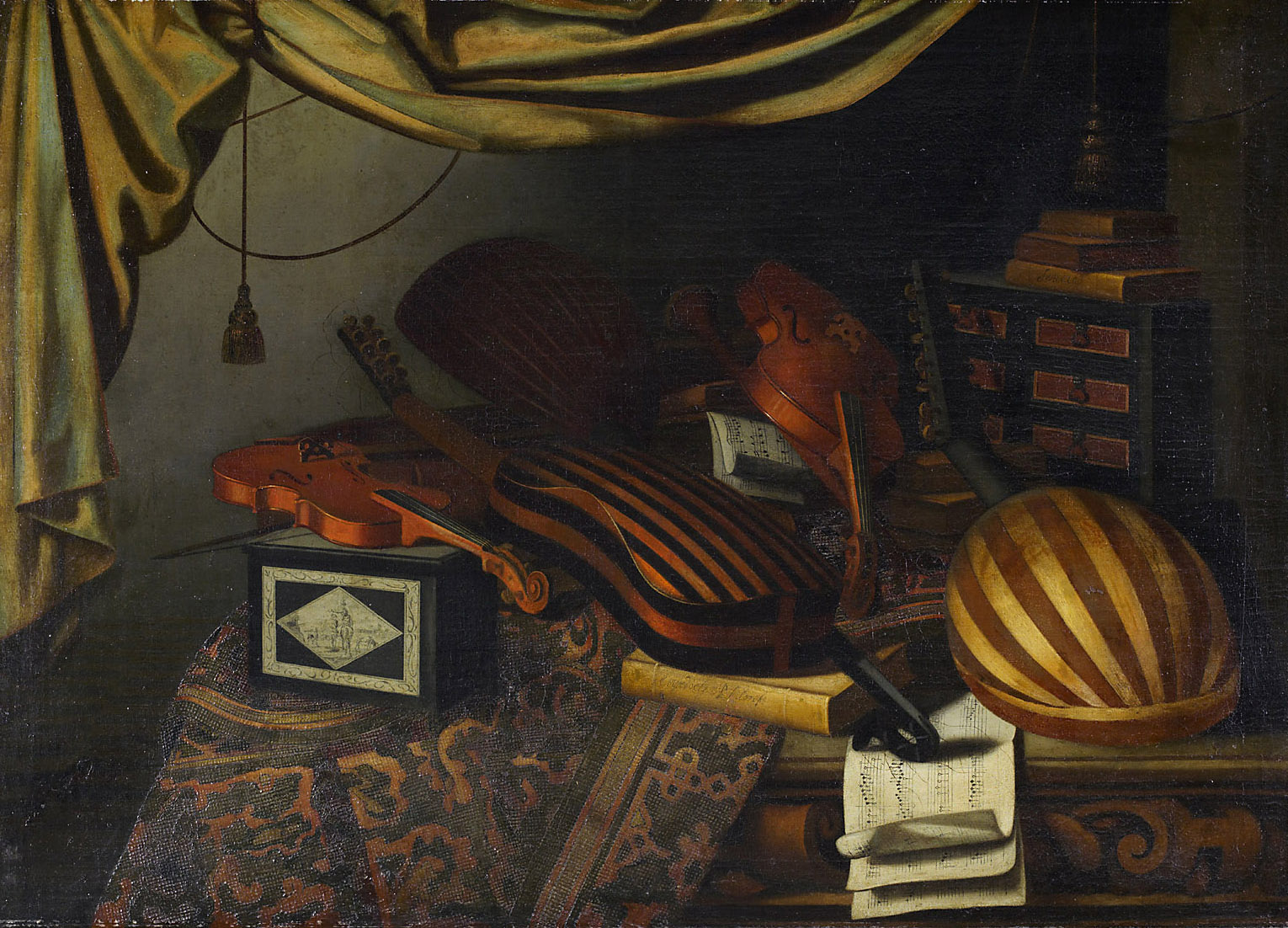
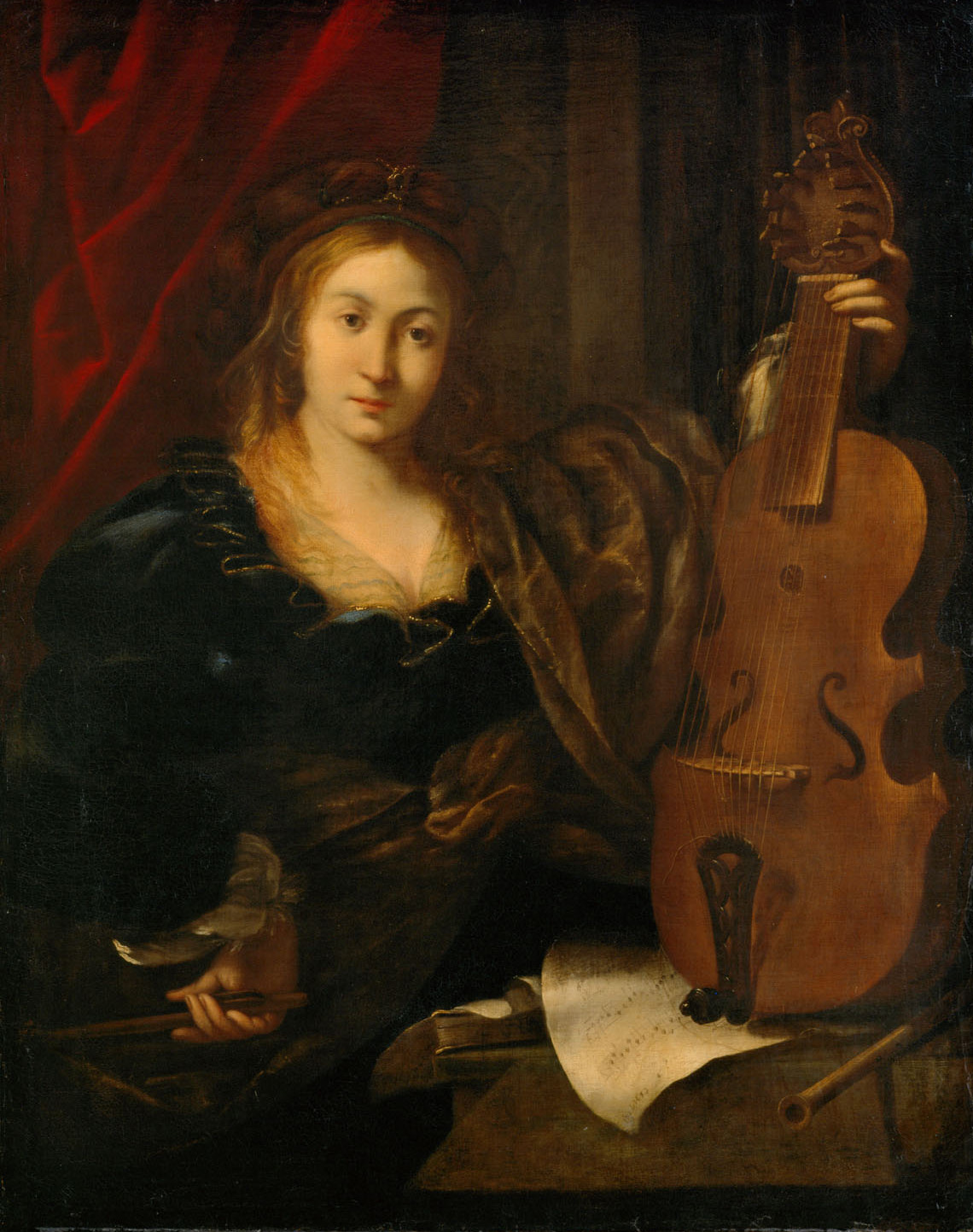
Mädchen mit Lira da Gamba
¿Puedo verla?
Sí, expuesta ahora
¿Dónde está «Mädchen mit Lira da Gamba» hoy? Museo de Historia del Arte de Viena, Neue Burg, Sammlung alter Musikinstrumente, Viena. Sí, expuesta ahora. Comprobado 9 de octubre de 2026.

Abierto· hasta las 18:00
Expuesta al público.
- Comprobado
- En este estado desde
- Fuente
- El sitio web del museo
Sobre el cuadro
En palabras del museo — en alemán
Beschriftung: Signatur: Bez. auf dem Notenblatt: BOL 1653 (das "B" neu ergänzt)
Museo de Historia del Arte de Viena
Ficha
En el catálogo
Exposiciones
Expuesta · Neue Burg, Sammlung alter Musikinstrumente
Museo de Historia del Arte de Viena · 9 oct 2026 — hoy · Verificado
Se desconoce si estaba expuesta
Museo de Historia del Arte de Viena · 27 sept 2026 — 9 oct 2026 · Sin confirmar
Fuentes
- Museo de Historia del Arte de Viena
- Imagen: Museo de Historia del Arte de Viena — CC BY-NC-SA 4.0
En la vida de Ferdinand Bol
La vida entera1636–1680 · Lugar de trabajo
Amsterdam
1652
Becomes a burgher of Amsterdam
Bol becomes a burgher of Amsterdam, the city where he would remain for the rest of his life.
1653
Marries Elisabeth Dell
The bride's father held posts in the Admiralty of Amsterdam and in the wine merchants' guild, both of which later commissioned works from the artist.
c. 1655
Commissions for the town hall and the Admiralty
Bol receives orders for two chimney pieces for rooms in the new town hall, designed by Jacob van Campen (now the Royal Palace on Dam Square), and four more for the Admiralty of Amsterdam.
1655
Becomes head of the Guild of St. Luke
Bol becomes head of the Guild of St. Luke; in these years he takes commissions from the Admiralty and the new town hall of Amsterdam.
mid-1650s
More official commissions than any other artist in Amsterdam
By the middle of the decade Bol's palette has lightened and his figures have grown more elegant, and he receives more official commissions than any other artist in Amsterdam. He delivers four paintings for the two mansions of the Trip brothers, who, like him, came from Dordrecht.