ART WIKI32.963 en sala
MapaColecciónArtistasMuseosExposicionesRevista
Acceder

ART WIKI

Dónde cuelga la obra maestra y cuándo le dejan pasar.

Colecciones: Galería Nacional de Arte, Galería Nacional de Dinamarca, Galería Nacional de Retratos, Galería Tretiakov, Harvard Art Museums, Instituto de Arte de Chicago, Instituto de Artes de Mineápolis, MoMA, Museo de Arte de Cleveland, Museo de Victoria y Alberto, Museo del Hermitage, Museo del Louvre, Museo Estatal Ruso, Museo Hirshhorn y Jardín de Esculturas, Museo J. Paul Getty, Museo Metropolitano de Arte, Museo Pushkin, Museo Smithsoniano de Arte Americano, Museo Whitney de Arte Estadounidense, National Museum of Asian Art, Rijksmuseum, Villa Getty, Catálogo Estatal del Fondo Museístico de Rusia (274 museos), Europeana (19 museos), Wikidata (6 museos), Paris Musées (12 museos) y Joconde, la base de museos del Ministerio de Cultura de Francia (495 museos). Las imágenes pertenecen a sus titulares de derechos.

Secciones

  • Mapa
  • Búsqueda
  • Colección
  • Obras maestras
  • Expuestas ahora
  • Artistas

Más

  • Museos y galerías
  • Exposiciones
  • Revista
  • De dónde salen los datos
  • Privacidad y cookies
InicioMapaCatálogo
  1. Colección/
  2. Museo del Louvre/
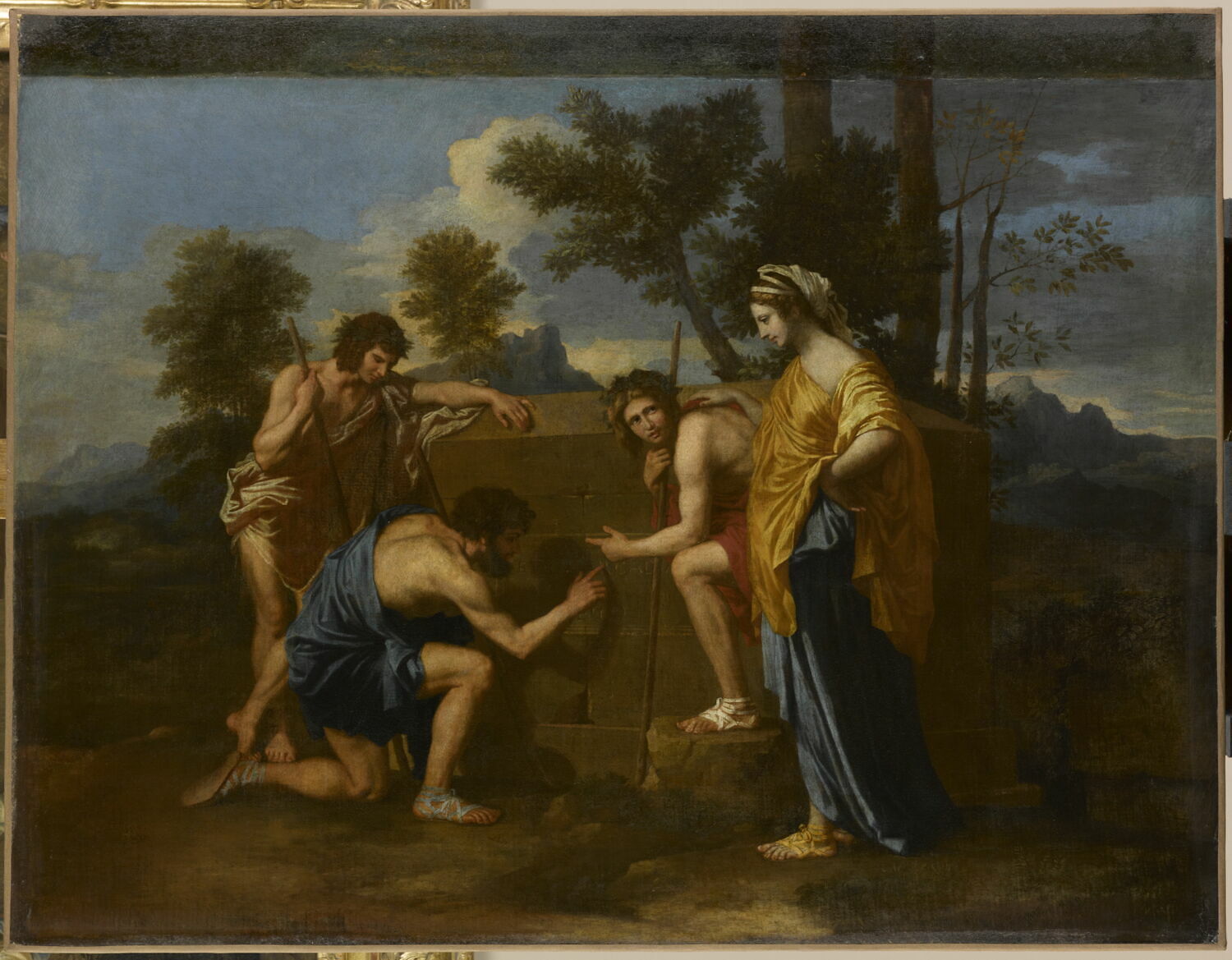
  3. Les Bergers d'Arcadie
Les Bergers d'Arcadie, Poussin, Nicolas, 2e quart du XVIIe siècle (vers 1638)
Nicolas Poussin, retratoNicolas PoussinFrancia, 1594–1665

Les Bergers d'Arcadie

2e quart du XVIIe siècle (vers 1638) · Peintures

¿Se puede contemplar?

Sí, recibe visitas

Museo del Louvre

París, Francia

Sala825, Aile Richelieu, Niveau 2

Expuesta al público. Quién lo avala figura más abajo.

Comprobado
hace 12 días
En este estado desde
26 sept 2026
Fuente
El museo
En el mapaPágina del museo

Sobre el cuadro

Los pastores de Arcadia (en francés, Les Bergers d’Arcadie), conocida popularmente como Et in Arcadia ego, es un cuadro del pintor francés Nicolas Poussin. Está realizado al óleo sobre lienzo. Mide 85 cm de alto y 121 cm de ancho. Fue pintado en 1637 y 1638. Se encuentra en el Museo del Louvre, de París (Francia). La obra pertenece al género mitológico, alegórico y bucólico, y representa a tres pastores idealizados y una dama dispuestos ante una tumba austera.

Wikipedia · CC BY-SA

Ficha

2e quart du XVIIe siècle (vers 1638) · a los 44 años
15941665
Número de inventario
INV 7300

En el catálogo

PinturaÓleoPintura francesaBarrocoSiglo XVII

Fuentes

  • Museo del Louvre
  • Imagen: Museo del Louvre — © 2011 GrandPalaisRmn (musée du Louvre) / Stéphane Maréchalle

Mientras tanto, en la vida de Nicolas Poussin

La vida entera
  1. 1624–1640

    Domenichino’s academy, anatomy, measuring ancient statues

    He resumed his study of anatomy with the surgeon Larchet, drew models at Domenichino’s academy, worked in the open air and measured ancient statues — on the back of the drawing “The Victory of Joshua” survive his measurements of the Apollo Belvedere; unlike many, he did not “restore” the lost fragments of antiques. In his Roman years he began to learn modelling, made wax models, arranged them in the order he wanted on a board, and copied Titian’s “Bacchanal” — in oil and as a bas-relief together with one of the Duquesnoy brothers.

  2. 1630s

    Cassiano dal Pozzo — his chief patron

    Poussin’s flowering coincided with his complete abandonment of church commissions: he gathered a circle of patrons around him but strove for independence, accepting commissions from connoisseurs without binding himself to any of them permanently. The most important was Cassiano dal Pozzo; in the surviving correspondence the relationship comes close to servitude, although the painter did not live in his house.

  3. 1630s

    Brother-in-law Gaspard Dughet — his first pupil

    After the wedding Poussin went on living in the house on the Via Paolina; with him lived Anne-Marie’s brother Gaspard Dughet, the future well-known landscape painter, and from 1636 his younger brother Jean. Poussin became Gaspard’s first teacher, and Gaspard later took his surname; the marriage seems to have been a happy one, but childless.

  4. 1639

    Begins his correspondence with Paul Fréart de Chantelou

    From 1639 until the painter’s death runs his correspondence with the court counsellor and royal maître d’hôtel Paul Fréart de Chantelou — a monument of long friendship and the chief source on Poussin’s daily occupations; the letters are in French and make no literary claims.

  5. December 1640

    December 1640: Poussin returns to Paris

    François Sublet de Noyers, Superintendent of the King’s Buildings, whose invitations Poussin had declined, sent his cousins Roland and Paul Fréart to Rome, offering the title of First Painter to the King and a substantial residence at the Tuileries. Poussin yielded, and in December 1640 he was back in Paris.
Más obras de Nicolas Poussin

Todas las obras
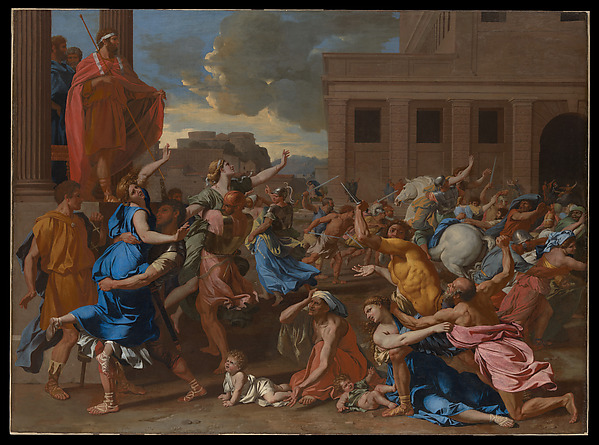
The Abduction of the Sabine Women, Nicolas Poussin, probably 1633–34

The Abduction of the Sabine Women

probably 1633–34 · Museo Metropolitano de Arte

Blind Orion Searching for the Rising Sun, Nicolas Poussin, 1658

Blind Orion Searching for the Rising Sun

1658 · Museo Metropolitano de Arte

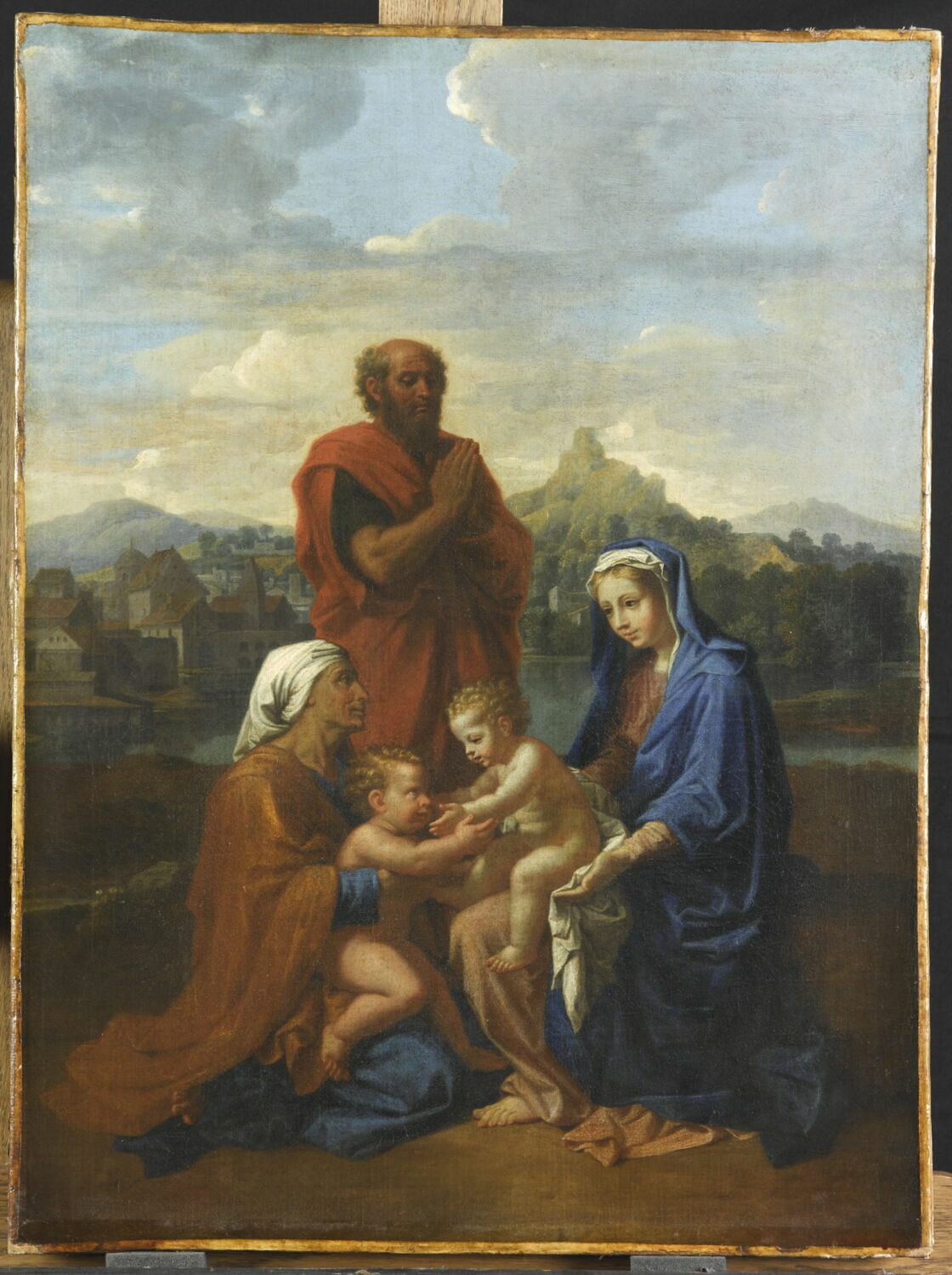
La Sainte Famille avec saint Jean, sainte Elisabeth et saint Joseph priant, Poussin, Nicolas, Milieu du XVIIe siècle (vers 1650 - 1951)

La Sainte Famille avec saint Jean, sainte Elisabeth et saint Joseph priant

Milieu du XVIIe siècle (vers 1650 - 1951) · Museo del Louvre

Victory of Joshua over the Amalekites, Nicolas Poussin, 1623

Victory of Joshua over the Amalekites

1623 · Museo del Hermitage

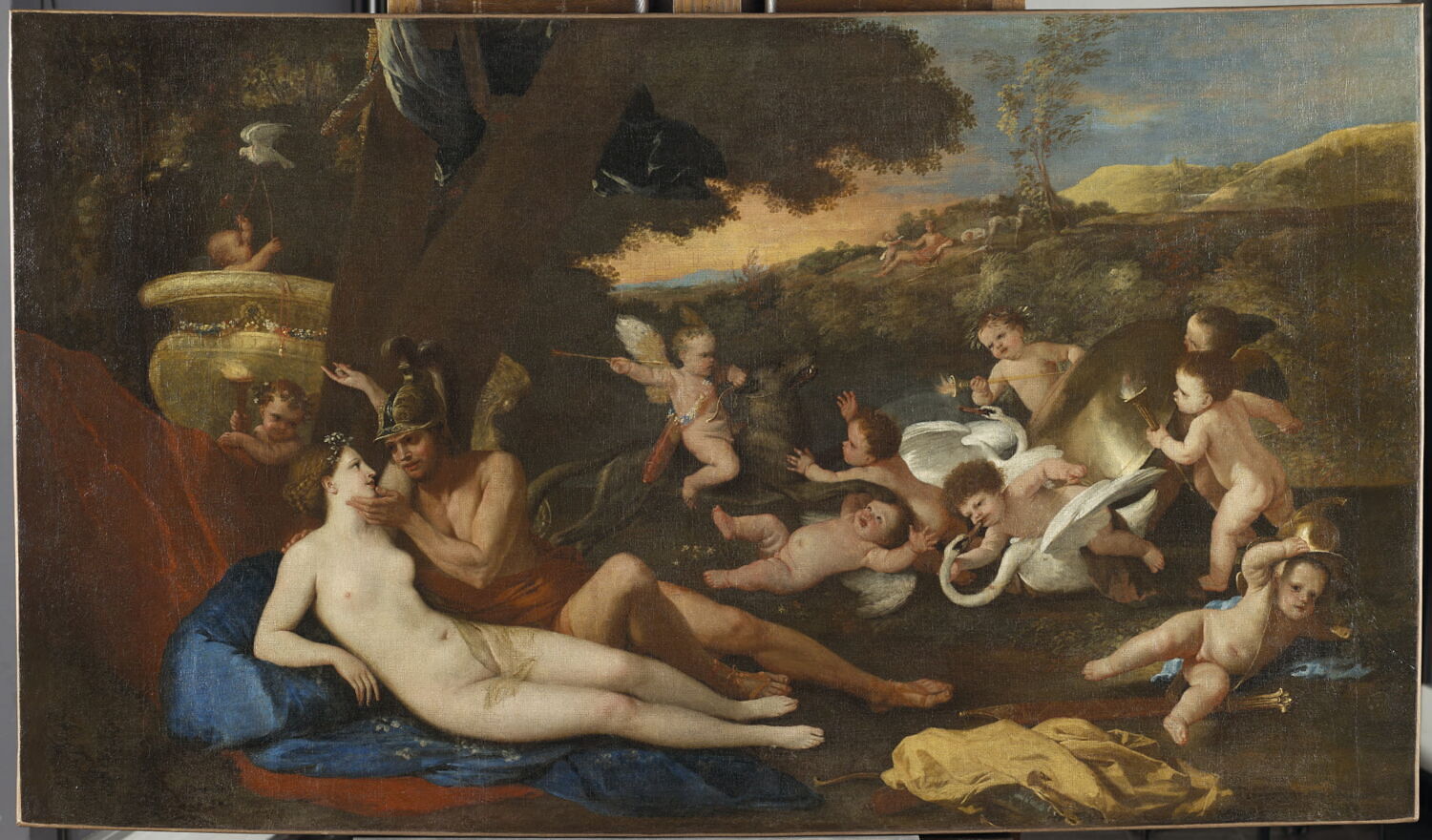
Mars et Vénus, Poussin, Nicolas, 1e tiers du XVIIe siècle (vers 1625)

Mars et Vénus

1e tiers du XVIIe siècle (vers 1625) · Museo del Louvre

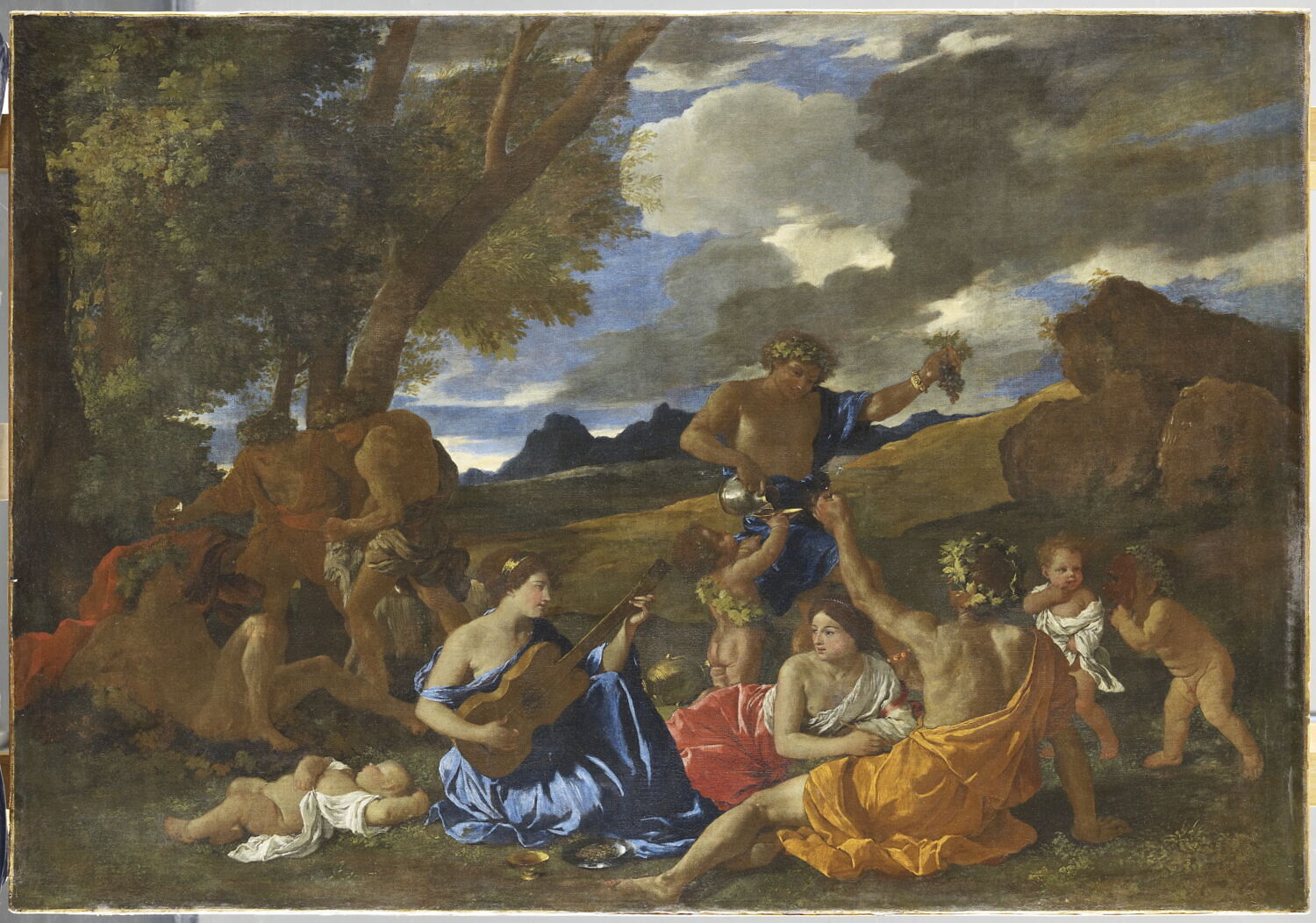
Bacchanale à la joueuse de guitare, Poussin, Nicolas, 2e quart du XVIIe siècle (vers 1625)

Bacchanale à la joueuse de guitare

2e quart du XVIIe siècle (vers 1625) · Museo del Louvre

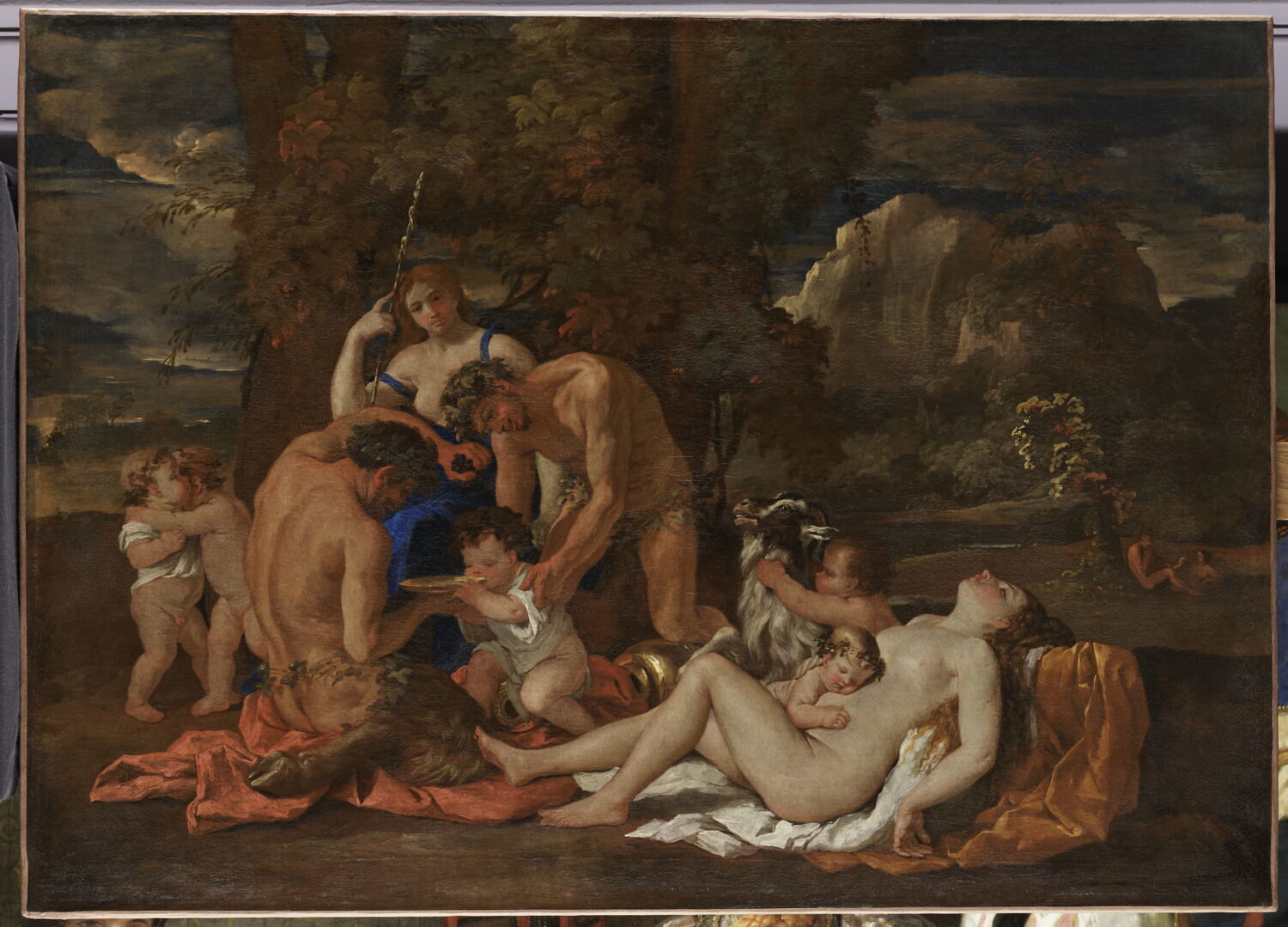
La Nourriture de Bacchus, Poussin, Nicolas, 2e quart du XVIIe siècle (vers 1626)

La Nourriture de Bacchus

2e quart du XVIIe siècle (vers 1626) · Museo del Louvre

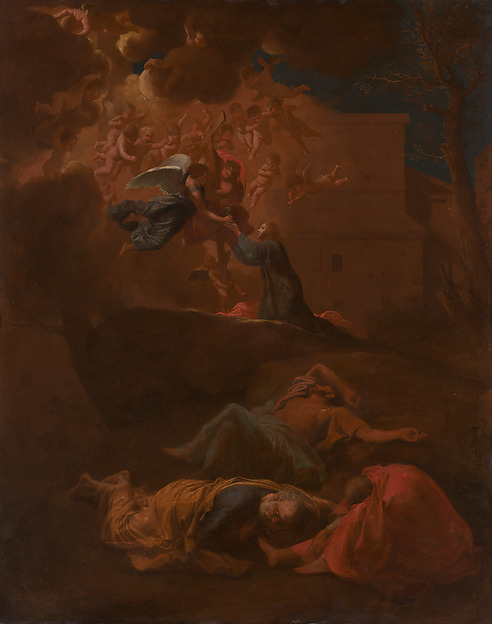
The Agony in the Garden, Nicolas Poussin, 1626–27

The Agony in the Garden

1626–27 · Museo Metropolitano de Arte

Bajo el mismo techo: Museo del Louvre

Página del museo
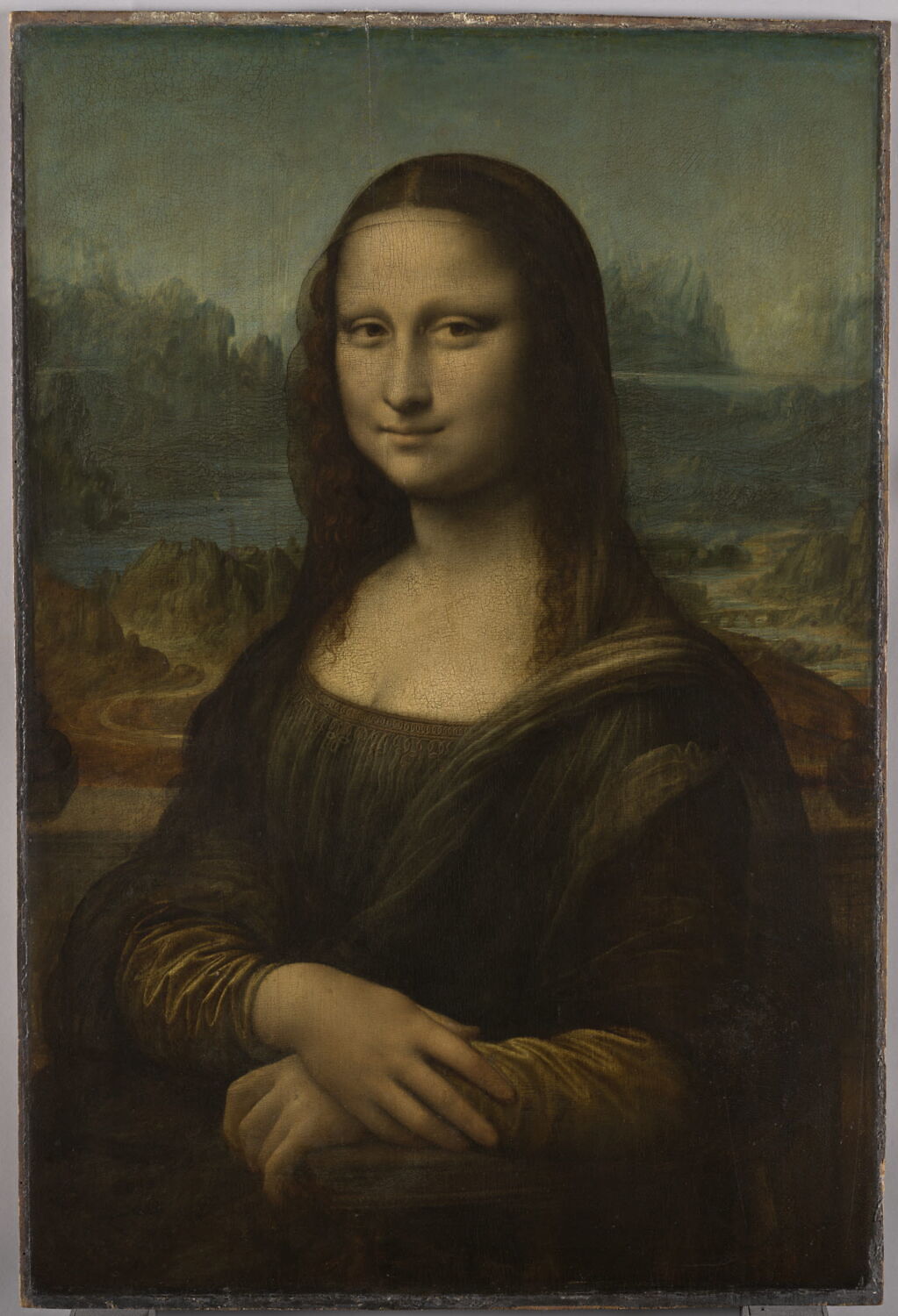
Portrait de Lisa Gherardini, épouse de Francesco del Giocondo, dit La Joconde ou Monna Lisa, Léonard de Vinci, 1e quart du XVIe siècle (1503 - 1519)

Leonardo da Vinci

La Gioconda, 1e quart du XVIe siècle (1503 - 1519)

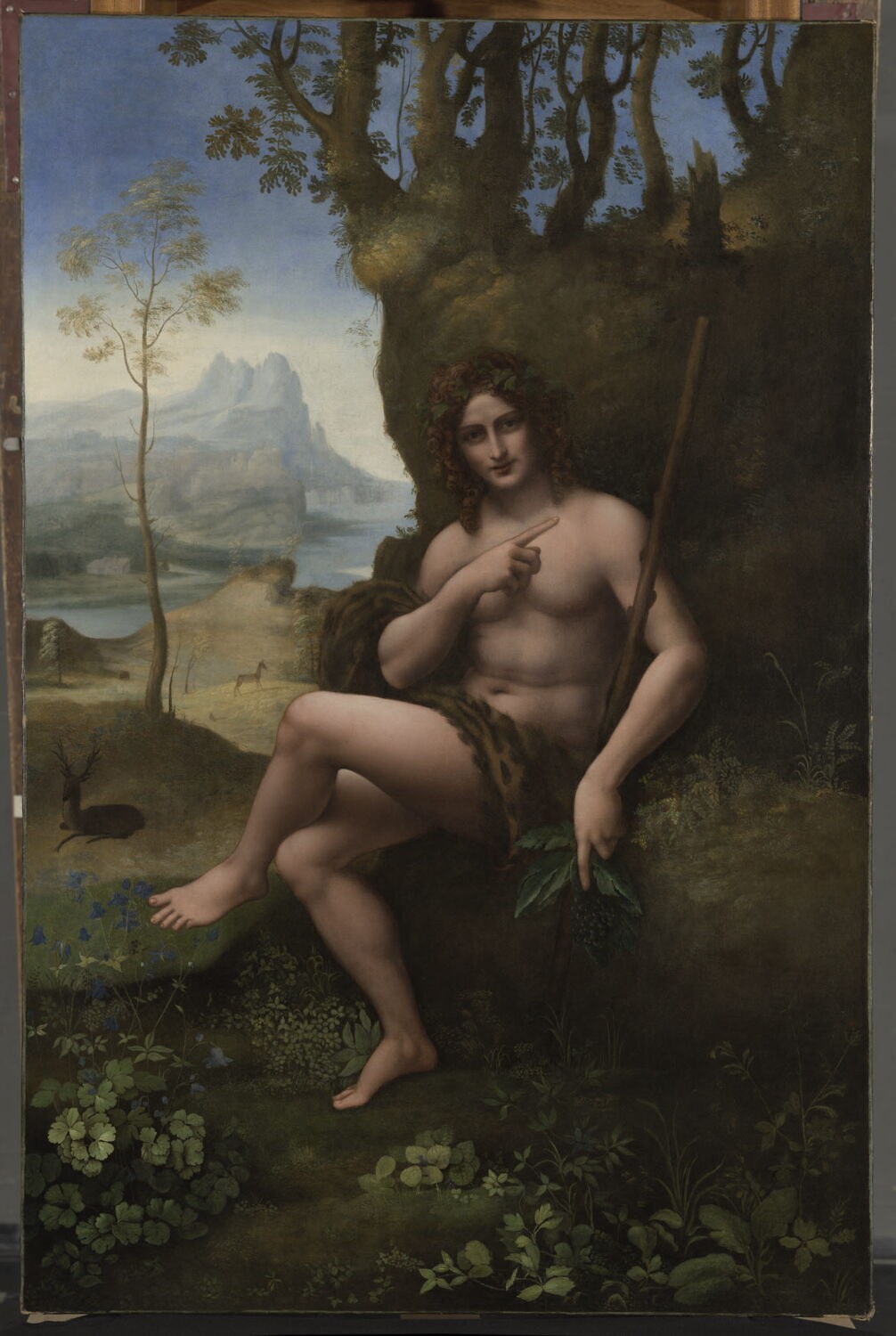
Saint Jean Baptiste, Léonard de Vinci, 1e quart du XVIe siècle (vers 1517 - 1520)

Leonardo da Vinci

Baco, 1e quart du XVIe siècle (vers 1517 - 1520)

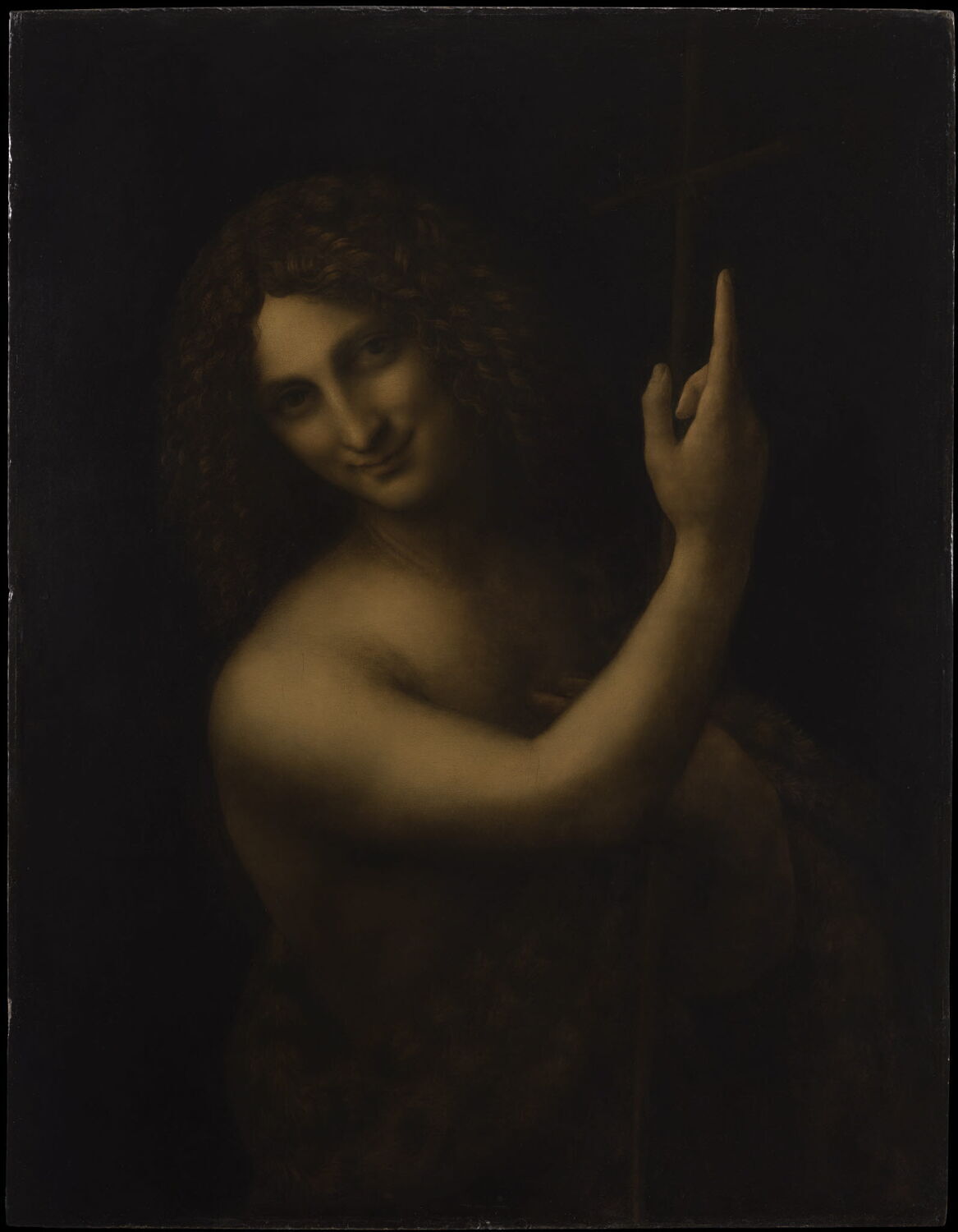
Saint Jean Baptiste, Léonard de Vinci, 1e quart du XVIe siècle (vers 1508 - 1519)

Leonardo da Vinci

San Juan Bautista, 1e quart du XVIe siècle (vers 1508 - 1519)

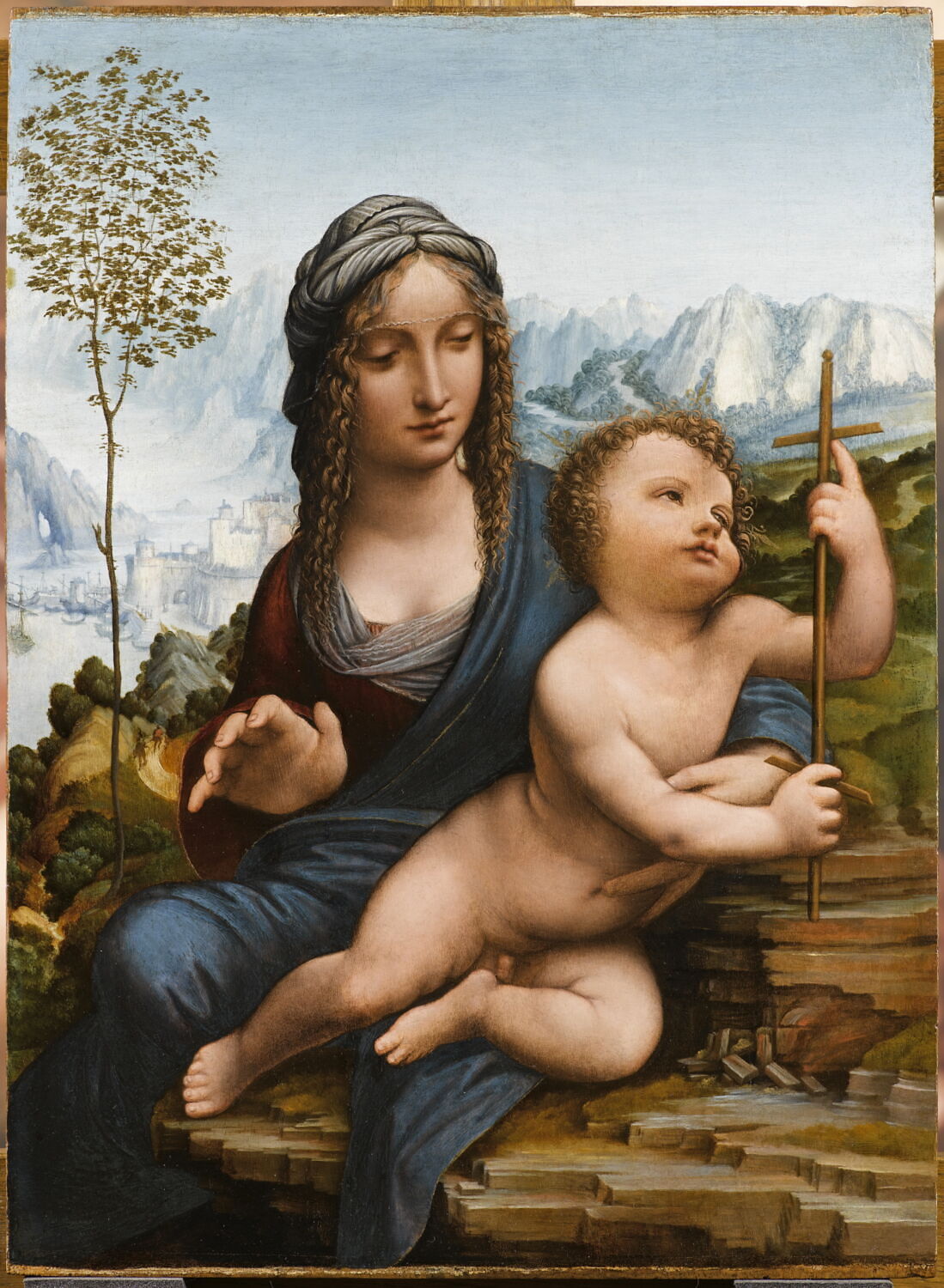
La Vierge et l'Enfant Jésus, dite Vierge au dévidoir ou Vierge aux fuseaux, Léonard de Vinci, XVIe siècle (vers 1505 - 1520)

Leonardo da Vinci

La Vierge et l'Enfant Jésus, dite Vierge au dévidoir ou Vierge aux fuseaux, XVIe siècle (vers 1505 - 1520)

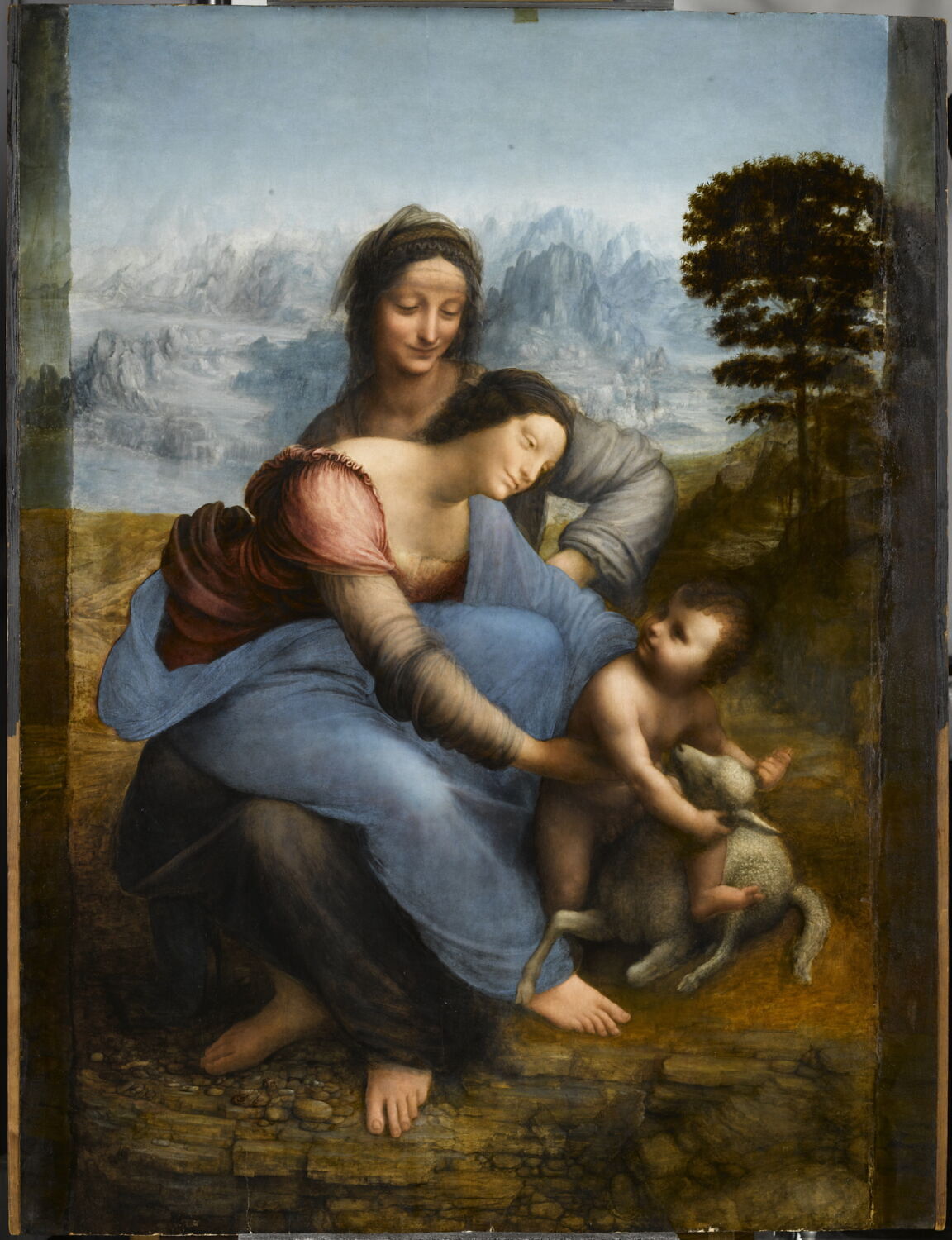
La Vierge, l'Enfant Jésus et sainte Anne, dit La Sainte Anne, Léonard de Vinci, 1e quart du XVIe siècle (vers 1503 - 1519)

Leonardo da Vinci

La Virgen, el Niño Jesús y Santa Ana, 1e quart du XVIe siècle (vers 1503 - 1519)

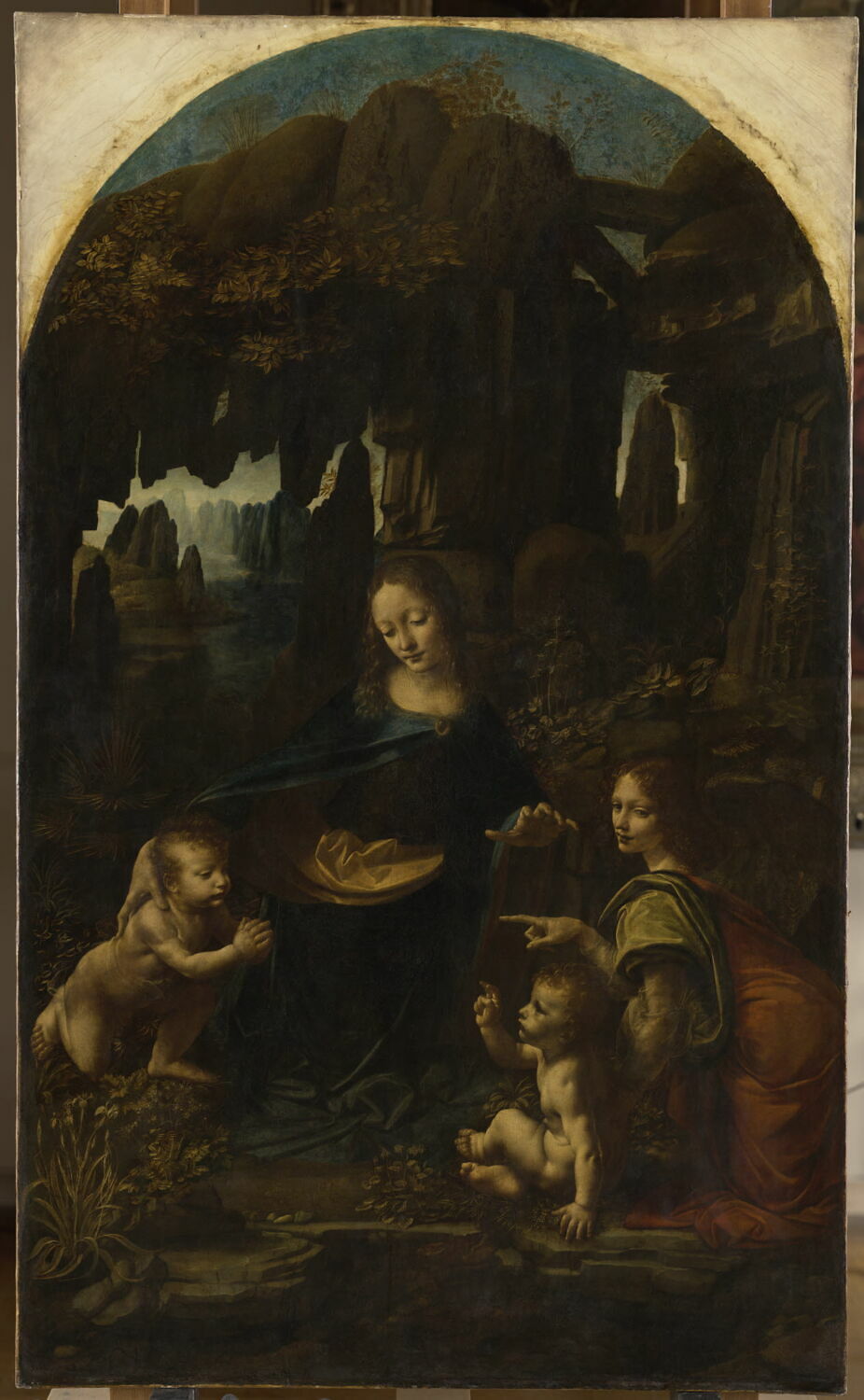
La Vierge, l'Enfant Jésus, saint Jean Baptiste et un ange, dit La Vierge aux rochers, Léonard de Vinci, 4e quart du XVe siècle (vers 1483 - 1494)

Leonardo da Vinci

La Vierge, l'Enfant Jésus, saint Jean Baptiste et un ange, dit La Vierge aux rochers, 4e quart du XVe siècle (vers 1483 - 1494)

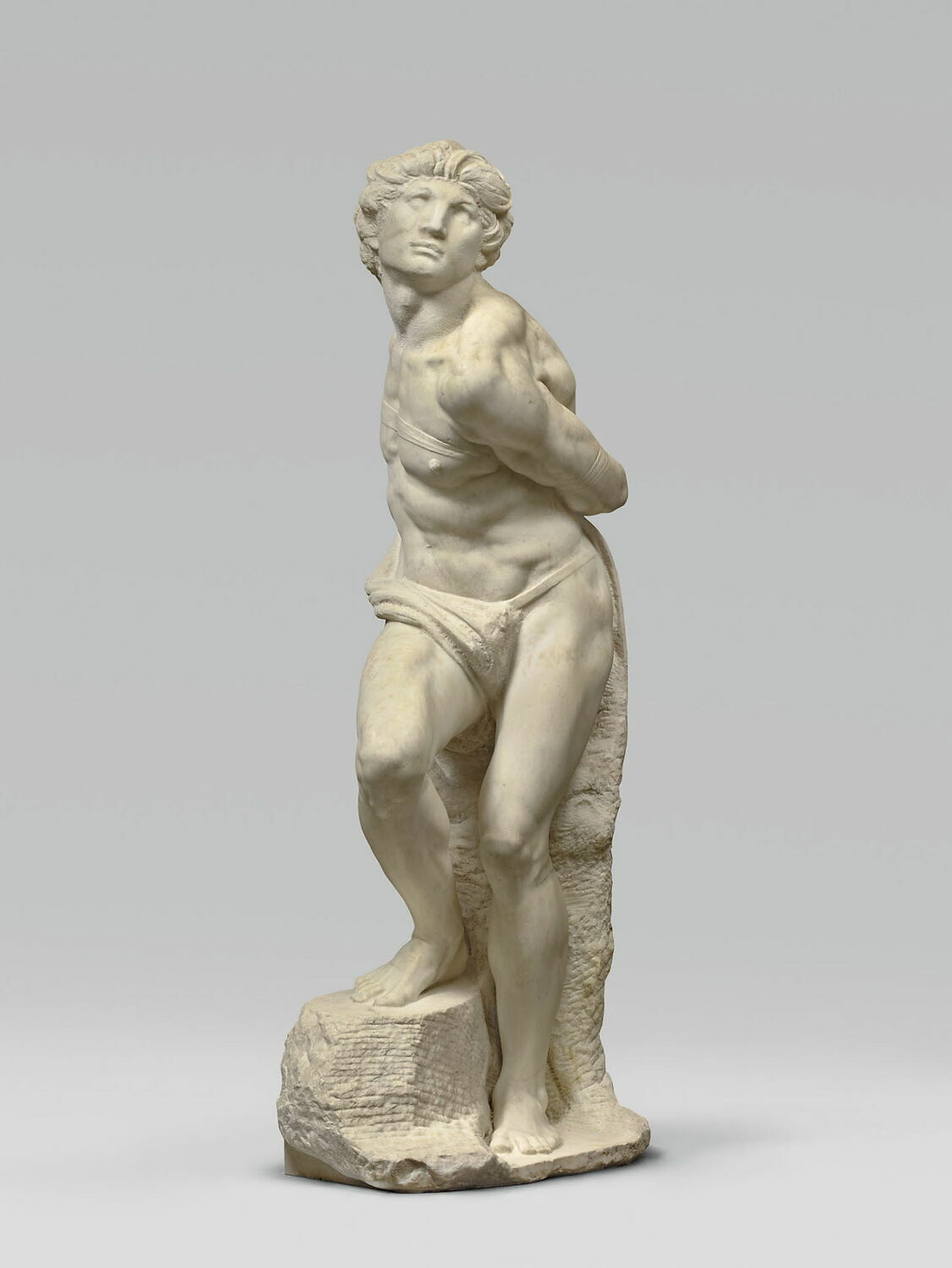
Esclave rebelle, Buonarroti, Michelangelo dit Michel-Ange, 1513 - 1515

Michelangelo

Esclavo rebelde, 1513 - 1515

Esclave mourant, Buonarroti, Michelangelo dit Michel-Ange, 1513 - 1515

Michelangelo

Esclavo moribundo, 1513 - 1515