 Jacques-Louis DavidFrancia, 1748–1825
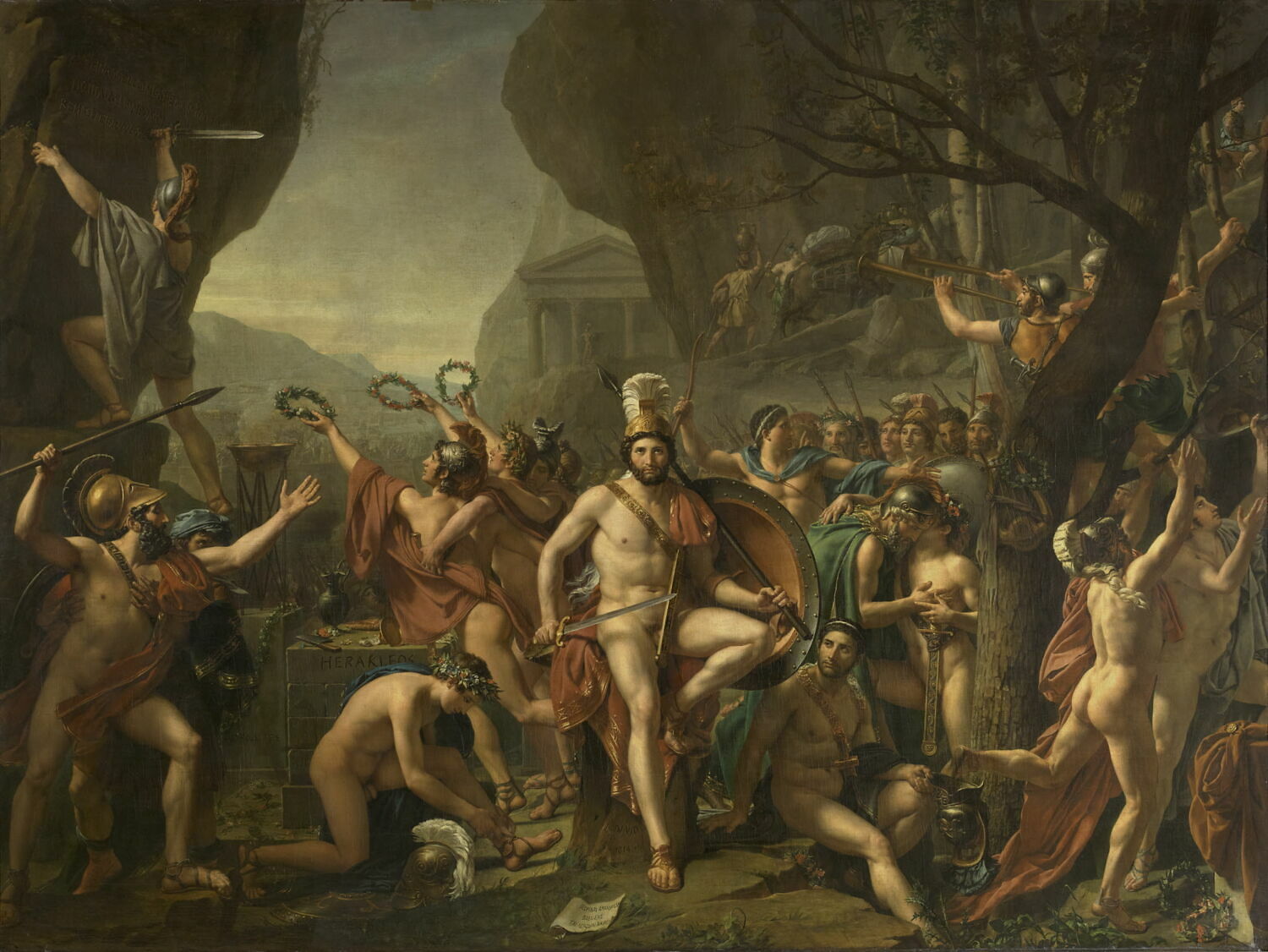
Leónidas en las Termópilas
Léonidas aux Thermopyles
¿Puedo verla?
Sí, expuesta ahora
¿Dónde está «Leónidas en las Termópilas» hoy? Museo del Louvre, Salle 702, Aile Denon, Niveau 1, París. Sí, expuesta ahora. Comprobado 26 de septiembre de 2026.

Cerrado· abre a las 9:00
Expuesta al público.
- Comprobado
- En este estado desde
- Fuente
- El museo
Sobre el cuadro
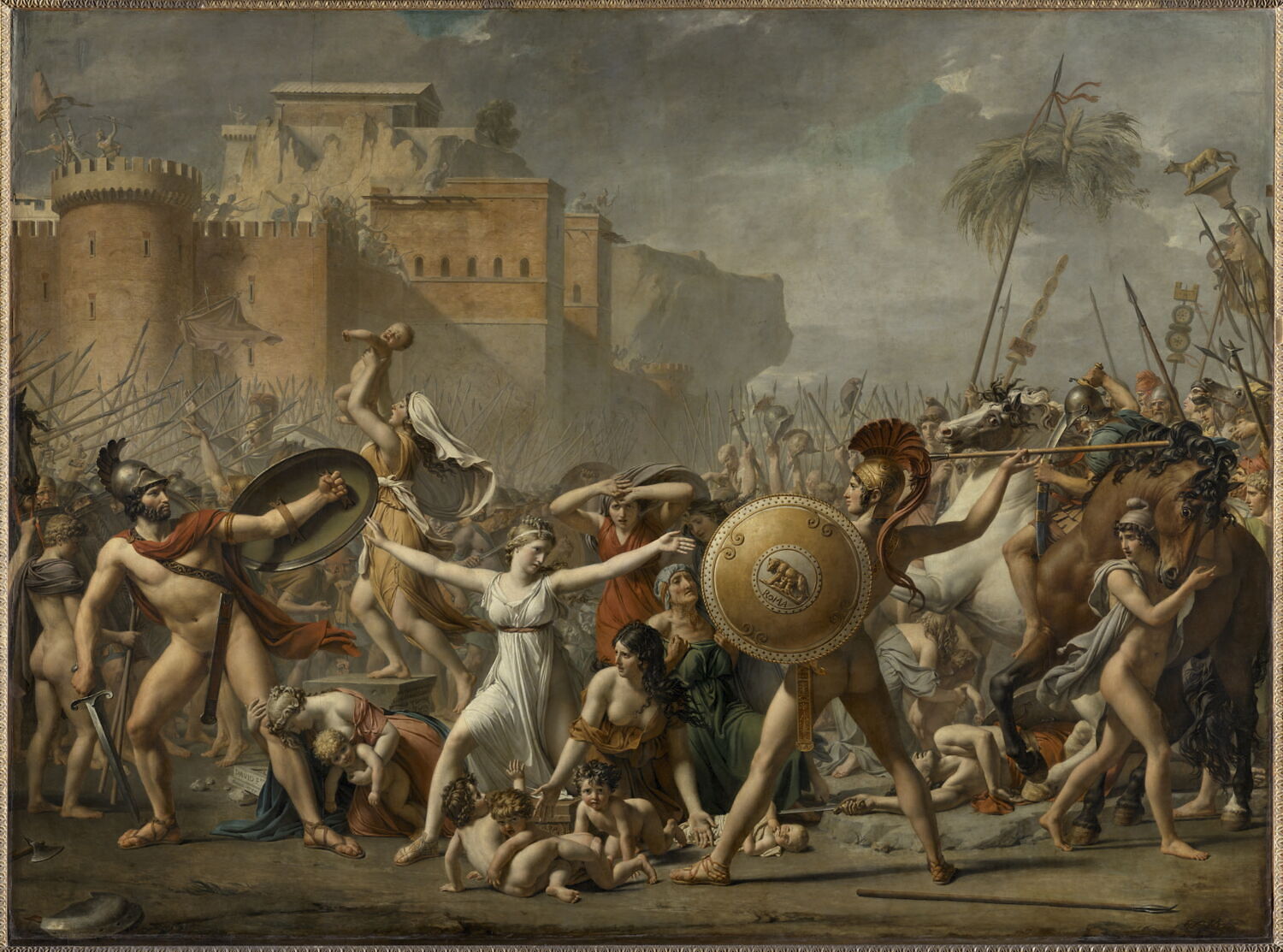
Leónidas en las Termópilas es una pintura al óleo sobre lienzo del artista francés Jacques-Louis David. La obra se encuentra actualmente en el Louvre de París, Francia. David completó el cuadro 15 años después de comenzarlo, trabajando en él desde 1799 hasta 1803 y nuevamente entre 1813 y 1814. Leónidas en las Termópilas fue comprada, junto con El rapto de las sabinas, en noviembre de 1819 por 100.000 francos por Luis XVIII, rey de Francia. La pieza representa al rey espartano Leónidas antes de la batalla de las Termópilas. El alumno de David, Georges Rouget, colaboró en él.
Ficha
- Número de inventario
- INV 3690
En el catálogo
Fuentes
- Museo del Louvre
- Imagen: Museo del Louvre — © 2018 GrandPalaisRmn (musée du Louvre) / Thierry Ollivier
En la vida de Jacques-Louis David
La vida entera1815
Flees to Switzerland after Waterloo
After Bonaparte’s defeat at Waterloo and the Bourbon restoration he was forced to flee to Switzerland; in August of the same year he returned to France.
1815
Napoleon visits David during the Hundred Days
During the Hundred Days Napoleon visited the painter and awarded him the commander’s cross of the Legion of Honour.
1816
Exile: moves to Brussels
Exiled from France for his part in the king’s execution, despite the intercession of the police minister Élie Decazes, he settled in Brussels, where he lived for the rest of his life.
1816–1825
The Brussels years: pupils and smaller works
He trained and influenced Brussels artists such as François-Joseph Navez and Ignace Brice, painted “Cupid and Psyche,” smaller mythological scenes, portraits of Brussels citizens and Napoleonic émigrés, and, towards the end of his life, a portrait of his old friend Abbé Sieyès.