ART WIKI33.040 en sala
MapaColecciónArtistasMuseosExposicionesRevista
Acceder

ART WIKI

Dónde cuelga la obra maestra y cuándo le dejan pasar.

Colecciones: Galería Nacional de Arte, Galería Nacional de Dinamarca, Galería Nacional de Retratos, Galería Tretiakov, Harvard Art Museums, Instituto de Arte de Chicago, Instituto de Artes de Mineápolis, MoMA, Museo de Arte de Cleveland, Museo de Victoria y Alberto, Museo del Hermitage, Museo del Louvre, Museo Estatal Ruso, Museo Hirshhorn y Jardín de Esculturas, Museo J. Paul Getty, Museo Metropolitano de Arte, Museo Pushkin, Museo Smithsoniano de Arte Americano, Museo Whitney de Arte Estadounidense, National Museum of Asian Art, Rijksmuseum, Villa Getty, Catálogo Estatal del Fondo Museístico de Rusia (274 museos), Europeana (19 museos), Wikidata (6 museos), Paris Musées (12 museos) y Joconde, la base de museos del Ministerio de Cultura de Francia (495 museos). Las imágenes pertenecen a sus titulares de derechos.

Secciones

  • Mapa
  • Búsqueda
  • Colección
  • Obras maestras
  • Expuestas ahora
  • Artistas

Más

  • Museos y galerías
  • Exposiciones
  • Revista
  • De dónde salen los datos
  • Privacidad y cookies
InicioMapaCatálogo
  1. Colección/
  2. Museo del Louvre/
  3. Concierto campestre
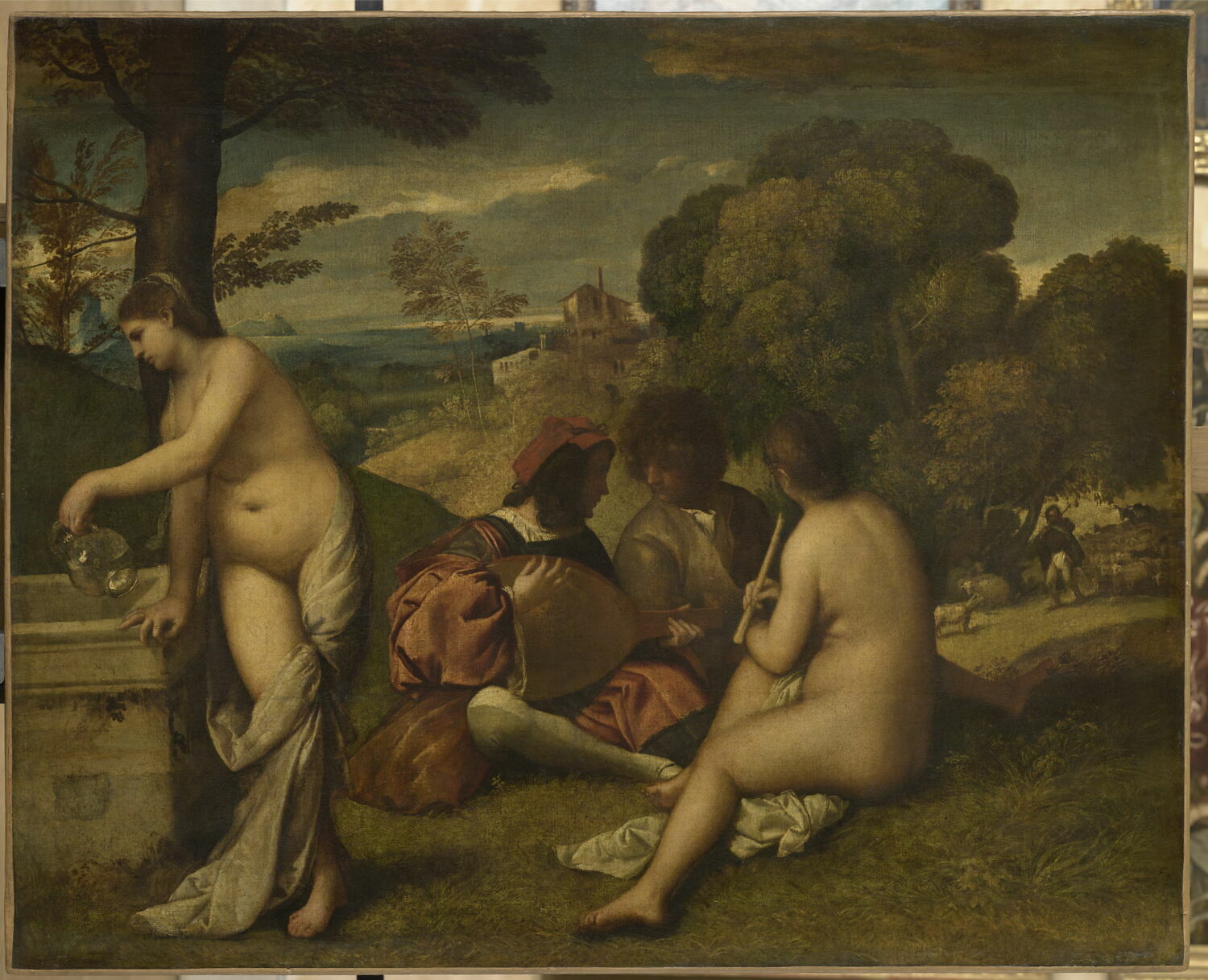
Concierto campestre, Titian, 1e quart du XVIe siècle (1500 - 1525)
Titian, retratoTitianItalia, 1490–1576

Concierto campestre

Le Concert champêtre

1e quart du XVIe siècle (1500 - 1525) · Peintures

¿Se puede contemplar?

Por ahora no recibe

Museo del Louvre

París, Francia

Pertenece a la colección, pero ahora mismo no está expuesta.

Comprobado
hace 13 días
En este estado desde
26 sept 2026
Fuente
El museo
En el mapaPágina del museo

Sobre el cuadro

Concierto campestre es un cuadro de Tiziano, realizado en 1510, que se encuentra en el Museo del Louvre.

Wikipedia · CC BY-SA

Ficha

1e quart du XVIe siècle (1500 - 1525)
14901576
Número de inventario
INV 71

En el catálogo

PinturaÓleoPintura italianaPintura venecianaRenacimientoSiglo XVI

Fuentes

  • Museo del Louvre
  • Imagen: Museo del Louvre — © 2016 GrandPalaisRmn (musée du Louvre) / Michel Urtado

Mientras tanto, en la vida de Titian

La vida entera
  1. c. 1500

    Leaves for Venice as a boy: apprentice to Zuccato

    According to Ludovico Dolce, the boy was sent at the age of nine, with his brother Francesco, to live with an uncle in Venice and apprentice to Sebastiano Zuccato; leaving Zuccato, he briefly transferred to the studio of Gentile Bellini. Vasari tells it differently, with Titian studying first under Giovanni Bellini, and there is no documentation of his work before 1510.

  2. 1510

    Giorgione dies; Titian finishes his paintings

    In 1510 the plague raging in Venice took the life of Giorgione. Titian finished the pictures his friend had left incomplete, for example the “Sleeping Venus” and the “Pastoral Concert”, and, as is generally accepted, emerged from his shadow only after this death.

  3. 31 May 1513

    A petition to the Council of Ten: a battle canvas and a sansaria

    On 31 May 1513 Titian petitioned the Council of Ten for a commission to paint a great battle scene for the Doge's Palace (completed only in 1538) and for the next available sansaria, a broker's patent at the Fondaco dei Tedeschi worth 120 ducats a year. The request was granted but reversed in March 1514, and he did not obtain the patent upon Bellini's death in late 1516; the appointment was withheld until 1523.

  4. 1516–1517

    First Painter of the Republic of Venice

    After the death of Giovanni Bellini, the “patriarch of Venetian painting”, in November 1516 Titian was given the title of First Painter of the Republic (he had petitioned for the post as early as 1513). The title carried a decent salary but obliged him to paint portraits of newly elected doges for a symbolic fee; Titian kept it until his death.

  5. 1525

    Marries Cecilia, the mother of his sons

    Cecilia, a barber's daughter from Pieve di Cadore, had been Titian's housekeeper and for some five years his mistress, and had already borne him two sons, Pomponio and Orazio. In 1525, when she fell seriously ill, Titian married her to legitimise the children; Cecilia recovered, and the marriage was a happy one.

  6. 1527

    Aretino, Sansovino and the “triumvirate”

    In March 1527 the satirist Pietro Aretino arrived in Venice: he became friends with Titian and with Jacopo Sansovino, and the three were popularly known as “the triumvirate”, becoming the centre of the city's artistic establishment. Aretino enlisted both in pursuing the patronage of Federico II Gonzaga, and by the autumn of 1527 the Marquis of Mantua had received from Titian a portrait of Aretino (lost); important commissions and an introduction to Emperor Charles V followed.
Más obras de Titian

Todas las obras
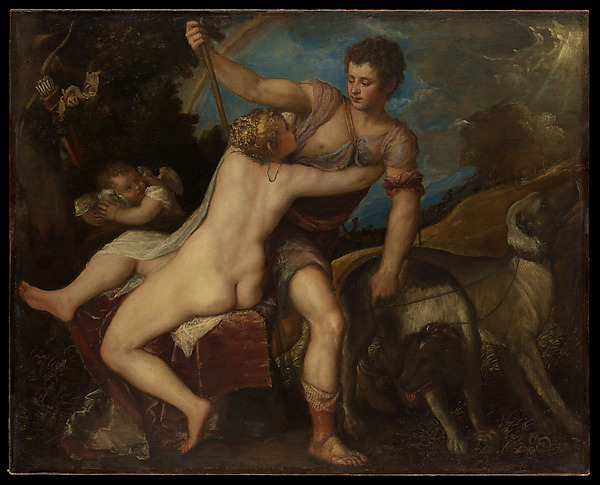
Venus and Adonis, Titian, 1550s

Venus and Adonis

1550s · Museo Metropolitano de Arte

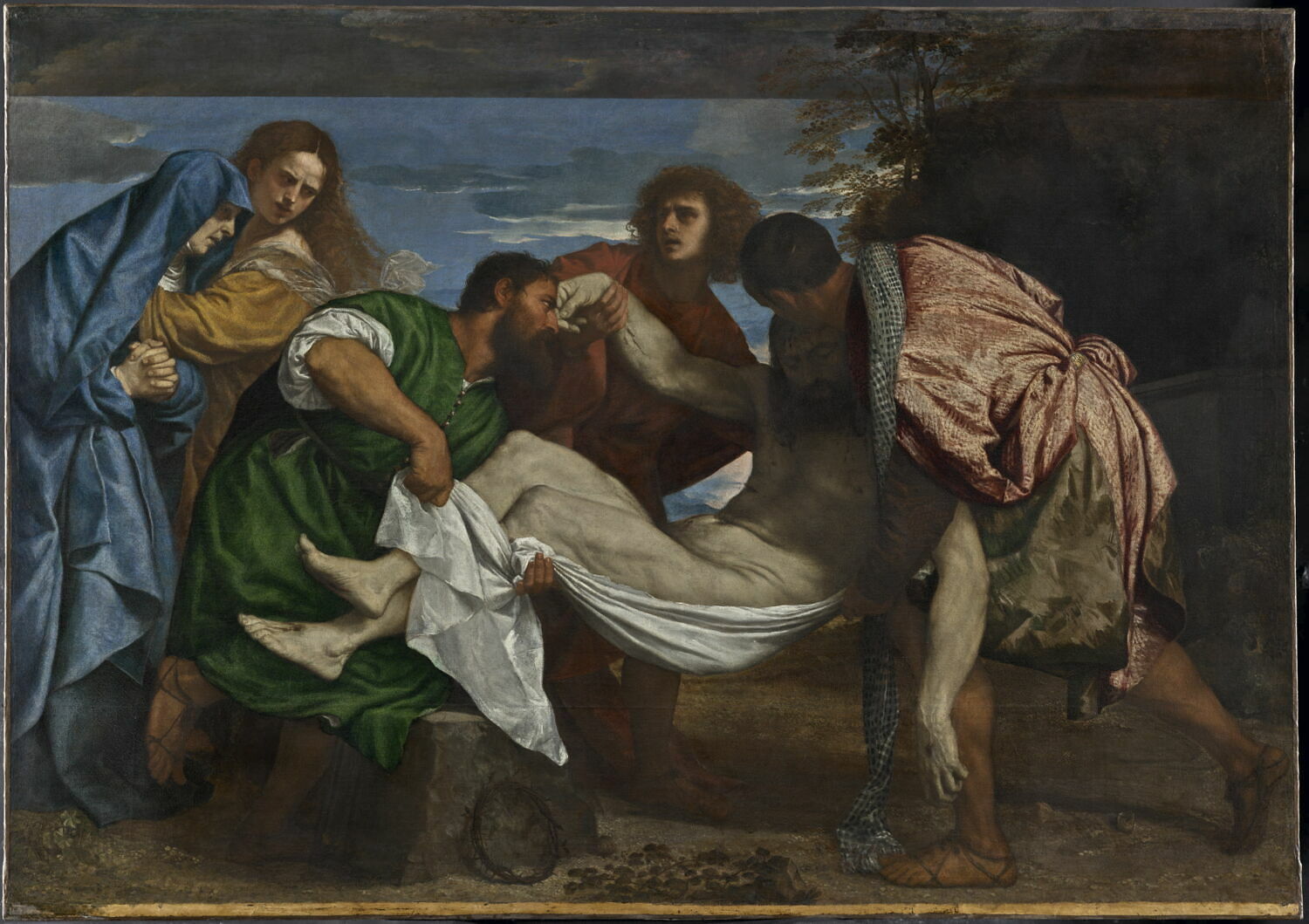
La Mise au tombeau ou Le Transport du Christ vers le tombeau, Titien, 1e quart du XVIe siècle (1500 - 1525)

La Mise au tombeau ou Le Transport du Christ vers le tombeau

1e quart du XVIe siècle (1500 - 1525) · Museo del Louvre

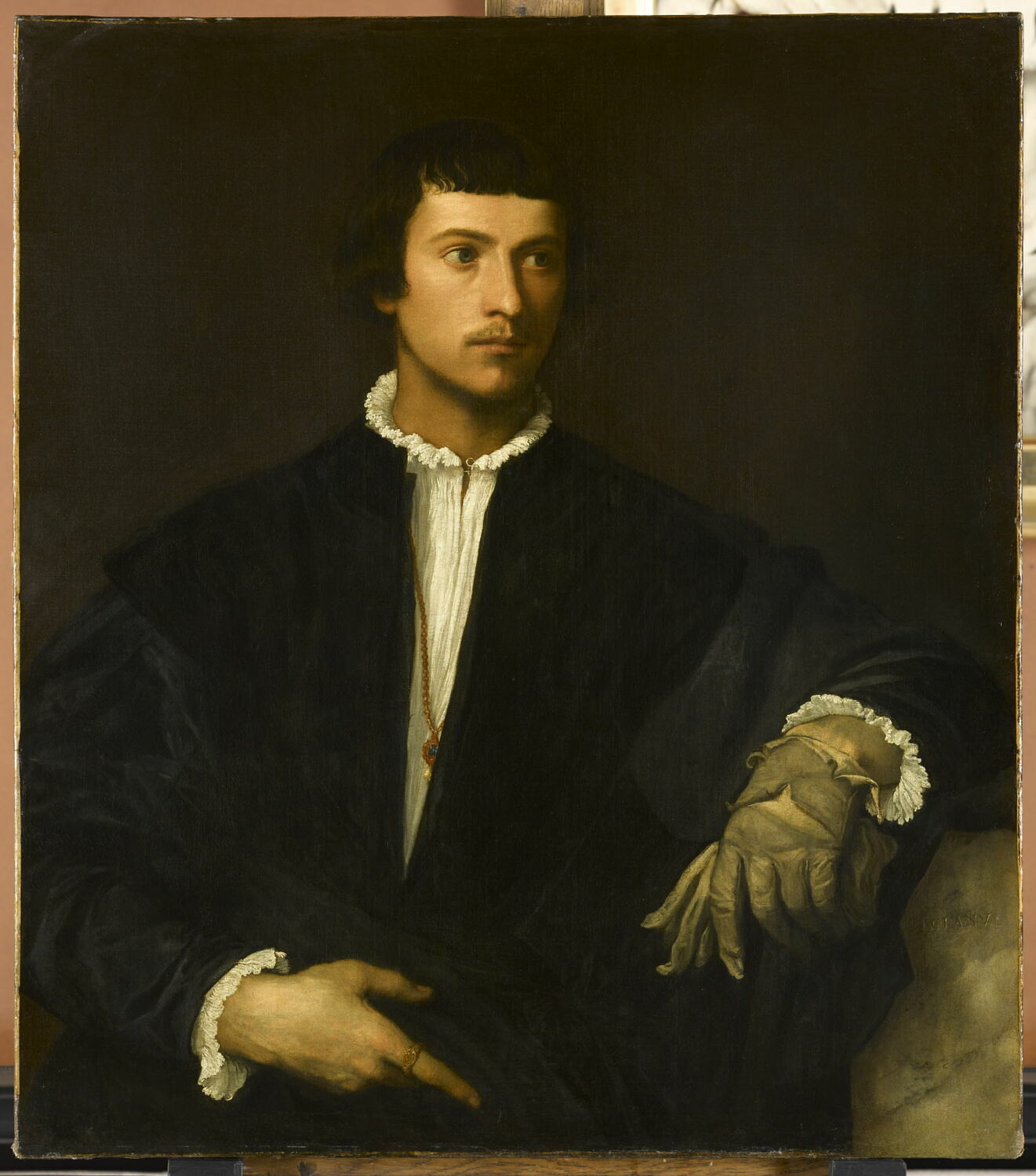
Portrait d'homme, dit L'Homme au gant, Titien, 1e quart du XVIe siècle (1500 - 1525)

El hombre del guante

1e quart du XVIe siècle (1500 - 1525) · Museo del Louvre

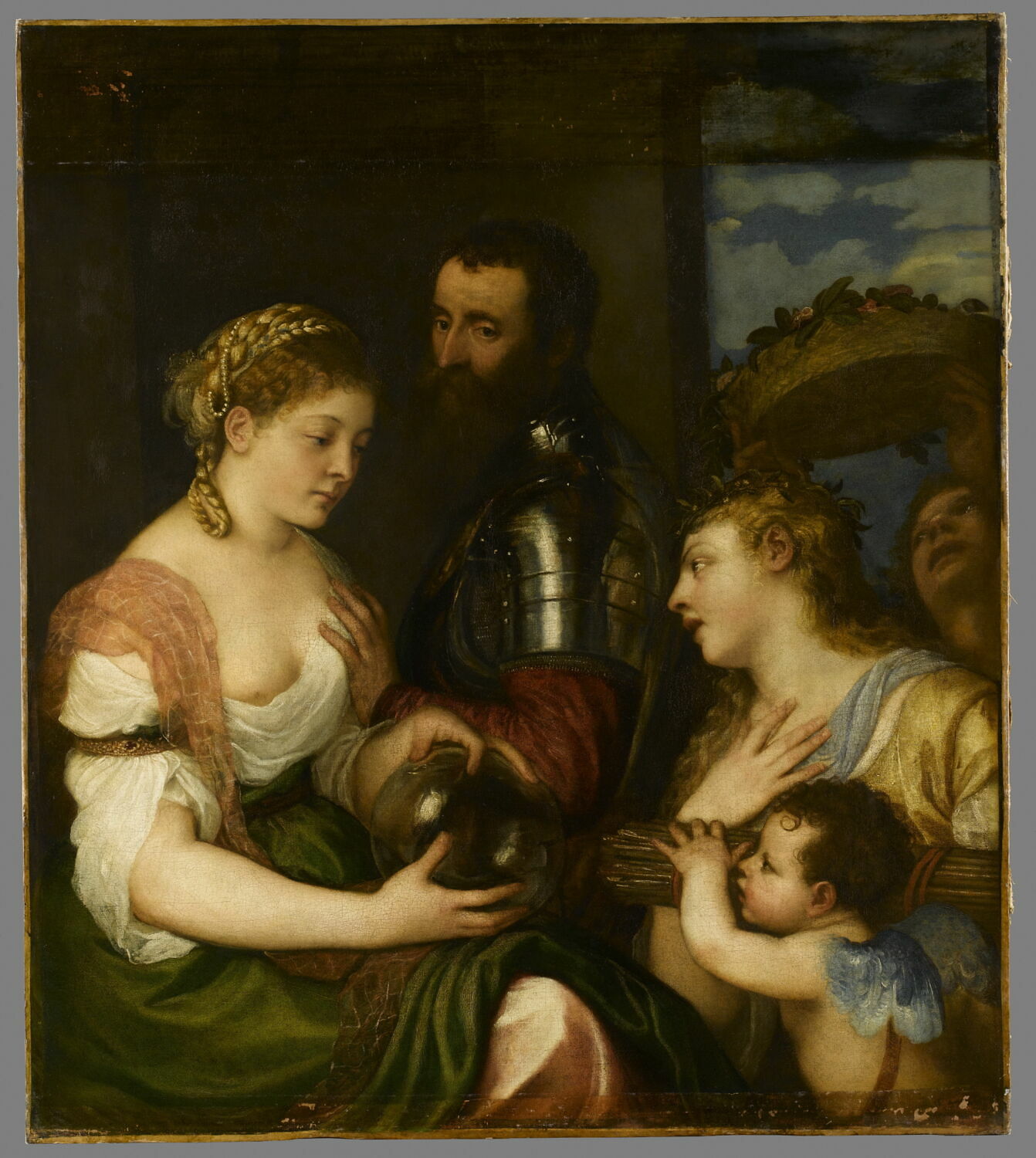
Allégorie conjugale (Allégorie de la séparation?), dit à tort Allégorie d'Alphonse d'Avalos, Titien, XVIe siècle (1500 - 1600)

Allégorie conjugale (Allégorie de la séparation?), dit à tort Allégorie d'Alphonse d'Avalos

XVIe siècle (1500 - 1600) · Museo del Louvre

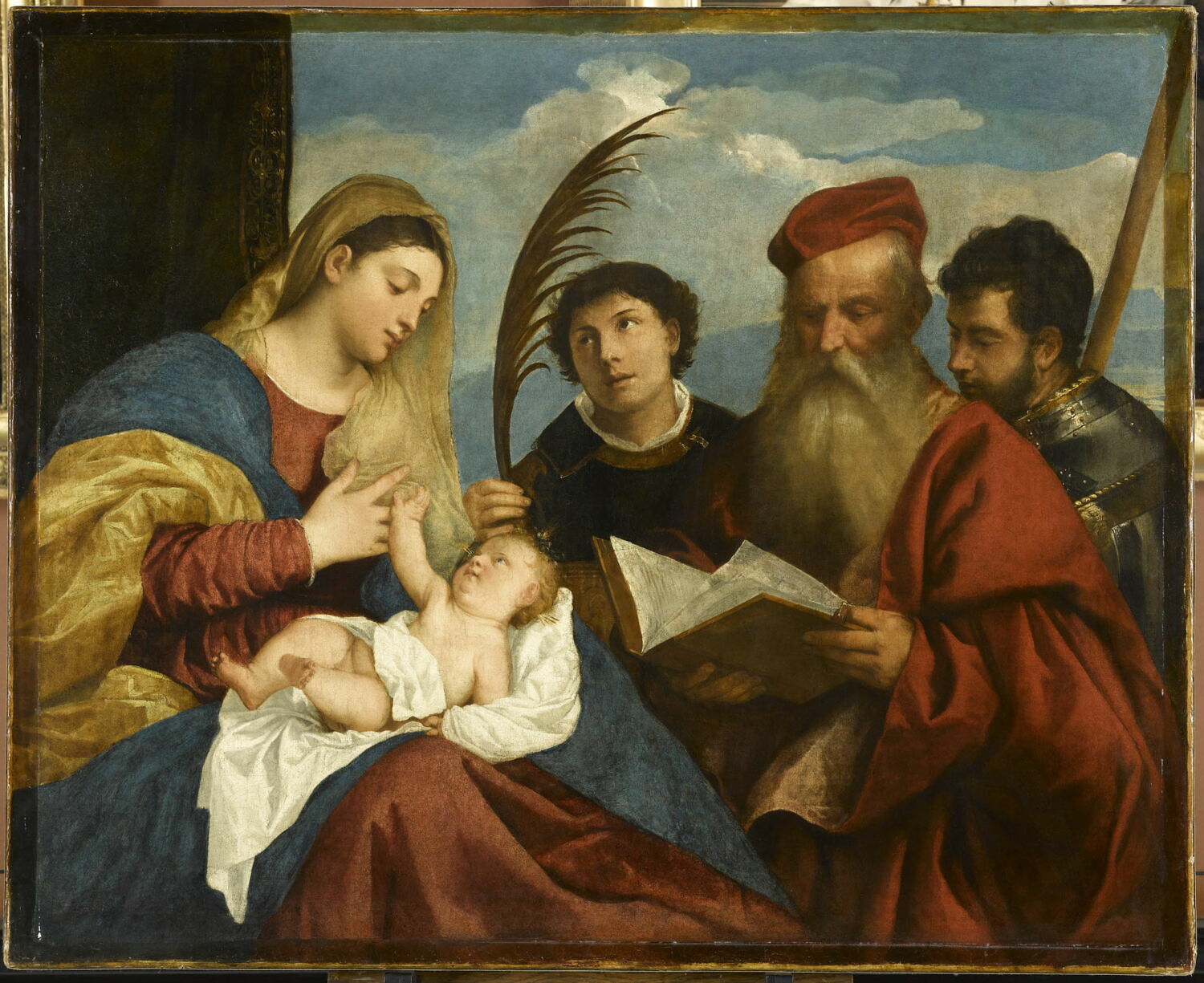
La Vierge à l' Enfant avec saint Étienne, saint Jérôme et saint Maurice, Titien, 1e quart du XVIe siècle (1500 - 1525)

La Vierge à l' Enfant avec saint Étienne, saint Jérôme et saint Maurice

1e quart du XVIe siècle (1500 - 1525) · Museo del Louvre

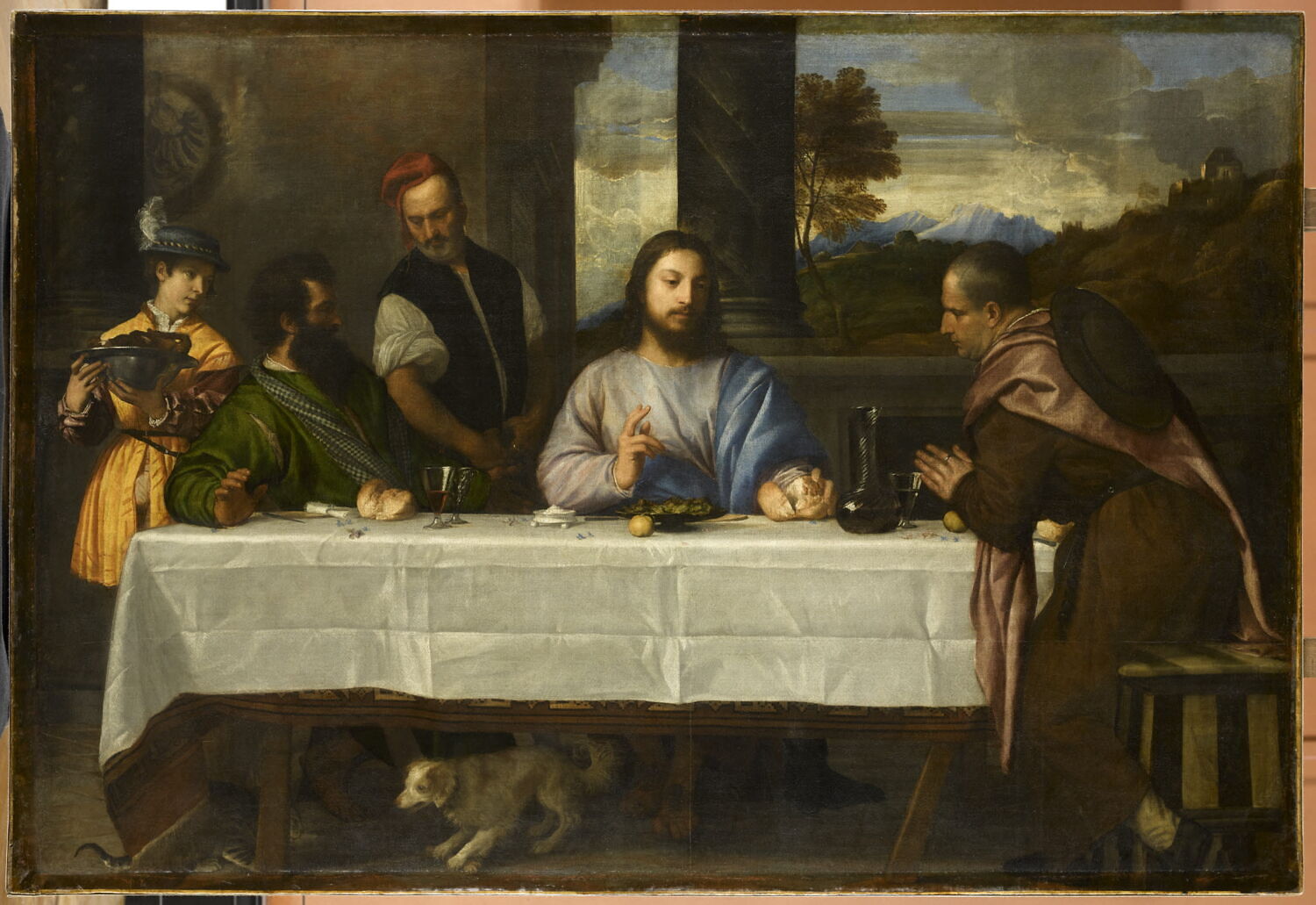
Les Pèlerins d'Emmaüs, Titien, XVIe siècle (1500 - 1600)

Les Pèlerins d'Emmaüs

XVIe siècle (1500 - 1600) · Museo del Louvre

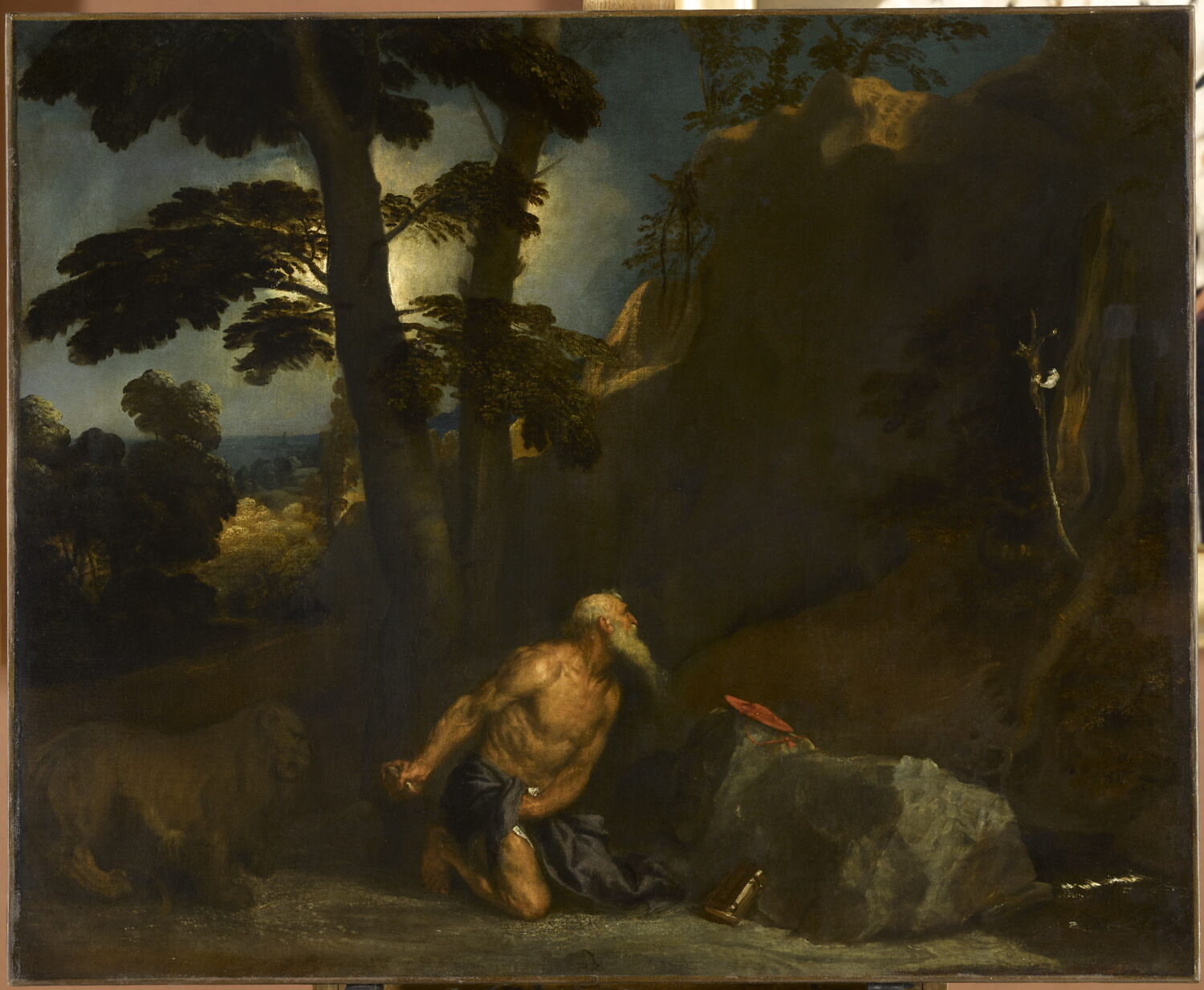
Saint Jérôme pénitent, Titien, XVIe siècle (1500 - 1600)

Saint Jérôme pénitent

XVIe siècle (1500 - 1600) · Museo del Louvre

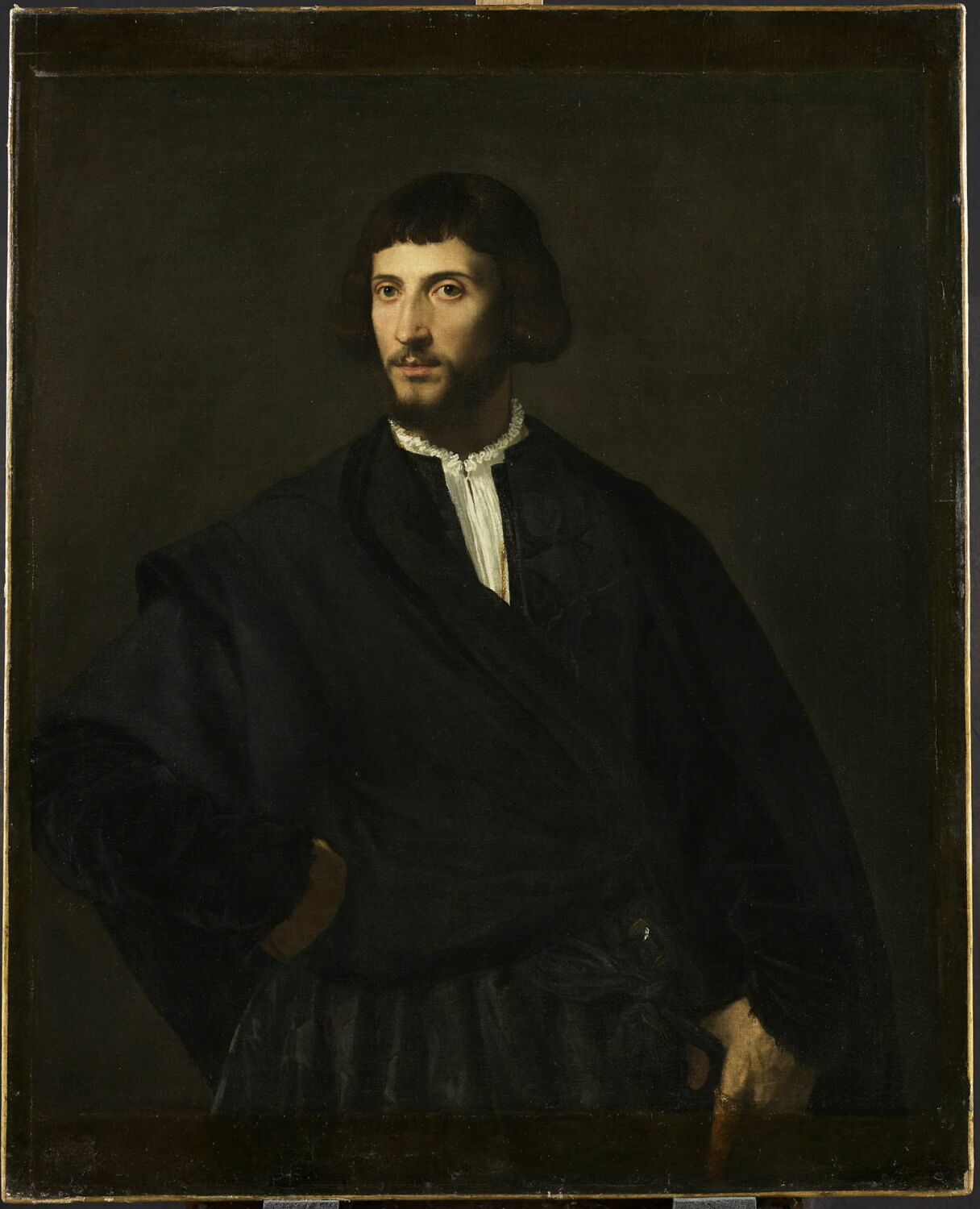
Portrait d'homme, main à la ceinture, Titien, 1e quart du XVIe siècle (1500 - 1525)

Portrait d'homme, main à la ceinture

1e quart du XVIe siècle (1500 - 1525) · Museo del Louvre

Bajo el mismo techo: Museo del Louvre

Página del museo
Portrait of Marten Soolmans, Rembrandt van Rijn, 1634

Rembrandt van Rijn

Portrait of Marten Soolmans, 1634

Portrait of Oopjen Coppit, Rembrandt van Rijn, 1634

Rembrandt van Rijn

Portrait of Oopjen Coppit, 1634

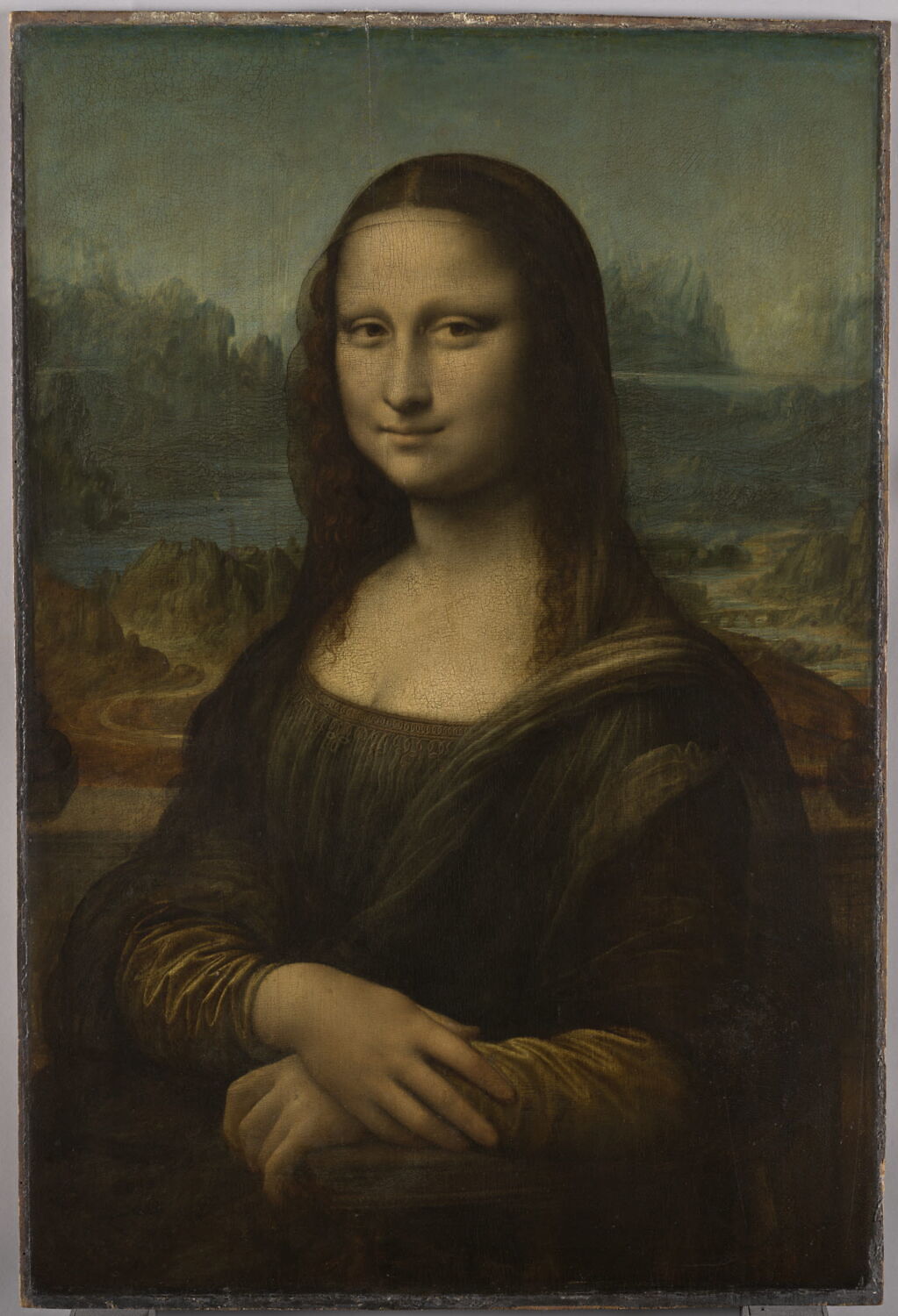
Portrait de Lisa Gherardini, épouse de Francesco del Giocondo, dit La Joconde ou Monna Lisa, Léonard de Vinci, 1e quart du XVIe siècle (1503 - 1519)

Leonardo da Vinci

La Gioconda, 1e quart du XVIe siècle (1503 - 1519)

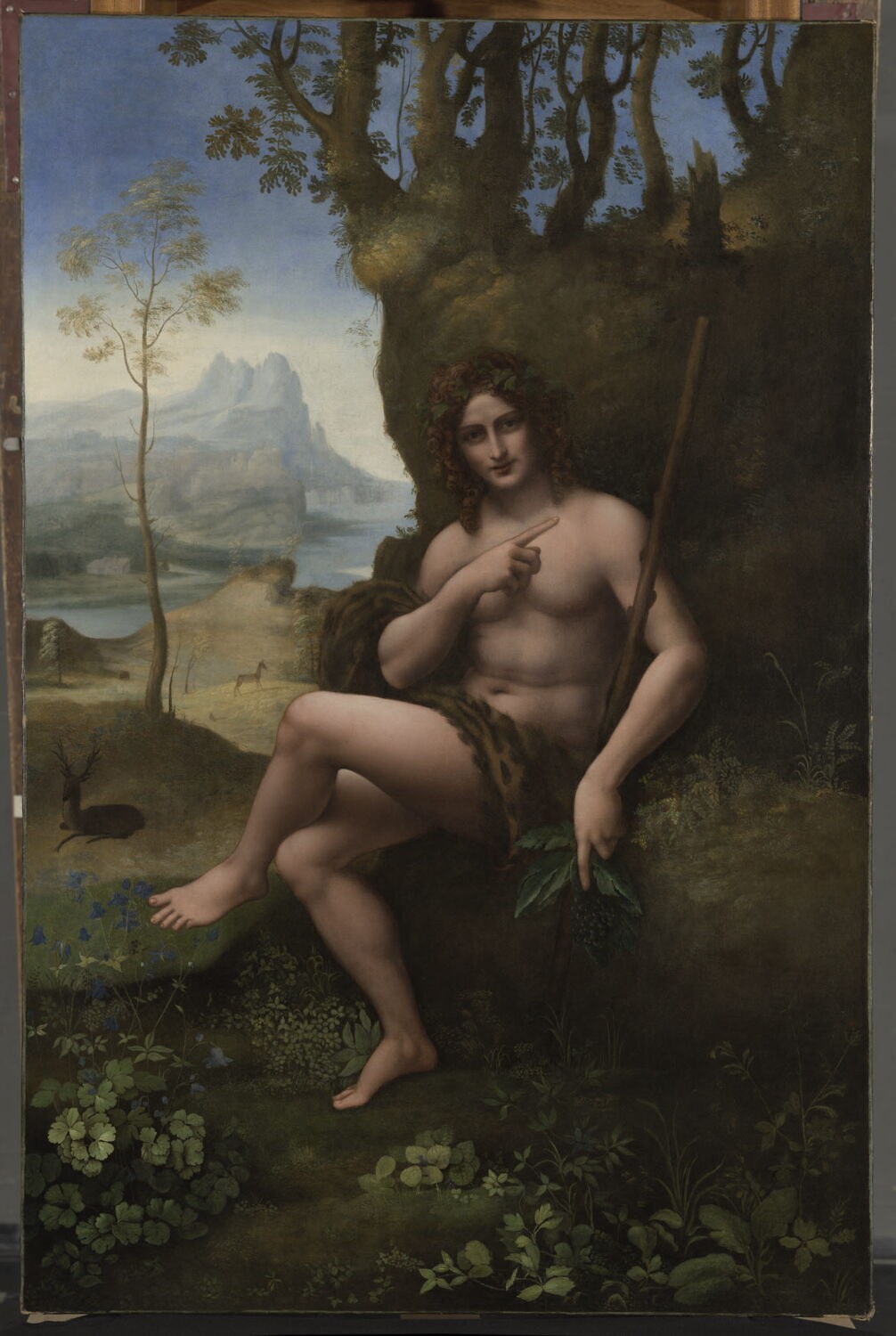
Saint Jean Baptiste, Léonard de Vinci, 1e quart du XVIe siècle (vers 1517 - 1520)

Leonardo da Vinci

Baco, 1e quart du XVIe siècle (vers 1517 - 1520)

Saint Jean Baptiste, Léonard de Vinci, 1e quart du XVIe siècle (vers 1508 - 1519)

Leonardo da Vinci

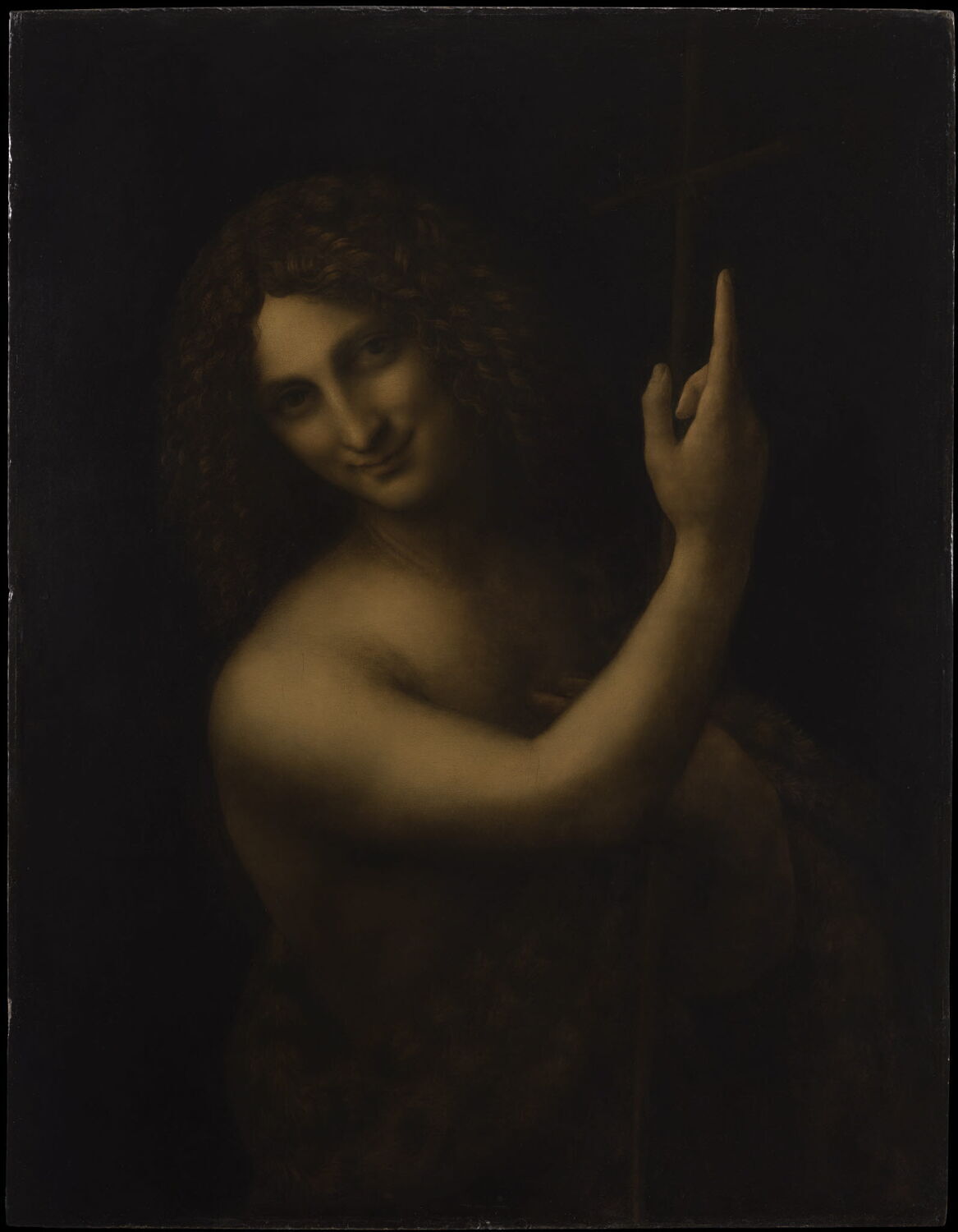
San Juan Bautista, 1e quart du XVIe siècle (vers 1508 - 1519)

La Vierge et l'Enfant Jésus, dite Vierge au dévidoir ou Vierge aux fuseaux, Léonard de Vinci, XVIe siècle (vers 1505 - 1520)

Leonardo da Vinci

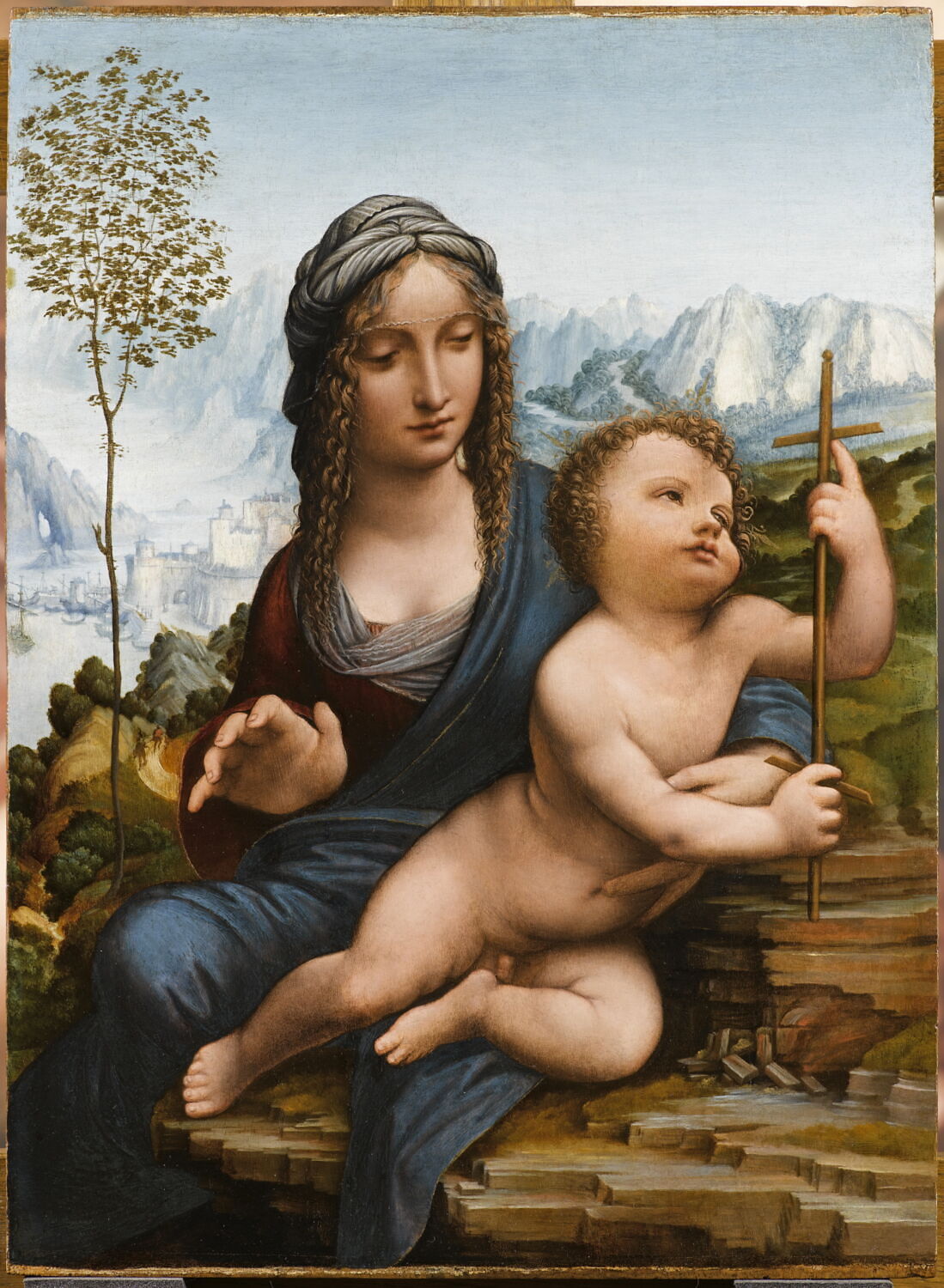
La Vierge et l'Enfant Jésus, dite Vierge au dévidoir ou Vierge aux fuseaux, XVIe siècle (vers 1505 - 1520)

La Vierge, l'Enfant Jésus et sainte Anne, dit La Sainte Anne, Léonard de Vinci, 1e quart du XVIe siècle (vers 1503 - 1519)

Leonardo da Vinci

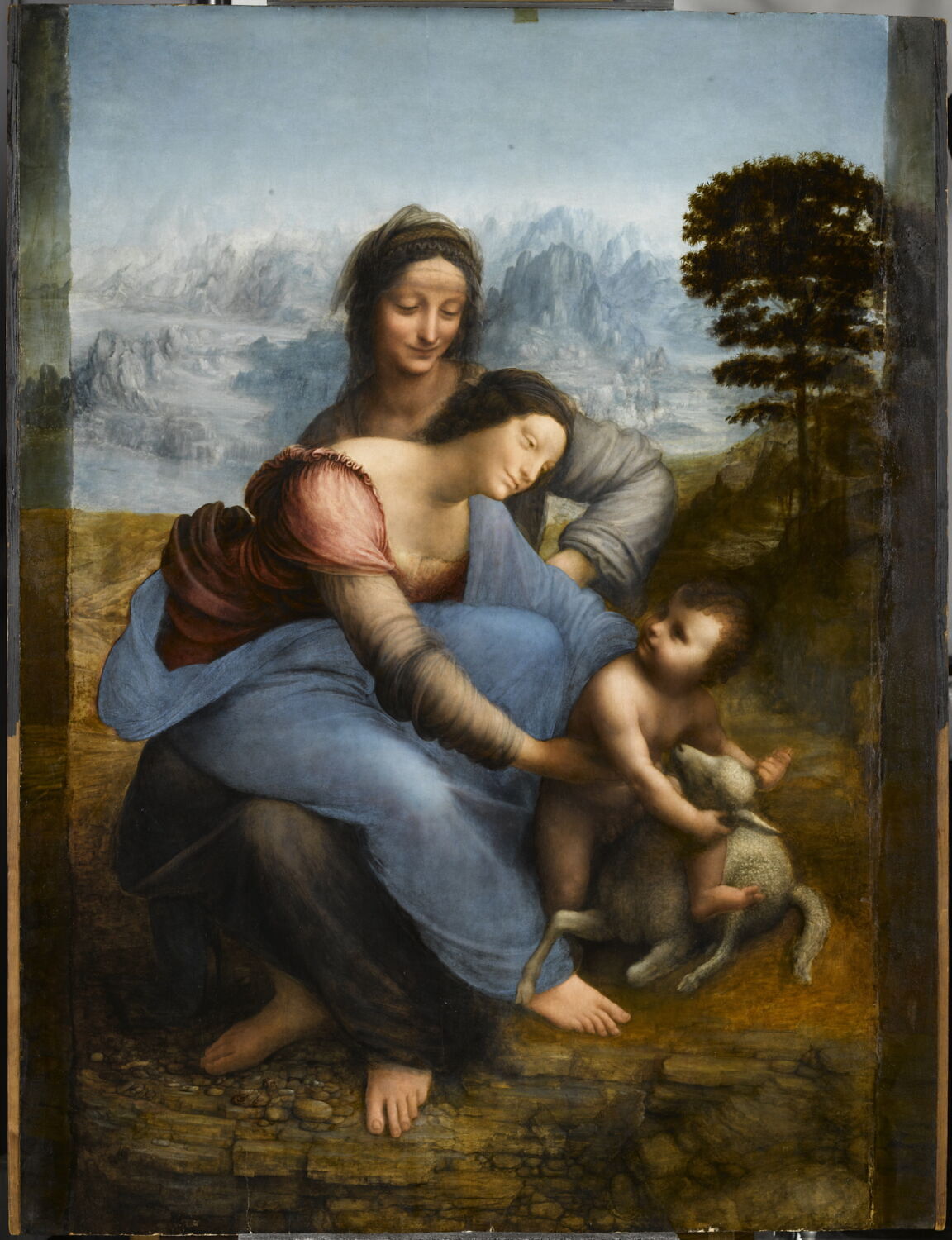
La Virgen, el Niño Jesús y Santa Ana, 1e quart du XVIe siècle (vers 1503 - 1519)

La Vierge, l'Enfant Jésus, saint Jean Baptiste et un ange, dit La Vierge aux rochers, Léonard de Vinci, 4e quart du XVe siècle (vers 1483 - 1494)

Leonardo da Vinci

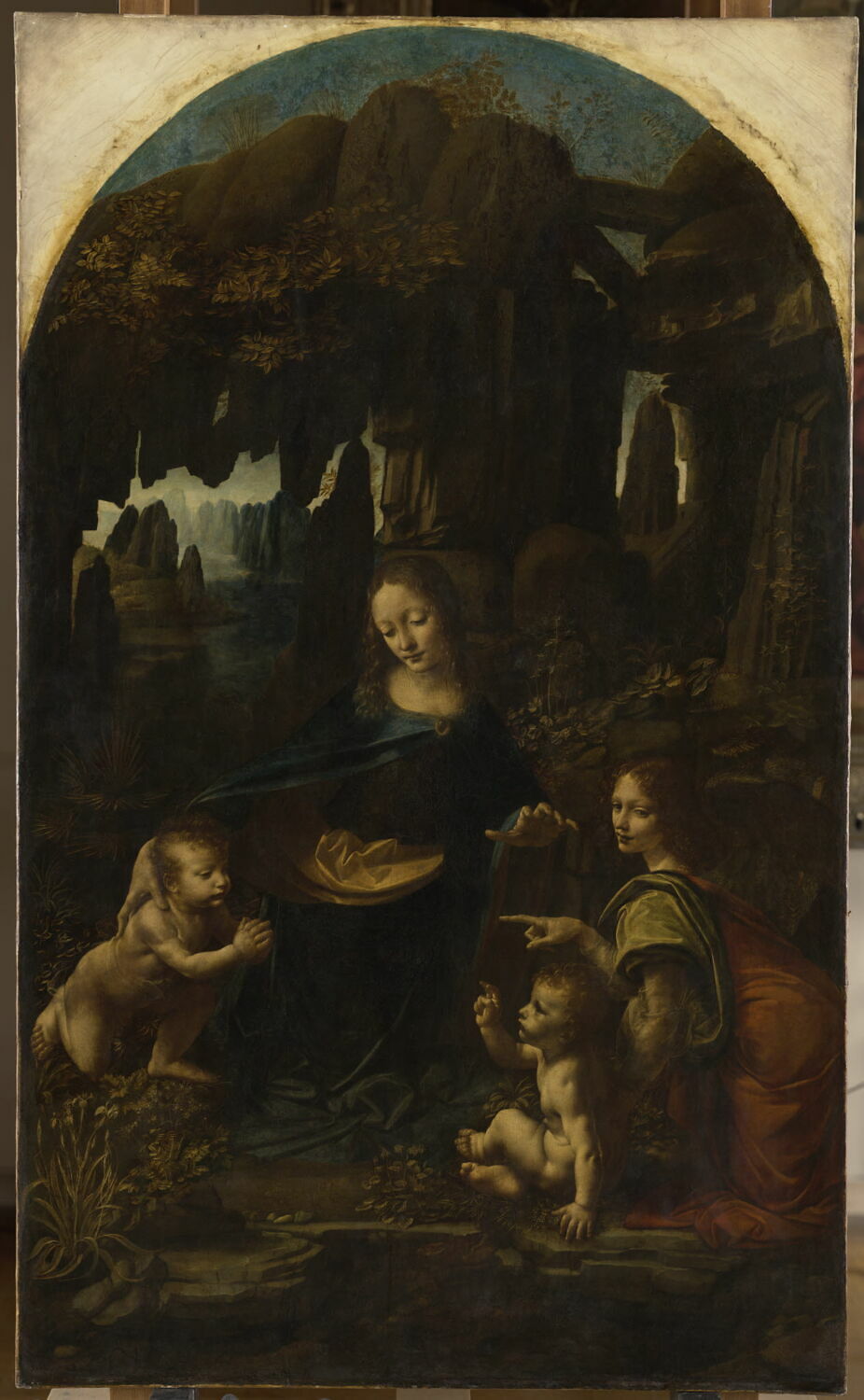
La Vierge, l'Enfant Jésus, saint Jean Baptiste et un ange, dit La Vierge aux rochers, 4e quart du XVe siècle (vers 1483 - 1494)