TitianItalia, 1490–1576
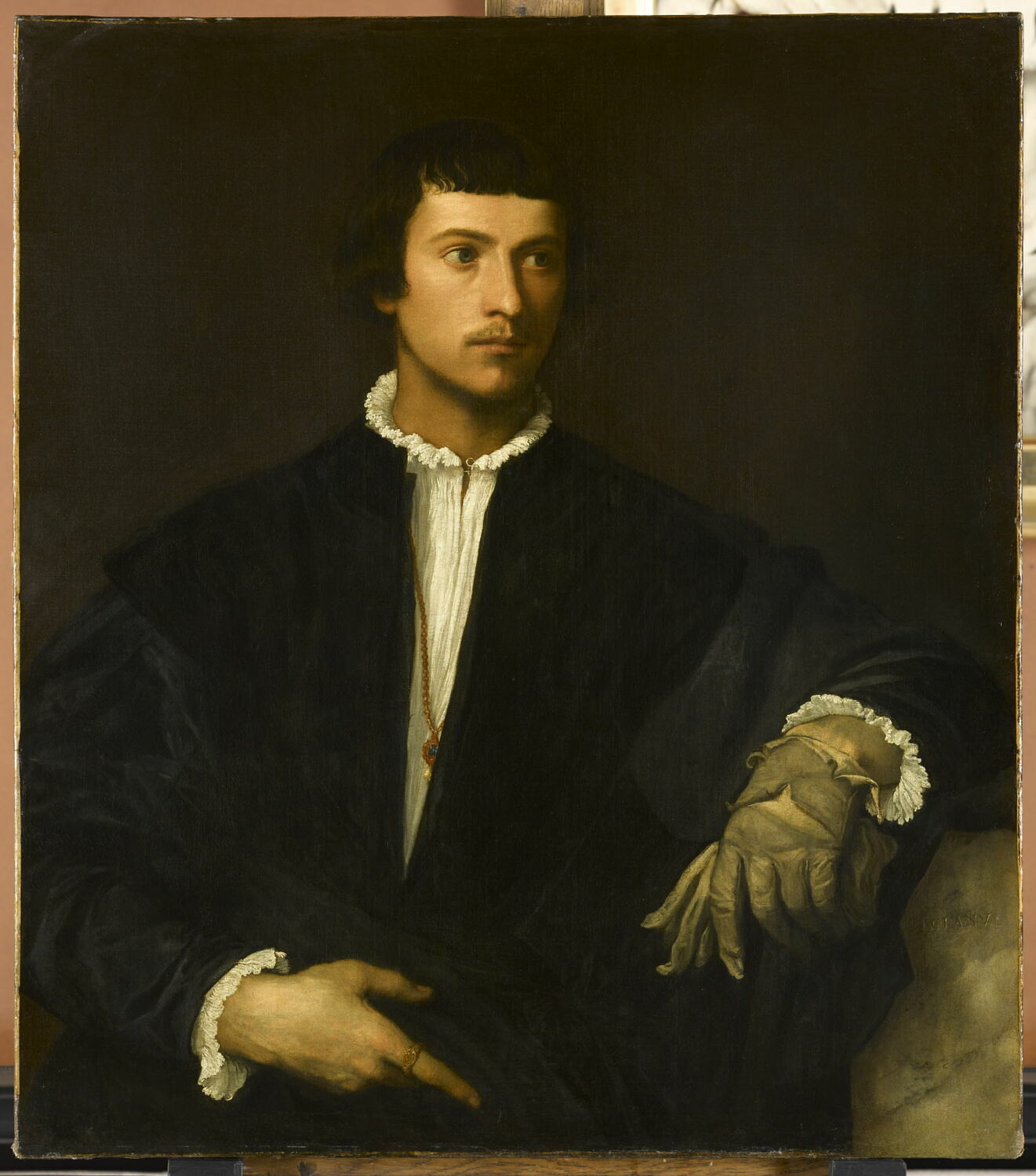
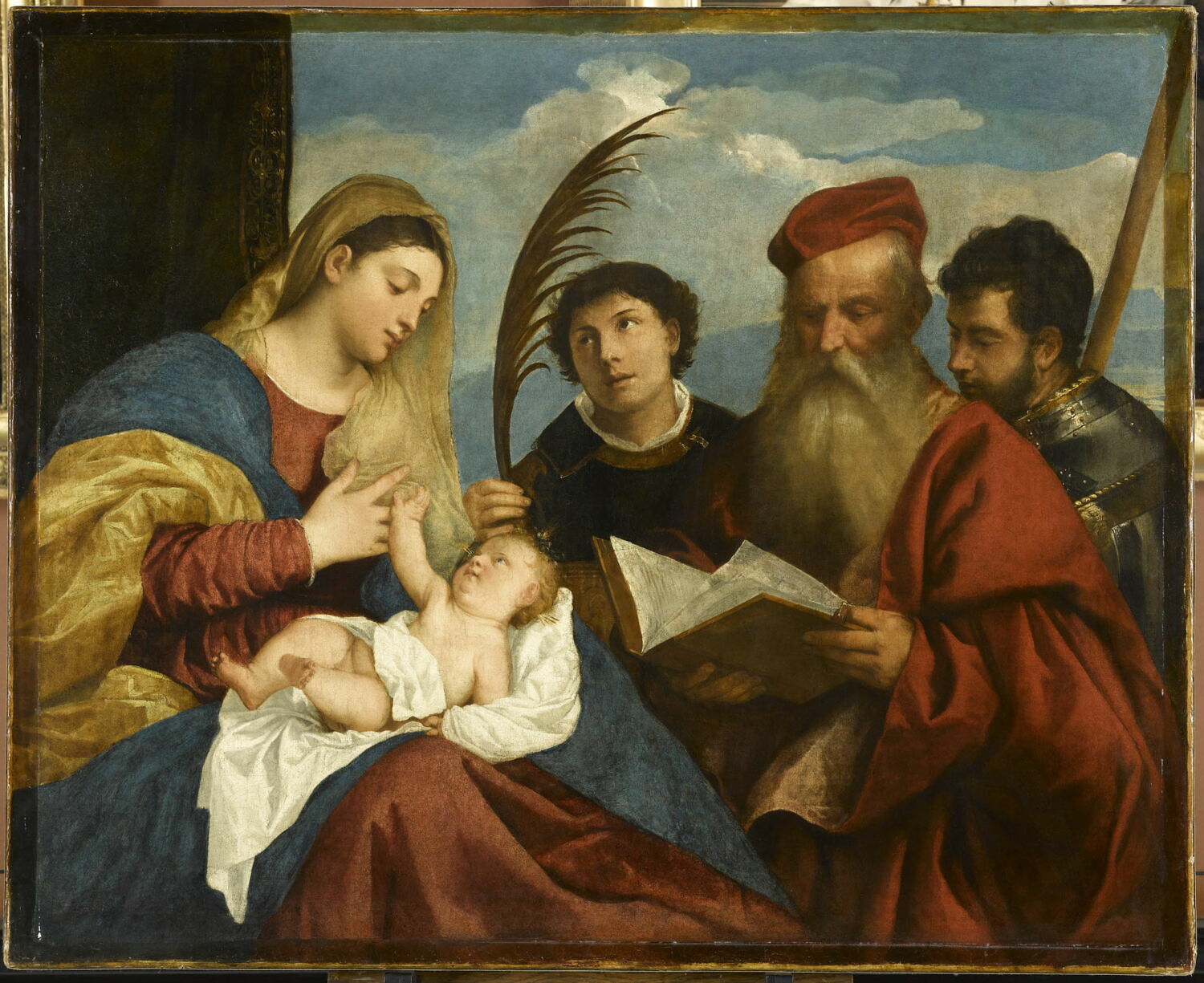
La Schiavona
¿Puedo verla?
Se desconoce
¿Dónde está «La Schiavona» hoy? Colección: National Gallery, Londres. Se desconoce.

Londres, Reino Unido
Se conoce el propietario; no se sabe si hoy está expuesta.
- En este estado desde
- Fuente
- El museo
Sobre el cuadro
La Schiavona es un óleo sobre lienzo pintado por Tiziano y datado alrededor de 1510. Sus dimensiones son 117 x 97 cm y actualmente se conserva en la National Gallery de Londres.
Ficha
- Número de inventario
- NG5385
En el catálogo
Fuentes
- Wikidata
- Imagen: National Gallery — Titian · Public domain · Wikimedia Commons
En la vida de Titian
La vida entera1500s
Venetian contemporaries: Lotto, del Piombo, Giorgione
In Venice Titian got to know many artists, among them Lorenzo Lotto and Sebastiano del Piombo. Close, even friendly relations developed between him and Giorgione, who also studied in Bellini's workshop.
1510
Giorgione dies; Titian finishes his paintings
In 1510 the plague raging in Venice took the life of Giorgione. Titian finished the pictures his friend had left incomplete, for example the “Sleeping Venus” and the “Pastoral Concert”, and, as is generally accepted, emerged from his shadow only after this death.
1511
Padua: frescoes of the miracles of Saint Anthony
In 1511 Titian went to Padua for several months, where in the Scuola del Santo, the premises of the confraternity of Saint Anthony, he painted frescoes of the miracles of Saint Anthony of Padua.
1511 · Lugar de trabajo
Padua
31 May 1513
A petition to the Council of Ten: a battle canvas and a sansaria
On 31 May 1513 Titian petitioned the Council of Ten for a commission to paint a great battle scene for the Doge's Palace (completed only in 1538) and for the next available sansaria, a broker's patent at the Fondaco dei Tedeschi worth 120 ducats a year. The request was granted but reversed in March 1514, and he did not obtain the patent upon Bellini's death in late 1516; the appointment was withheld until 1523.
1516–1517
First Painter of the Republic of Venice
After the death of Giovanni Bellini, the “patriarch of Venetian painting”, in November 1516 Titian was given the title of First Painter of the Republic (he had petitioned for the post as early as 1513). The title carried a decent salary but obliged him to paint portraits of newly elected doges for a symbolic fee; Titian kept it until his death.