ART WIKI33.040 en sala
MapaColecciónArtistasMuseosExposicionesRevista
Acceder

ART WIKI

Dónde cuelga la obra maestra y cuándo le dejan pasar.

Colecciones: Galería Nacional de Arte, Galería Nacional de Dinamarca, Galería Nacional de Retratos, Galería Tretiakov, Harvard Art Museums, Instituto de Arte de Chicago, Instituto de Artes de Mineápolis, MoMA, Museo de Arte de Cleveland, Museo de Victoria y Alberto, Museo del Hermitage, Museo del Louvre, Museo Estatal Ruso, Museo Hirshhorn y Jardín de Esculturas, Museo J. Paul Getty, Museo Metropolitano de Arte, Museo Pushkin, Museo Smithsoniano de Arte Americano, Museo Whitney de Arte Estadounidense, National Museum of Asian Art, Rijksmuseum, Villa Getty, Catálogo Estatal del Fondo Museístico de Rusia (274 museos), Europeana (19 museos), Wikidata (6 museos), Paris Musées (12 museos) y Joconde, la base de museos del Ministerio de Cultura de Francia (495 museos). Las imágenes pertenecen a sus titulares de derechos.

Secciones

  • Mapa
  • Búsqueda
  • Colección
  • Obras maestras
  • Expuestas ahora
  • Artistas

Más

  • Museos y galerías
  • Exposiciones
  • Revista
  • De dónde salen los datos
  • Privacidad y cookies
InicioMapaCatálogo
  1. Colección/
  2. Museo de Victoria y Alberto/
  3. La Gorgone (The Gorgon)
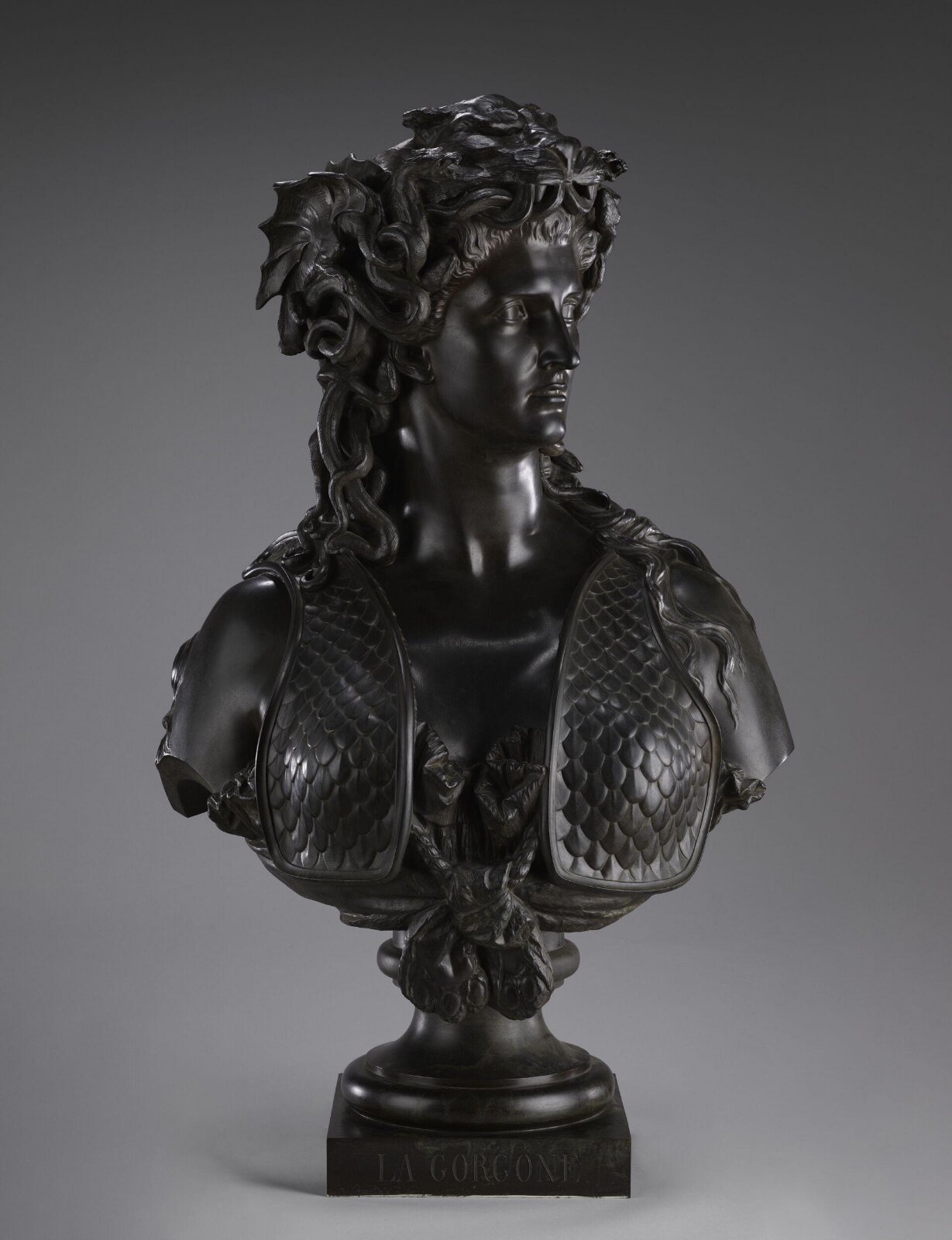
La Gorgone (The Gorgon), Marcello, ca. 1865
MMarcello

La Gorgone (The Gorgon)

ca. 1865 · Bust · 107 × 68 cm

Sobre la escultura

The sculptor of this head, Adèle d'Affry, was born in Fribourg, Switzerland, but married Carlo Colonna, Duke of Castiglione, in Rome, and was generally referred to by contemporaries as the Duchesse Colonna. She adopted the male name 'Marcello' to demonstrate her seriousness and to distinguish her works from those of women amateurs. She was largely self-taught. She worked in Paris, Rome and Fribourg and was a friend of the French sculptors Carpeaux and Clésinger.

Seguir leyendo

This bust is one of a number of subjects depicting powerful women. While the fearsome head of the Gorgon, or Medusa, had long been a sculptural motif - the V&A for instance has an important small bronze head of Medusa by Cellini - it is here translated into an unprecedently monumental form. While this composition was developed into a full size figure used in 1870 to decorate the Paris Opera, its reception in England was mixed. A South Kensington curator of the 1870s described it as a 'theatrical rendering of an ill-conceived ideal'. A reviewer in the 'Art Journal' of 1st June 1866 described it, after seeing it exhibited in the Royal Academy that year, as ...'a work admirable for spirit, power and firm execution [but] it is to be regretted that a coarsely voluptuous bust taints this noble conception with vulgarity'.

Museo de Victoria y Alberto

Ficha

Número de inventario
239-1866

En la misma sala · Sculpture, Room 21a, The Dorothy and Michael Hintze Galleries, Museo de Victoria y Alberto

Página del museo

¿Se puede contemplar?

Sí, recibe visitas

Museo de Victoria y Alberto

Londres, Reino Unido

SalaSculpture, Room 21a, The Dorothy and Michael Hintze Galleries

Expuesta al público. Quién lo avala figura más abajo.

Comprobado
hace 13 días
En este estado desde
25 sept 2026
Fuente
El museo
En el mapaPágina del museo

Lo que muestra

Gorgon

En el catálogo

EsculturaBronceRealismoImpresionismoSiglo XIXParís

Fuentes

  • Museo de Victoria y Alberto
  • Imagen: Museo de Victoria y Alberto — © Victoria and Albert Museum, London
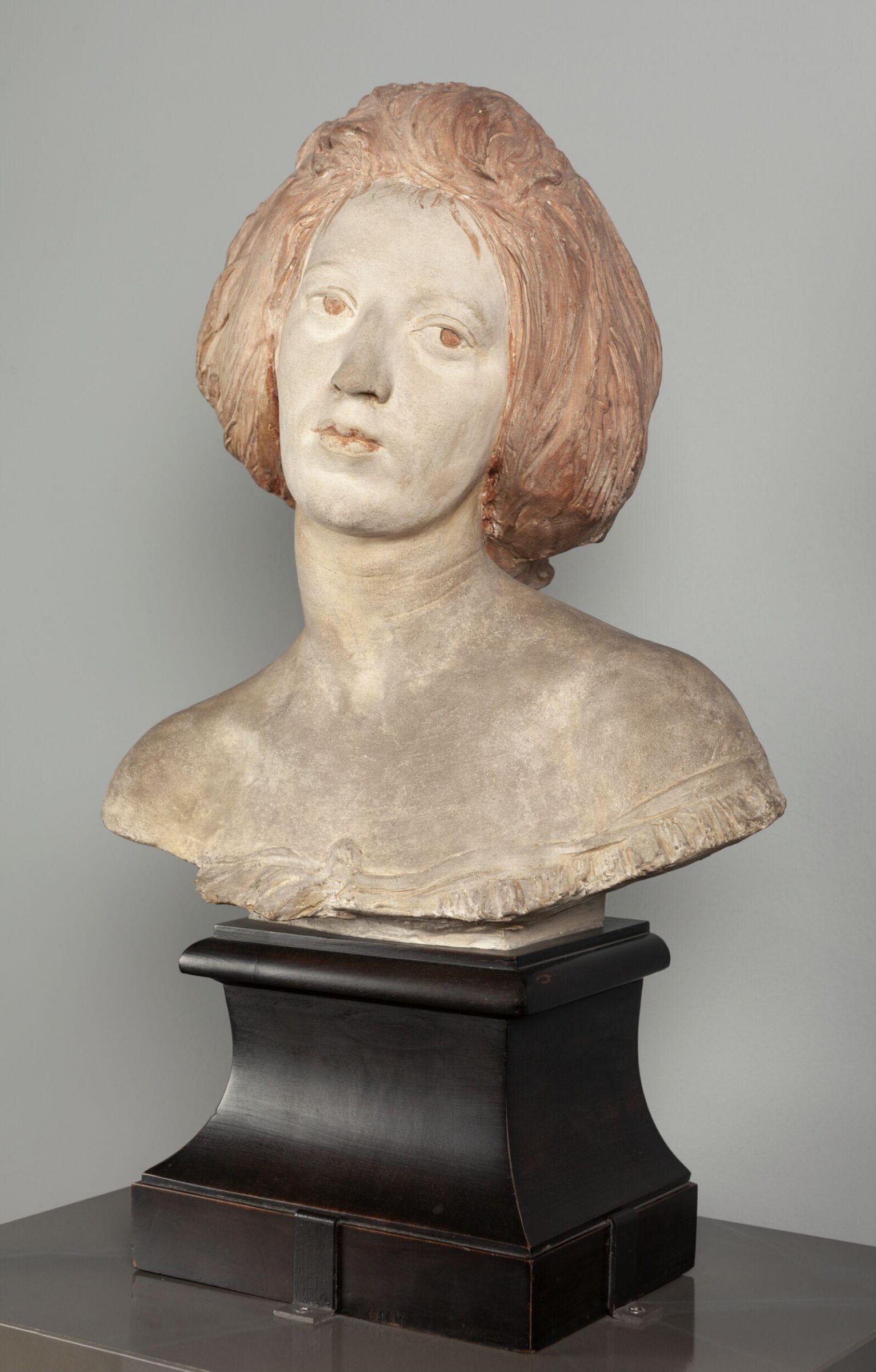
The Artist's Wife, Nita Maria Schonfeld Resch, Conrad Dressler, 1898

Conrad Dressler

The Artist's Wife, Nita Maria Schonfeld Resch, 1898

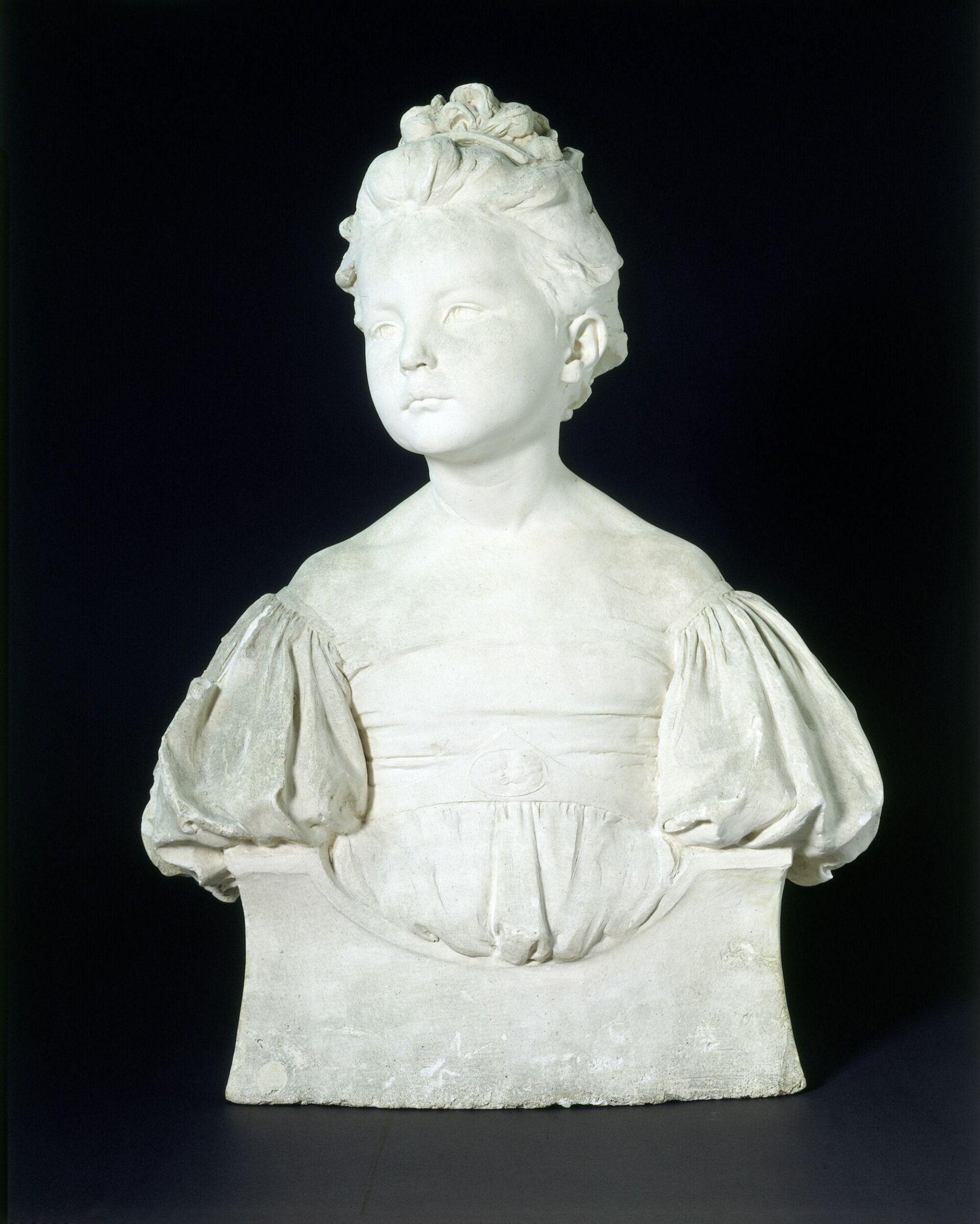
The Age of Innocence, Alfred Drury, 1897

Alfred Drury

The Age of Innocence, 1897

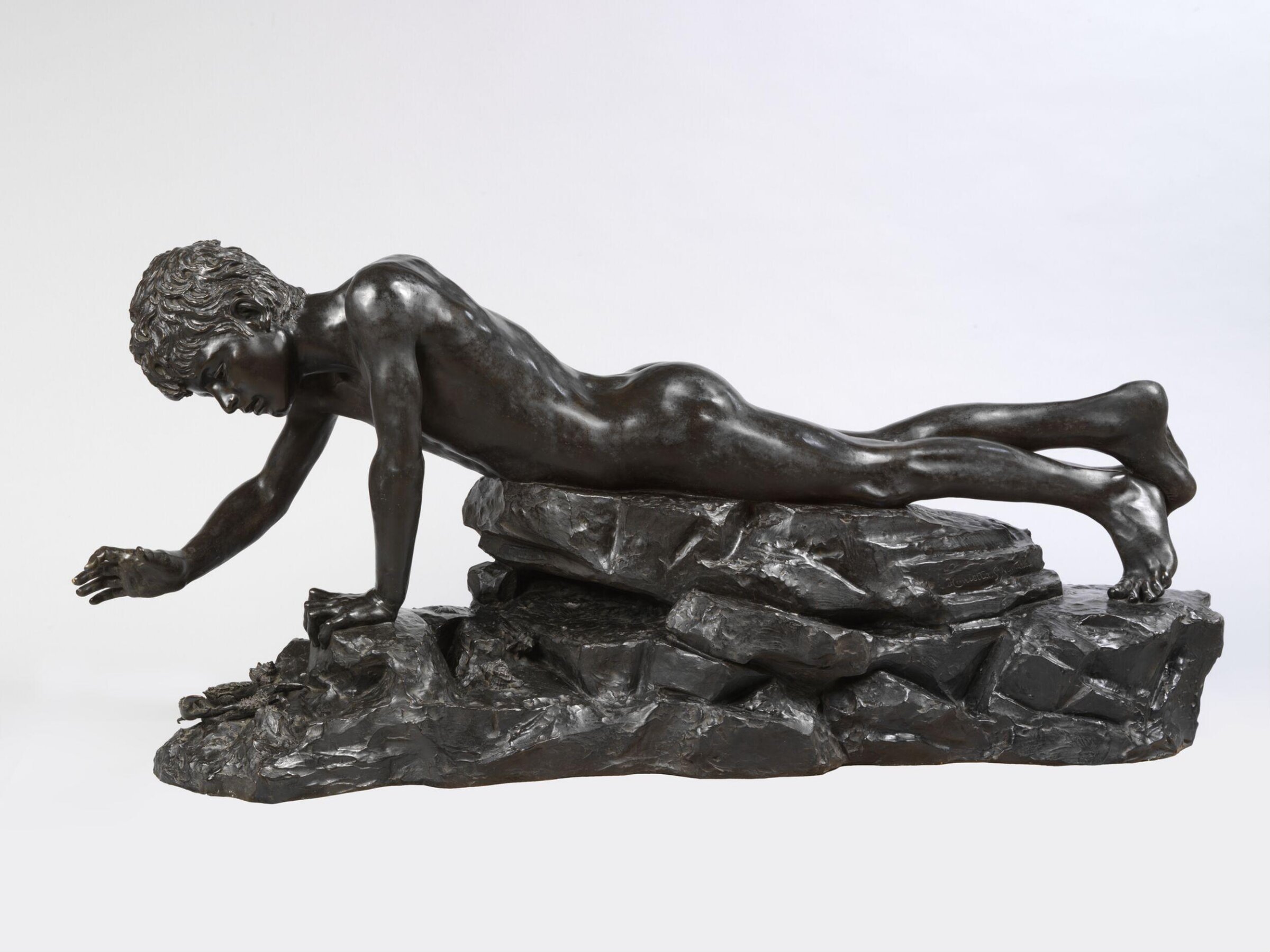
Venetian Boy Catching a Crab, Henrietta Skerrett Montalba, ca. 1892-1893

Henrietta Skerrett Montalba

Venetian Boy Catching a Crab, ca. 1892-1893

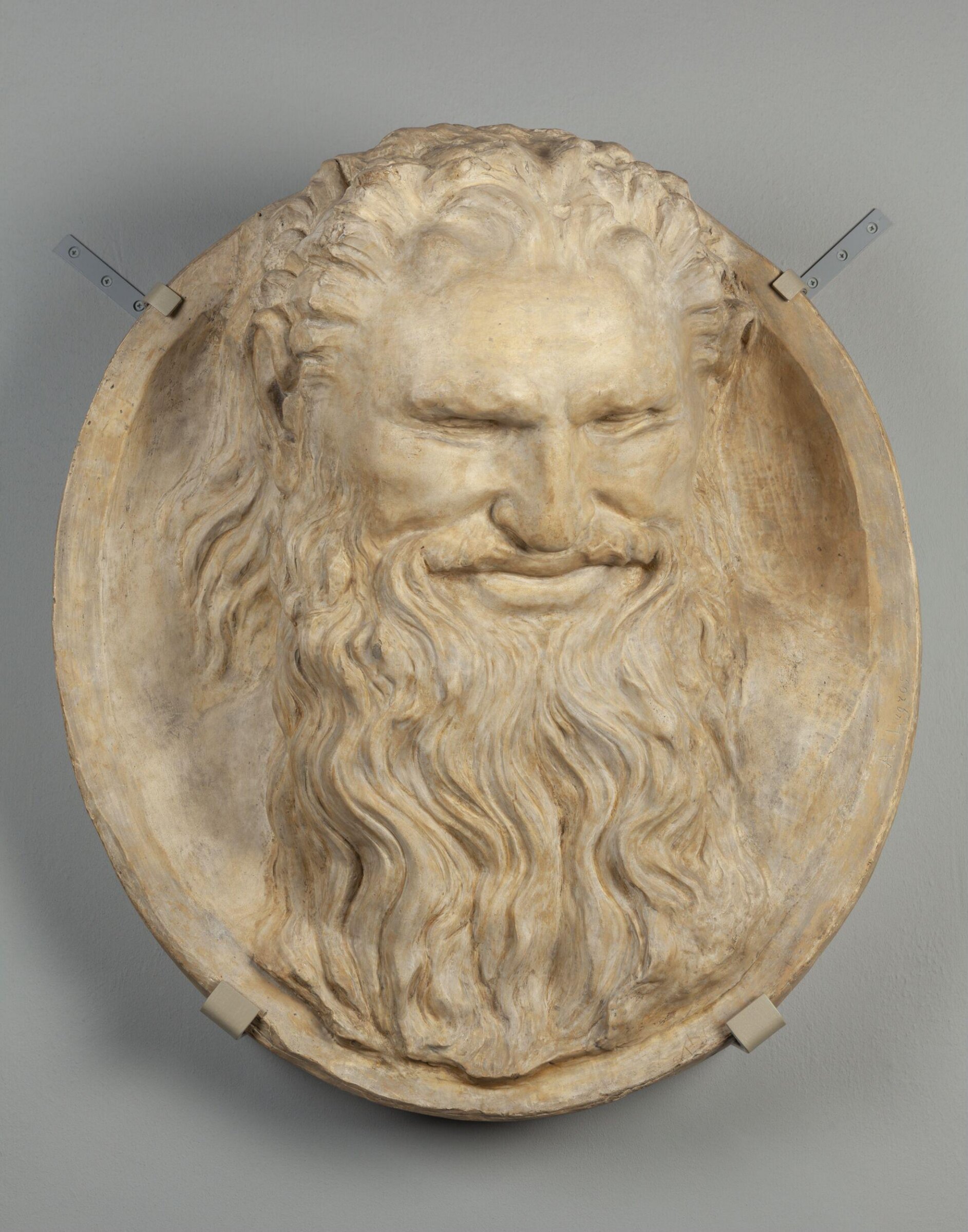
Head of a Satyr, Alphonse Legros, ca. 1885

Alphonse Legros

Head of a Satyr, ca. 1885

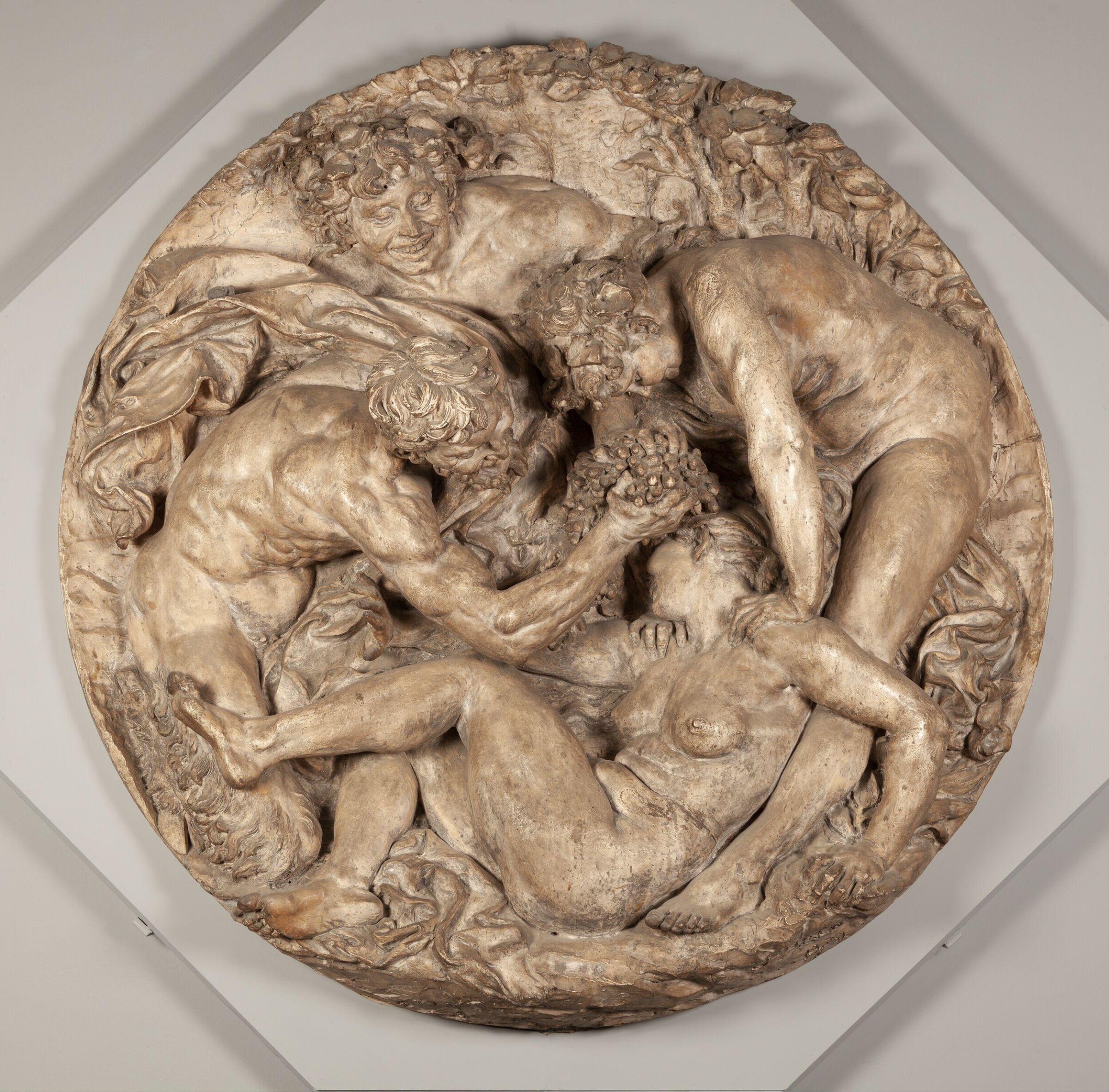
Bacchanal, Aimé-Jules Dalou, 1879

Aimé-Jules Dalou

Bacchanal, 1879

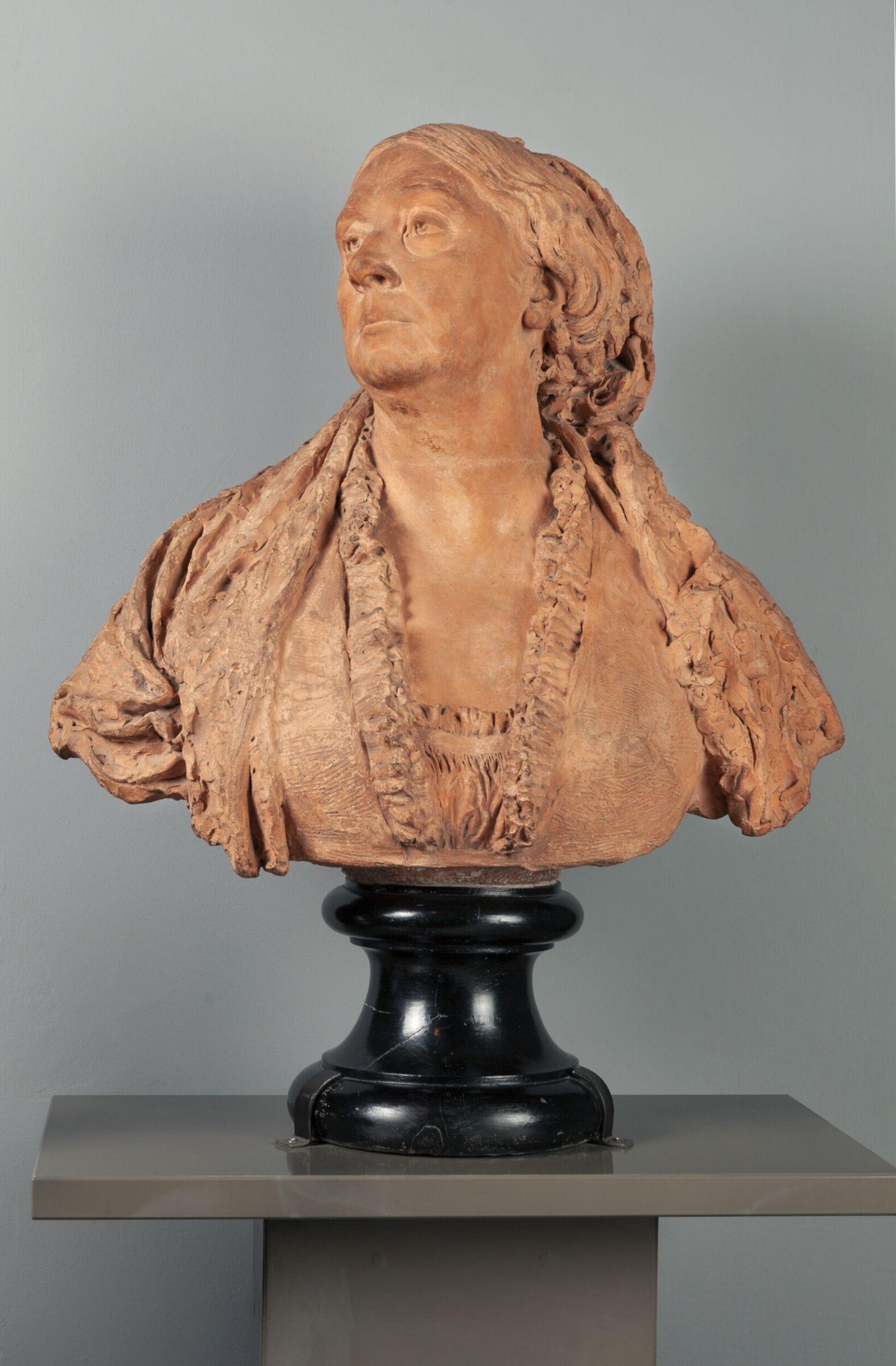
Eugénie Maria Wynne, Aimé-Jules Dalou, 1875

Aimé-Jules Dalou

Eugénie Maria Wynne, 1875

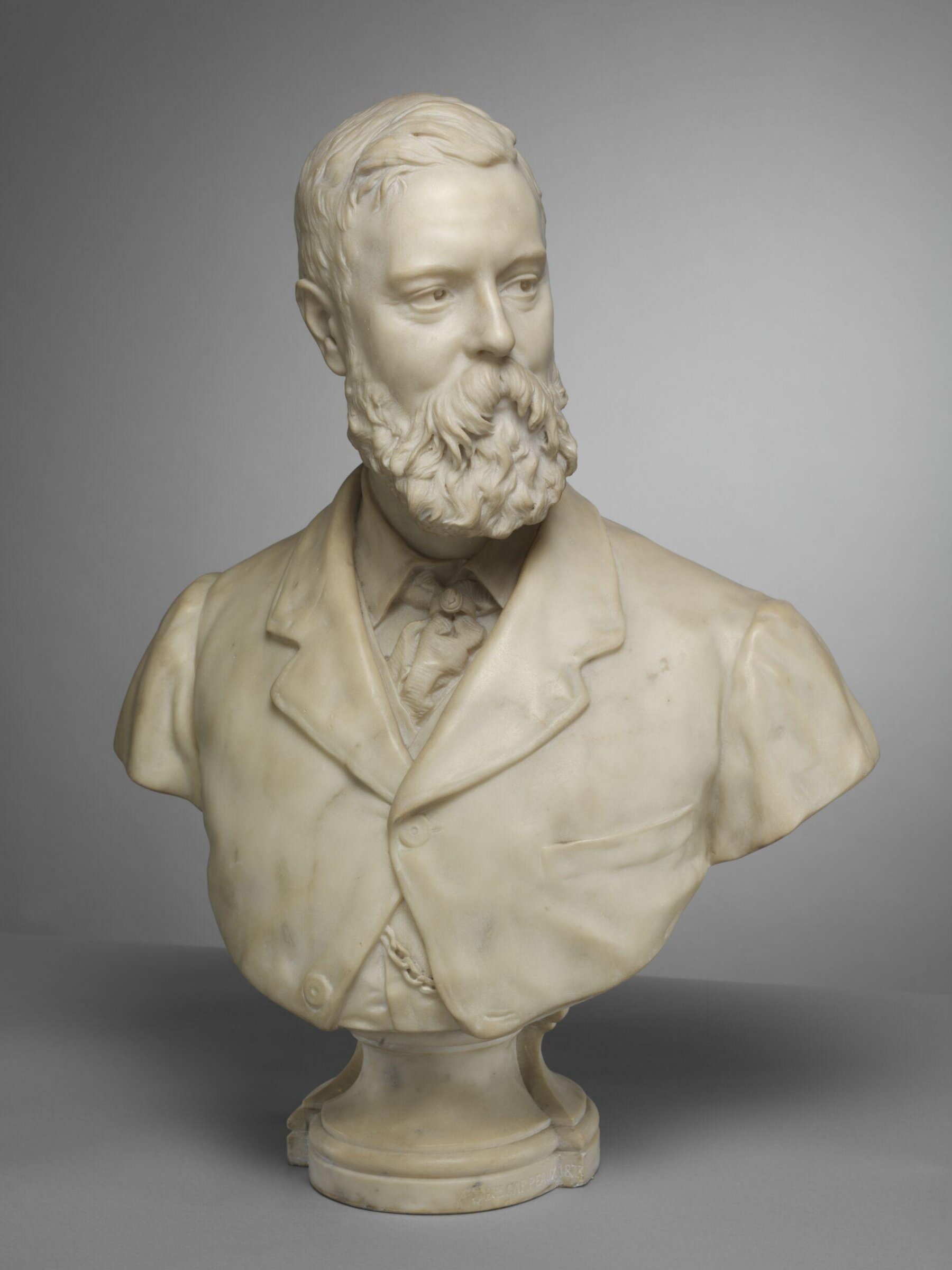
Mr H. J. Turner, Jean-Baptiste Carpeaux, 1873

Jean-Baptiste Carpeaux

Mr H. J. Turner, 1873

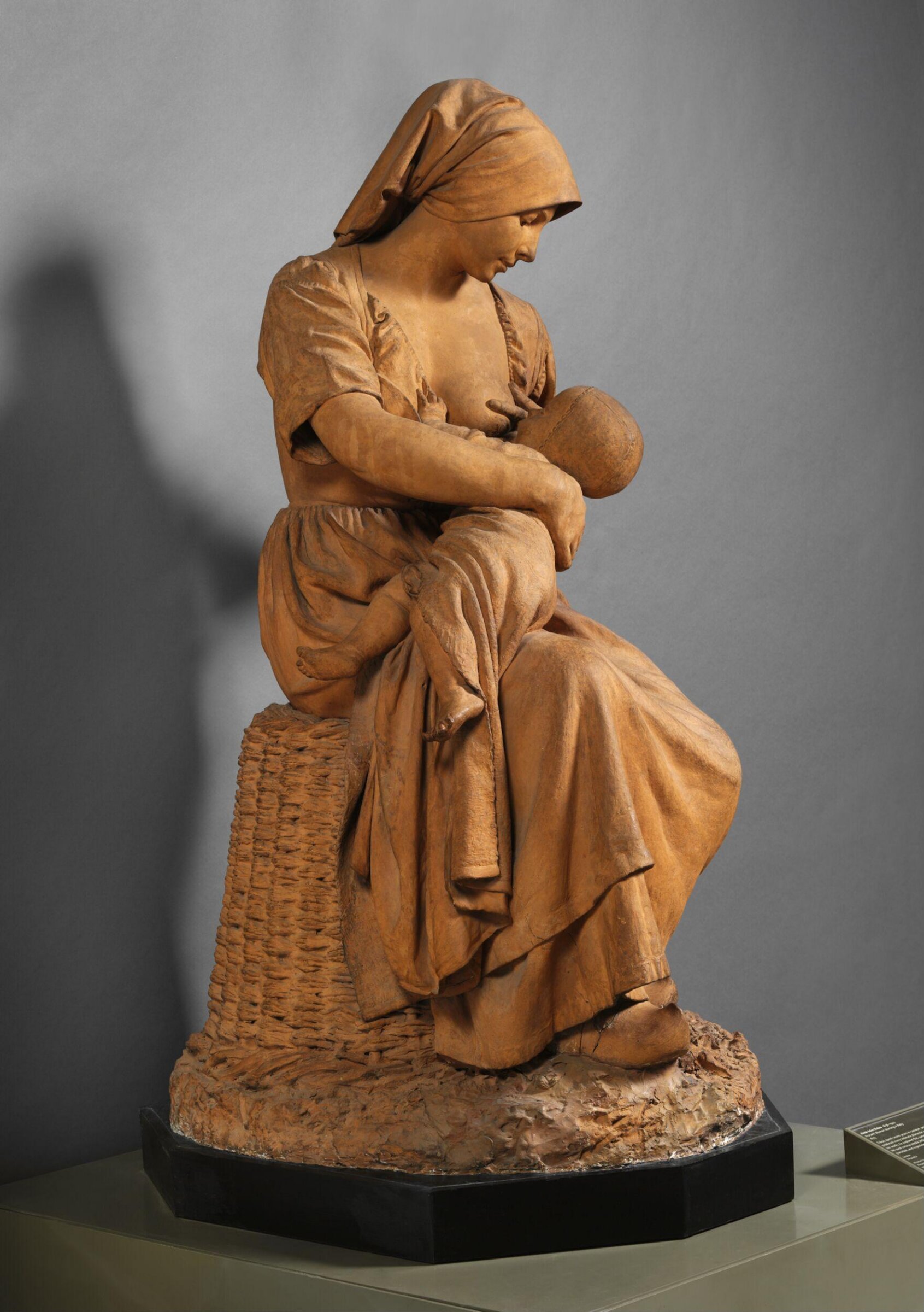
Peasant woman nursing a baby, Aimé-Jules Dalou, 1873

Aimé-Jules Dalou

Peasant woman nursing a baby, 1873