ART WIKI32.963 en sala
MapaColecciónArtistasMuseosExposicionesRevista
Acceder

ART WIKI

Dónde cuelga la obra maestra y cuándo le dejan pasar.

Colecciones: Galería Nacional de Arte, Galería Nacional de Dinamarca, Galería Nacional de Retratos, Galería Tretiakov, Harvard Art Museums, Instituto de Arte de Chicago, Instituto de Artes de Mineápolis, MoMA, Museo de Arte de Cleveland, Museo de Victoria y Alberto, Museo del Hermitage, Museo del Louvre, Museo Estatal Ruso, Museo Hirshhorn y Jardín de Esculturas, Museo J. Paul Getty, Museo Metropolitano de Arte, Museo Pushkin, Museo Smithsoniano de Arte Americano, Museo Whitney de Arte Estadounidense, National Museum of Asian Art, Rijksmuseum, Villa Getty, Catálogo Estatal del Fondo Museístico de Rusia (274 museos), Europeana (19 museos), Wikidata (6 museos), Paris Musées (12 museos) y Joconde, la base de museos del Ministerio de Cultura de Francia (495 museos). Las imágenes pertenecen a sus titulares de derechos.

Secciones

  • Mapa
  • Búsqueda
  • Colección
  • Obras maestras
  • Expuestas ahora
  • Artistas

Más

  • Museos y galerías
  • Exposiciones
  • Revista
  • De dónde salen los datos
  • Privacidad y cookies
InicioMapaCatálogo
  1. Colección/
  2. Museo del Louvre/
  3. La fiancée d'Abydos
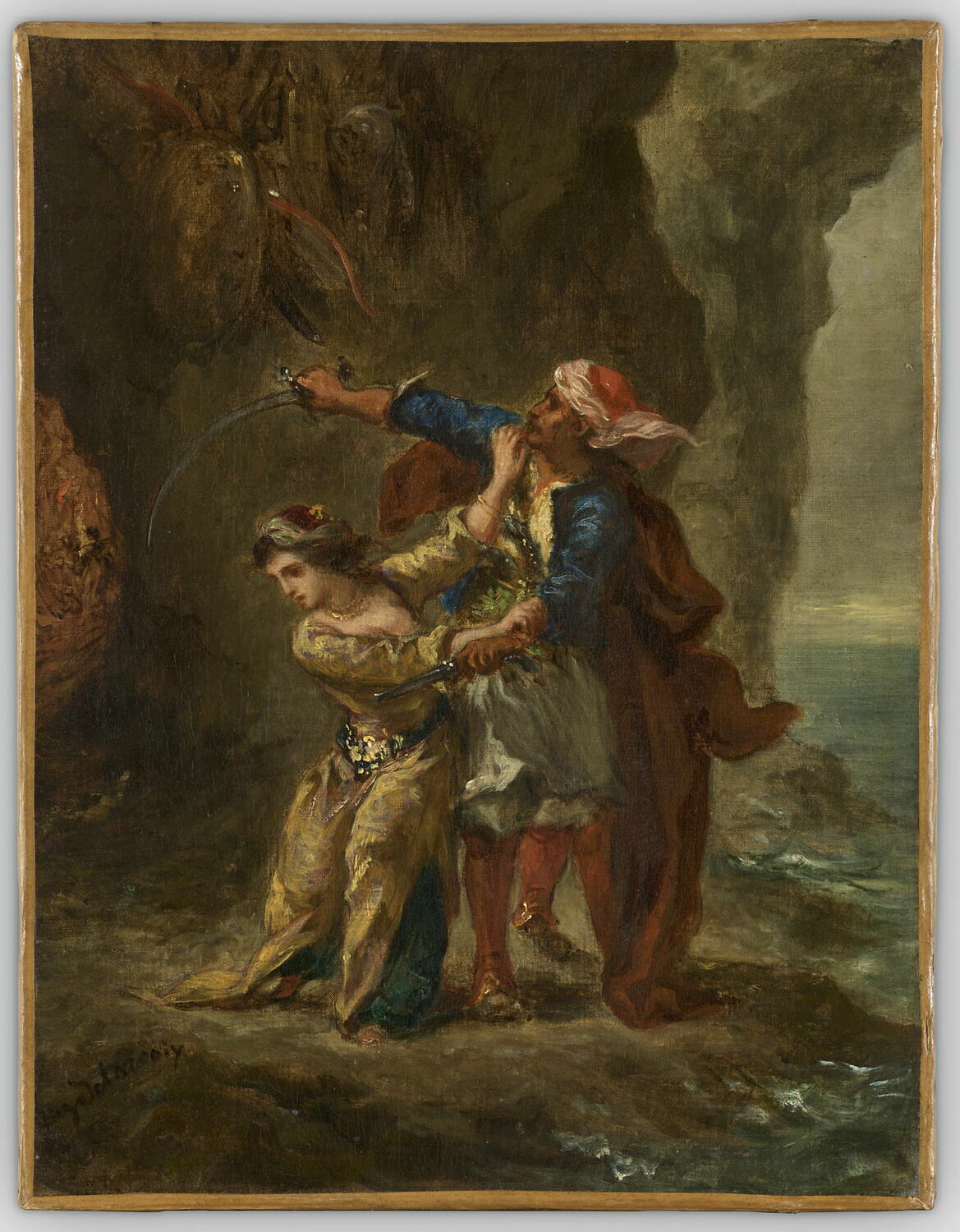
La fiancée d'Abydos, Delacroix, Eugène, 2e quart du XIXe siècle (1825 - 1850)
Eugène Delacroix, retratoEugène DelacroixFrancia, 1798–1863

La fiancée d'Abydos

2e quart du XIXe siècle (1825 - 1850) · Peintures

¿Se puede contemplar?

Por ahora no recibe

Museo del Louvre

París, Francia

Pertenece a la colección, pero ahora mismo no está expuesta.

Comprobado
hace 12 días
En este estado desde
26 sept 2026
Fuente
El museo
En el mapaPágina del museo

Sobre el cuadro

The Bride of Abydos (French – La Fiancée d'Abydos) or Selim and Zuleika is the title of two paintings by the French Romantic painter Eugène Delacroix, one in the Museum of Fine Arts of Lyon (pre-1849) and another in the Louvre (1843–1849).

Both works show the characters Selim and Zuleika from the poem of the same name by Lord Byron, written after he had swum the Hellespont between Abydos and Sestos in imitation of Leander.

Wikipedia · CC BY-SA

Ficha

2e quart du XIXe siècle (1825 - 1850)
17981863
Número de inventario
RF 1398

En el catálogo

PinturaÓleoPintura francesaNeoclasicismoRomanticismoSiglo XIX

Fuentes

  • Museo del Louvre
  • Imagen: Museo del Louvre — © 2023 GrandPalaisRmn (musée du Louvre) / Adrien Didierjean

Mientras tanto, en la vida de Eugène Delacroix

La vida entera
  1. 1824

    Success of "The Massacre at Chios" at the Salon

    Shown at the Salon of 1824, The Massacre at Chios, devoted to the tragedies of the Greek War of Independence, brought Delacroix genuine success: the authorities recognized him as the leading painter of the new Romantic style, and the painting was bought by the state.

  2. 1825

    Journey to England

    During a trip to England Delacroix visited Thomas Lawrence and Richard Parkes Bonington; the color and manner of English painting gave impetus to his subsequent work.

  3. 1831

    "Liberty" at the Salon of 1831

    Liberty Leading the People was enthusiastically received by the public at the Salon of 1831 and immediately acquired by the state for 3,000 francs for the throne room of the Luxembourg Palace.

  4. 1832

    Journey to Spain and North Africa

    As part of the diplomatic mission of Charles-Edgar de Mornay, Delacroix traveled to Morocco shortly after the French conquest of Algeria. The journey proved a turning point: he made dozens of sketches, and his impressions of North Africa nourished his art for the rest of his life.

  5. 1833–1837

    Decoration of the Salon du Roi in the Palais Bourbon

    From 1833 Delacroix received numerous commissions to decorate the public buildings of Paris; the first was his work on the Salon du Roi in the Chamber of Deputies at the Palais Bourbon, completed in 1837.

  6. 1838

    "Medea" Causes a Sensation at the Salon

    Delacroix exhibited Medea About to Kill Her Children — his first major engagement with Greek mythology; the painting caused a sensation at the Salon and was quickly purchased by the state.
Más obras de Eugène Delacroix

Todas las obras
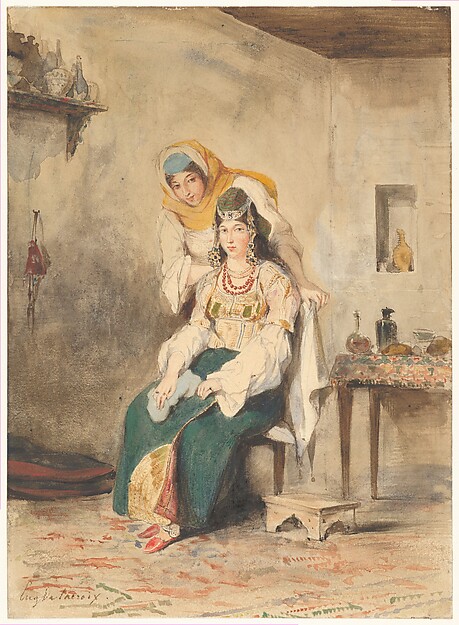
Saada, the Wife of Abraham Ben-Chimol, and Préciada, One of Their Daughters, Eugène Delacroix, 1832

Saada, the Wife of Abraham Ben-Chimol, and Préciada, One of Their Daughters

1832 · Museo Metropolitano de Arte

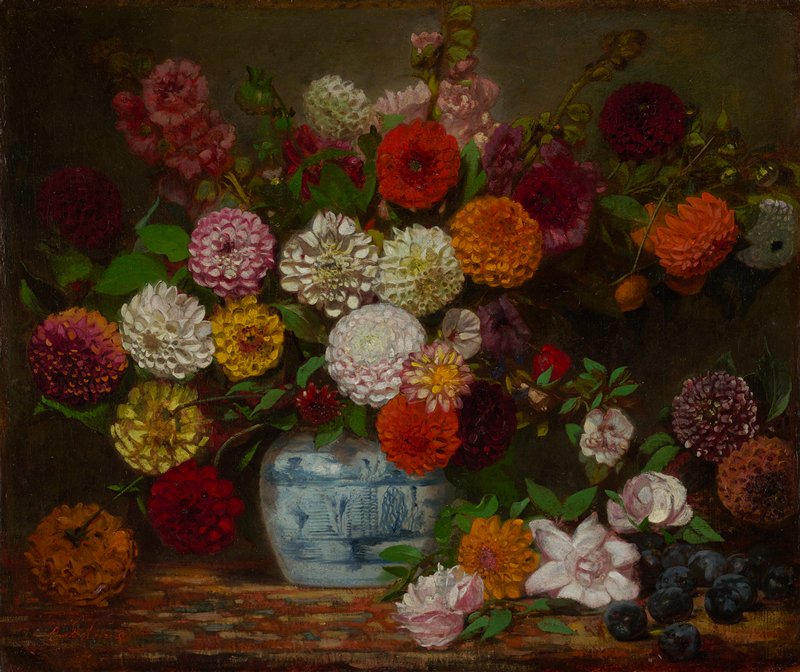
Still Life with Dahlias, Zinnias, Hollyhocks and Plums, Eugène Delacroix, c. 1835

Still Life with Dahlias, Zinnias, Hollyhocks and Plums

c. 1835 · Instituto de Artes de Mineápolis

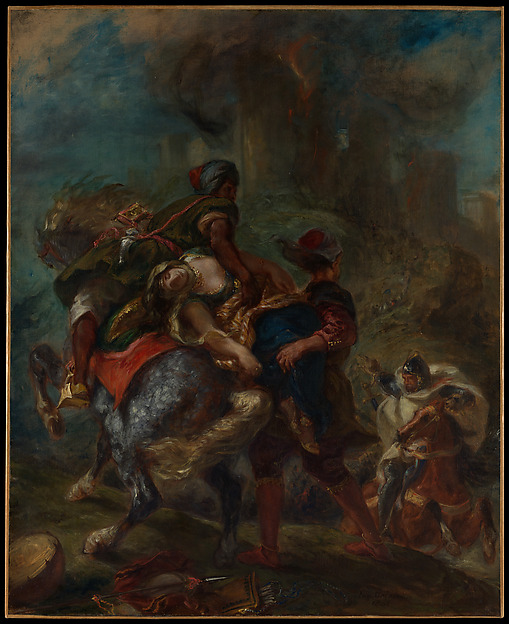
The Abduction of Rebecca, Eugène Delacroix, 1846

The Abduction of Rebecca

1846 · Museo Metropolitano de Arte

Sunset, Eugène Delacroix, ca. 1850

Sunset

ca. 1850 · Museo Metropolitano de Arte

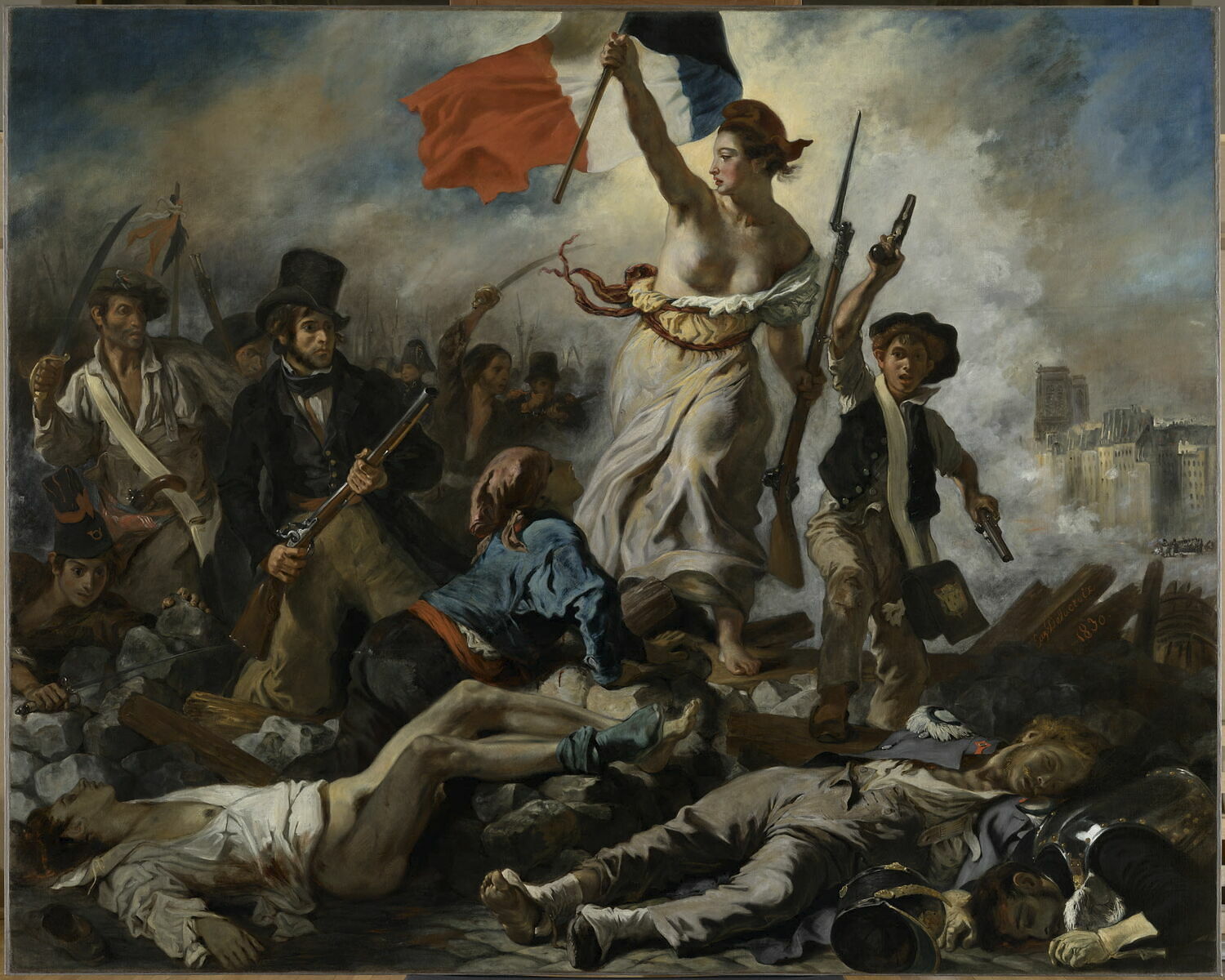
Le 28 juillet 1830. La Liberté guidant le peuple, Delacroix, Eugène, 2e quart du XIXe siècle (1830)

La Libertad guiando al pueblo

2e quart du XIXe siècle (1830) · Museo del Louvre

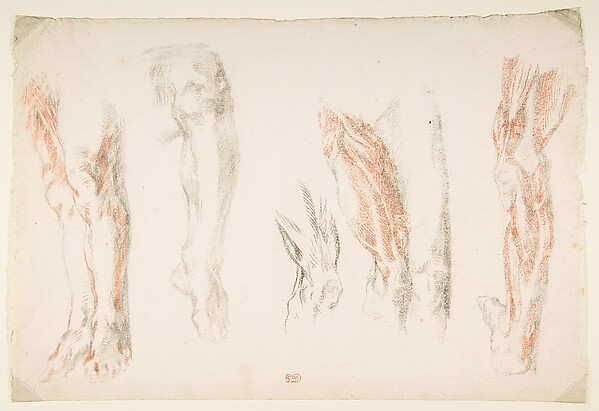
Anatomical Studies of Legs, Eugène Delacroix, 1820–1863

Anatomical Studies of Legs

1820–1863 · Museo Metropolitano de Arte

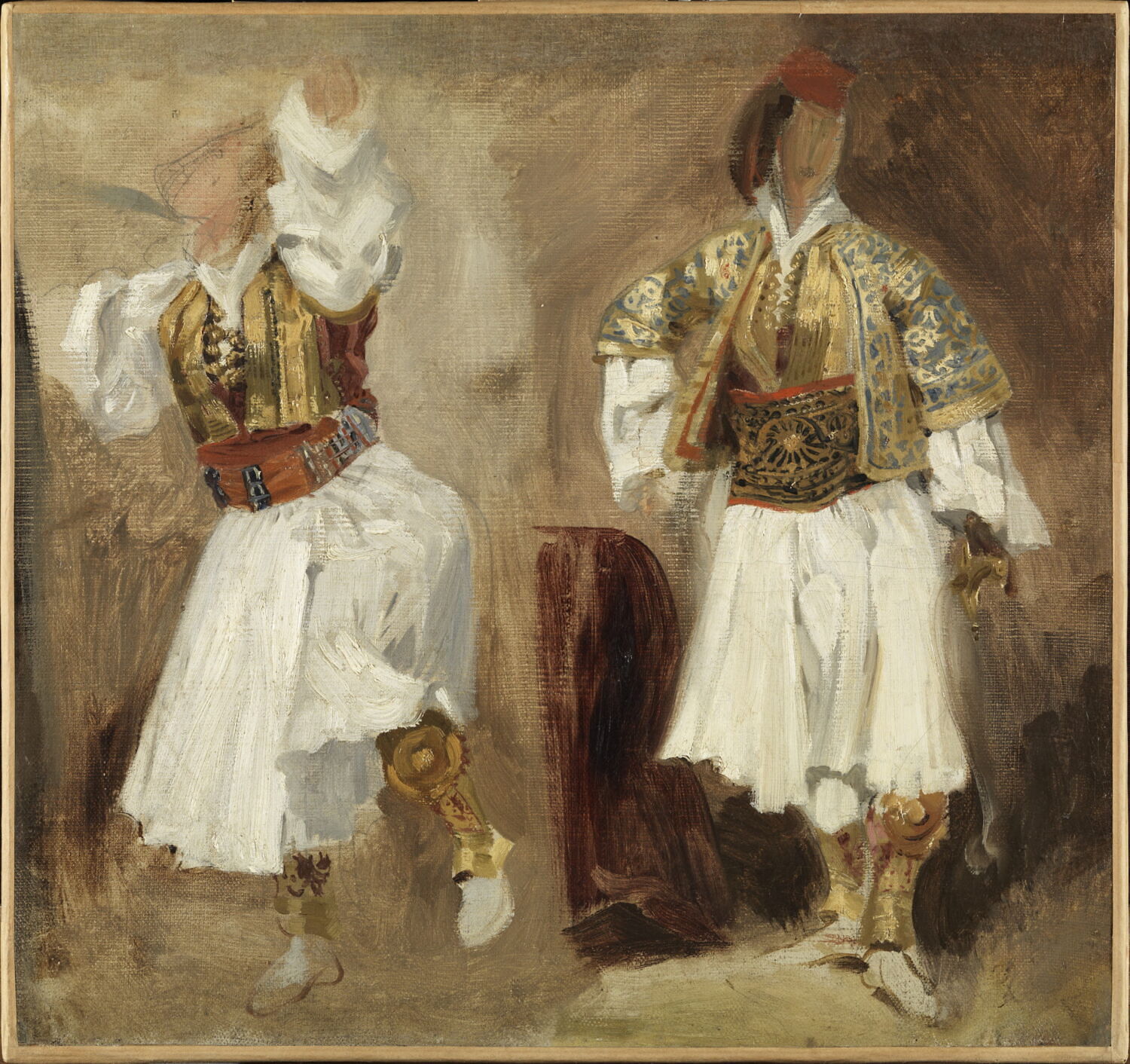
Deux études de costumes souliotes, Delacroix, Eugène, 1e quart du XIXe siècle (1822)

Deux études de costumes souliotes

1e quart du XIXe siècle (1822) · Museo del Louvre

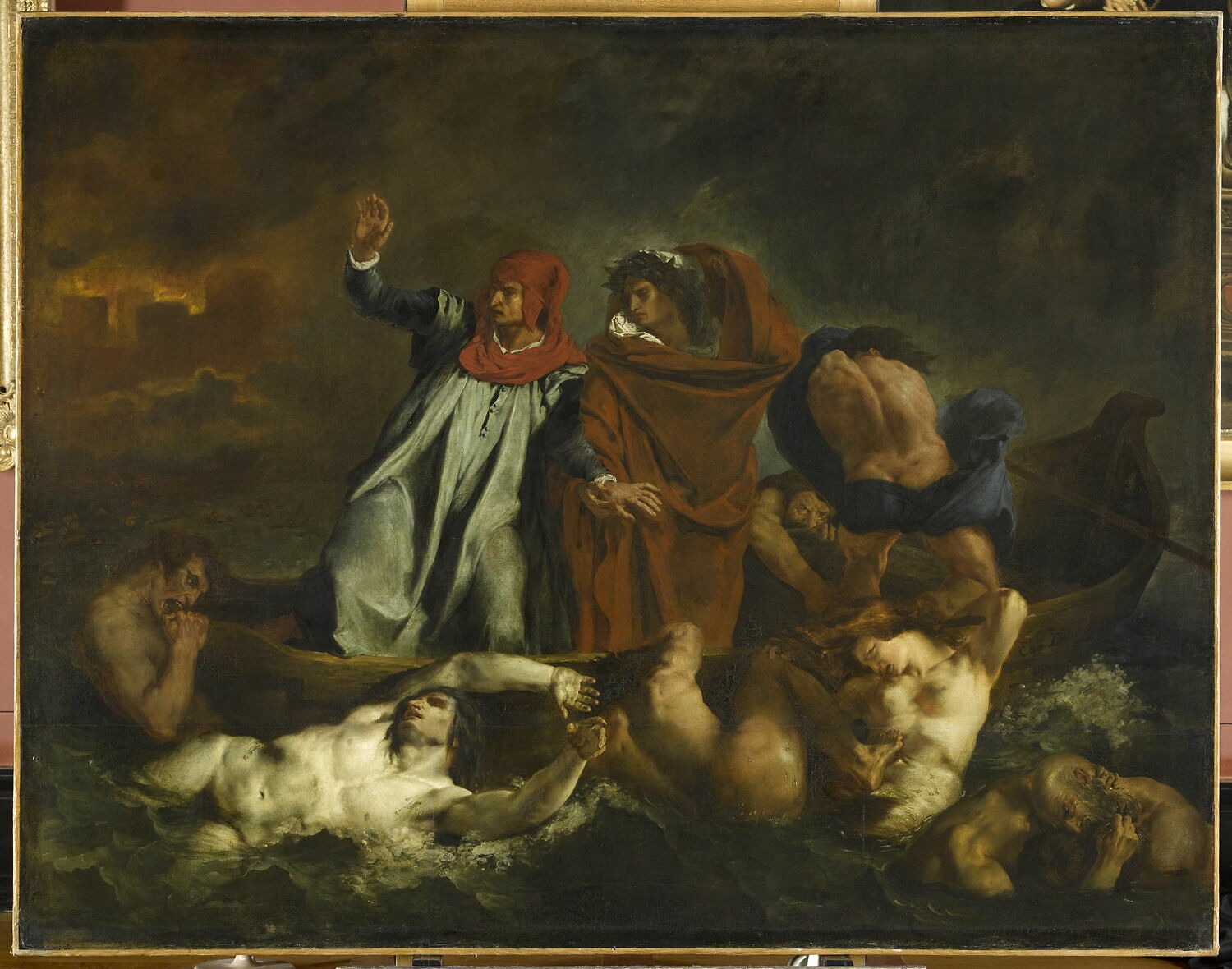
Dante et Virgile, dit aussi La barque de Dante, Delacroix, Eugène, 1e quart du XIXe siècle (1822)

La barca de Dante

1e quart du XIXe siècle (1822) · Museo del Louvre

Bajo el mismo techo: Museo del Louvre

Página del museo
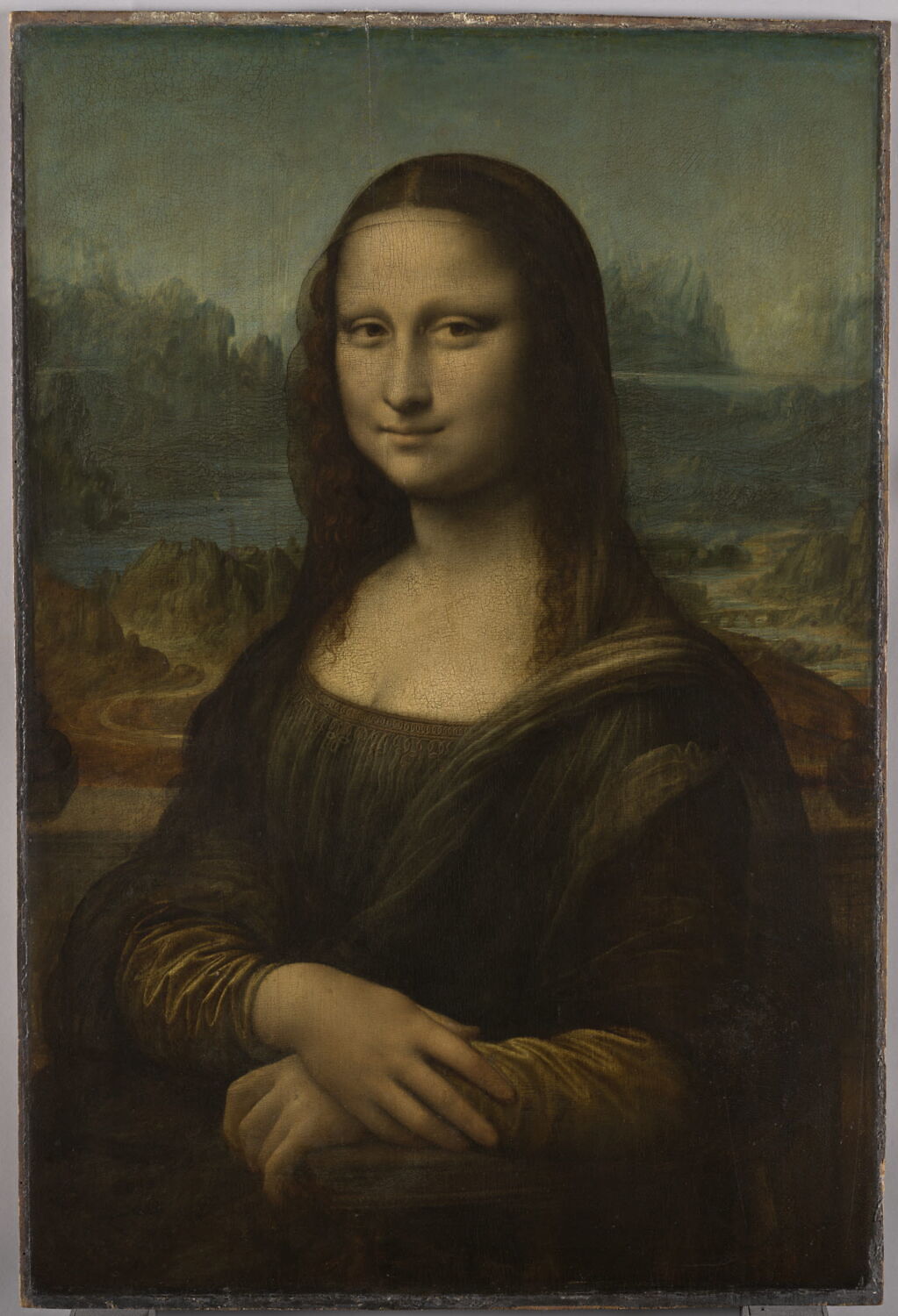
Portrait de Lisa Gherardini, épouse de Francesco del Giocondo, dit La Joconde ou Monna Lisa, Léonard de Vinci, 1e quart du XVIe siècle (1503 - 1519)

Leonardo da Vinci

La Gioconda, 1e quart du XVIe siècle (1503 - 1519)

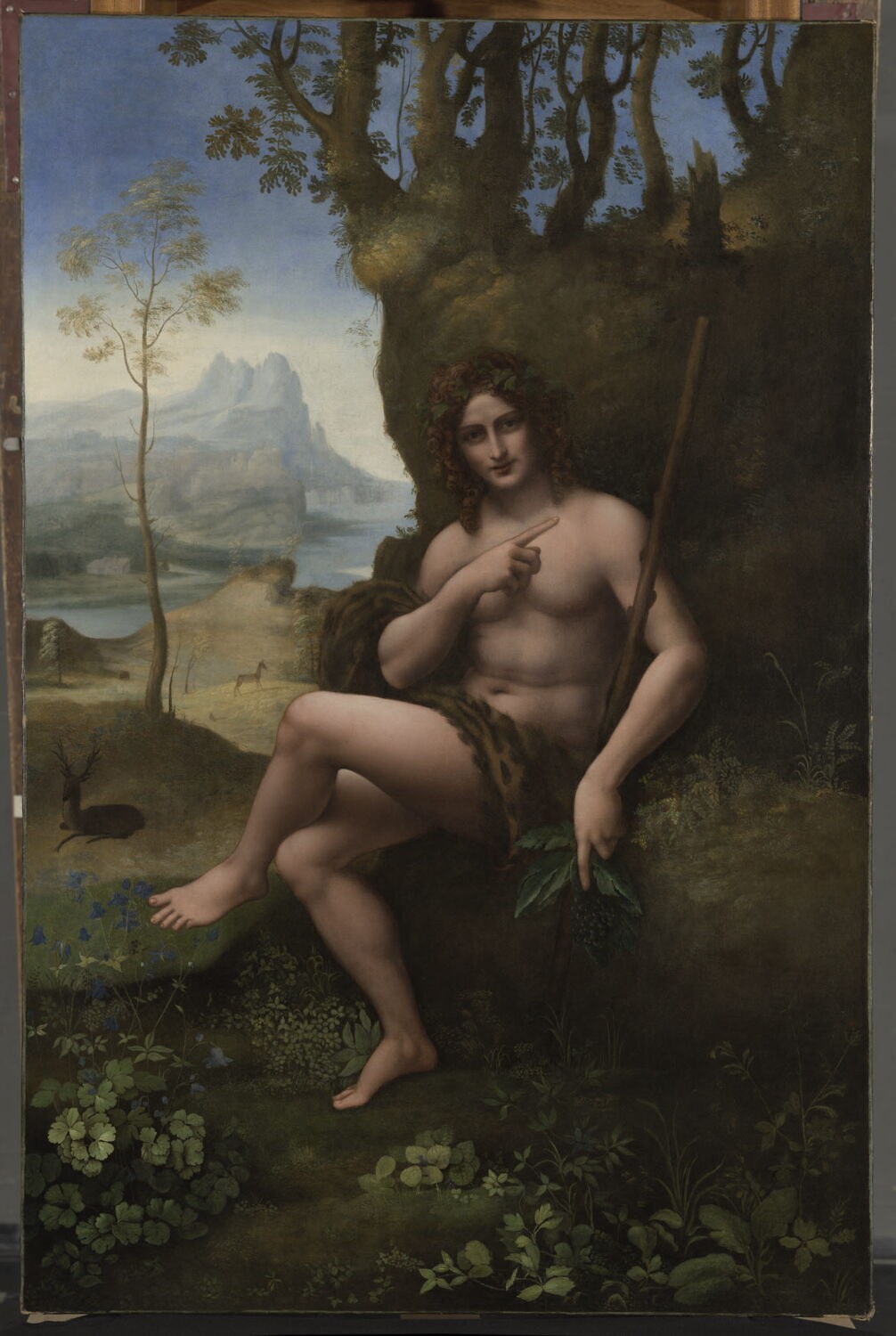
Saint Jean Baptiste, Léonard de Vinci, 1e quart du XVIe siècle (vers 1517 - 1520)

Leonardo da Vinci

Baco, 1e quart du XVIe siècle (vers 1517 - 1520)

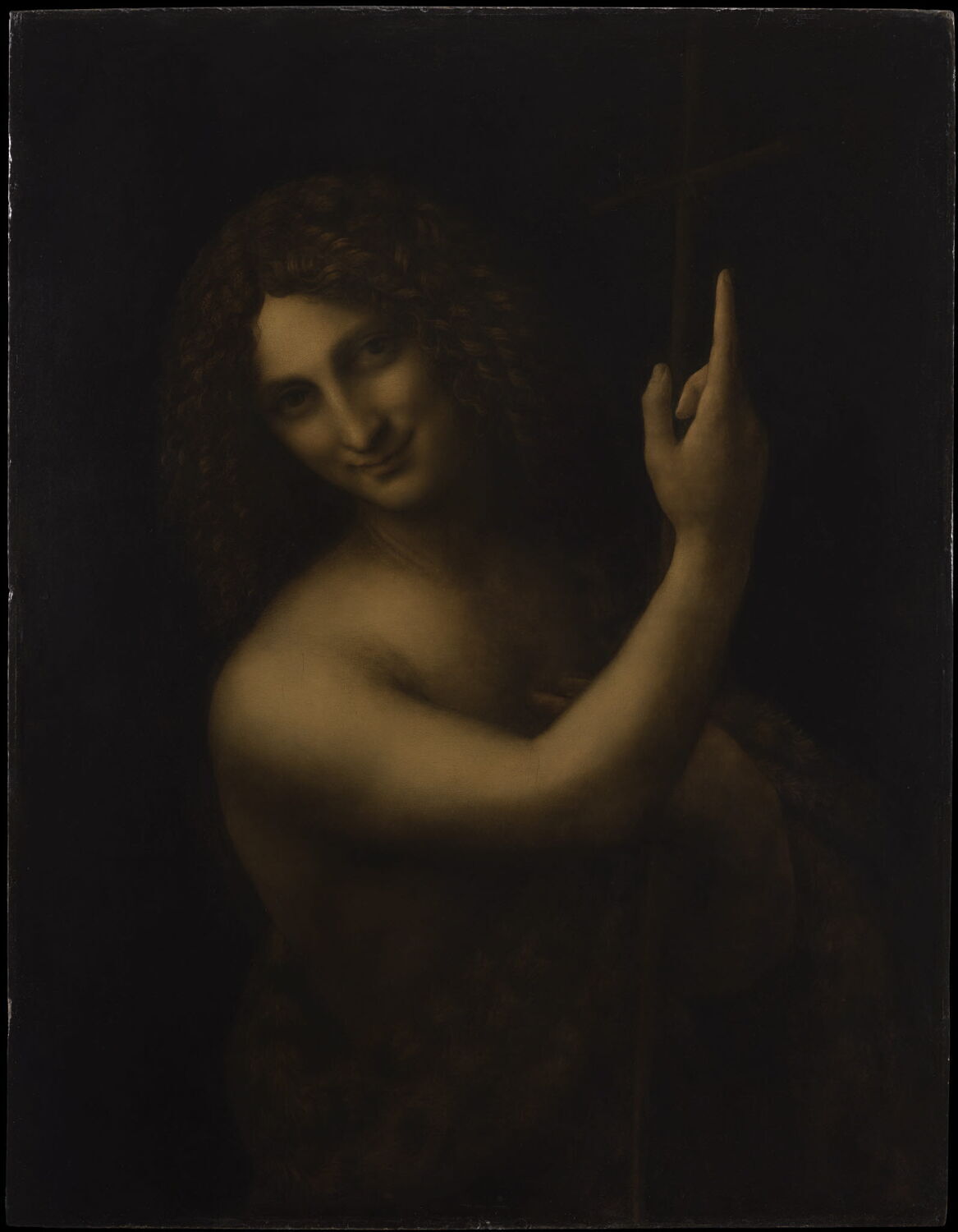
Saint Jean Baptiste, Léonard de Vinci, 1e quart du XVIe siècle (vers 1508 - 1519)

Leonardo da Vinci

San Juan Bautista, 1e quart du XVIe siècle (vers 1508 - 1519)

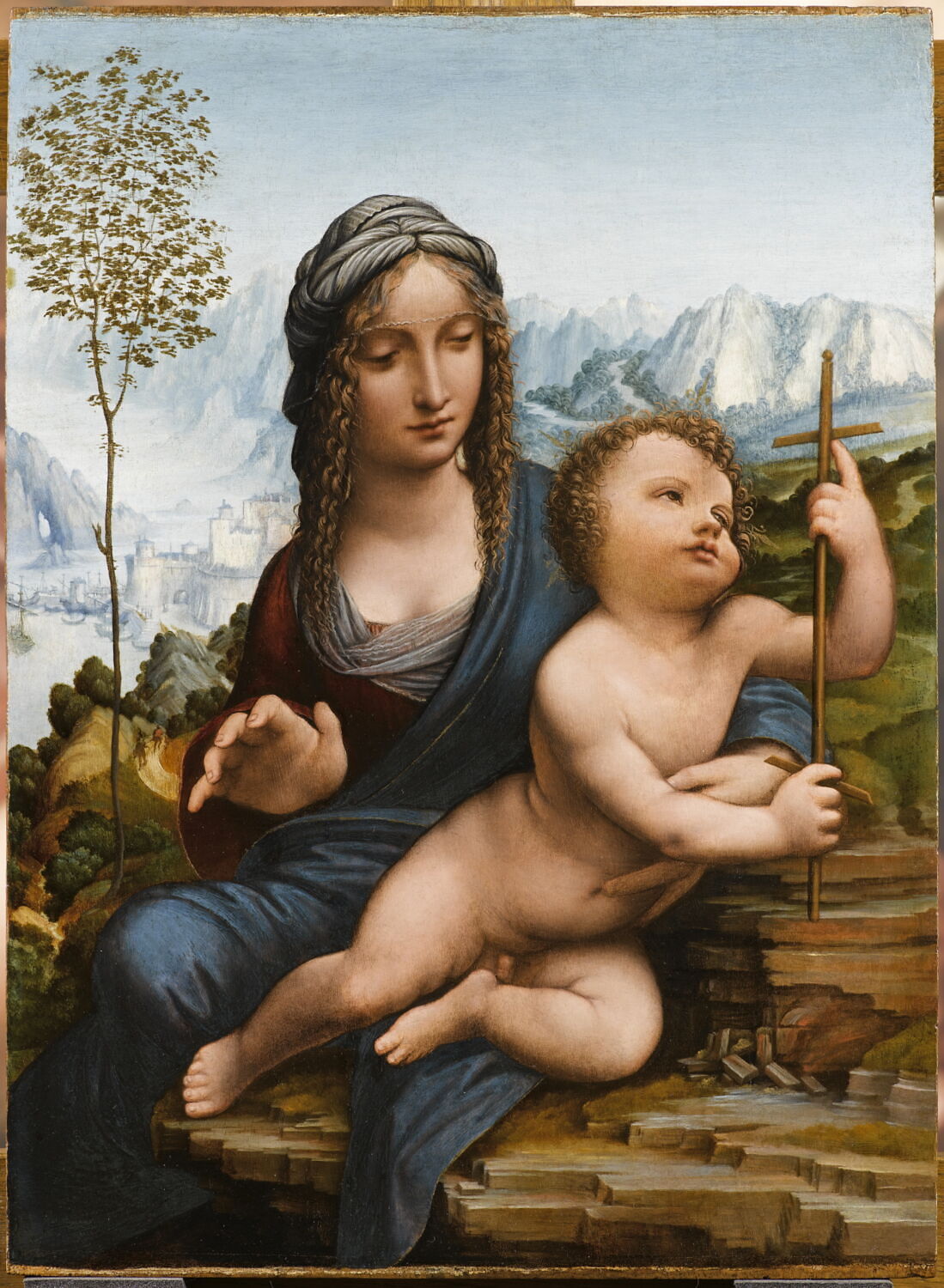
La Vierge et l'Enfant Jésus, dite Vierge au dévidoir ou Vierge aux fuseaux, Léonard de Vinci, XVIe siècle (vers 1505 - 1520)

Leonardo da Vinci

La Vierge et l'Enfant Jésus, dite Vierge au dévidoir ou Vierge aux fuseaux, XVIe siècle (vers 1505 - 1520)

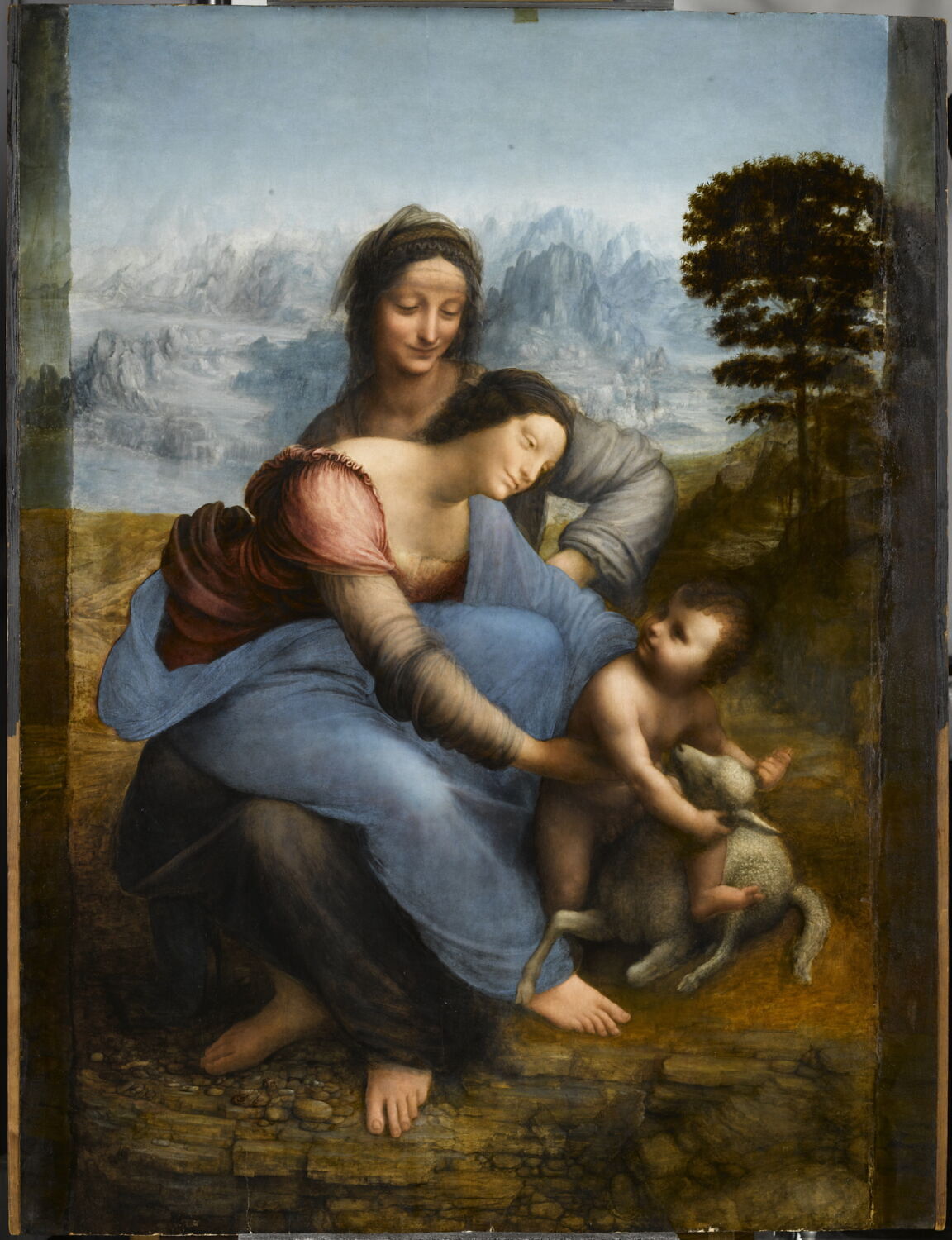
La Vierge, l'Enfant Jésus et sainte Anne, dit La Sainte Anne, Léonard de Vinci, 1e quart du XVIe siècle (vers 1503 - 1519)

Leonardo da Vinci

La Virgen, el Niño Jesús y Santa Ana, 1e quart du XVIe siècle (vers 1503 - 1519)

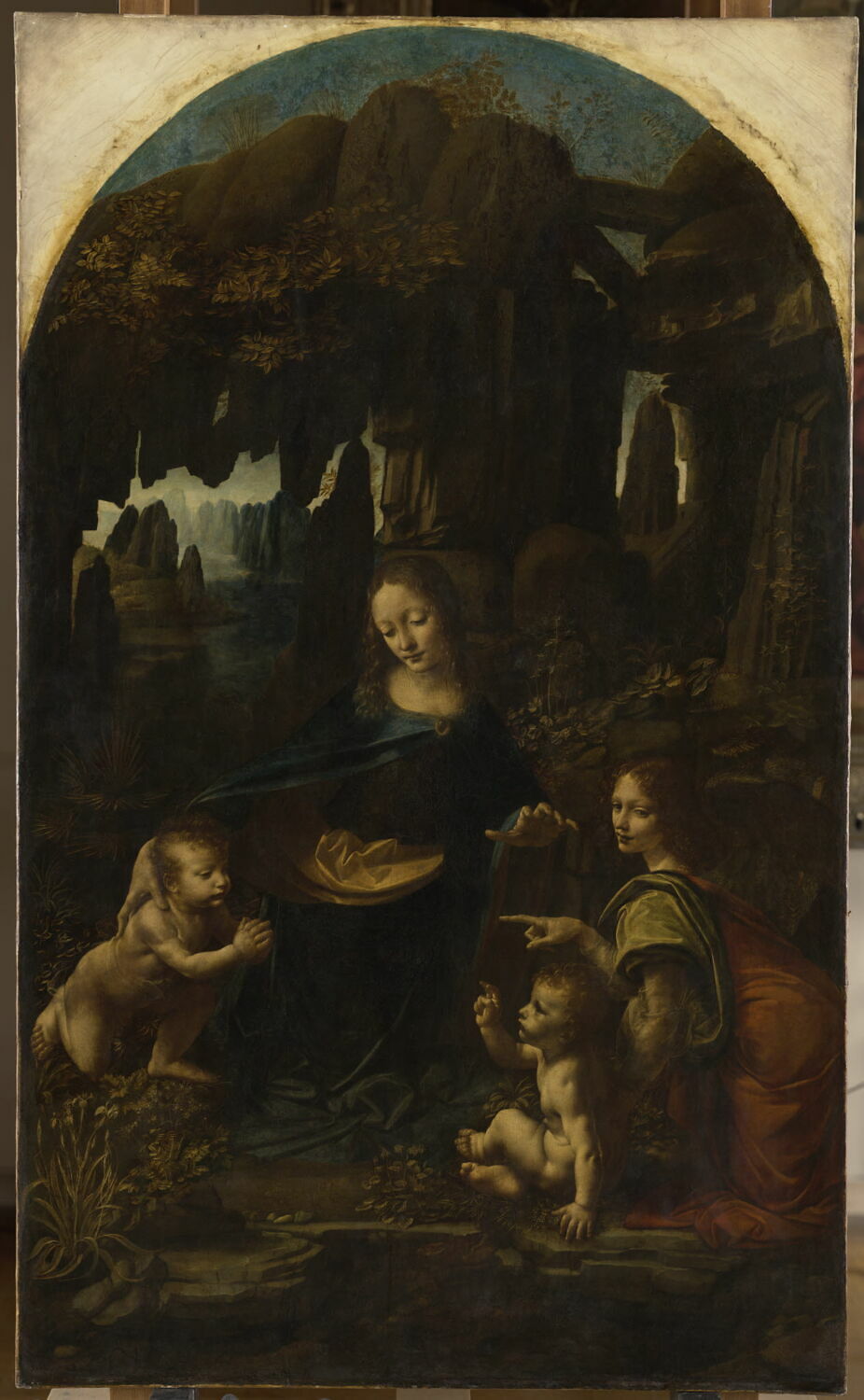
La Vierge, l'Enfant Jésus, saint Jean Baptiste et un ange, dit La Vierge aux rochers, Léonard de Vinci, 4e quart du XVe siècle (vers 1483 - 1494)

Leonardo da Vinci

La Vierge, l'Enfant Jésus, saint Jean Baptiste et un ange, dit La Vierge aux rochers, 4e quart du XVe siècle (vers 1483 - 1494)

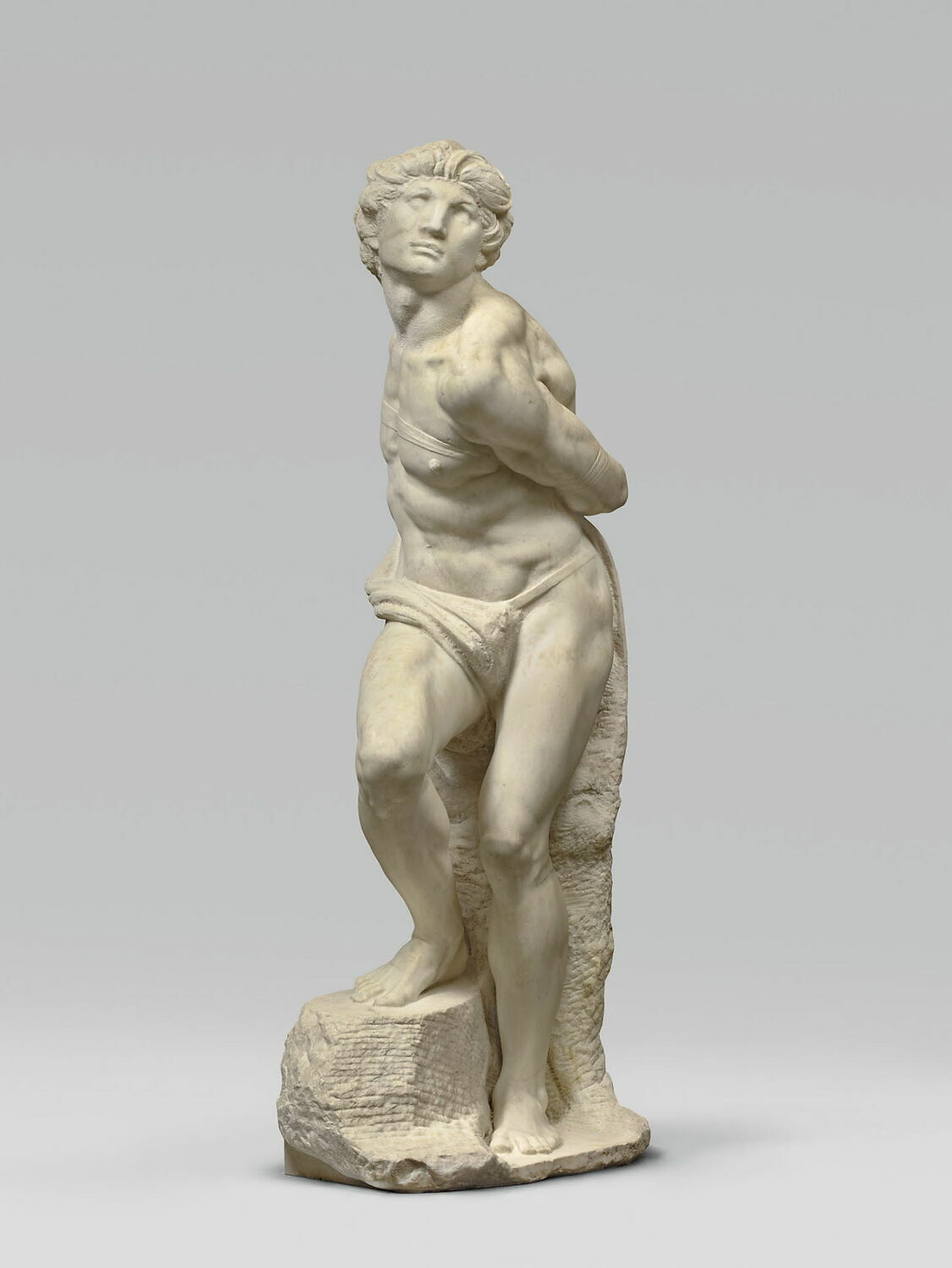
Esclave rebelle, Buonarroti, Michelangelo dit Michel-Ange, 1513 - 1515

Michelangelo

Esclavo rebelde, 1513 - 1515

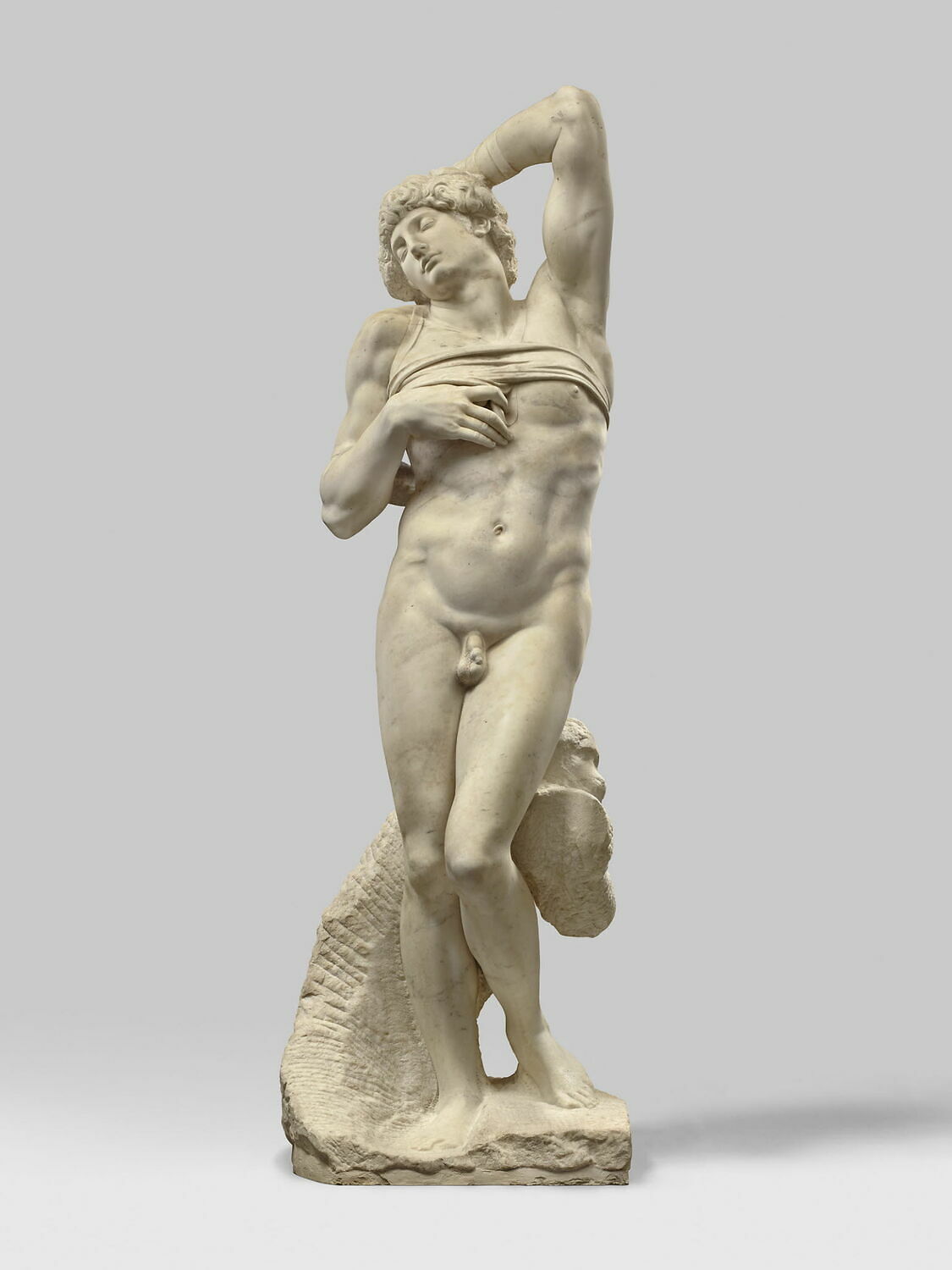
Esclave mourant, Buonarroti, Michelangelo dit Michel-Ange, 1513 - 1515

Michelangelo

Esclavo moribundo, 1513 - 1515