ART WIKI32.963 en sala
MapaColecciónArtistasMuseosExposicionesRevista
Acceder

ART WIKI

Dónde cuelga la obra maestra y cuándo le dejan pasar.

Colecciones: Galería Nacional de Arte, Galería Nacional de Dinamarca, Galería Nacional de Retratos, Galería Tretiakov, Harvard Art Museums, Instituto de Arte de Chicago, Instituto de Artes de Mineápolis, MoMA, Museo de Arte de Cleveland, Museo de Victoria y Alberto, Museo del Hermitage, Museo del Louvre, Museo Estatal Ruso, Museo Hirshhorn y Jardín de Esculturas, Museo J. Paul Getty, Museo Metropolitano de Arte, Museo Pushkin, Museo Smithsoniano de Arte Americano, Museo Whitney de Arte Estadounidense, National Museum of Asian Art, Rijksmuseum, Villa Getty, Catálogo Estatal del Fondo Museístico de Rusia (274 museos), Europeana (19 museos), Wikidata (6 museos), Paris Musées (12 museos) y Joconde, la base de museos del Ministerio de Cultura de Francia (495 museos). Las imágenes pertenecen a sus titulares de derechos.

Secciones

  • Mapa
  • Búsqueda
  • Colección
  • Obras maestras
  • Expuestas ahora
  • Artistas

Más

  • Museos y galerías
  • Exposiciones
  • Revista
  • De dónde salen los datos
  • Privacidad y cookies
InicioMapaCatálogo
  1. Colección/
  2. Instituto de Artes de Mineápolis/
  3. La Crucifixion
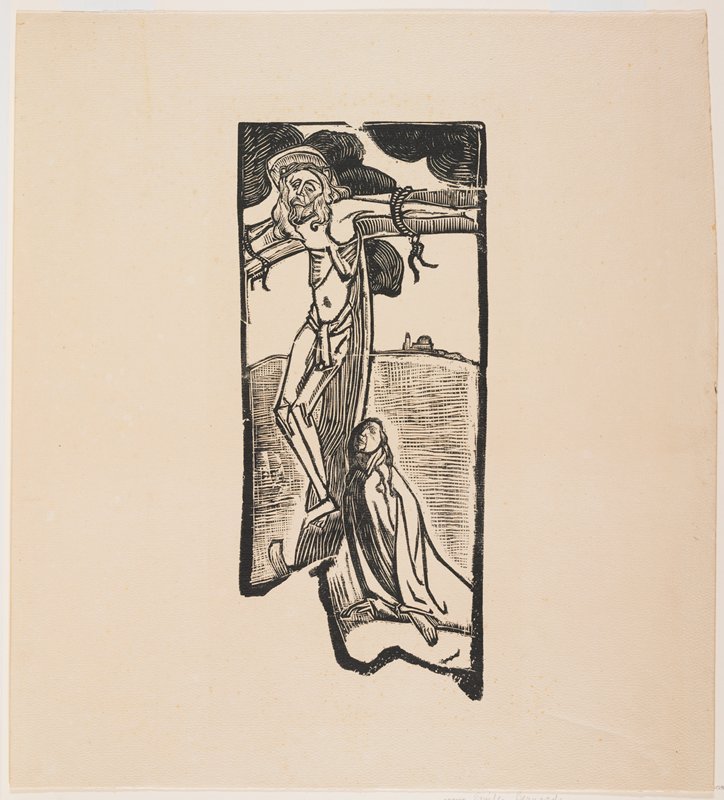
La Crucifixion, Émile Bernard, c. 1890–93 (published 1894)
Bernard, Emile, retratoBernard, EmileFrancia, 1868–1941

La Crucifixion

c. 1890–93 (published 1894) · Print · 35.24 × 15.08 cm

¿Se puede contemplar?

Por ahora no recibe

Instituto de Artes de Mineápolis

Minneapolis, Estados Unidos

Pertenece a la colección, pero ahora mismo no está expuesta.

Comprobado
anteayer
En este estado desde
25 sept 2026
Fuente
Los datos de colección del propio museo
En el mapaPágina del museo

Sobre la obra

Although produced in the spirit of a medieval woodcut, Émile Bernard's print is deceptively original. He achieved a primitive look by carving the coarse, unruly side-grain of a wood plank rather than the smoother end-grain, unheard of for a 19th-century artist. The narrow format borrows from Japanese hashira-e prints, which hung on pillars. And his angular, elongated Christ seems to prefigure German Expressionism. Using ropes on the cross was also novel; artists had switched to nails in the Middle Ages because they produced more blood.

Instituto de Artes de Mineápolis

Ficha

c. 1890–93 (published 1894)
18681941
Número de inventario
P.71.113

En el catálogo

EstampasXilografíaImpresionismoSiglo XIXFrancia

Fuentes

  • Instituto de Artes de Mineápolis: los datos abiertos del museo · obtenido hace 8 días
  • Imagen: Instituto de Artes de Mineápolis — © Minneapolis Institute of Art

Mientras tanto, en la vida de Bernard, Emile

La vida entera
  1. 1887–1888

    An exhibition in the restaurant on the Avenue de Clichy

    Back in Paris, Bernard attends the Académie Julian and meets van Gogh, who is impressed by his work. He finds a restaurant on the Avenue de Clichy where his work is shown alongside that of van Gogh, Anquetin and Toulouse-Lautrec; van Gogh calls the group the “School of the Petit Boulevard”.

  2. 1888

    On foot to Pont-Aven: friendship with Gauguin

    A year later Bernard again sets out for Pont-Aven on foot and sees Gauguin; their friendship and artistic partnership quickly grow strong. Bernard wants an art of the most extreme simplicity, accessible to all and practised collectively, and Gauguin is impressed by his ability to put his ideas into words. Other accounts have him living in Pont-Aven in 1886–1888 and joining the Pont-Aven group.

  3. 1890

    A religious crisis and a turn to the Middle Ages

    In 1890 Bernard goes through a religious crisis and turns to the subjects and themes of medieval art. In the same year he sets out to revive symbolism, which he saw as Christian in essence — the invisible expressed through the visible.

  4. 1891

    The break with Gauguin

    In 1891 Bernard breaks off his friendship with Gauguin. It was always his great frustration that Gauguin never named him as an influence on pictorial symbolism; one writer says his rivalry with Gauguin led him “out of spite” towards classicism.

  5. 1891

    Among the Symbolists and the Nabis

    In 1891 Bernard joins the group of Symbolist painters that includes Odilon Redon and Ferdinand Hodler, and in the same year becomes a member of the Nabis.

  6. 1893–1903

    Journeys through Egypt, Italy and Spain

    From 1893 to 1903 Bernard travels in Egypt, Italy and Spain, painting mostly religious and Symbolist canvases, and his style grows more eclectic. One writer holds that it was in the Middle East, in a period of great crisis, that he turned to classicism.

Más obras de Bernard, Emile

Todas las obras
Still Life (Cup, Compote Dish, Teapot, and Fruit) 1890, Émile Bernard

Still Life (Cup, Compote Dish, Teapot, and Fruit) 1890

Museo Van Gogh

Le Repos du berger, Émile Bernard, 1900s

Le Repos du berger

1900s · Museo de Orsay

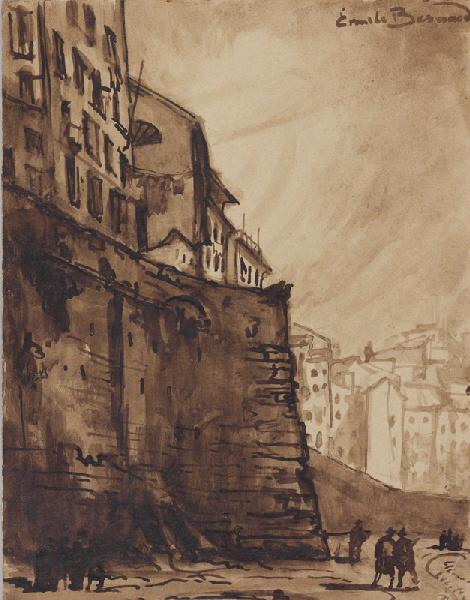
Les remparts, Emile Bernard, 4e quart 19e siècle, 1ère moitié 20e siècle

Les remparts

4e quart 19e siècle, 1ère moitié 20e siècle · Musée des Beaux-Arts de Brest

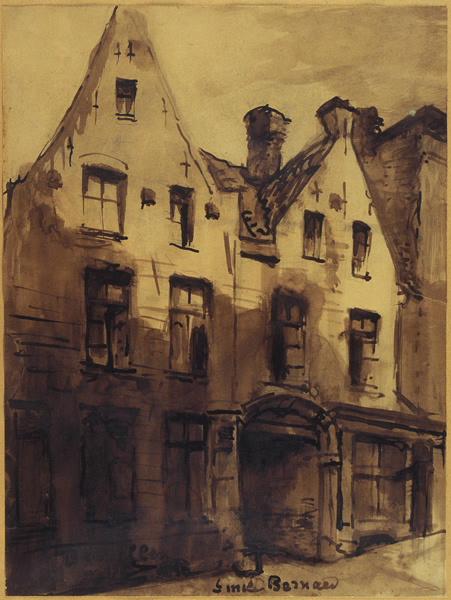
Maisons flamandes, Emile Bernard, 4e quart 19e siècle, 1ère moitié 20e siècle

Maisons flamandes

4e quart 19e siècle, 1ère moitié 20e siècle · Musée des Beaux-Arts de Brest

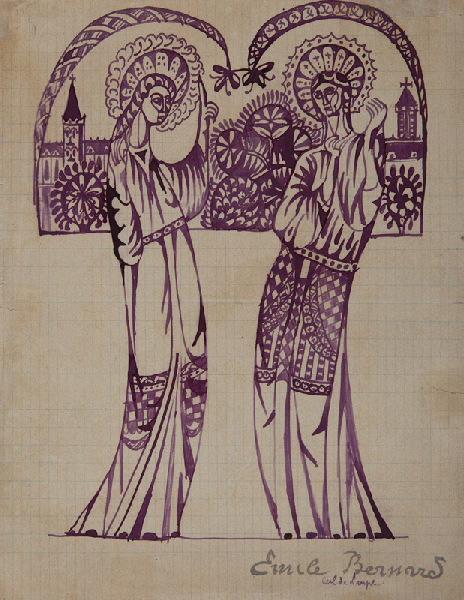
Personnages sur fond d'église, Emile Bernard, 4e quart 19e siècle, 1ère moitié 20e siècle

Personnages sur fond d'église

4e quart 19e siècle, 1ère moitié 20e siècle · Musée des Beaux-Arts de Brest

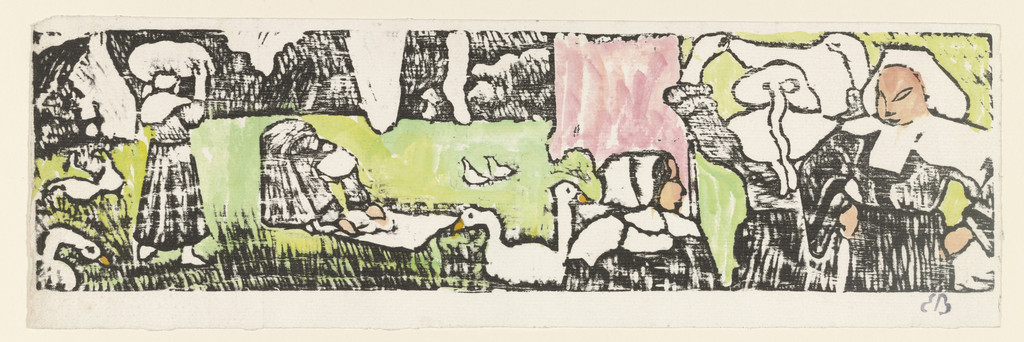
Breton Woman (Les Bretonnes), Émile Bernard, (1883)

Breton Woman (Les Bretonnes)

(1883) · No expuesta · MoMA

Fisherman and Boat, Émile Bernard, 1885

Fisherman and Boat

1885 · Museo Van Gogh

Bretonne walking near a canal, Émile Bernard, 1886

Bretonne walking near a canal

1886 · Museo Van Gogh

Bajo el mismo techo: Instituto de Artes de Mineápolis

Página del museo
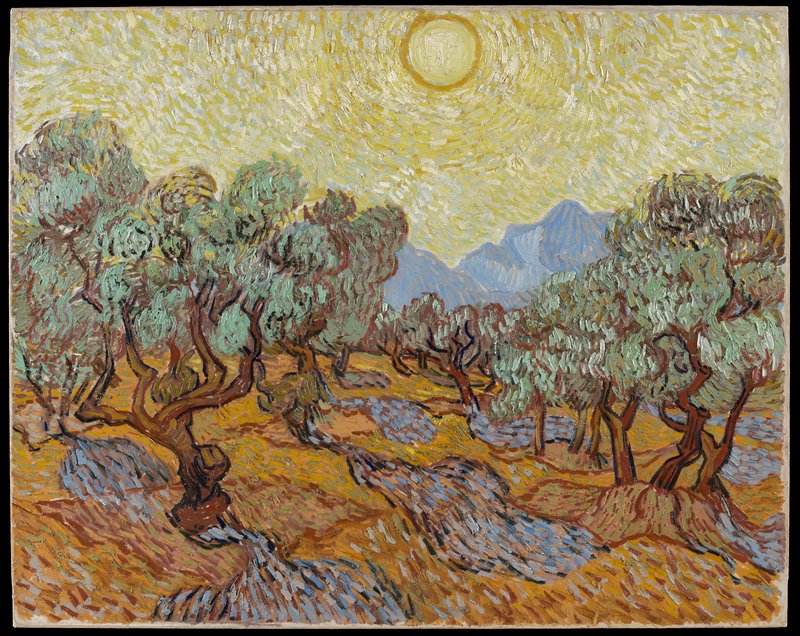
Olive Trees, Vincent van Gogh, 1889

Vincent van Gogh

Olive Trees, 1889

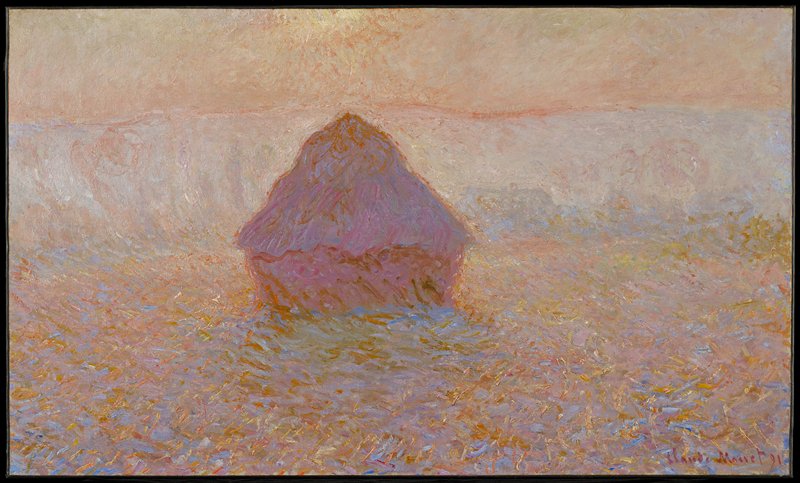
Grainstack, Sun in the Mist, Claude Monet, 1891

Claude Monet

Grainstack, Sun in the Mist, 1891

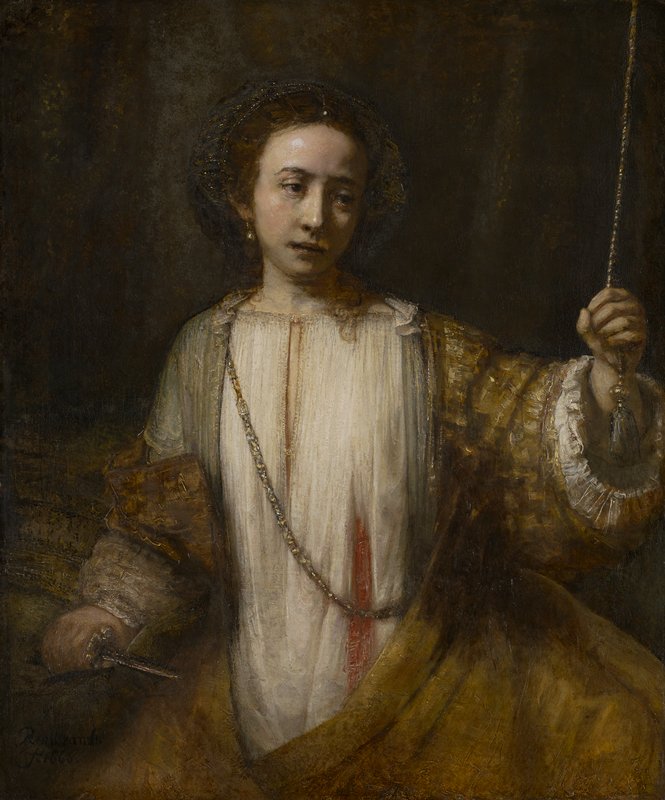
Lucretia, Rembrandt van Rijn, 1666

Rembrandt van Rijn

Lucretia, 1666

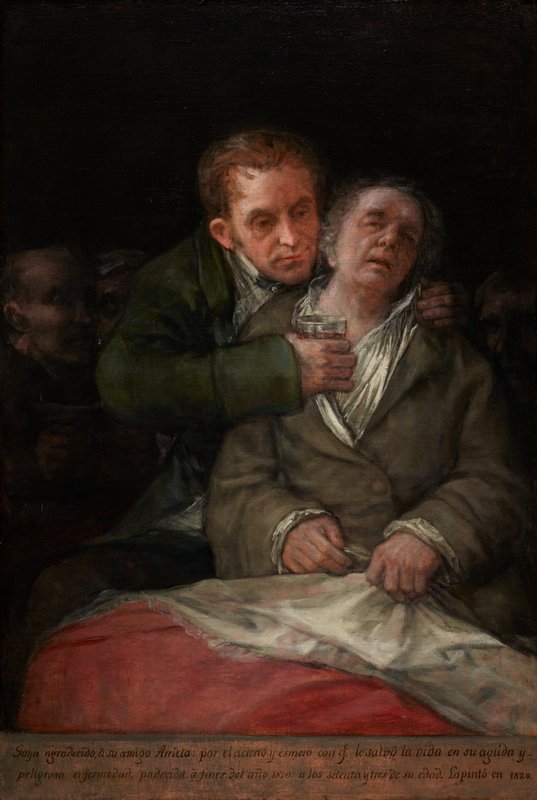
Self-Portrait with Dr. Arrieta, Francisco José de Goya y Lucientes, 1820

Francisco de Goya

Goya atendido por el doctor Arrieta, 1820

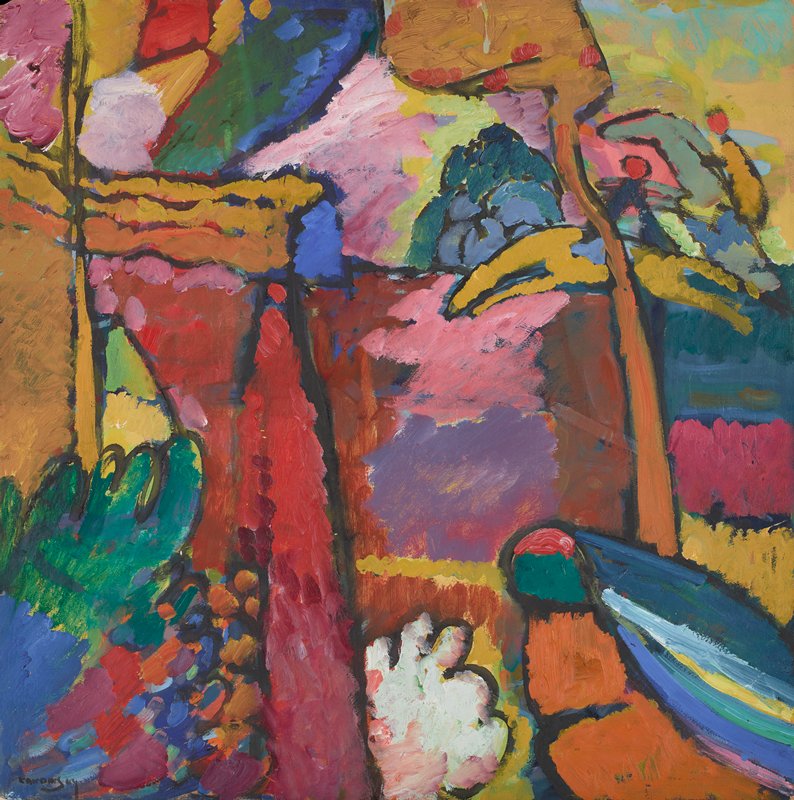
Study for Improvisation V, Vassily Kandinsky, 1910

Vasily Kandinsky

Study for Improvisation V, 1910

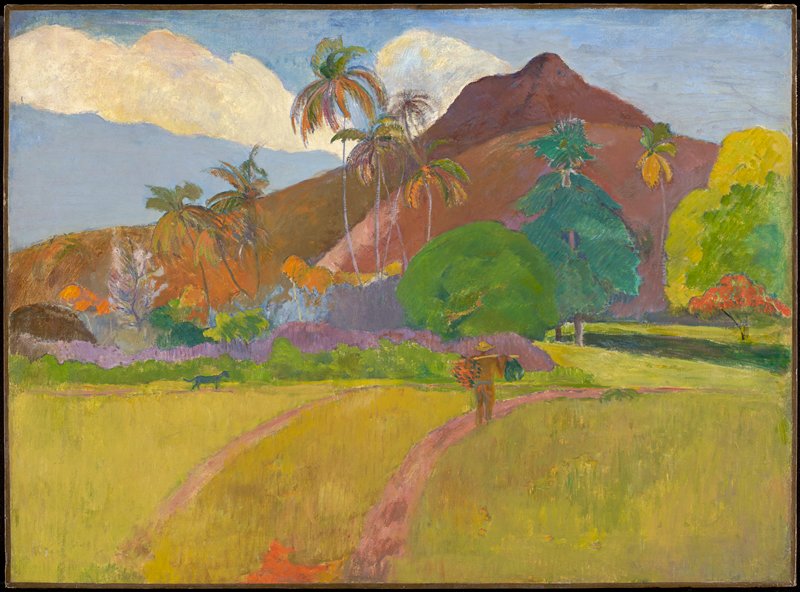
Tahitian Landscape, Paul Gauguin, 1891

Paul Gauguin

Tahitian Landscape, 1891

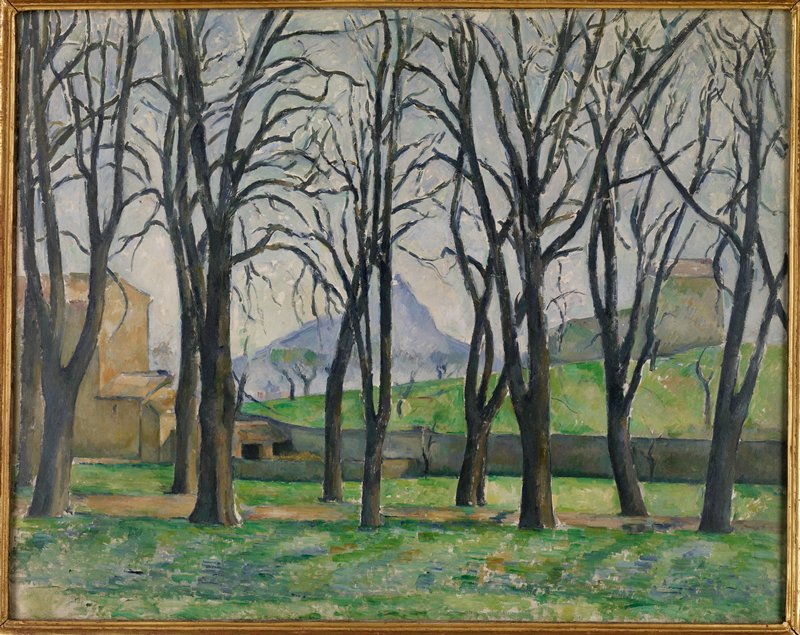
Chestnut Trees at Jas de Bouffan, Paul Cézanne, c. 1885–86

Paul Cézanne

Chestnut Trees at Jas de Bouffan, c. 1885–86

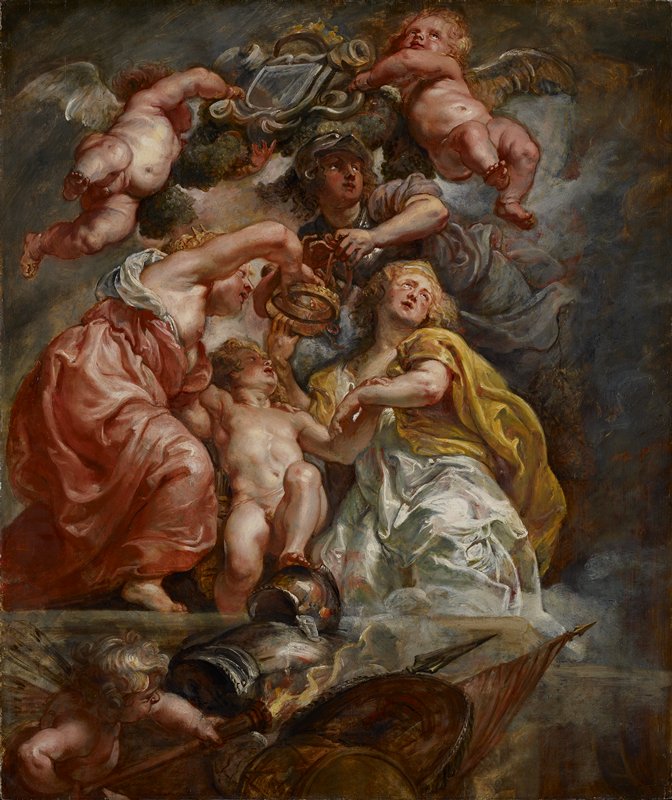
The Union of England and Scotland (Charles I as the Prince of Wales), Peter Paul Rubens, 1633–34

Peter Paul Rubens

The Union of England and Scotland (Charles I as the Prince of Wales), 1633–34