ART WIKI32.963 en sala
MapaColecciónArtistasMuseosExposicionesRevista
Acceder

ART WIKI

Dónde cuelga la obra maestra y cuándo le dejan pasar.

Colecciones: Galería Nacional de Arte, Galería Nacional de Dinamarca, Galería Nacional de Retratos, Galería Tretiakov, Harvard Art Museums, Instituto de Arte de Chicago, Instituto de Artes de Mineápolis, MoMA, Museo de Arte de Cleveland, Museo de Victoria y Alberto, Museo del Hermitage, Museo del Louvre, Museo Estatal Ruso, Museo Hirshhorn y Jardín de Esculturas, Museo J. Paul Getty, Museo Metropolitano de Arte, Museo Pushkin, Museo Smithsoniano de Arte Americano, Museo Whitney de Arte Estadounidense, National Museum of Asian Art, Rijksmuseum, Villa Getty, Catálogo Estatal del Fondo Museístico de Rusia (274 museos), Europeana (19 museos), Wikidata (6 museos), Paris Musées (12 museos) y Joconde, la base de museos del Ministerio de Cultura de Francia (495 museos). Las imágenes pertenecen a sus titulares de derechos.

Secciones

  • Mapa
  • Búsqueda
  • Colección
  • Obras maestras
  • Expuestas ahora
  • Artistas

Más

  • Museos y galerías
  • Exposiciones
  • Revista
  • De dónde salen los datos
  • Privacidad y cookies
InicioMapaCatálogo
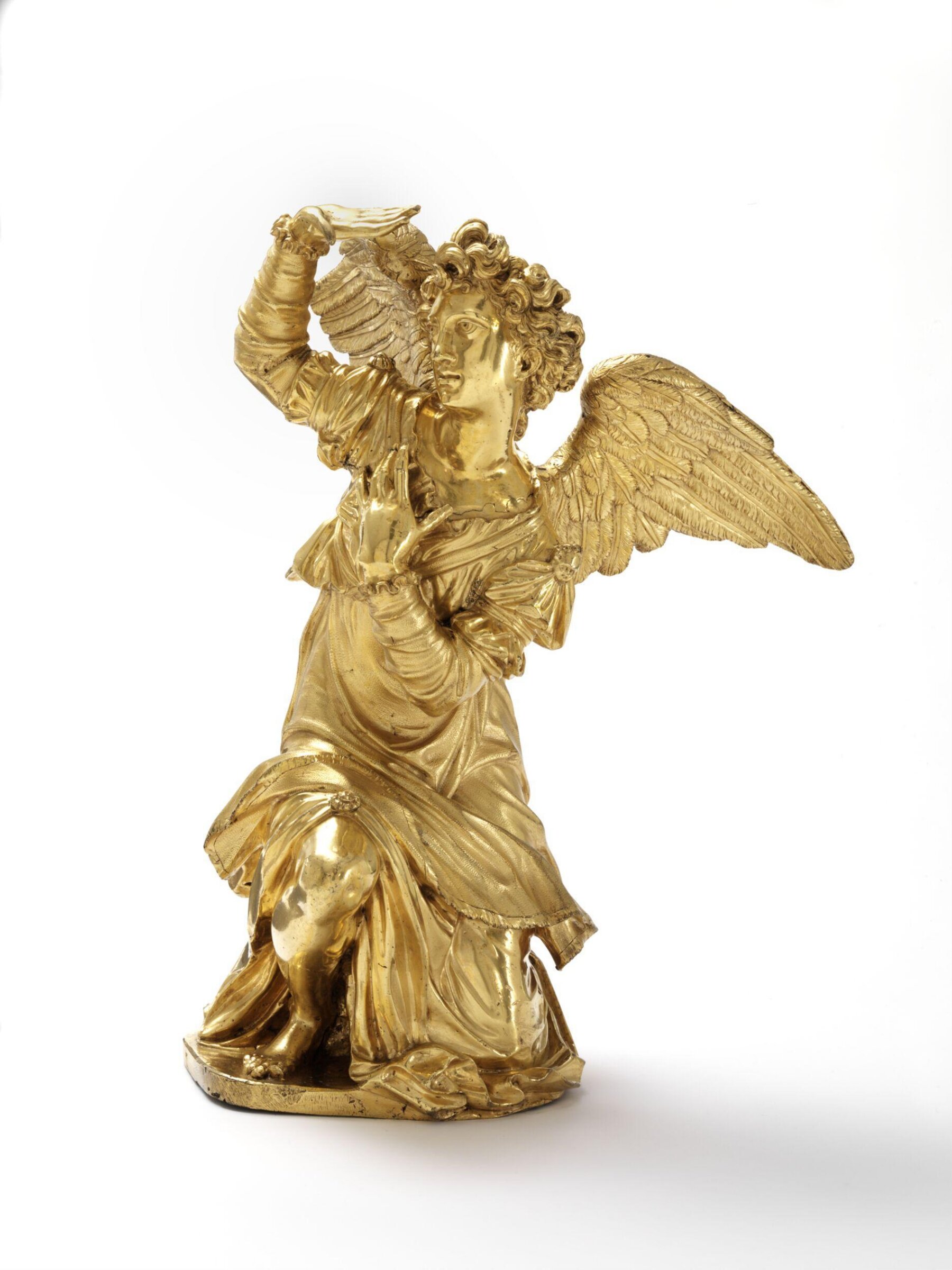
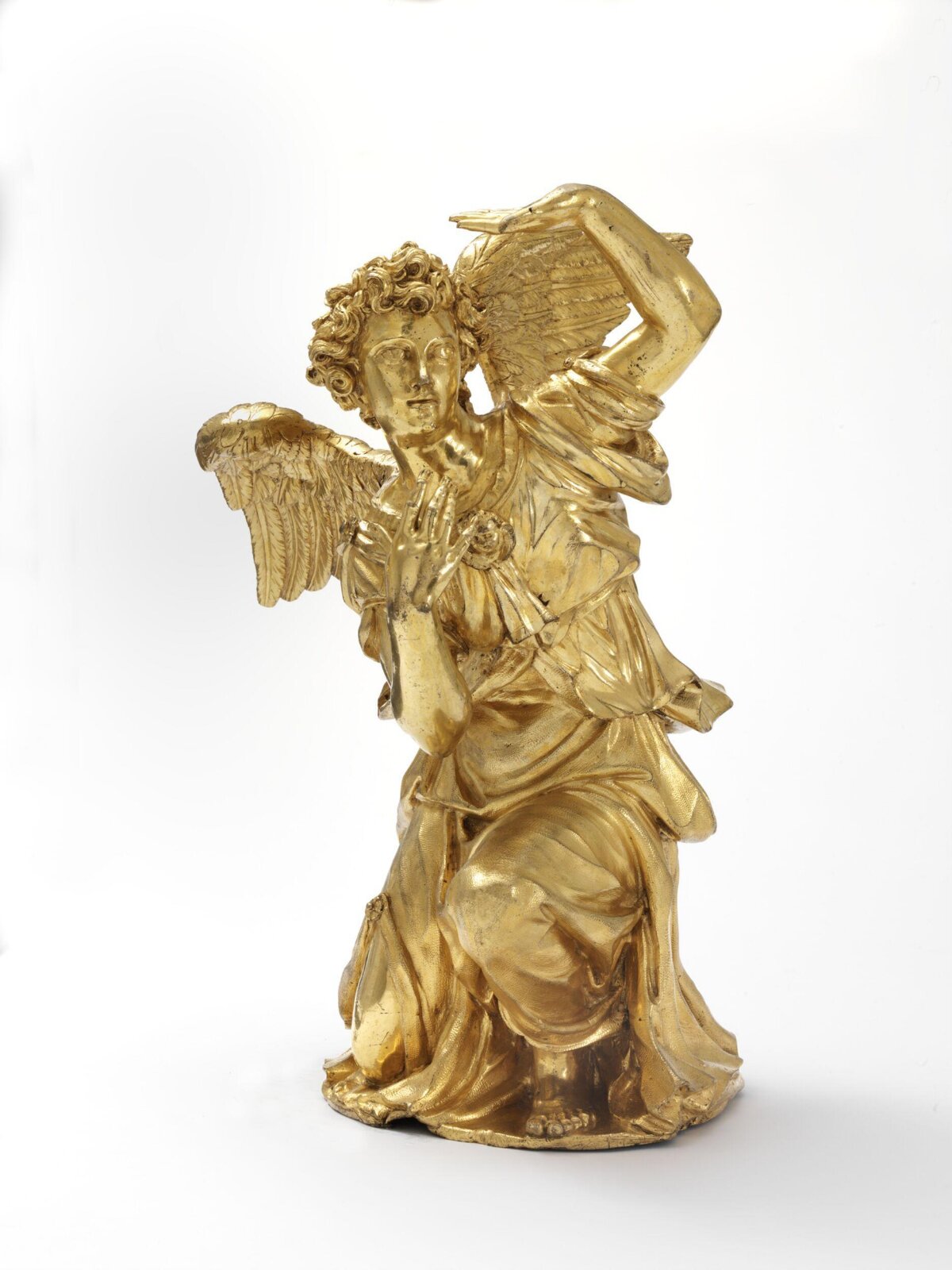
Kneeling angel, Hubert Gerhard, ca. 1581 - ca. 1584

Kneeling angel

ca. 1581 - ca. 1584 · Statuette · 42.7 × 29 cm

Sobre la escultura

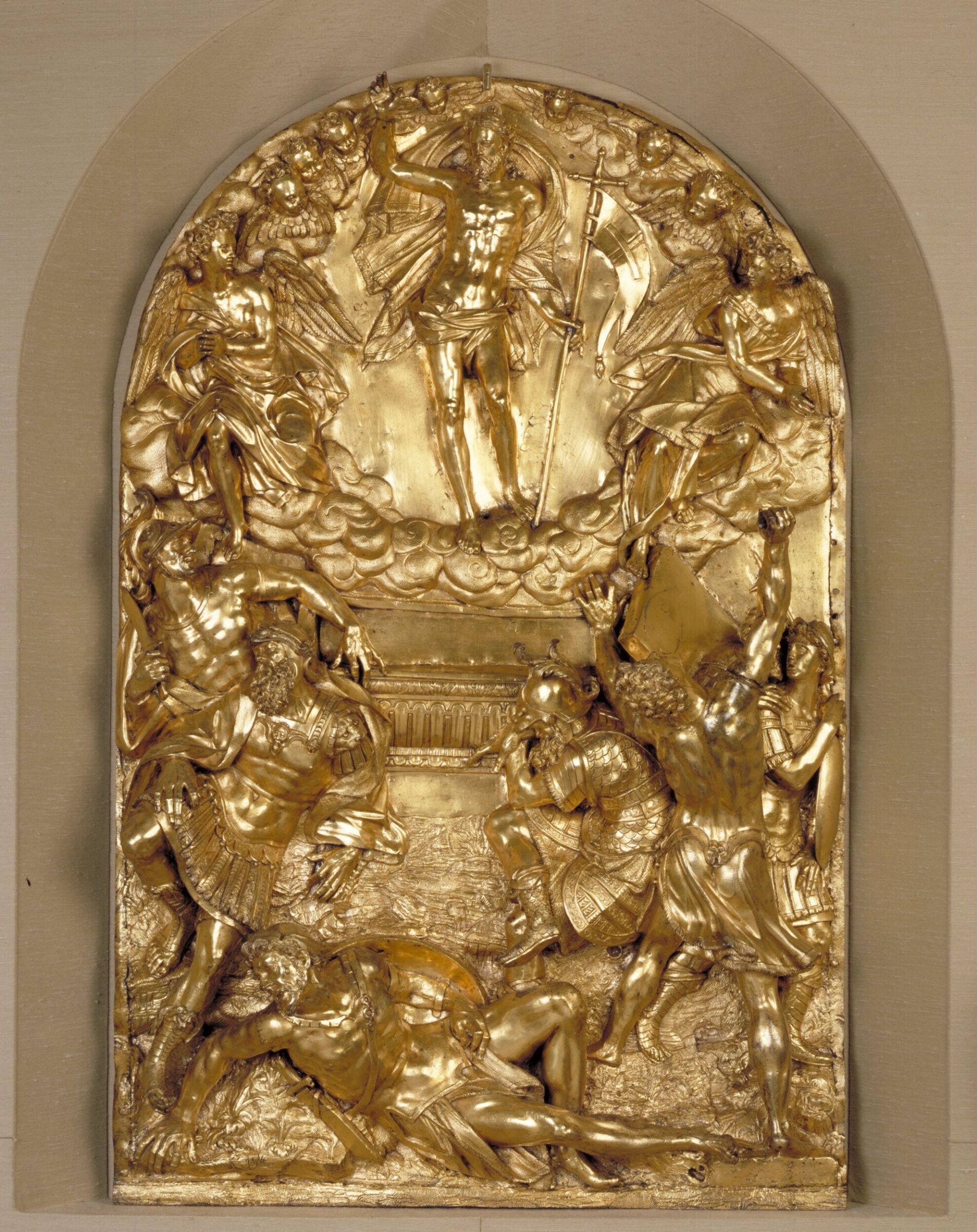
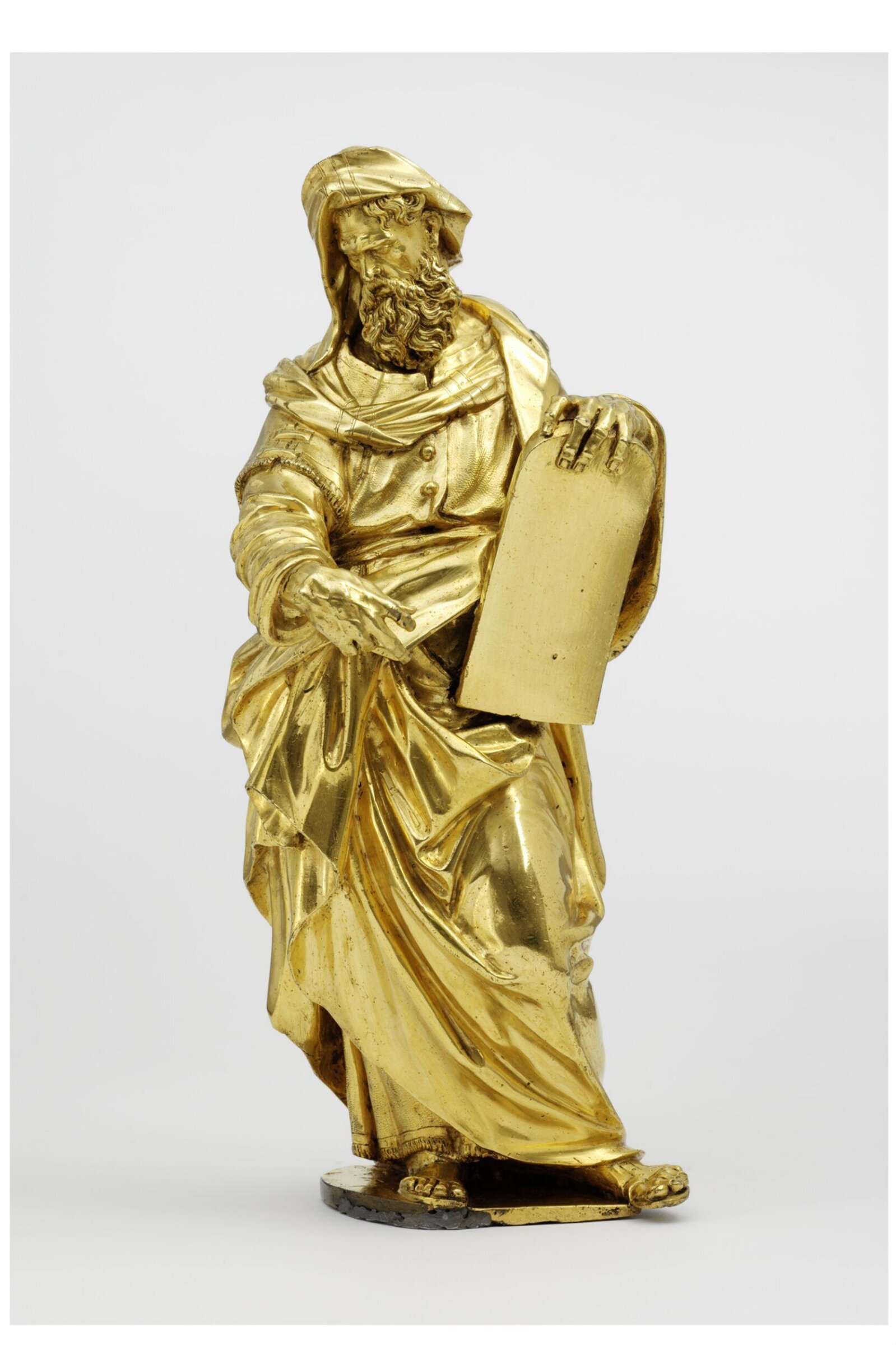
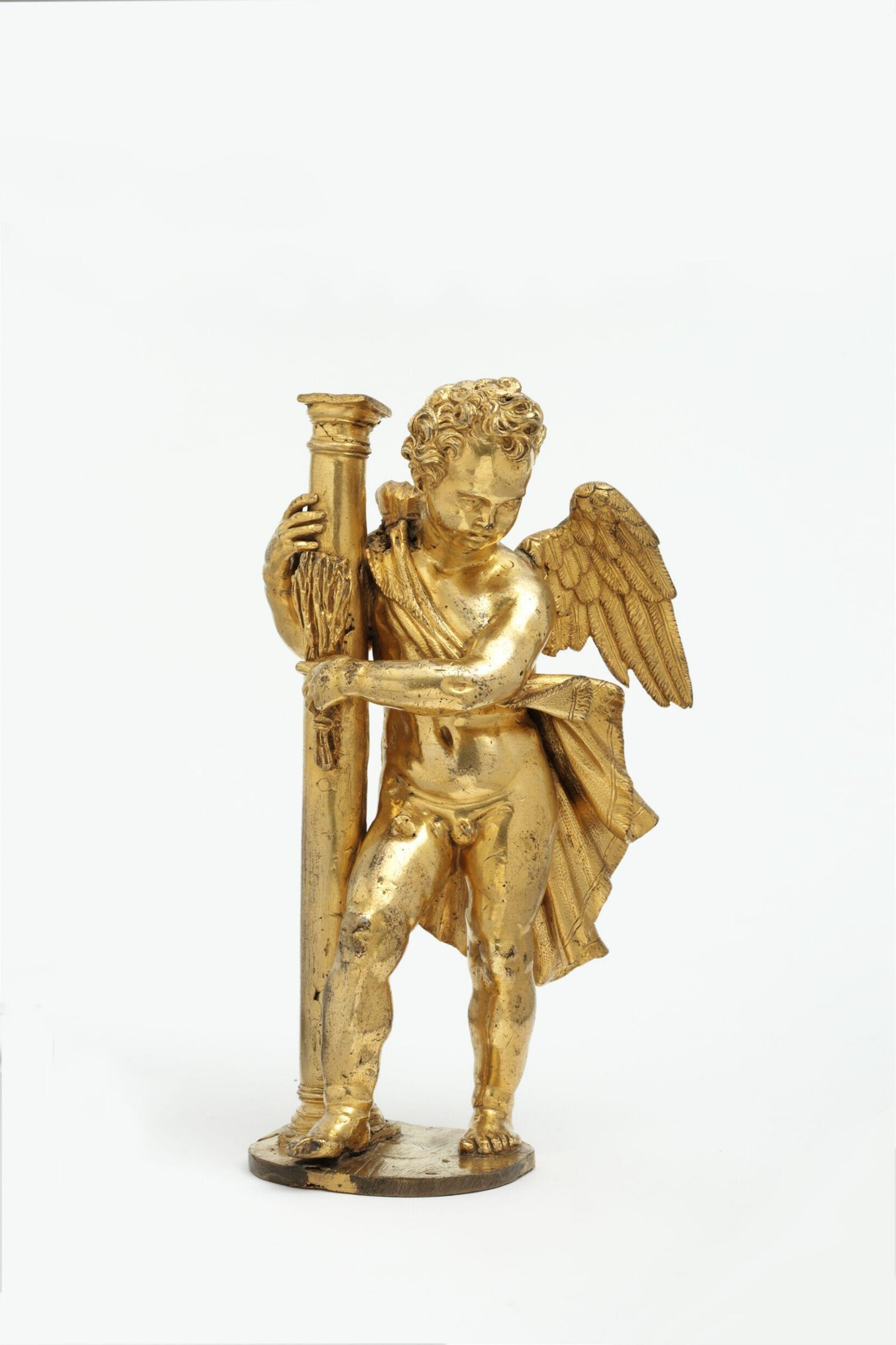
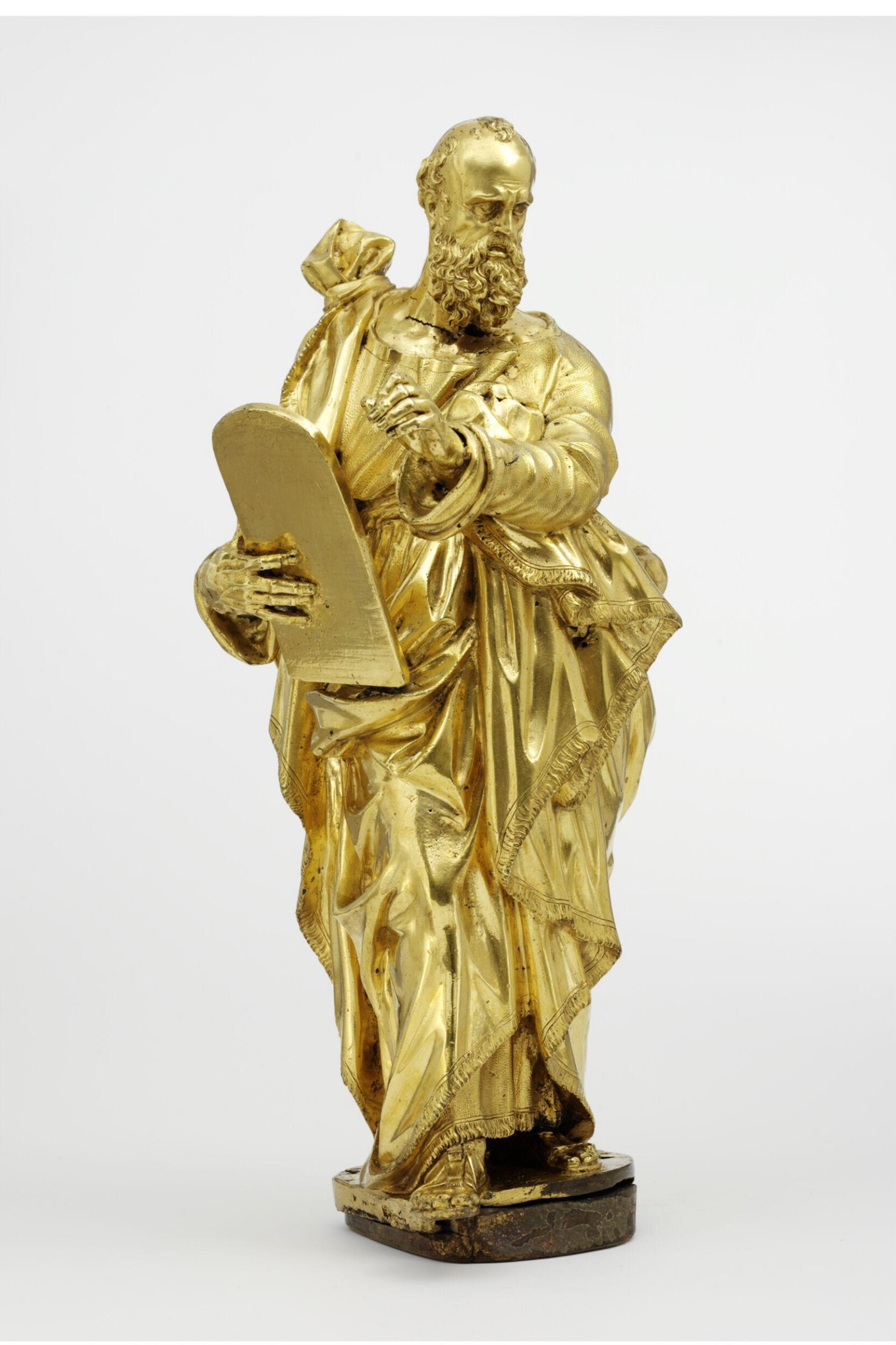
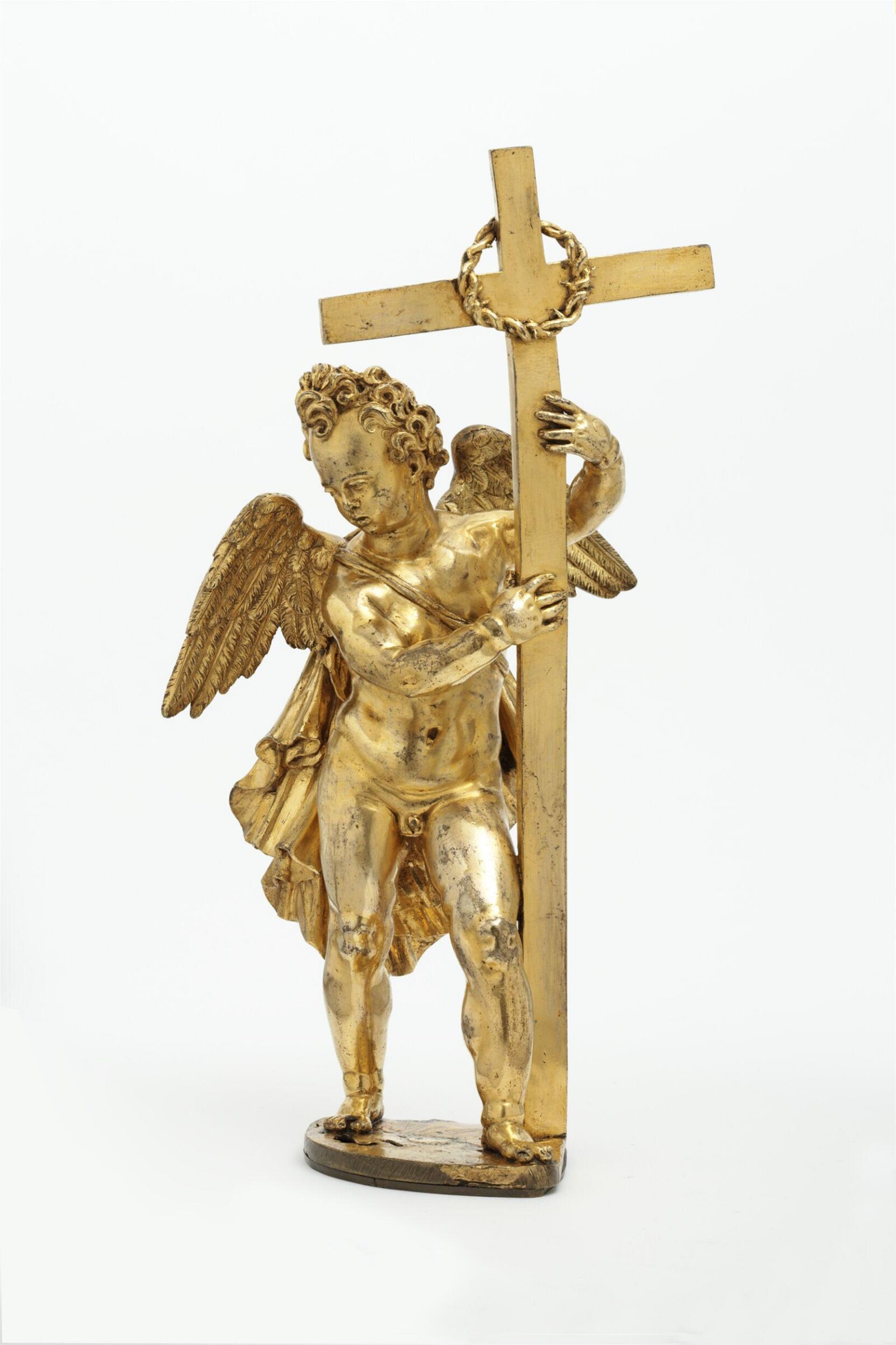
Christoph Fugger was a member of a great banking family from Augsburg, Germany. When he died unmarried in 1579, a large sum of money was set aside from his estate for an appropriately lavish memorial. A site was chosen in the Dominican church of St Magdalena in Augsburg, and the work was entrusted to Hubert Gerhard. The altar memorial consisted of a stone framework of red and white marble, on to which were set gilt-bronze sculptures: a large relief of the Resurrection, a smaller relief of the Ascension (missing since the 18th century), two standing and two seated figures of prophets, two small angels holding the Instruments of the Passion and two large kneeling angels who supported the framework above. In addition to Gerhard, Paulus Mair was employed to cut the marble, Carlo Pallago (a Florentine stucco sculptor) assisted with the casting, the Reisinger brothers of Augsburg supervised the technical side of the work, and the goldsmith Johann Müller was responsible for the finishing, chasing and gilding.

Seguir leyendo

The progress of the commission is fortunately extremely well documented in an account book held in the Fugger archives at Dillingen. Fascinating details emerge from the accounts, such as the fact that the casts of the two reliefs and one of the large angels failed at the first attempt, and it is interesting to see how many people were involved in such a collaborative exercise. In connection with the final polishing, for instance, two women were employed for a number of weeks to rub at the bronzes with wire brushes and tartar and to wash them down with beer and water; and to counteract the effects of mercury poisoning the men working on the gilding were given small amounts of butter. This is unlikely to have been particularly helpful.

Más obras de Hubert Gerhard

Todas las obras

En la misma sala · Medieval & Renaissance, Room 62, The Foyle Foundation Gallery, Museo de Victoria y Alberto

Página del museo

Sobre el mismo tema · Angel

Todas las obras sobre el tema

The marble framework of the altar was renewed in 1727, when the church was remodelled in the Baroque taste, but the bronzes - with the apparent exception of the Ascension relief - remained in place until 1807, when the church was secularised and the contents sold. The history of the sculptures between the early 19th century and 1964, when they were bequeathed to the Museum, is not known.

Hubert Gerhard was one of a number of Northern sculptors trained in Italy in the second half of the 16th century, all of whom came under the considerable influence of Giambologna and carried the latest artistic developments back to Germany and the Netherlands. The Fugger altar was one of the first manifestations of this mixture of Italianate and Northern styles in South Germany, and Gerhard - together with Johann Gregor van der Schardt and Adriaen de Vries - became one of its leading exponents.

Museo de Victoria y Alberto

Ficha

ca. 1581 - ca. 1584
15501622
Número de inventario
A.21-1964
  1. Colección/
  2. Museo de Victoria y Alberto/
  3. Kneeling angel
HHubert GerhardPaíses Bajos históricos, 1550–1622

¿Se puede contemplar?

Sí, recibe visitas

Museo de Victoria y Alberto

Londres, Reino Unido

SalaMedieval & Renaissance, Room 62, The Foyle Foundation Gallery

Expuesta al público. Quién lo avala figura más abajo.

Comprobado
hace 12 días
En este estado desde
25 sept 2026
Fuente
El museo
En el mapaPágina del museo
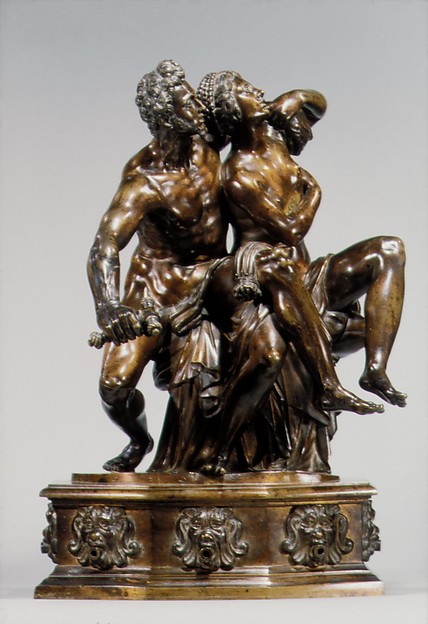
Tarquin and Lucretia, Hubert Gerhard, late 17th century

Tarquin and Lucretia

late 17th century · Museo Metropolitano de Arte

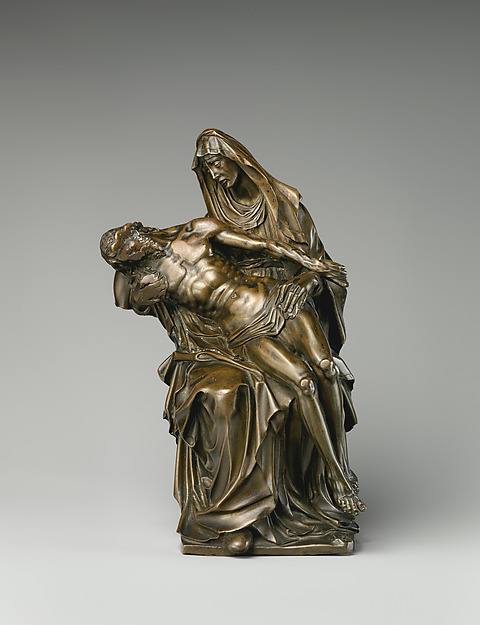
Pietà, Hubert Gerhard, after 1595

Pietà

after 1595 · Museo Metropolitano de Arte

Kneeling angel, Hubert Gerhard, ca. 1581 - ca. 1584

Kneeling angel

ca. 1581 - ca. 1584 · Museo de Victoria y Alberto

The Resurrection, Hubert Gerhard, 1581-1584

The Resurrection

1581-1584 · Museo de Victoria y Alberto

Prophet, Hubert Gerhard, ca. 1581 - ca. 1584

Prophet

ca. 1581 - ca. 1584 · Museo de Victoria y Alberto

Angel, Hubert Gerhard, ca. 1581 - ca. 1584

Angel

ca. 1581 - ca. 1584 · Museo de Victoria y Alberto

Prophet, Hubert Gerhard, ca. 1581 - ca. 1584

Prophet

ca. 1581 - ca. 1584 · Museo de Victoria y Alberto

Angel with cross and crown of thorns, Hubert Gerhard, ca. 1581 - ca. 1584

Angel with cross and crown of thorns

ca. 1581 - ca. 1584 · Museo de Victoria y Alberto

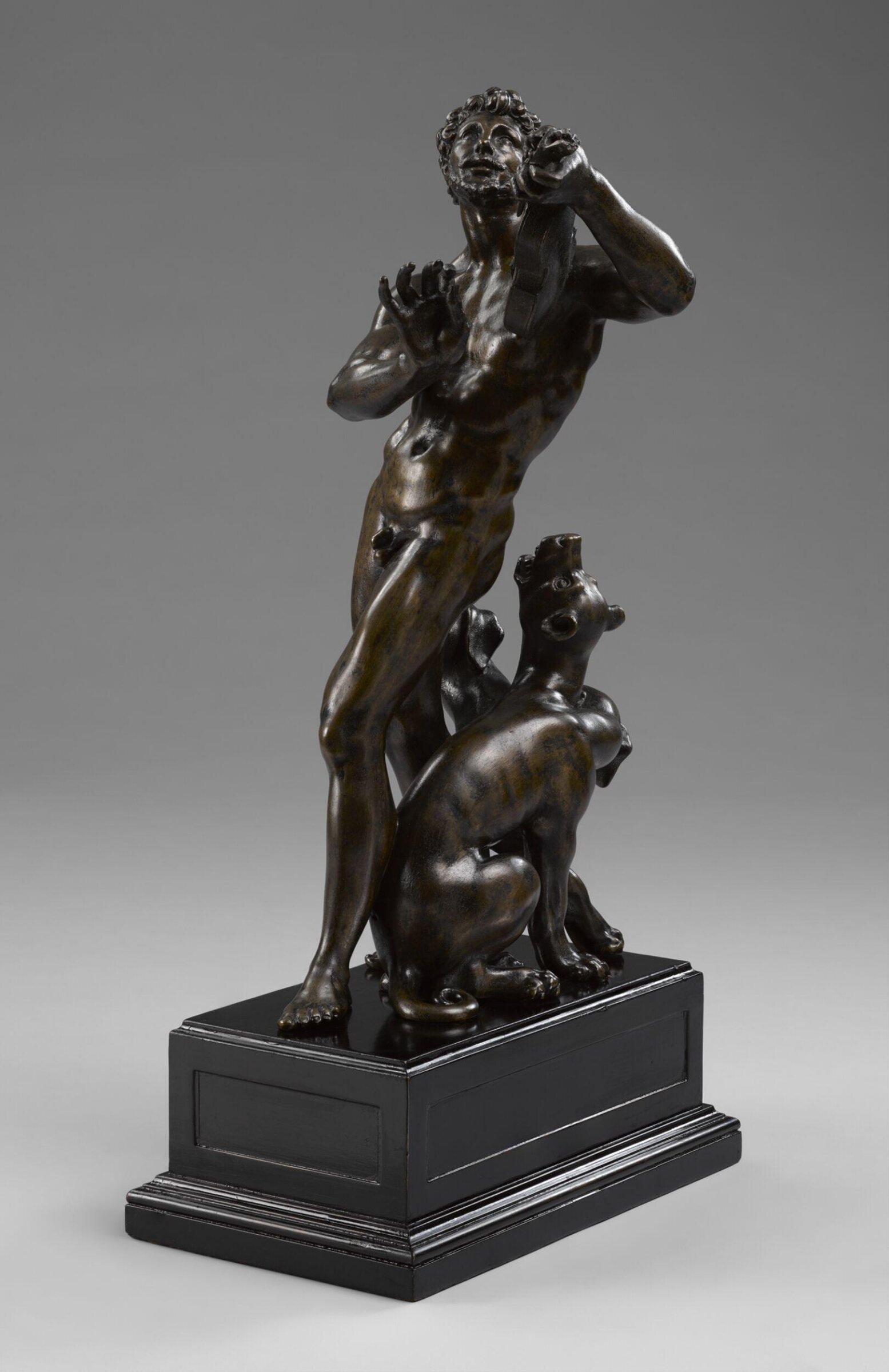
Orpheus and Cerberus, Hendrick de Keyser, ca. 1610-1615

Hendrick de Keyser

Orpheus and Cerberus, ca. 1610-1615

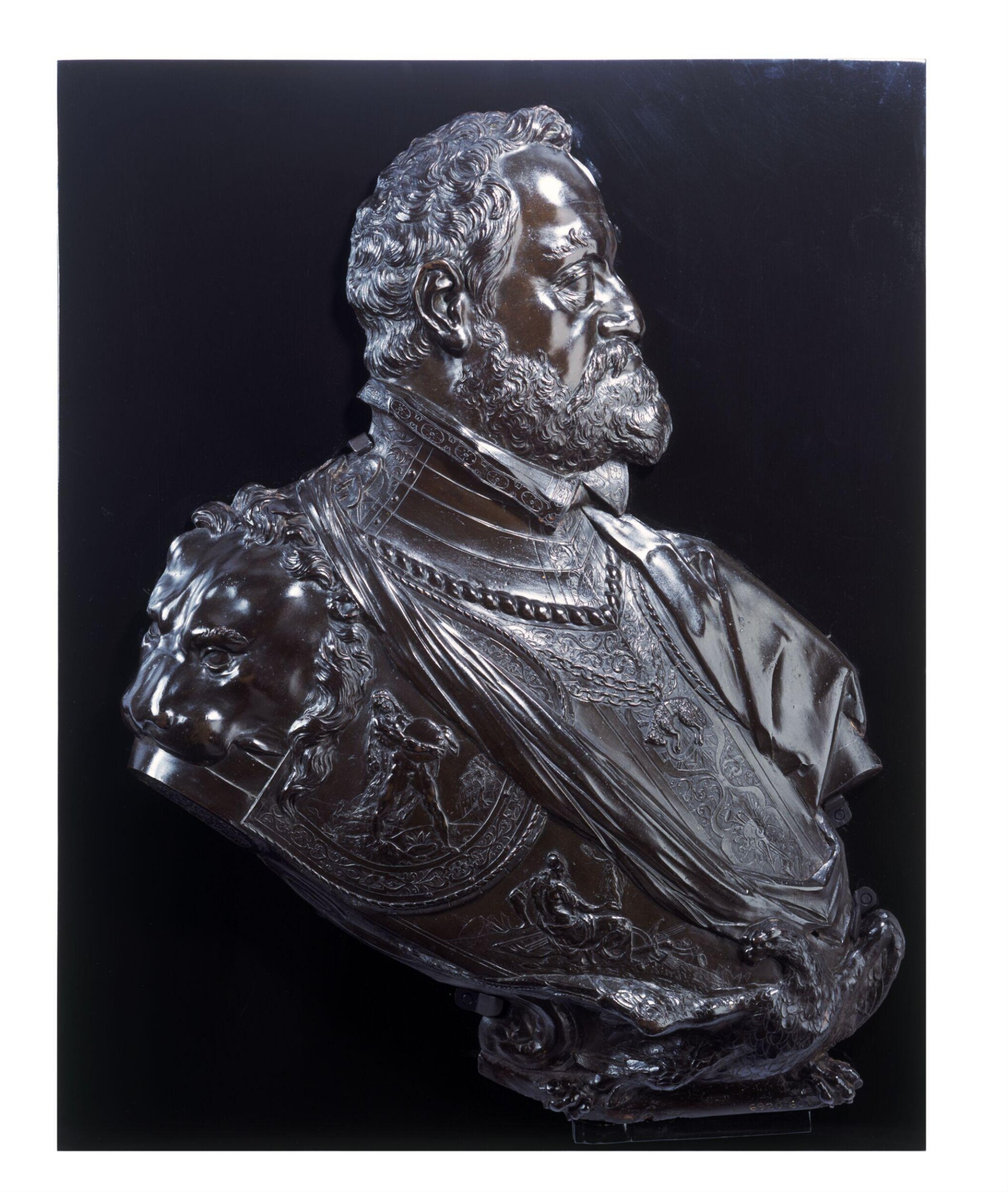
The Emperor Rudolph II, Adriaen de Vries, 1609

Adriaen de Vries

The Emperor Rudolph II, 1609

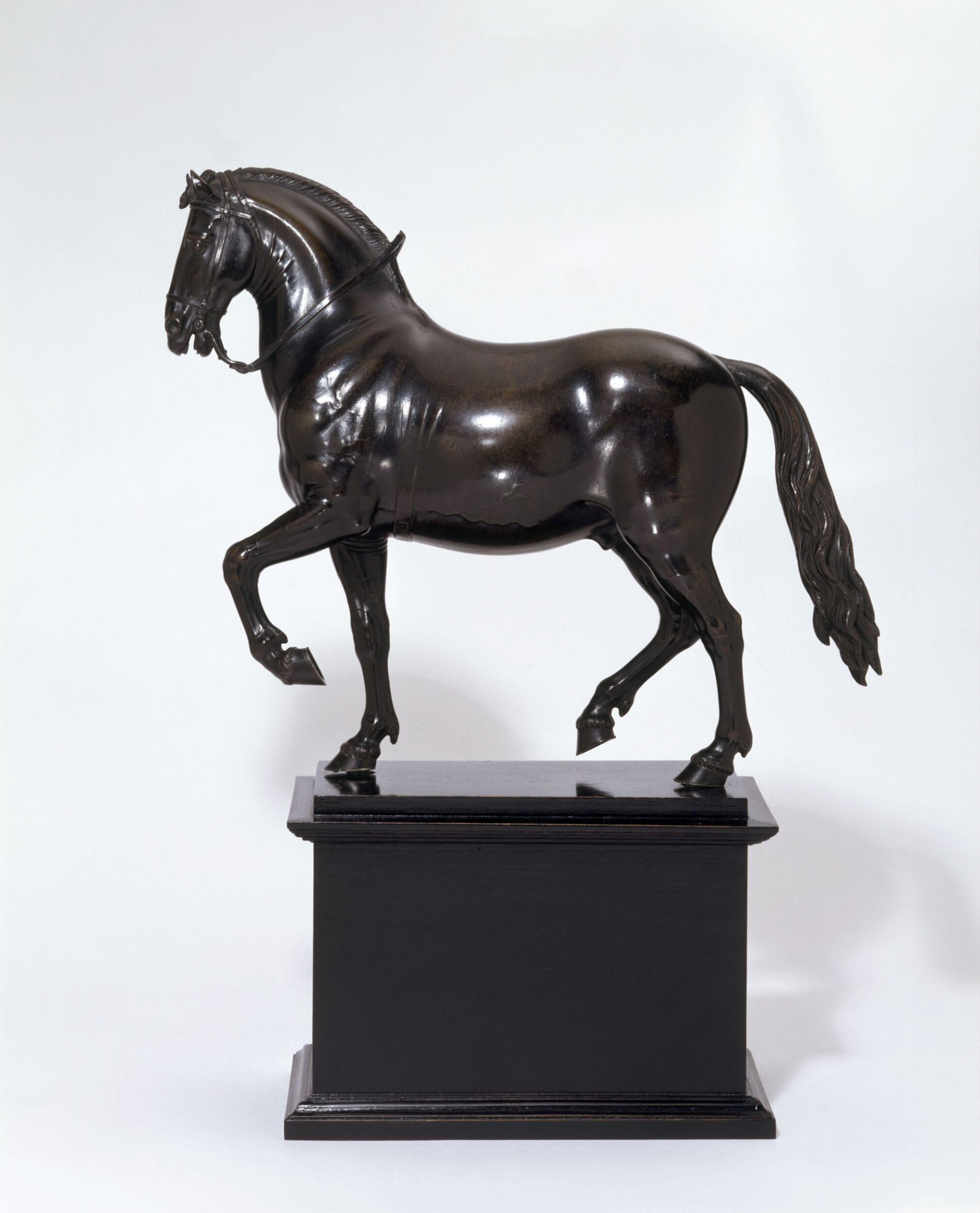
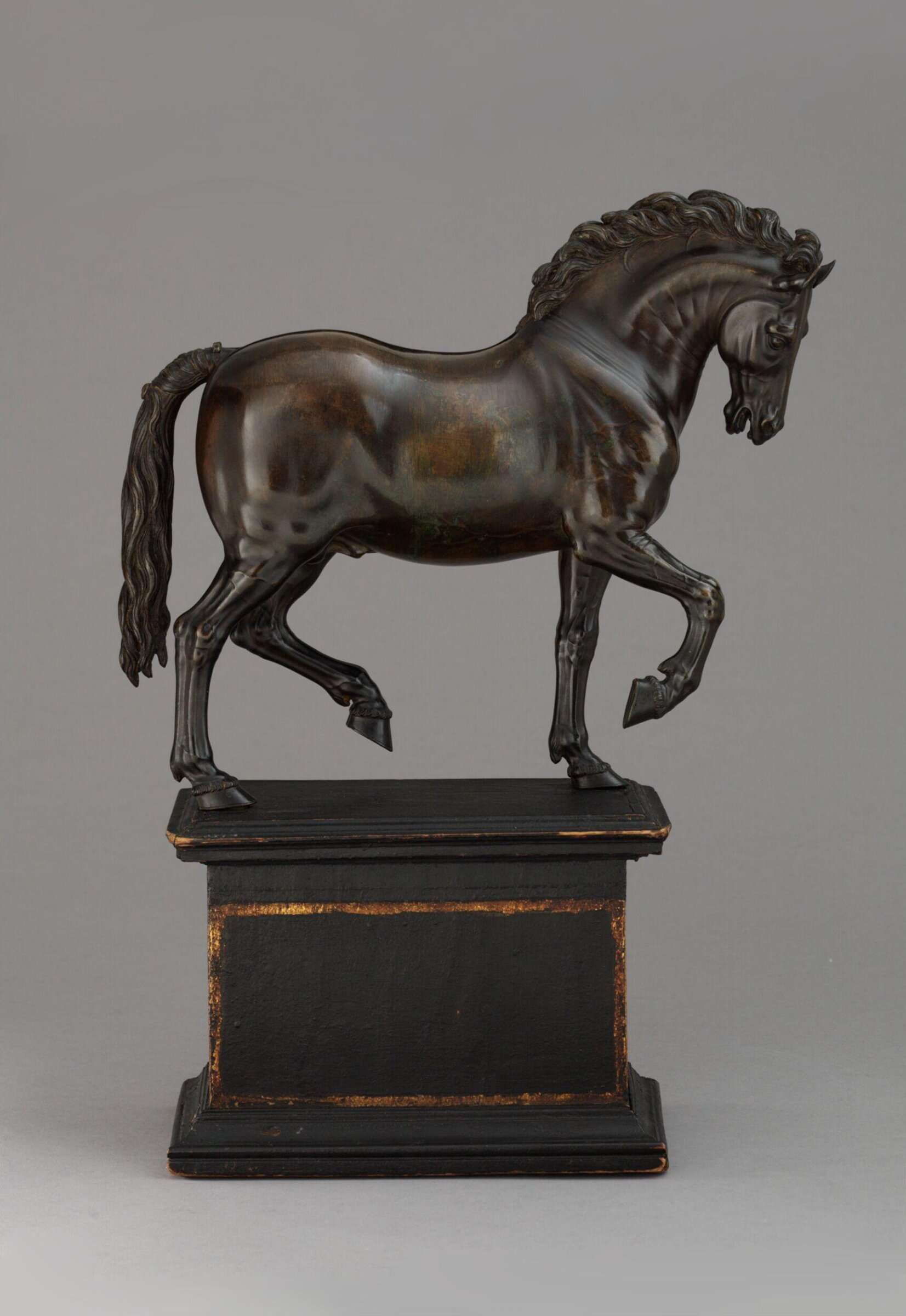
A Pacing Horse, Antonio Susini, ca. 1600

Antonio Susini

A Pacing Horse, ca. 1600

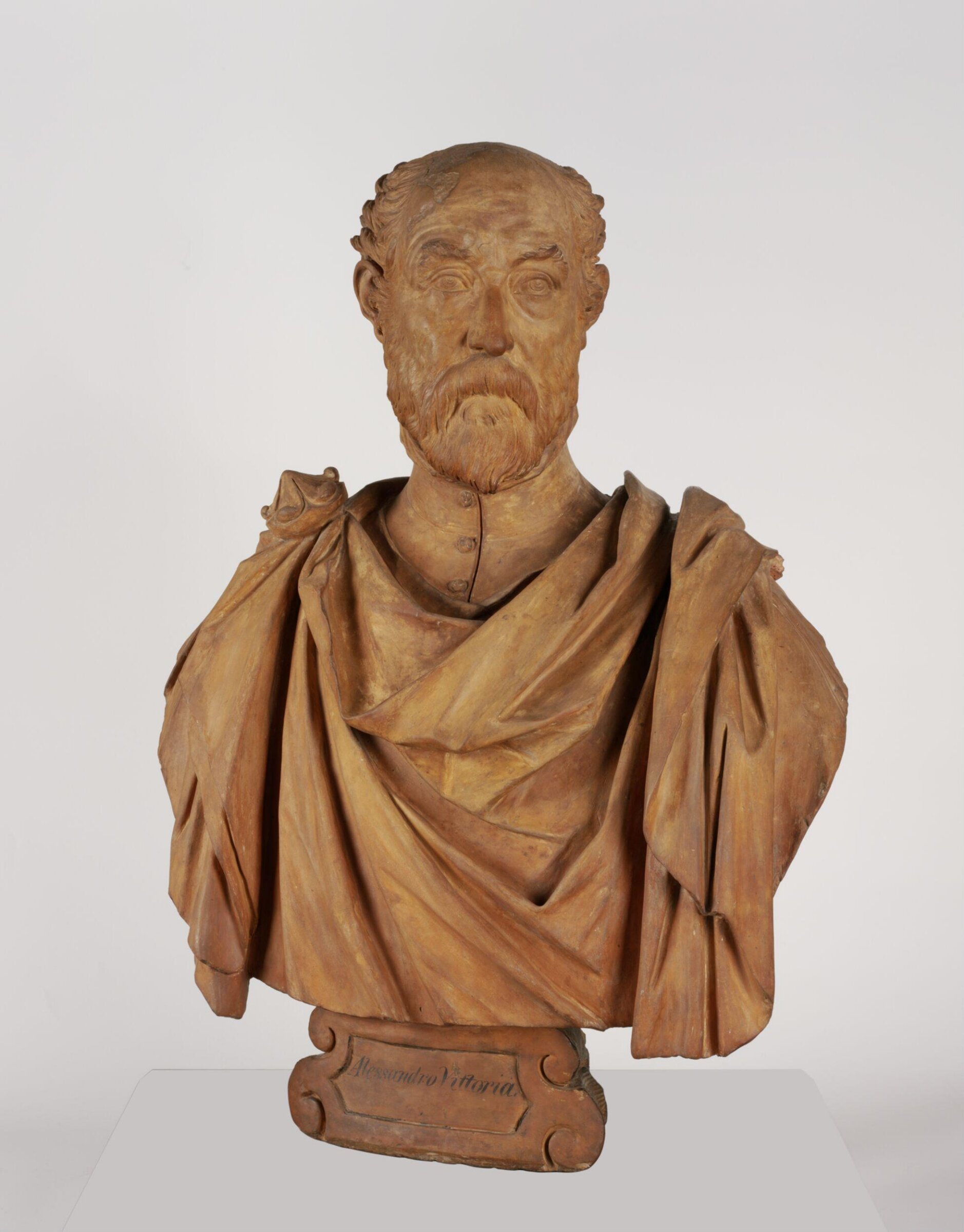
Self-portrait, Alessandro Vittoria, workshop of Alessandro Vittoria, ca. 1600

workshop of Alessandro Vittoria

Self-portrait, Alessandro Vittoria, ca. 1600

A Pacing horse, workshop of Giambologna, ca. 1595-1600

workshop of Giambologna

A Pacing horse, ca. 1595-1600

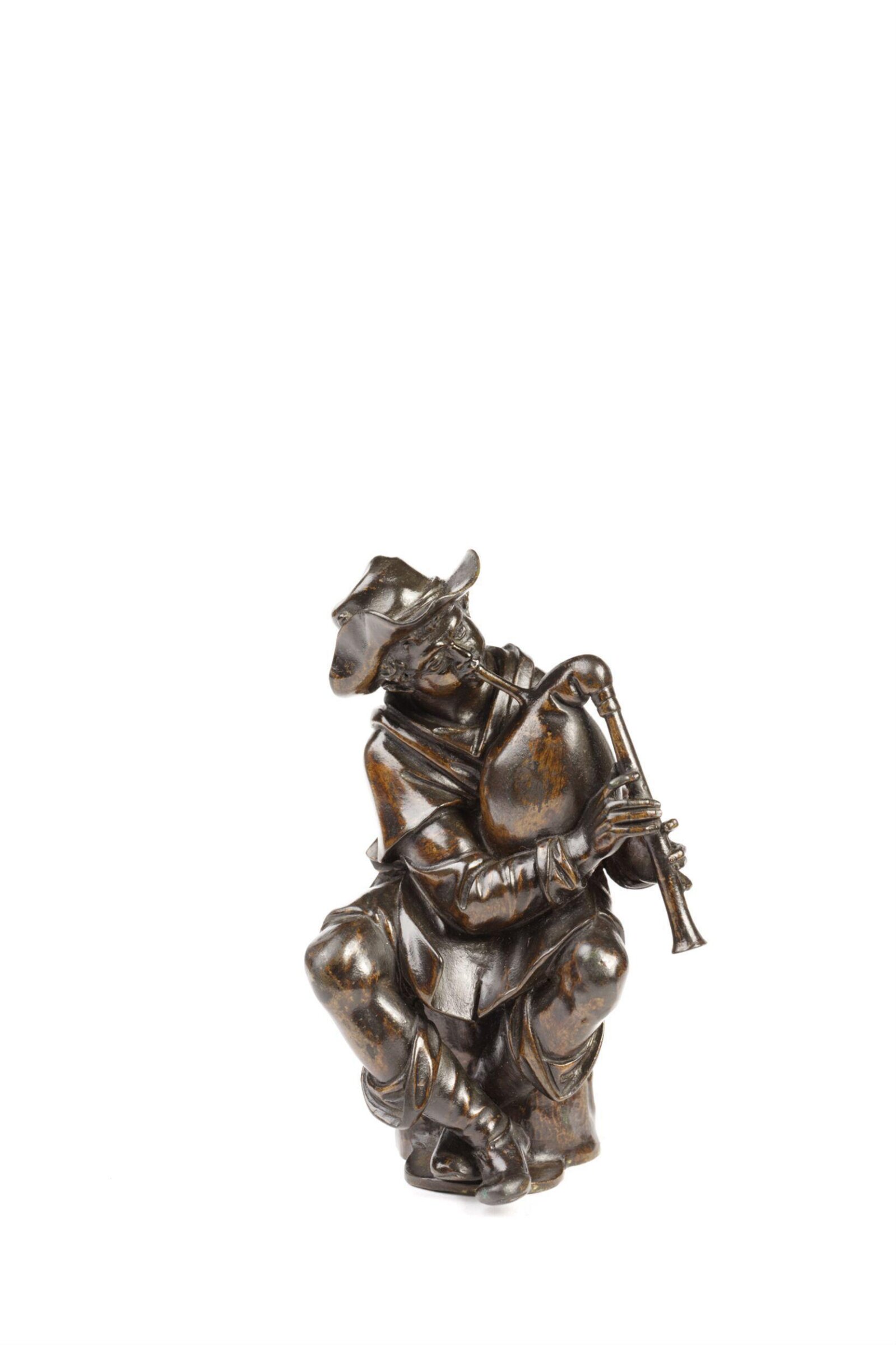
Seated boy playing the bagpipes, after Giambologna, 1590-1610

after Giambologna

Seated boy playing the bagpipes, 1590-1610

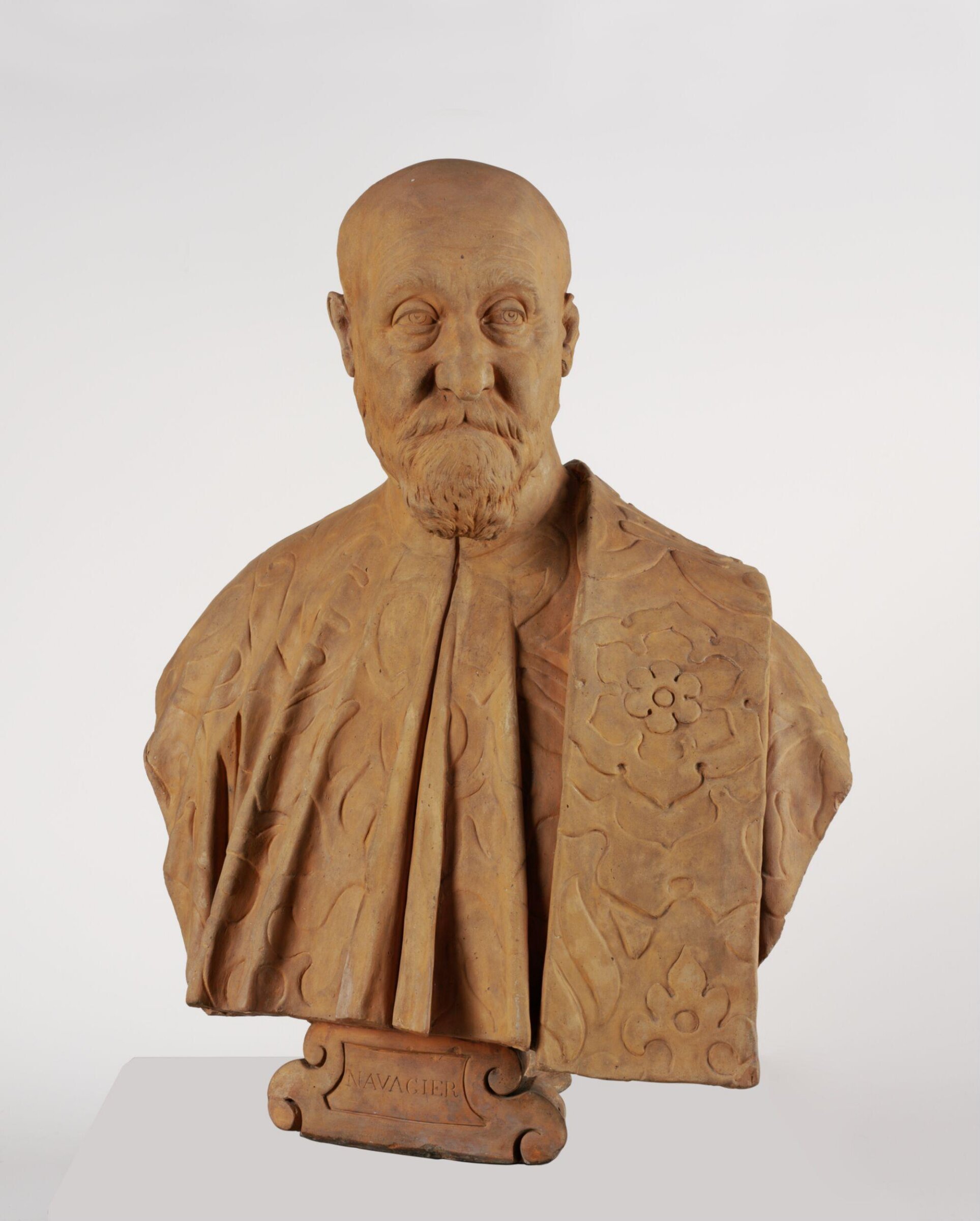
Bust of a member of the Navagero family, Alessandro Vittoria, ca. 1590-1600

Alessandro Vittoria

Bust of a member of the Navagero family, ca. 1590-1600

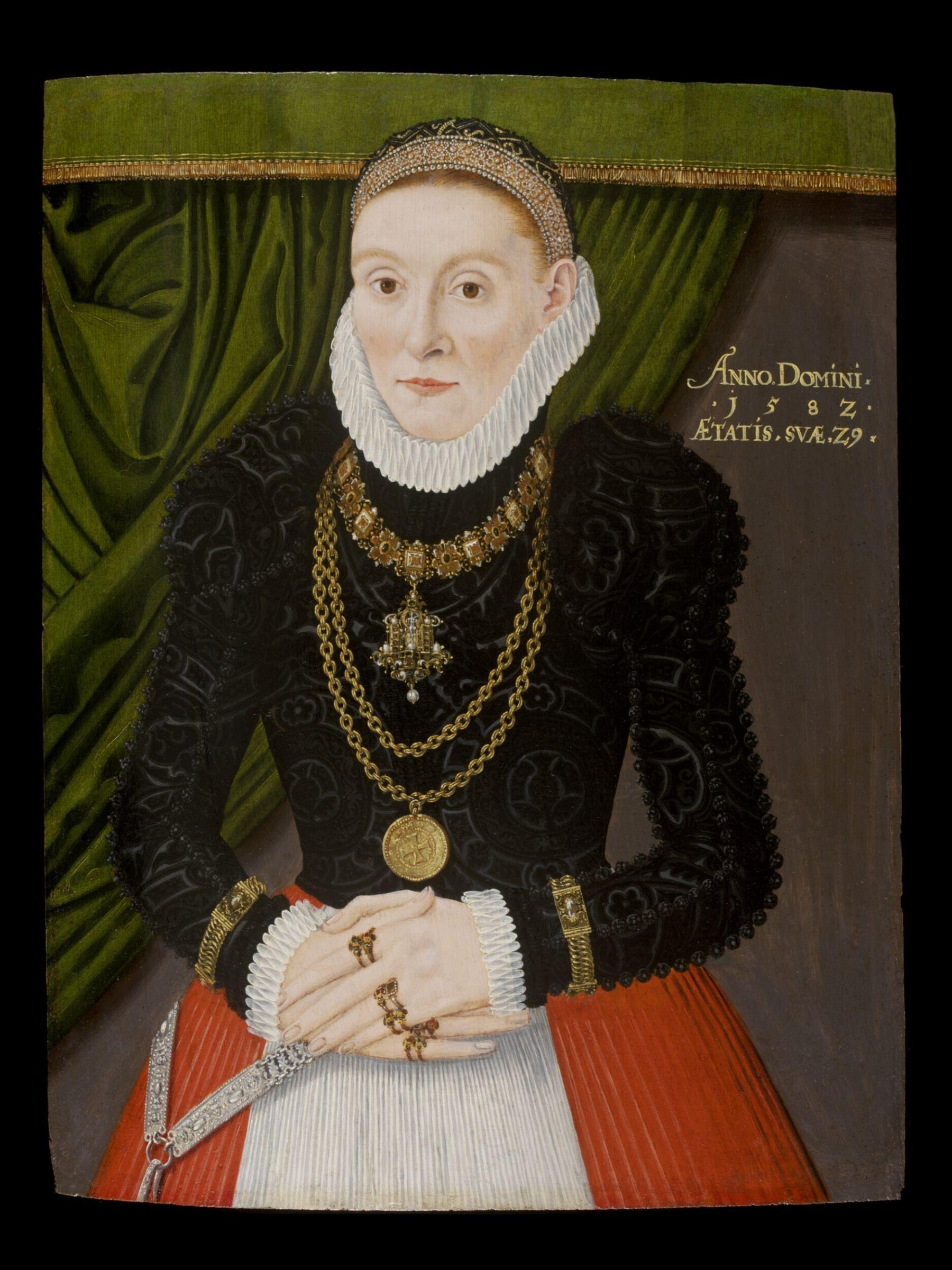
A Lady aged 29 in 1582, 1582

A Lady aged 29 in 1582, 1582

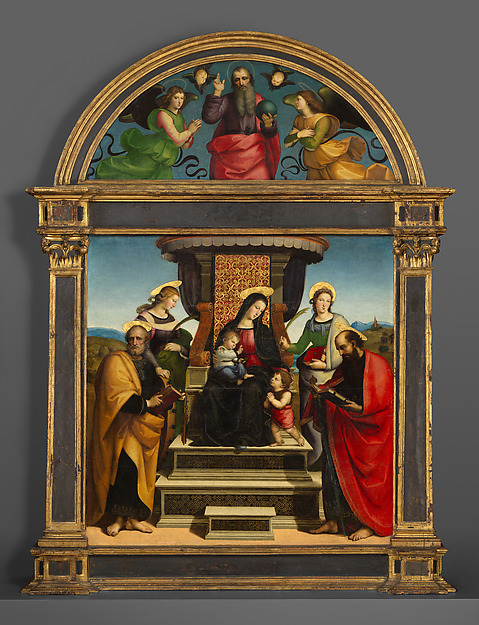
Madonna and Child Enthroned with Saints, Raphael, ca. 1504

Raphael

Virgen con el Niño entronizados y santos, ca. 1504

Museo Metropolitano de Arte

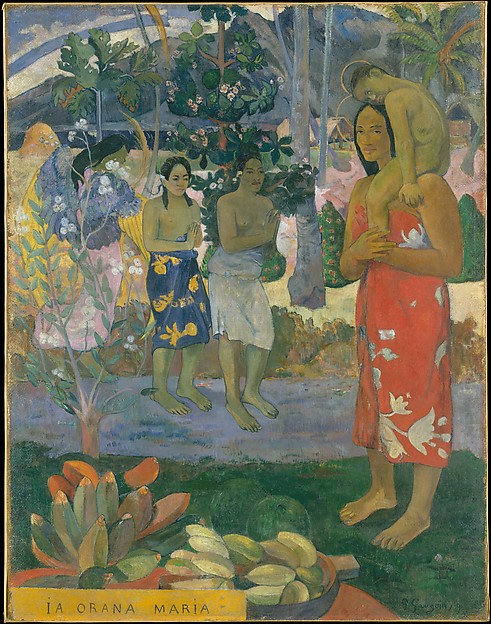
Ia Orana Maria (Hail Mary), Paul Gauguin, 1891

Paul Gauguin

Ia Orana Maria (Hail Mary), 1891

Museo Metropolitano de Arte

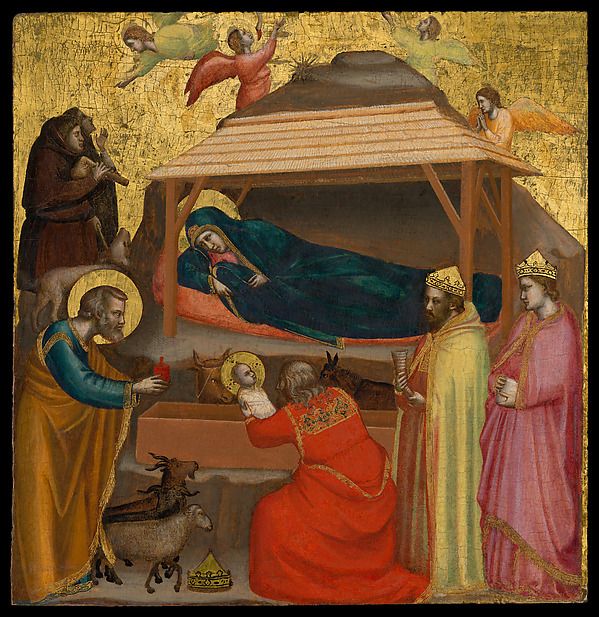
The Adoration of the Magi, Giotto di Bondone, possibly ca. 1320

Giotto

The Adoration of the Magi, possibly ca. 1320

Museo Metropolitano de Arte

Díptico: La Crucifixión y el Juicio Final, Jan van Eyck, ca. 1436–38

Jan van Eyck

Díptico: La Crucifixión y el Juicio Final, ca. 1436–38

Museo Metropolitano de Arte

Heiliger Hieronymus, Caravaggio

Caravaggio

Heiliger Hieronymus

Museo Herzog Anton Ulrich

The Holy Family, Elisha Kirkall after Raphael, early 18th century

Raphael

The Holy Family, early 18th century

No expuesta · Galería Nacional de Arte

The Vision of Saint Helena, Marcantonio Raimondi possibly after Raphael, 1515-1520

Raphael

The Vision of Saint Helena, 1515-1520

No expuesta · Galería Nacional de Arte

Two Sibyls and an Angel, Giovanni Antonio da Brescia, after Raphael, c. 1520s

Raphael

Two Sibyls and an Angel, c. 1520s

No expuesta · Galería Nacional de Arte

Lo que muestra

Angel

En el catálogo

EsculturaBronceRenacimientoSiglo XVIAugsburg

Fuentes

  • Museo de Victoria y Alberto
  • Imagen: Museo de Victoria y Alberto — © Victoria and Albert Museum, London