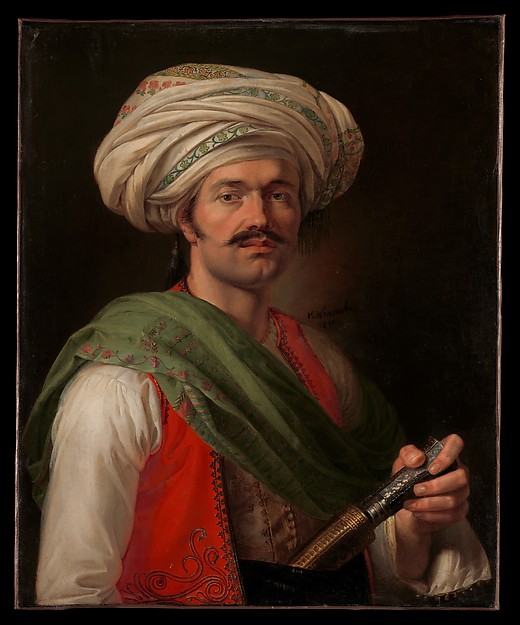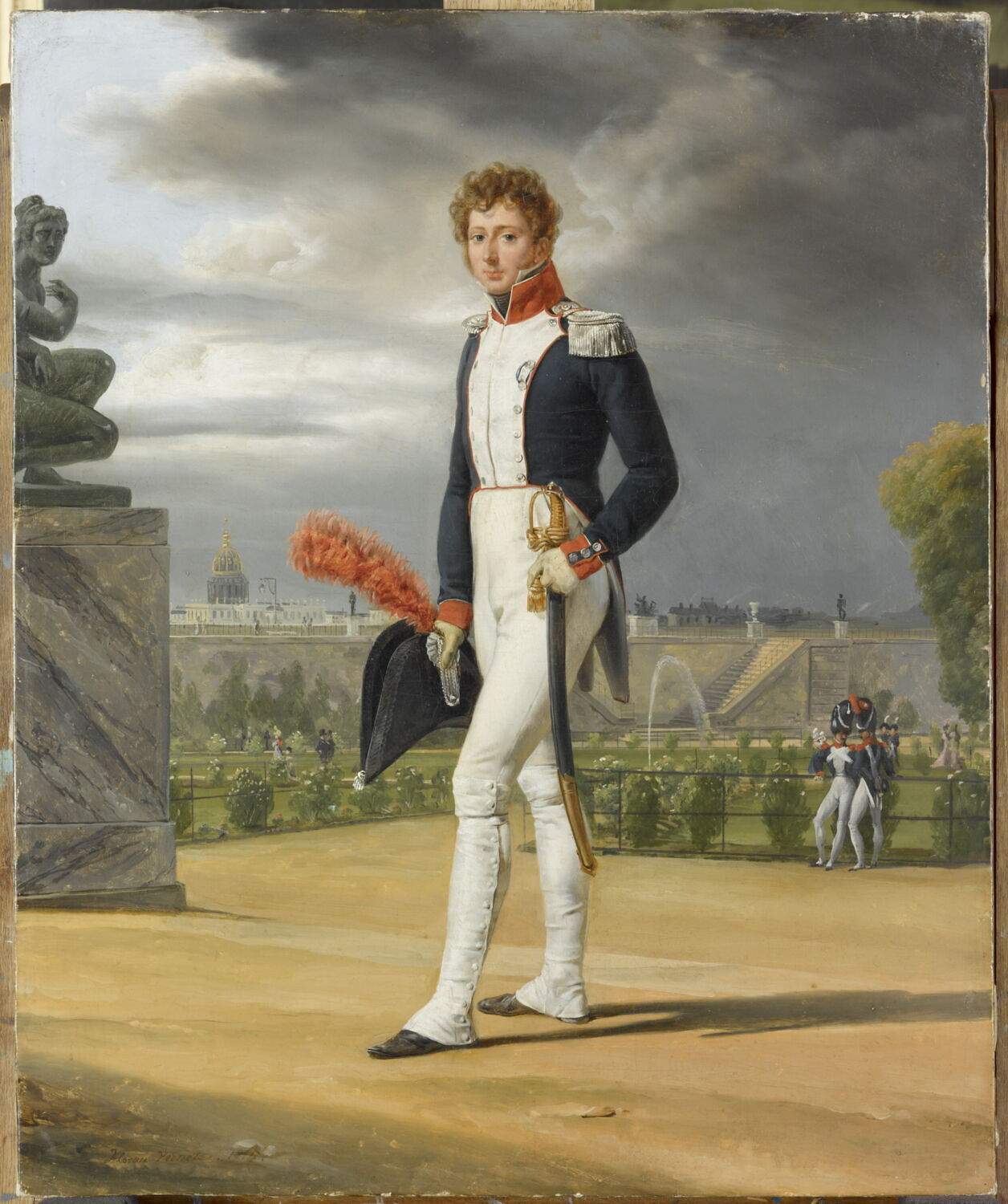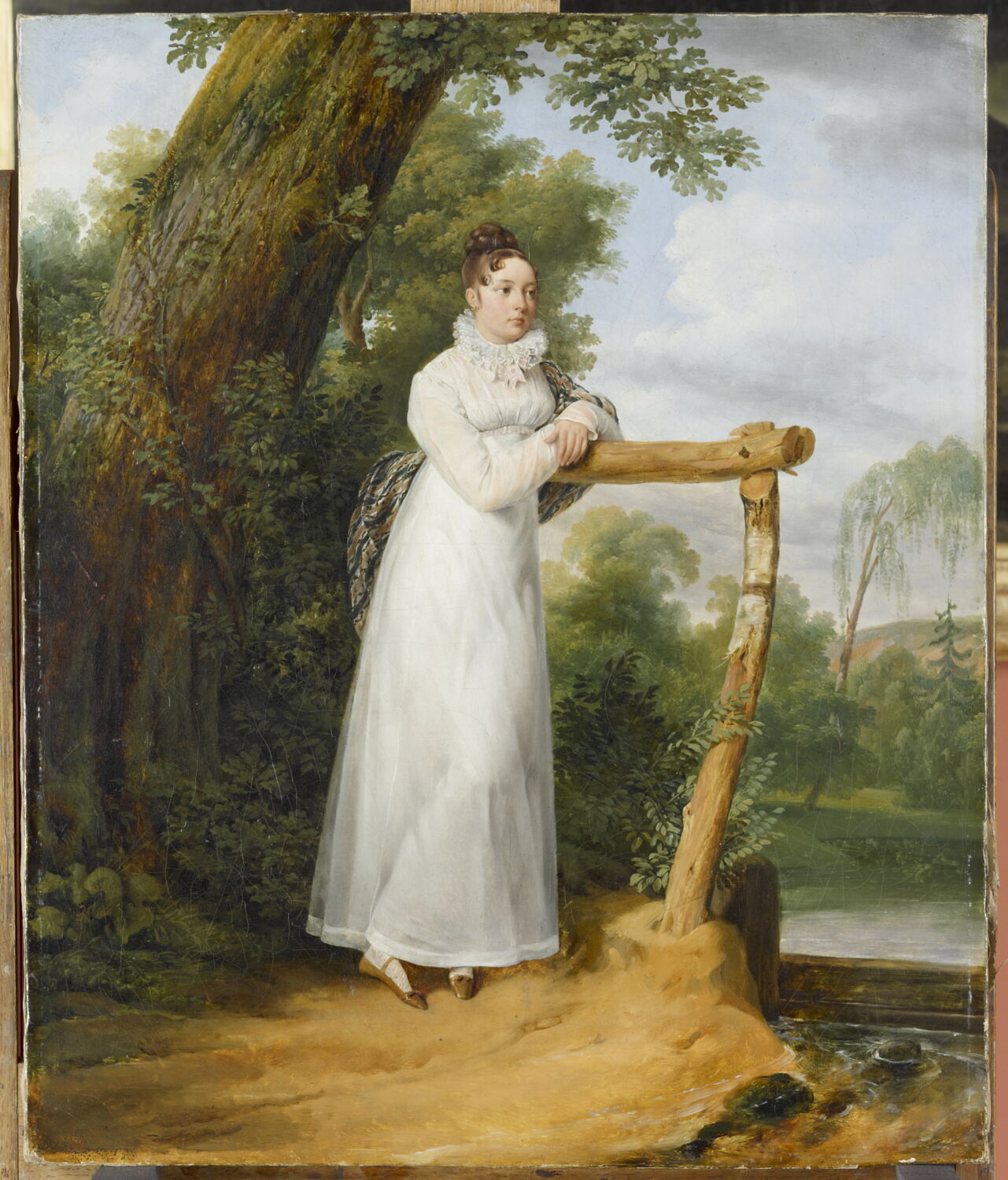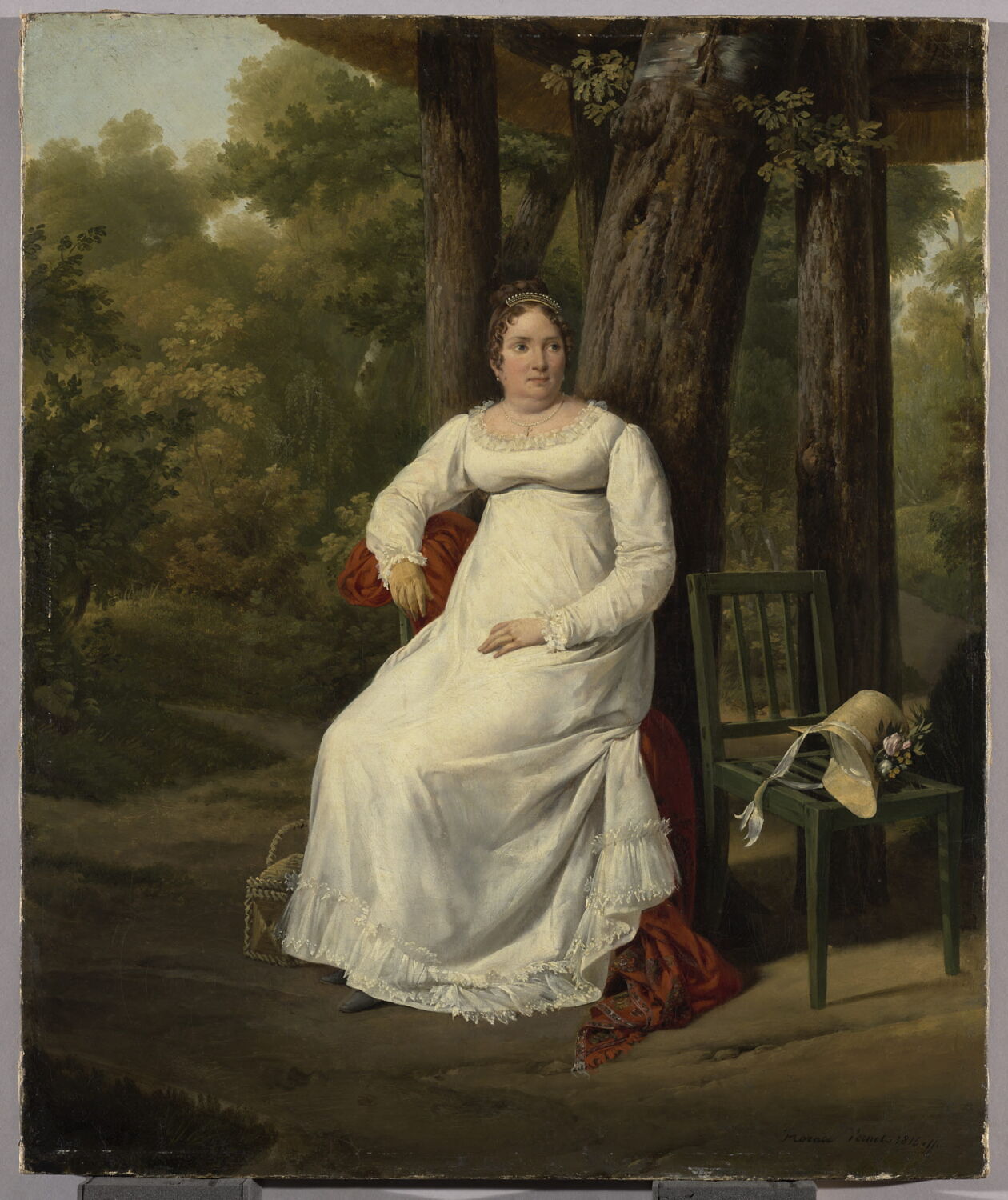
 Vernet, HoraceFrancia, 1789–1863
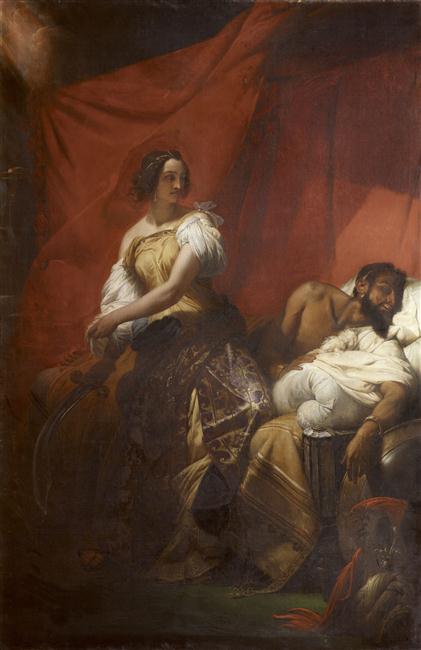
Judith et Holopherne
¿Se puede contemplar?
Se desconoce
Pau, Francia
Se conoce el propietario; no se sabe si hoy está expuesta.
- En este estado desde
- Fuente
- El museo
Sobre el cuadro
Judith and Holofernes is an oil on canvas painting by Horace Vernet, from 1830. He was then director of the Académie de France à Rome It shows Judith just before beheading Holofernes. Since 22 December 1912 it has been in the Musée des Beaux-Arts de Pau.
Ficha
- Número de inventario
- D.12.14.3 ; 1032 (Ancien numéro)
Lo que muestra
En el catálogo
Fuentes
- Museo de Bellas Artes de Pau
- Imagen: Museo de Bellas Artes de Pau — RMN-Grand Palais ; Thierry Ollivier; Ministère de la Culture (France), base Joconde
Mientras tanto, en la vida de Vernet, Horace
La vida entera1829–1834
Post: director of the French Academy in Rome
1829–1835
Friendship with Bertel Thorvaldsen
In Rome he befriends the world-famous Danish sculptor Bertel Thorvaldsen, who spent most of his professional life in Italy.
1830
The July Revolution opens new commissions
The Revolution of 1830 puts Louis-Philippe, who had backed Vernet under the Restoration, on the throne and opens new opportunities: the artist receives numerous state commissions for battle paintings.
1833
Travels to Algeria as official artist
At Louis-Philippe's request he goes to Algeria as an official artist, with two battalions assigned to guard his journeys; yet he is struck less by the feats of the French soldiers than by their brave opponents in picturesque costumes. It is the first of five long visits to North Africa (1833, 1837, 1839–1840, 1845, 1853), during which he eagerly draws and gathers documents on the French conquests in Algeria and Morocco, material later turned into large canvases for the military gallery at Versailles.