ART WIKI32.963 en sala
MapaColecciónArtistasMuseosExposicionesRevista
Acceder

ART WIKI

Dónde cuelga la obra maestra y cuándo le dejan pasar.

Colecciones: Galería Nacional de Arte, Galería Nacional de Dinamarca, Galería Nacional de Retratos, Galería Tretiakov, Harvard Art Museums, Instituto de Arte de Chicago, Instituto de Artes de Mineápolis, MoMA, Museo de Arte de Cleveland, Museo de Victoria y Alberto, Museo del Hermitage, Museo del Louvre, Museo Estatal Ruso, Museo Hirshhorn y Jardín de Esculturas, Museo J. Paul Getty, Museo Metropolitano de Arte, Museo Pushkin, Museo Smithsoniano de Arte Americano, Museo Whitney de Arte Estadounidense, National Museum of Asian Art, Rijksmuseum, Villa Getty, Catálogo Estatal del Fondo Museístico de Rusia (274 museos), Europeana (19 museos), Wikidata (6 museos), Paris Musées (12 museos) y Joconde, la base de museos del Ministerio de Cultura de Francia (495 museos). Las imágenes pertenecen a sus titulares de derechos.

Secciones

  • Mapa
  • Búsqueda
  • Colección
  • Obras maestras
  • Expuestas ahora
  • Artistas

Más

  • Museos y galerías
  • Exposiciones
  • Revista
  • De dónde salen los datos
  • Privacidad y cookies
InicioMapaCatálogo
  1. Colección/
  2. Instituto de Arte de Chicago/
  3. Interrupted Reading
Interrupted Reading, Jean Baptiste Camille Corot, c. 1870

Interrupted Reading

c. 1870 · Painting

Sobre el cuadro

Interrupted Reading is among the most compelling of Camille Corot’s late figure paintings. Corot almost never exhibited these studies of the human form, preferring instead to publicize the idyllic landscapes that were his specialty. To emphasize the private nature of Interrupted Reading, Corot enclosed his model within the protective environment of the artist’s studio. The mood of the painting is introspective and somewhat melancholic, the very essence of the Romantic sensibility. The muse-like image of a woman reading a book was a popular one in nineteenth-century art, but Corot chose to show his model pausing, looking up from this activity. Having spent a number of years in Italy and being a lover of everything Italian, the artist often furnished his models with Italianate costumes such as the one worn here. Whereas Corot’s subject matter is traditional, his technique is not.

Seguir leyendo

With direct and bold brushwork, he explored the human form as a construction of masses that support and balance one another. This broad handling is complemented by the artist’s obvious delight in detail—the ribbon in the model’s hair, the delicate earrings, the deep folds in the skirt. Here he combined a profound sense of formal structure with the dreamy softness and intimacy that characterize his most famous landscapes.

Instituto de Arte de Chicago · CC BY 4.0

Mientras tanto, en la vida de Camille Corot

La vida entera
  1. 1860s

    An interest in photography

    In the 1860s Corot became interested in photography, taking photos himself and becoming acquainted with many early photographers. The monochrome tones of photographs suppressed his palette even further, making his paintings less dramatic but somewhat more poetic.

  2. 1865–1875

    “Père Corot” of Parisian artists

    In his final ten years Corot became the “Père (Father) Corot” of Parisian artistic circles, regarded with personal affection and acknowledged as one of the five or six greatest landscape painters the world had seen, along with Hobbema, Claude Lorrain, Turner and Constable.

  3. 1871

    The siege of Paris: a donation; the Commune, in Arras

    In 1871, during the Franco-Prussian War, Corot gave 2,000 francs for the poor of Paris, then under siege by the Prussians. During the Paris Commune he was at Arras with Alfred Robaut.

  4. 1872

    A house in Auvers for the blind Daumier

    In 1872 Corot bought a house in Auvers as a gift for Honoré Daumier, who by then was blind, without resources and homeless.

  5. 1872 · Distinción

    Knight of the Order of Leopold

Más obras de Camille Corot

Todas las obras

En la misma sala · Gallery 224, Instituto de Arte de Chicago

Página del museo

Sobre el mismo tema · Interior

Todas las obras sobre el tema

Ficha

c. 1870
17961875
Número de inventario
1922.410

Fuentes

  • Instituto de Arte de Chicago
  • Imagen: Instituto de Arte de Chicago — CC0
Camille Corot, retratoCamille CorotFrancia, 1796–1875

¿Se puede contemplar?

Sí, recibe visitas

Instituto de Arte de Chicago

Chicago, Estados Unidos

Sala224

Expuesta al público. Quién lo avala figura más abajo.

Comprobado
hace 3 días
En este estado desde
19 ago 2026
Fuente
El museo
En el mapaPágina del museo
Hagar in the Wilderness, Camille Corot, 1835

Hagar in the Wilderness

1835 · Museo Metropolitano de Arte

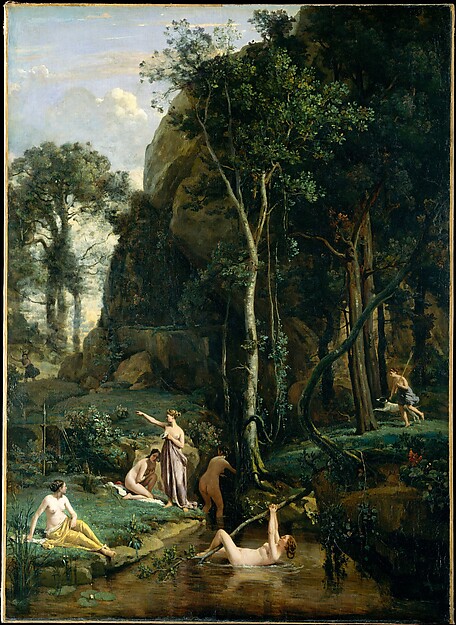
Diana and Actaeon (Diana Surprised in Her Bath), Camille Corot, 1836

Diana and Actaeon (Diana Surprised in Her Bath)

1836 · Museo Metropolitano de Arte

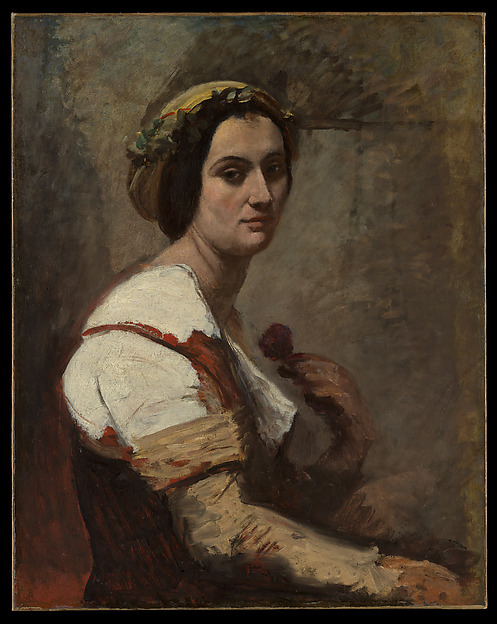
Sibylle, Camille Corot, ca. 1870

Sibylle

ca. 1870 · Museo Metropolitano de Arte

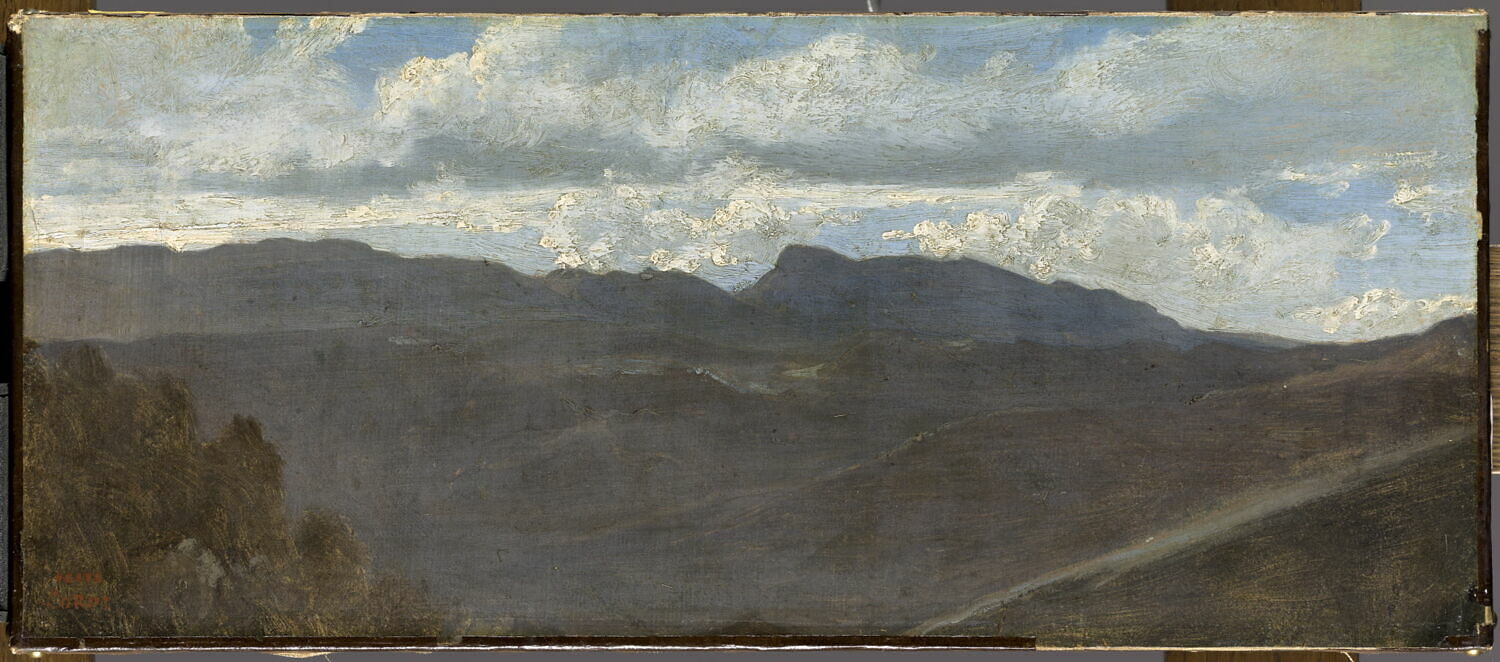
Mountainous Landscape, Camille Corot

Mountainous Landscape

Museo Metropolitano de Arte

Paysage., Corot, Jean-Baptiste Camille, 2e quart du XIXe siècle (1632)

Paysage.

2e quart du XIXe siècle (1632) · Museo del Louvre

The Island and Bridge of San Bartolomeo, Rome, Jean-Baptiste-Camille Corot, 1825/1828

The Island and Bridge of San Bartolomeo, Rome

1825/1828 · Galería Nacional de Arte

Italian Peasant Boy, Jean-Baptiste-Camille Corot, 1825/1827

Italian Peasant Boy

1825/1827 · Galería Nacional de Arte

Panorama de la campagne romaine. Les monts Prenestini vus d'Olevano., Corot, Jean-Baptiste Camille, 2e quart du XIXe siècle (1825 - 1850)

Panorama de la campagne romaine. Les monts Prenestini vus d'Olevano.

2e quart du XIXe siècle (1825 - 1850) · Museo del Louvre

Arleux-Palluel, The Bridge of Trysts, Jean Baptiste Camille Corot, 1871/72

Camille Corot

Arleux-Palluel, The Bridge of Trysts, 1871/72

Wounded Eurydice, Jean Baptiste Camille Corot, 1868–70

Camille Corot

Wounded Eurydice, 1868–70

Souvenir of the Environs of Lake Nemi, Jean Baptiste Camille Corot, 1865

Camille Corot

Souvenir of the Environs of Lake Nemi, 1865

The Sheepshearers, Jean François Millet, c. 1857–61

Jean François Millet

The Sheepshearers, c. 1857–61

Bathing Nymphs and Child, Jean Baptiste Camille Corot, 1855–60

Camille Corot

Bathing Nymphs and Child, 1855–60

Woman Feeding Chickens, Jean François Millet, 1846-48

Jean François Millet

Woman Feeding Chickens, 1846-48

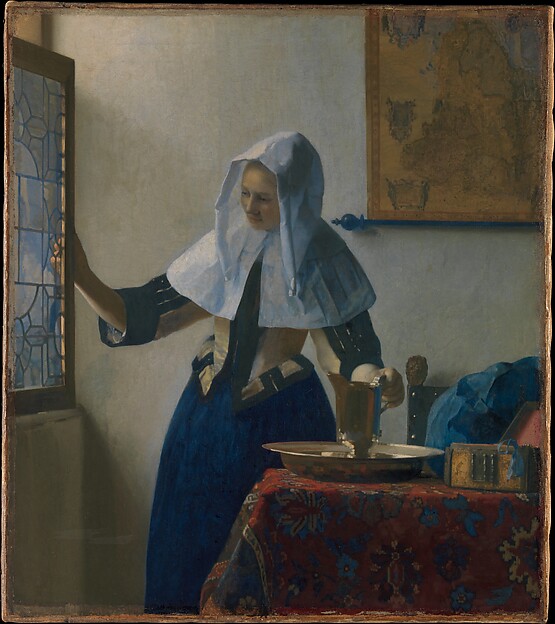
Young Woman with a Water Pitcher, Johannes Vermeer, ca. 1662

Johannes Vermeer

Mujer con una jarra de agua, ca. 1662

Museo Metropolitano de Arte

Interior, Penitente Morada, Abiquiu, Northern New Mexico, Ansel Adams, c. 1930

Ansel Adams

Interior, Penitente Morada, Abiquiu, Northern New Mexico, c. 1930

No expuesta · Galería Nacional de Arte

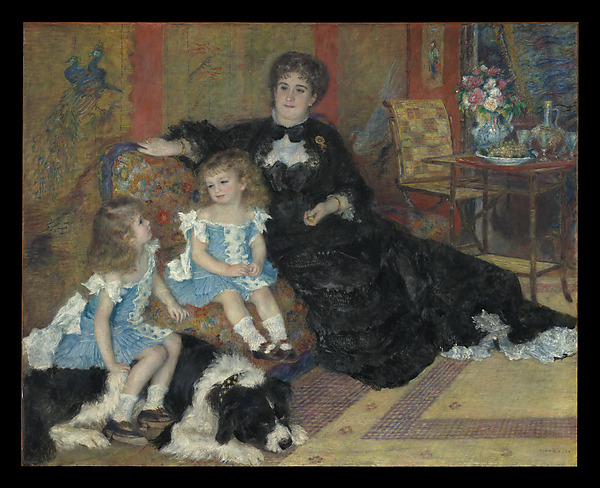
Madame Georges Charpentier (Marguerite-Louise Lemonnier, 1848–1904) and Her Children, Georgette-Berthe (1872–1945) and Paul-Emile-Charles (1875–1895), Auguste Renoir, 1878

Pierre-Auguste Renoir

La señora de Georges Charpentier y sus hijos, 1878

Museo Metropolitano de Arte

Potato Eaters, Vincent van Gogh, 1885

Vincent van Gogh

Potato Eaters, 1885

No expuesta · Galería Nacional de Arte

Boy and Sleeping Girl in Candlelight (Garçon et dormeuse à la chandelle), Pablo Picasso, 1934

Pablo Picasso

Boy and Sleeping Girl in Candlelight (Garçon et dormeuse à la chandelle), 1934

No expuesta · Galería Nacional de Arte

Two Women Waking Up (Deux Femmes au Réveil), Pablo Picasso, 1959, printed 1964

Pablo Picasso

Two Women Waking Up (Deux Femmes au Réveil), 1959, printed 1964

No expuesta · Galería Nacional de Arte

Faun Unveiling a Woman (Faune dévoilant une femme), Pablo Picasso, 1936

Pablo Picasso

Faun Unveiling a Woman (Faune dévoilant une femme), 1936

No expuesta · Galería Nacional de Arte

The Frugal Repast (Le repas frugal), Pablo Picasso, 1904, published 1913

Pablo Picasso

The Frugal Repast (Le repas frugal), 1904, published 1913

No expuesta · Galería Nacional de Arte

Lo que muestra

InteriorCostumeRetratoPortraits: European subjectPortraits: female subjectCentury of ProgressWorld's fairsChicago World's FairsHairstylesFashionDressesBooks
Mujer

En el catálogo

PinturaÓleoPintura francesaRealismoImpresionismoSiglo XIXFrancia