George IV
¿Puedo verla?
Sí, expuesta ahora
¿Dónde está «George IV» hoy? Museo de Victoria y Alberto, British Galleries, Room 120, The Wolfson Galleries, Londres. Sí, expuesta ahora. Comprobado 23 de noviembre de 2026.

Londres, Reino Unido
SalaBritish Galleries, Room 120, The Wolfson Galleries
Cerrado· abre mañana a las 10:00
Expuesta al público.
- Comprobado
- En este estado desde
- Fuente
- El museo
Sobre la escultura
Object Type
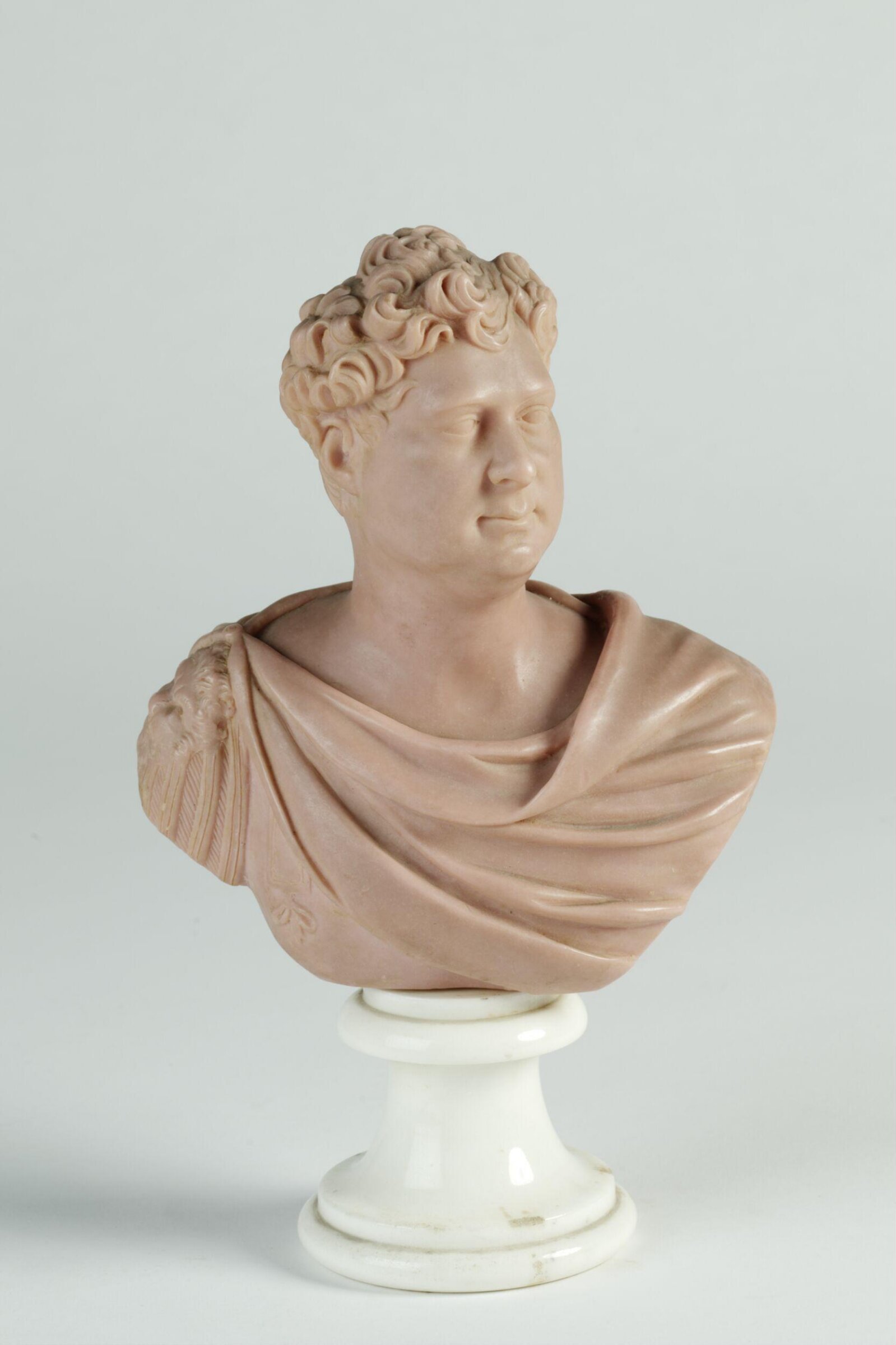
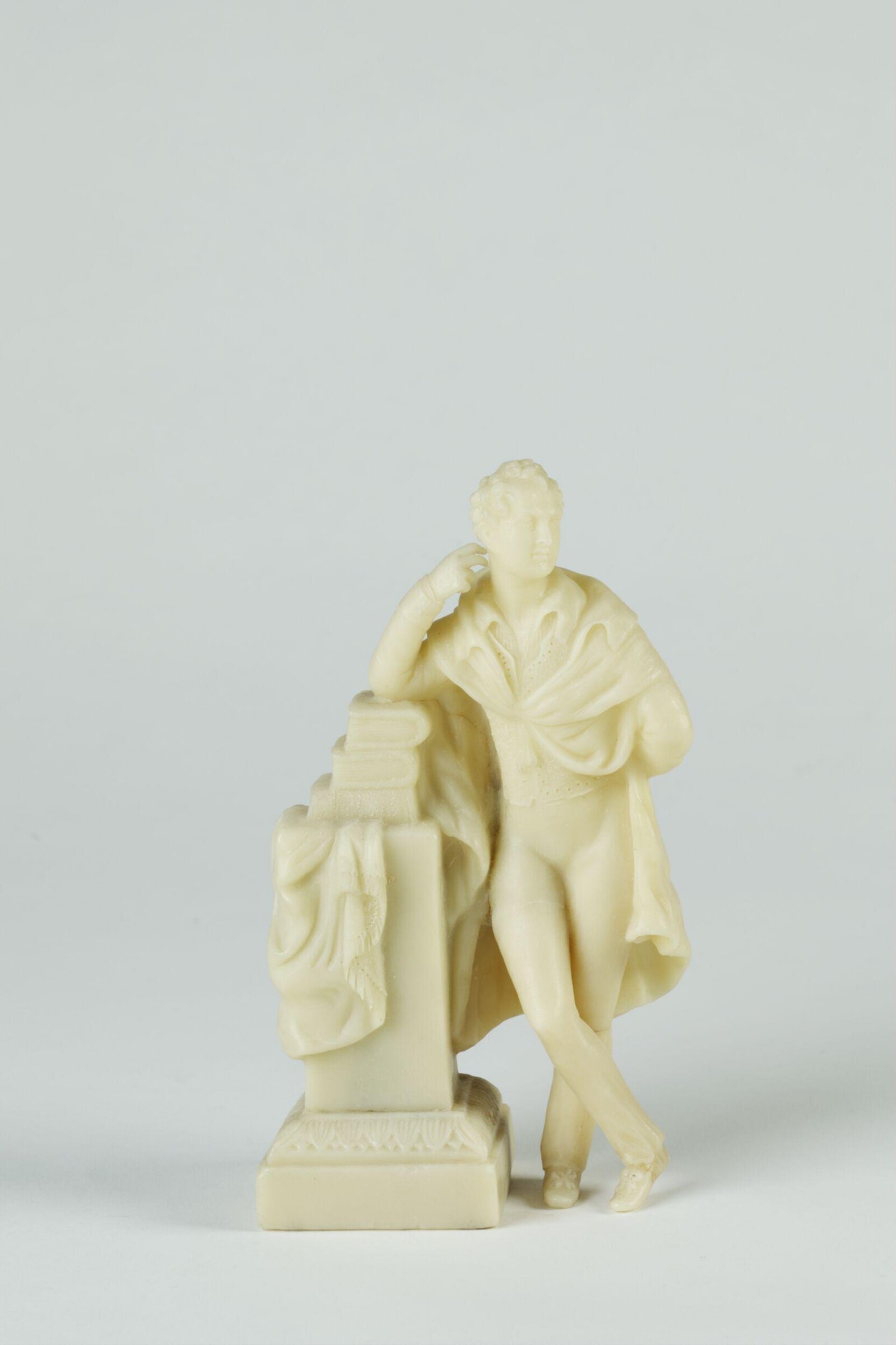
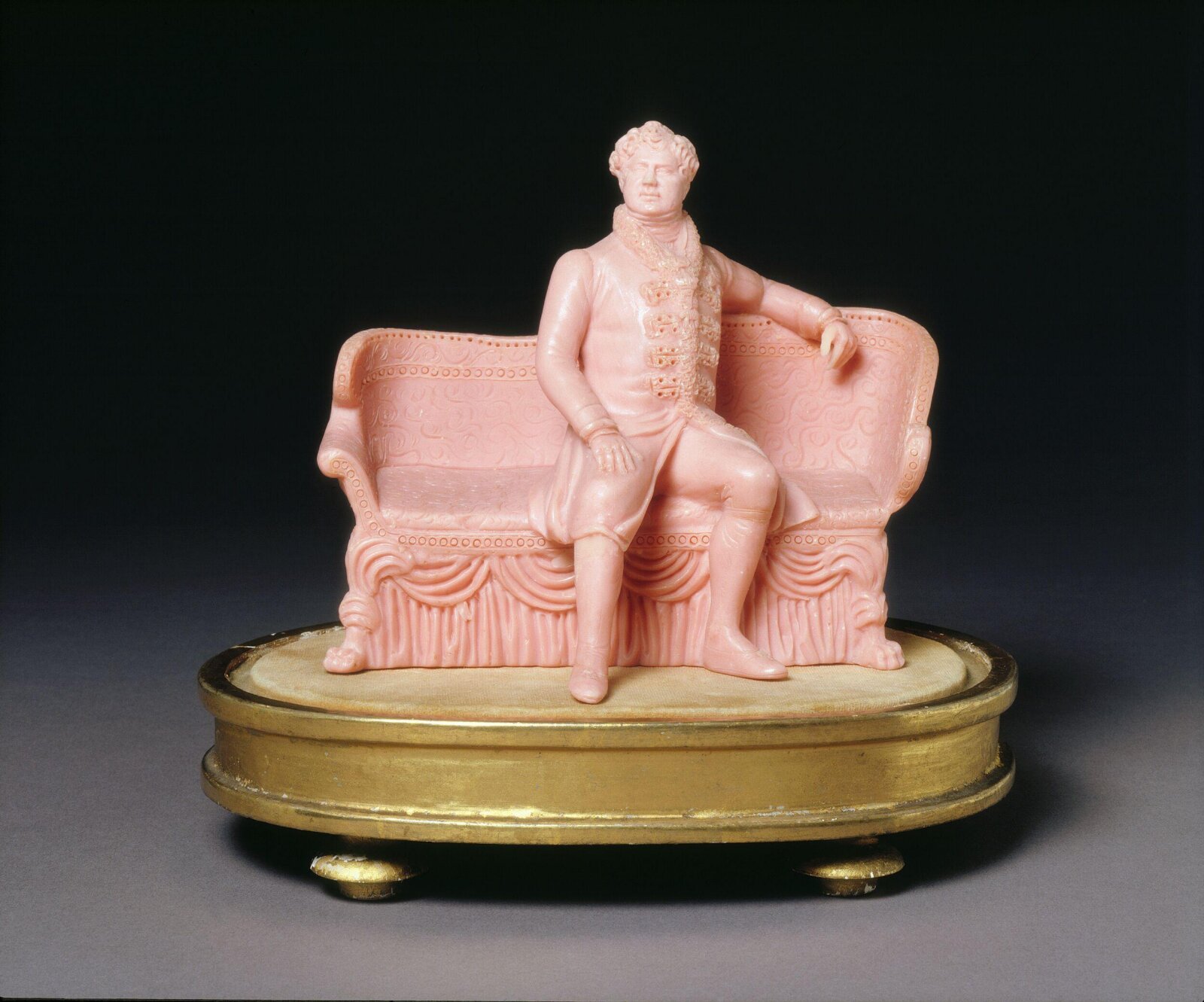
This small wax full-length portrait of George IV is based on the oil painting by Sir Thomas Lawrence (1769-1830), now in the Wallace Collection, London. It was probably originally placed under a glass dome, as was another (undated) wax by J. Cave of Queen Victoria and Prince Albert seated on a sofa, recorded on the art market in 1974 (present whereabouts unknown).
This wax may well have been reproduced in some numbers, and was a posthumous portrait made to be sold after the monarch's death (George IV died on 26 June 1830; the wax is dated 1 July of that year). This is an interesting example of a wax sculpture in that it is a reduced three-dimensional version of a two-dimensional original. The relaxed pose of George IV, as well as its small scale, imply it was intended for the drawing room, rather than for a gallery or grander context.
People
Leer más
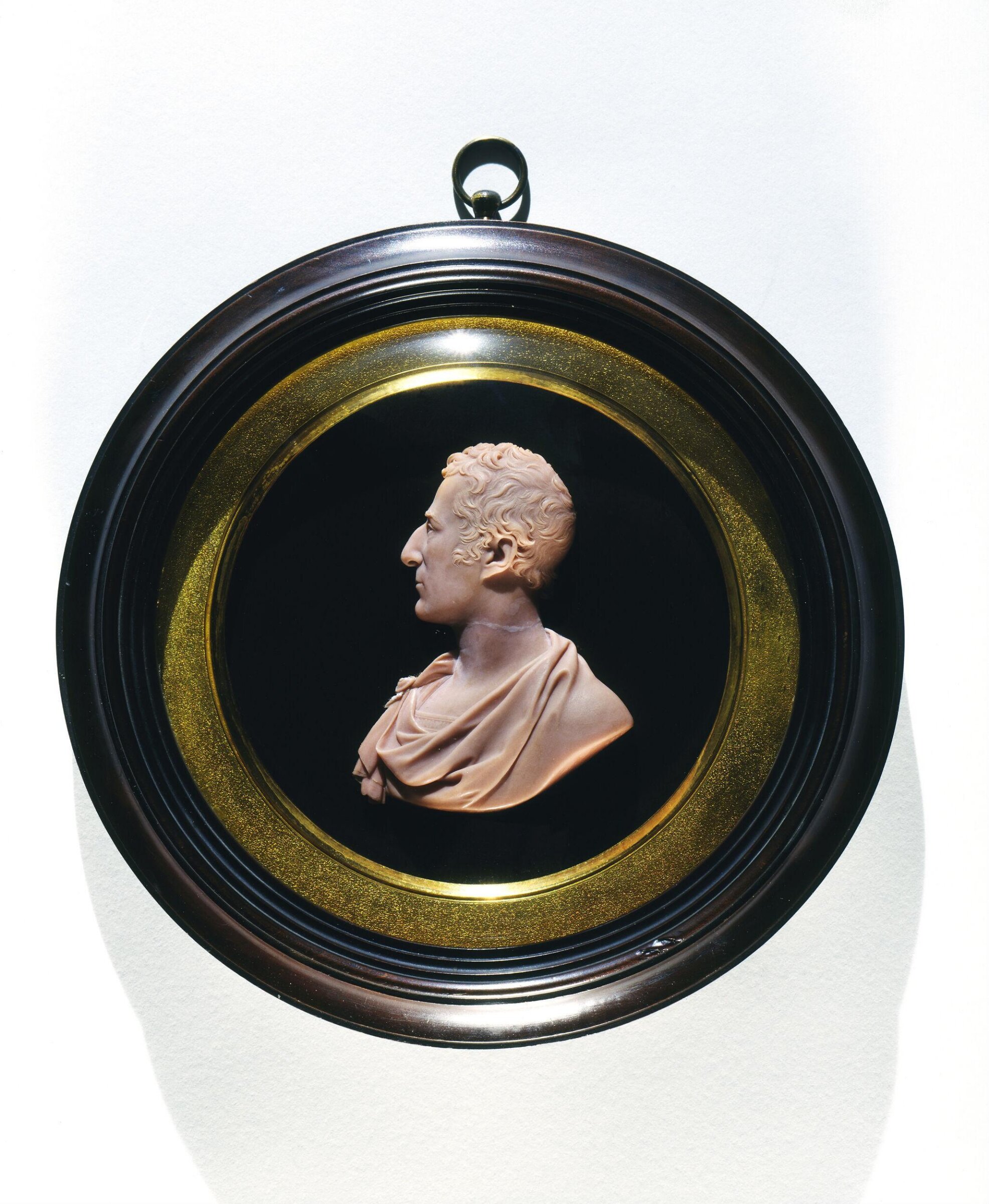
Little has been discovered to date about the 'J. Cave' who signed this work. He worked in both wax and ivory, and was based in London; he seems to have been active between 1820 and 1850. The present piece is precisely dated 1 July 1830; another wax by Cave, also in the V&A, is a bust of George IV dated 8 October 1830. He also executed a wax of William IV on a sofa (private collection, London); a version of this was reproduced in Parian porcelain.
Materials & Making
Wax portaits had become popular during the18th century in Britain, but some artists continued the tradition in this material during the early 19th century, especially before the invention of photography. They were often modelled from the life; a mould could be made from this initial model, from which further copies could be cast. The waxes were small and portable, and the nature of the material meant that they were extremely naturalistic. Sometimes they were coloured, and extra items added, such as textiles, seed pearls or coloured glass, to increase the life-like appearance of the portrayal.
Museo de Victoria y Alberto
Ficha
- Número de inventario
- A.73-1965
Lo que muestra
En el catálogo
Fuentes
- Museo de Victoria y Alberto
- Imagen: Museo de Victoria y Alberto — © Victoria and Albert Museum, London