 Giovanni Francesco Barbieri, called GuercinoItalia, 1591–1666
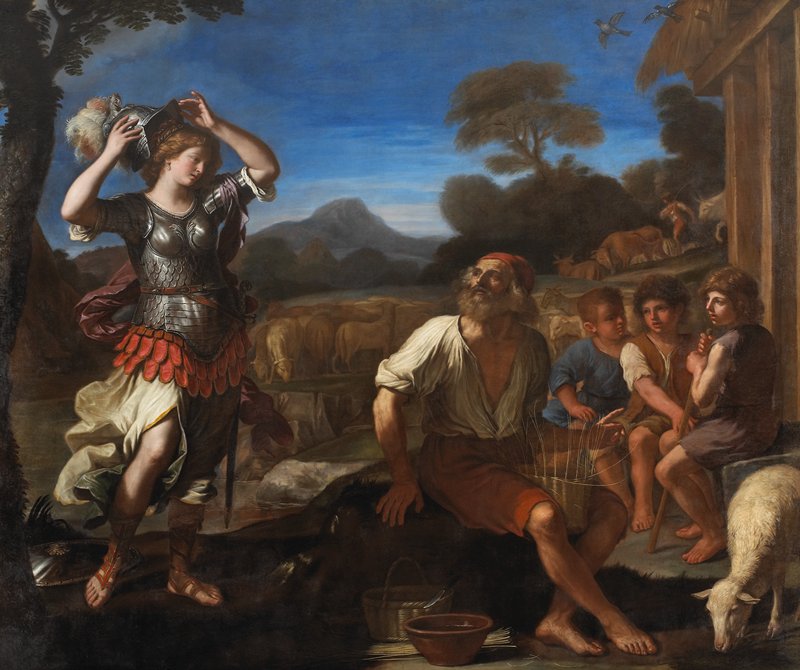
Erminia and the Shepherds
¿Puedo verla?
Sí, expuesta ahora
¿Dónde está «Erminia and the Shepherds» hoy? Instituto de Artes de Mineápolis, G330, Minneapolis. Sí, expuesta ahora. Comprobado 29 de septiembre de 2026.

Minneapolis, Estados Unidos
Abierto· hasta las 21:00
Expuesta al público.
- Comprobado
- En este estado desde
- Fuente
- El museo
Sobre el cuadro
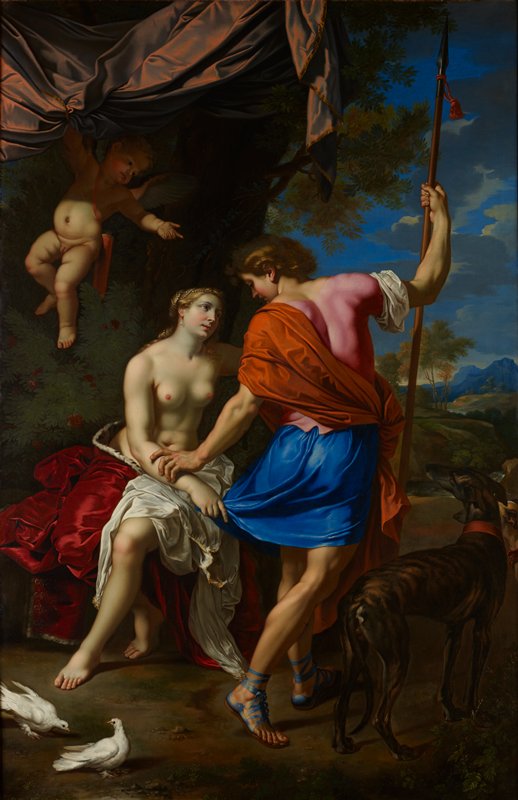
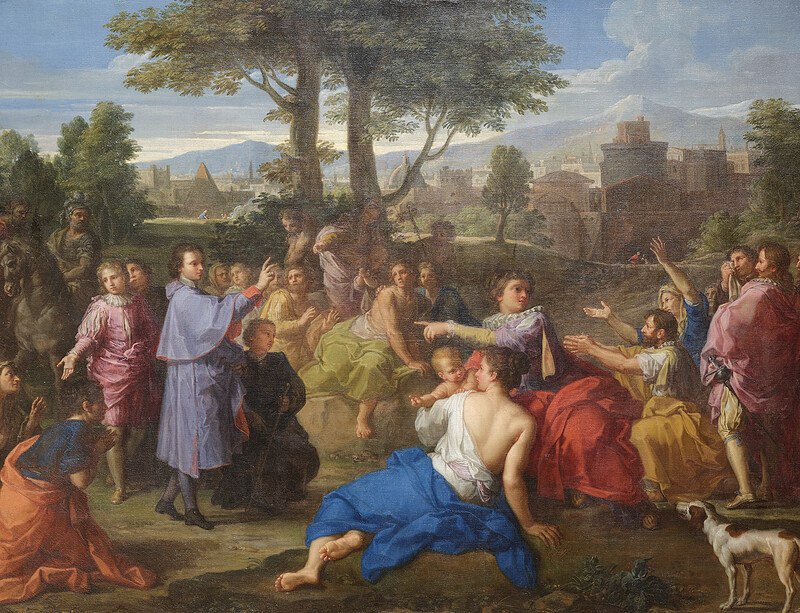
Guercino excelled at producing monumental, lushly colored Baroque paintings of literary subjects. This scene is from Torquato Tasso’s popular epic poem "Jerusalem Delivered" (1581). The story is set during the First Crusade (1096–99), when Christian warriors laid siege to Jerusalem, then under Muslim rule. Here, the Muslim princess Erminia, disguised in armor, has fled Jerusalem. Escaping to the forest, she comes upon a shepherd and his sons making baskets. They are startled, but she removes her helmet to calm their fears, and they give her shelter.
Leer más
Guercino's "Erminia and the Shepherds" was commissioned by the important Sicilian collector Don Antonio Ruffo in 1648. Before Guercino completed the painting, Cardinal Fabrizio Savelli, the powerful papal legate to Bologna, saw the work in the artist's studio and insisted on acquiring it for himself. Guercino was thus compelled to paint a second version of the work for Ruffo. An entry in the artist’s account book dated January 14, 1649 records a handsome payment of 300 ducats (375 scudi) from Ruffo for an Erminia and the Shepherds, and just two days later, a second payment from Savelli is registered for roughly the same amount--100 doppie (or 370 scudi)--for the Erminia painting made for the "above noted Sig. Ruffo di Messina." Only the Minneapolis version survives.
Due to the picture's later south Italian provenance, scholars have assumed that the Minneapolis painting was the version Guercino sent to Ruffo. As some paintings from the Savelli collection later made their way to Naples too, such as Caravaggio's "Denial of Saint Peter" now in the Metropolitan Museum of Art, it is difficult to determine with any certainty whether the Minneapolis painting was Ruffo's or Savelli's.
[R. McGarry, 2018]
Instituto de Artes de Mineápolis
Ficha
- Número de inventario
- 62.12
En el catálogo
Fuentes
- Instituto de Artes de Mineápolis
- Imagen: Instituto de Artes de Mineápolis — public domain