ART WIKI32.963 en sala
MapaColecciónArtistasMuseosExposicionesRevista
Acceder

ART WIKI

Dónde cuelga la obra maestra y cuándo le dejan pasar.

Colecciones: Galería Nacional de Arte, Galería Nacional de Dinamarca, Galería Nacional de Retratos, Galería Tretiakov, Harvard Art Museums, Instituto de Arte de Chicago, Instituto de Artes de Mineápolis, MoMA, Museo de Arte de Cleveland, Museo de Victoria y Alberto, Museo del Hermitage, Museo del Louvre, Museo Estatal Ruso, Museo Hirshhorn y Jardín de Esculturas, Museo J. Paul Getty, Museo Metropolitano de Arte, Museo Pushkin, Museo Smithsoniano de Arte Americano, Museo Whitney de Arte Estadounidense, National Museum of Asian Art, Rijksmuseum, Villa Getty, Catálogo Estatal del Fondo Museístico de Rusia (274 museos), Europeana (19 museos), Wikidata (6 museos), Paris Musées (12 museos) y Joconde, la base de museos del Ministerio de Cultura de Francia (495 museos). Las imágenes pertenecen a sus titulares de derechos.

Secciones

  • Mapa
  • Búsqueda
  • Colección
  • Obras maestras
  • Expuestas ahora
  • Artistas

Más

  • Museos y galerías
  • Exposiciones
  • Revista
  • De dónde salen los datos
  • Privacidad y cookies
InicioMapaCatálogo
  1. Colección/
  2. Galería Nacional de Dinamarca/
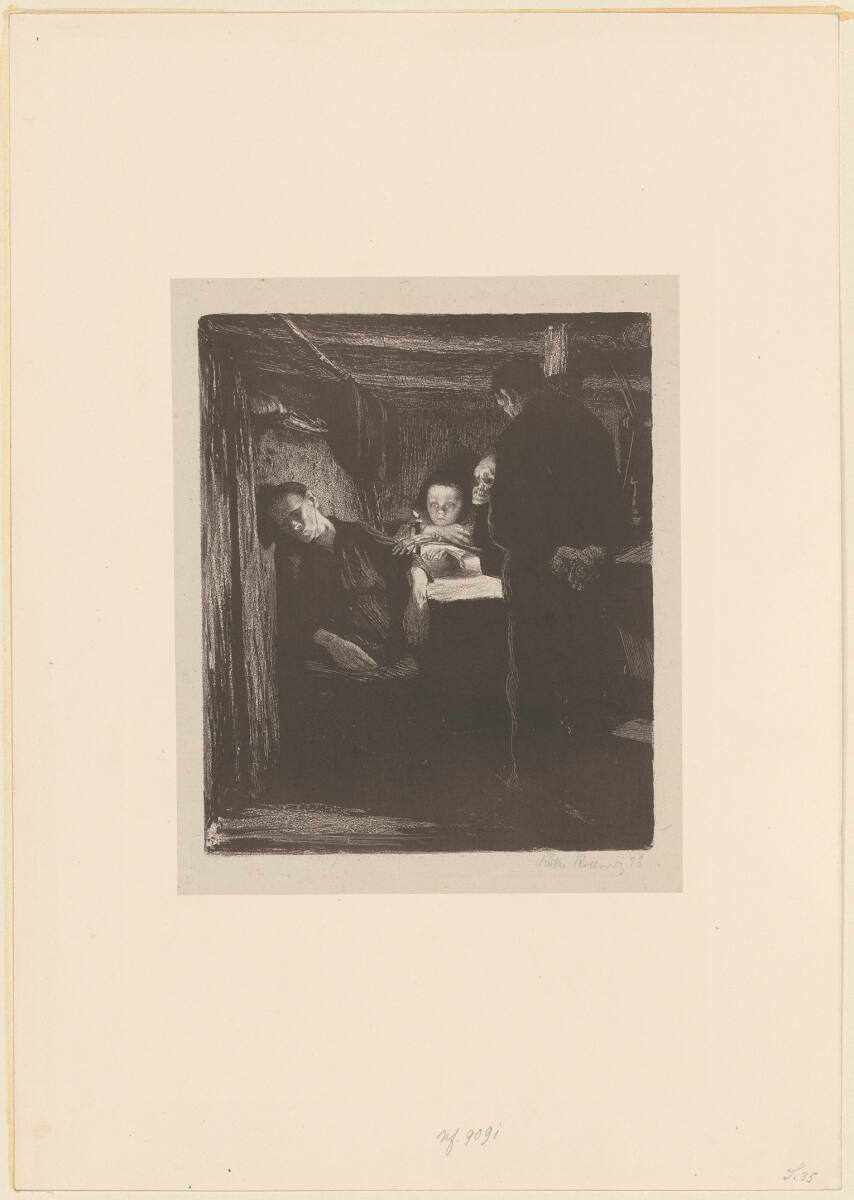
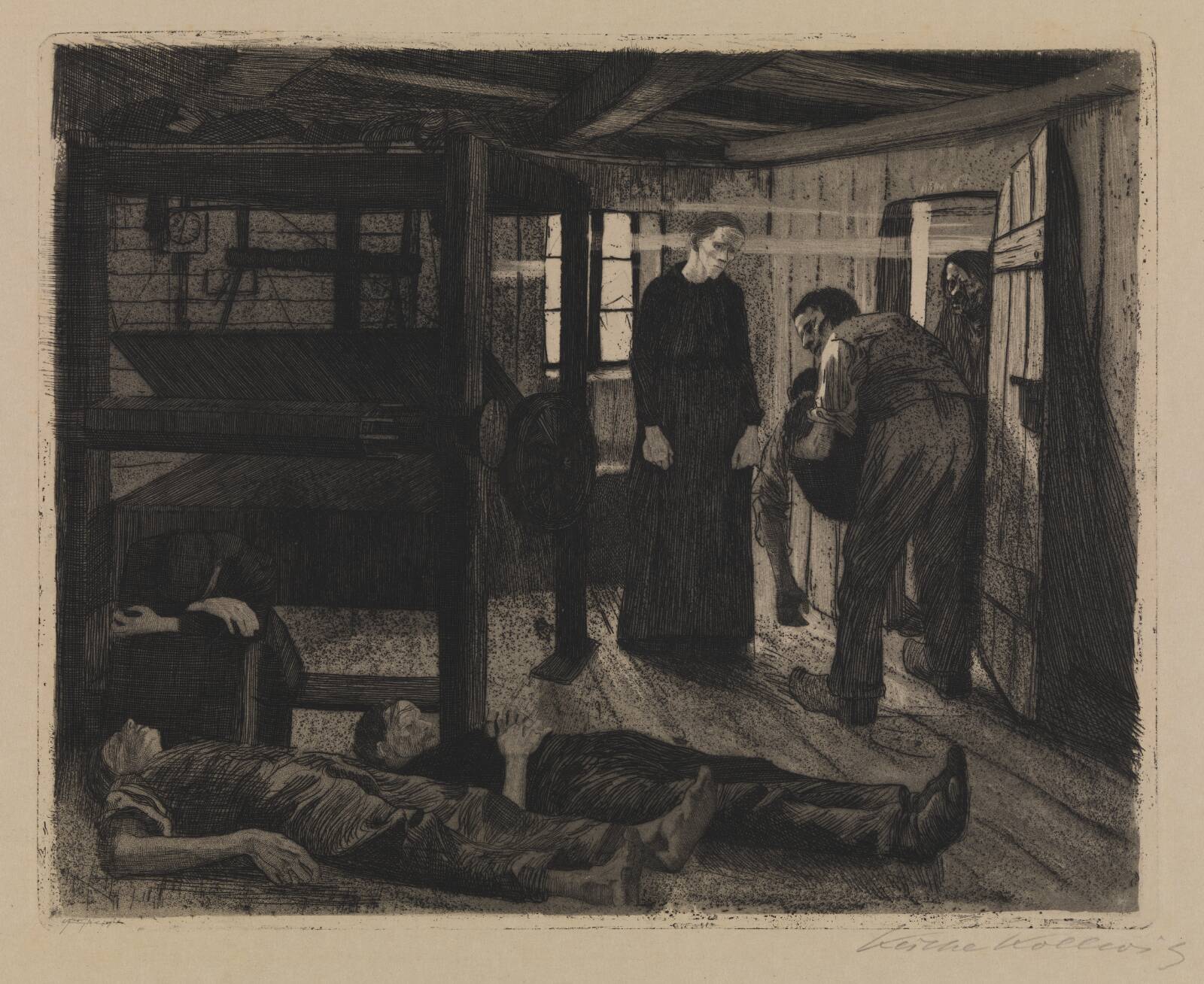
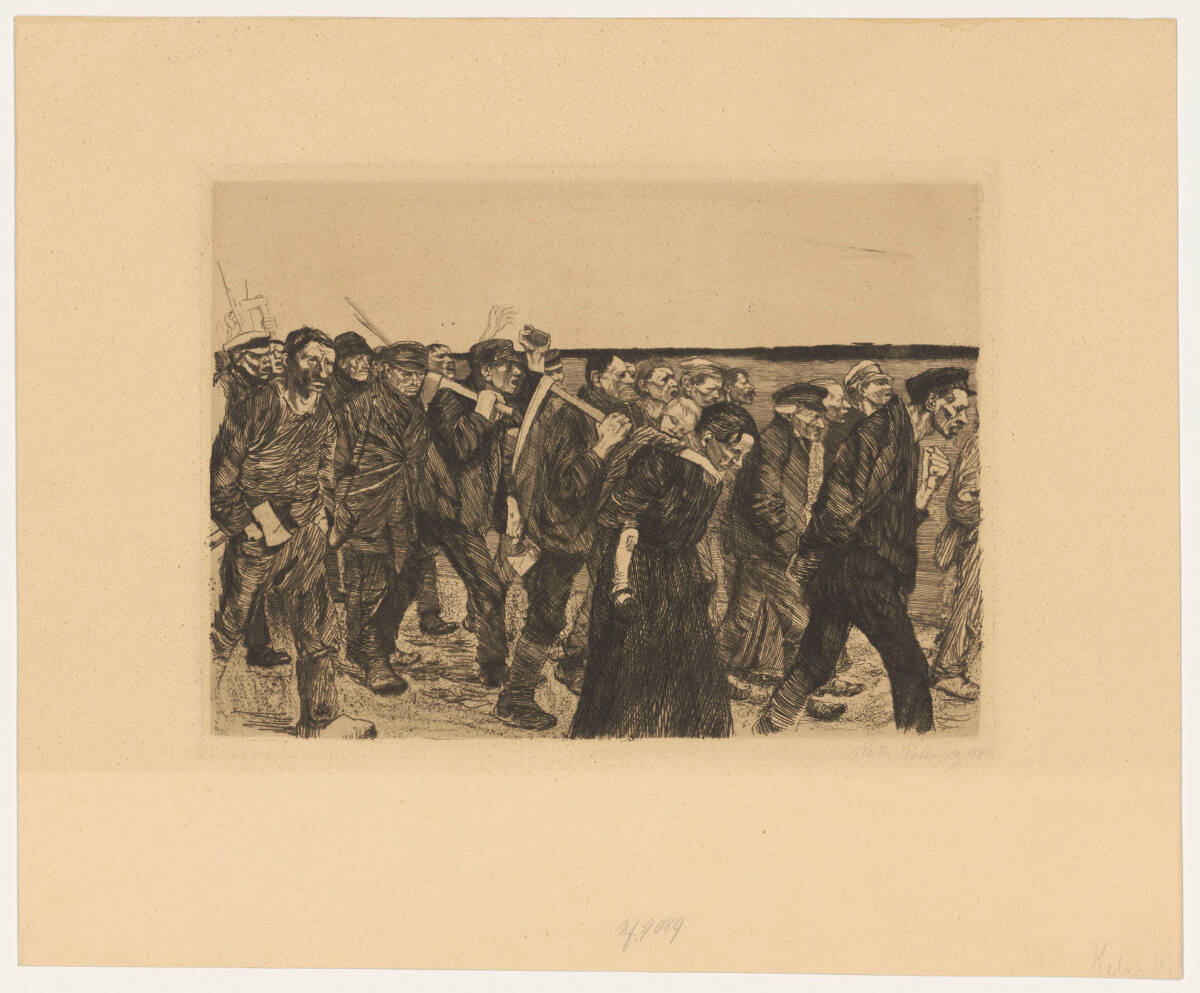
  3. Ein Weberaufstand - Ende
Ein Weberaufstand - Ende, Käthe Kollwitz, 1897-1898
Käthe Kollwitz, retratoKäthe KollwitzAlemania, 1867–1945

Ein Weberaufstand - Ende

1897-1898 · Etching

¿Se puede contemplar?

Por ahora no recibe

Galería Nacional de Dinamarca

Copenhague, Dinamarca

Pertenece a la colección, pero ahora mismo no está expuesta.

Comprobado
hace 3 días
En este estado desde
19 ago 2026
Fuente
El museo
En el mapaPágina del museo

Ficha

1897-1898
18671945
Número de inventario
KKS19698

En el catálogo

EstampasAguafuerteImpresionismoSiglo XIX

Fuentes

  • Galería Nacional de Dinamarca
  • Imagen: Galería Nacional de Dinamarca — public domain

Mientras tanto, en la vida de Käthe Kollwitz

La vida entera
  1. 1892–1896

    Hauptmann’s “The Weavers” inspires a new cycle

    Between the births of her sons Hans and Peter she saw Gerhart Hauptmann’s play The Weavers, about the failed revolt of the Silesian weavers in Langenbielau in 1844. It inspired her to drop a series of etchings she had planned to illustrate Émile Zola’s Germinal and to produce a cycle on the weavers instead.

  2. 1896

    Birth of her son Peter

    In 1896 her younger son, Peter, was born; he was killed at the front in 1914.

  3. 6 de febrero de 1896

    Son born: Peter Kollwitz

  4. 1898

    “The Weavers” at the Great Berlin Art Exhibition

    In 1898 the cycle was shown publicly at the Great Berlin Art Exhibition and was widely acclaimed.

  5. 1898

    The Kaiser refuses a gold medal to a woman

    Adolph Menzel nominated her work for the gold medal of the 1898 Great Berlin Art Exhibition, but Kaiser Wilhelm II withheld his approval, saying that a medal for a woman would be going too far and that orders and medals belonged on the breasts of worthy men.

  6. 1898–1903

    Teaches at the Women’s Art School

    From 1898 to 1903 she taught at the Women’s Art School in Berlin.
Más obras de Käthe Kollwitz

Todas las obras
Weberzug (Ein Weberaufstand, Blatt 4), Käthe Kollwitz

Weberzug (Ein Weberaufstand, Blatt 4)

Albertina

Tod (Ein Weberaufstand; Blatt 2), Käthe Kollwitz

Tod (Ein Weberaufstand; Blatt 2)

Albertina

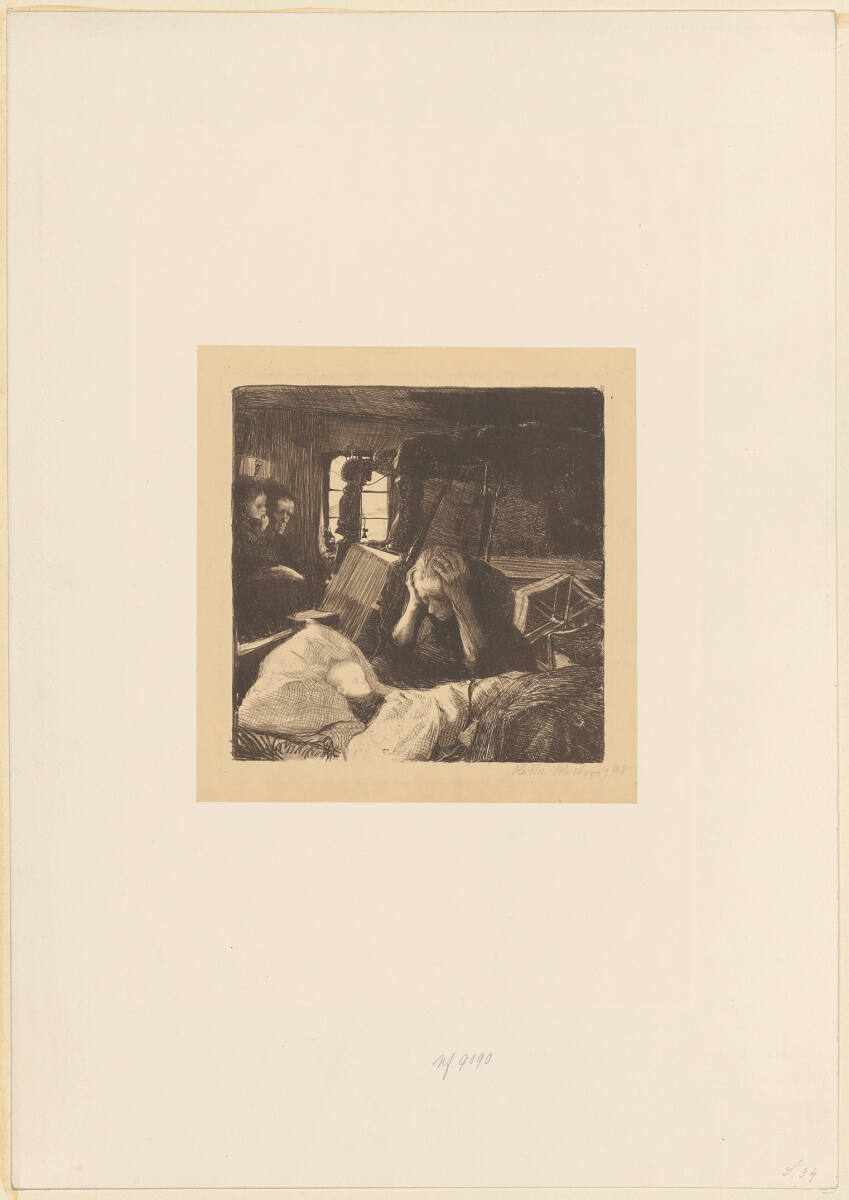
Not (Ein Weberaufstand; Blatt 1), Käthe Kollwitz

Not (Ein Weberaufstand; Blatt 1)

Albertina

Beim Arzt (Drei Flugblätter gegen den Wucher, Blatt 3), Käthe Kollwitz

Beim Arzt (Drei Flugblätter gegen den Wucher, Blatt 3)

Albertina

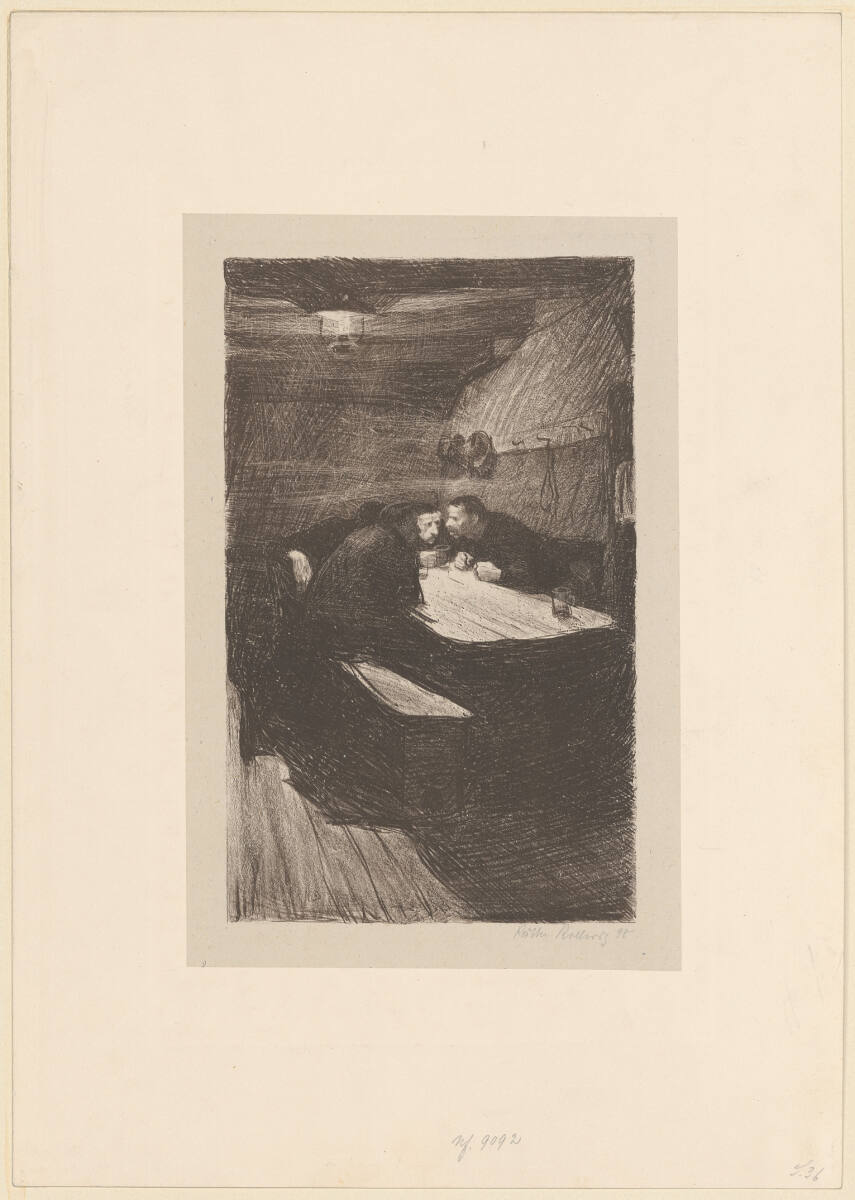
Beratung (Ein Weberaufstand; Blatt 3), Käthe Kollwitz

Beratung (Ein Weberaufstand; Blatt 3)

Albertina

Die Carmagnole, Käthe Kollwitz

Die Carmagnole

Albertina

Zertretene, Käthe Kollwitz

Zertretene

Kupferstich-Kabinett

Selbstbildnis und Studie zu einer Szene aus Germinal, Käthe Kollwitz

Selbstbildnis und Studie zu einer Szene aus Germinal

Kupferstich-Kabinett

Bajo el mismo techo: Galería Nacional de Dinamarca

Página del museo
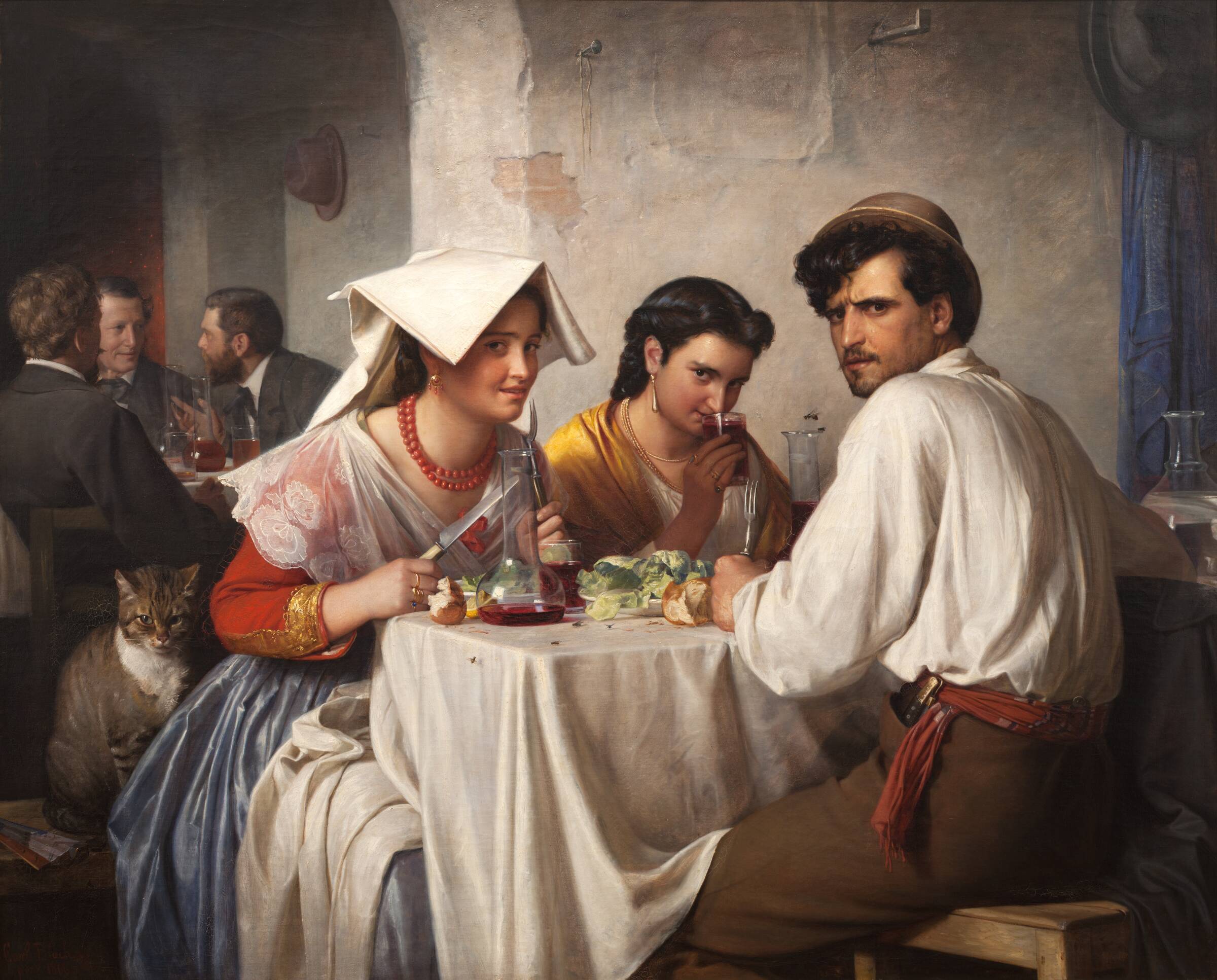
Fra et romersk osteria, Carl Bloch, 1866

Carl Bloch

En una hostería romana, 1866

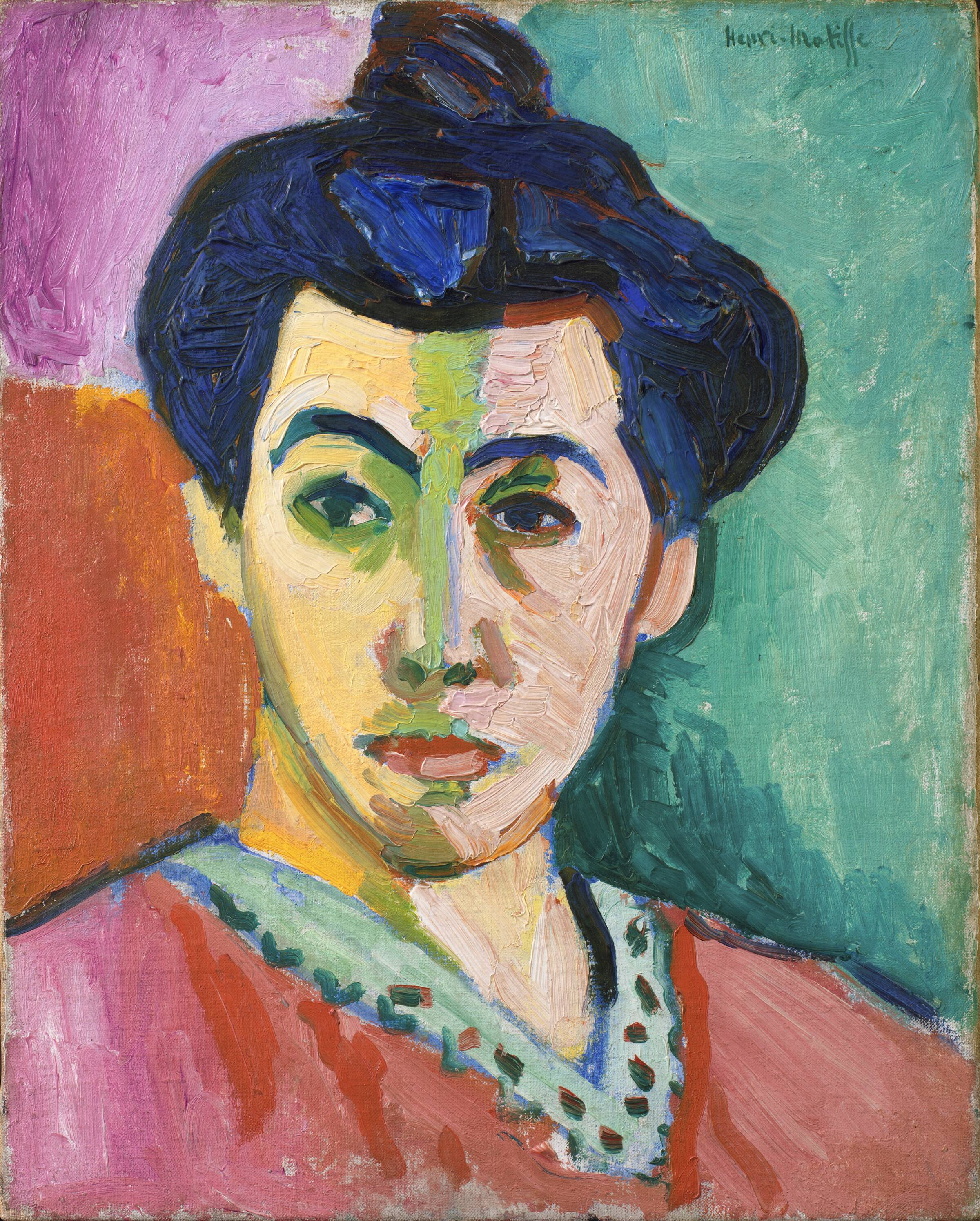
Portræt af Madame Matisse. Den grønne stribe, Henri Matisse, 1905

Henri Matisse

La raya verde, 1905

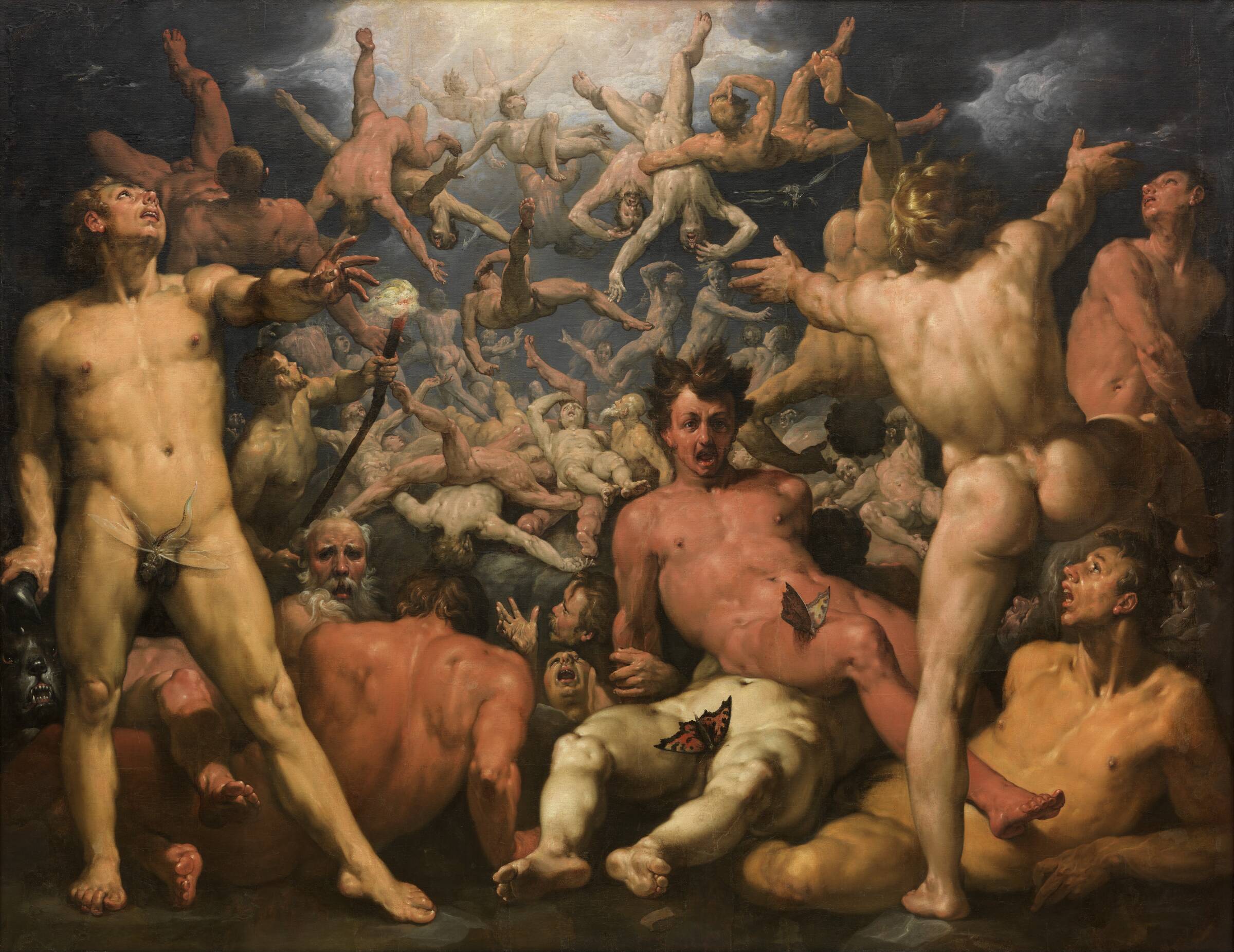
Titanernes fald, Cornelis Cornelisz. van Haarlem, 1588-1590

Cornelis Cornelisz. van Haarlem

La caída de los titanes, 1588-1590

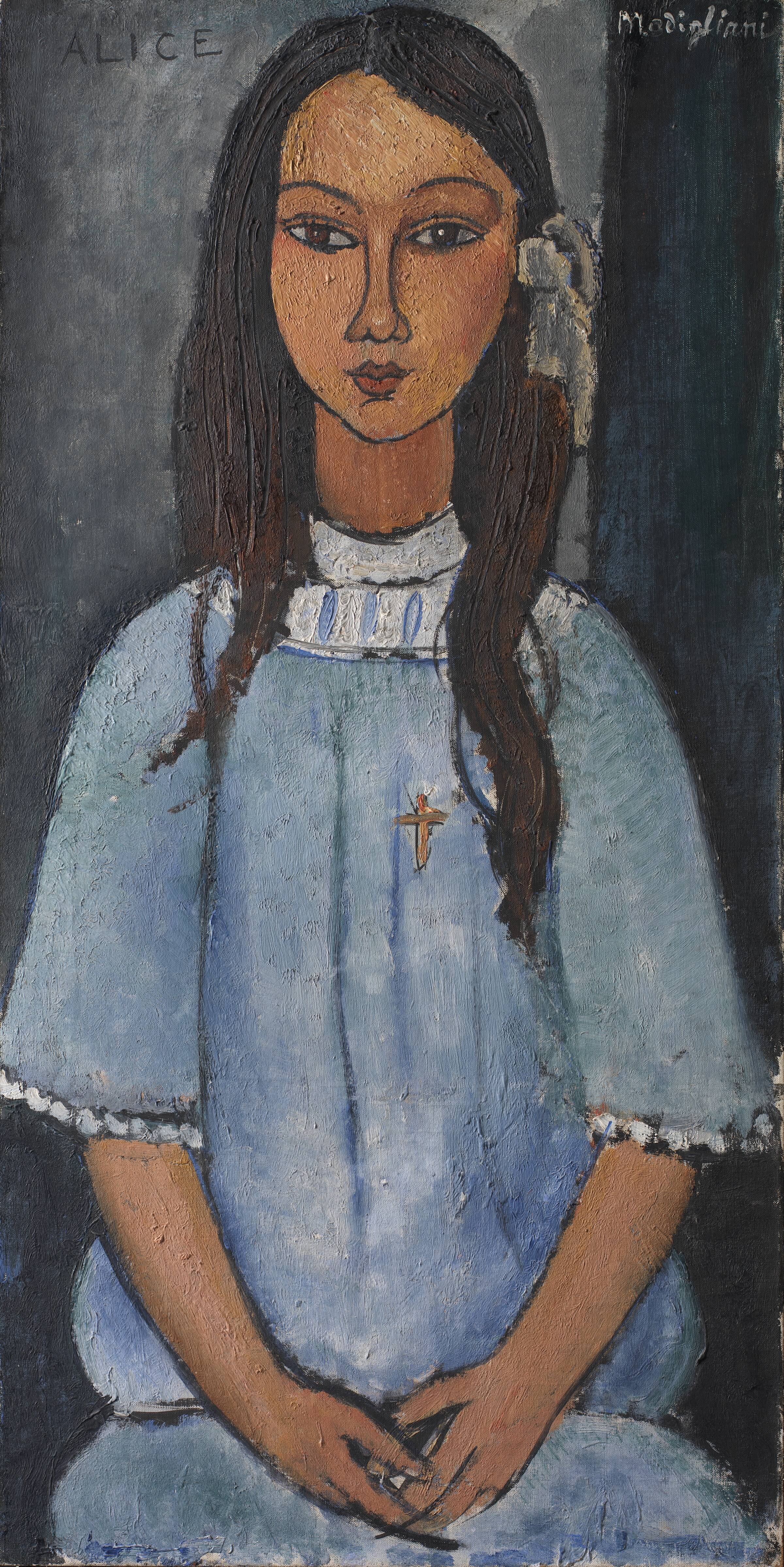
Alice, Amedeo Modigliani, 1916-1919

Amedeo Modigliani

Alice, 1916-1919

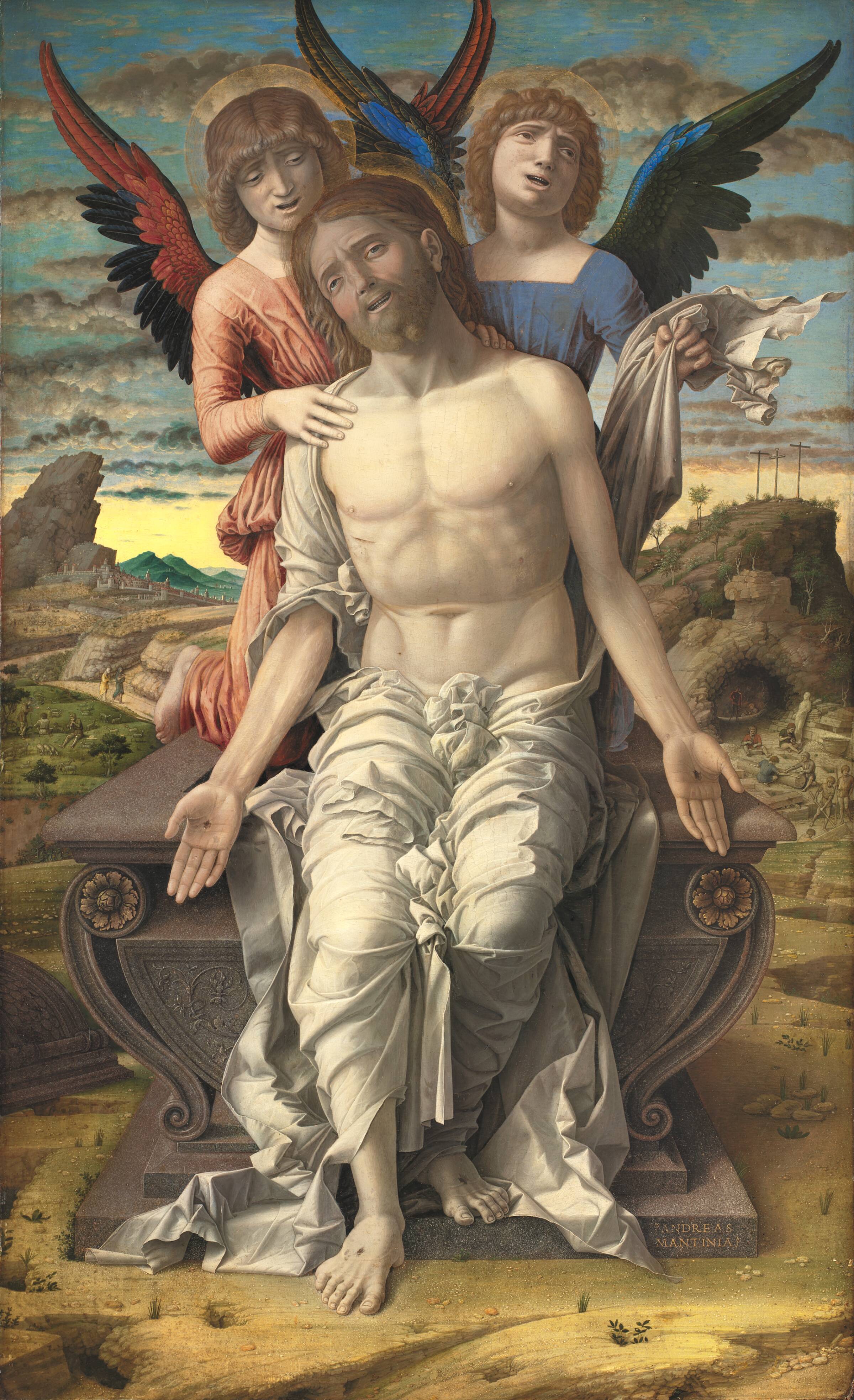
Kristus som den lidende frelser, Andrea Mantegna, 1485-1495

Andrea Mantegna

Cristo como Redentor Sufriente, 1485-1495

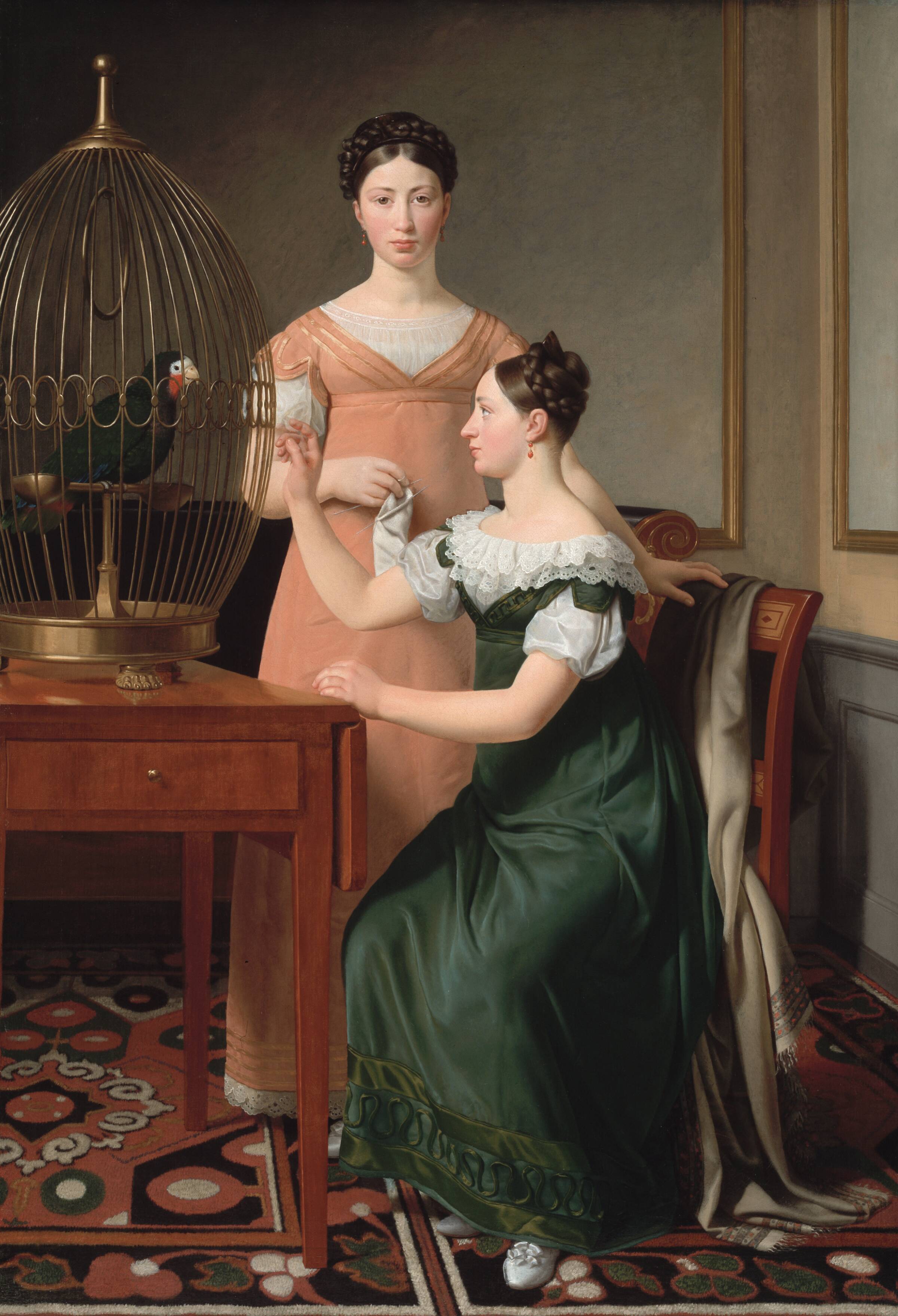
Mendel Levin Nathansons ældste døtre, Bella og Hanna, C.W. Eckersberg, 1820

Christoffer Wilhelm Eckersberg

Bella y Hanna. Las hijas mayores de M.L. Nathanson, 1820

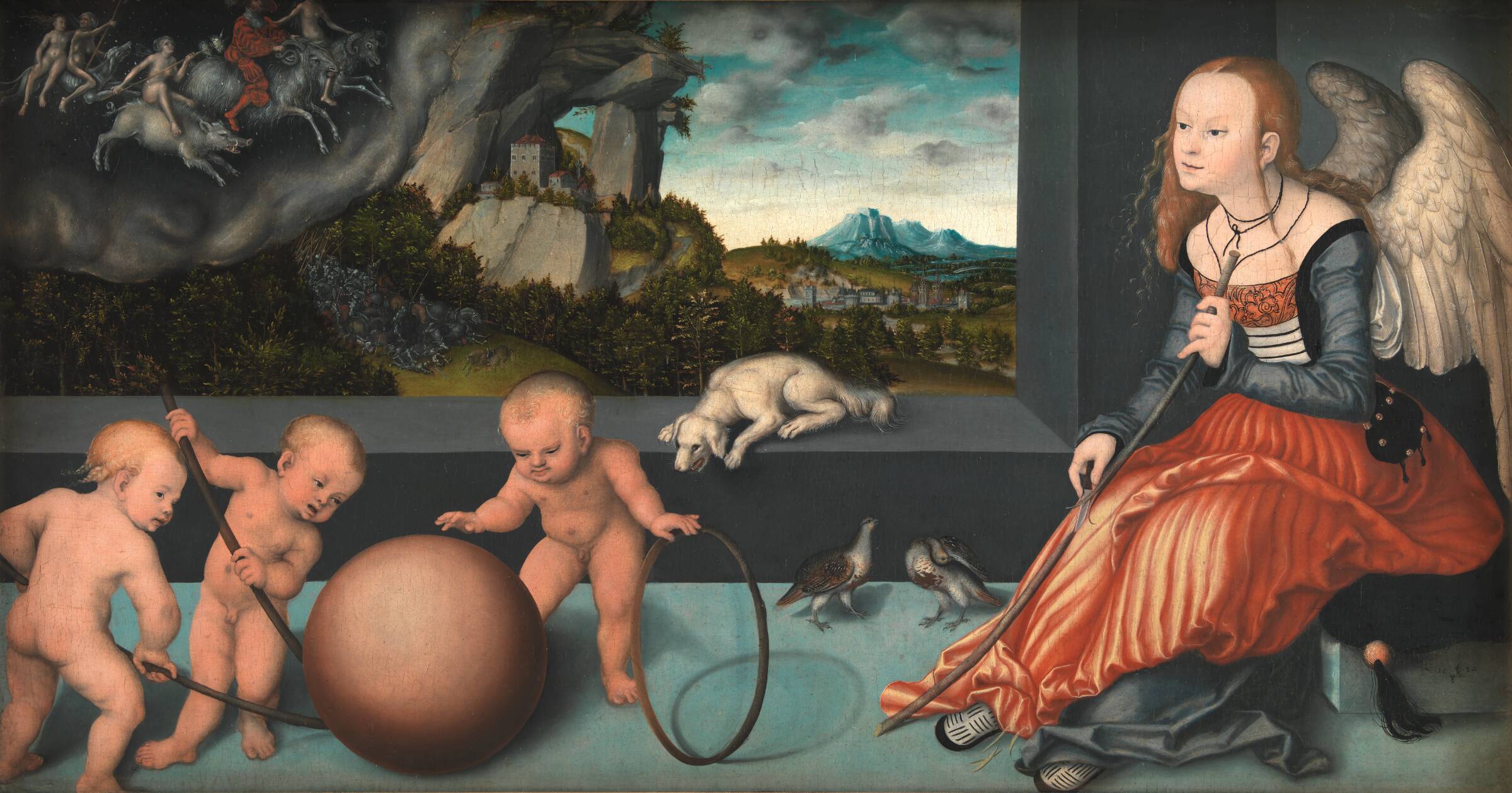
Melankolien, Lucas Cranach, 1532

Lucas Cranach

Melankolien, 1532

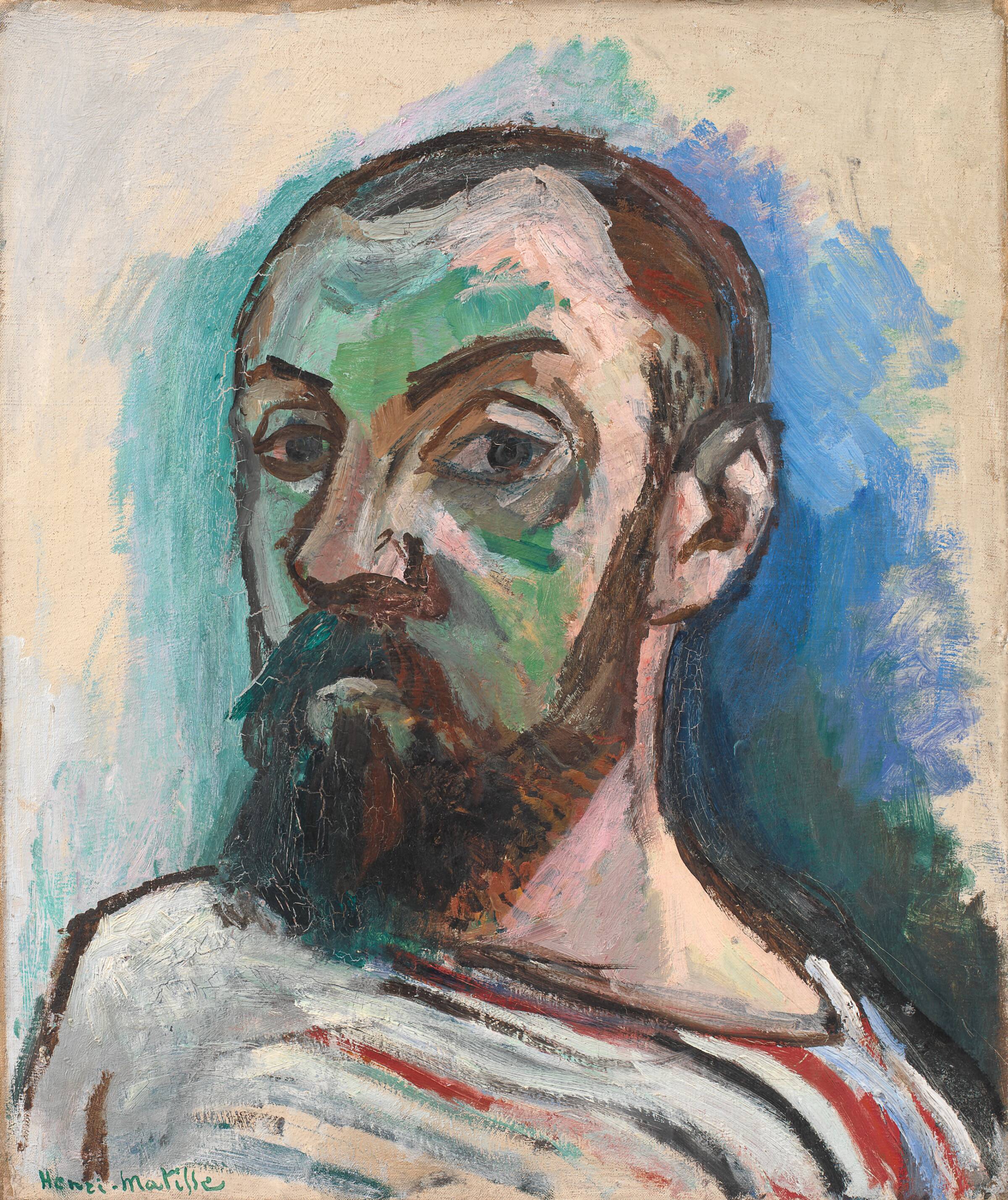
Selvportræt, Henri Matisse, 1906

Henri Matisse

Selvportræt, 1906