ART WIKI33.040 en sala
MapaColecciónArtistasMuseosExposicionesRevista
Acceder

ART WIKI

Dónde cuelga la obra maestra y cuándo le dejan pasar.

Colecciones: Galería Nacional de Arte, Galería Nacional de Dinamarca, Galería Nacional de Retratos, Galería Tretiakov, Harvard Art Museums, Instituto de Arte de Chicago, Instituto de Artes de Mineápolis, MoMA, Museo de Arte de Cleveland, Museo de Victoria y Alberto, Museo del Hermitage, Museo del Louvre, Museo Estatal Ruso, Museo Hirshhorn y Jardín de Esculturas, Museo J. Paul Getty, Museo Metropolitano de Arte, Museo Pushkin, Museo Smithsoniano de Arte Americano, Museo Whitney de Arte Estadounidense, National Museum of Asian Art, Rijksmuseum, Villa Getty, Catálogo Estatal del Fondo Museístico de Rusia (274 museos), Europeana (19 museos), Wikidata (6 museos), Paris Musées (12 museos) y Joconde, la base de museos del Ministerio de Cultura de Francia (495 museos). Las imágenes pertenecen a sus titulares de derechos.

Secciones

  • Mapa
  • Búsqueda
  • Colección
  • Obras maestras
  • Expuestas ahora
  • Artistas

Más

  • Museos y galerías
  • Exposiciones
  • Revista
  • De dónde salen los datos
  • Privacidad y cookies
InicioMapaCatálogo
  1. Colección/
  2. Instituto de Artes de Mineápolis/
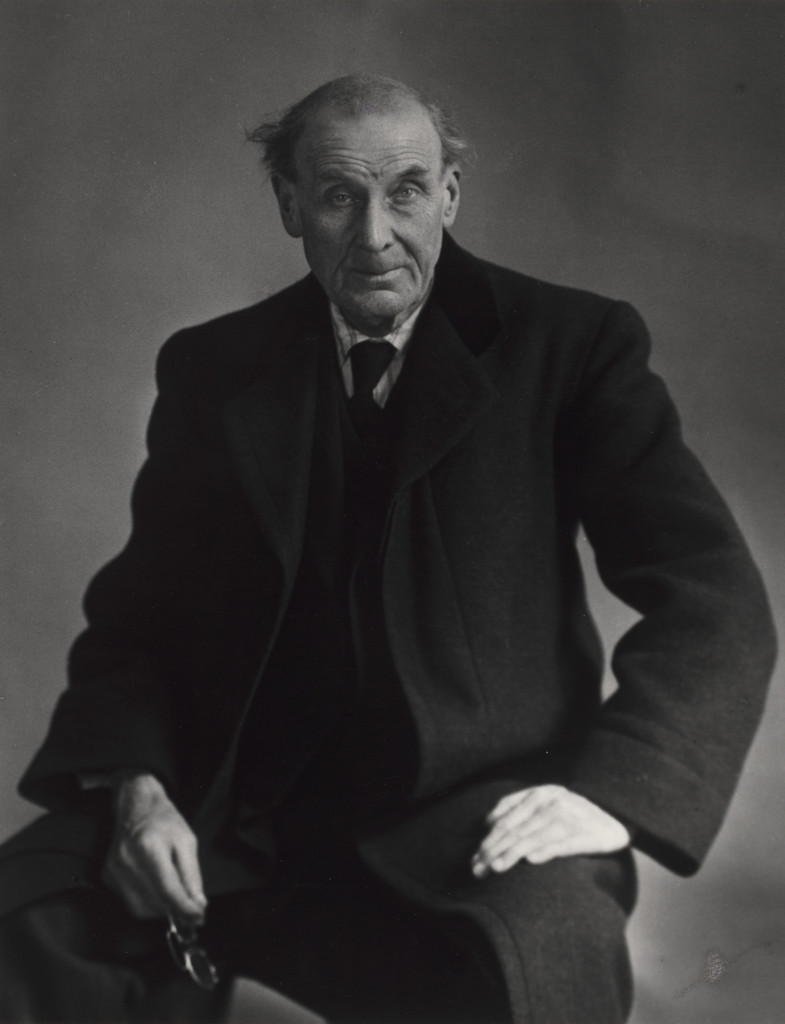
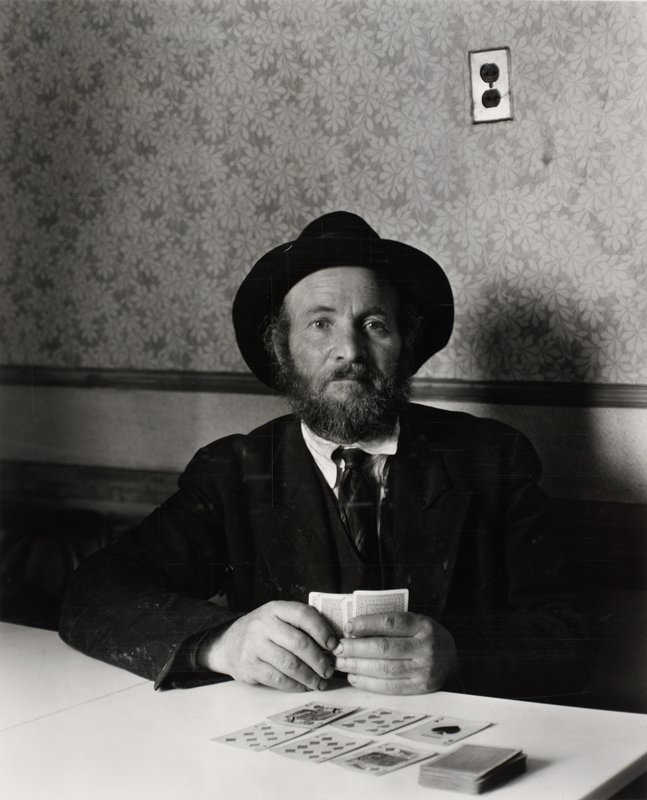
  3. East Side Portrait
East Side Portrait, Berenice Abbott, May 3, 1938
Berenice Abbott, retratoBerenice AbbottEstados Unidos, 1898–1991

East Side Portrait

May 3, 1938 · Photograph · 58.9 × 47.63 cm

¿Se puede contemplar?

Por ahora no recibe

Instituto de Artes de Mineápolis

Minneapolis, Estados Unidos

Pertenece a la colección, pero ahora mismo no está expuesta.

Comprobado
hace 9 días
En este estado desde
25 sept 2026
Fuente
El museo
En el mapaPágina del museo

Ficha

May 3, 1938 · a los 40 años
18981991
Número de inventario
86.108.29

En el catálogo

FotografíaGelatina de plataModernismoSiglo XXEstados Unidos

Fuentes

  • Instituto de Artes de Mineápolis
  • Imagen: Instituto de Artes de Mineápolis — © Berenice Abbott

Mientras tanto, en la vida de Berenice Abbott

La vida entera
  1. 1930s

    The idea behind “Changing New York”

    Her project is primarily a sociological study embedded within modernist aesthetic practices, meant to show the interaction between the city’s diverse people, the places where they live, work and play, and their daily activities. Lewis Mumford’s historical writings of the early 1930s strongly influence her, and buildings of the “paleotechnic era” often look downright menacing in her photographs.

  2. 1937

    “Changing New York” exhibition at the Museum of the City of New York

    Her first exhibition in New York (other accounts place an exhibition at this museum as early as 1934) becomes her best-known project. The photographs depict the city’s physical transformation, including changes to its neighbourhoods and the replacement of low-rise buildings with skyscrapers.

  3. 19 de junio de 1937 – 12 de septiembre de 1937

    Took part in: foto '37

  4. 1939

    The book “Changing New York” is published

    The book, with captions by Elizabeth McCausland, is well received, but differs markedly from the one Abbott and McCausland first envisioned, especially in captions and sequencing; in 1973 it will be reissued as “New York in the 30’s”. Ralph Steiner writes in PM that her work is the greatest collection of photographs of New York City ever made.

  5. early 1940s

    Develops “Super Sight”, the Abbott Process

    In the early 1940s she develops “Super Sight”, a form of macro photography also known as the Abbott Process. She invents photographic equipment and techniques as well.

  6. 1940s and 1950s

    Science photography away from the public eye

    She works away from the attention of the wider public: her main occupation is photographing physical and chemical processes, and to understand them better she takes chemistry courses. The scientific community greets her work with scepticism, and she believes she is a victim of sexism; other accounts say science photography occupied her until the 1960s.

Más obras de Berenice Abbott

Todas las obras
Jean Cocteau, Berenice Abbott, 1926, printed c. 1926 - 1936

Jean Cocteau

1926, printed c. 1926 - 1936 · No expuesta · Galería Nacional de Arte

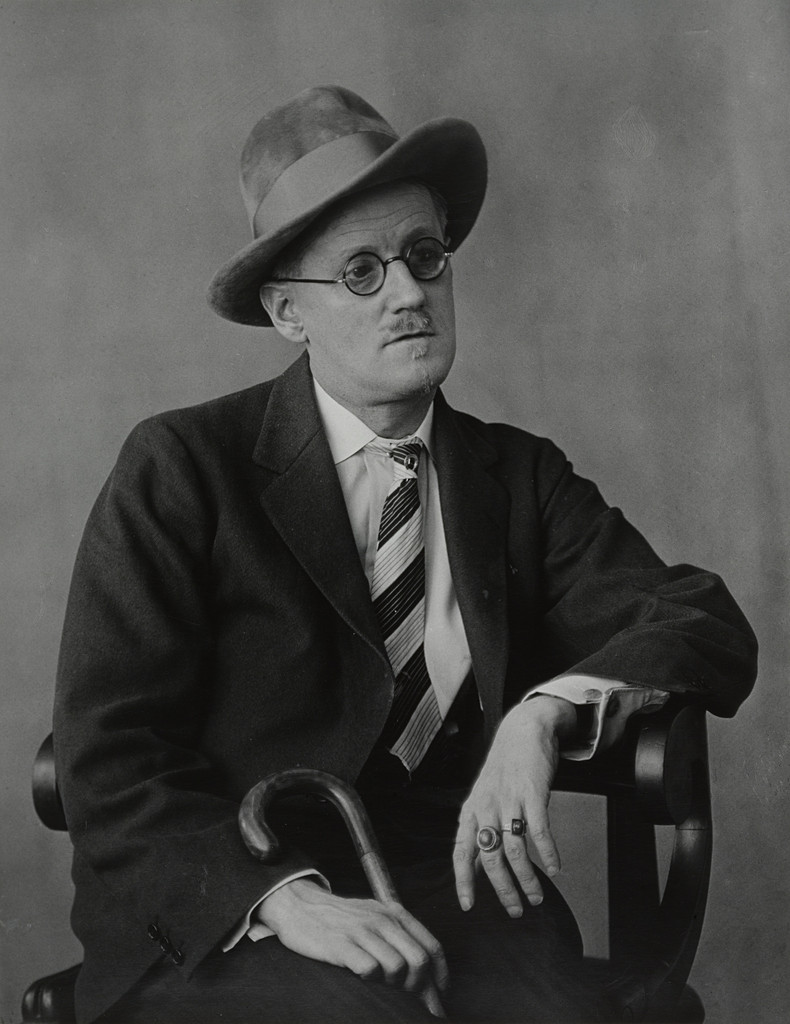
James Joyce, Berenice Abbott, 1926

James Joyce

1926 · No expuesta · MoMA

Eugene Atget, Berenice Abbott, 1927

Eugene Atget

1927 · No expuesta · MoMA

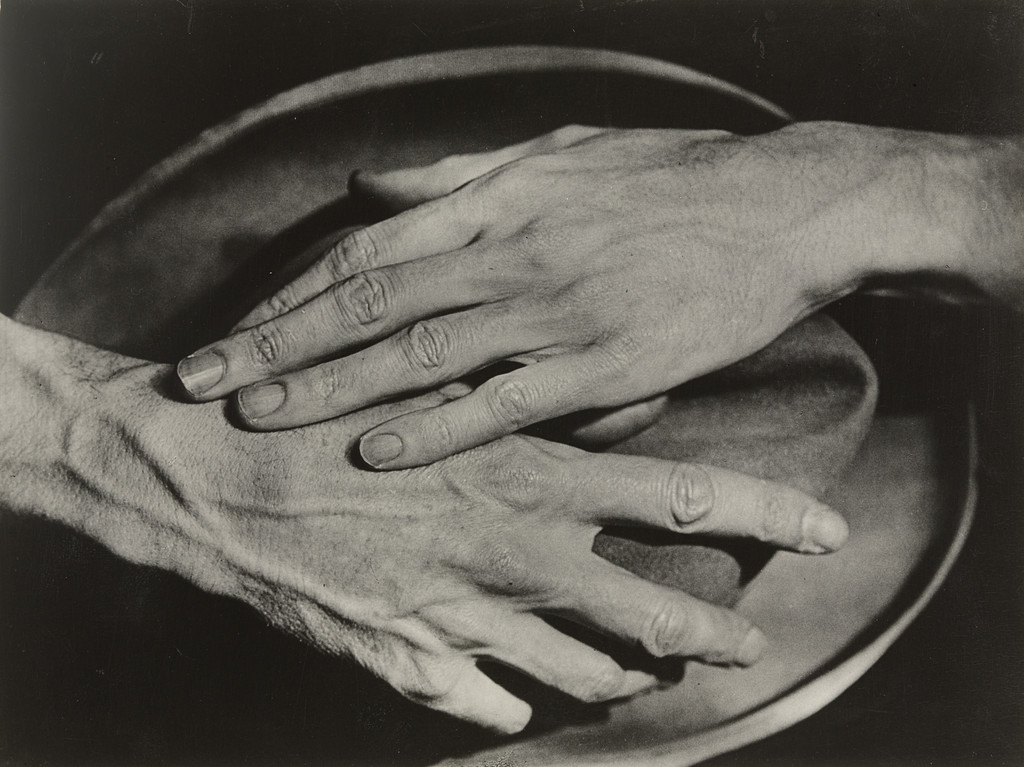
Hands of Jean Cocteau, Berenice Abbott, 1927

Hands of Jean Cocteau

1927 · No expuesta · MoMA

James Joyce, Berenice Abbott, 1928

James Joyce

1928 · No expuesta · Galería Nacional de Arte

James Joyce, Berenice Abbott, 1928

James Joyce

1928 · No expuesta · MoMA

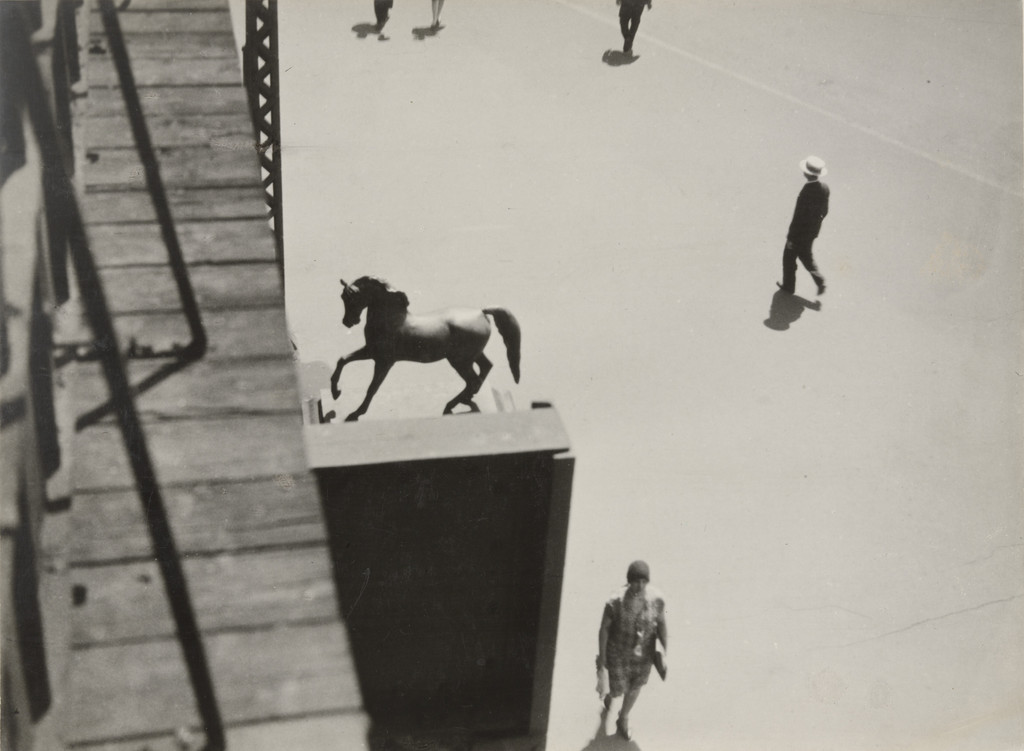
El at Columbus Avenue and Broadway, Berenice Abbott, 1929

El at Columbus Avenue and Broadway

1929 · No expuesta · MoMA

New York 7, Holland Transportation Company, Berenice Abbott, c. 1930s

New York 7, Holland Transportation Company

c. 1930s · No expuesta · Galería Nacional de Arte

Bajo el mismo techo: Instituto de Artes de Mineápolis

Página del museo
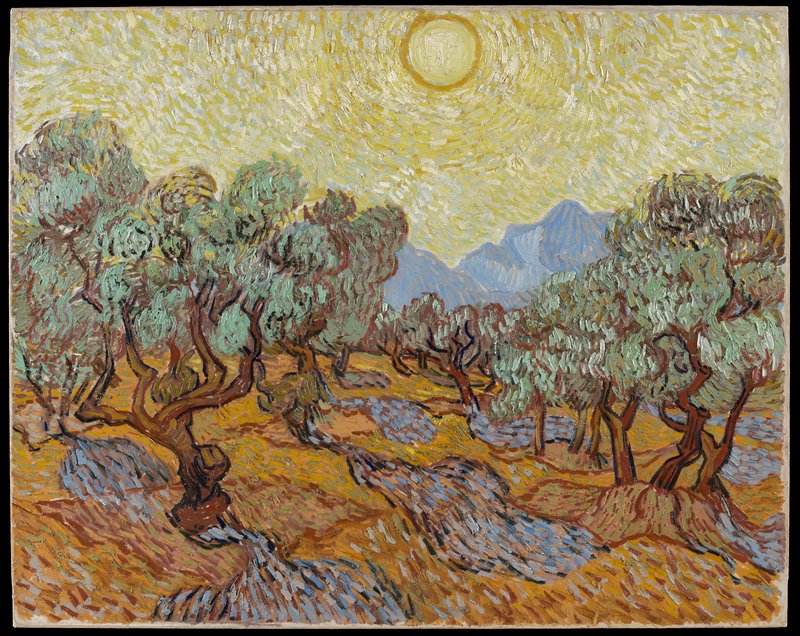
Olive Trees, Vincent van Gogh, 1889

Vincent van Gogh

Olive Trees, 1889

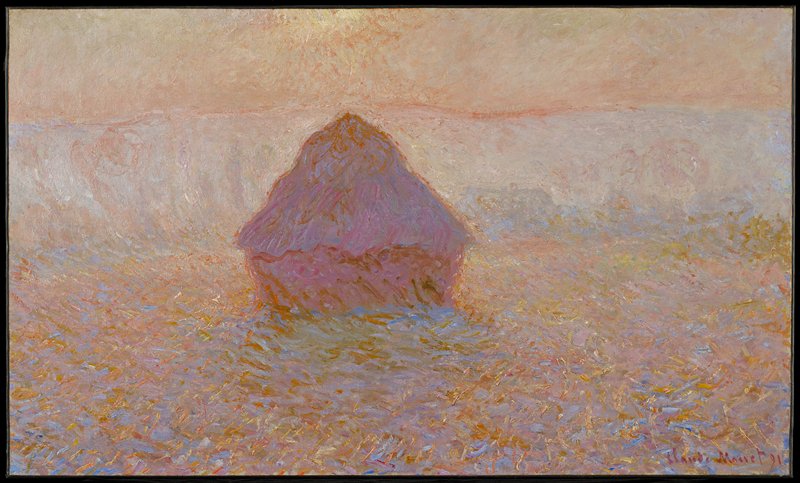
Grainstack, Sun in the Mist, Claude Monet, 1891

Claude Monet

Grainstack, Sun in the Mist, 1891

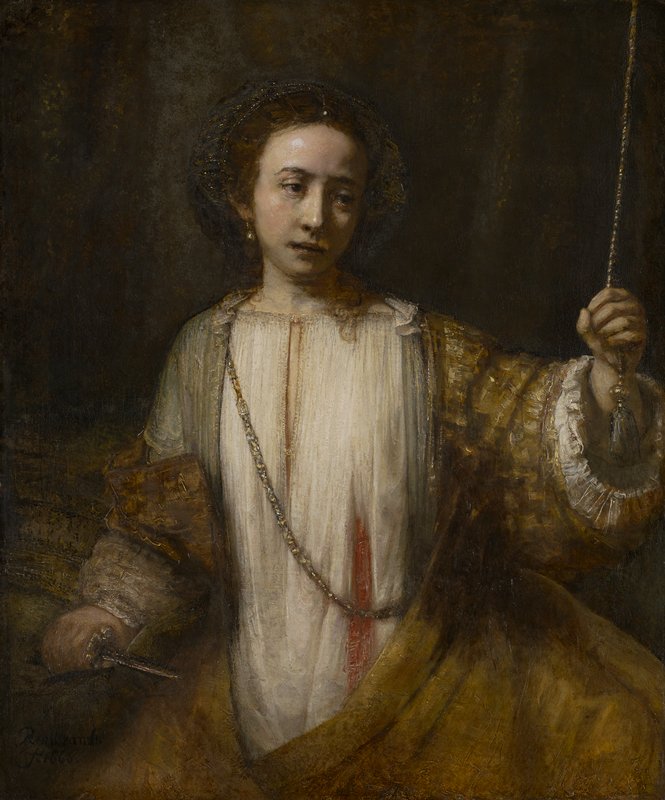
Lucretia, Rembrandt van Rijn, 1666

Rembrandt van Rijn

Lucretia, 1666

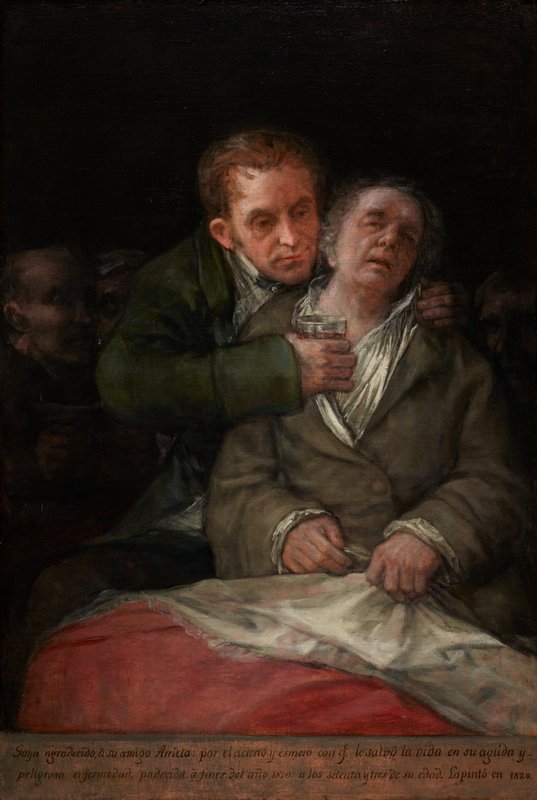
Self-Portrait with Dr. Arrieta, Francisco José de Goya y Lucientes, 1820

Francisco de Goya

Goya atendido por el doctor Arrieta, 1820

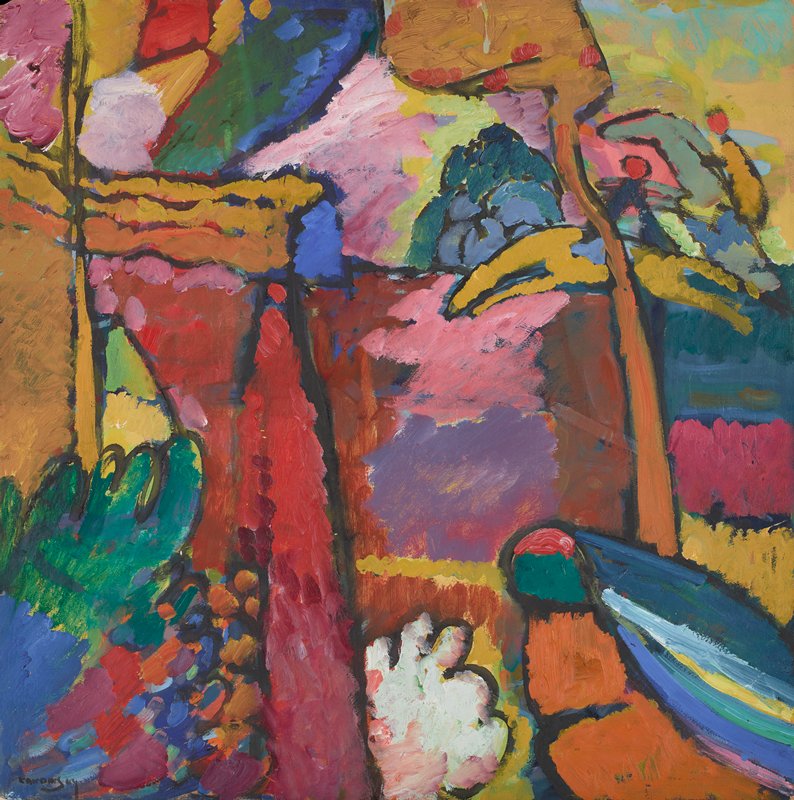
Study for Improvisation V, Vassily Kandinsky, 1910

Vasily Kandinsky

Study for Improvisation V, 1910

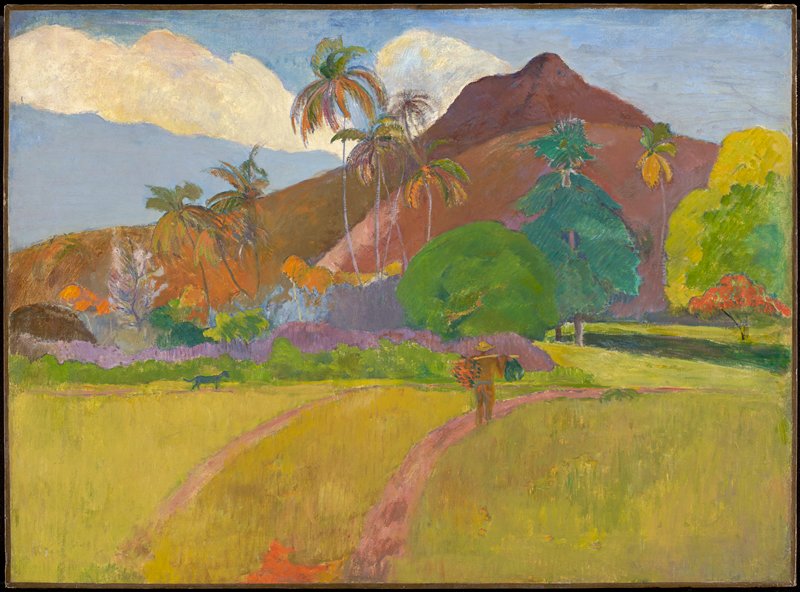
Tahitian Landscape, Paul Gauguin, 1891

Paul Gauguin

Tahitian Landscape, 1891

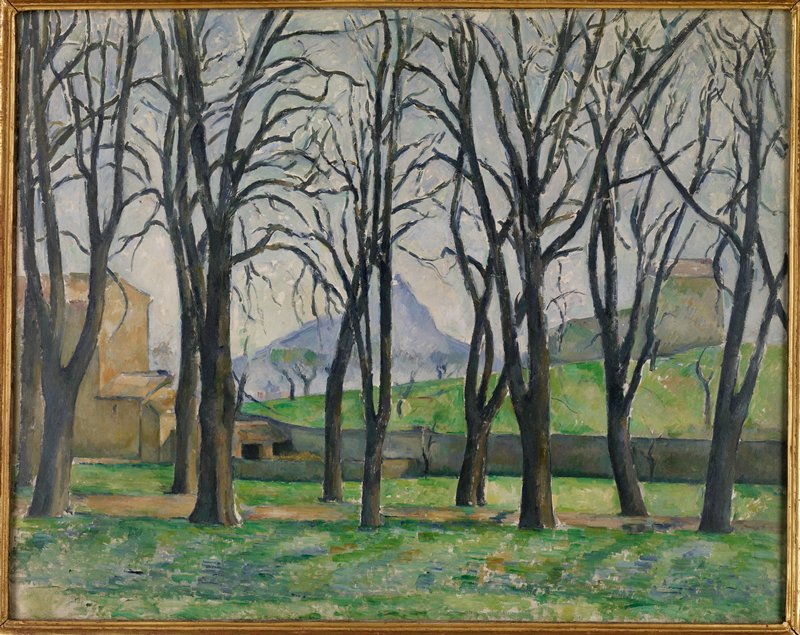
Chestnut Trees at Jas de Bouffan, Paul Cézanne, c. 1885–86

Paul Cézanne

Chestnut Trees at Jas de Bouffan, c. 1885–86

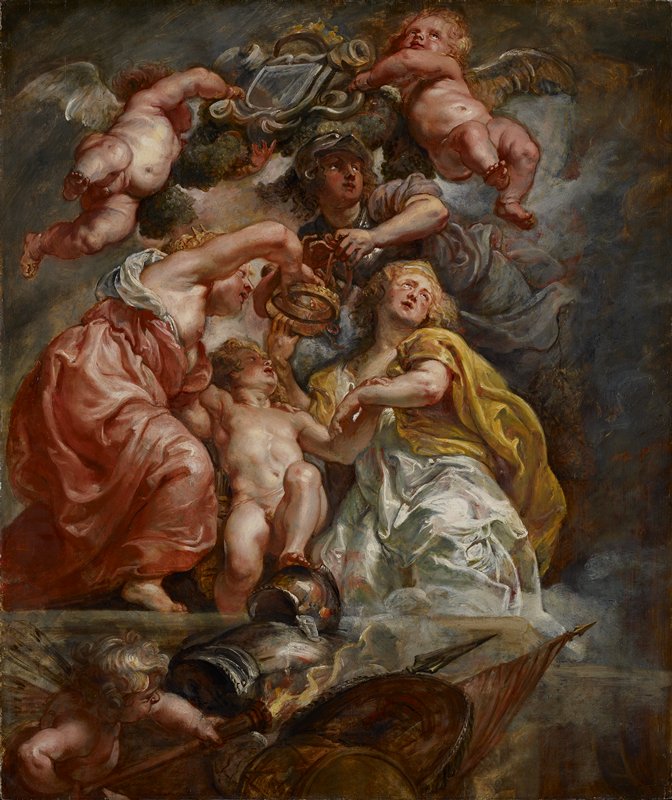
The Union of England and Scotland (Charles I as the Prince of Wales), Peter Paul Rubens, 1633–34

Peter Paul Rubens

The Union of England and Scotland (Charles I as the Prince of Wales), 1633–34