ART WIKI32.963 en sala
MapaColecciónArtistasMuseosExposicionesRevista
Acceder

ART WIKI

Dónde cuelga la obra maestra y cuándo le dejan pasar.

Colecciones: Galería Nacional de Arte, Galería Nacional de Dinamarca, Galería Nacional de Retratos, Galería Tretiakov, Harvard Art Museums, Instituto de Arte de Chicago, Instituto de Artes de Mineápolis, MoMA, Museo de Arte de Cleveland, Museo de Victoria y Alberto, Museo del Hermitage, Museo del Louvre, Museo Estatal Ruso, Museo Hirshhorn y Jardín de Esculturas, Museo J. Paul Getty, Museo Metropolitano de Arte, Museo Pushkin, Museo Smithsoniano de Arte Americano, Museo Whitney de Arte Estadounidense, National Museum of Asian Art, Rijksmuseum, Villa Getty, Catálogo Estatal del Fondo Museístico de Rusia (274 museos), Europeana (19 museos), Wikidata (6 museos), Paris Musées (12 museos) y Joconde, la base de museos del Ministerio de Cultura de Francia (495 museos). Las imágenes pertenecen a sus titulares de derechos.

Secciones

  • Mapa
  • Búsqueda
  • Colección
  • Obras maestras
  • Expuestas ahora
  • Artistas

Más

  • Museos y galerías
  • Exposiciones
  • Revista
  • De dónde salen los datos
  • Privacidad y cookies
InicioMapaCatálogo
  1. Colección/
  2. Museo Palacio de Arte de Düsseldorf/
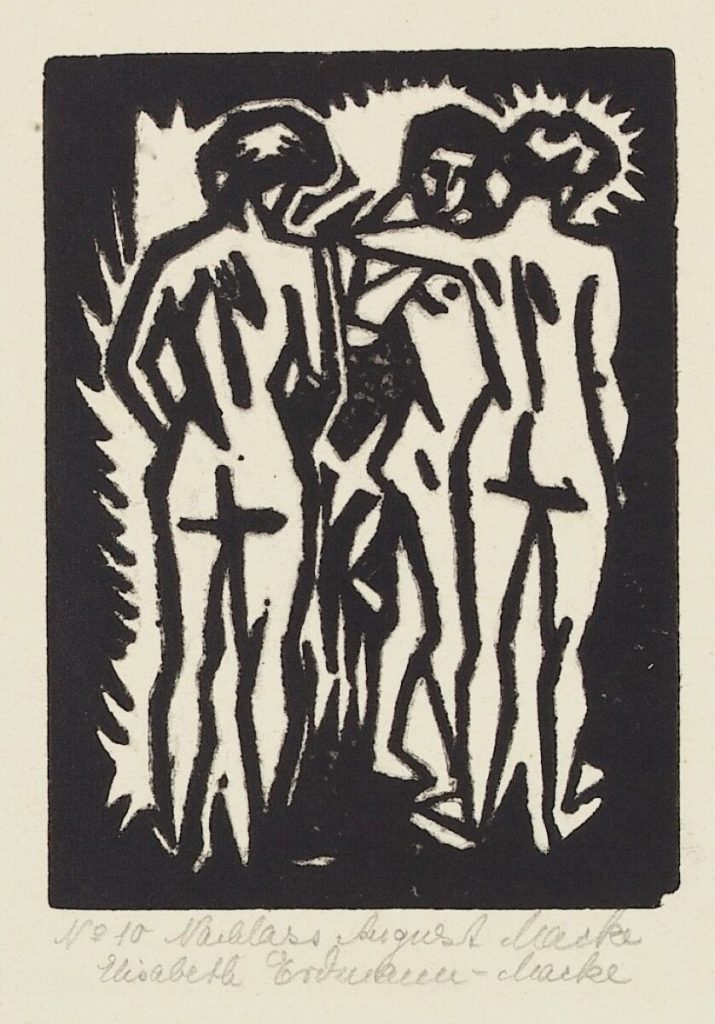
  3. Drei weibliche Akte
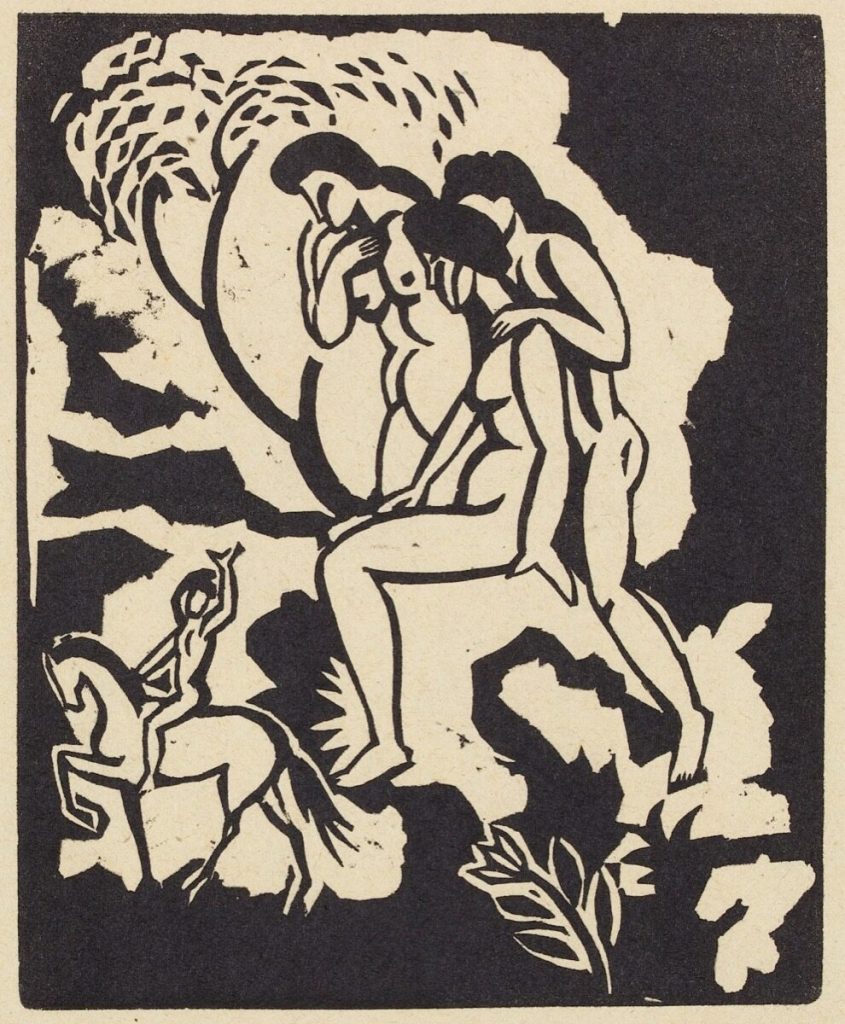
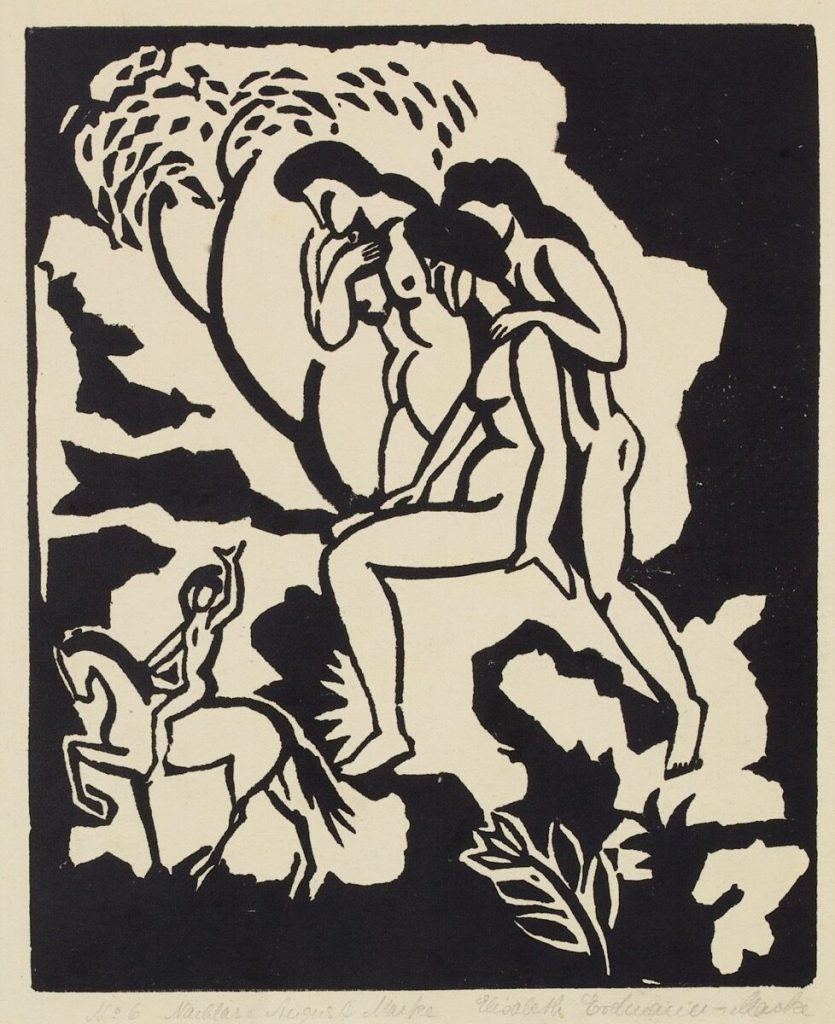
Drei weibliche Akte, August Macke, 1902–1914
August Macke, retratoAugust MackeAlemania, 1887–1914

Drei weibliche Akte

1902–1914 · Print

¿Se puede contemplar?

Se desconoce

Museo Palacio de Arte de Düsseldorf

Düsseldorf, Alemania

Se conoce el propietario; no se sabe si hoy está expuesta.

En este estado desde
27 sept 2026
Fuente
El museo
En el mapaPágina del museo

Ficha

1902–1914
18871914

En el catálogo

EstampasImpresionismoModernismoSiglo XX

Fuentes

  • Museo Palacio de Arte de Düsseldorf
  • Imagen: Museo Palacio de Arte de Düsseldorf — In Copyright

Mientras tanto, en la vida de August Macke

La vida entera
  1. until summer 1904

    Deciding to be an artist against his father’s wishes

    August resolves to become an artist, but his gravely ill father is against it: he thinks the chosen profession cannot guarantee his son a stable income. August gets his way with the help of the father of his school friend Alfred Schütte and of Paul Clemen, then professor of art history at Bonn University, who has seen his work.

  2. spring 1907

    Farewell to Böcklin: Meier-Graefe’s book on the Impressionists

    In spring 1907 Macke stays in Kandern with the sculptor Claus Zito and travels with him to Basel for exhibitions, where he buys the art historian Julius Meier-Graefe’s book on the French Impressionists, then almost unknown in Germany. His manner changes: he writes to Elisabeth that he cannot understand how he could depend for so long on the “sensual painting of Böcklin and Thoma”, and that he is freeing himself from them for good.

  3. April 1914

    Tunisia with Klee and Moilliet: landmark watercolours

    In April 1914 Macke makes a two-week trip to Tunisia with Paul Klee and Klee’s school friend, the painter Louis Moilliet, and brings back a large number of landmark watercolours. The exotic atmosphere of Tunisia becomes fundamental to the luminist approach of his final period; the sketches and photographs will serve as material for “Tunisian Landscape”, “Landscape with Cows and a Camel” and other works, but Macke will not manage to use them fully.

  4. 8 August 1914

    Mobilisation: to the front as a reservist

    Almost immediately after the outbreak of the First World War, on 8 August 1914, Macke, a reservist, is called up for the front. Far, as Elisabeth wrote years later, from the “hurrah-patriotism” that seized many, he nevertheless considers it his duty to go; in his letters from the front he describes the horror and cruelty of the war.

  5. 26 September 1914

    Killed in battle at twenty-seven

    On the morning of 26 September 1914 Macke is killed in battle in Champagne at the age of 27; his remains are not found, and his name appears among those of other dead on a gravestone at the military cemetery at Souain (other accounts say he is buried in the German military cemetery at Souain-Perthes-lès-Hurlus). In one of his last letters he remarks that only the steadfastness of the defenders of the Western Front will spare Germany the devastation by war that the front-line regions of France have suffered.

  6. 26 de septiembre de 1914

    Died

Más obras de August Macke

Todas las obras
People by the Blue Lake, August Macke, 1913

People by the Blue Lake

1913 · Galería Nacional de Arte

Begrüssung (Greeting), August Macke

Begrüssung (Greeting)

No expuesta · Galería Nacional de Arte

Composition (3 Nudes) [Komposition (3 Akte)] (plate, preceding p. 79) from the periodical Das Kunstblatt, vol. 2, no. 4 (Apr 1918), August Macke, 1918 (executed 1912)

Composition (3 Nudes) [Komposition (3 Akte)] (plate, preceding p. 79) from the periodical Das Kunstblatt, vol. 2, no. 4 (Apr 1918)

1918 (executed 1912) · No expuesta · MoMA

Die Begrüßung, August Macke, 1912

Die Begrüßung

1912 · Museo Palacio de Arte de Düsseldorf

Drei Mädchen und ein Reiter, August Macke, 1912

Drei Mädchen und ein Reiter

1912 · Albertina

Begrüßung, August Macke, 1912

Begrüßung

1912 · Museo Palacio de Arte de Düsseldorf

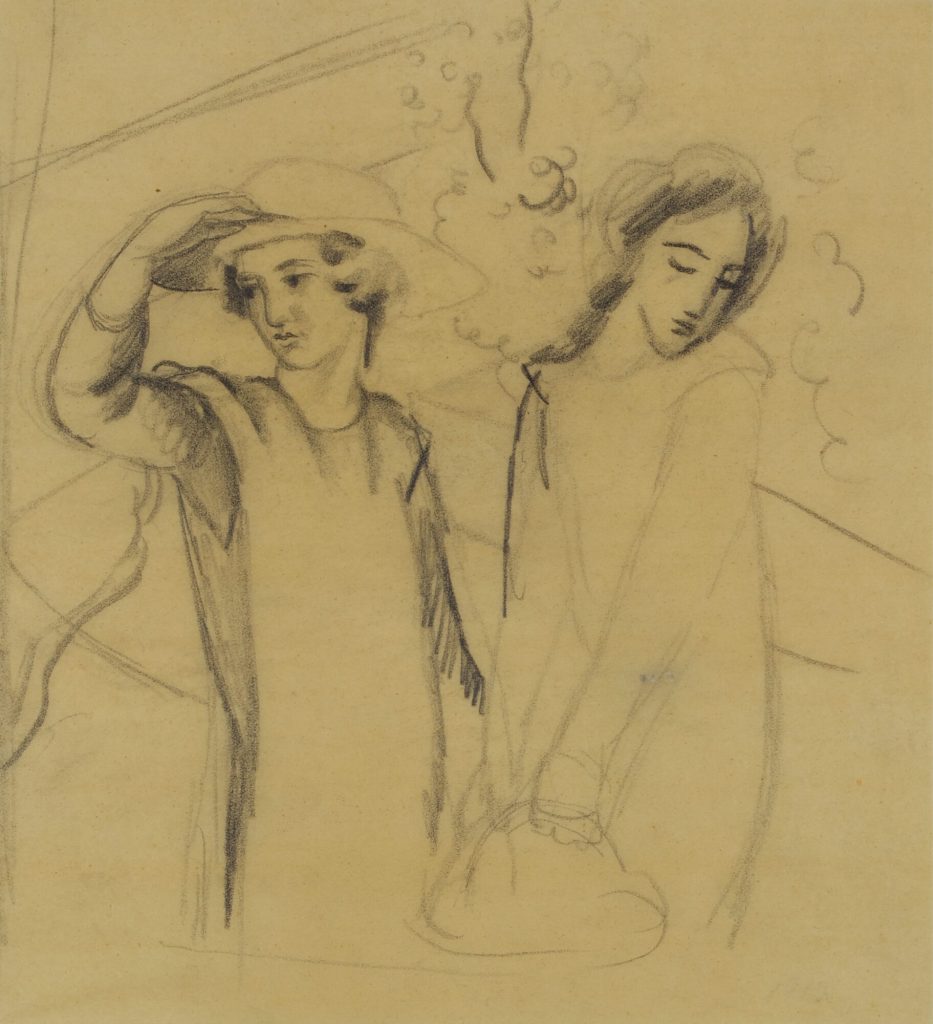
Zwei Mädchen mit Korb, August Macke, 1912

Zwei Mädchen mit Korb

1912 · Museo Palacio de Arte de Düsseldorf

Drei Mädchen und ein Reiter, August Macke, 1912

Drei Mädchen und ein Reiter

1912 · Albertina

De la colección: Museo Palacio de Arte de Düsseldorf

Página del museo
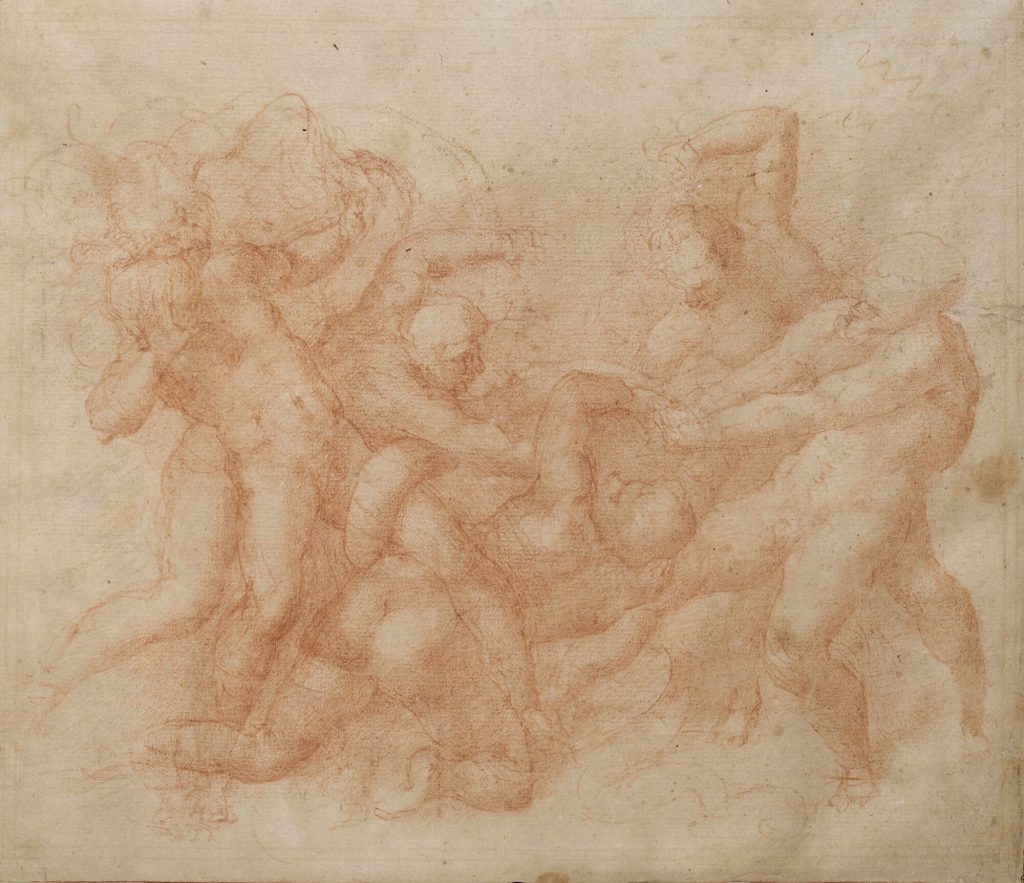
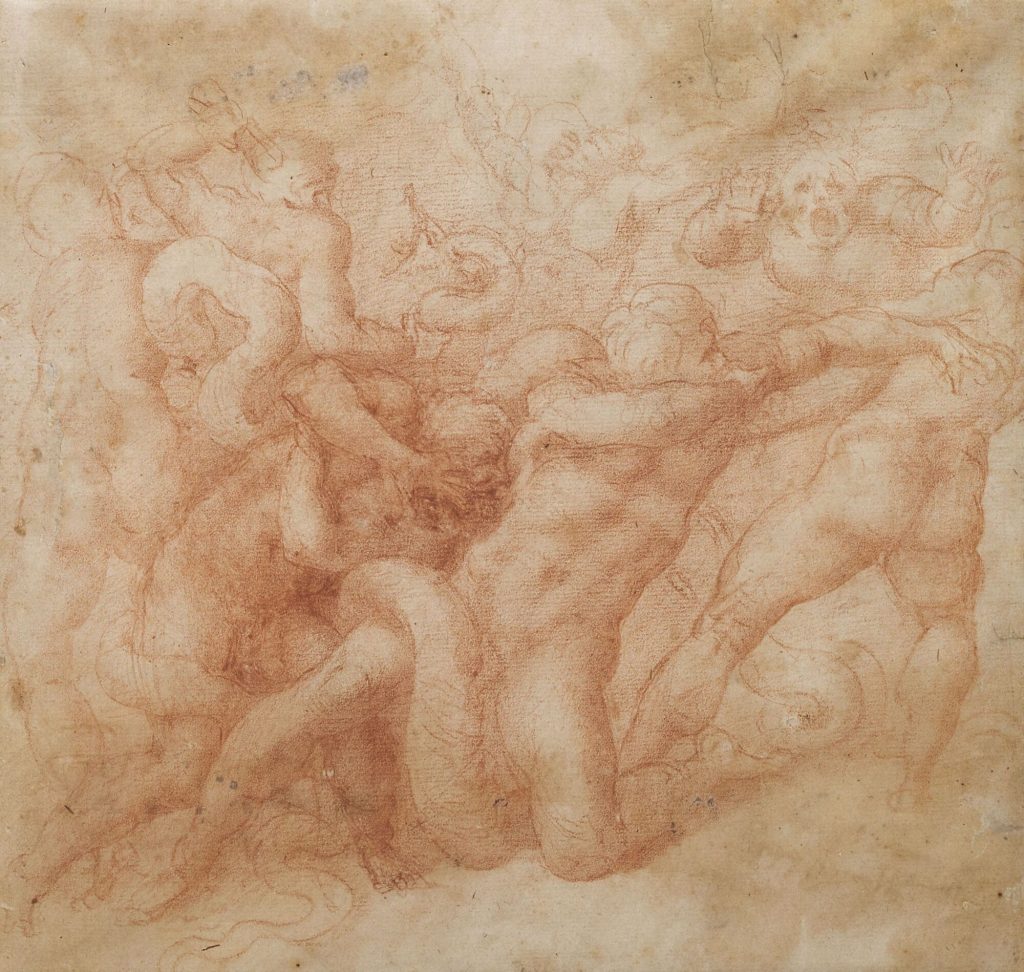
Männer im Kampf mit einer Schlange, Michelangelo, 1525–1535

Michelangelo

Männer im Kampf mit einer Schlange, 1525–1535

Die Eherne Schlange, Michelangelo, 1525–1535

Michelangelo

Die Eherne Schlange, 1525–1535

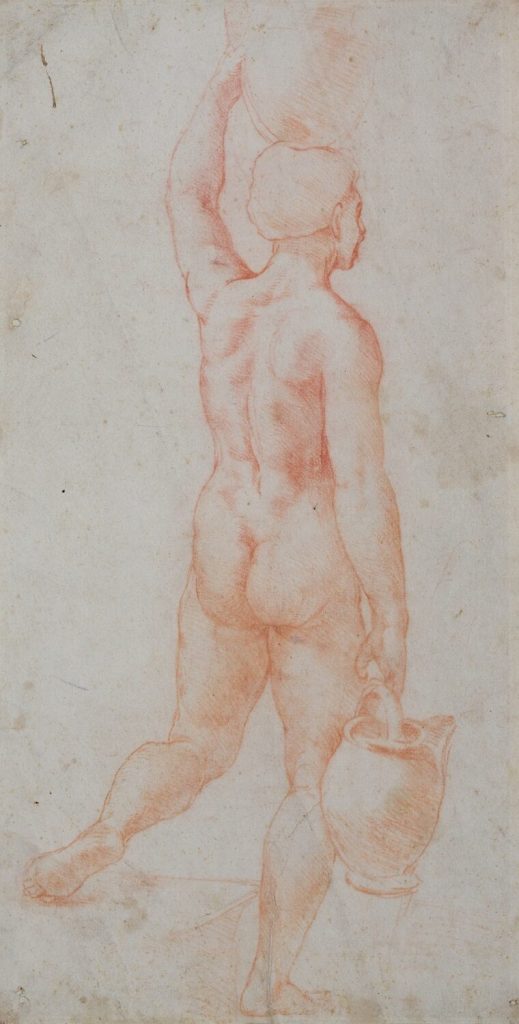
Wasserträgerin, Raphael

Raphael

Wasserträgerin

Acht sitzende Bischöfe, Raphael

Raphael

Acht sitzende Bischöfe

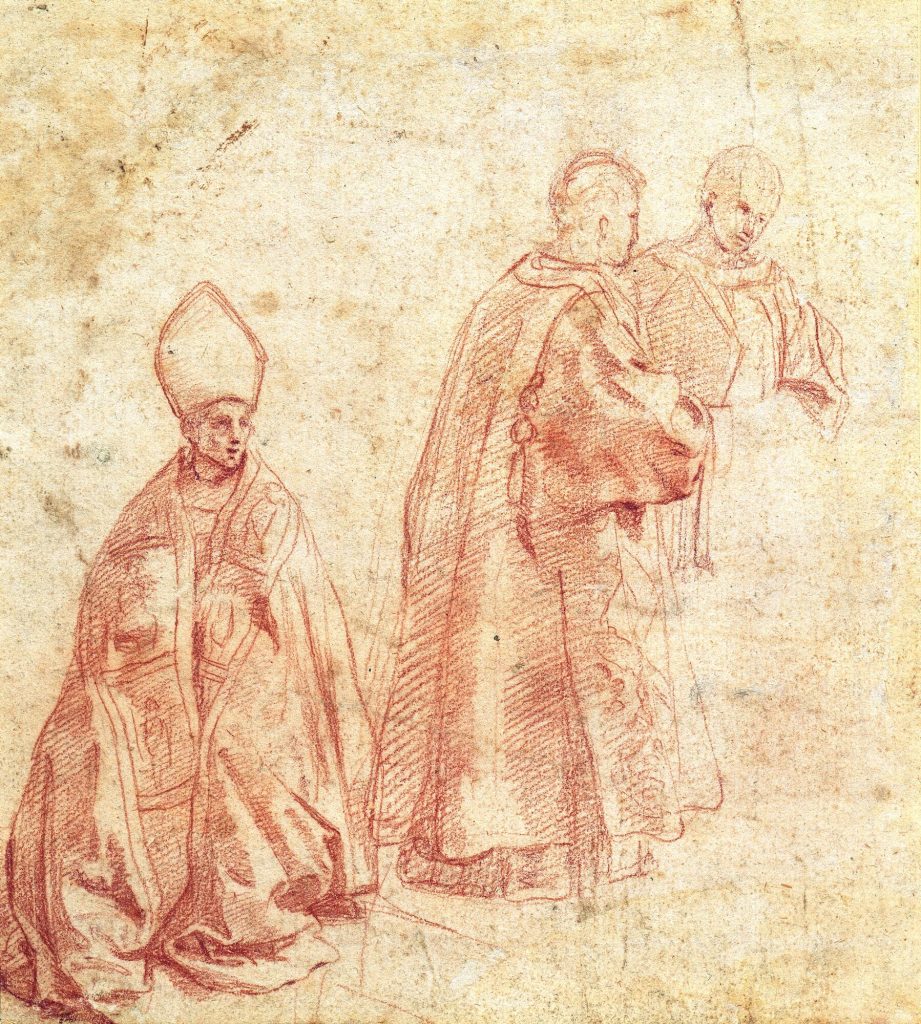
Studie eines knieenden Kardinalbischofs und zweier Kardinaldiakone, Raphael

Raphael

Studie eines knieenden Kardinalbischofs und zweier Kardinaldiakone

Dame im Morgengewande, Gustav Klimt, 1896

Gustav Klimt

Dame im Morgengewande, 1896

Liegende nackte Frau ("La Negresse Couché"), Rembrandt, 1658

Rembrandt van Rijn

Liegende nackte Frau ("La Negresse Couché"), 1658

Liegende nackte Frau ("La Negresse Couché"), Rembrandt, 1658

Rembrandt van Rijn

Liegende nackte Frau ("La Negresse Couché"), 1658