
 Baldassare PeruzziItalia, 1481–1536
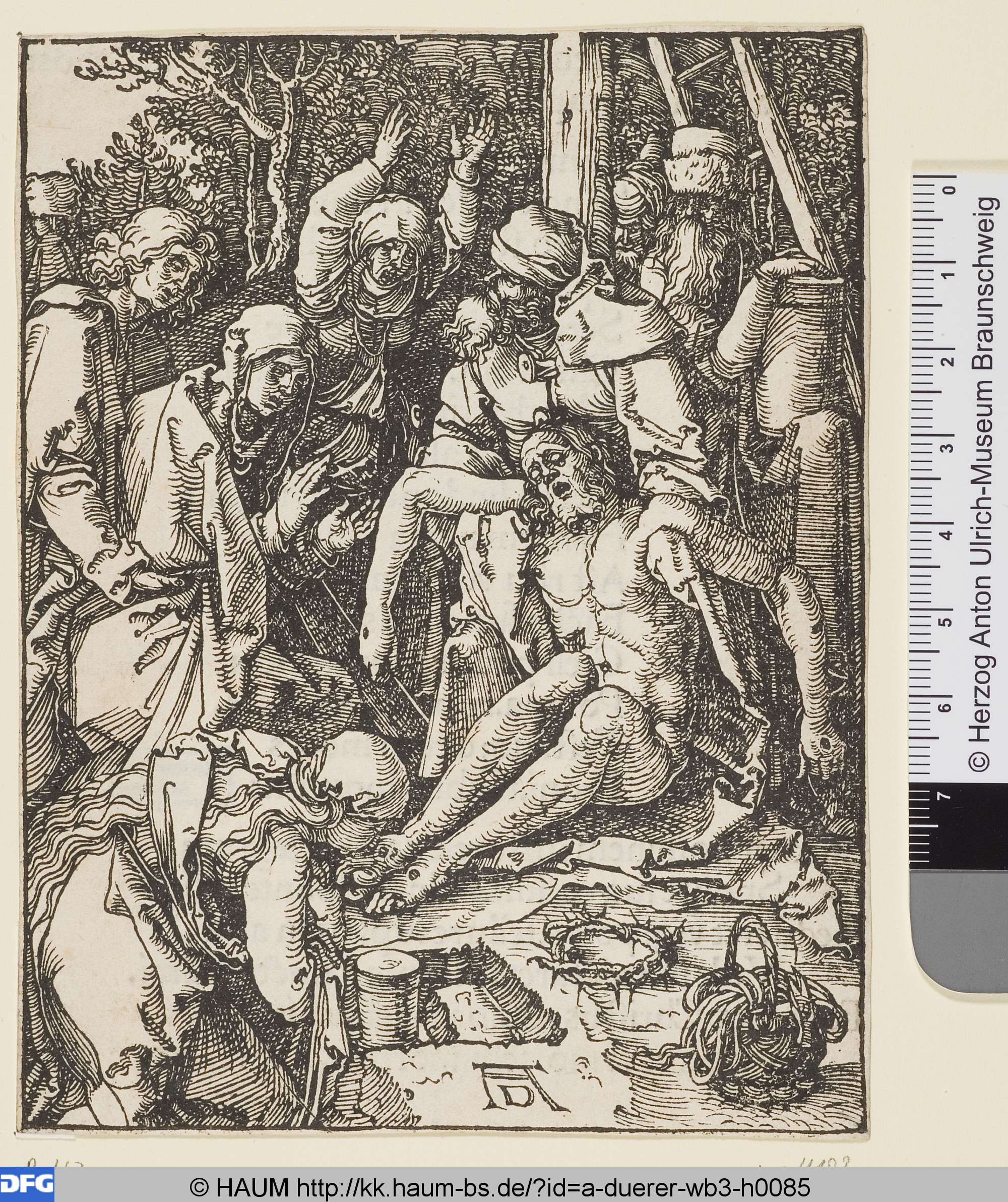
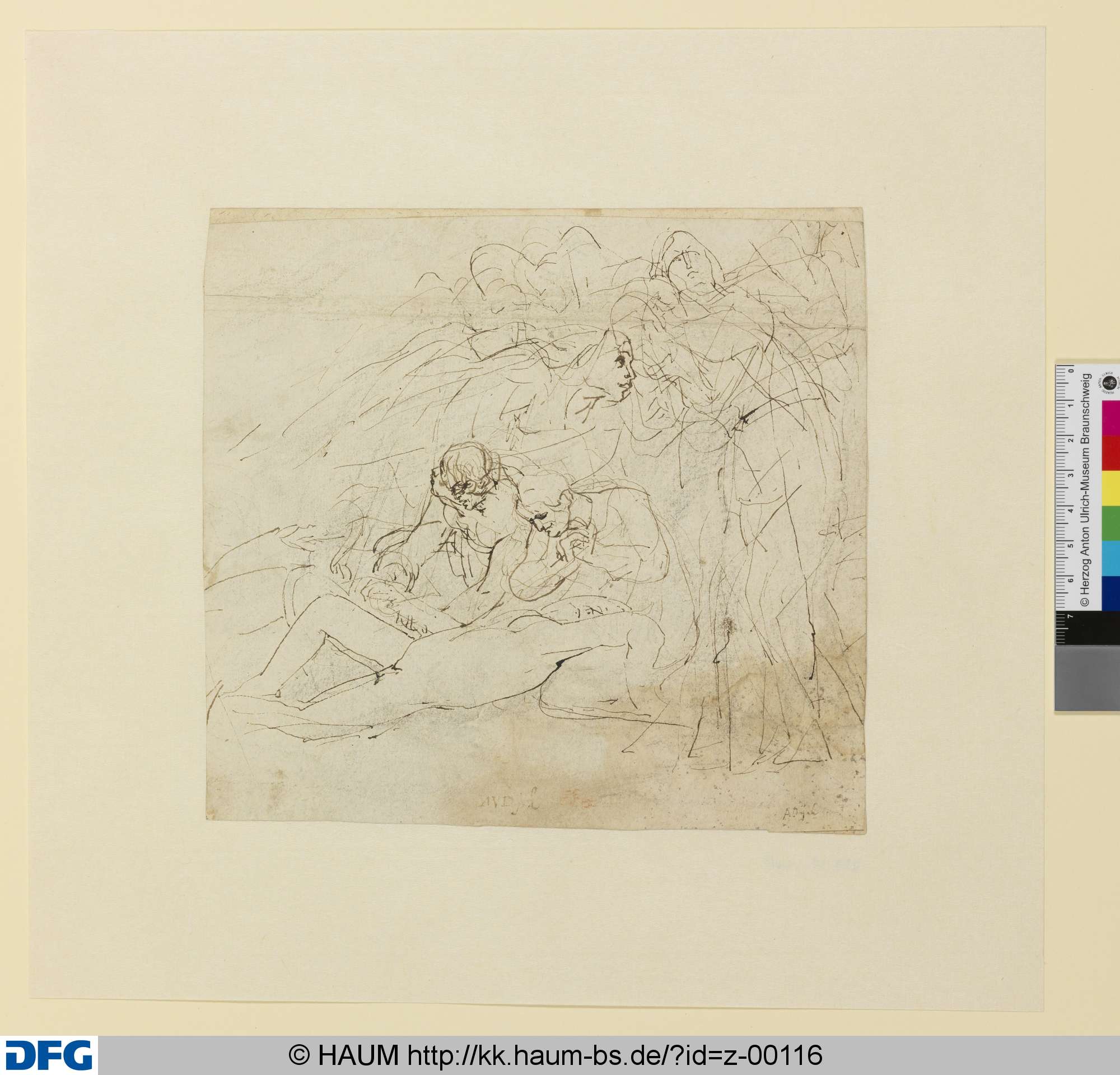
Die Beweinung Christi
¿Se puede contemplar?
Se desconoce

Brunswick, Alemania
Se conoce el propietario; no se sabe si hoy está expuesta.
- En este estado desde
- Fuente
- El museo
Ficha
Lo que muestra
En el catálogo
Fuentes
- Museo Herzog Anton Ulrich
- Imagen: Museo Herzog Anton Ulrich — CC BY-NC-SA 4.0
Mientras tanto, en la vida de Baldassare Peruzzi
La vida entera1501–1503 · Lugar de trabajo
Siena
1503
Moving to Rome for good
Encouraged by his powerful fellow countryman, the papal banker Agostino Chigi, he moves permanently to Rome. There he devotes himself to the study of ancient monuments, making many drawings of architectural ruins and fragments of reliefs; he intended to use this material for a book on the antiquities of Rome and a commentary on Vitruvius, but the plan was never carried out.
1503–1527 · Lugar de trabajo
Rome
1520
After Raphael's death: Sant'Eligio and St Peter's
After Raphael's death he takes his place on the building of the church of Sant'Eligio degli Orefici. Together with Antonio da Sangallo the Younger he also leads the continuing construction of St Peter's.
1527
The Sack of Rome: captured by the Spaniards and ransomed
During the terrible Sack of Rome in 1527 he is taken prisoner by the Spaniards but, after paying a ransom, wins his freedom.
6 January 1536
Death in Rome
According to Vasari, he dies in extreme poverty, with a large family to support, and may have been poisoned by professional rivals. He is probably buried in the Pantheon, near Raphael; his monument stands in the church of Santa Maria sopra Minerva. His son Giovanni Sallustio became an architect too, and Onorio, who learned painting from his father, became a Dominican priest.








![[Beweinung Christi], Nicolas Poussin, 1650–1700](https://diglib.hab.de/varia/haum/poussin-n-nach-ab2-0013/max/000001.jpg)
![HUMANI GENERIS REDEMPTORI [Grablegung], Andrea Mantegna, 1460–1470](https://diglib.hab.de/varia/haum/a-mantegna-ab3-0001/max/000001.jpg)