ART WIKI32.979 en sala
MapaColecciónArtistasMuseosExposicionesRevista
Acceder

ART WIKI

Dónde cuelga la obra maestra y cuándo le dejan pasar.

Colecciones: Galería Nacional de Arte, Galería Nacional de Dinamarca, Galería Nacional de Retratos, Galería Tretiakov, Harvard Art Museums, Instituto de Arte de Chicago, Instituto de Artes de Mineápolis, MoMA, Museo de Arte de Cleveland, Museo de Victoria y Alberto, Museo del Hermitage, Museo del Louvre, Museo Estatal Ruso, Museo Hirshhorn y Jardín de Esculturas, Museo J. Paul Getty, Museo Metropolitano de Arte, Museo Pushkin, Museo Smithsoniano de Arte Americano, Museo Whitney de Arte Estadounidense, National Museum of Asian Art, Rijksmuseum, Villa Getty, Catálogo Estatal del Fondo Museístico de Rusia (274 museos), Europeana (19 museos), Wikidata (6 museos), Paris Musées (12 museos) y Joconde, la base de museos del Ministerio de Cultura de Francia (495 museos). Las imágenes pertenecen a sus titulares de derechos.

Secciones

  • Mapa
  • Búsqueda
  • Colección
  • Obras maestras
  • Expuestas ahora
  • Artistas

Más

  • Museos y galerías
  • Exposiciones
  • Revista
  • De dónde salen los datos
  • Privacidad y cookies
InicioMapaCatálogo
  1. Colección/
  2. Kupferstich-Kabinett/
  3. Der spanische Sänger
Der spanische Sänger, Édouard Manet, 1861
Édouard Manet, retratoÉdouard ManetFrancia, 1832–1883

Der spanische Sänger

1861 · Print

¿Se puede contemplar?

Se desconoce

Kupferstich-Kabinett

Dresde, Alemania

Se conoce el propietario; no se sabe si hoy está expuesta.

En este estado desde
27 sept 2026
Fuente
El museo
En el mapaPágina del museo

Ficha

1861 · a los 29 años
18321883

En el catálogo

EstampasRealismoImpresionismoSiglo XIX

Fuentes

  • Kupferstich-Kabinett
  • Imagen: Kupferstich-Kabinett — In Copyright

Mientras tanto, en la vida de Édouard Manet

La vida entera
  1. 1859

    “The Absinthe Drinker” rejected; a final break with Couture

    In 1859 Manet decided that his education was complete and submitted “The Absinthe Drinker” to the Salon; Couture reacted negatively and Manet finally broke with his teacher. The Salon jury rejected the painting: only Delacroix voted for it, while Couture voted against.

  2. 1861

    His first participation in the Salon

    In 1861 the Salon accepted two canvases by Manet: “Portrait of Monsieur and Madame Manet” and “The Spanish Singer”. Critics received the portrait coldly, while “The Spanish Singer” was admired by Théophile Gautier and, because of its popularity, hung in a more conspicuous place; the work intrigued young artists and brought new business to his studio.

  3. 1862

    “Music in the Tuileries”: the fury of the public

    In 1862 Manet exhibited “Music in the Tuileries” (probably painted in 1860), where the strollers include the poet Baudelaire, the musician Offenbach and the artist himself. It mostly provoked fury: the thick brushstrokes looked crude and unfinished, several visitors threatened to destroy the canvas; Delacroix defended it, and the controversy made Manet a well-known name in Paris.

  4. 1863

    “The Luncheon on the Grass” at the Salon des Refusés

    The Salon of 1863 rejected “The Luncheon on the Grass” (originally “Le Bain”), and Manet exhibited it at the Salon des Refusés, a parallel exhibition initiated by Napoleon III after a public outcry, the jury having accepted only 2,217 of more than 5,000 submissions. The juxtaposition of dressed men and a nude woman and the sketch-like handling caused a scandal; one critic compared the brushwork to a “floor mop”.

  5. 1863

    Marries Suzanne Leenhoff

    In 1863, a year after his father's death, Manet married Suzanne Leenhoff at a Protestant church: a Dutch-born piano teacher two years his senior with whom he had been romantically involved for about ten years. Auguste Manet had employed her to teach his sons the piano, and she may also have been Auguste's mistress.

  6. 1863

    Married: Suzanne Manet

Más obras de Édouard Manet

Todas las obras
The Spanish Singer, Edouard Manet, 1860

El cantante español

1860 · Museo Metropolitano de Arte

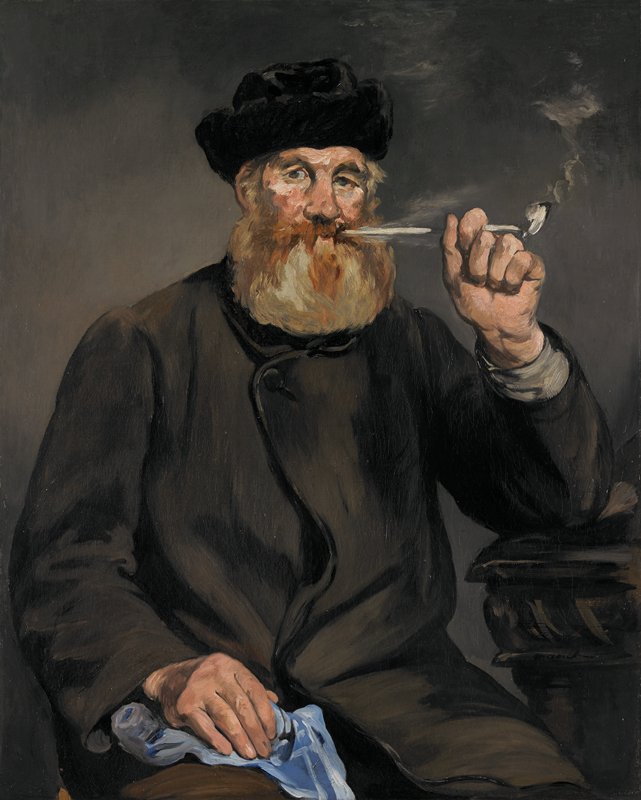
The Smoker, Édouard Manet, 1866

The Smoker

1866 · Instituto de Artes de Mineápolis

Young Lady in 1866, Edouard Manet, 1866

Young Lady in 1866

1866 · Museo Metropolitano de Arte

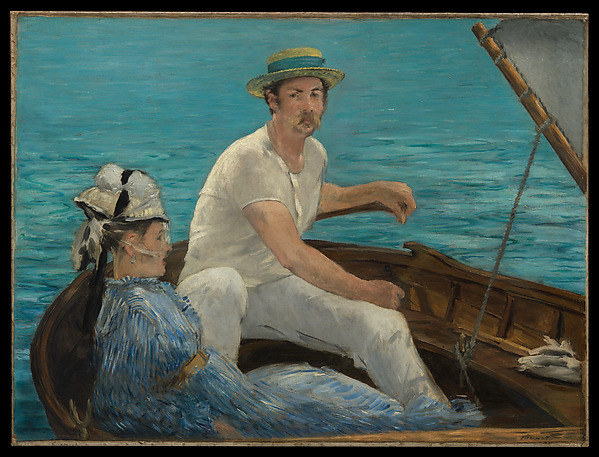
Boating, Edouard Manet, 1874

En un bote en Argenteuil

1874 · Museo Metropolitano de Arte

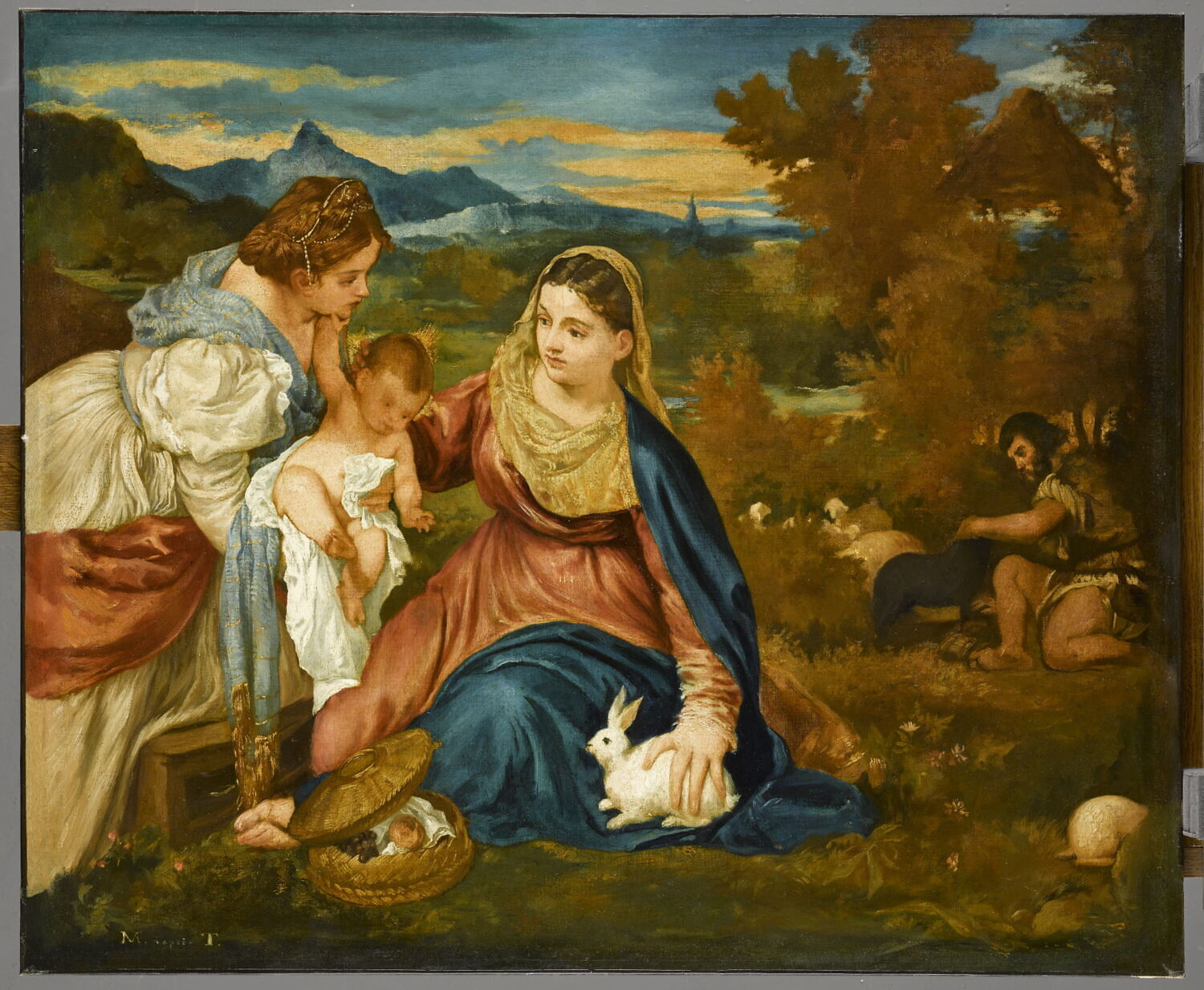
La Vierge au lapin, Manet, Édouard, Milieu du XIXe siècle (1840 - 1860)

La Vierge au lapin

Milieu du XIXe siècle (1840 - 1860) · Museo del Louvre

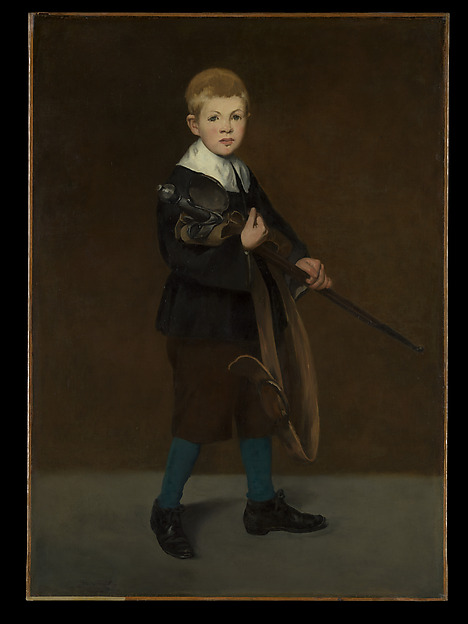
Boy with a Sword, Edouard Manet, 1861

Boy with a Sword

1861 · Museo Metropolitano de Arte

Portrait of Madame Brunet, Édouard Manet, about 1861–1863, reworked by 1867

Portrait of Madame Brunet

about 1861–1863, reworked by 1867 · Museo J. Paul Getty

The Old Musician, Edouard Manet, 1862

El viejo músico

1862 · Galería Nacional de Arte

De la colección: Kupferstich-Kabinett

Página del museo
Der Erzengel Michael, Raphael

Raphael

Der Erzengel Michael

Kopf einer jungen Frau mit Turban und Perlenkette, Raphael

Raphael

Kopf einer jungen Frau mit Turban und Perlenkette

Plakat: I. Kunstausstellung der Wiener Secession, Gustav Klimt, 1898

Gustav Klimt

Plakat: I. Kunstausstellung der Wiener Secession, 1898

Jan Antonides van der Linden, Professor der Medizin in Leiden, Rembrandt, 1665

Rembrandt van Rijn

Jan Antonides van der Linden, Professor der Medizin in Leiden, 1665

Jan Antonides van der Linden, Professor der Medizin in Leiden, Rembrandt, 1665

Rembrandt van Rijn

Jan Antonides van der Linden, Professor der Medizin in Leiden, 1665

Diana und Aktaion, Rembrandt, 1663–1665

Rembrandt van Rijn

Diana und Aktaion, 1663–1665

Petrus am Totenbett der Tabea, Rembrandt, 1662–1665

Rembrandt van Rijn

Petrus am Totenbett der Tabea, 1662–1665

Die Frau mit dem Pfeil (Venus und Cupido?), Rembrandt, 1661

Rembrandt van Rijn

Die Frau mit dem Pfeil (Venus und Cupido?), 1661