 Theo van DoesburgPaíses Bajos, 1883–1931
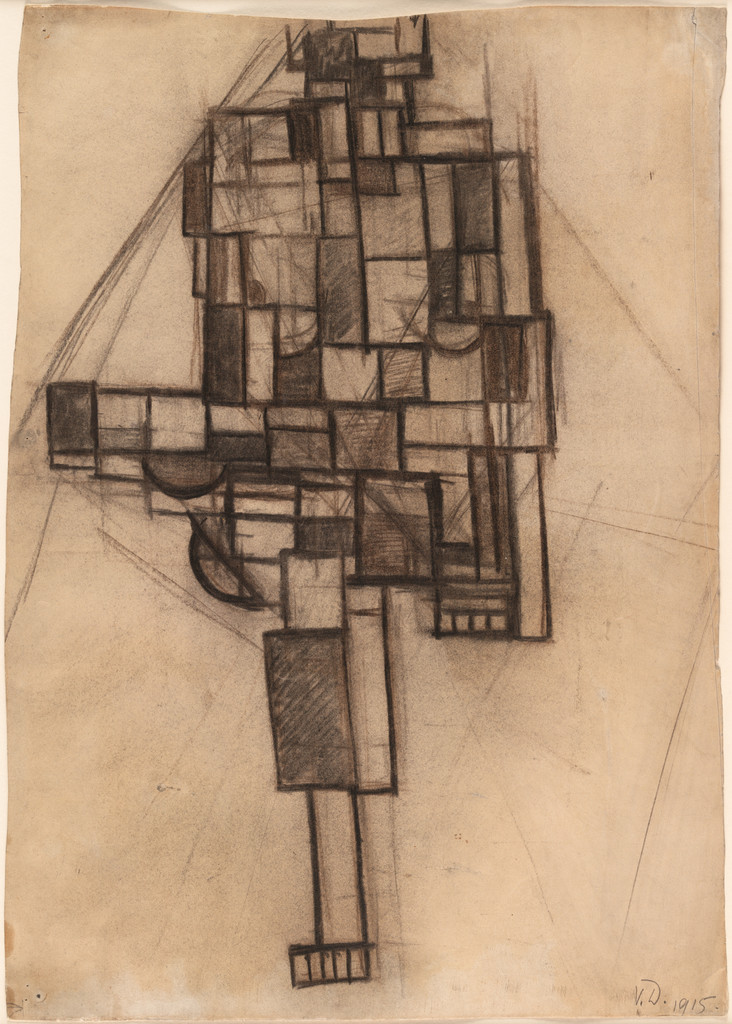
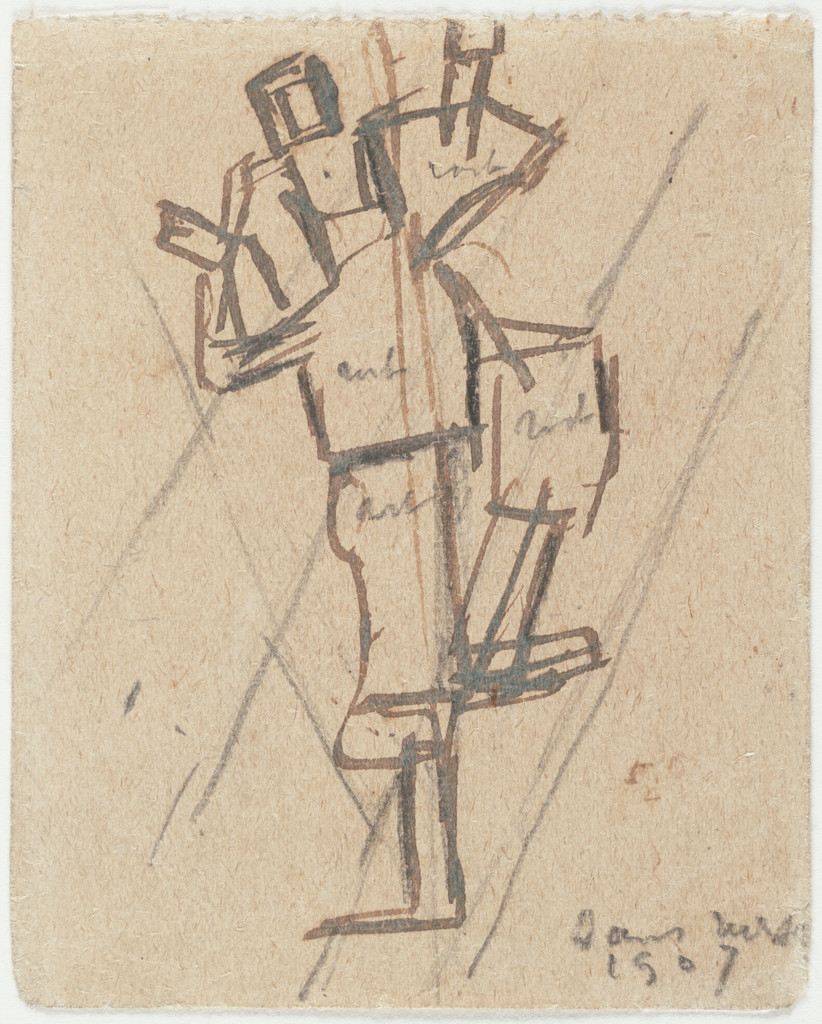
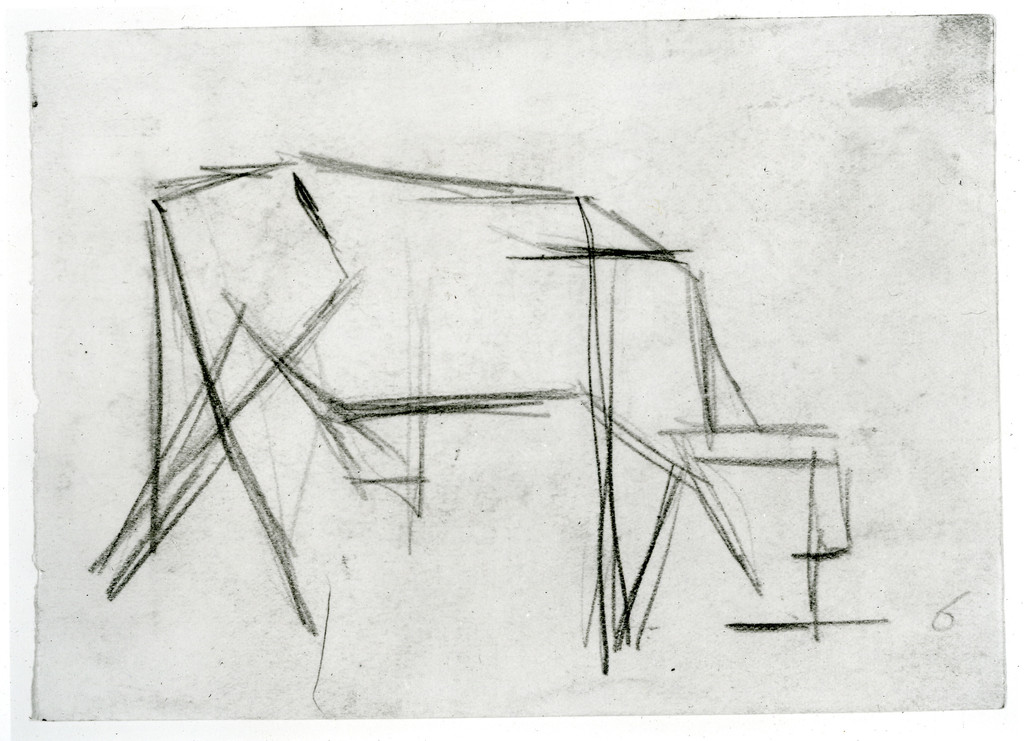
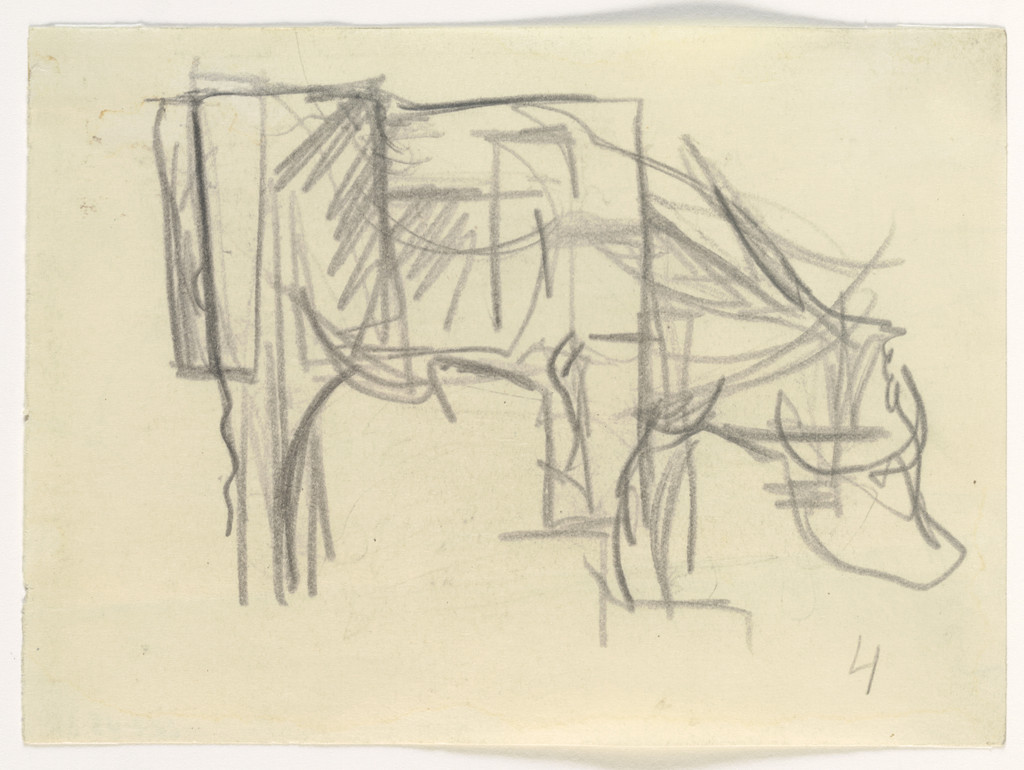
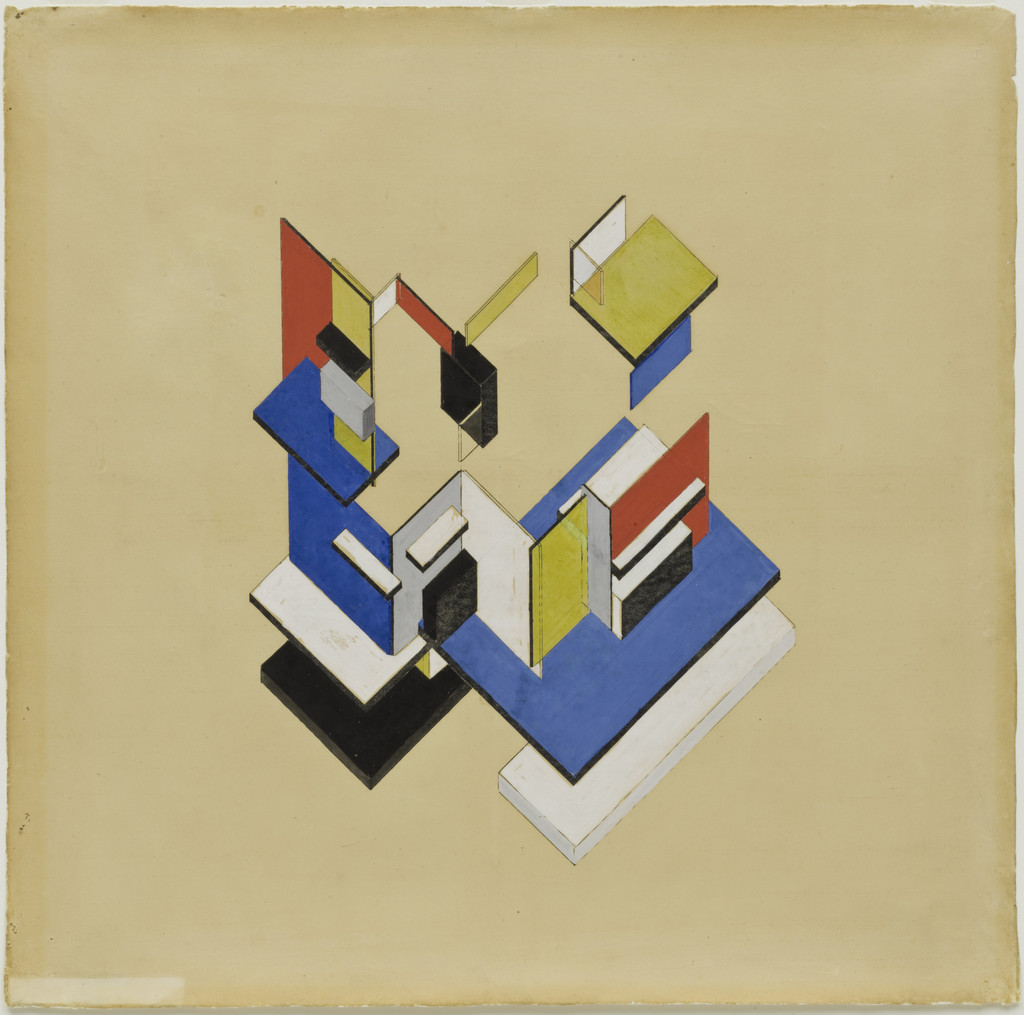
Contra-Construction Project (Axonometric)
¿Puedo verla?
No expuesta por ahora
¿Dónde está «Contra-Construction Project (Axonometric)» hoy? Colección: MoMA, Nueva York. No expuesta por ahora. Comprobado 22 de septiembre de 2026.

Nueva York, Estados Unidos
Pertenece a la colección, pero ahora mismo no está expuesta.
- Comprobado
- Fuente
- El museo
Ficha
- Número de inventario
- 149.1947
En el catálogo
Fuentes
- MoMA
- Imagen: MoMA — © the artist or rights holder
En la vida de Theo van Doesburg
La vida entera1916–1921 · Lugar de trabajo
Leiden
1921–1924 · Lugar de trabajo
Weimar
1922
Weimar: trying to win over Gropius
In 1922 van Doesburg moves to Weimar, hoping to impress the Bauhaus director Walter Gropius and to spread the influence of De Stijl. Gropius does not think he should become a Bauhaus master, so van Doesburg settles near the Bauhaus buildings and begins to attract students interested in Constructivism, Dadaism and De Stijl.
1922
Congresses of the International of Arts
Together with El Lissitzky and Kurt Schwitters, van Doesburg pioneers the efforts towards an International of Arts at two congresses, in Düsseldorf and Weimar.
1922
The Dada magazine Mécano under the name I. K. Bonset
During a brief infatuation with Dada van Doesburg publishes the Dada magazine Mécano; under the heteronym I. K. Bonset (possibly from the Dutch “Ik ben zot”, “I am foolish”) he also publishes Dada poetry in De Stijl. Under a second pseudonym, Aldo Camini, he publishes anti-philosophical prose inspired by Carlo Carrà.
1924
The break with Mondrian and Elementarism
As they interact more closely, the introvert Mondrian and the flamboyant, extravagant van Doesburg fall out over their characters, and in 1924 a temporary split occurs; the usual reason given is the diagonal — Mondrian never accepted it, van Doesburg insisted on its dynamism — though the art historian Carel Blotkamp points to their different concepts of space and time. After the split van Doesburg launches “Elementarism”, built on diagonal lines, as a rival to Mondrian’s Neo-Plasticism.