ART WIKI33.040 en sala
MapaColecciónArtistasMuseosExposicionesRevista
Acceder

ART WIKI

Dónde cuelga la obra maestra y cuándo le dejan pasar.

Colecciones: Galería Nacional de Arte, Galería Nacional de Dinamarca, Galería Nacional de Retratos, Galería Tretiakov, Harvard Art Museums, Instituto de Arte de Chicago, Instituto de Artes de Mineápolis, MoMA, Museo de Arte de Cleveland, Museo de Victoria y Alberto, Museo del Hermitage, Museo del Louvre, Museo Estatal Ruso, Museo Hirshhorn y Jardín de Esculturas, Museo J. Paul Getty, Museo Metropolitano de Arte, Museo Pushkin, Museo Smithsoniano de Arte Americano, Museo Whitney de Arte Estadounidense, National Museum of Asian Art, Rijksmuseum, Villa Getty, Catálogo Estatal del Fondo Museístico de Rusia (274 museos), Europeana (19 museos), Wikidata (6 museos), Paris Musées (12 museos) y Joconde, la base de museos del Ministerio de Cultura de Francia (495 museos). Las imágenes pertenecen a sus titulares de derechos.

Secciones

  • Mapa
  • Búsqueda
  • Colección
  • Obras maestras
  • Expuestas ahora
  • Artistas

Más

  • Museos y galerías
  • Exposiciones
  • Revista
  • De dónde salen los datos
  • Privacidad y cookies
InicioMapaCatálogo
  1. Colección/
  2. Instituto de Artes de Mineápolis/
  3. Cleota Collins
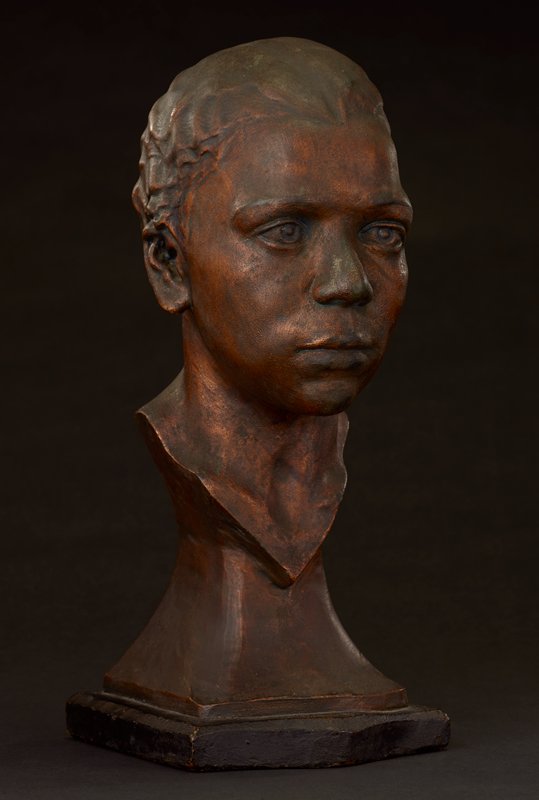
Cleota Collins, Henry W. Bannarn, 1932
HHenry W. BannarnEstados Unidos

Cleota Collins

1932 · Sculpture · 43.97 × 22.23 cm

¿Se puede contemplar?

Sí, recibe visitas

Instituto de Artes de Mineápolis

Minneapolis, Estados Unidos

SalaG302

Expuesta al público. Quién lo avala figura más abajo.

Comprobado
hace 9 días
En este estado desde
25 sept 2026
Fuente
El museo
En el mapaPágina del museo

Sobre la escultura

When he made this portrait of the singer and civil rights activist Cleota Collins, in June 1932, Henry Bannarn was studying at the Minneapolis School of Art (now the Minneapolis College of Art and Design). It is his earliest known work. Born in Oklahoma, Bannarn had moved with his family to Minneapolis while still a child. Thanks to a grant from the Minnesota philanthropist James Ford Bell, Bannarn was able to move to New York, where his studio at 306 West 141st Street became a creative center and meeting place for African American artists, musicians, and poets. Within the movement known as the Harlem Renaissance, Bannarn became famous for his paintings and sculptures and was admired as a teacher and a mentor to younger artists.

Instituto de Artes de Mineápolis

Ficha

Número de inventario
2011.64

Más obras de Henry W. Bannarn

Todas las obras

En la misma sala · G302, Instituto de Artes de Mineápolis

Página del museo

En el catálogo

EsculturaYesoModernismoSiglo XXEstados Unidos

Fuentes

  • Instituto de Artes de Mineápolis
  • Imagen: Instituto de Artes de Mineápolis — Copyright of the artist, artist's estate, or assignees
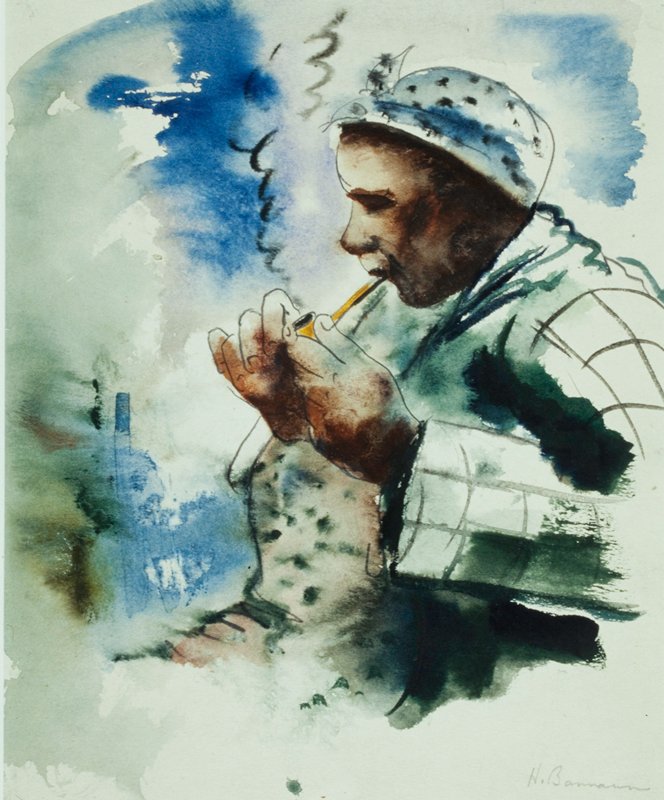
The Smoker, Henry W. Bannarn, c. 1933

The Smoker

c. 1933 · No expuesta · Instituto de Artes de Mineápolis

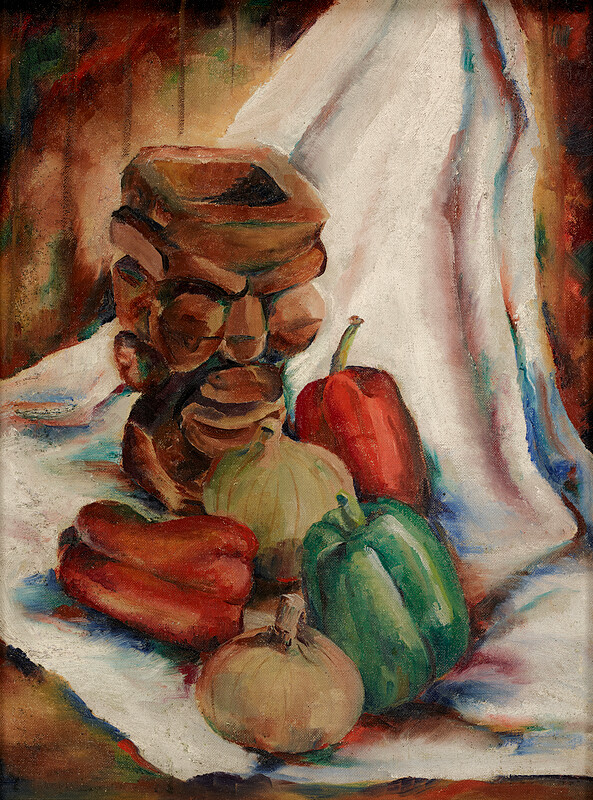
Still Life with Vegetables and Tiki, Henry W. Bannarn, c. 1934–39

Still Life with Vegetables and Tiki

c. 1934–39 · No expuesta · Instituto de Artes de Mineápolis

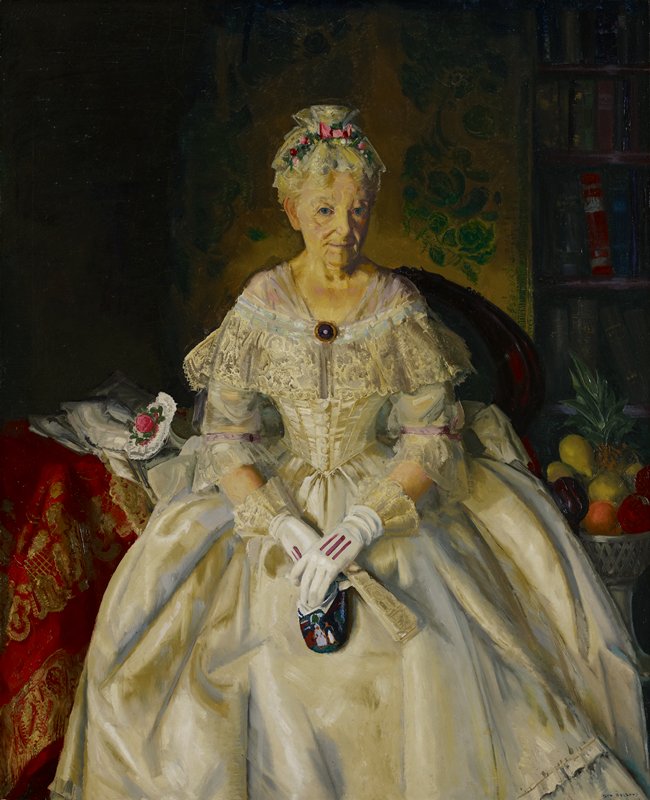
Mrs. T. in Cream Silk, No.2, George Bellows, 1920

George Bellows

Mrs. T. in Cream Silk, No.2, 1920

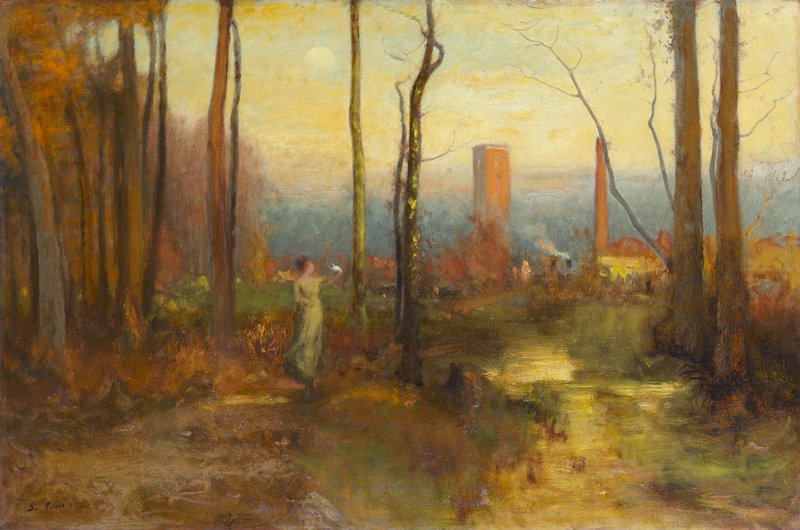
The Mill Stream, Montclair, New Jersey, George Inness, c. 1888

George Inness

The Mill Stream, Montclair, New Jersey, c. 1888

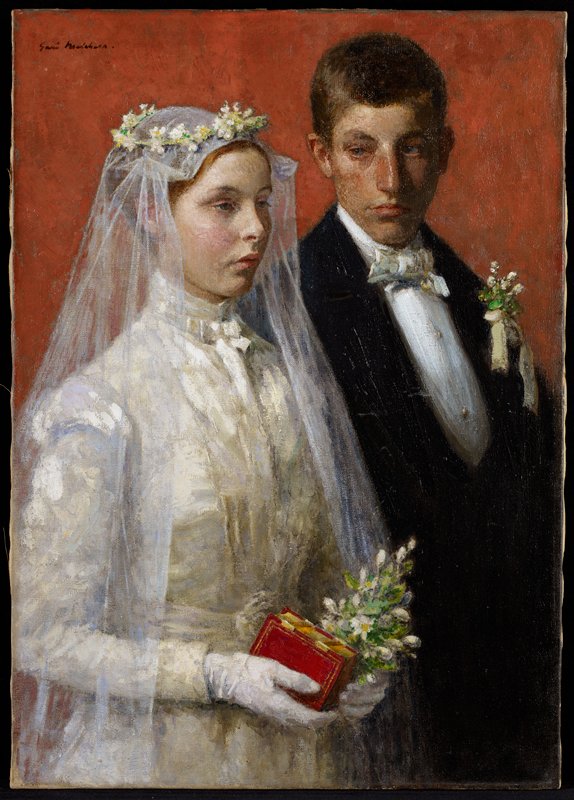
Marriage, Gari Melchers, 1893

Gari Melchers

Marriage, 1893

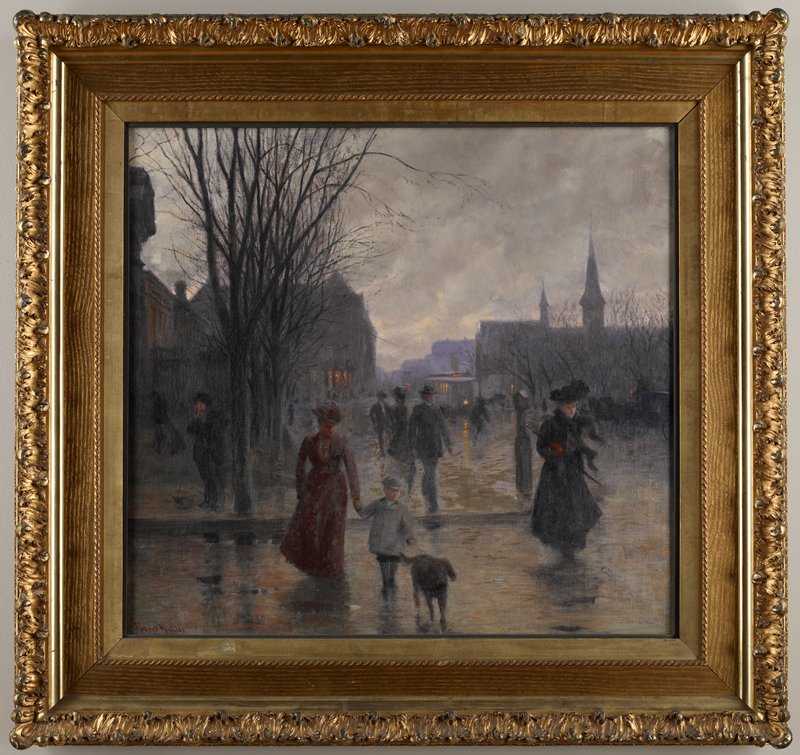
Rainy Evening on Hennepin Avenue, Robert Koehler, c. 1902

Robert Koehler

Rainy Evening on Hennepin Avenue, c. 1902

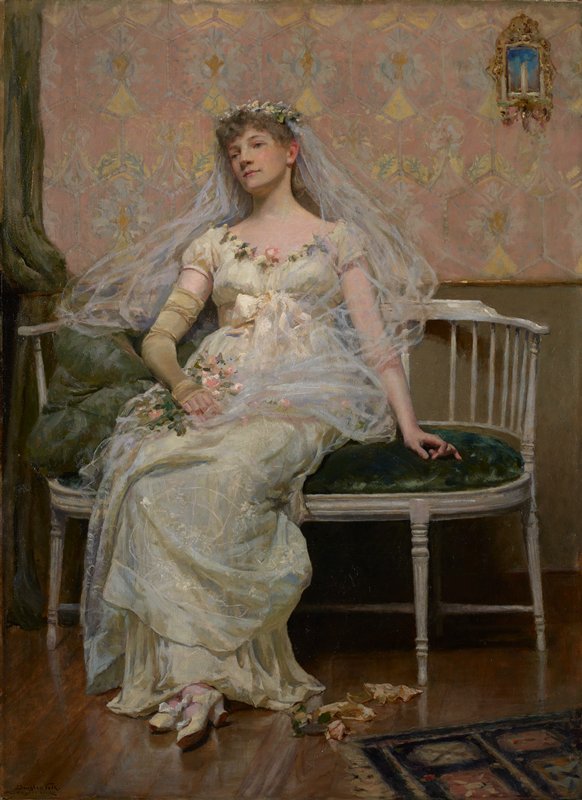
After the Reception, Douglas Volk, 1887

Douglas Volk

After the Reception, 1887

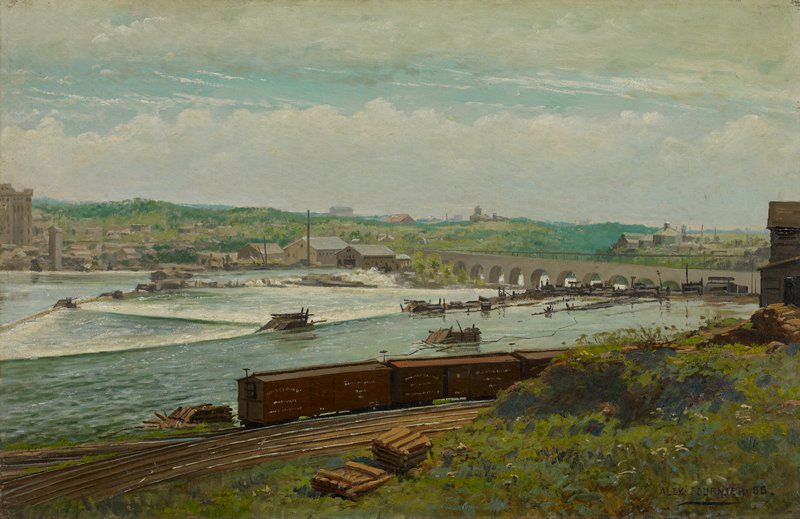
Mill Pond at Minneapolis, Alexis Jean Fournier, 1888

Alexis Jean Fournier

Mill Pond at Minneapolis, 1888

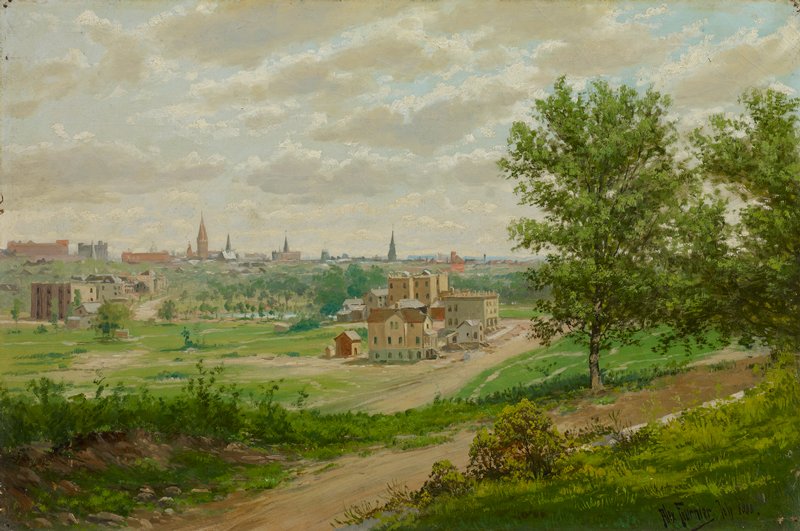
Lowry Hill, Minneapolis, Alexis Jean Fournier, 1888

Alexis Jean Fournier

Lowry Hill, Minneapolis, 1888

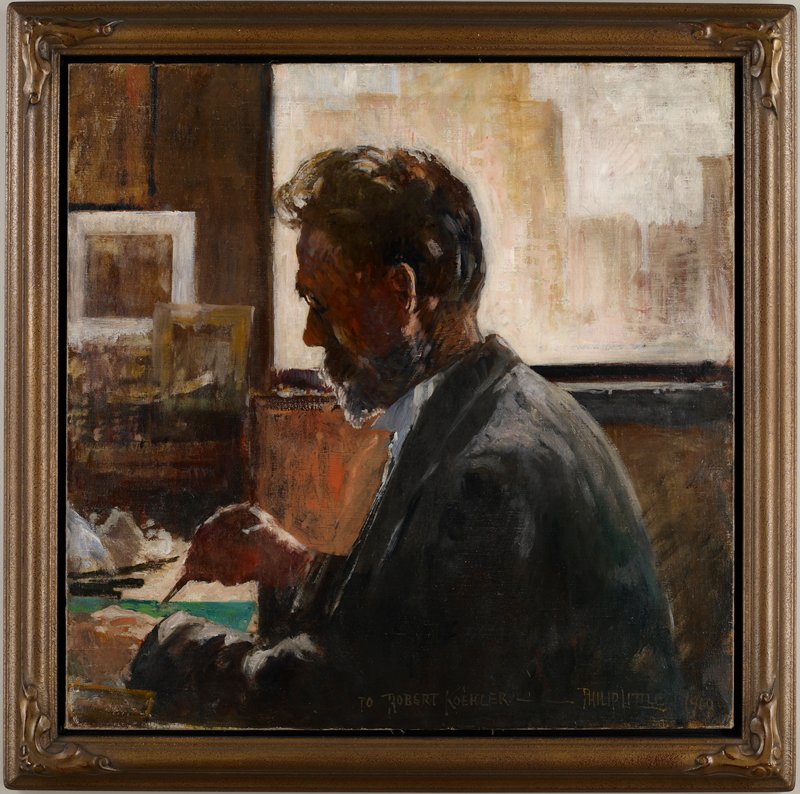
Portrait of Robert Koehler, Philip Little, 1910

Philip Little

Portrait of Robert Koehler, 1910