ART WIKI32.963 en sala
MapaColecciónArtistasMuseosExposicionesRevista
Acceder

ART WIKI

Dónde cuelga la obra maestra y cuándo le dejan pasar.

Colecciones: Galería Nacional de Arte, Galería Nacional de Dinamarca, Galería Nacional de Retratos, Galería Tretiakov, Harvard Art Museums, Instituto de Arte de Chicago, Instituto de Artes de Mineápolis, MoMA, Museo de Arte de Cleveland, Museo de Victoria y Alberto, Museo del Hermitage, Museo del Louvre, Museo Estatal Ruso, Museo Hirshhorn y Jardín de Esculturas, Museo J. Paul Getty, Museo Metropolitano de Arte, Museo Pushkin, Museo Smithsoniano de Arte Americano, Museo Whitney de Arte Estadounidense, National Museum of Asian Art, Rijksmuseum, Villa Getty, Catálogo Estatal del Fondo Museístico de Rusia (274 museos), Europeana (19 museos), Wikidata (6 museos), Paris Musées (12 museos) y Joconde, la base de museos del Ministerio de Cultura de Francia (495 museos). Las imágenes pertenecen a sus titulares de derechos.

Secciones

  • Mapa
  • Búsqueda
  • Colección
  • Obras maestras
  • Expuestas ahora
  • Artistas

Más

  • Museos y galerías
  • Exposiciones
  • Revista
  • De dónde salen los datos
  • Privacidad y cookies
InicioMapaCatálogo
  1. Colección/
  2. Instituto de Artes de Mineápolis/
  3. Chrysanthemums
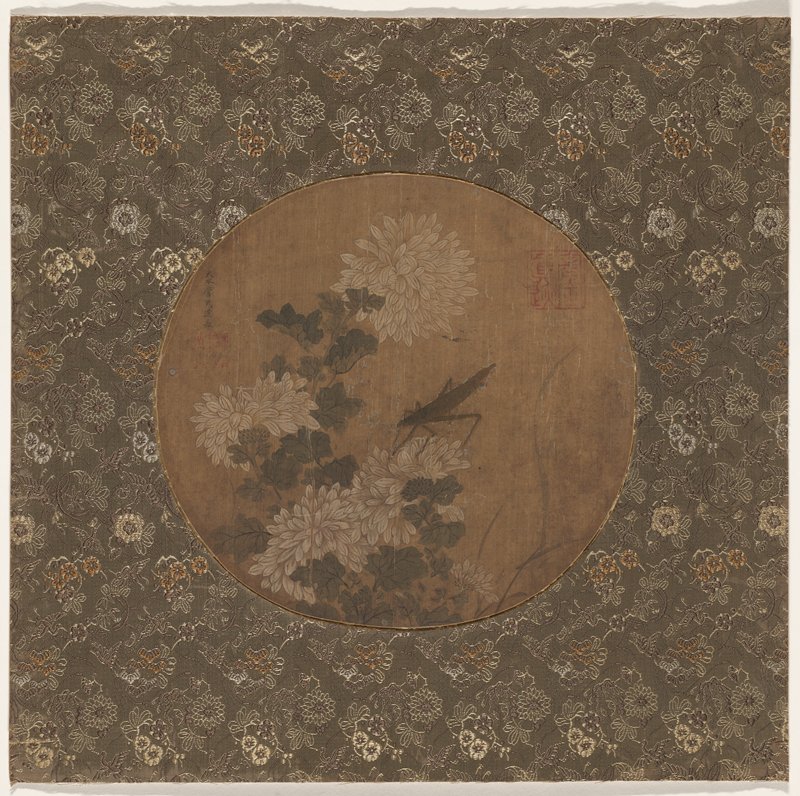
Chrysanthemums, Guan Daosheng, 13th-14th century

Chrysanthemums

13th-14th century · Painting

Sobre el cuadro

The history of Chinese flower-and-bird painting up to the Tang dynasty (618–907) represents the artists’ gradual, cumulative mastery of description and expression. Two groups of artists dominated: the academy school and the literati (amateur scholar-painters). The first group worked mainly with descriptive line and color on silk. They pursued a meticulous, naturalistic rendering, a jewellike surface, and a sensuous appeal. This painting is a good example of this style. The chrysanthemum flowers in autumnal solitude was a favored motif among literati artists as well.

Guan Daosheng was an accomplished poet, painter, and calligrapher of the Yuan dynasty. Her husband, Zhao Mengfu (1254–1322), was one of the most influential scholars, painters, and calligraphers in Chinese history. Their second son, Zhao Yong, also became a famous painter and calligrapher.

Instituto de Artes de Mineápolis

Ficha

Número de inventario
96.146.298

En la misma sala · G203, Instituto de Artes de Mineápolis

Página del museo
GGuan DaoshengChina

¿Se puede contemplar?

Sí, recibe visitas

Instituto de Artes de Mineápolis

Minneapolis, Estados Unidos

SalaG203

Expuesta al público. Quién lo avala figura más abajo.

Comprobado
hace 3 días
En este estado desde
25 sept 2026
Fuente
El museo
En el mapaPágina del museo

En el catálogo

PinturaTintaPintura chinaChina

Fuentes

  • Instituto de Artes de Mineápolis
  • Imagen: Instituto de Artes de Mineápolis — public domain
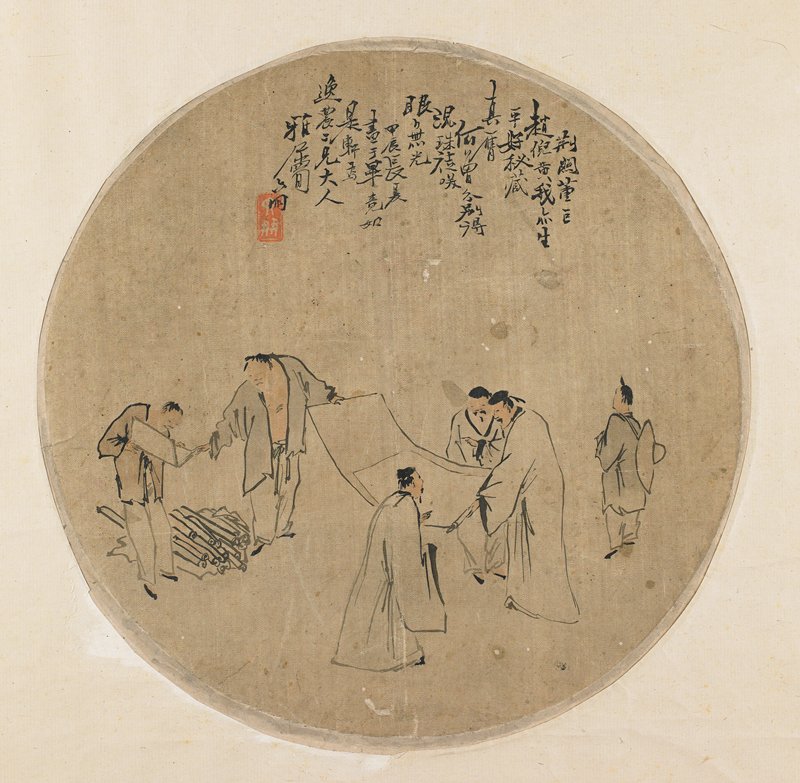
Scholars Examining Paintings, Su Liupeng, 1884

Su Liupeng

Scholars Examining Paintings, 1884

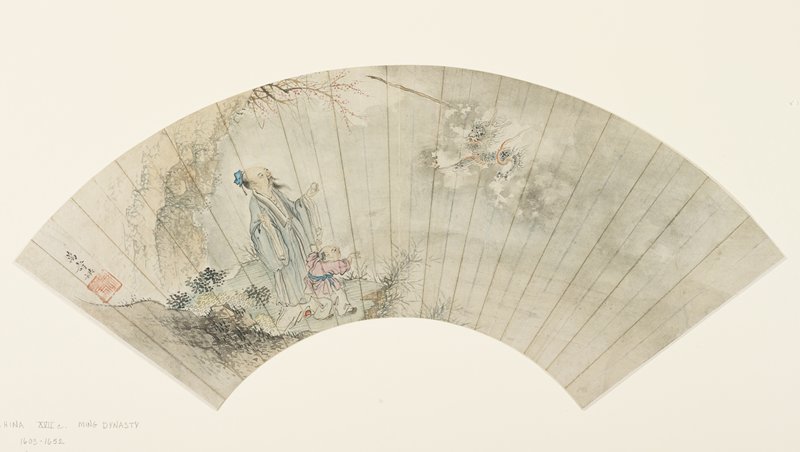
Fan painting of a Daoist magician, Wan Shouqi, c. 1650

Wan Shouqi

Fan painting of a Daoist magician, c. 1650

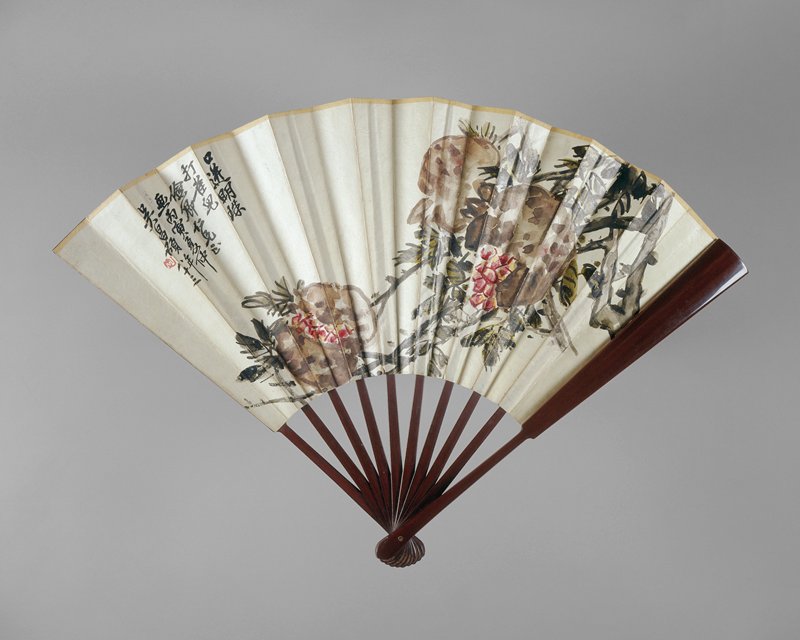
Pomegranates, Wu Changshuo, 1927

Wu Changshuo

Pomegranates, 1927

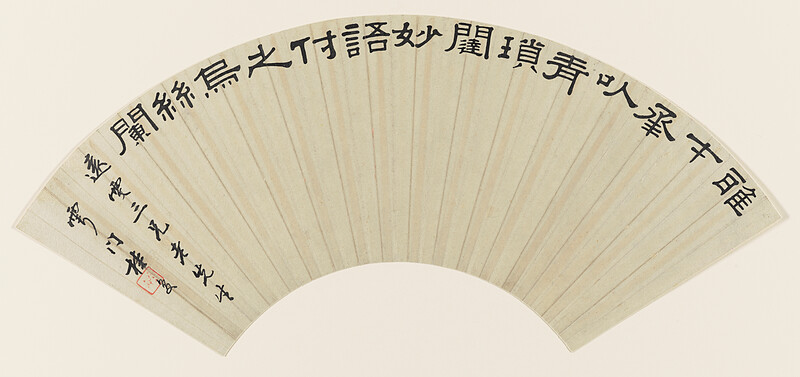
Fan with Clerical Script Calligraphy, Gui Fu, c. 1780

Gui Fu

Fan with Clerical Script Calligraphy, c. 1780

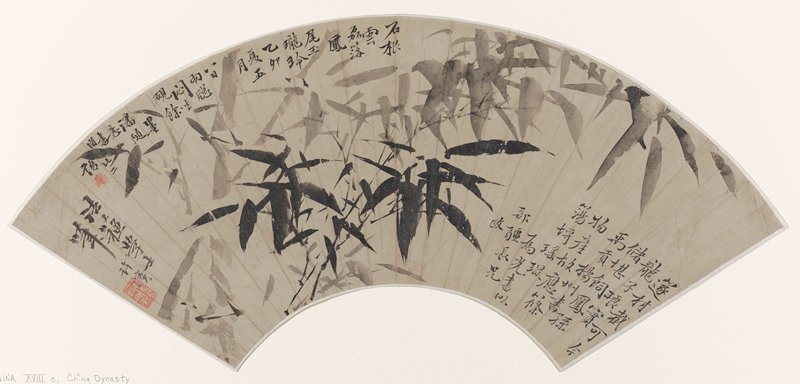
Bamboo, Xu Bin, 1735

Xu Bin

Bamboo, 1735

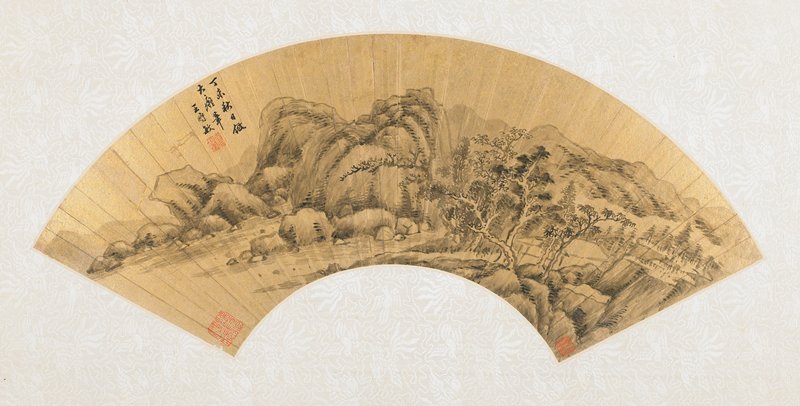
Landscape, Wang Shimin, 1667

Wang Shimin

Landscape, 1667

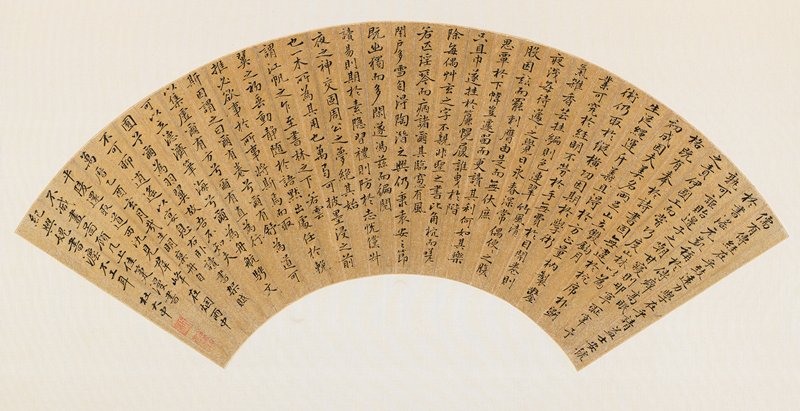
Calligraphy Fan in Xiao Kai Shu Script, Du Dazhong, 1585

Du Dazhong

Calligraphy Fan in Xiao Kai Shu Script, 1585

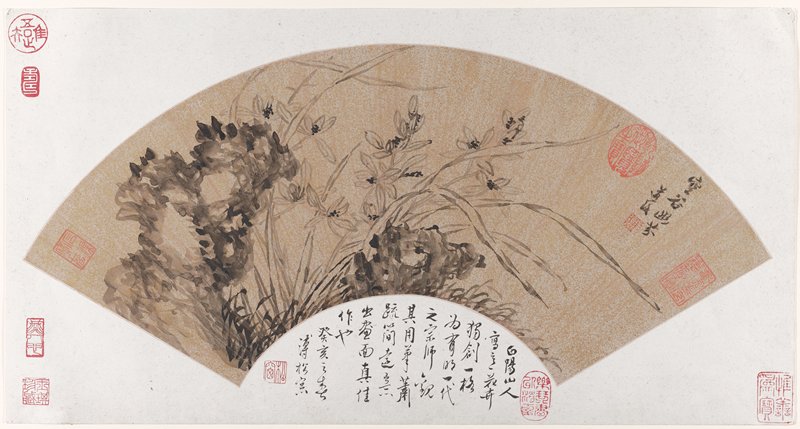
Deep Fragrance in the Valley of the Void, Chen Chun, c. 1530

Chen Chun

Deep Fragrance in the Valley of the Void, c. 1530