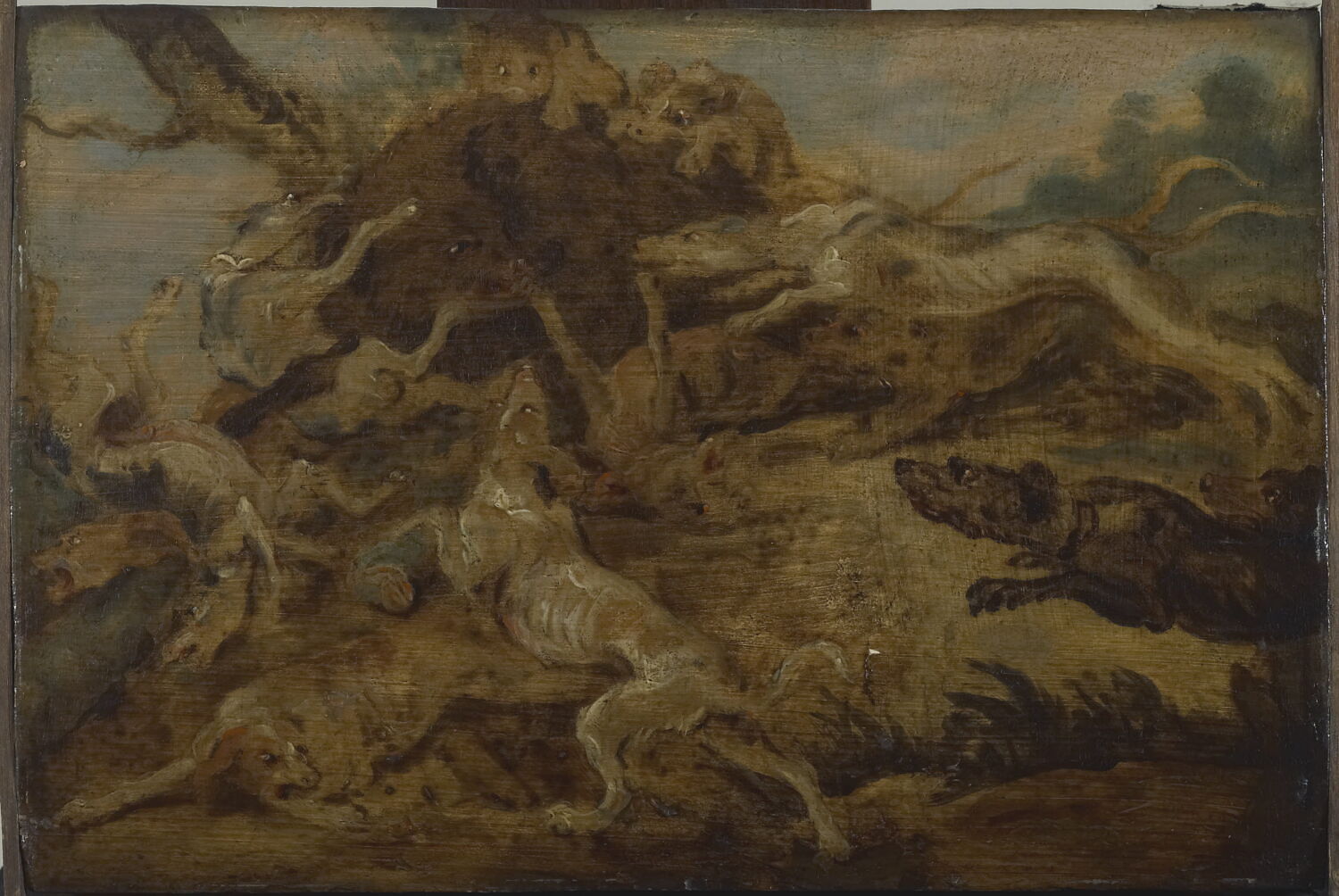
 Snyders, FransFlandes, 1579–1657
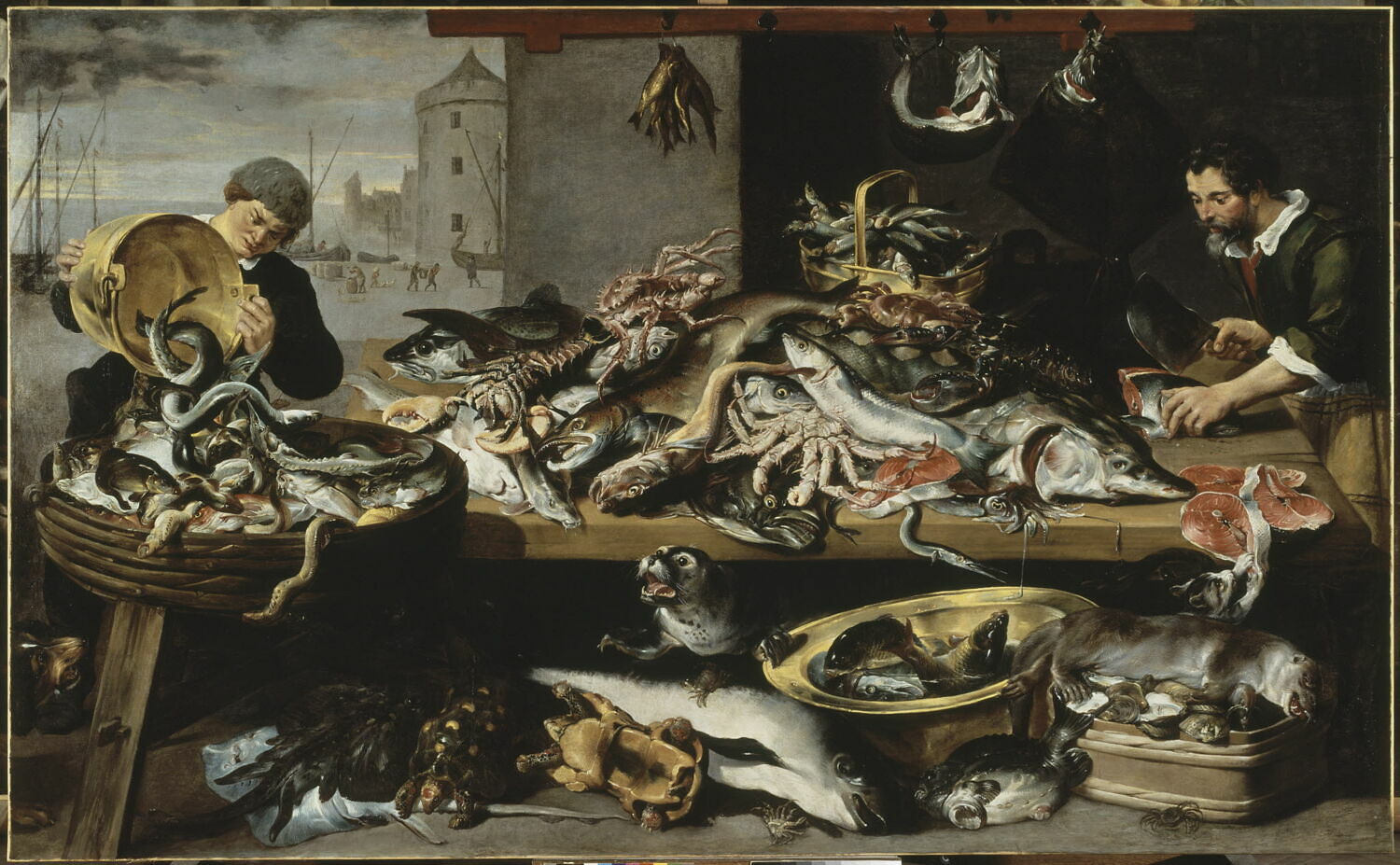
Chasse au sanglier
¿Puedo verla?
No expuesta por ahora
¿Dónde está «Chasse au sanglier» hoy? Colección: Museo del Louvre, París. No expuesta por ahora. Comprobado 26 de septiembre de 2026.

París, Francia
Pertenece a la colección, pero ahora mismo no está expuesta.
- Comprobado
- En este estado desde
- Fuente
- El museo
Ficha
- Número de inventario
- MI 1320
En el catálogo
Fuentes
- Museo del Louvre
- Imagen: Museo del Louvre — © GrandPalaisRmn (PBA, Lille) / Martine Beck-Coppola
En la vida de Snyders, Frans
La vida entera1593–1607 · Lugar de trabajo
Antwerp
1602
Becomes a master of the Guild of St Luke
After training with Hendrick van Balen, who was Anthony van Dyck’s first master, Snyders becomes a master of the Antwerp Guild of St Luke in 1602.
1608 · Lugar de trabajo
Rome
1610–1640
A close collaboration with Rubens
From the 1610s Snyders works with Rubens, who admires his ability to render the textures of fur and skin and often has him paint animals, fruit and still life in his own pictures; the collaboration is particularly close between 1610 and 1640. At first Rubens himself sketches the whole composition in oils and marks the place for Snyders’s contribution (“The Recognition of Philopoemen”, regarded as the first Baroque still life with figures), while in “Prometheus Bound” it is the reverse: Snyders makes the sketch, leaving space for Rubens’s figure. Contemporaries had difficulty telling their hands apart in joint works, and after Rubens’s death Snyders was one of the appraisers of the inventory of his collection.
1611
Married: Margareta Snyders
19 de agosto de 1657
Died