ART WIKI32.979 en sala
MapaColecciónArtistasMuseosExposicionesRevista
Acceder

ART WIKI

Dónde cuelga la obra maestra y cuándo le dejan pasar.

Colecciones: Galería Nacional de Arte, Galería Nacional de Dinamarca, Galería Nacional de Retratos, Galería Tretiakov, Harvard Art Museums, Instituto de Arte de Chicago, Instituto de Artes de Mineápolis, MoMA, Museo de Arte de Cleveland, Museo de Victoria y Alberto, Museo del Hermitage, Museo del Louvre, Museo Estatal Ruso, Museo Hirshhorn y Jardín de Esculturas, Museo J. Paul Getty, Museo Metropolitano de Arte, Museo Pushkin, Museo Smithsoniano de Arte Americano, Museo Whitney de Arte Estadounidense, National Museum of Asian Art, Rijksmuseum, Villa Getty, Catálogo Estatal del Fondo Museístico de Rusia (274 museos), Europeana (19 museos), Wikidata (6 museos), Paris Musées (12 museos) y Joconde, la base de museos del Ministerio de Cultura de Francia (495 museos). Las imágenes pertenecen a sus titulares de derechos.

Secciones

  • Mapa
  • Búsqueda
  • Colección
  • Obras maestras
  • Expuestas ahora
  • Artistas

Más

  • Museos y galerías
  • Exposiciones
  • Revista
  • De dónde salen los datos
  • Privacidad y cookies
InicioMapaCatálogo
  1. Colección/
  2. Instituto de Artes de Mineápolis/
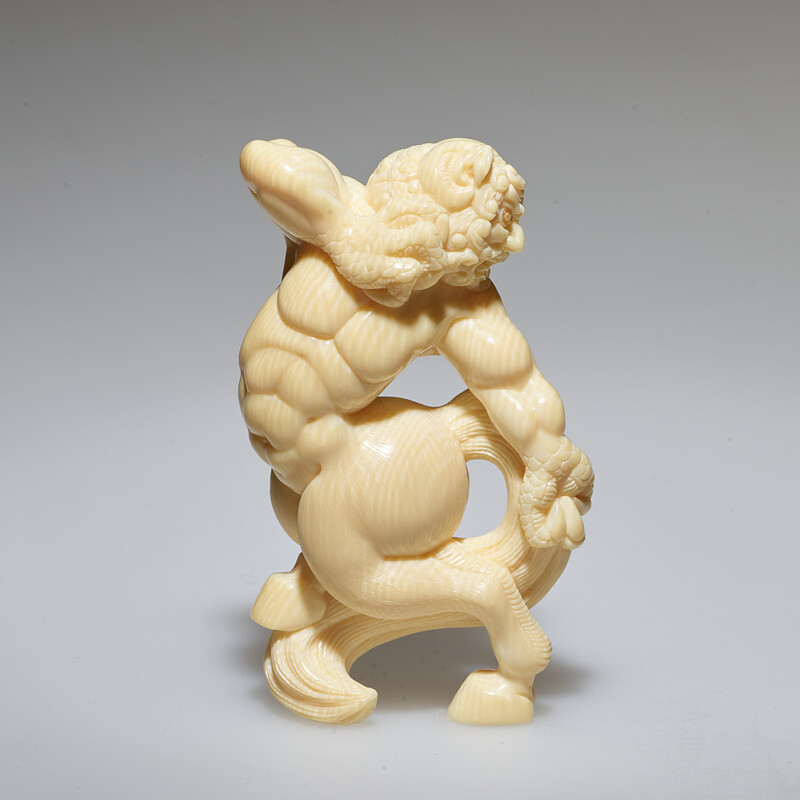
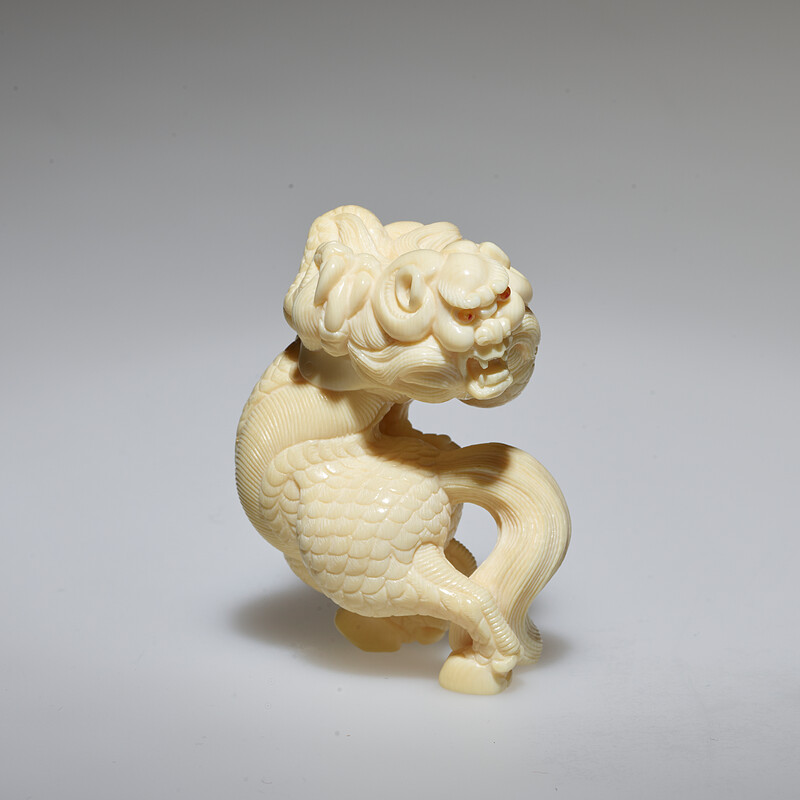
  3. Centaur
Centaur, Saitō Bishū, 1970s–80s
SSaitō BishūJapón

Centaur

1970s–80s · Sculpture

¿Se puede contemplar?

Sí, recibe visitas

Instituto de Artes de Mineápolis

Minneapolis, Estados Unidos

SalaG219

Expuesta al público. Quién lo avala figura más abajo.

Comprobado
hace 3 días
En este estado desde
25 sept 2026
Fuente
El museo
En el mapaPágina del museo

Sobre la escultura

During the first quarter of the 20th century, Saitō Bishū’s grandfather founded a production group of carvers that was continued by Bishū’s father, who once employed more than forty carvers. Bishū himself learned carving from his father when he was 17, and at a young age he began reproducing antique netsuke (small carved toggles used to fasten objects to a kimono sash). His modern carvings are very imaginative and innovative, bordering on the abstract. He created this selection in the 1970s and 1980s.

Instituto de Artes de Mineápolis

Ficha

Número de inventario
2024.101.48

Más obras de Saitō Bishū

Todas las obras

En la misma sala · G219, Instituto de Artes de Mineápolis

Página del museo

En el catálogo

EsculturaMarfilArte de posguerraSiglo XXJapón

Fuentes

  • Instituto de Artes de Mineápolis
  • Imagen: Instituto de Artes de Mineápolis — © Minneapolis Institute of Art
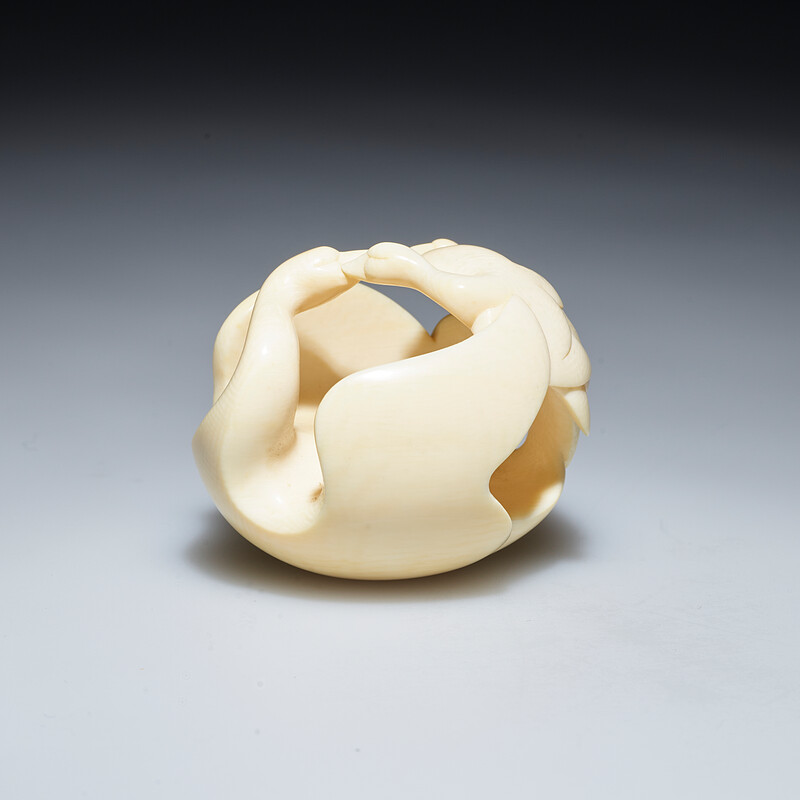
Three Swans, Saitō Bishū, 1970s–80s

Three Swans

1970s–80s · Instituto de Artes de Mineápolis

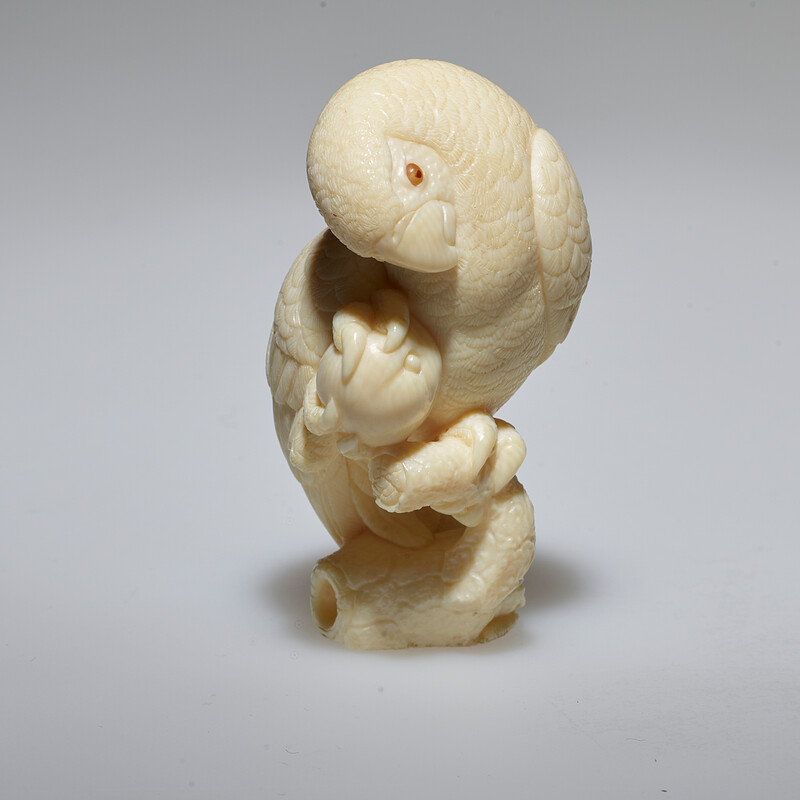
Up in a Tree, Saitō Bishū, 1970s–80s

Up in a Tree

1970s–80s · Instituto de Artes de Mineápolis

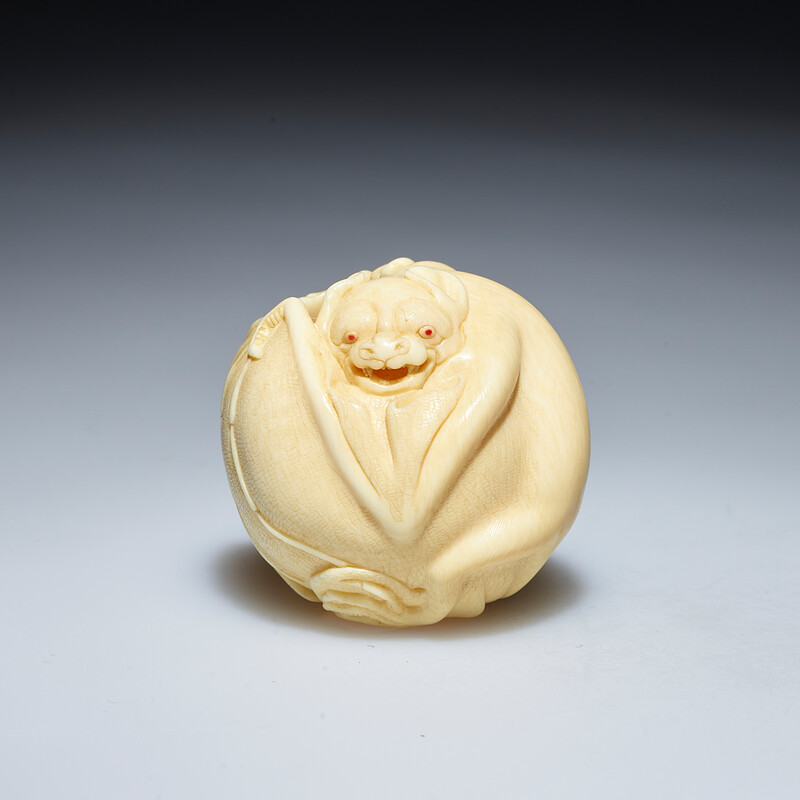
Bat, Saitō Bishū, 1970s–80s

Bat

1970s–80s · Instituto de Artes de Mineápolis

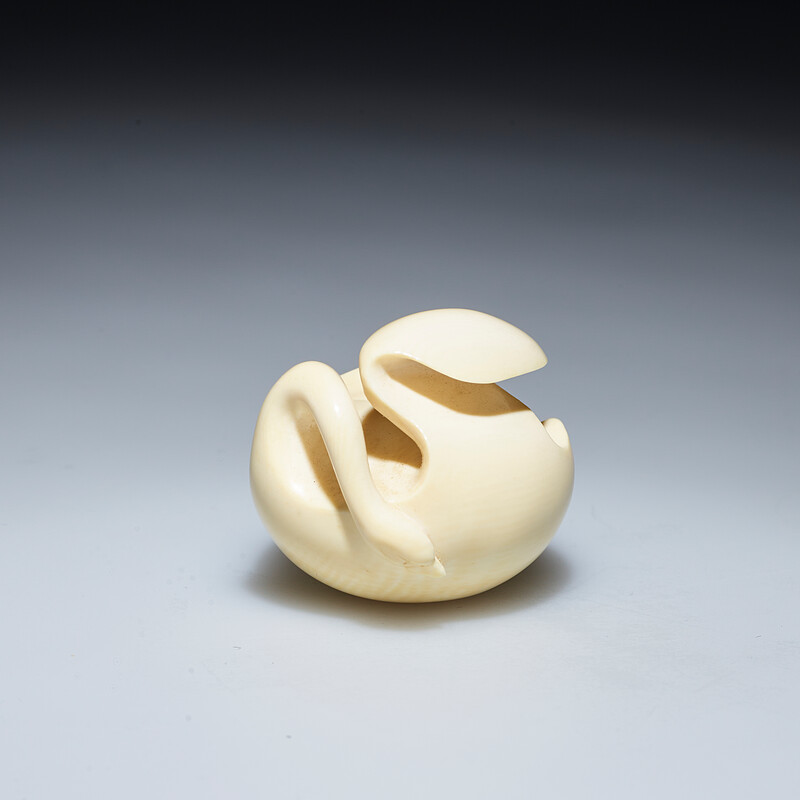
Swan, Saitō Bishū, 1973

Swan

1973 · Instituto de Artes de Mineápolis

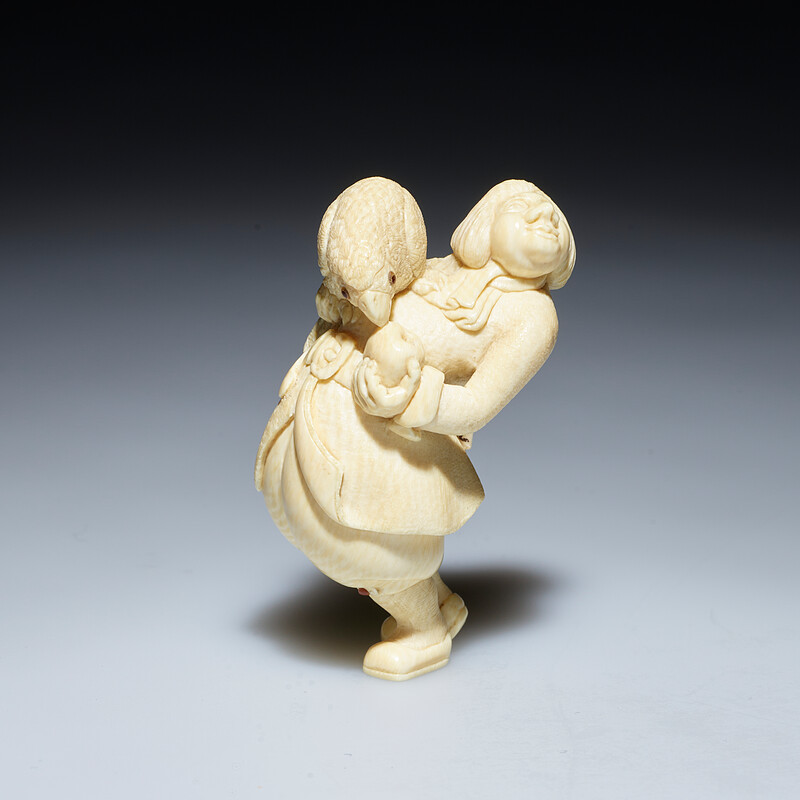
Dutchman, one of the Southern Barbarians, Saitō Bishū, 1979

Dutchman, one of the Southern Barbarians

1979 · Instituto de Artes de Mineápolis

Under the Holy Mountain, Saitō Bishū, 1988

Under the Holy Mountain

1988 · Instituto de Artes de Mineápolis

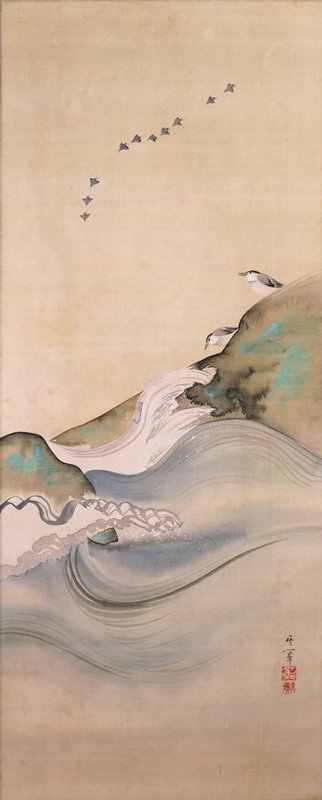
Plovers, Rocks, and Waves, Suzuki Kiitsu, first half 19th century

Suzuki Kiitsu

Plovers, Rocks, and Waves, first half 19th century

Under the Holy Mountain, Saitō Bishū, 1988

Saitō Bishū

Under the Holy Mountain, 1988

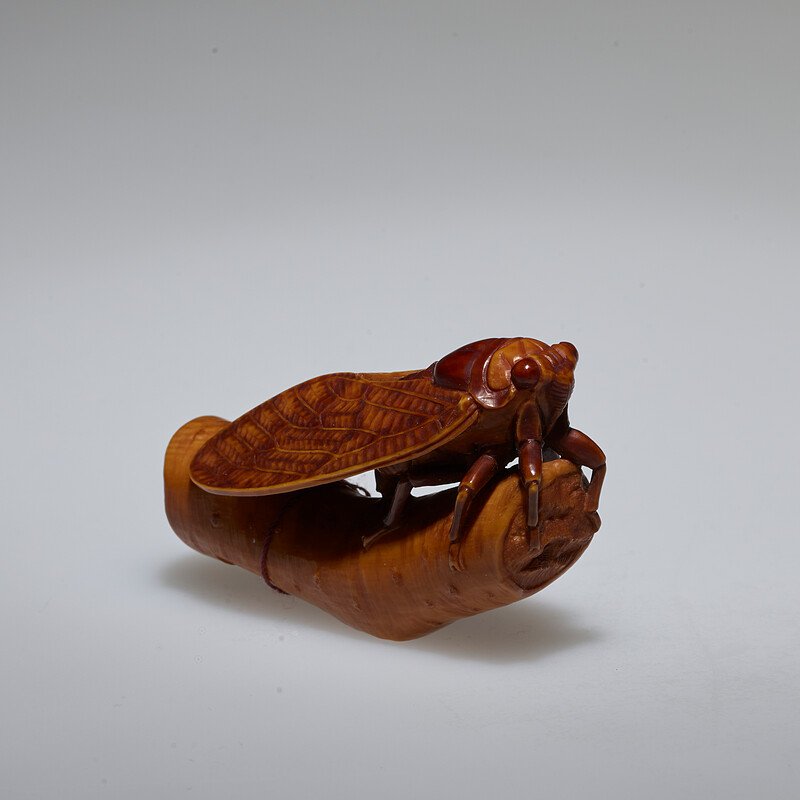
Giving Birth (Large Brown Cicada), Kobayashi Senpo, 1979

Kobayashi Senpo

Giving Birth (Large Brown Cicada), 1979

Dutchman, one of the Southern Barbarians, Saitō Bishū, 1979

Saitō Bishū

Dutchman, one of the Southern Barbarians, 1979

Swan, Saitō Bishū, 1973

Saitō Bishū

Swan, 1973

Three Swans, Saitō Bishū, 1970s–80s

Saitō Bishū

Three Swans, 1970s–80s

Up in a Tree, Saitō Bishū, 1970s–80s

Saitō Bishū

Up in a Tree, 1970s–80s

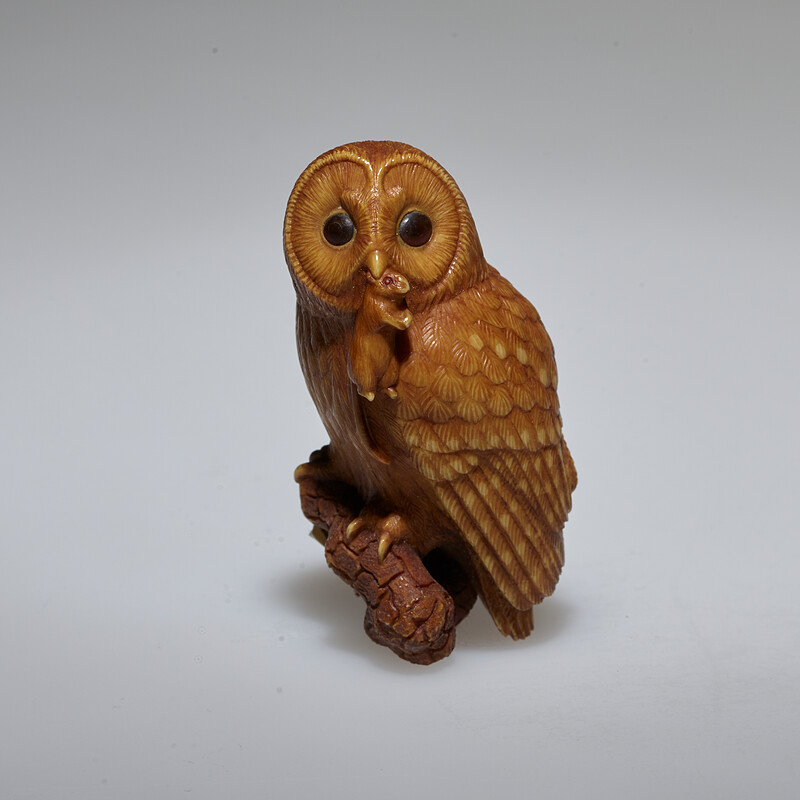
Prey (Owl), Kobayashi Senpo, 1970s–80s

Kobayashi Senpo

Prey (Owl), 1970s–80s