 André KertészEstados Unidos, 1894–1985
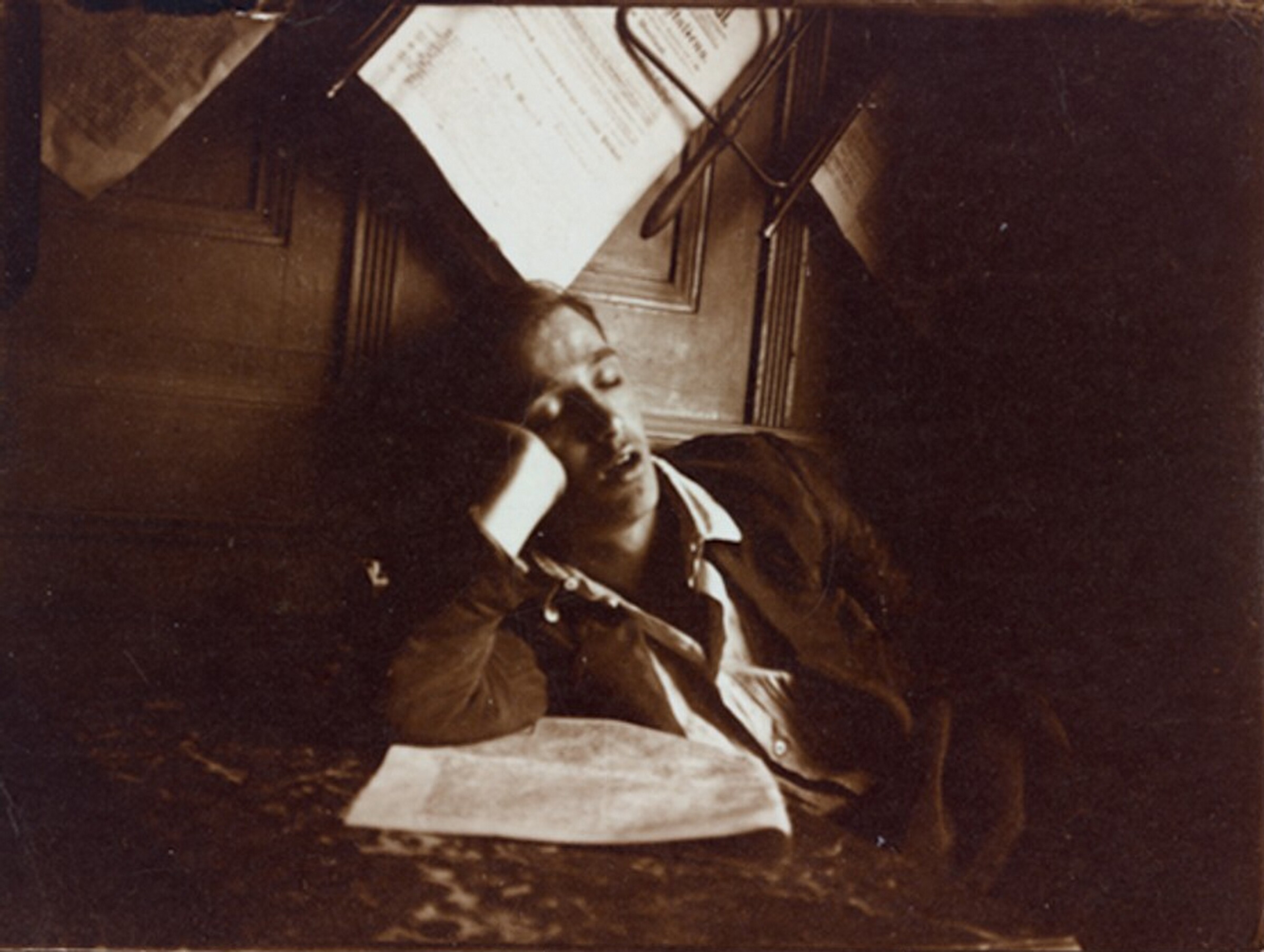
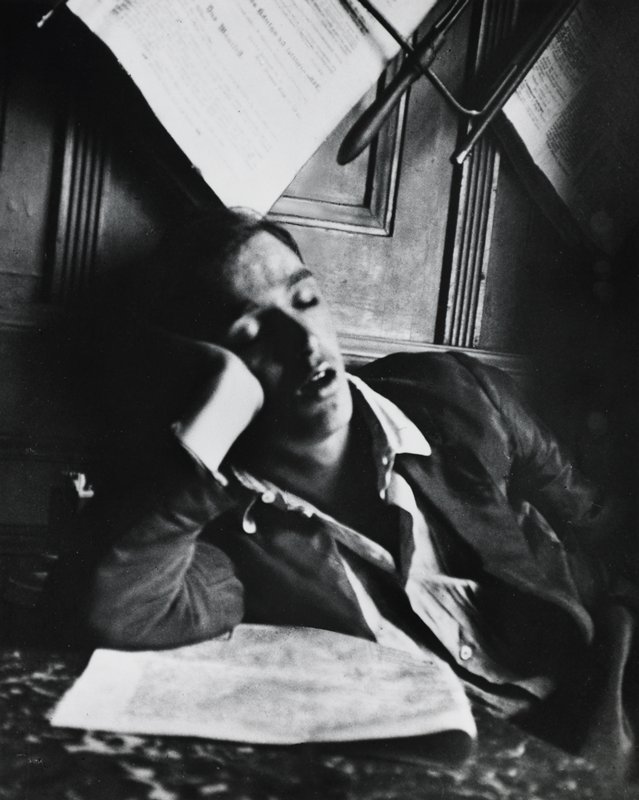
Boy Sleeping, Budapest
¿Se puede contemplar?
Por ahora no recibe

Instituto de Artes de Mineápolis
Minneapolis, Estados Unidos
Pertenece a la colección, pero ahora mismo no está expuesta.
- Comprobado
- hace 2 horas
- En este estado desde
- 25 sept 2026
- Fuente
- Los datos de colección del propio museo
Ficha
- Número de inventario
- 2007.35.138
En el catálogo
Fuentes
- Instituto de Artes de Mineápolis: the museum's own open data · obtenido hace 6 días
- Imagen: Instituto de Artes de Mineápolis — © Estate of André Kertész
Mientras tanto, en la vida de André Kertész
La vida entera1912
Buys his first camera despite his family’s protests
After earning enough money he quickly buys his first camera, an ICA box camera, despite his family’s protests that he should continue his career in business. In his free time he photographs the local peasants, Romani people and the landscape of the Hungarian Plains (the puszta); his first photograph is believed to be Sleeping Boy, Budapest, 1912. First encounters with magazine photography inspire him to learn the craft, and he is also influenced by paintings by Lajos Tihanyi and Gyula Zilzer and by poetry.
1912
The Academy of Commerce and a job at the stock exchange
His uncle Hoffmann pays for his business classes at the Academy of Commerce until his graduation in 1912 and soon arranges his hiring by the stock exchange. Unlike his older brother Imre, who works at the exchange in Budapest all his life, Kertész has little interest in the field; he is drawn to illustrated magazines and to fishing and swimming in the Danube near his uncle’s property.
1914
At the front: trench life on a Goerz Tenax
At the age of 20 he is sent to the frontline of the First World War, where he photographs life in the trenches with a lightweight Goerz Tenax camera; most of these photographs are destroyed during the violence of the Hungarian Revolution of 1919. His distinctive, mature style is already evident in work of 1914 such as Eugene.