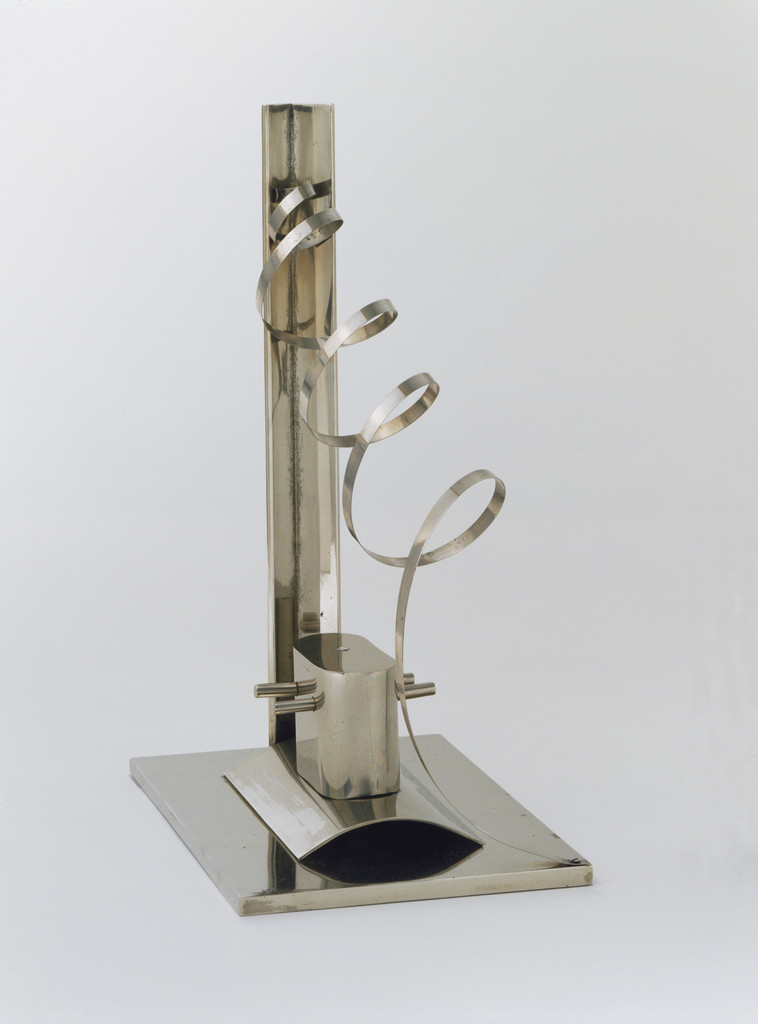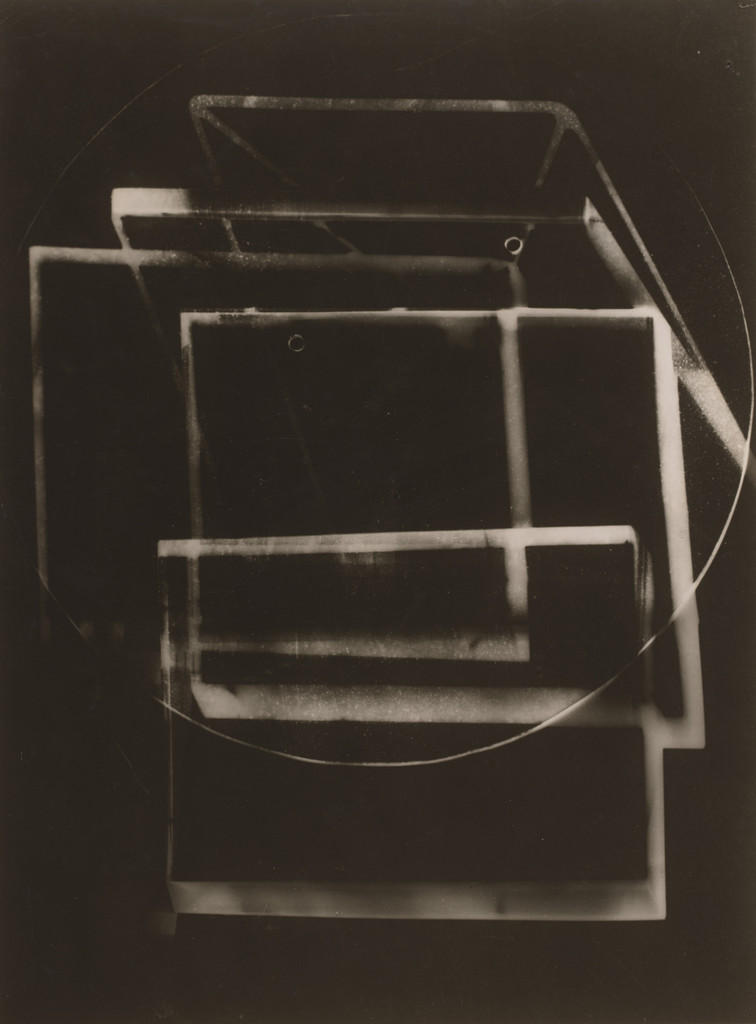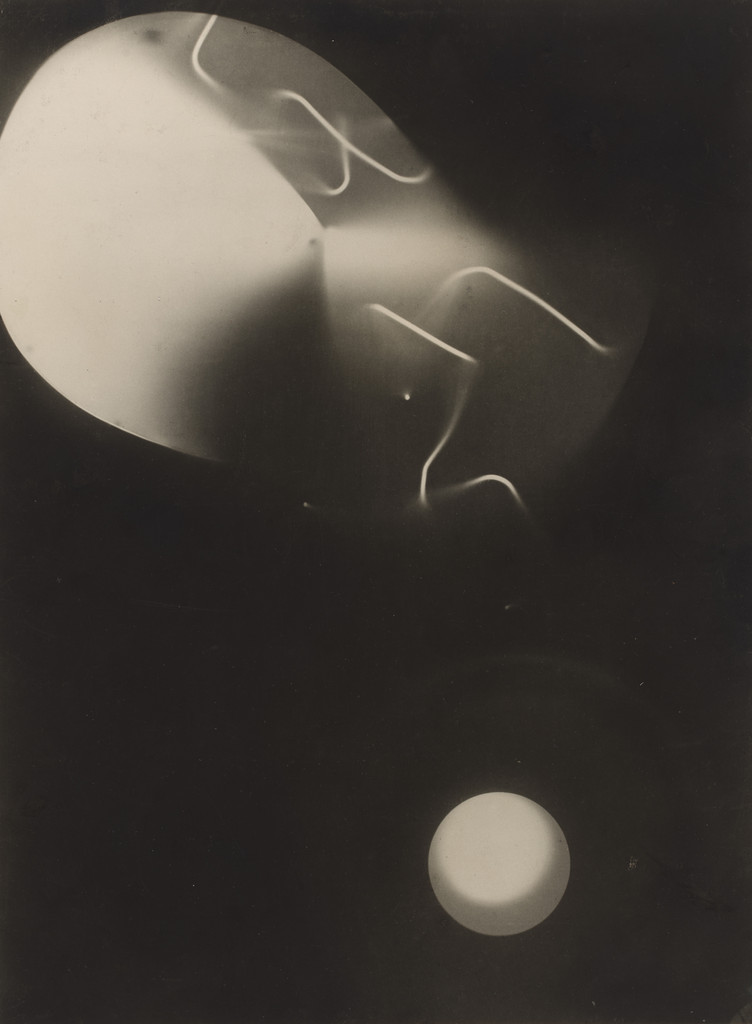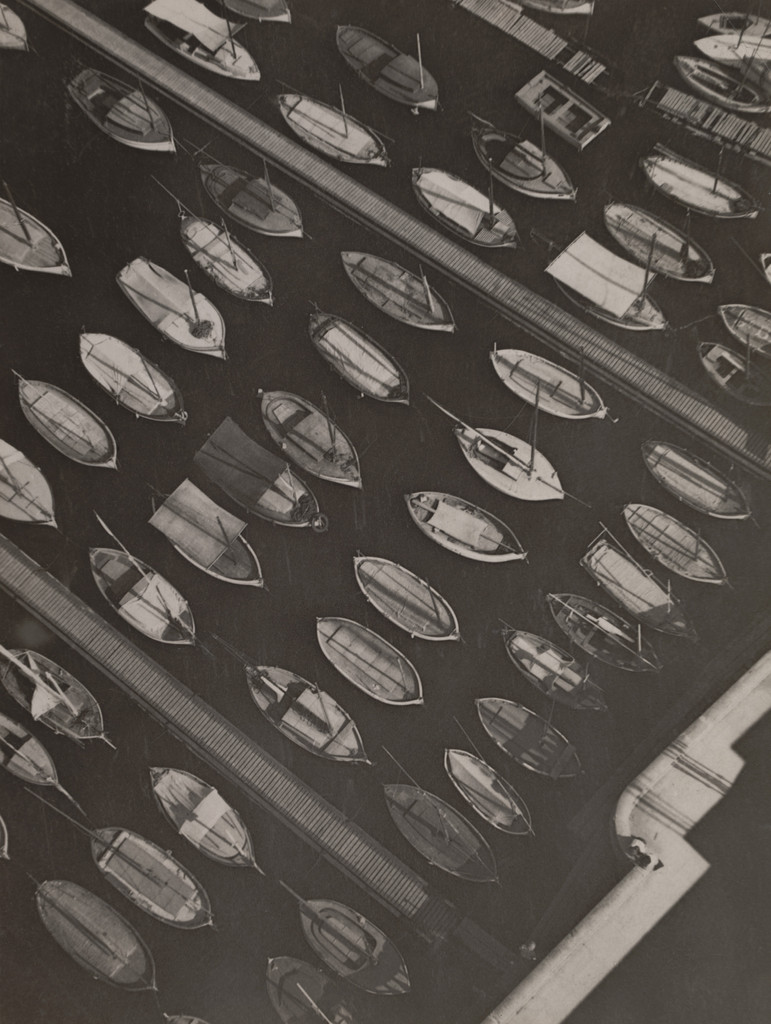
 László Moholy-NagyEstados Unidos, 1895–1946
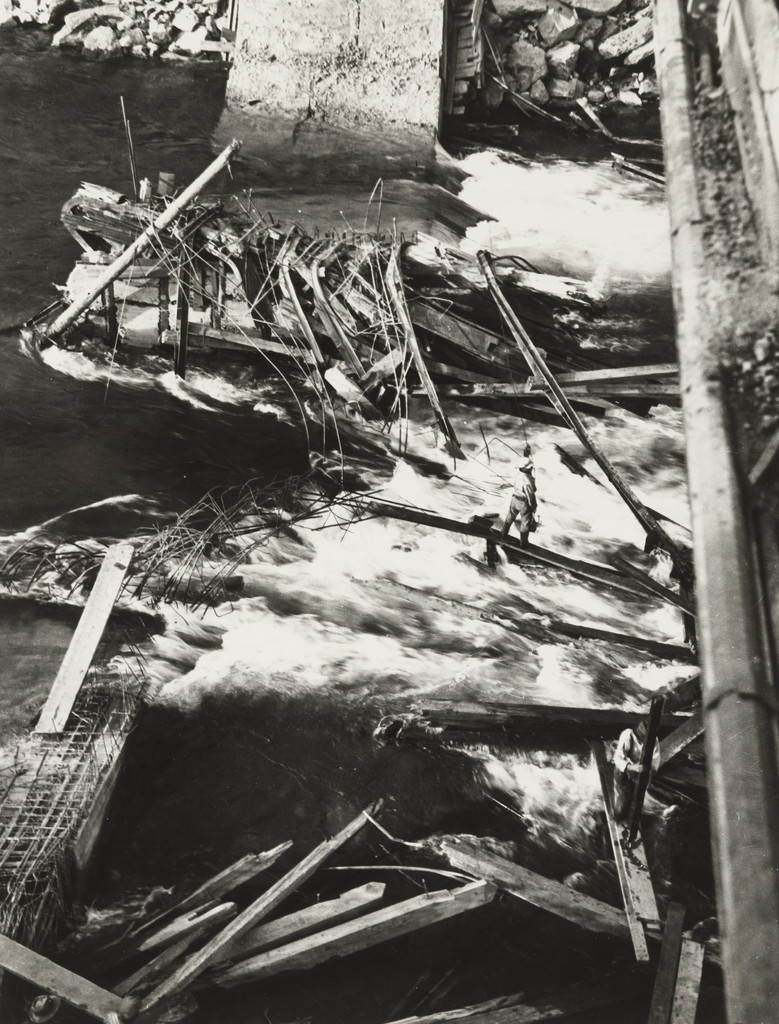
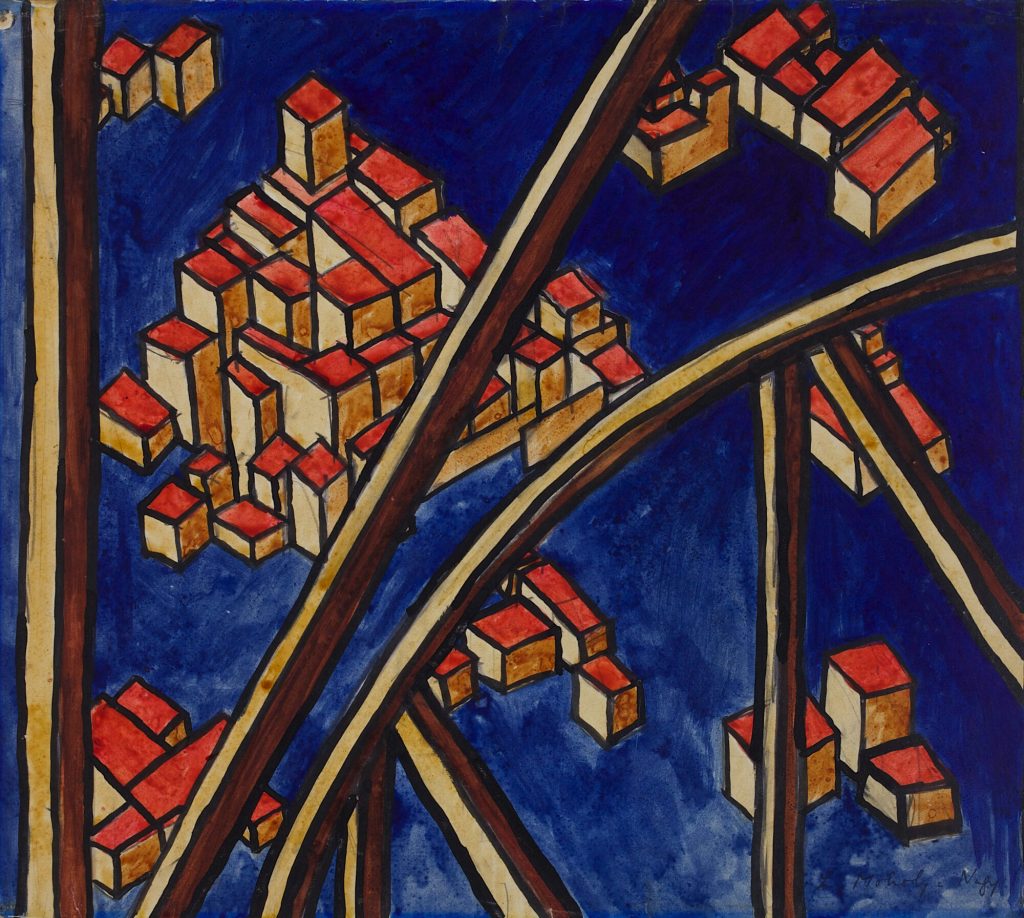
Boats, Marseille
¿Se puede contemplar?
Por ahora no recibe

Nueva York, Estados Unidos
Pertenece a la colección, pero ahora mismo no está expuesta.
- Comprobado
- Fuente
- El museo
Ficha
- Número de inventario
- 1792.2001
En el catálogo
Fuentes
- MoMA
- Imagen: MoMA — © the artist or rights holder
Mientras tanto, en la vida de László Moholy-Nagy
La vida entera1920–1933 · Residencia
Berlin
1928
Leaves the Bauhaus for his own Berlin studio
In 1928 Moholy-Nagy left the Bauhaus (Marianne Brandt took over the metal workshop) and set up his own design studio in Berlin, employing István Seboek, György Kepes and Andor Weininger. He designed sets for operatic and theatrical productions (including Erwin Piscator's political theatre) as well as exhibitions and books, ad campaigns and films.
1929
Helps organise “Film und Foto” in Stuttgart
Moholy-Nagy was brought in to help organise the famous “Film und Foto” exhibition in Stuttgart.
1929
Separates from Lucia
In 1929 Moholy-Nagy separated from his first wife Lucia, photographer and collaborator in his photogram experiments.
1931
Meets Sibylle Pietzsch
Moholy-Nagy met the actress and scriptwriter Sibylle Pietzsch, who became his wife and companion for the rest of his life and later an art and architectural historian. Together they made the now-classic film “A Lightplay: Black White Gray”, based on the Light-Space Modulator, as well as “Gypsies” and “Berlin Still Life”.
summer 1931
A trip to Finland as Alvar Aalto's guest
In the summer of 1931 Moholy-Nagy travelled to Finland with his then girlfriend, the actress Ellen Frank (Walter Gropius's sister-in-law), as the guest of the architect Alvar Aalto. There he visited the Holy Cross Church in Hattula — and in 1933 he named his first daughter Hattula.