ART WIKI32.979 en sala
MapaColecciónArtistasMuseosExposicionesRevista
Acceder

ART WIKI

Dónde cuelga la obra maestra y cuándo le dejan pasar.

Colecciones: Galería Nacional de Arte, Galería Nacional de Dinamarca, Galería Nacional de Retratos, Galería Tretiakov, Harvard Art Museums, Instituto de Arte de Chicago, Instituto de Artes de Mineápolis, MoMA, Museo de Arte de Cleveland, Museo de Victoria y Alberto, Museo del Hermitage, Museo del Louvre, Museo Estatal Ruso, Museo Hirshhorn y Jardín de Esculturas, Museo J. Paul Getty, Museo Metropolitano de Arte, Museo Pushkin, Museo Smithsoniano de Arte Americano, Museo Whitney de Arte Estadounidense, National Museum of Asian Art, Rijksmuseum, Villa Getty, Catálogo Estatal del Fondo Museístico de Rusia (274 museos), Europeana (19 museos), Wikidata (6 museos), Paris Musées (12 museos) y Joconde, la base de museos del Ministerio de Cultura de Francia (495 museos). Las imágenes pertenecen a sus titulares de derechos.

Secciones

  • Mapa
  • Búsqueda
  • Colección
  • Obras maestras
  • Expuestas ahora
  • Artistas

Más

  • Museos y galerías
  • Exposiciones
  • Revista
  • De dónde salen los datos
  • Privacidad y cookies
InicioMapaCatálogo
  1. Colección/
  2. Instituto de Artes de Mineápolis/
  3. Beast Haystacks
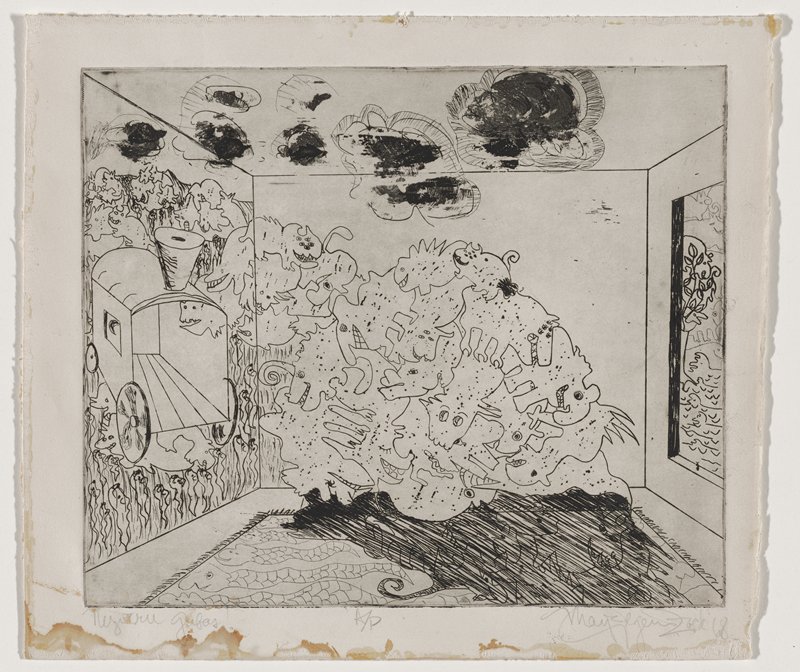
Beast Haystacks, Maija Peeples-Bright, 1968
MMaija Peeples-BrightEstados Unidos

Beast Haystacks

1968 · Print

¿Se puede contemplar?

Por ahora no recibe

Instituto de Artes de Mineápolis

Minneapolis, Estados Unidos

Pertenece a la colección, pero ahora mismo no está expuesta.

Comprobado
hace 3 días
En este estado desde
25 sept 2026
Fuente
El museo
En el mapaPágina del museo

Sobre la obra

Maija Peeples-Bright came of age in the 1960s, when she joined Robert Arneson, Roy DeForest, William Wiley, and other prominent artists of the nascent Funk Art movement that originated at the University of California-Davis, where she had received her advanced training in art. Beast Haystacks (1968) is characteristic of her work from the period in which she creates elaborate fantasy worlds populated by a menagerie of real and imaginary animals. Though her work typically features vivid color, this black-and-white line etching nonetheless conveys the dynamic energy, playfulness, and dream-like qualities for which Peeples-Bright is best known.

Instituto de Artes de Mineápolis

Ficha

Número de inventario
2019.149

En el catálogo

EstampasAguafuerteArte de posguerraSiglo XXEstados Unidos

Fuentes

  • Instituto de Artes de Mineápolis
  • Imagen: Instituto de Artes de Mineápolis — © Maija Peeples-Bright
Bajo el mismo techo: Instituto de Artes de Mineápolis

Página del museo
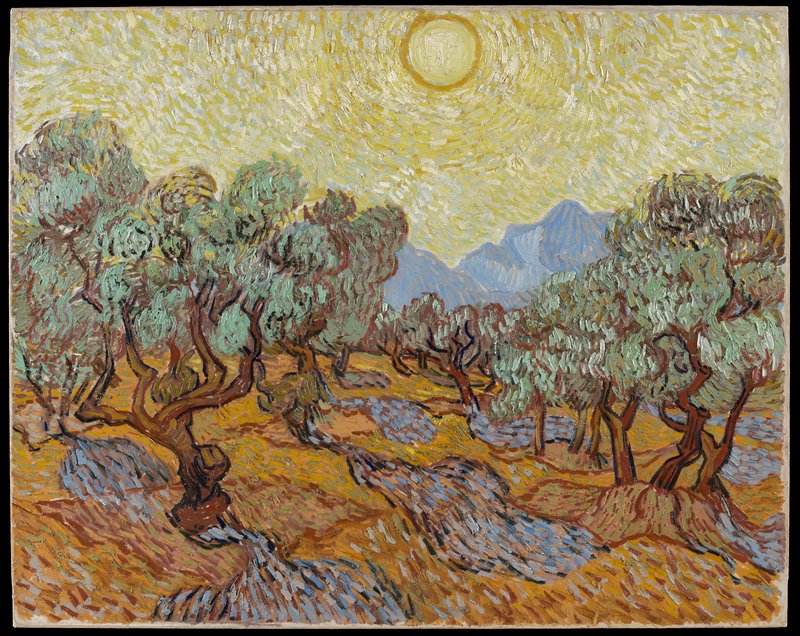
Olive Trees, Vincent van Gogh, 1889

Vincent van Gogh

Olive Trees, 1889

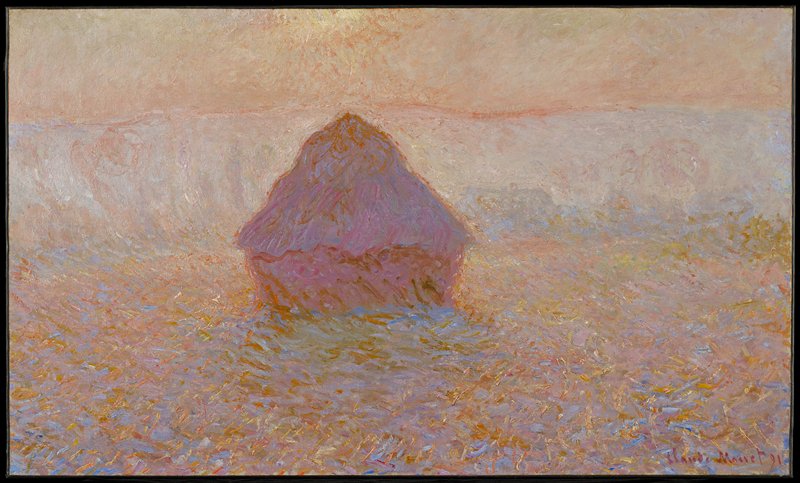
Grainstack, Sun in the Mist, Claude Monet, 1891

Claude Monet

Grainstack, Sun in the Mist, 1891

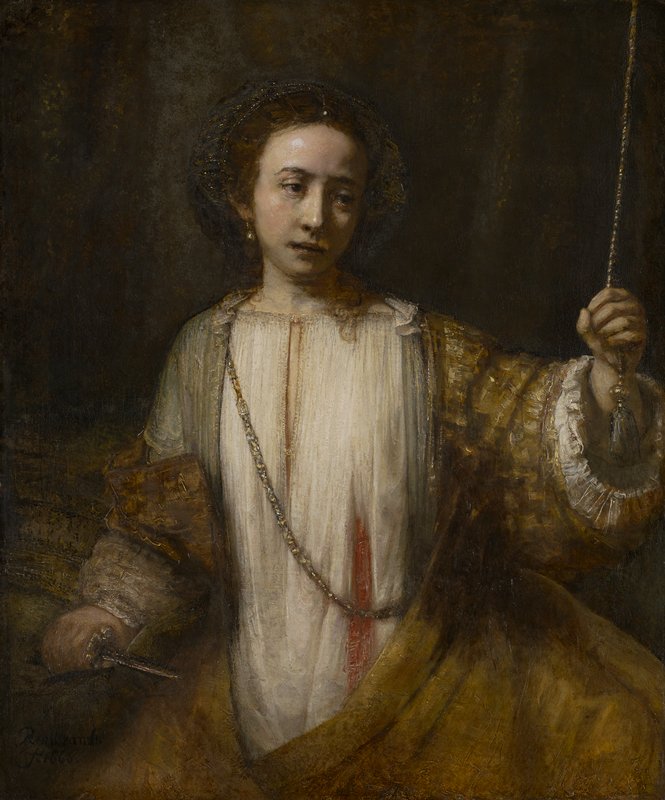
Lucretia, Rembrandt van Rijn, 1666

Rembrandt van Rijn

Lucretia, 1666

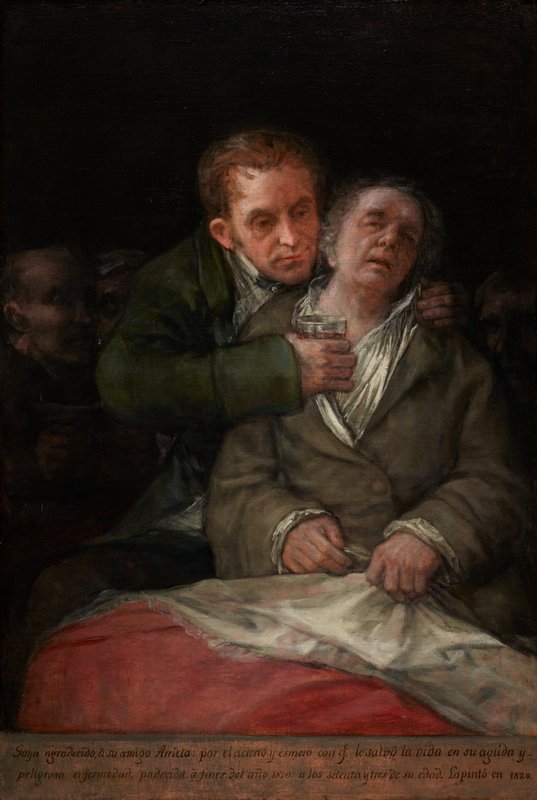
Self-Portrait with Dr. Arrieta, Francisco José de Goya y Lucientes, 1820

Francisco de Goya

Goya atendido por el doctor Arrieta, 1820

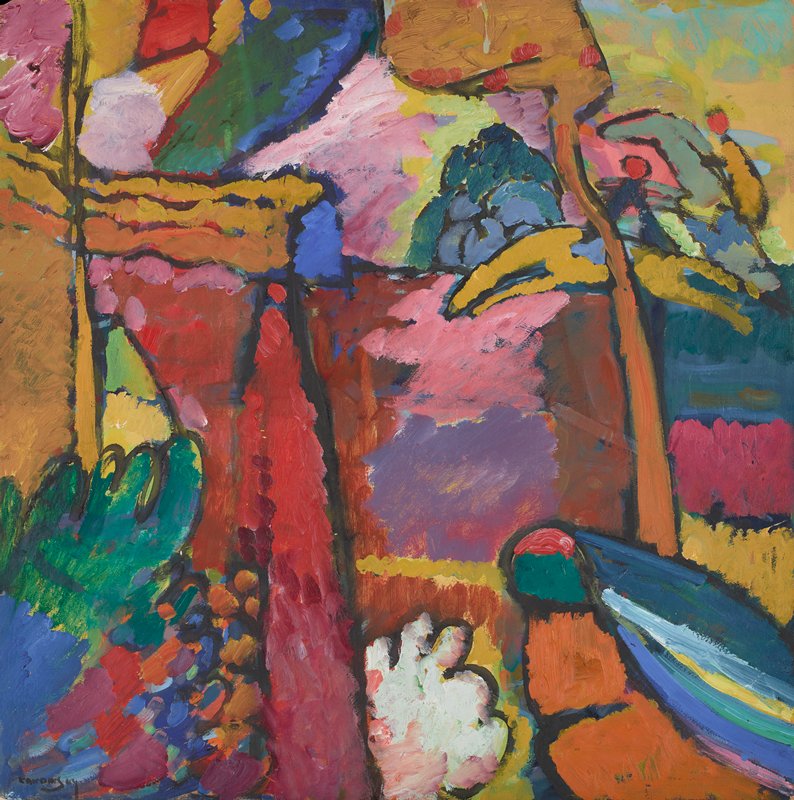
Study for Improvisation V, Vassily Kandinsky, 1910

Vasily Kandinsky

Study for Improvisation V, 1910

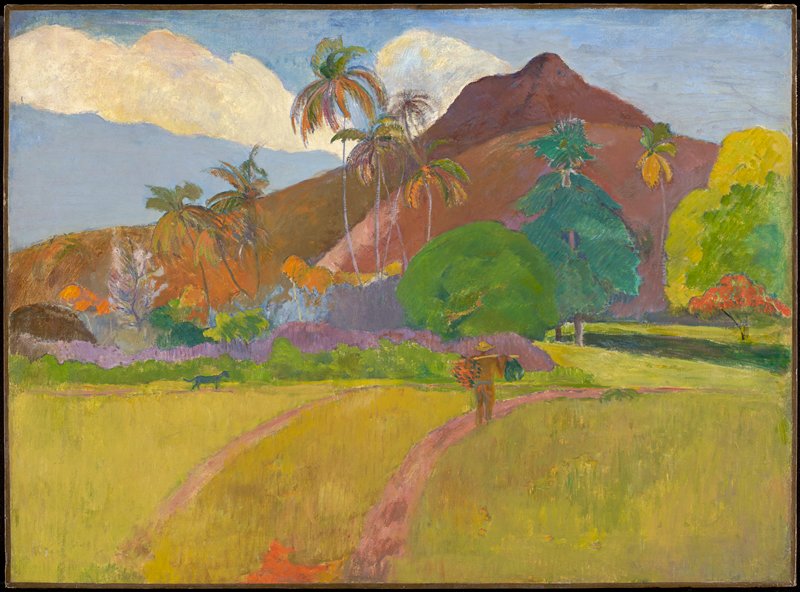
Tahitian Landscape, Paul Gauguin, 1891

Paul Gauguin

Tahitian Landscape, 1891

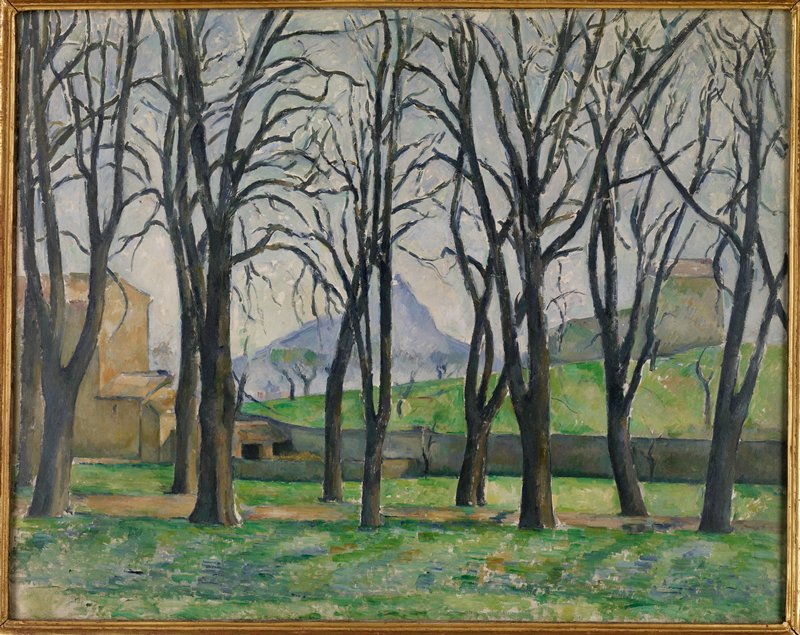
Chestnut Trees at Jas de Bouffan, Paul Cézanne, c. 1885–86

Paul Cézanne

Chestnut Trees at Jas de Bouffan, c. 1885–86

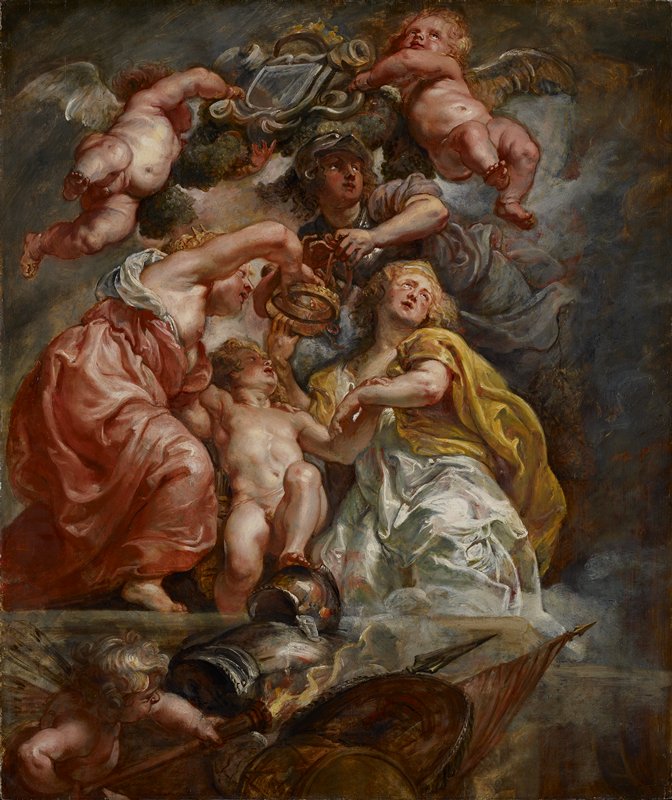
The Union of England and Scotland (Charles I as the Prince of Wales), Peter Paul Rubens, 1633–34

Peter Paul Rubens

The Union of England and Scotland (Charles I as the Prince of Wales), 1633–34