 Christoffer Wilhelm EckersbergDinamarca, 1783–1853
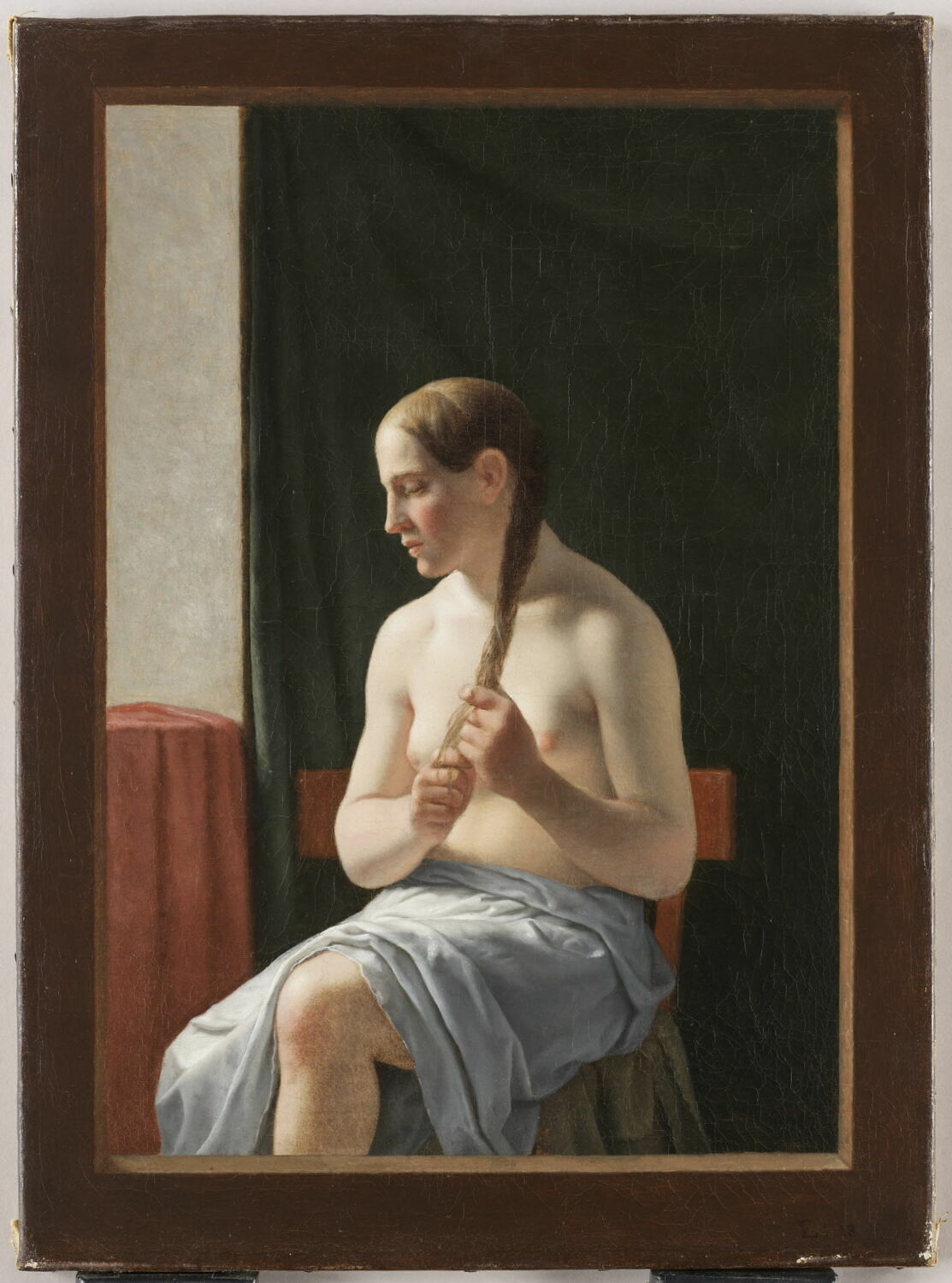
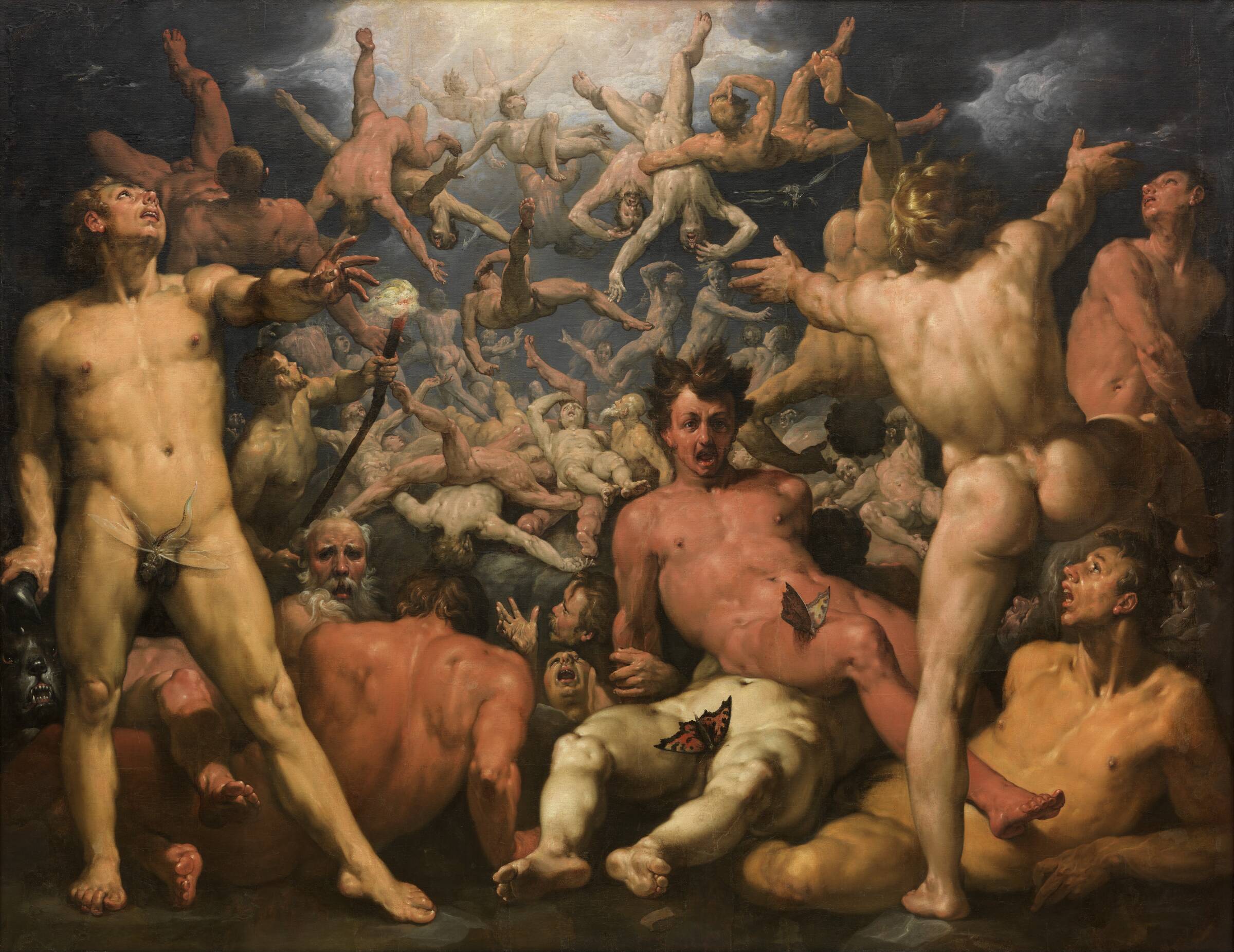
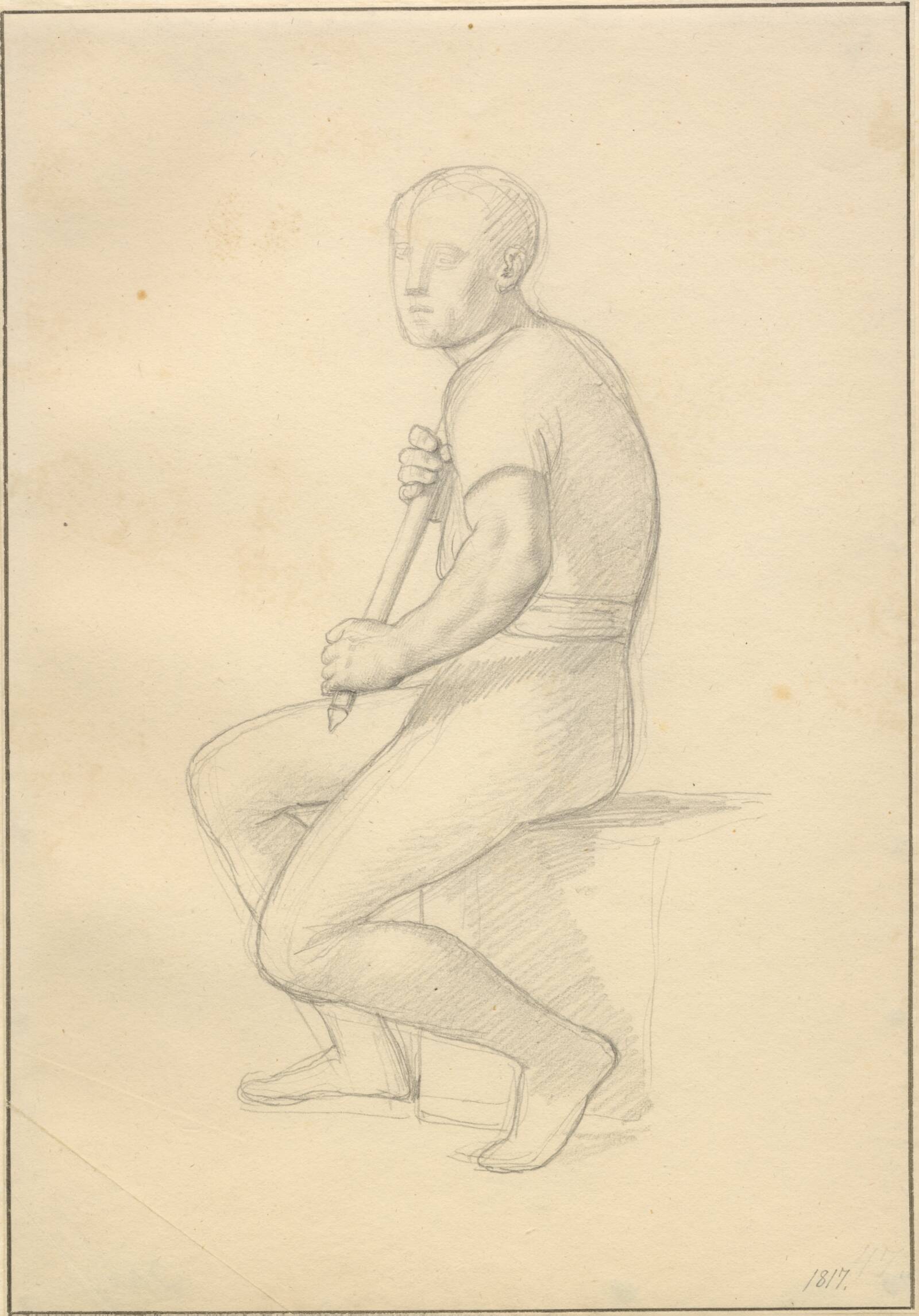
Balders død - studie til Thor.
¿Se puede contemplar?
Por ahora no recibe

Copenhague, Dinamarca
Pertenece a la colección, pero ahora mismo no está expuesta.
- Comprobado
- En este estado desde
- Fuente
- El museo
Ficha
- Número de inventario
- KKSgb4194
En el catálogo
Fuentes
- Galería Nacional de Dinamarca
- Imagen: Galería Nacional de Dinamarca — public domain
Mientras tanto, en la vida de Christoffer Wilhelm Eckersberg
La vida entera1813–1816
Three years in Rome among artists
He works on his skills as a history painter and enjoys painting small studies of local life and the surroundings; he lives among a large group of artists whose cultural head is Bertel Thorvaldsen. The bright southern light affects him deeply, and in these years he produces a large body of work, including a number of exceptional landscape studies.
1813–1816
Friendship with Bertel Thorvaldsen
Eckersberg and Thorvaldsen develop a close, lasting relationship: the master serves the younger man as both a loyal friend and an adviser. In 1816 Thorvaldsen models a bust of Eckersberg.
2 August 1816
Returns to Denmark
He returns to Denmark on 2 August 1816; his divorce from Hyssing was finalized while he was abroad.
8 February 1817
Marries Elisabeth Juel
He marries Elisabeth Cathrine Julie Juel, daughter of Jens Juel, portrait painter and professor at the Academy; before her death in 1827 they have two sons and four daughters.
1817
Admitted to the Academy: “The Death of Baldur”
Soon after his return he arranges his admission to the Academy; the subject set for his admission painting is the Norse legend of the Death of Baldur. He is admitted as a member of the Academy in October 1817.
1818
Appointed professor at the Academy
He takes up the professorship left vacant by Abildgaard's death in 1809: the Academy had kept the post open until his return, holding off other candidates, and finally gave it both to him and to J. L. Lund (other accounts say he became a professor already in 1817). Teaching is his greatest contribution: he takes students out into the field, introducing direct study from nature into Danish art, and encourages them to develop their individual strengths.