ART WIKI32.963 en sala
MapaColecciónArtistasMuseosExposicionesRevista
Acceder

ART WIKI

Dónde cuelga la obra maestra y cuándo le dejan pasar.

Colecciones: Galería Nacional de Arte, Galería Nacional de Dinamarca, Galería Nacional de Retratos, Galería Tretiakov, Harvard Art Museums, Instituto de Arte de Chicago, Instituto de Artes de Mineápolis, MoMA, Museo de Arte de Cleveland, Museo de Victoria y Alberto, Museo del Hermitage, Museo del Louvre, Museo Estatal Ruso, Museo Hirshhorn y Jardín de Esculturas, Museo J. Paul Getty, Museo Metropolitano de Arte, Museo Pushkin, Museo Smithsoniano de Arte Americano, Museo Whitney de Arte Estadounidense, National Museum of Asian Art, Rijksmuseum, Villa Getty, Catálogo Estatal del Fondo Museístico de Rusia (274 museos), Europeana (19 museos), Wikidata (6 museos), Paris Musées (12 museos) y Joconde, la base de museos del Ministerio de Cultura de Francia (495 museos). Las imágenes pertenecen a sus titulares de derechos.

Secciones

  • Mapa
  • Búsqueda
  • Colección
  • Obras maestras
  • Expuestas ahora
  • Artistas

Más

  • Museos y galerías
  • Exposiciones
  • Revista
  • De dónde salen los datos
  • Privacidad y cookies
InicioMapaCatálogo
  1. Colección/
  2. Museo del Louvre/
  3. Allégorie des Vertus
Allégorie des Vertus, Corrège
Antonio da Correggio, retratoAntonio da CorreggioItalia, 1489–1534

Allégorie des Vertus

Arts graphiques

Obra maestraN.º 24de las obras sobre papel más famosas

¿Se puede contemplar?

Se desconoce: el museo guarda silencio

Museo del Louvre

París, Francia

Se sabe quién es el propietario. Si hoy está expuesta, el museo no lo dice, y a adivinar no nos enseñaron.

En este estado desde
26 sept 2026
Fuente
Los datos de colección del propio museo
En el mapaPágina del museo

Sobre la obra

The Allegory of Virtue is a tempera on canvas painting by Correggio dating to around 1531 and measuring 149 centimetres (59 in) by 88 centimetres (35 in). It and Allegory of Vice were painted as a pair for the studiolo of Isabella d'Este, with Vice probably the second of the two to be completed. This hypothesis is since only one (possibly non-autograph) sketch survives for Vice, unlike Virtue, for which two preparatory studies survive (in the Louvre), along with a near-complete oil sketch (attributed to Correggio in the 1603 inventory of the Aldobrandini collection and now at the Galleria Doria Pamphili) - this suggests Correggio had become more proficient after the difficult gestation of Virtue.

Seguir leyendo

As usually interpreted, the central woman is Minerva, holding a read lance and a plumed helmet - the work may even be a continuation of Mantegna's 1502 Triumph of the Virtues, painted for the same studiolo and also featuring a Minerva with a red lance. (Others have interpreted the figure as Isabella herself, dressed as Wisdom.) Glory hovers above her holding a crown, whilst a seated female figure to the left is surrounded by symbols of the four cardinal virtues (a snake in her hair for Prudence, a sword for Justice, reins for Temperance, and Hercules's lion skin for Fortitude). Some interpret the seated black female figure on the right as Astrology, Science or Intellectual Virtue - she points outside the painting's space and thus (like the putto in Vice) draws the viewer's attention from one painting to the other.

After the studiolo's contents was dispersed, Virtue and the Mantegna were given to Cardinal Richelieu around 1627 and moved to Paris. There they were acquired by Eberhard Jabach in 1671, before being sold by him to Louis XIV - Virtue still hangs in the Louvre.

Wikipedia · CC BY-SA

Ficha

Número de inventario
INV 5926, Recto

En el catálogo

Dibujos y acuarelas

Fuentes

  • Museo del Louvre: los datos abiertos del museo · obtenido hace 8 días
  • Imagen: Museo del Louvre — GrandPalaisRmn (Musée du Louvre) / Michel Urtado

Más obras de Antonio da Correggio

Todas las obras
Madonna and Child, Circle of Andrea Mantegna, c. 1505/1510

Madonna and Child

c. 1505/1510 · Galería Nacional de Arte

The Mystic Marriage of Saint Catherine, Correggio, 1510/1515

The Mystic Marriage of Saint Catherine

1510/1515 · Galería Nacional de Arte

Salvator Mundi, Correggio, c. 1515

Salvator Mundi

c. 1515 · Galería Nacional de Arte

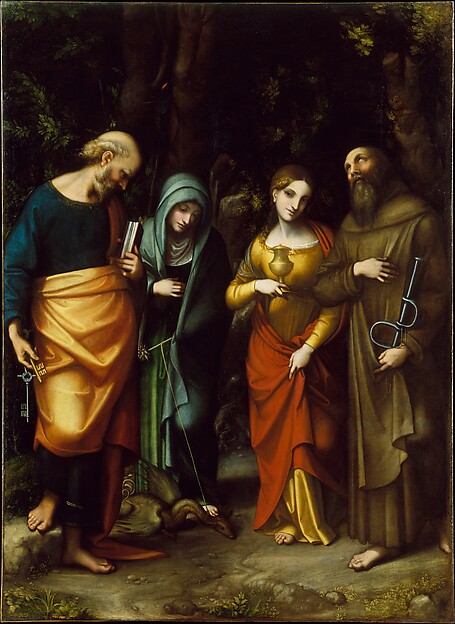
Saints Peter, Martha, Mary Magdalen, and Leonard, Correggio, ca. 1515

Saints Peter, Martha, Mary Magdalen, and Leonard

ca. 1515 · Museo Metropolitano de Arte

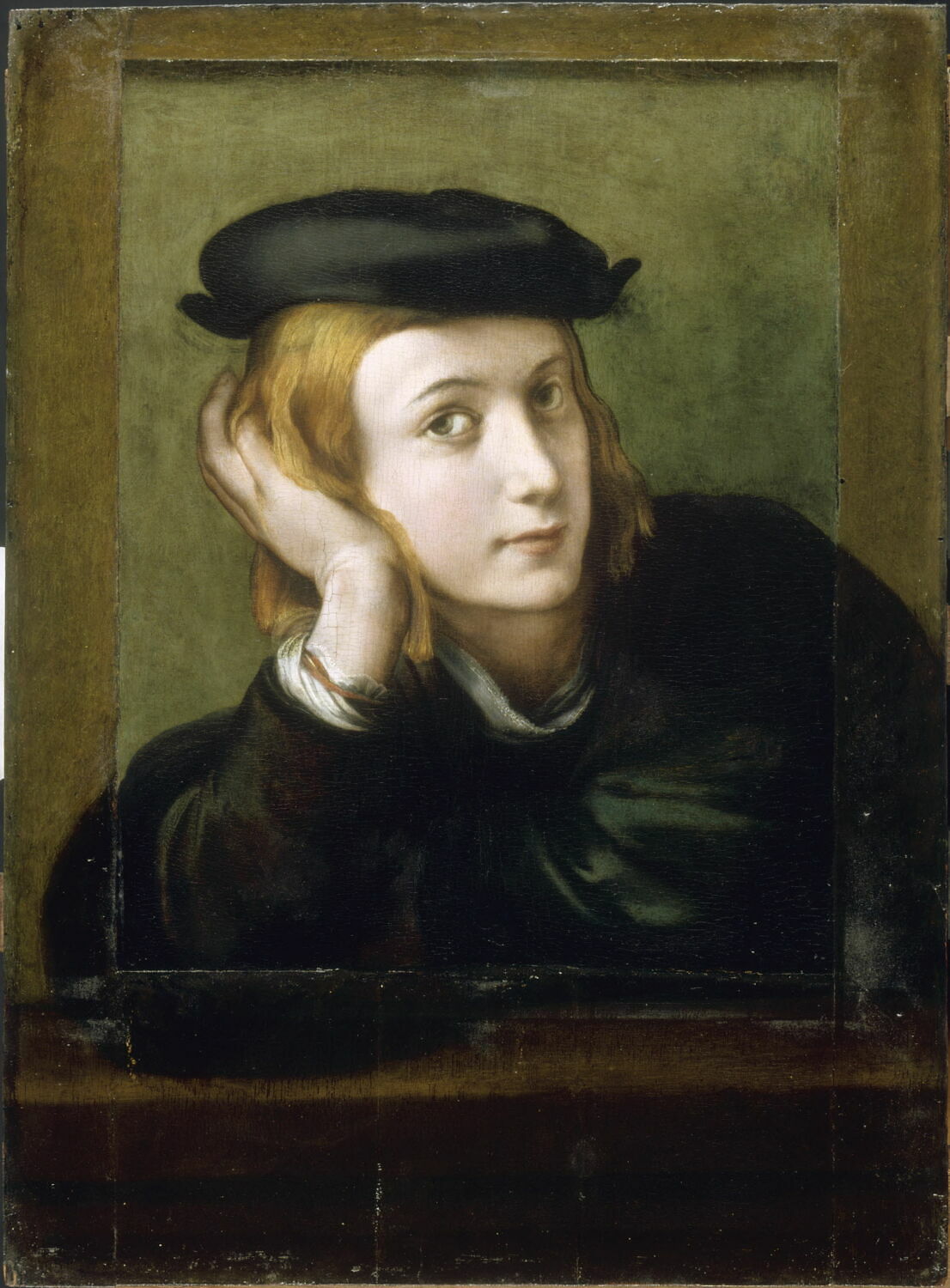
Portrait de jeune homme, Italie, XVIe siècle (?) (vers 1517 - 1520)

Portrait de jeune homme

XVIe siècle (?) (vers 1517 - 1520) · Museo del Louvre

Virgin and Child with the Young Saint John the Baptist, Antonio da Correggio, c. 1515

Virgin and Child with the Young Saint John the Baptist

c. 1515 · Instituto de Arte de Chicago

Youth Holding a Dish, After Correggio, 17th century?

Youth Holding a Dish

17th century? · No expuesta · Galería Nacional de Arte

The Virgin and Child with Angels, Vivant Denon, after Correggio

The Virgin and Child with Angels

No expuesta · Galería Nacional de Arte

Bajo el mismo techo: Museo del Louvre

Página del museo
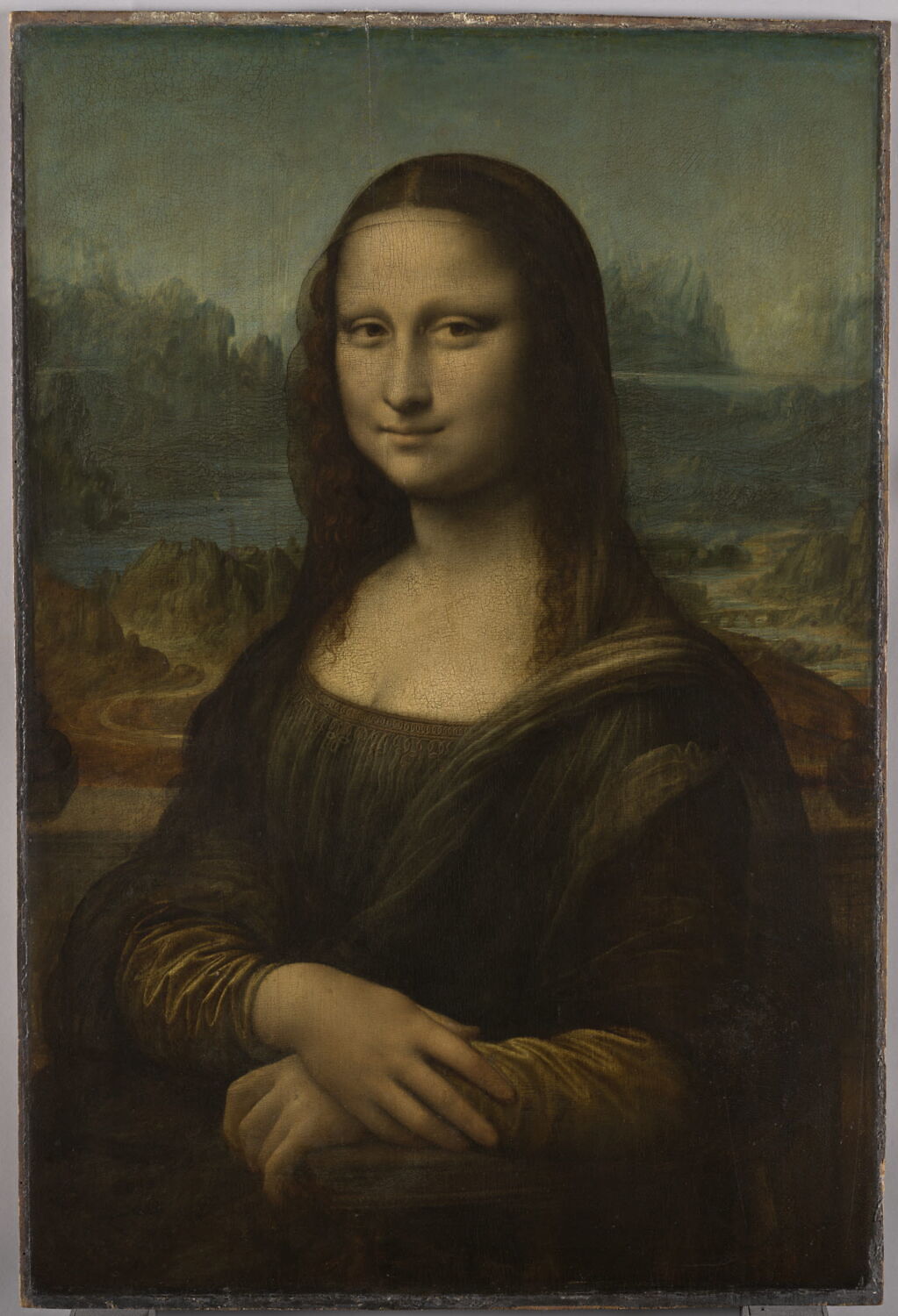
Portrait de Lisa Gherardini, épouse de Francesco del Giocondo, dit La Joconde ou Monna Lisa, Léonard de Vinci, 1e quart du XVIe siècle (1503 - 1519)

Leonardo da Vinci

La Gioconda, 1e quart du XVIe siècle (1503 - 1519)

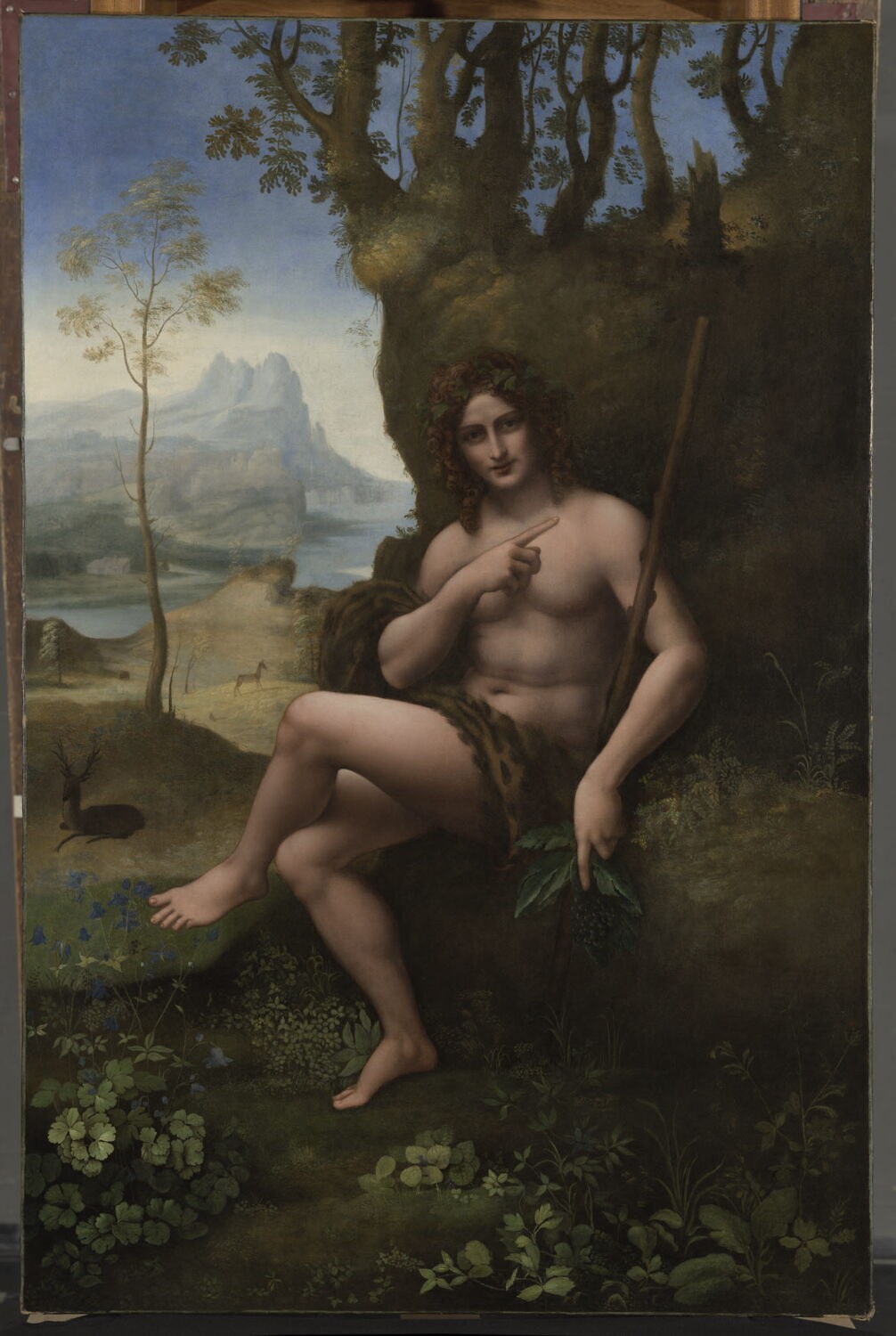
Saint Jean Baptiste, Léonard de Vinci, 1e quart du XVIe siècle (vers 1517 - 1520)

Leonardo da Vinci

Baco, 1e quart du XVIe siècle (vers 1517 - 1520)

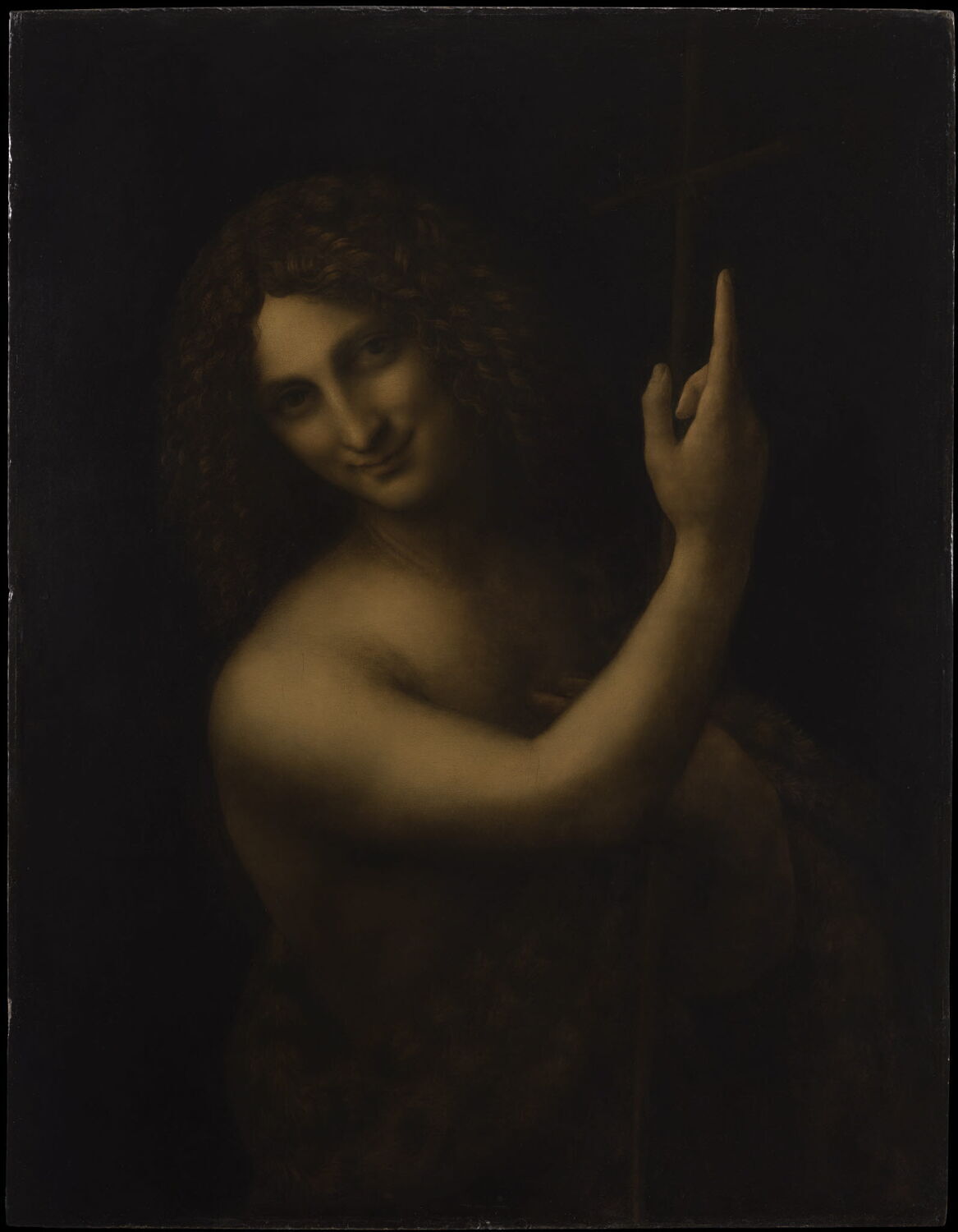
Saint Jean Baptiste, Léonard de Vinci, 1e quart du XVIe siècle (vers 1508 - 1519)

Leonardo da Vinci

San Juan Bautista, 1e quart du XVIe siècle (vers 1508 - 1519)

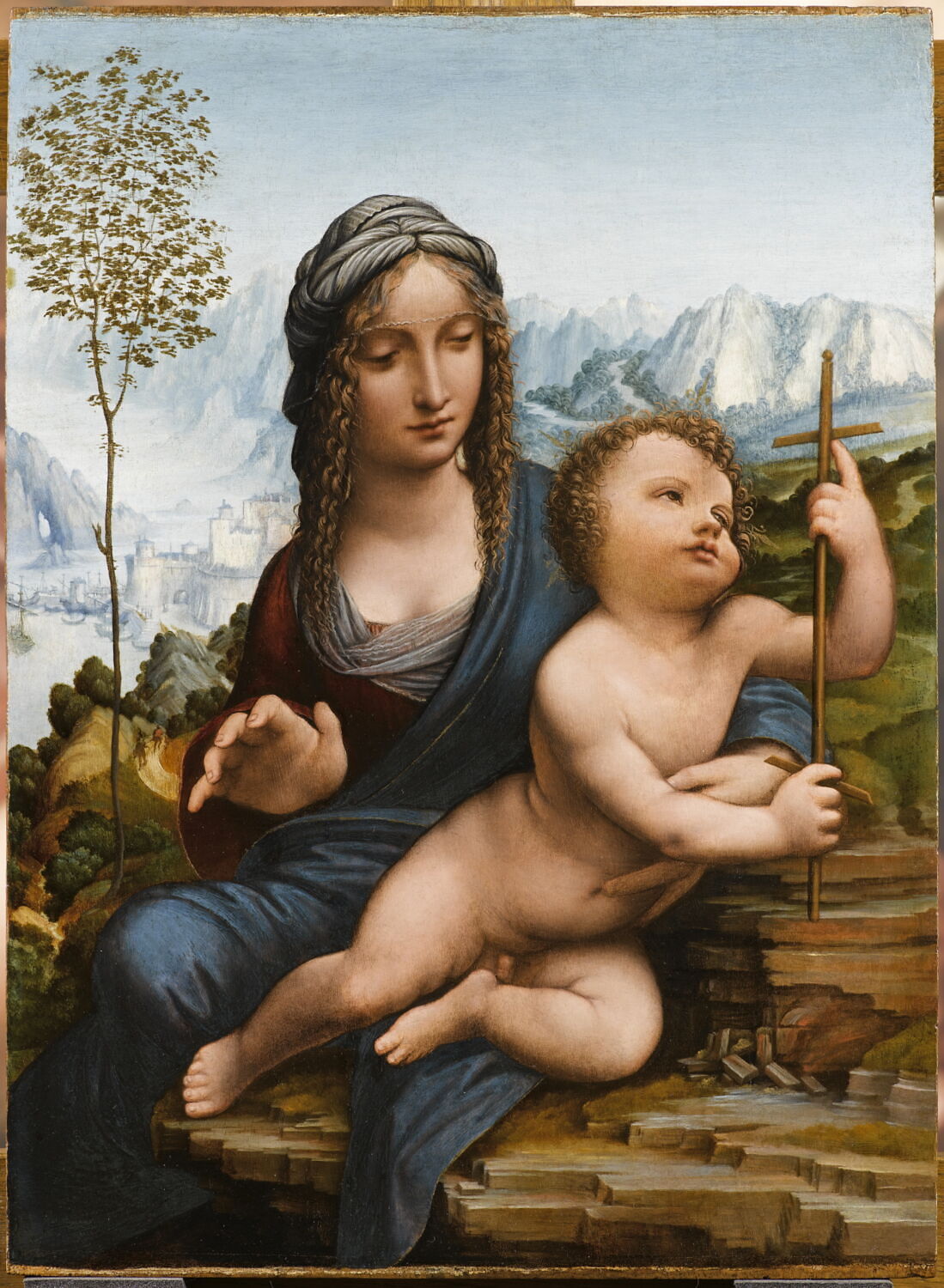
La Vierge et l'Enfant Jésus, dite Vierge au dévidoir ou Vierge aux fuseaux, Léonard de Vinci, XVIe siècle (vers 1505 - 1520)

Leonardo da Vinci

La Vierge et l'Enfant Jésus, dite Vierge au dévidoir ou Vierge aux fuseaux, XVIe siècle (vers 1505 - 1520)

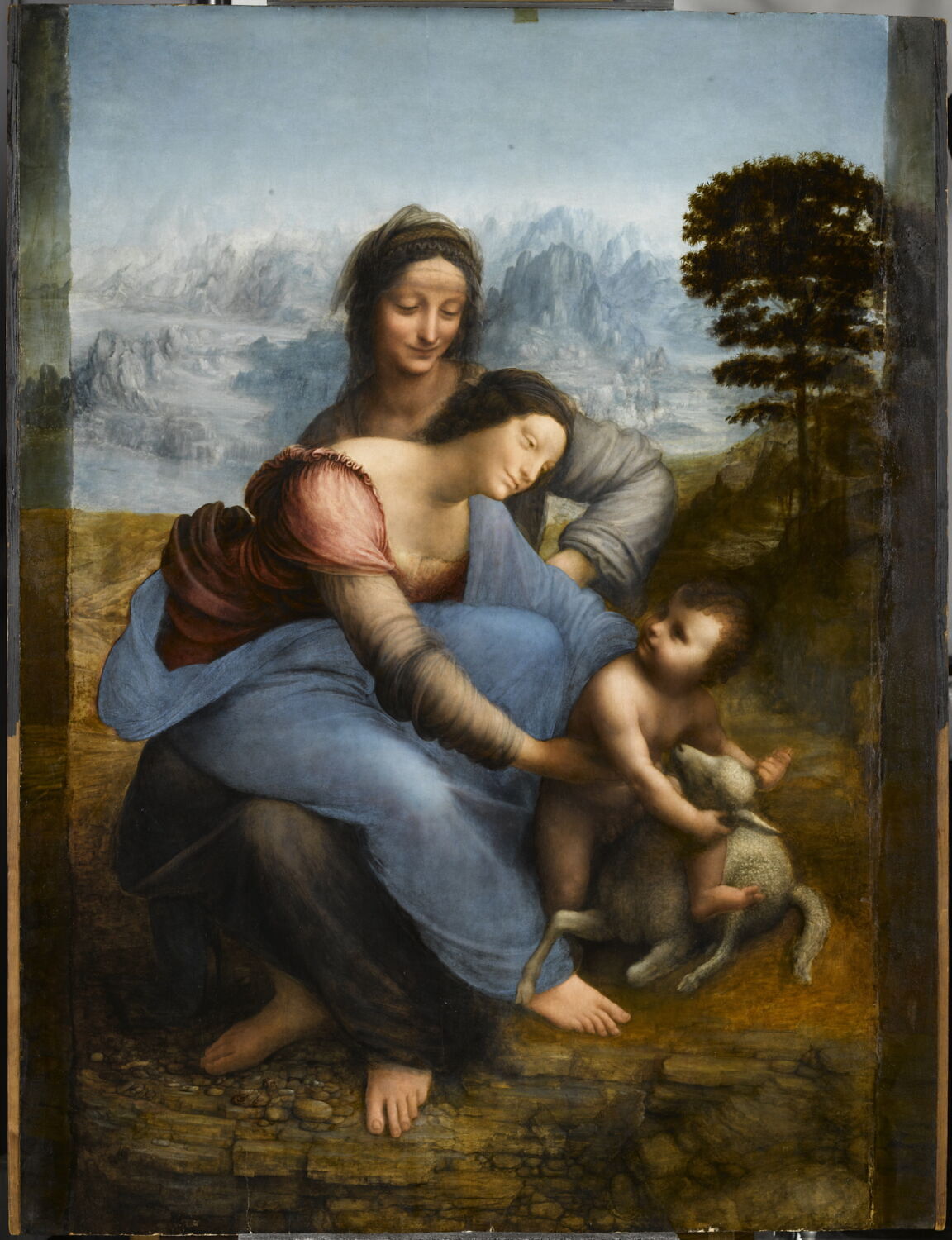
La Vierge, l'Enfant Jésus et sainte Anne, dit La Sainte Anne, Léonard de Vinci, 1e quart du XVIe siècle (vers 1503 - 1519)

Leonardo da Vinci

La Virgen, el Niño Jesús y Santa Ana, 1e quart du XVIe siècle (vers 1503 - 1519)

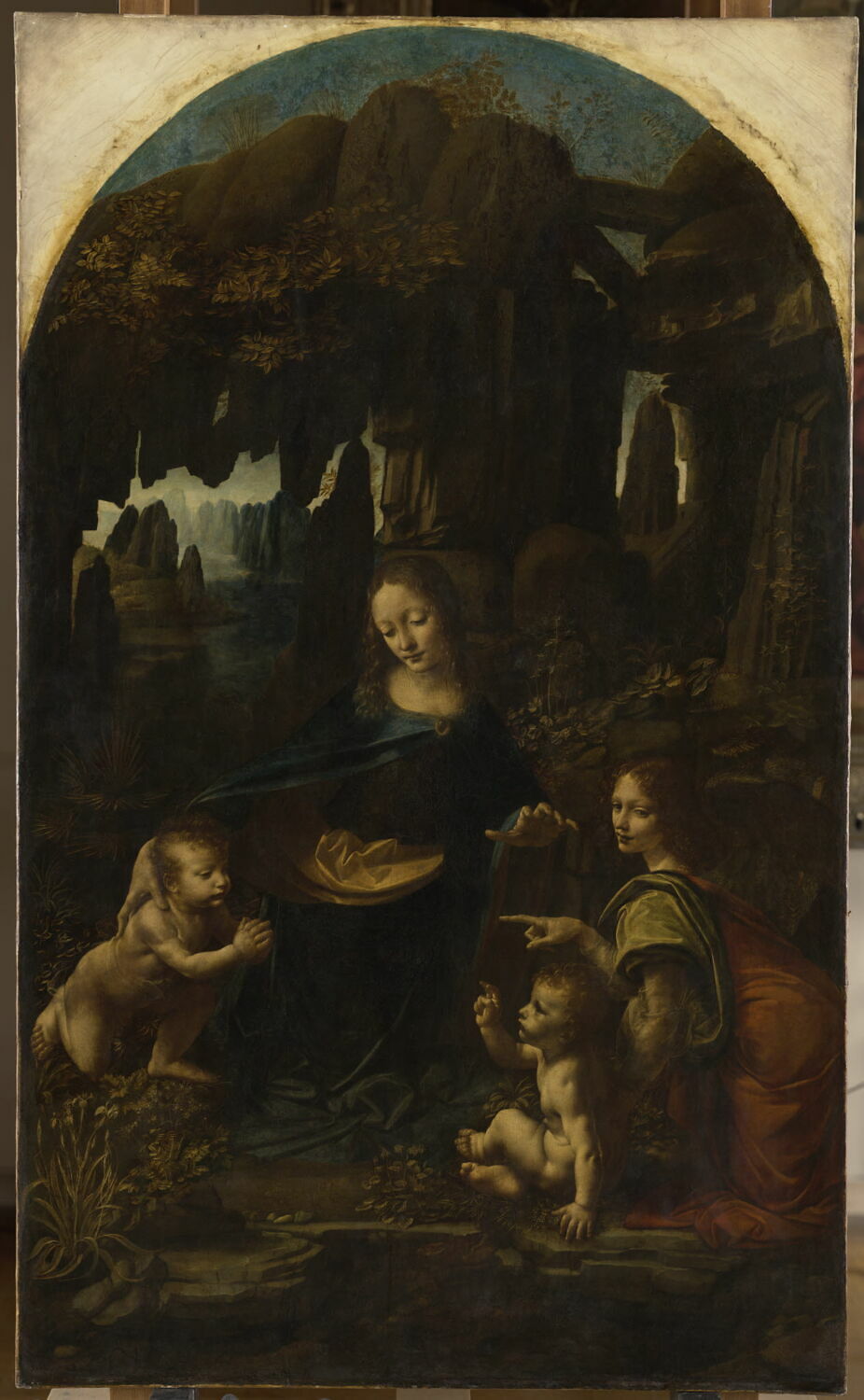
La Vierge, l'Enfant Jésus, saint Jean Baptiste et un ange, dit La Vierge aux rochers, Léonard de Vinci, 4e quart du XVe siècle (vers 1483 - 1494)

Leonardo da Vinci

La Vierge, l'Enfant Jésus, saint Jean Baptiste et un ange, dit La Vierge aux rochers, 4e quart du XVe siècle (vers 1483 - 1494)

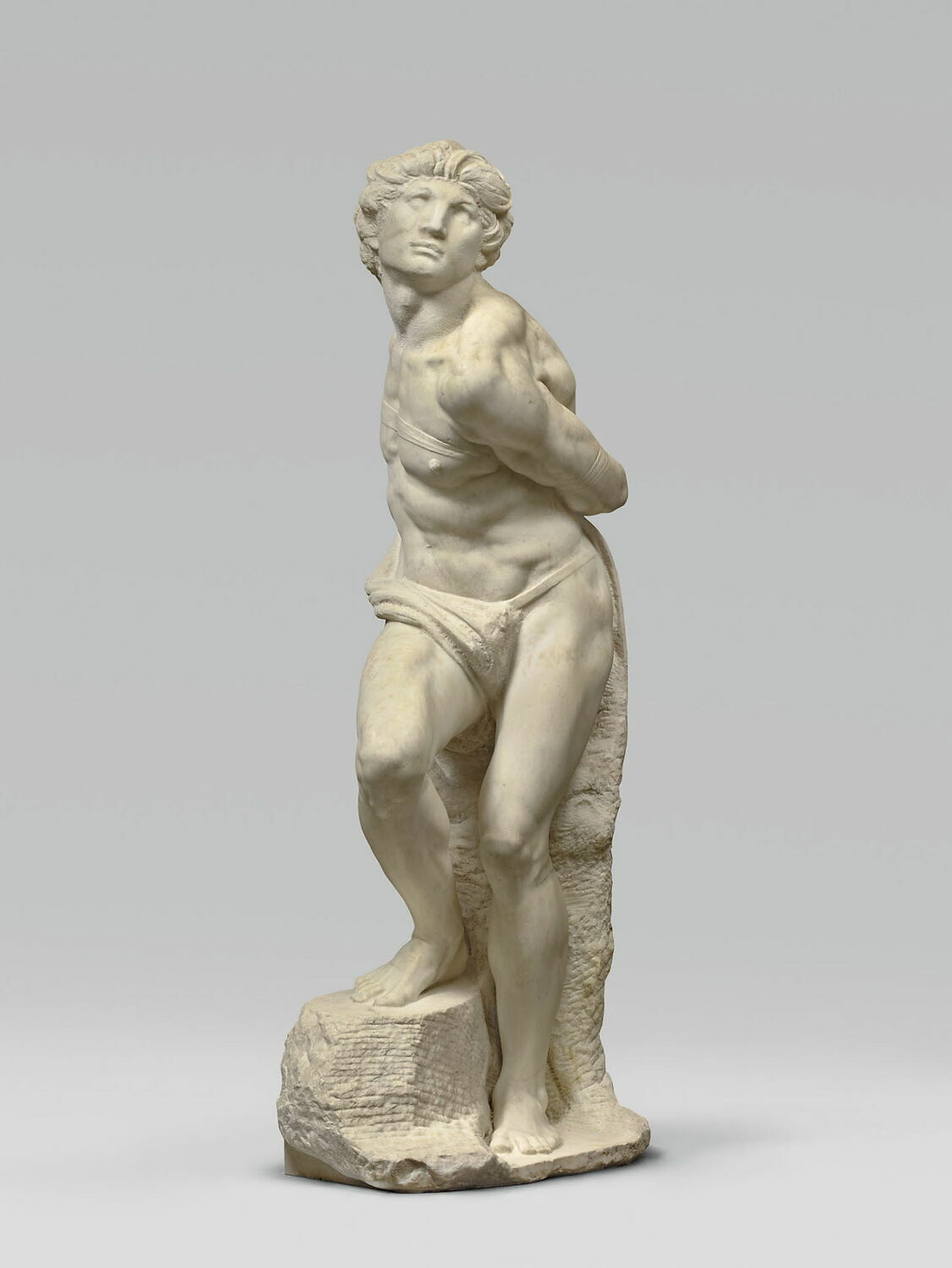
Esclave rebelle, Buonarroti, Michelangelo dit Michel-Ange, 1513 - 1515

Michelangelo

Esclavo rebelde, 1513 - 1515

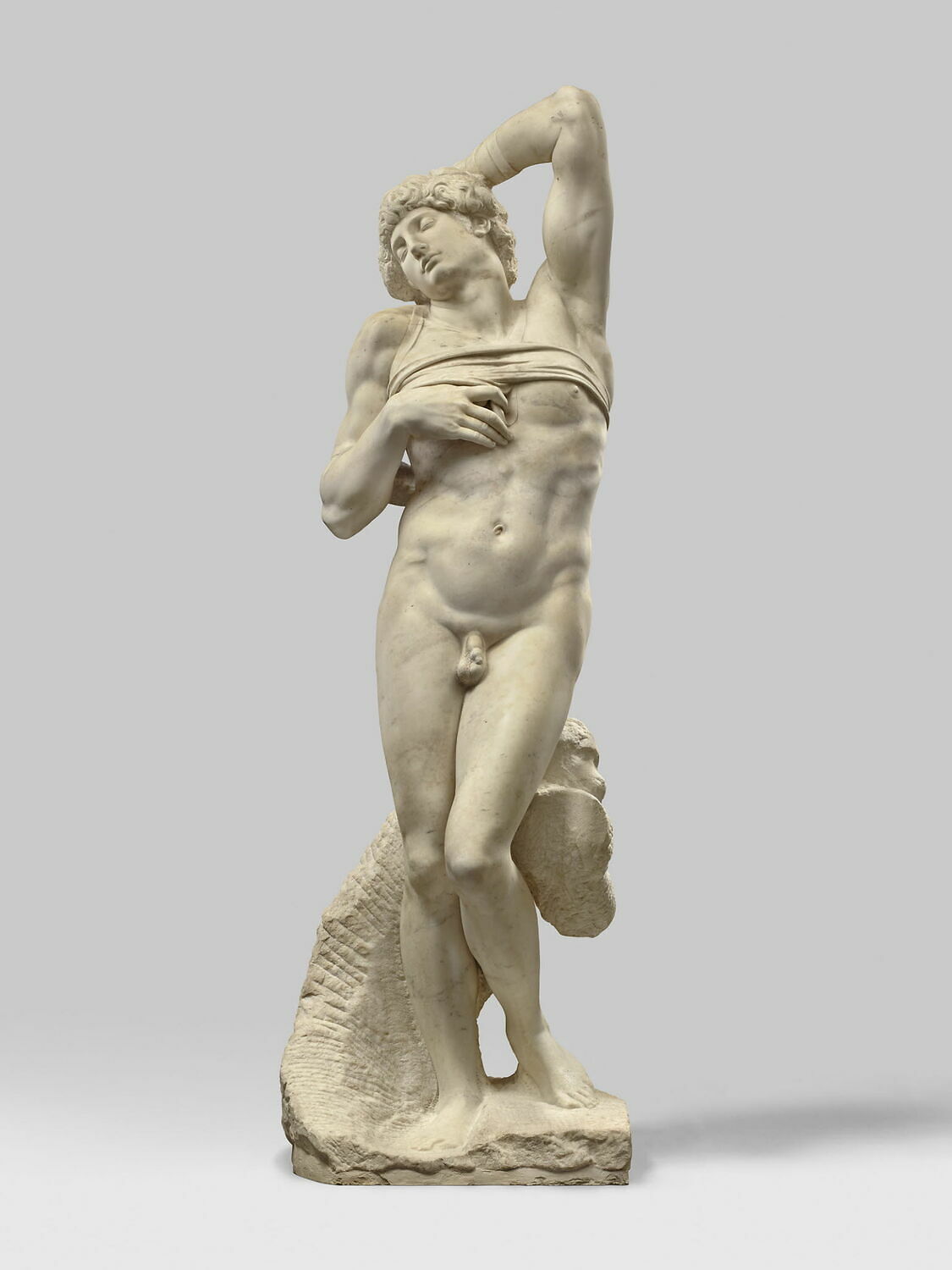
Esclave mourant, Buonarroti, Michelangelo dit Michel-Ange, 1513 - 1515

Michelangelo

Esclavo moribundo, 1513 - 1515