ART WIKI33.040 en sala
MapaColecciónArtistasMuseosExposicionesRevista
Acceder

ART WIKI

Dónde cuelga la obra maestra y cuándo le dejan pasar.

Colecciones: Galería Nacional de Arte, Galería Nacional de Dinamarca, Galería Nacional de Retratos, Galería Tretiakov, Harvard Art Museums, Instituto de Arte de Chicago, Instituto de Artes de Mineápolis, MoMA, Museo de Arte de Cleveland, Museo de Victoria y Alberto, Museo del Hermitage, Museo del Louvre, Museo Estatal Ruso, Museo Hirshhorn y Jardín de Esculturas, Museo J. Paul Getty, Museo Metropolitano de Arte, Museo Pushkin, Museo Smithsoniano de Arte Americano, Museo Whitney de Arte Estadounidense, National Museum of Asian Art, Rijksmuseum, Villa Getty, Catálogo Estatal del Fondo Museístico de Rusia (274 museos), Europeana (19 museos), Wikidata (6 museos), Paris Musées (12 museos) y Joconde, la base de museos del Ministerio de Cultura de Francia (495 museos). Las imágenes pertenecen a sus titulares de derechos.

Secciones

  • Mapa
  • Búsqueda
  • Colección
  • Obras maestras
  • Expuestas ahora
  • Artistas

Más

  • Museos y galerías
  • Exposiciones
  • Revista
  • De dónde salen los datos
  • Privacidad y cookies
InicioMapaCatálogo
  1. Colección/
  2. Museo de Victoria y Alberto/
  3. Alexander I
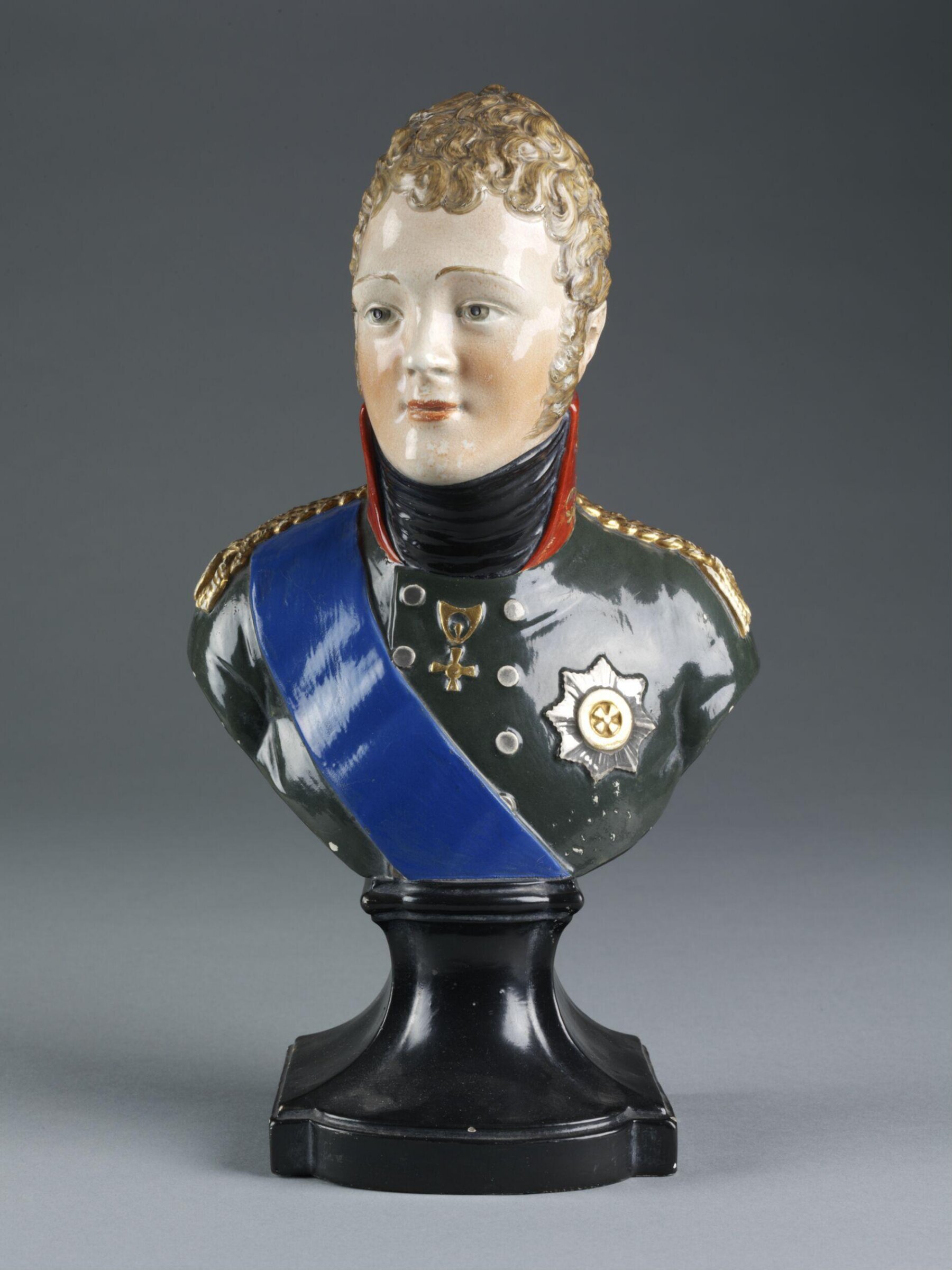
Alexander I, Herculaneum Factory, 1805-1810
HHerculaneum Factory

Alexander I

1805-1810 · Bust · 29.9 × 15.2 cm

Sobre la escultura

Object Type

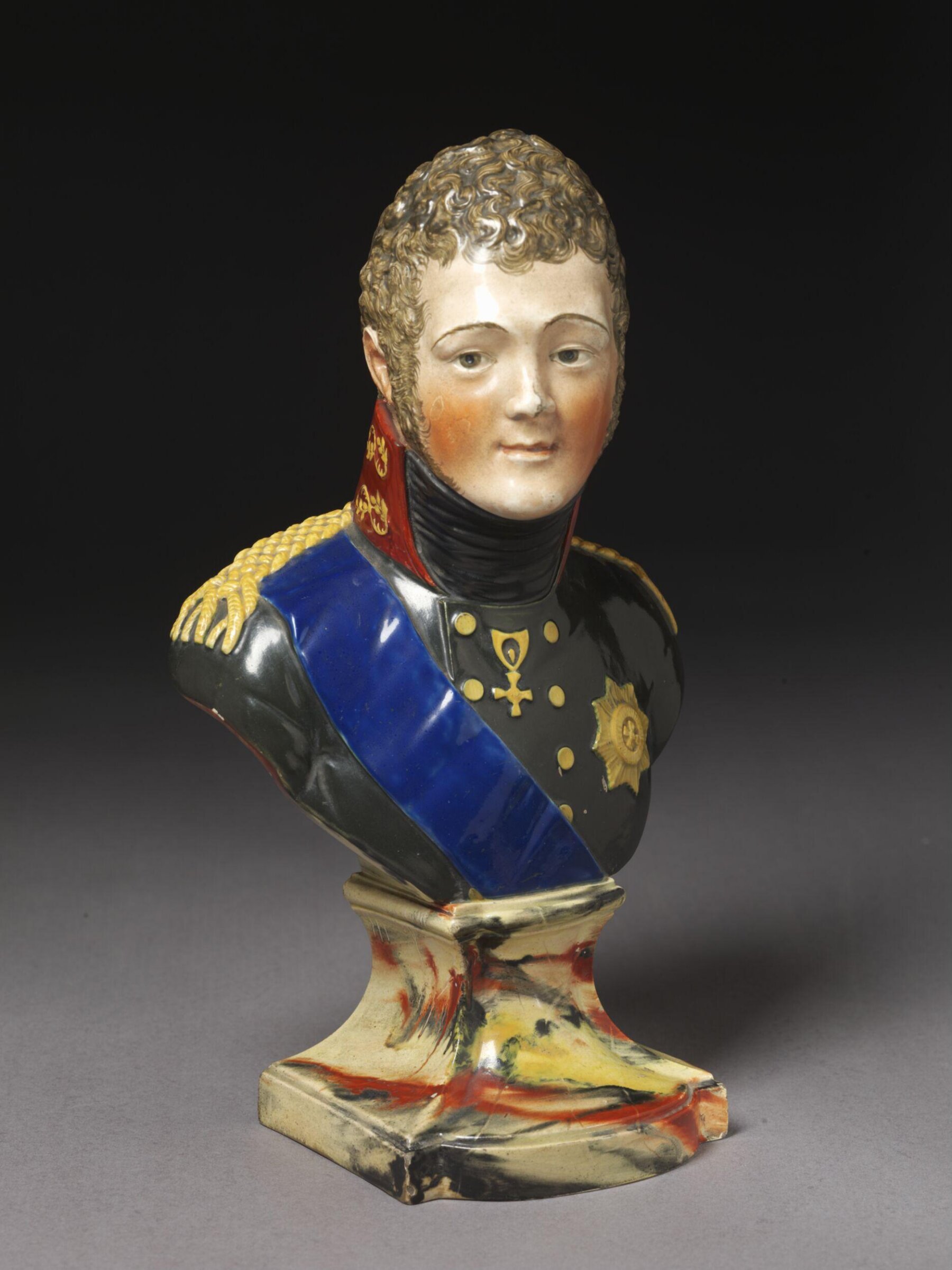
Pottery busts, along with a huge variety of figures, became fashionable at the end of the 18th century. High-quality portrait busts such as this example were certainly copied from engravings.

Trade & Trading

The Russian market was important not only to potteries in Staffordshire and Yorkshire, which were linked to the port of Hull by the canal system, but even to the Herculaneum Pottery in Liverpool. Normally Russia would have depended largely on France for the supply of fine ceramics, but after the invasion of Russia by Napoleon and the burning of Moscow in 1812 , trade ties with Britain were strengthened, accompanied also by a wave of sympathy for the Russians. After Waterloo (1815), trade links between British potteries and Russia continued to grow, when large quantities of blue-printed earthenware were exported via factory agents in some of the principal cities.

Seguir leyendo

Materials & Making

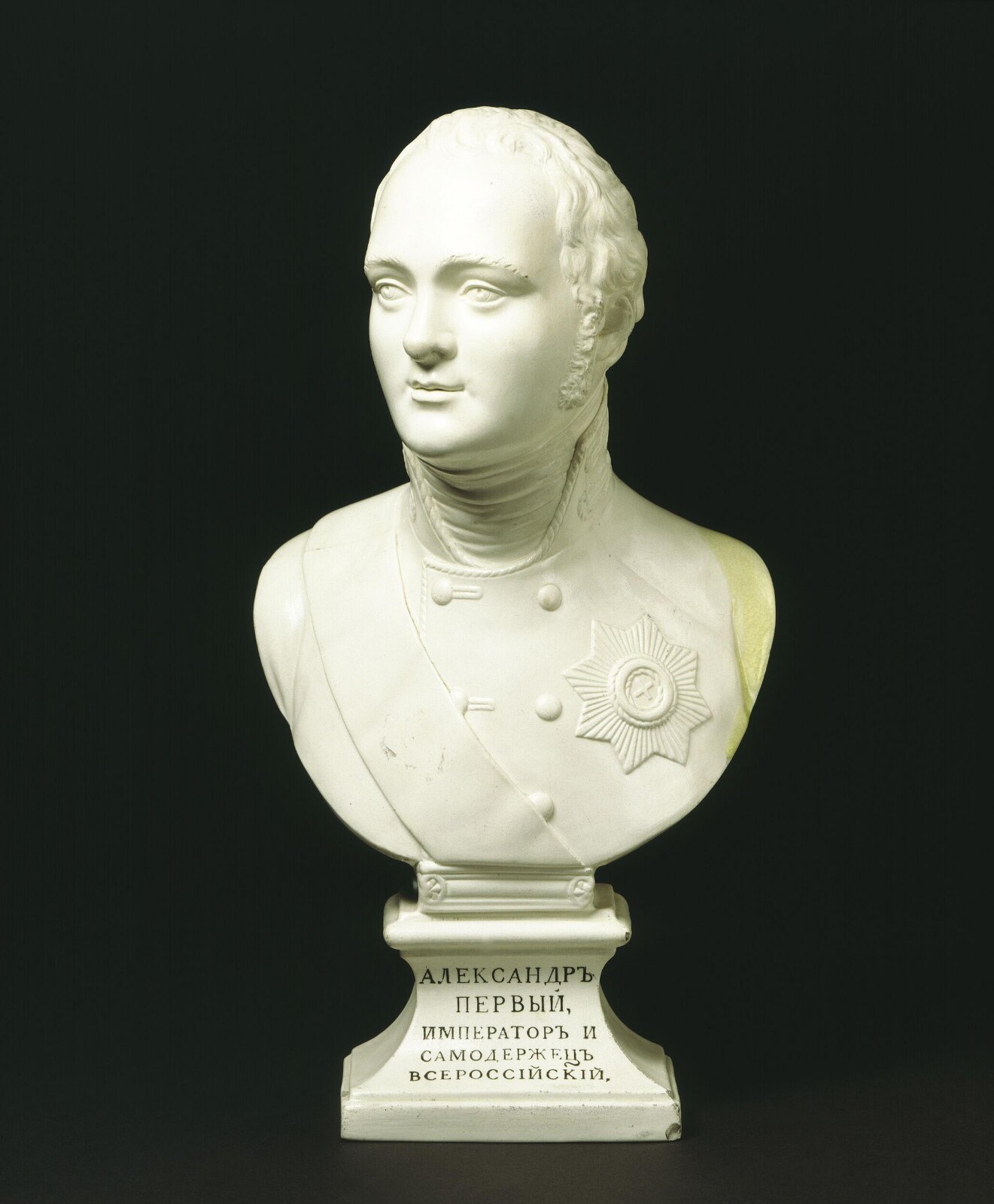
The porcellaneous white stoneware developed about 1805 perfectly reproduced fine detail. When left in the white, it successfully imitated marble, and when embellished by enamelling, was an ideal material for small-scale ceramic busts. It was not, however, widely used for this purpose, perhaps because it was too expensive for the mass market for small mantepiece ornaments. The material was used instead for a great variety of jugs and teapots.

Museo de Victoria y Alberto

Ficha

Número de inventario
C.215-1922

En la misma sala · British Galleries, Room 118a, Museo de Victoria y Alberto

Página del museo

Sobre el mismo tema · Alexander (I)

Todas las obras sobre el tema

¿Se puede contemplar?

Sí, recibe visitas

Museo de Victoria y Alberto

Londres, Reino Unido

SalaBritish Galleries, Room 118a

Expuesta al público. Quién lo avala figura más abajo.

Comprobado
hace 13 días
En este estado desde
25 sept 2026
Fuente
El museo
En el mapaPágina del museo

Lo que muestra

Alexander (I)

En el catálogo

EsculturaNeoclasicismoRomanticismoSiglo XIXLiverpool

Fuentes

  • Museo de Victoria y Alberto
  • Imagen: Museo de Victoria y Alberto — © Victoria and Albert Museum, London
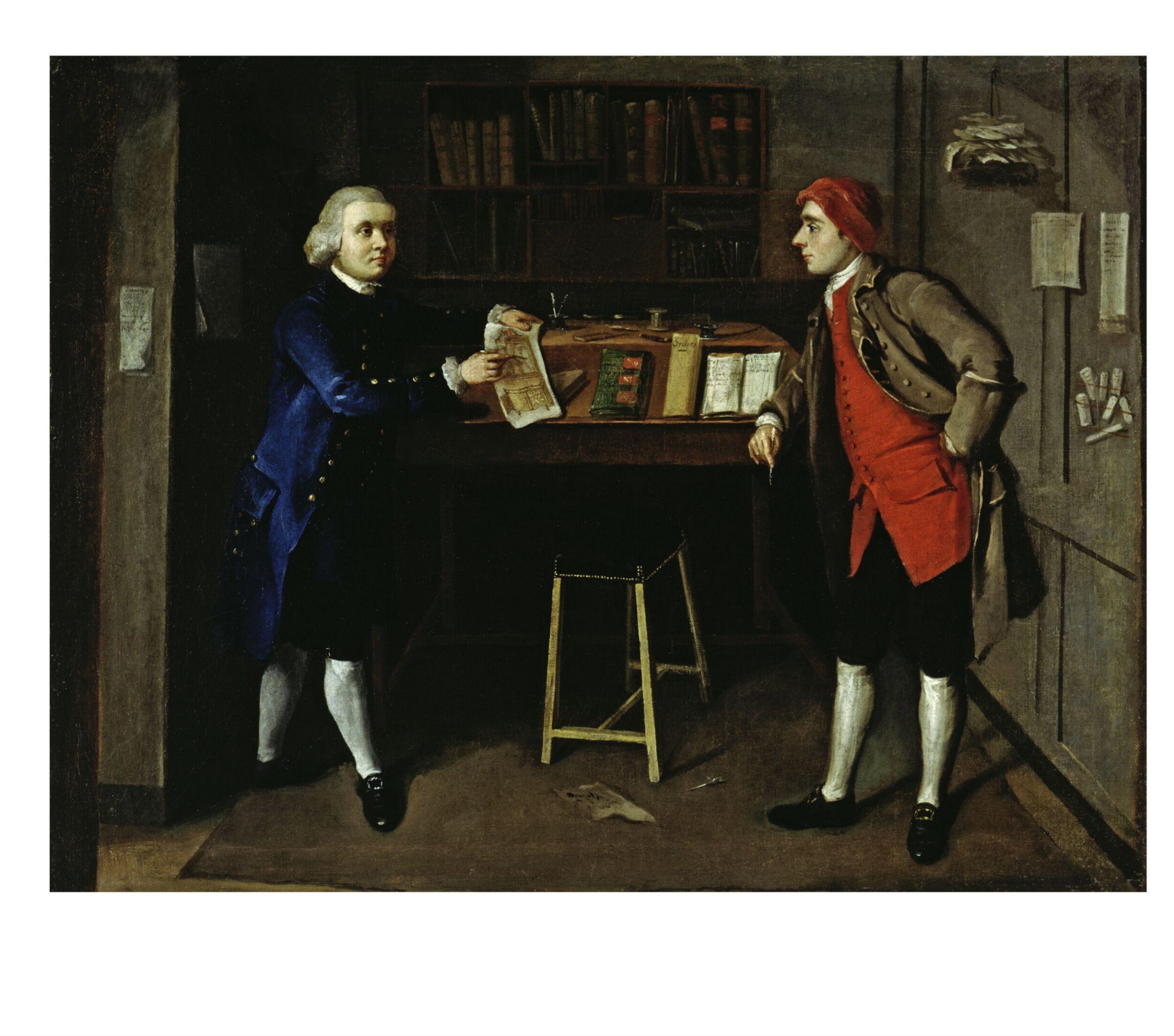
A Cabinet-Maker's office, ca. 1770

A Cabinet-Maker's office, ca. 1770

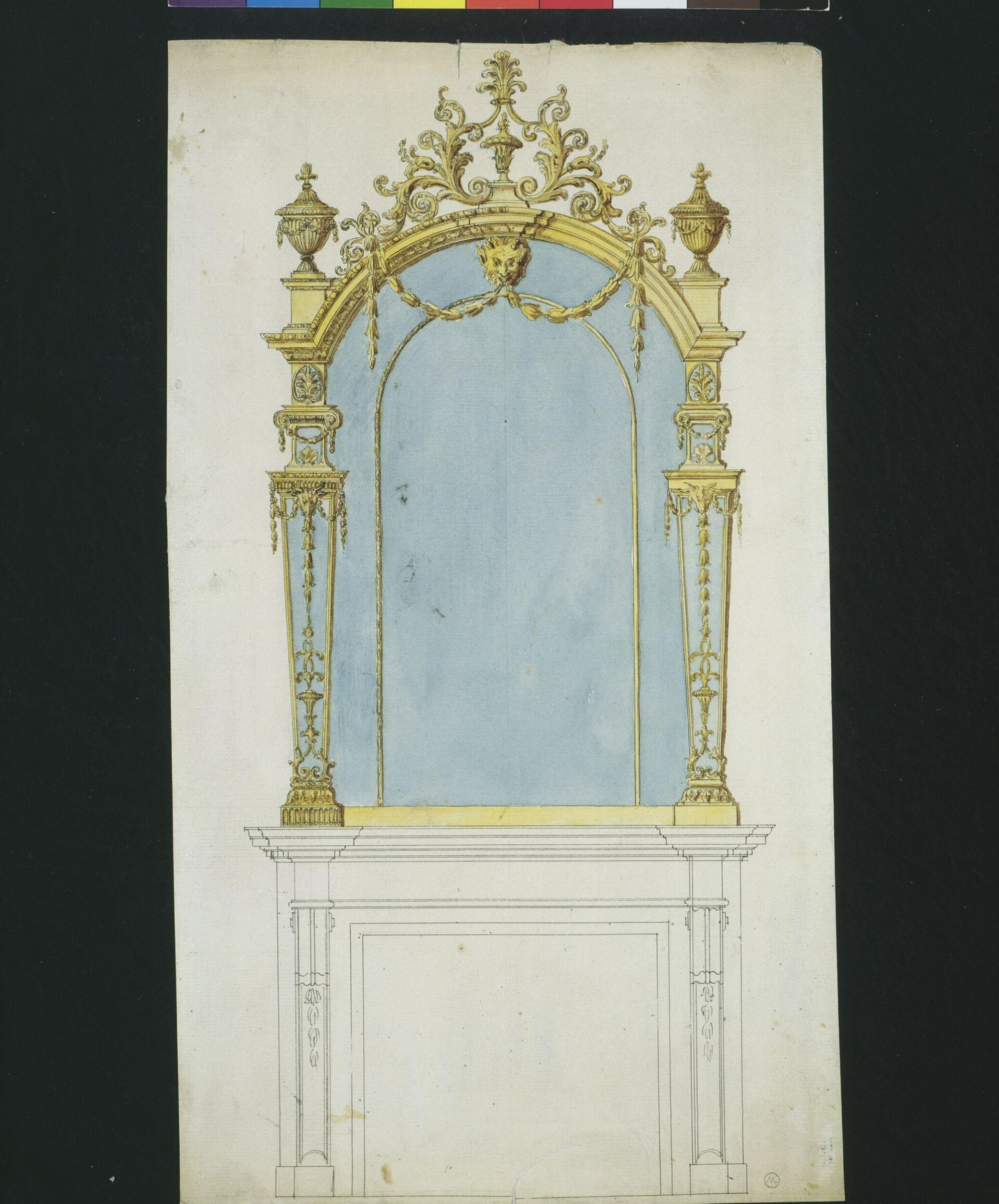
Drawing, Thomas Chippendale Senior, 1765-1770

Thomas Chippendale

Drawing, 1765-1770

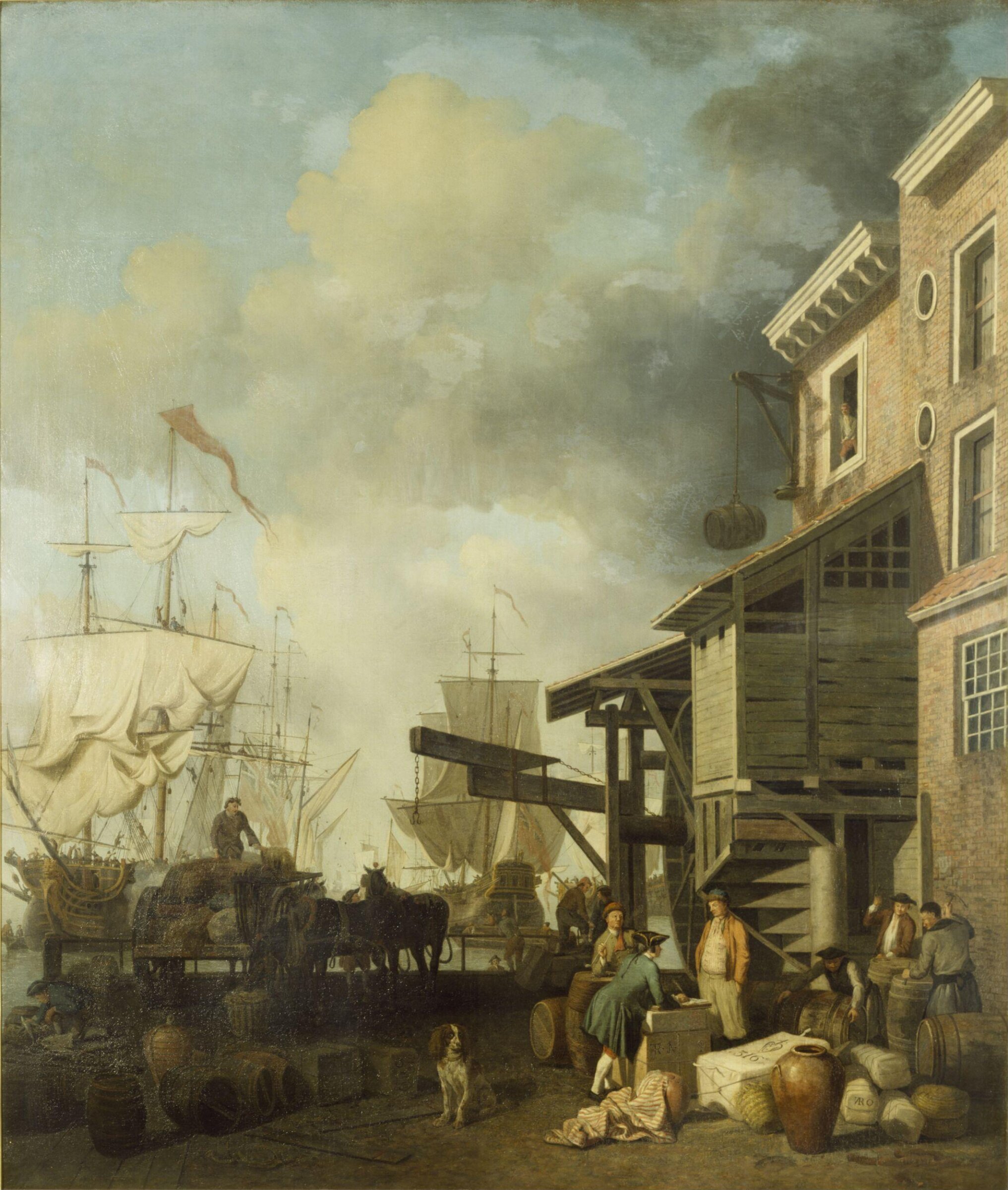
A Thames Wharf, Samuel Scott, ca. 1757

Samuel Scott

A Thames Wharf, ca. 1757

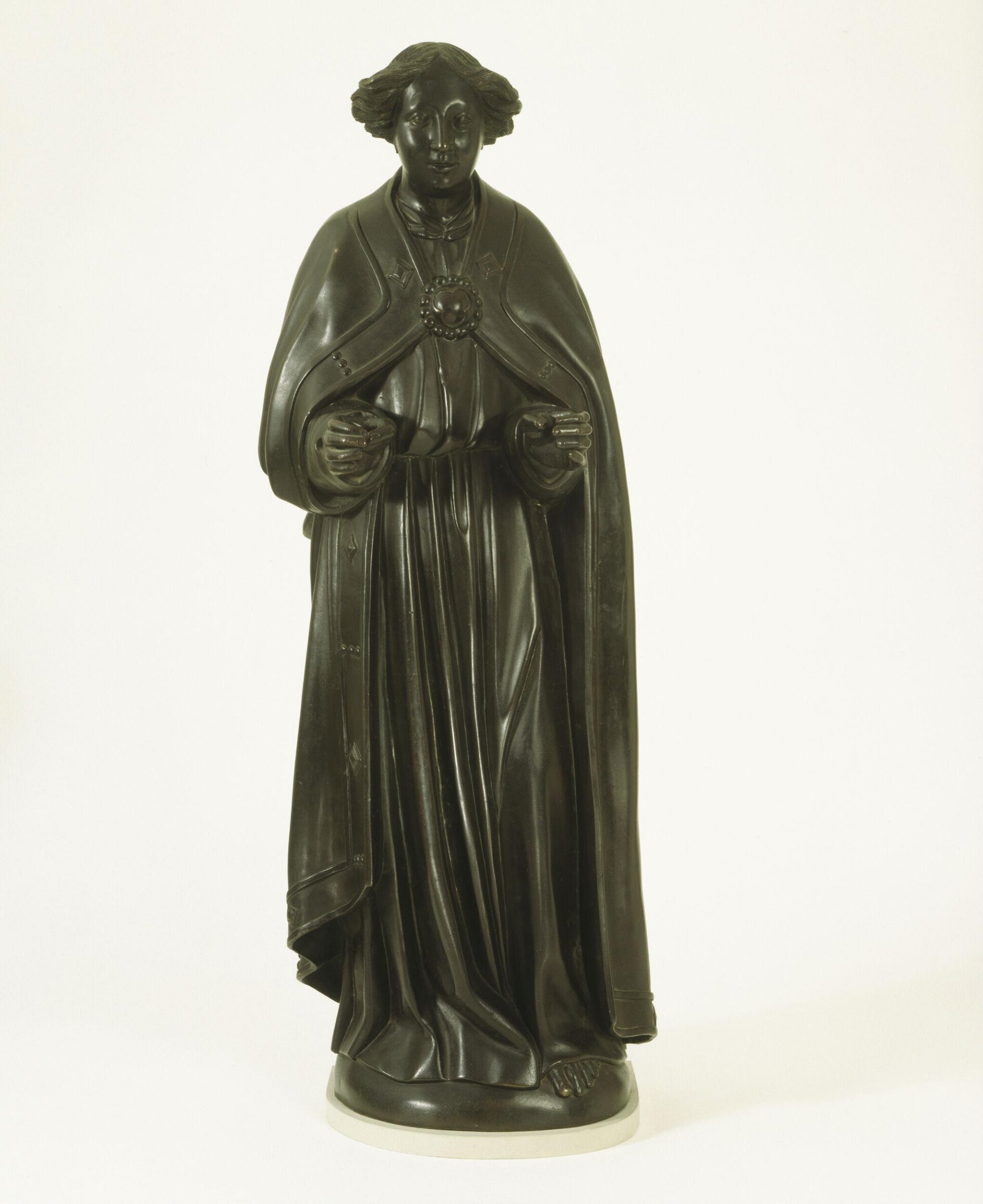
Angel, ca. 1520

Angel, ca. 1520

Bust, Wood & Caldwell, 1812

Wood & Caldwell

Bust, 1812

Museo de Victoria y Alberto

Bust, Wood & Caldwell, ca. 1813-18

Wood & Caldwell

Bust, ca. 1813-18

No expuesta · Museo de Victoria y Alberto

Alexander I, 1777-1825, tsar av Ryssland

Alexander I, 1777-1825, tsar av Ryssland

Museo Nacional de Suecia