ART WIKI32.979 en sala
MapaColecciónArtistasMuseosExposicionesRevista
Acceder

ART WIKI

Dónde cuelga la obra maestra y cuándo le dejan pasar.

Colecciones: Galería Nacional de Arte, Galería Nacional de Dinamarca, Galería Nacional de Retratos, Galería Tretiakov, Harvard Art Museums, Instituto de Arte de Chicago, Instituto de Artes de Mineápolis, MoMA, Museo de Arte de Cleveland, Museo de Victoria y Alberto, Museo del Hermitage, Museo del Louvre, Museo Estatal Ruso, Museo Hirshhorn y Jardín de Esculturas, Museo J. Paul Getty, Museo Metropolitano de Arte, Museo Pushkin, Museo Smithsoniano de Arte Americano, Museo Whitney de Arte Estadounidense, National Museum of Asian Art, Rijksmuseum, Villa Getty, Catálogo Estatal del Fondo Museístico de Rusia (274 museos), Europeana (19 museos), Wikidata (6 museos), Paris Musées (12 museos) y Joconde, la base de museos del Ministerio de Cultura de Francia (495 museos). Las imágenes pertenecen a sus titulares de derechos.

Secciones

  • Mapa
  • Búsqueda
  • Colección
  • Obras maestras
  • Expuestas ahora
  • Artistas

Más

  • Museos y galerías
  • Exposiciones
  • Revista
  • De dónde salen los datos
  • Privacidad y cookies
InicioMapaCatálogo
  1. Colección/
  2. Harvard Art Museums/
  3. Adam and Eve
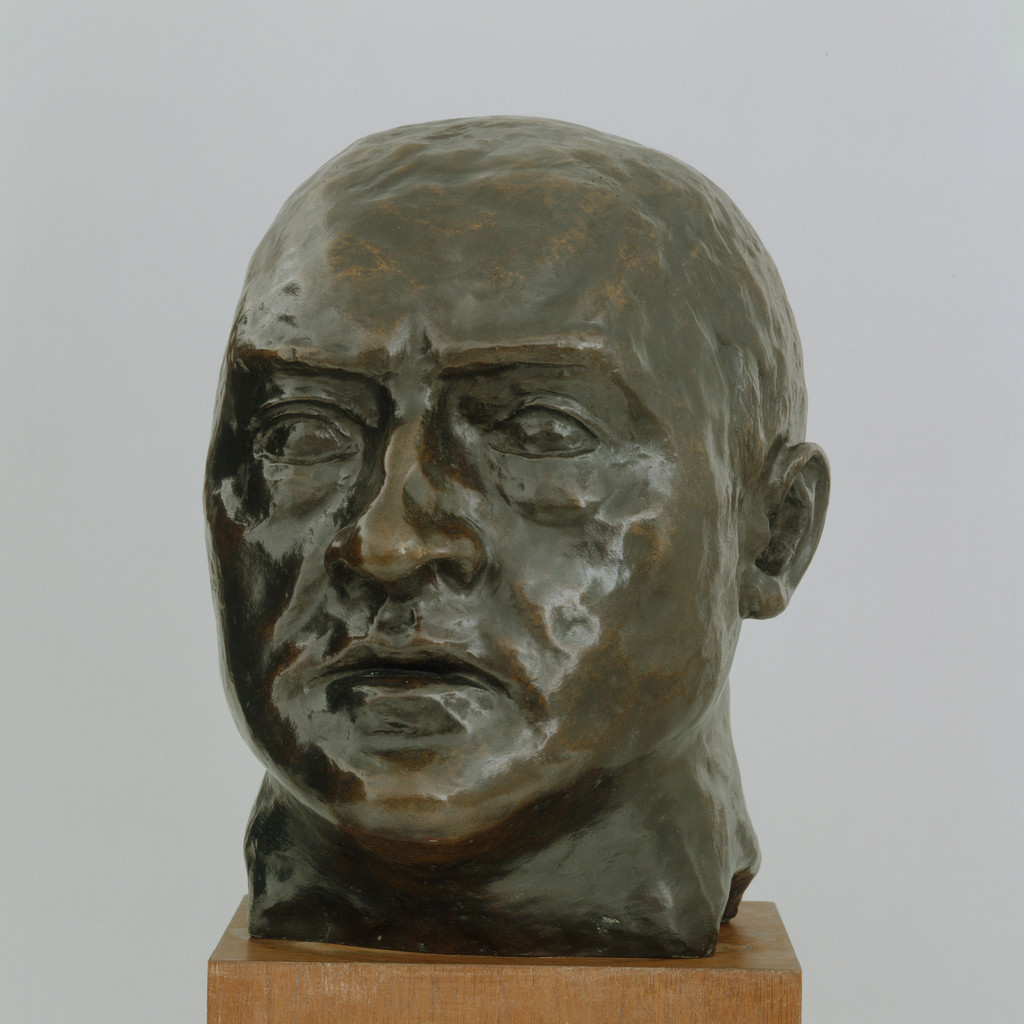
Adam and Eve, Max Beckmann, 1936 (cast c. 1959)
Max Beckmann, retratoMax BeckmannAlemania, 1884–1950

Adam and Eve

1936 (cast c. 1959) · Sculpture

Sobre la escultura

Following his dismissal from his teaching position in Frankfurt by the National Socialists in 1933, Beckmann relocated to Berlin, where he hoped to continue his work in the anonymity of the capital. The following year, at the age of 50, the renowned painter began to sculpt in clay and plaster — an extension of his interest in representing space and volume on a canvas’s two-dimensional surface. In a subtle reference to his own artistic process, Beckmann here combines the biblical creation story (Adam, himself formed from a lump of clay by his maker, clutches an embryonic Eve to his chest) with that of the fall of man, evoked by the snake that entwines the figure.The last sculpture Beckmann made in Berlin before he immigrated to Amsterdam, and one of only eight in his oeuvre, Adam and Eve was never actually cast by the artist. Instead, it was posthumously produced in bronze in an edition of five by his estate. Its kneaded, uneven surface suggests that the formation of the human figure from clay is the ultimate creative act.

Harvard Art Museums

Ficha

Número de inventario
BR76.5

Mientras tanto, en la vida de Max Beckmann

La vida entera
  1. 1937

    Leaving for the Netherlands after Hitler's speech

    The day after Hitler's radio speech about degenerate art, Beckmann leaves Germany with his second wife, Quappi, for the Netherlands.

  2. 1937

    More than 500 of his works confiscated from German museums

    In 1937 the government confiscates more than 500 of his works from German museums and puts several on display at the notorious Degenerate Art exhibition in Munich.

  3. 1947

    Moving to the United States to teach in St. Louis

    In 1947 Beckmann and his wife finally cross the ocean: at the invitation of Perry T. Rathbone, director of the Saint Louis Art Museum, he takes a teaching post at the St. Louis School of Fine Arts at Washington University, a vacancy left by Philip Guston, who had taken a leave.

  4. 1948

    The first retrospective in the United States

    The first Beckmann retrospective in the United States takes place in 1948 at the City Art Museum in St. Louis.

  5. 1950

    A one-man show at the Venice Biennale

    Beckmann has a one-man show at the Venice Biennale of 1950, the year of his death.

  6. 27 de diciembre de 1950

    Died

Más obras de Max Beckmann

Todas las obras

En la misma sala · Gallery 1500, floor 1, Modern and Contemporary Art, Harvard Art Museums

Página del museo

¿Se puede contemplar?

Sí, recibe visitas

Harvard Art Museums

Cambridge, Estados Unidos

Sala1500, floor 1, Modern and Contemporary Art

Expuesta al público. Quién lo avala figura más abajo.

Comprobado
hace 3 días
En este estado desde
27 sept 2026
Fuente
El museo
En el mapaPágina del museo

En el catálogo

EsculturaBronceModernismoSiglo XXAlemania

Fuentes

  • Harvard Art Museums
  • Imagen: Harvard Art Museums — © President and Fellows of Harvard College
Blind Man's Buff, Max Beckmann, 1945

Blind Man's Buff

1945 · Instituto de Artes de Mineápolis

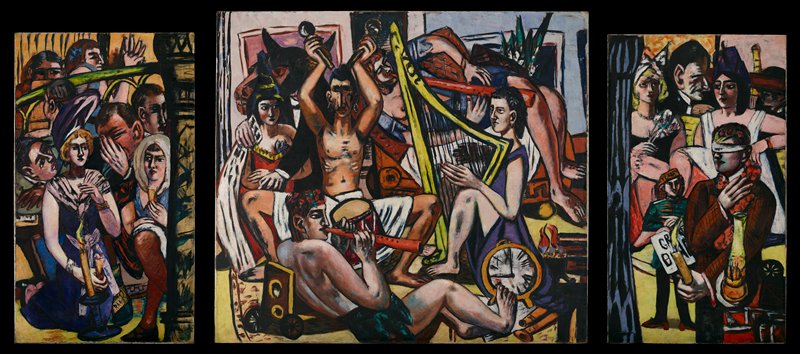
The Beginning, Max Beckmann, 1946–49

The Beginning

1946–49 · Museo Metropolitano de Arte

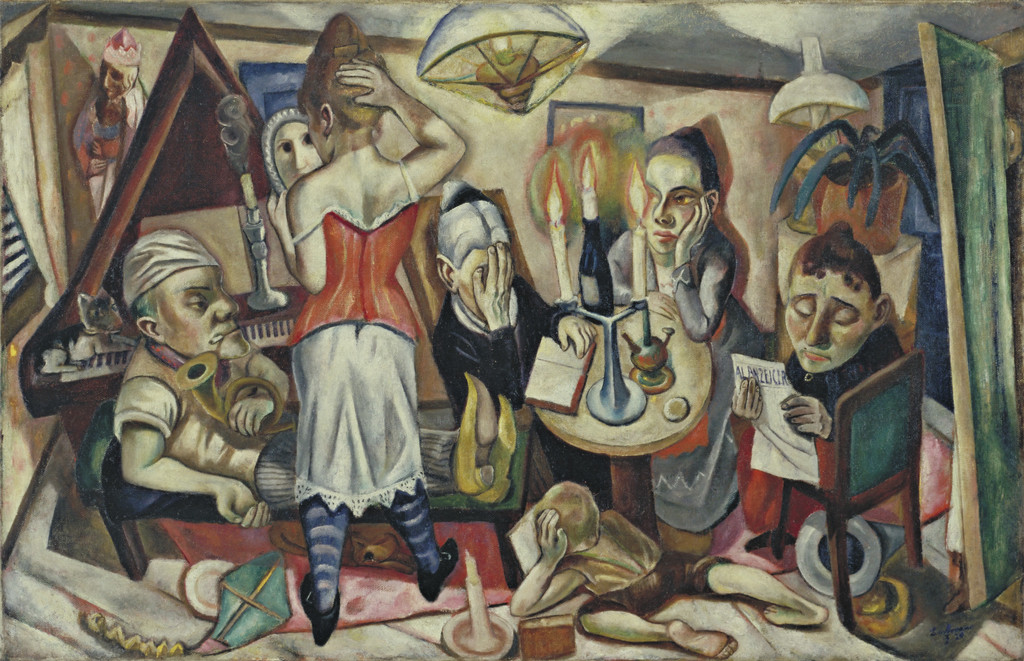
Family Picture, Max Beckmann, Frankfurt 1920

Family Picture

Frankfurt 1920 · MoMA

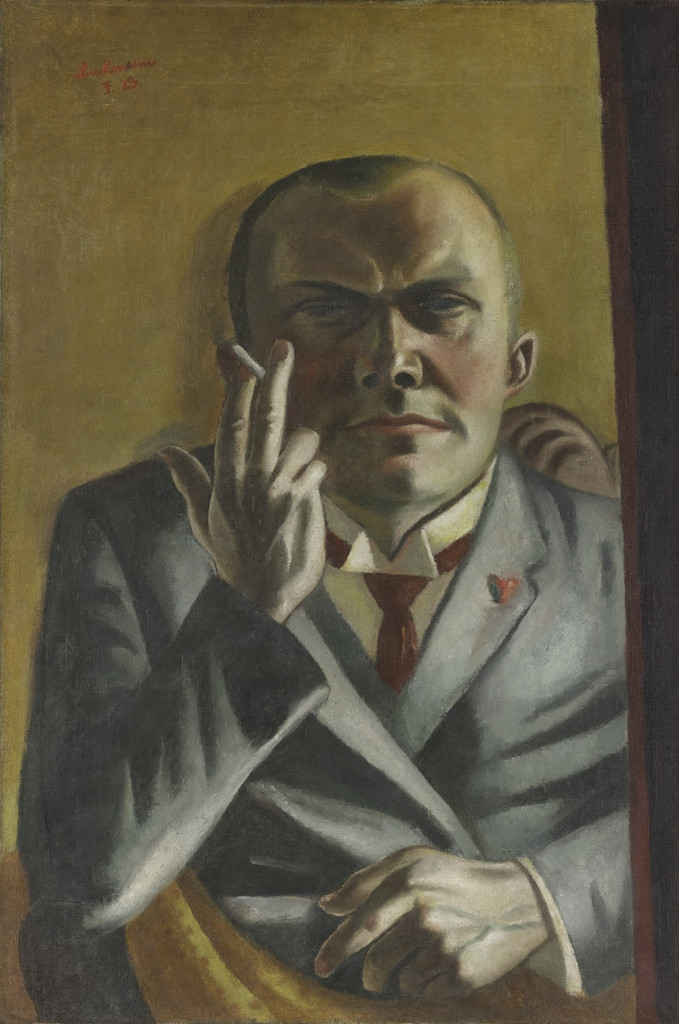
Self-Portrait with a Cigarette, Max Beckmann, Frankfurt 1923

Self-Portrait with a Cigarette

Frankfurt 1923 · MoMA

The Old Actress, Max Beckmann, 1926

The Old Actress

1926 · Museo Metropolitano de Arte

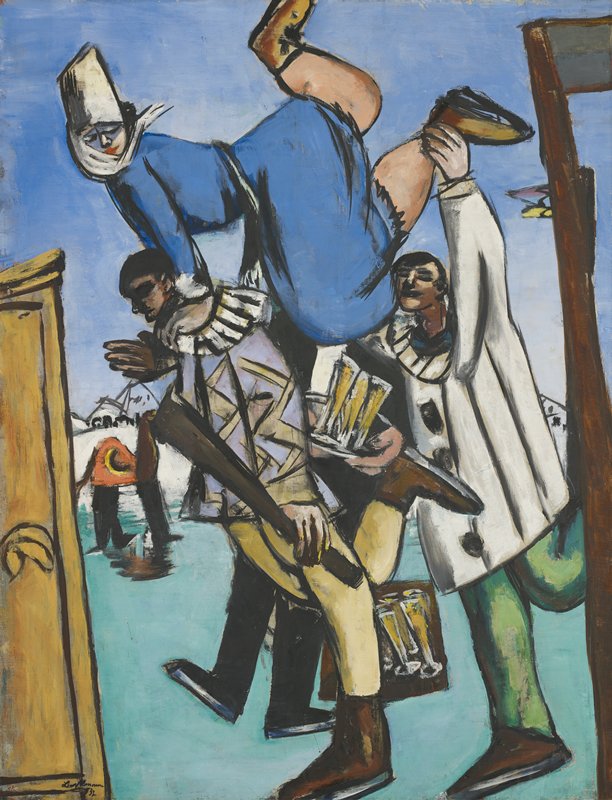
The Skaters, Max Beckmann, 1932

The Skaters

1932 · Instituto de Artes de Mineápolis

Bathing Scene (The Green Cloak), Max Beckmann, 1934

Bathing Scene (The Green Cloak)

1934 · Galería Nacional de Arte

Self-Portrait, Max Beckmann, 1936 (cast 1951)

Self-Portrait

1936 (cast 1951) · MoMA

Three Figures with Furniture-like Forms, Oskar Schlemmer, 1929

Oskar Schlemmer

Three Figures with Furniture-like Forms, 1929

Self-Portrait in Tuxedo, Max Beckmann, 1927

Max Beckmann

Self-Portrait in Tuxedo, 1927

Child from the Old Town, Ernst Thoms, 1925

Ernst Thoms

Child from the Old Town, 1925

Composition No. 1, Sunrise, Alexei von Jawlensky, c. 1924

Alexei von Jawlensky

Composition No. 1, Sunrise, c. 1924

Self-Portrait with Cat, Ernst Ludwig Kirchner, 1920

Ernst Ludwig Kirchner

Self-Portrait with Cat, 1920

Grazing Horses IV, Franz Marc, 1911

Franz Marc

Grazing Horses IV, 1911