 Victor VasarelyHungarian, French, 1906–1997
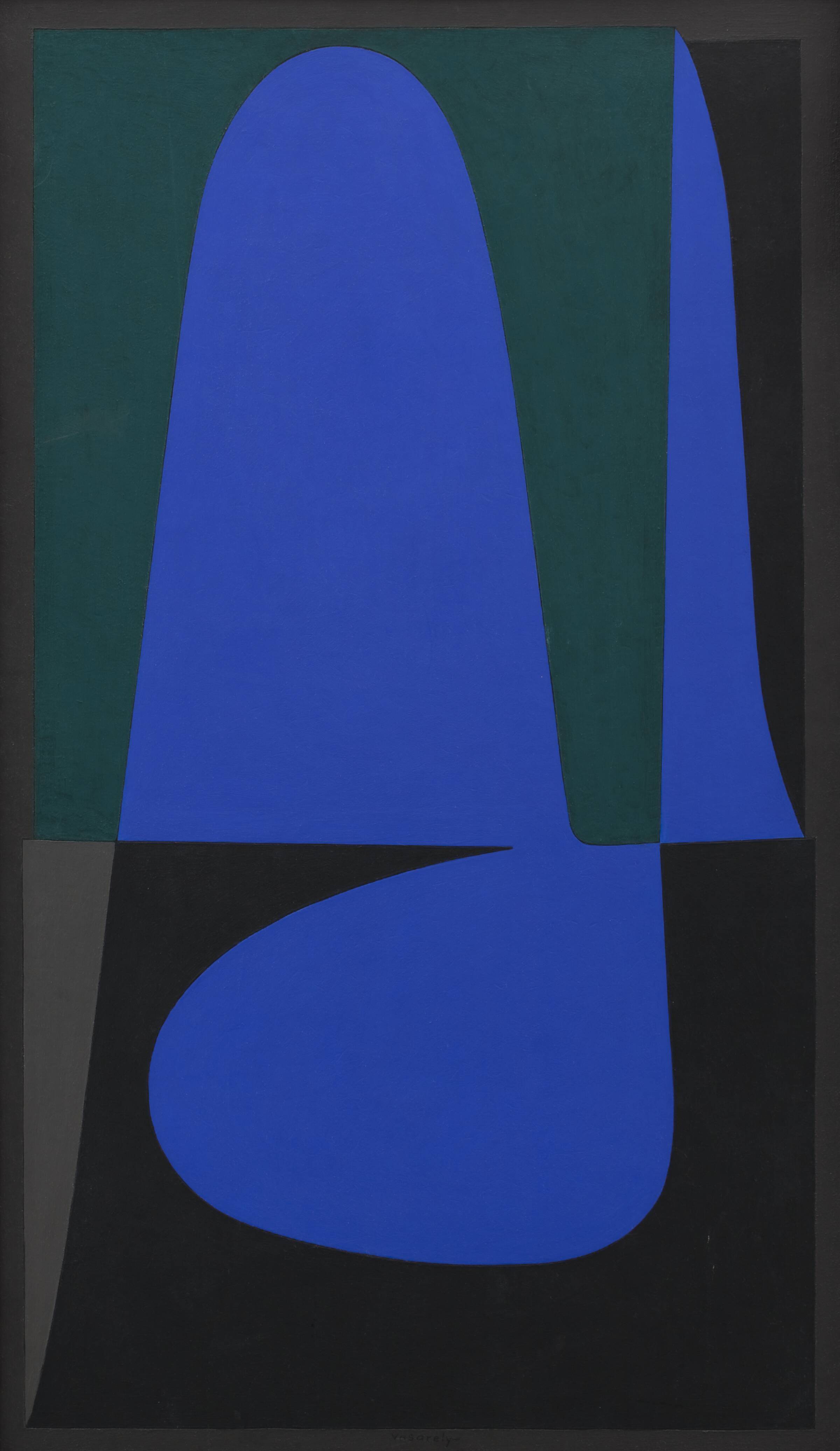
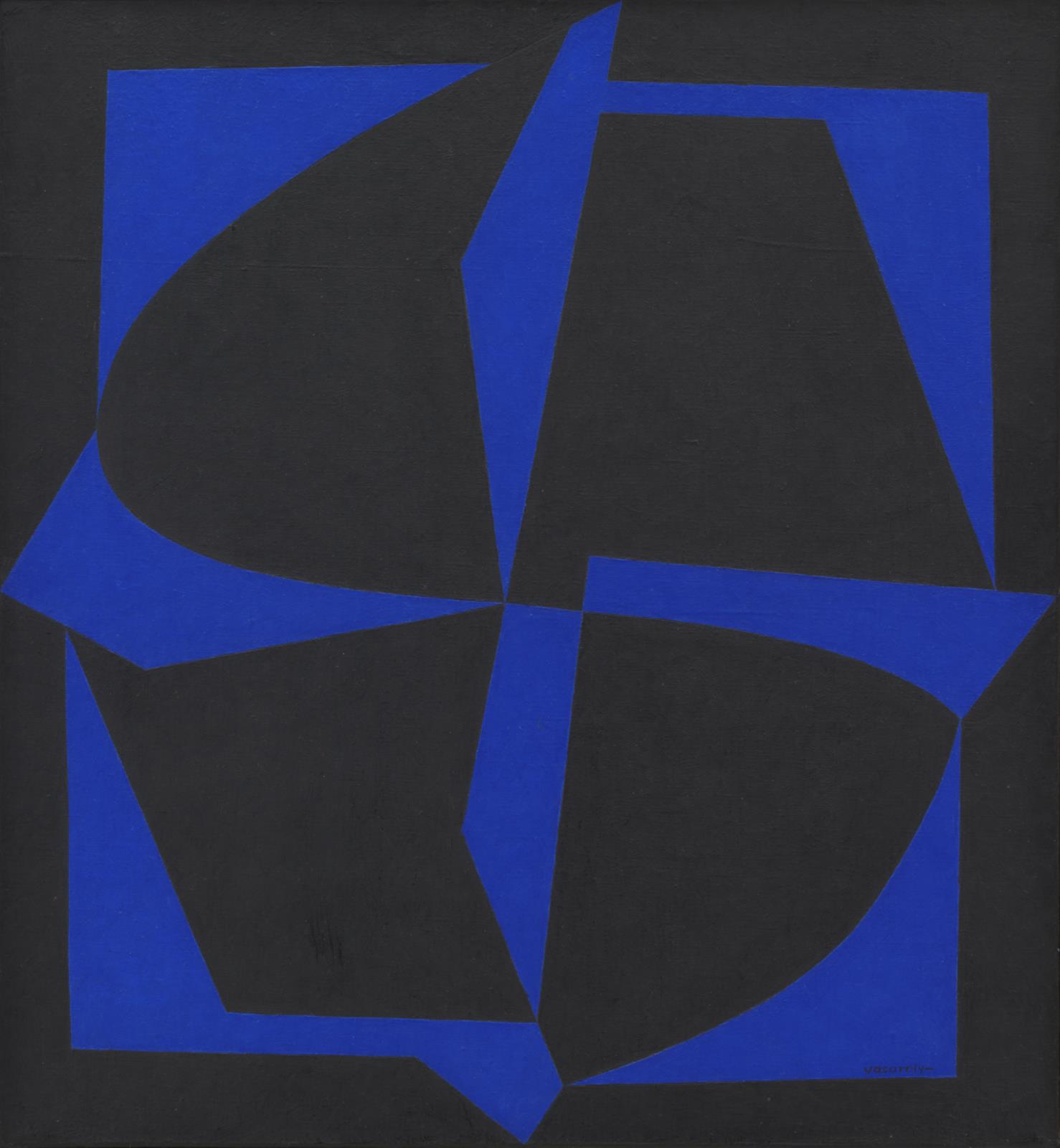
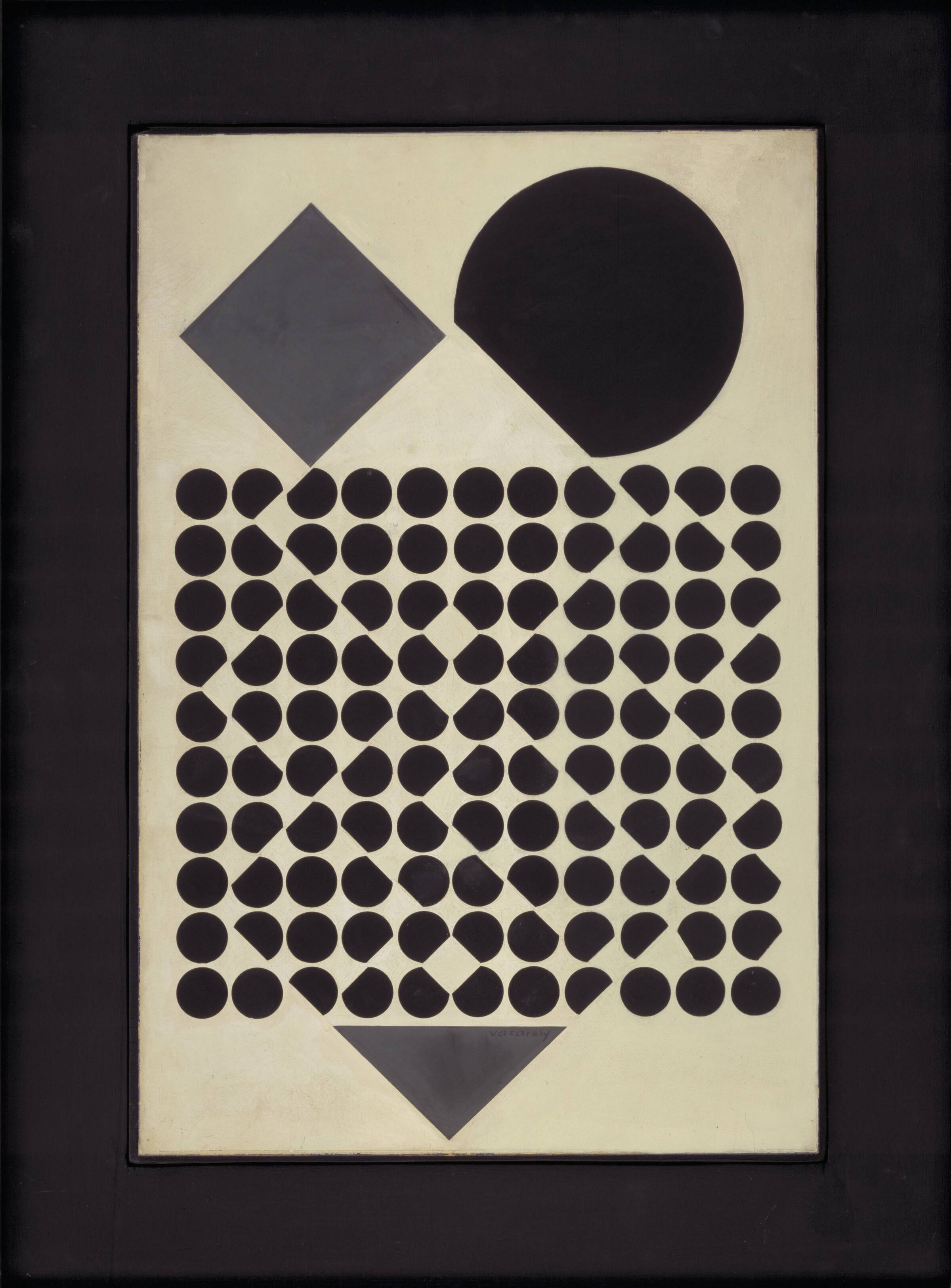
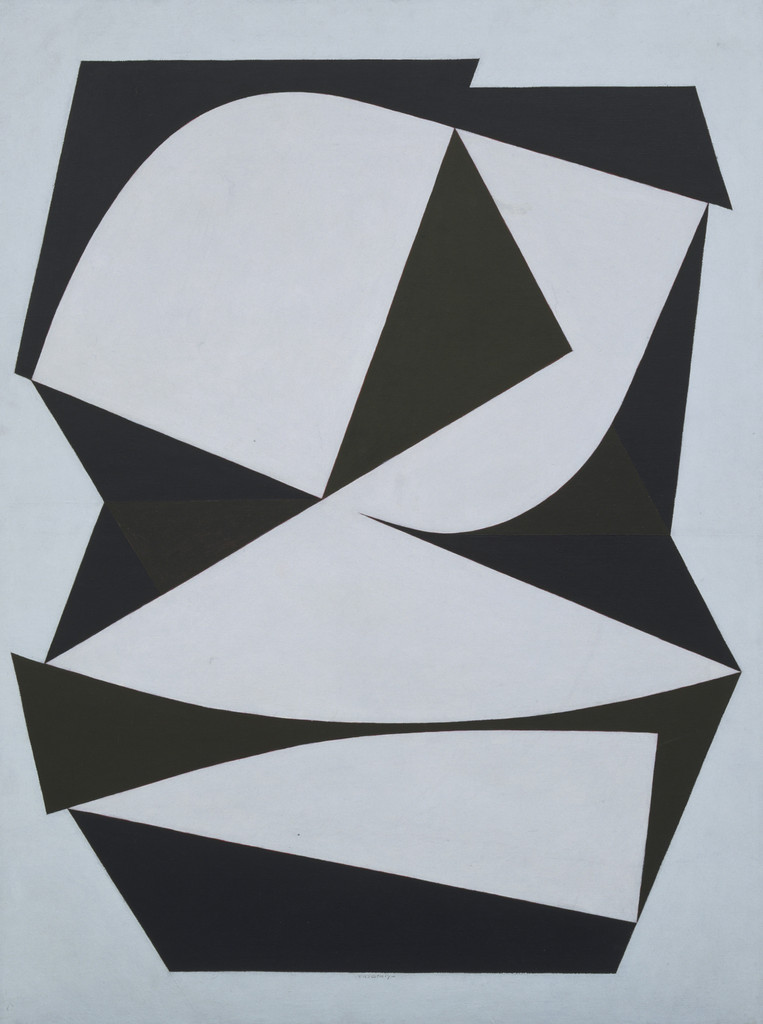
Yllam
Can I see it?
Not on view at present
Where is “Yllam” now? Collection: The Museum of Modern Art, New York. Not on view at present. Checked November 17, 2026.

New York, United States
It belongs to the collection, but is not on display at present.
- Checked
- Source
- The museum
Details
- Accession number
- 280.1958
In the catalog
Sources
- The Museum of Modern Art
- Image: The Museum of Modern Art — © the artist or rights holder
In the life of Victor Vasarely
The whole life1944–1947
“Les Fausses Routes”: searching without a style of his own
In 1944 Vasarely takes up painting and for three years experiments with cubist, futurist, expressionist, symbolist and surrealist manners without developing a style of his own; afterwards he says he was “on the wrong track”.
1946–1947
First shows at Denise René and René Breteau
In 1946 Vasarely exhibits at the gallery of Denise René and in 1947 at the gallery of René Breteau; Jacques Prévert, who writes the introduction to the catalogue, places him among the surrealists and coins the term “imaginaires” (images + noir, black) for the paintings.
1947
Belle Île: pebbles and shells inspire a series
Ellipsoid pebbles and shells found during a vacation in 1947 on the Breton coast at Belle Île inspire the “Belle-Île” works, built on round and ellipsoid forms.
from 1948
Spends summers in Gordes from 1948
From 1948 Vasarely usually spends his summer months in Gordes in Provence; the village's cubic houses lead him to the “Gordes/Cristal” works, which tackle empty and filled space, perspective and volume.
1951–1955
“Le Mouvement” at the Denise René gallery
Kinetic art flourishes: works by Vasarely, Calder, Duchamp, Man Ray, Soto and Tinguely are exhibited at the Denise René gallery under the title “Le Mouvement”.
1951–1955
Kinetic pictures from layered panes
From his Gordes works he develops kinetic pictures: superimposed acrylic glass panes create a dynamic impression that shifts with the viewpoint; in the black-white period he combines the frames into a single pane by transposing photographs into two colours.