
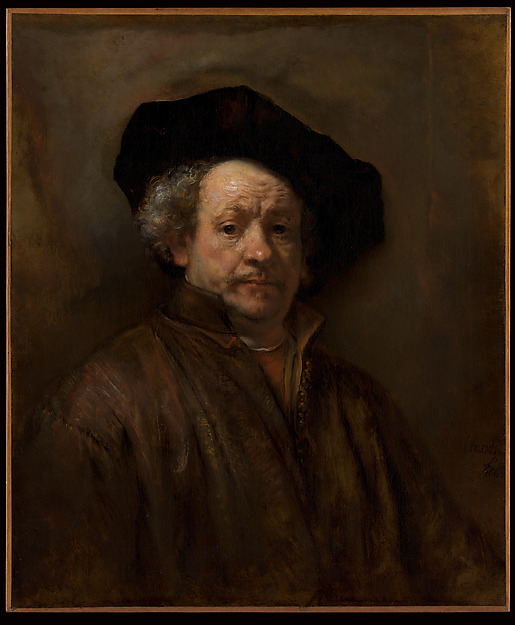
 Rembrandt van RijnDutch, 1606–1669
Woman bathing her feet at a brook
May one see it?
Unknown: the museum keeps its counsel

Rijksmuseum
Amsterdam, Netherlands
The owner is known. Whether it is on view today, the museum does not say, and we were not trained to guess.
- Source
- The museum's own collection data
Particulars
- Accession number
- RP-P-1962-77
Sources
- Rijksmuseum: the museum's own open data · fetched 3 days ago
- Image: Rijksmuseum — public domain
Meanwhile, in the life of Rembrandt van Rijn
The whole life1631–1669 · Workplace
Amsterdam
1639–1658 · Residence
Rembrandt House Museum
July 1656
Declaration of Insolvency
Under pressure from creditors, Rembrandt declared himself insolvent (cessio bonorum) in July 1656 and voluntarily surrendered his property; by that time he had already transferred the house to his son.
1657–1658
Sale of His Property and Collection
Rembrandt's property and art collection were sold at auction; the detailed inventory listed 363 items — paintings, prints, antique busts, weapons, textiles, and exotic objects.
1658
Move to the Rozengracht
After the house was sold at auction, the family left the prestigious Jodenbreestraat and moved to modest rented lodgings on the Rozengracht — a district of craftsmen and artists, where Rembrandt lived until the end of his life.
1660
Titus and Hendrickje Found an Art Firm
Since after his declaration of insolvency Rembrandt could not trade on his own, in 1660 Titus and Hendrickje founded an art-dealing firm through which his works were sold.


