ART WIKI32,963 on view
MapCollectionArtistsMuseumsExhibitionsJournal
Sign in

ART WIKI

Where the masterpiece hangs, and when they let you in.

Collections: Art Institute of Chicago, Getty Villa, Harvard Art Museums, Hirshhorn Museum and Sculpture Garden, J. Paul Getty Museum, Minneapolis Institute of Art, Musée du Louvre, National Gallery of Art, National Museum of Asian Art, National Portrait Gallery (Smithsonian), Pushkin State Museum of Fine Arts, Rijksmuseum, Smithsonian American Art Museum, SMK — National Gallery of Denmark, State Hermitage Museum, State Russian Museum, The Cleveland Museum of Art, The Metropolitan Museum of Art, The Museum of Modern Art, Tretyakov Gallery, Victoria and Albert Museum, Whitney Museum of American Art, State Catalogue of the Museum Fund of Russia (274 museums), Europeana (19 museums), Wikidata (6 museums), Paris Musées (12 museums), and Joconde, the French Ministry of Culture's museum database (495 museums). Images belong to their rights holders.

Sections

  • Map
  • Search
  • Collection
  • Masterpieces
  • On view now
  • Artists

More

  • Museums & galleries
  • Exhibitions
  • Journal
  • Where the data comes from
  • Privacy & cookies
HomeMapBrowse
  1. Collection/
  2. Victoria and Albert Museum/
  3. Winged Puto
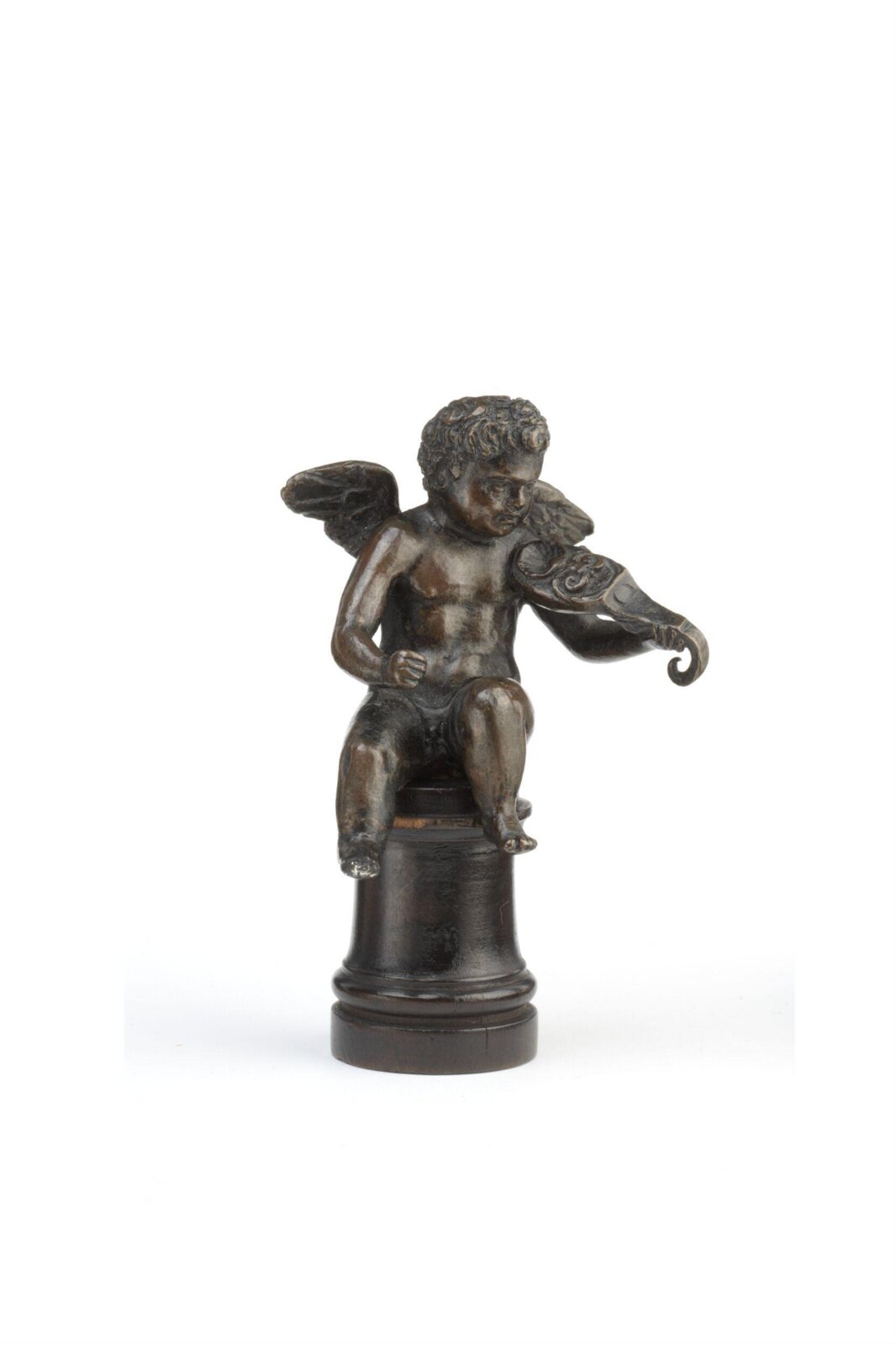
Winged Puto, Andrea Riccio, 1500-1515
Andrea Briosco, called Riccio, portraitAndrea Briosco, called RiccioItalian, 1470–1532

Winged Puto

1500-1515 · Statuette

May one see it?

Yes, receiving visitors

Victoria and Albert Museum

London, United Kingdom

RoomSculpture, Room 111, The Gilbert Bayes Gallery

On public display.

Checked
12 days ago
In this state since
Sep 25, 2026
Source
The museum
On the mapMuseum page

About the sculpture

This bronze figure of a winged putto makes ready to play a fantastic type of fiddle, presumably with a now missing bow. The impractical fiddle is loosely related to the rebec, an unfretted instrument that originated in the Middle East and became particularly popular in Europe during the medieval and Renaissance period. Winged putti - also known in the Renaissance as erotes or more often spiritelli - were extremely popular as decorative motifs, and they populated a vast array of objects. Taking a variety of forms and meanings, they sometimes represented different spirits (as their name suggests) and were believed to govern the senses and emotions. This tiny example is deftly modelled to create the impression of vibrant movement. The rebec-style instrument may suggest a rustic setting, perhaps reflecting the owner's interests in Arcadian literature that was popular amongst the scholars of the university at Padua, in whose orbit Riccio worked.

Read on

Similar music-playing winged putti are found on a much larger scale on Riccio's masterpiece, the Paschal Candelabrum in the Basilica of St Anthony in Padua, which now stands to the side of the High Altar. The same spirit can be seen in his small-scale works, such as the putto riding a dolphin on the lid of the Cadogan Lamp (V&A: 137-1865), the largest of the known lamps by Riccio. This has led to the suggestion that this putto once decorated such a lamp, which would, however, have to be on a much larger scale to support this figure.

Victoria and Albert Museum

Particulars

1500-1515
14701532
Accession number
A.3-1972

What it shows

Putto

In the catalog

SculptureBronzeRenaissance16th centuryPadua

Sources

  • Victoria and Albert Museum
  • Image: Victoria and Albert Museum — © Victoria and Albert Museum, London

Meanwhile, in the life of Andrea Briosco, called Riccio

The whole life
  1. 1506–1524 · Workplace

    Padua

  2. 1511 · Workplace

    Venice

  3. 1516–1521 · Workplace

    Verona

More by Andrea Briosco, called Riccio

All works
Rothschild lamp, Andrea Briosco, called Riccio, ca. 1510–20

Rothschild lamp

ca. 1510–20 · The Metropolitan Museum of Art

Striding Pan, Andrea Briosco, called Riccio, 1530–1539

Striding Pan

1530–1539 · The Metropolitan Museum of Art

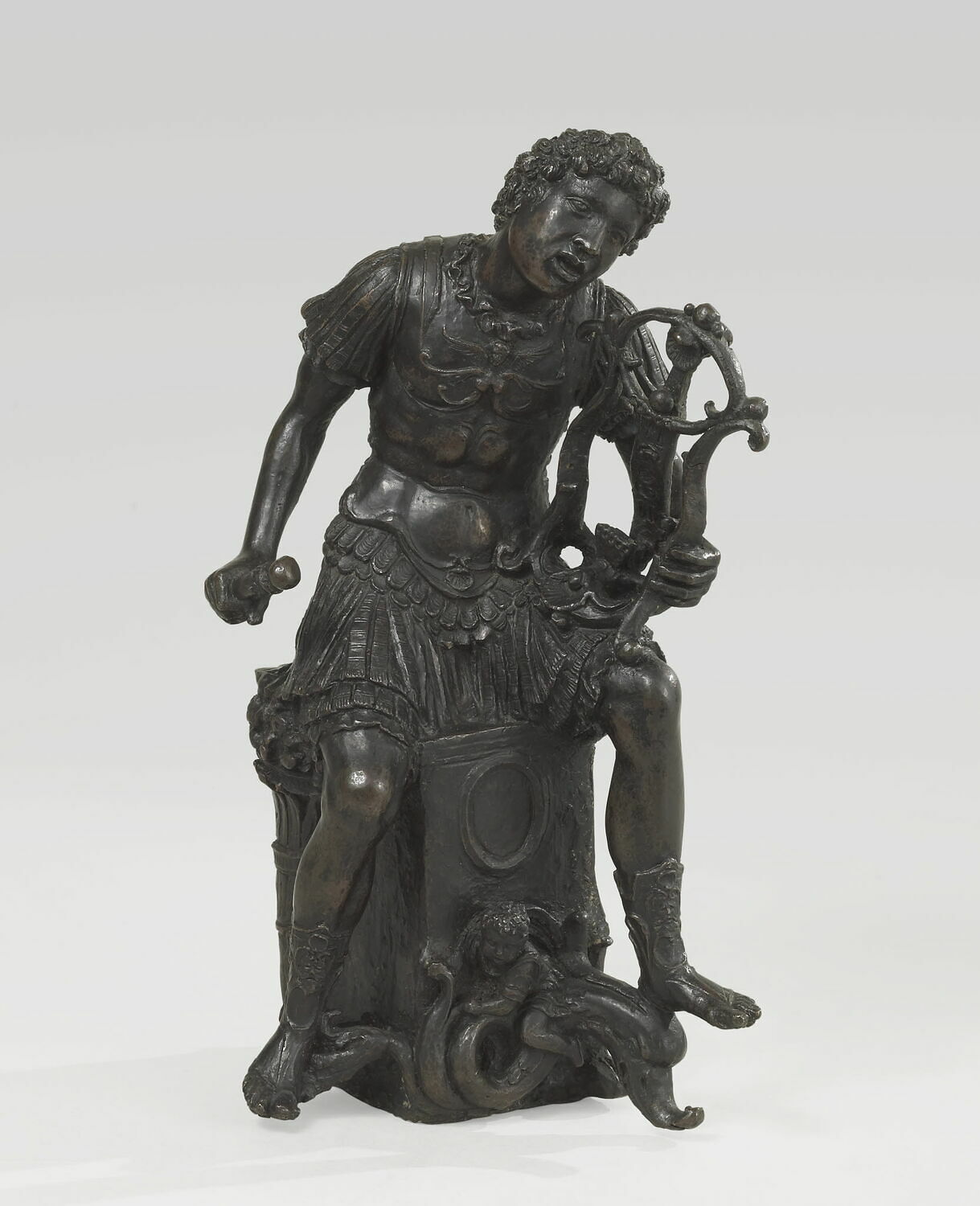
Statuette : Arion, Riccio, Renaissance (Occident)

Statuette : Arion

Renaissance (Occident) · Musée du Louvre

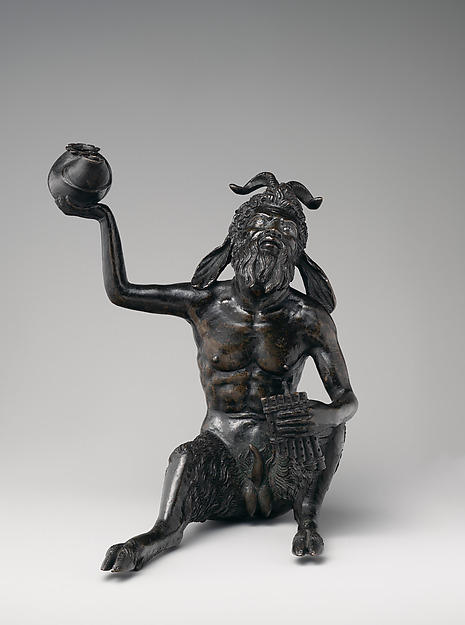
Seated satyr with silvered eyes, Andrea Briosco, called Riccio, second quarter of the 16th century

Seated satyr with silvered eyes

second quarter of the 16th century · The Metropolitan Museum of Art

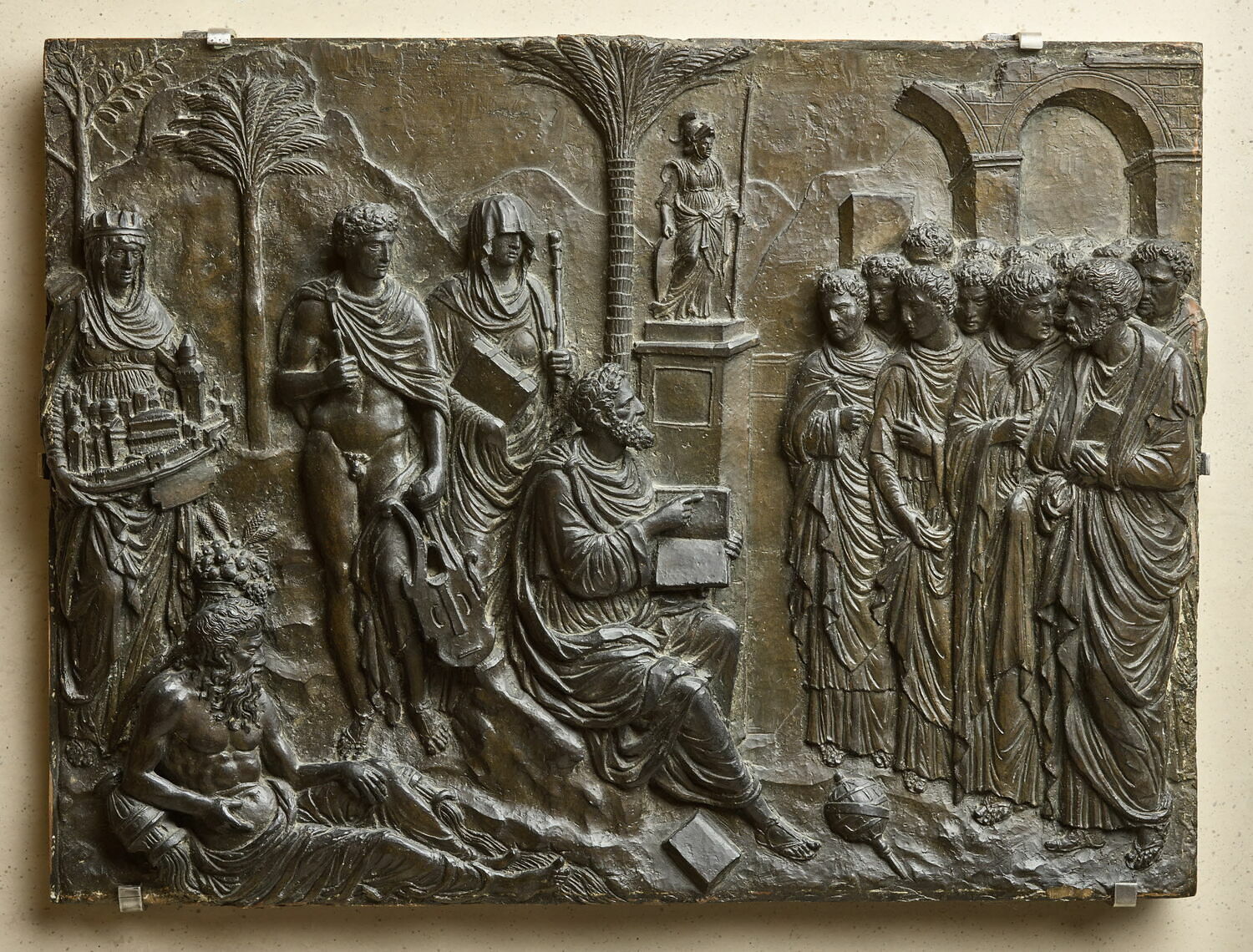
Bas-relief : enseignement, Riccio, Renaissance (Occident)

Date de création/fabrication : 1516 - 1521

Bas-relief : enseignement

1516–1521 · Musée du Louvre

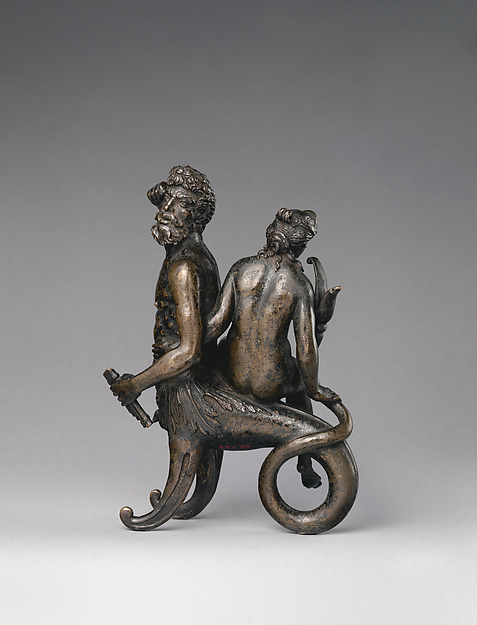
Triton and Nereid, Andrea Briosco, called Riccio, after 1532–before ca. 1550

Triton and Nereid

after 1532–before ca. 1550 · The Metropolitan Museum of Art

Seated satyr with a shell, Andrea Briosco, called Riccio, after 1600

Seated satyr with a shell

after 1600 · The Metropolitan Museum of Art

Pomona, Andrea Riccio, c. 1500

Pomona

c. 1500 · The Cleveland Museum of Art

Neighbors at Victoria and Albert Museum

Museum page
Bird of Paradise, Hashimoto Chitaka, 2026

Hashimoto Chitaka

Bird of Paradise, 2026

Torsion 2, Taruma Shoko, 2025

Taruma Shoko

Torsion 2, 2025

Fu, Someya Satoshi, 2025

Someya Satoshi

Fu, 2025

Bow Before the Curtain Falls, 2024

Bow Before the Curtain Falls, 2024

Summer, 2024

Summer, 2024

Red Flow, Ishizuka Genta, 2024

Ishizuka Genta

Red Flow, 2024

3D replica of Michelangelo's Prisoner (4117-1854), Factum Arte, 2024

Factum Arte

3D replica of Michelangelo's Prisoner (4117-1854), 2024

Sculpture, ‘Co-Existence – the Man and the Monkey’, Zhao Lin, 2024

Zhao Lin

Sculpture, ‘Co-Existence – the Man and the Monkey’, 2024