ART WIKI32,979 on view
MapCollectionArtistsMuseumsExhibitionsJournal
Sign in

ART WIKI

Where the masterpiece hangs, and when they let you in.

Collections: Art Institute of Chicago, Getty Villa, Harvard Art Museums, Hirshhorn Museum and Sculpture Garden, J. Paul Getty Museum, Minneapolis Institute of Art, Musée du Louvre, National Gallery of Art, National Museum of Asian Art, National Portrait Gallery (Smithsonian), Pushkin State Museum of Fine Arts, Rijksmuseum, Smithsonian American Art Museum, SMK — National Gallery of Denmark, State Hermitage Museum, State Russian Museum, The Cleveland Museum of Art, The Metropolitan Museum of Art, The Museum of Modern Art, Tretyakov Gallery, Victoria and Albert Museum, Whitney Museum of American Art, State Catalogue of the Museum Fund of Russia (274 museums), Europeana (19 museums), Wikidata (6 museums), Paris Musées (12 museums), and Joconde, the French Ministry of Culture's museum database (495 museums). Images belong to their rights holders.

Sections

  • Map
  • Search
  • Collection
  • Masterpieces
  • On view now
  • Artists

More

  • Museums & galleries
  • Exhibitions
  • Journal
  • Where the data comes from
  • Privacy & cookies
HomeMapBrowse
  1. Collection/
  2. Victoria and Albert Museum/
  3. Watercolour
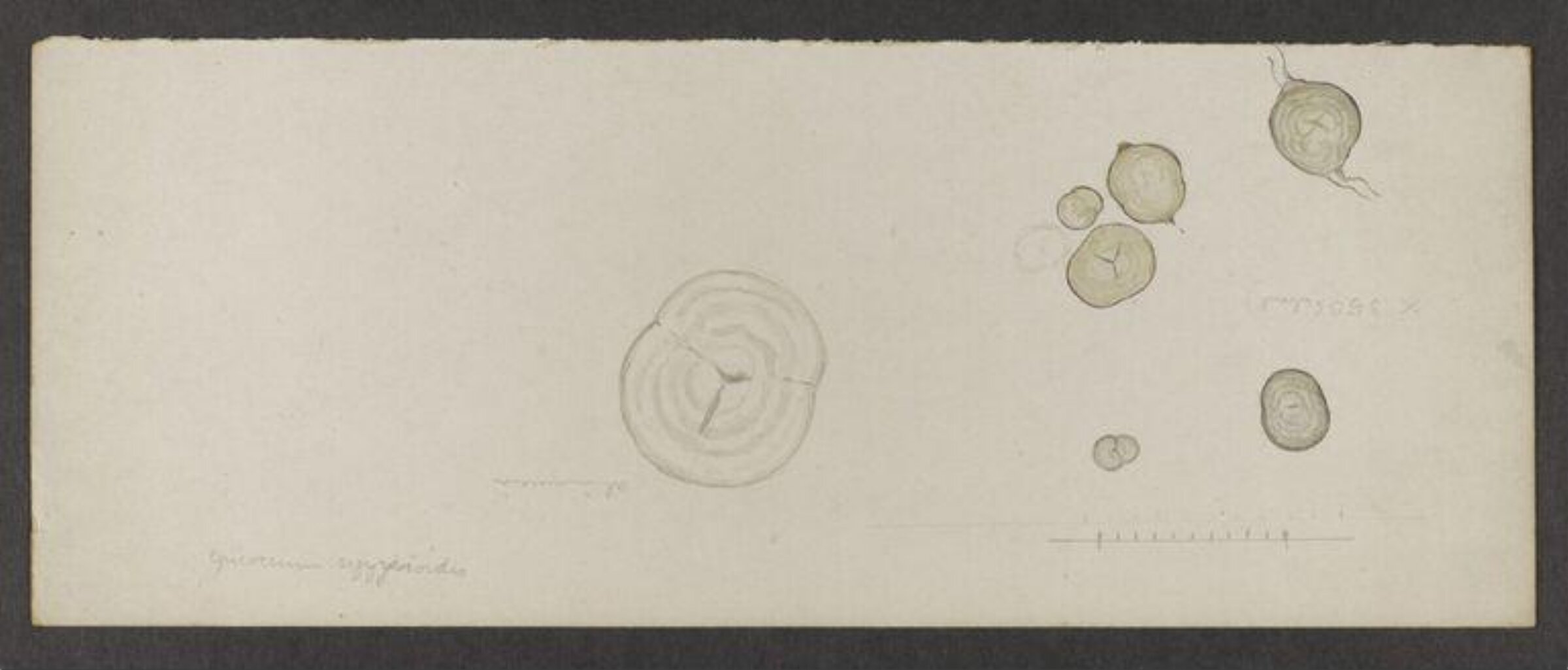
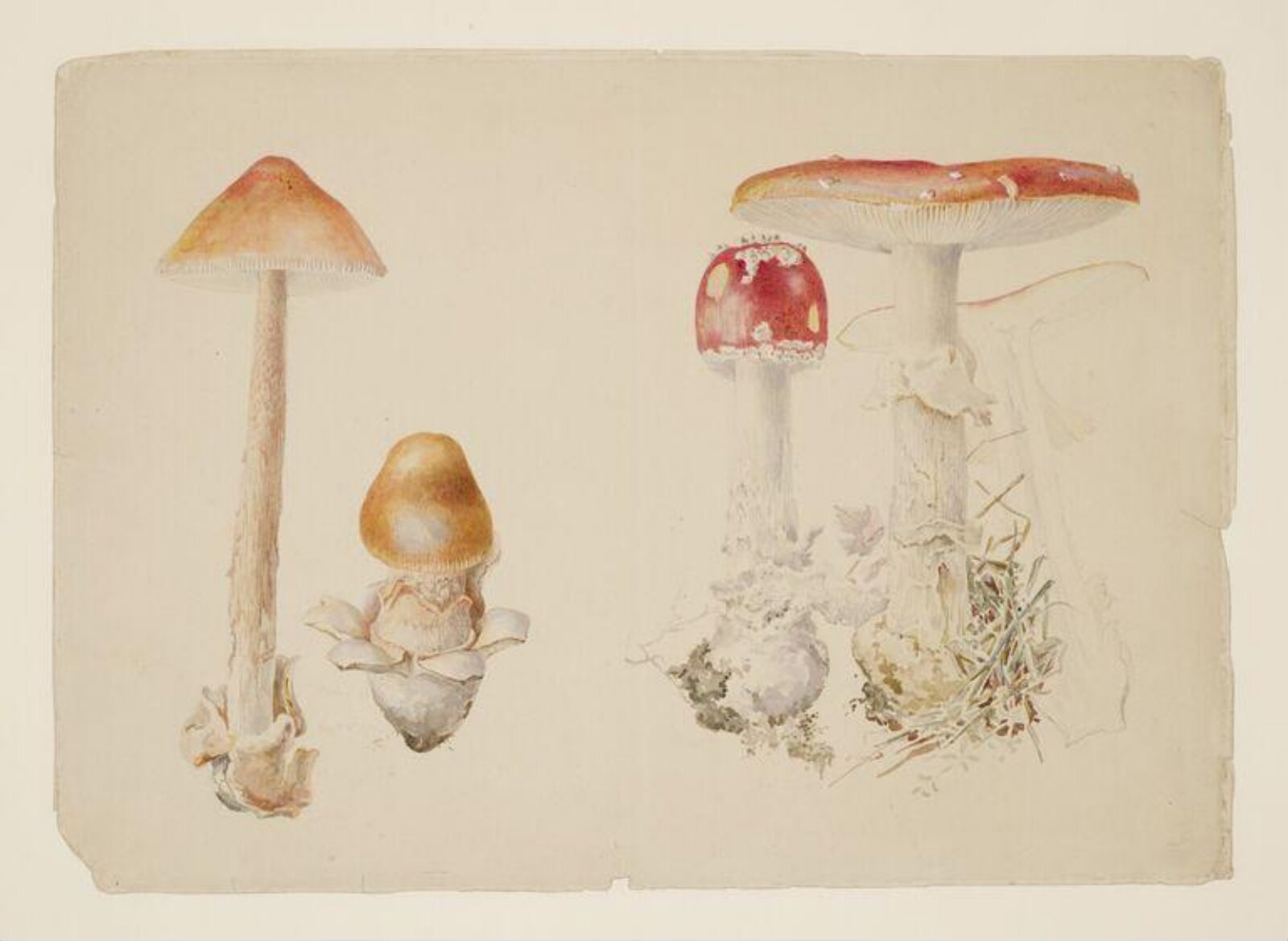
Watercolour, Beatrix Potter, 02/09-1897-03/09/1897

Watercolour

02/09-1897-03/09/1897 · Watercolour · 30.7 × 43.2 cm

About the work

Beatrix Potter began drawing fungi from around 1885 but knew little of the science behind them. She began exchanging letters with Charles McIntosh (1839–1922), a postman from Inver in Perthshire, who was also an expert on ferns, mosses and fungi. Potter knew him from her holidays in Perthshire as a young girl. When staying in Dunkeld in 1892 (aged 26), she arranged a proper meeting with him to show him her drawings. Although naturally shy, he became lively on the subject of fungi, talking with ‘poetical feeling about their exquisite colours.’ They began exchanging letters. McIntosh sent her samples of mushrooms he had found and, in exchange, she sent him copies of her drawings of them. At first she referred to the specimens by appearance (‘spluttered candle’) or smell (‘exactly like a dead sheep’) but soon developed knowledge of the subject.

Read on

McIntosh advised her to show present her drawings more scientifically instead of drawing them as she found them in the gound. As her knowledge grew, Beatrix exchanged theories with McIntosh on mushroom reproduction. By around the time of this drawing, Beatrix had become interested in on particular branch of mushroom, Agarics, and began experimenting in their germination to write an essay on the subject.

Victoria and Albert Museum

Particulars

02/09-1897-03/09/1897 · aged 31
18661943
Accession number
BP.244

Meanwhile, in the life of Beatrix Potter

The whole life
  1. 1881–1897

    A journal in a cipher of her own

    From 1881 Beatrix kept a journal in a simple substitution cipher of her own devising — in tiny handwriting, serving as both sketchbook and literary experiment, in which she described society, her impressions of art and the life around her. The entries stop in 1897, when her energies were absorbed in scientific study and in efforts to publish her drawings.

  2. 1895–1897

    A theory of spore germination, and Kew Gardens

    In 1895, curious about how fungi reproduce, Beatrix began microscopic drawings of agaric spores and developed a theory of their germination. Through her uncle, the chemist Sir Henry Roscoe, she consulted botanists at Kew and convinced George Massee of her ability to germinate spores, but William Thiselton-Dyer, the director of Kew, rebuffed her because of her sex and amateur status.

  3. 1897

    A paper for the Linnean Society

    In 1897 Beatrix submitted a paper, “On the Germination of the Spores of the Agaricineae”, to the Linnean Society, but as a woman she could neither attend the meeting nor read it herself — George Massee introduced it. She later withdrew it on realising that some of her samples were contaminated, yet she continued her microscopic studies for several more years.

More by Beatrix Potter

All works

Neighbors at Victoria and Albert Museum

Museum page

On the same theme · Fungi

All works on the theme
Beatrix Potter, portraitBeatrix Potter1866–1943

May one see it?

Unknown

Victoria and Albert Museum

London, United Kingdom

The owner is known; whether it is on view today is not.

In this state since
Sep 25, 2026
Source
The museum
On the mapMuseum page

What it shows

FungiBotanical illustrationNatural historyMushroomFungus

In the catalog

Drawings & watercolorsWatercolourImpressionism19th centuryUllock (Cumbria)

Sources

  • Victoria and Albert Museum
  • Image: Victoria and Albert Museum — © Victoria and Albert Museum, London
drawing, Beatrix Potter, late 19th century - early 20th century

drawing

late 19th century - early 20th century · Not on view · Victoria and Albert Museum

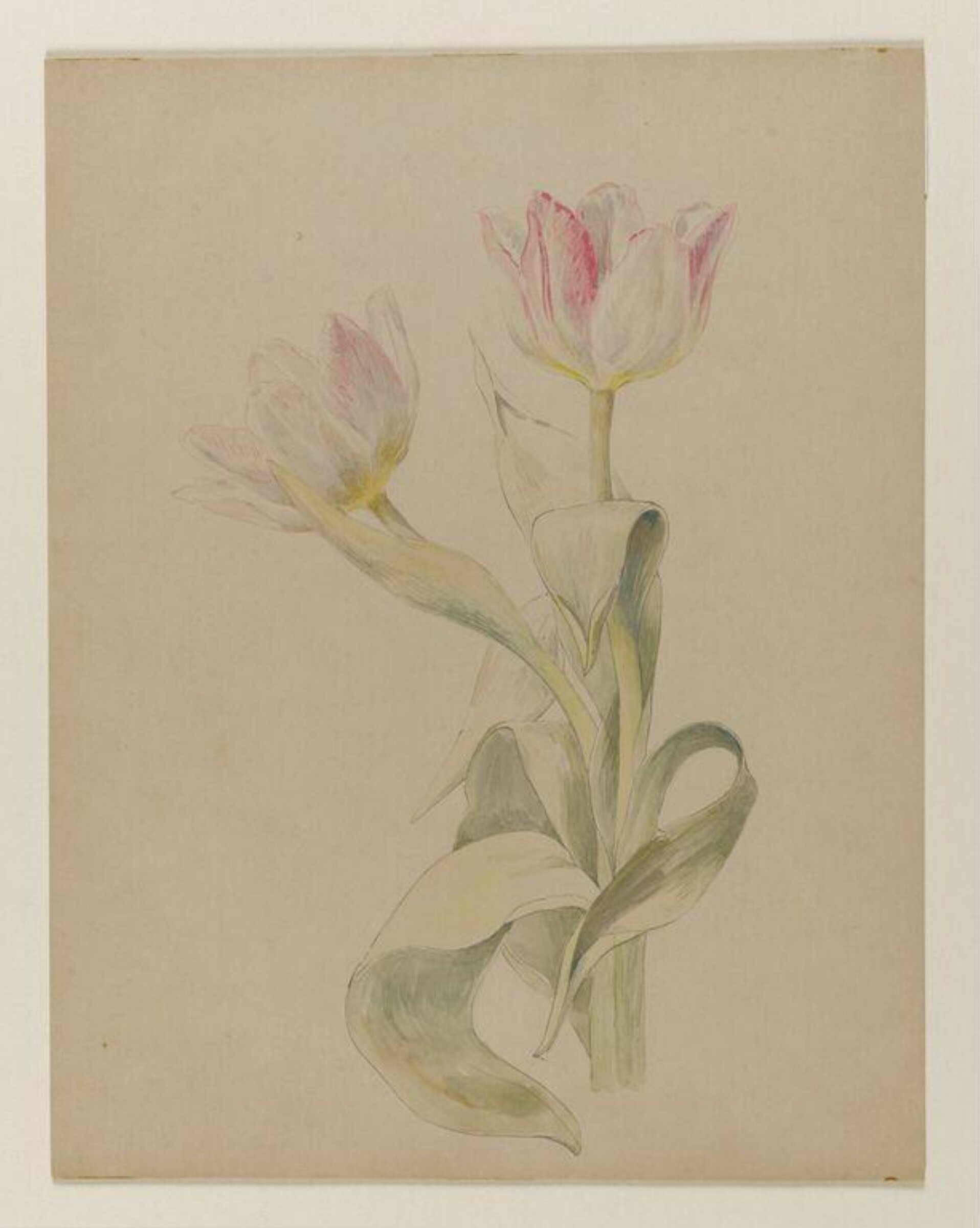
Pink and white tulips, Beatrix Potter, late 19th century-early 20th century

Pink and white tulips

late 19th century-early 20th century · Not on view · Victoria and Albert Museum

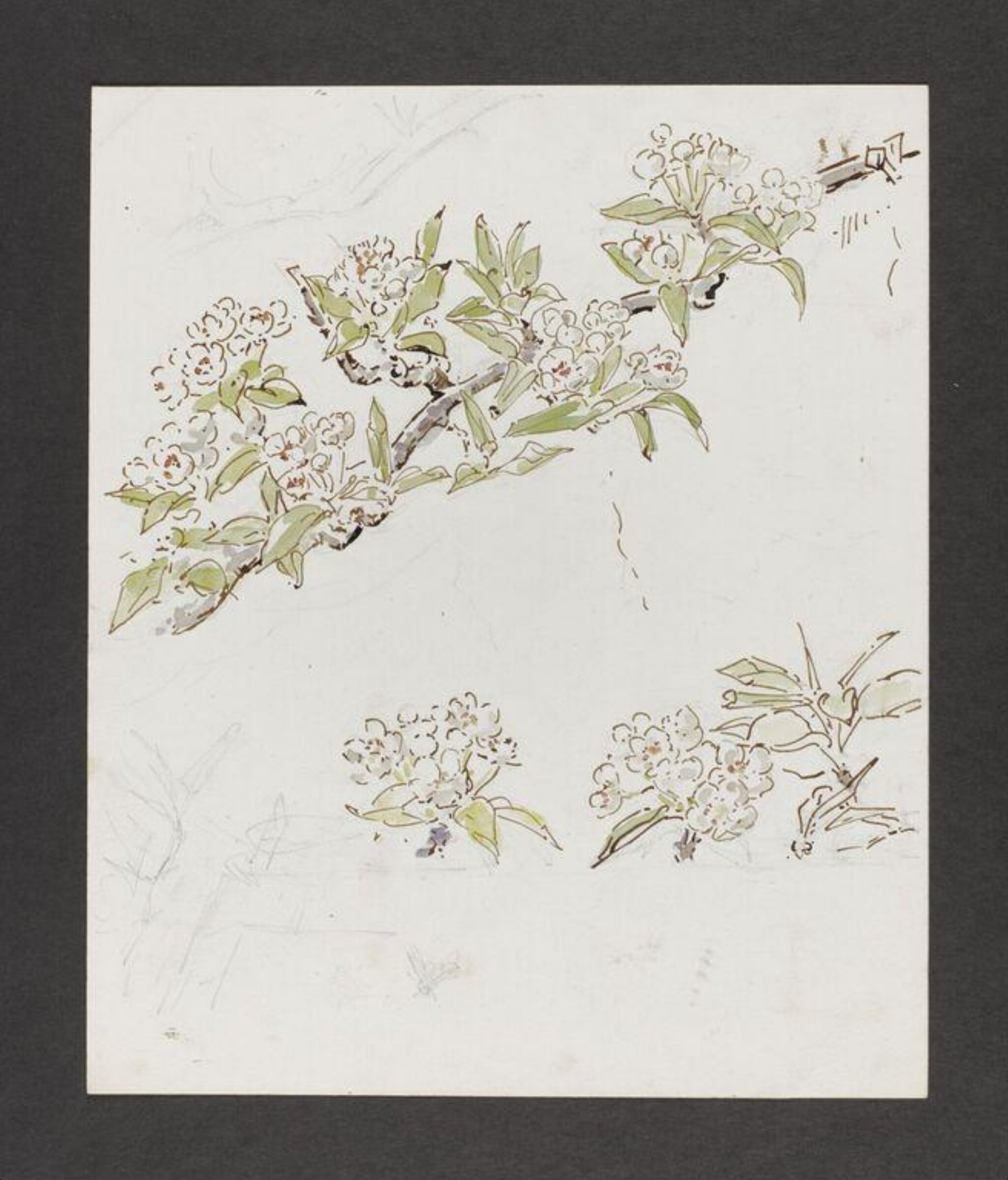
Watercolour, Beatrix Potter, late 19th century - early 20th century

Watercolour

late 19th century - early 20th century · Not on view · Victoria and Albert Museum

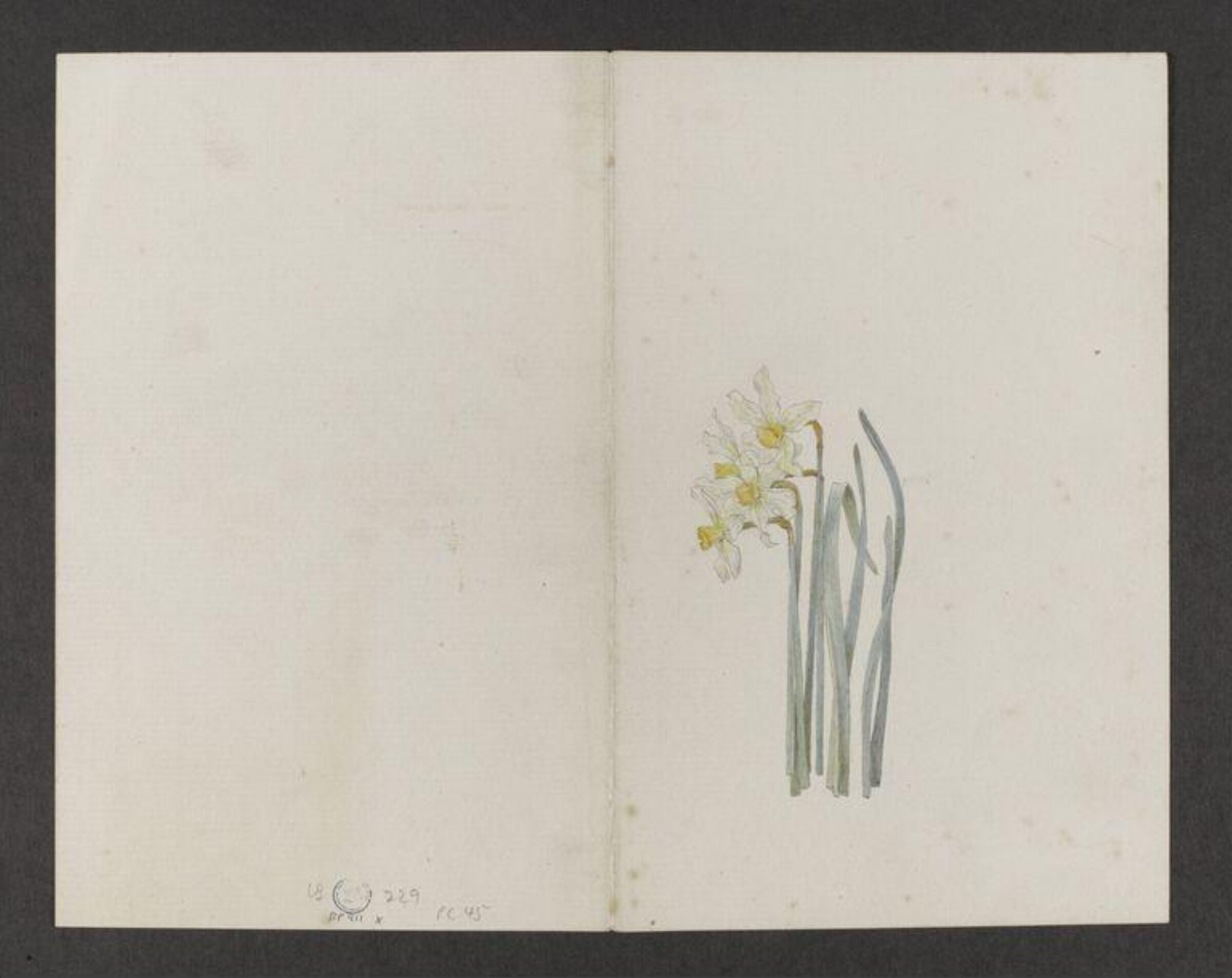
Watercolour, Beatrix Potter, late 19th century - early 20th century

Watercolour

late 19th century - early 20th century · Not on view · Victoria and Albert Museum

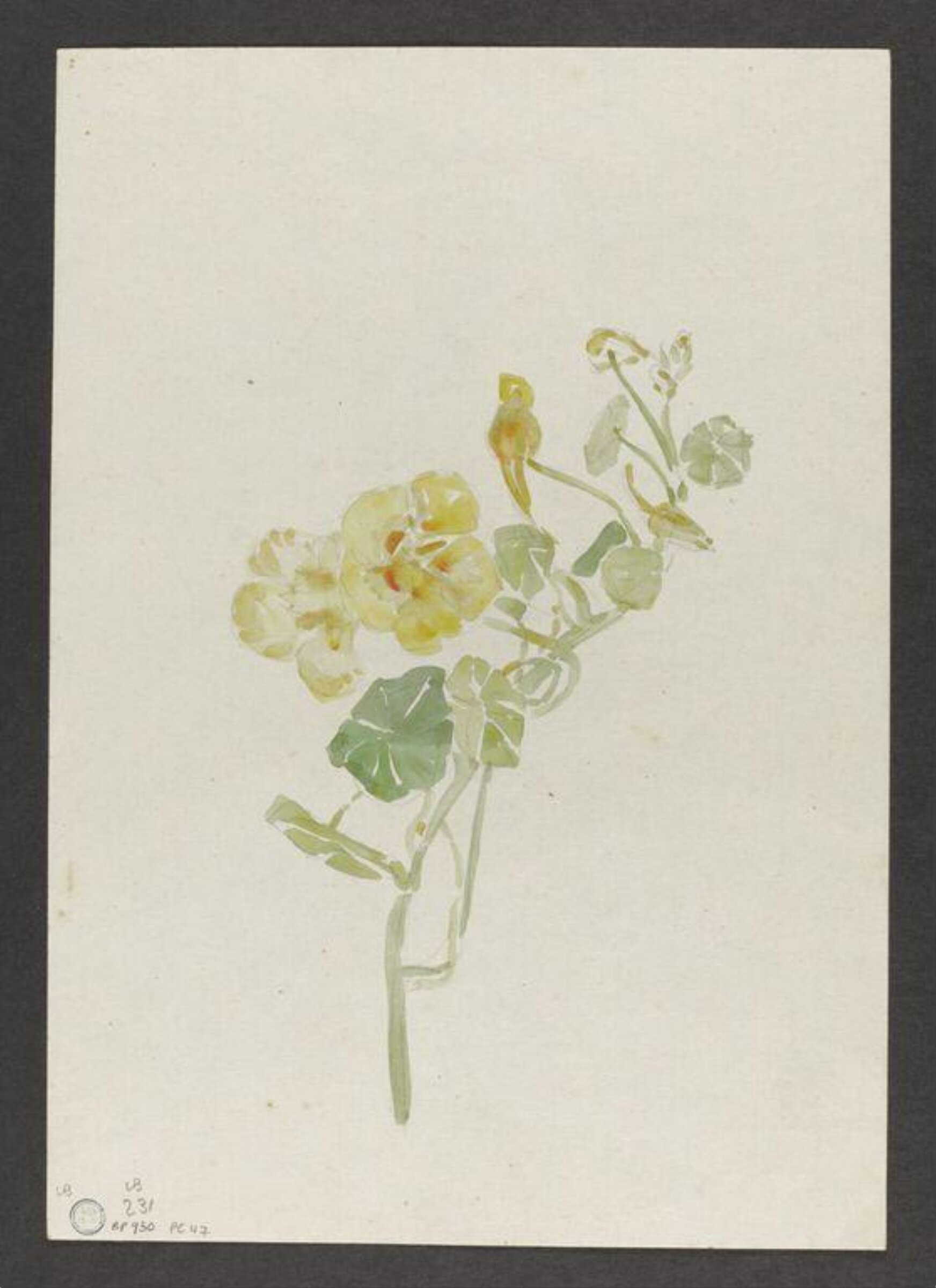
Watercolour, Beatrix Potter, late 19th century - early 20th century

Watercolour

late 19th century - early 20th century · Not on view · Victoria and Albert Museum

Watercolour, Beatrix Potter, late 19th century - early 20th century

Watercolour

late 19th century - early 20th century · Not on view · Victoria and Albert Museum

Watercolour, Beatrix Potter, late 19th century - early 20th century

Watercolour

late 19th century - early 20th century · Not on view · Victoria and Albert Museum

Watercolour, Beatrix Potter, late 19th century - early 20th century

Watercolour

late 19th century - early 20th century · Not on view · Victoria and Albert Museum

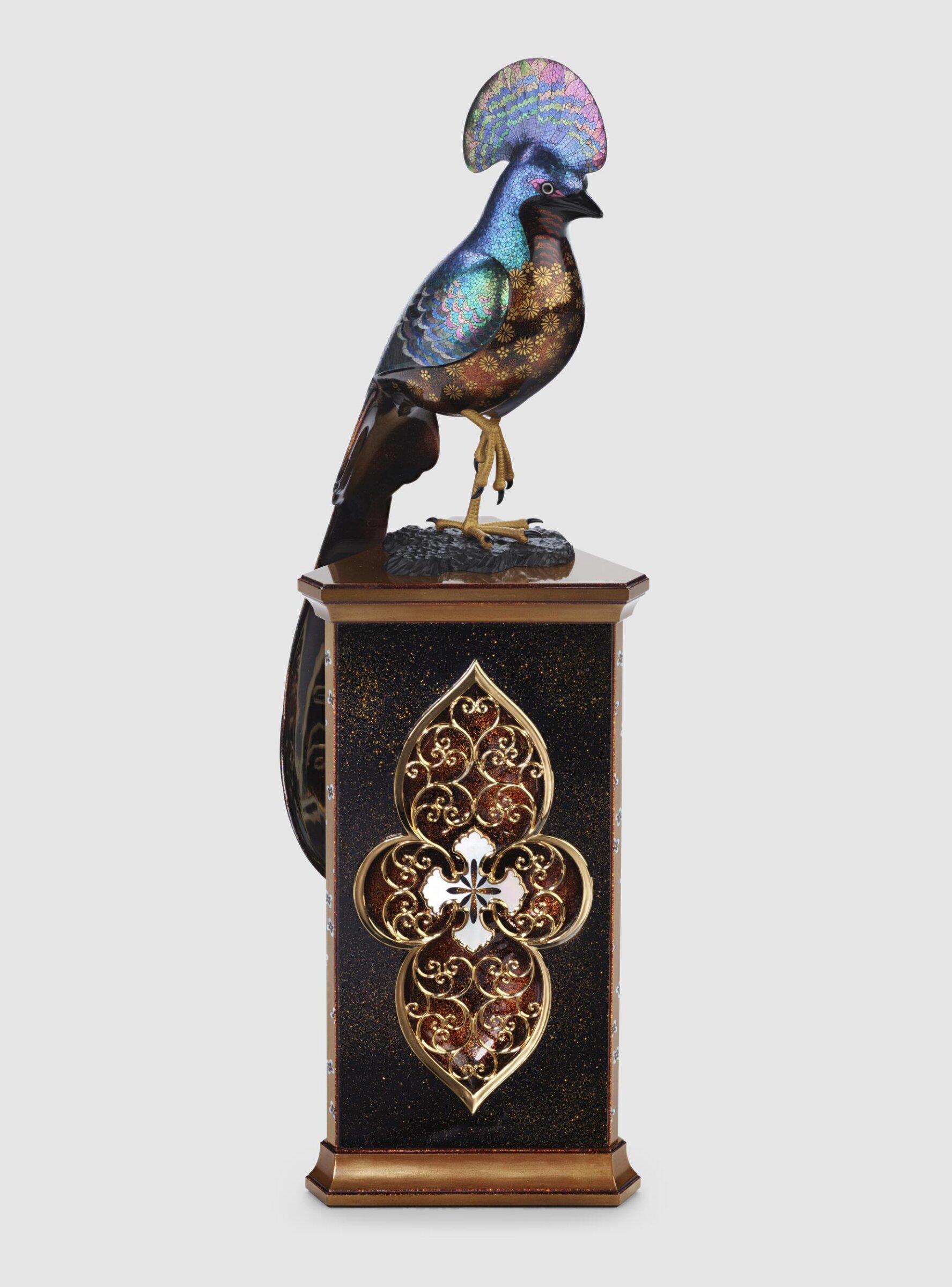
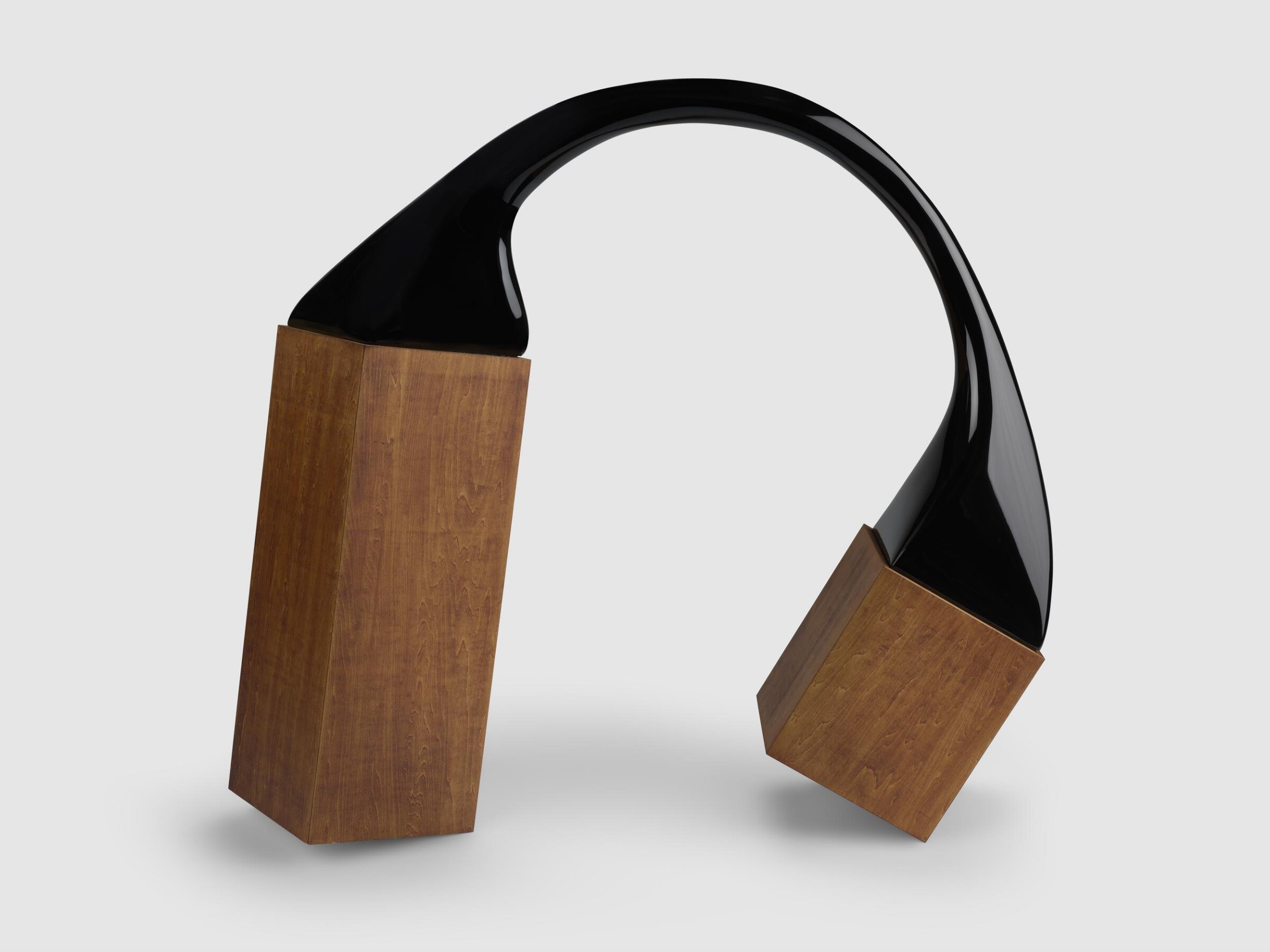
Bird of Paradise, Hashimoto Chitaka, 2026

Hashimoto Chitaka

Bird of Paradise, 2026

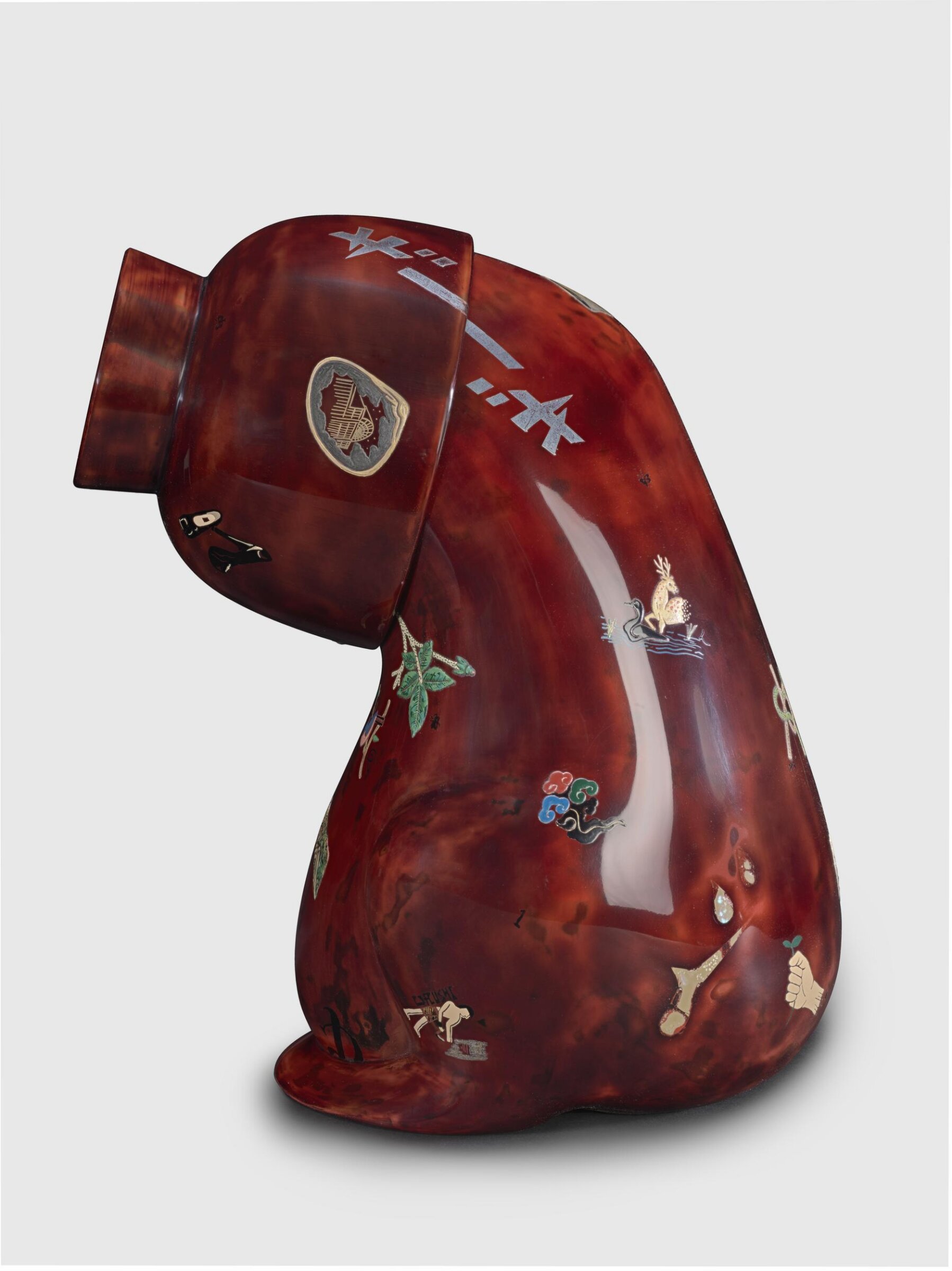
Torsion 2, Taruma Shoko, 2025

Taruma Shoko

Torsion 2, 2025

Fu, Someya Satoshi, 2025

Someya Satoshi

Fu, 2025

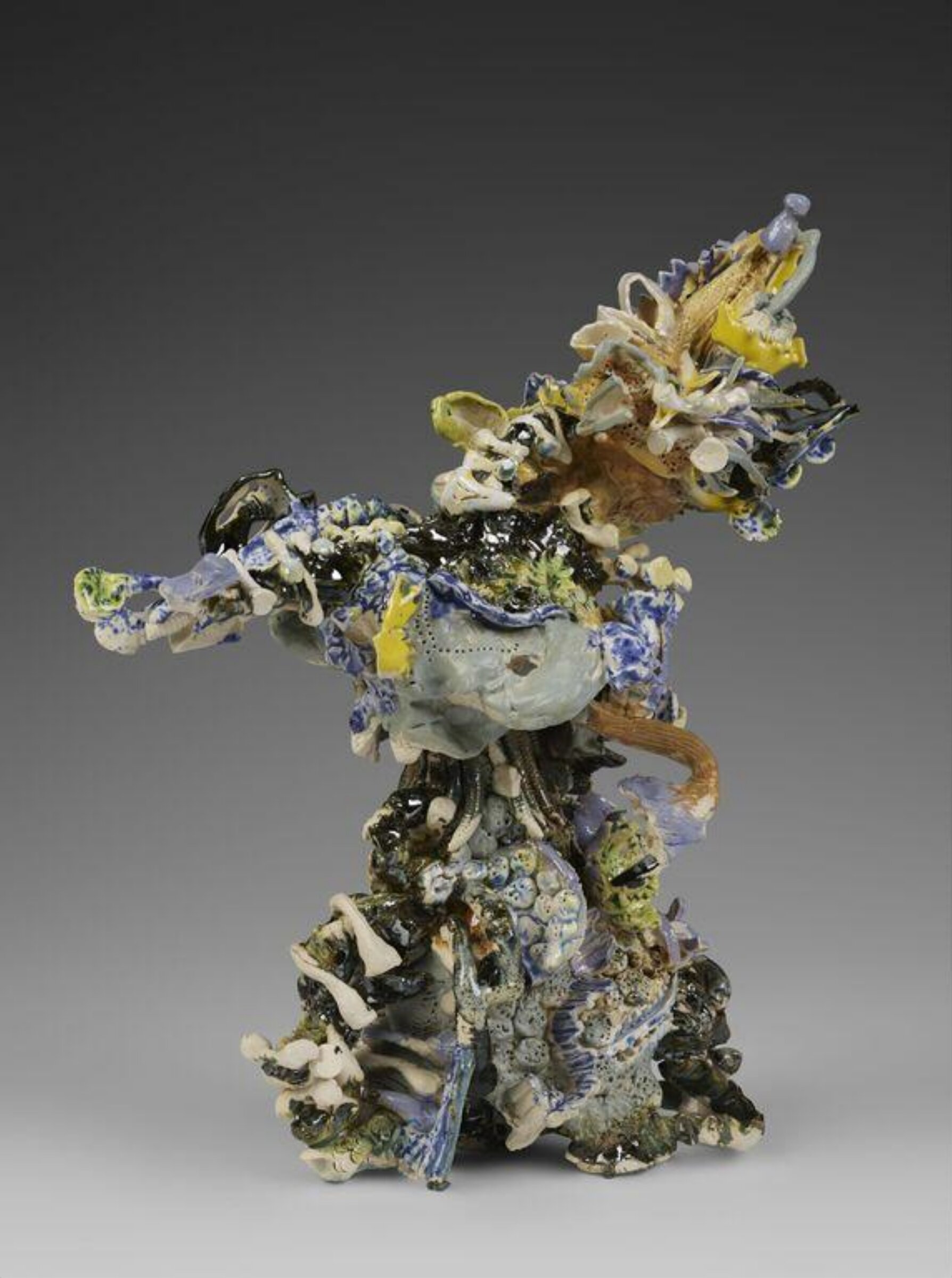
Bow Before the Curtain Falls, 2024

Bow Before the Curtain Falls, 2024

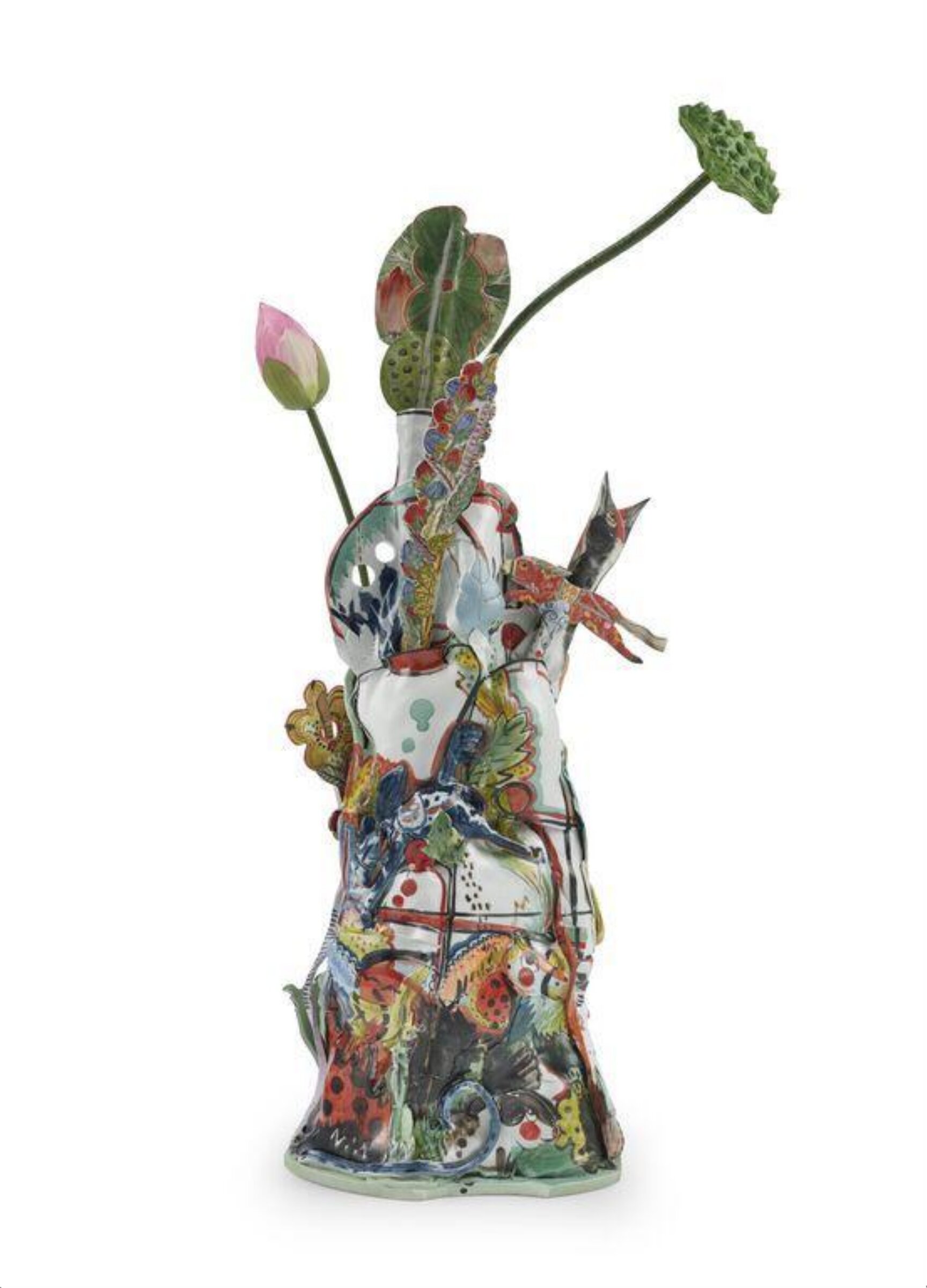
Summer, 2024

Summer, 2024

Red Flow, Ishizuka Genta, 2024

Ishizuka Genta

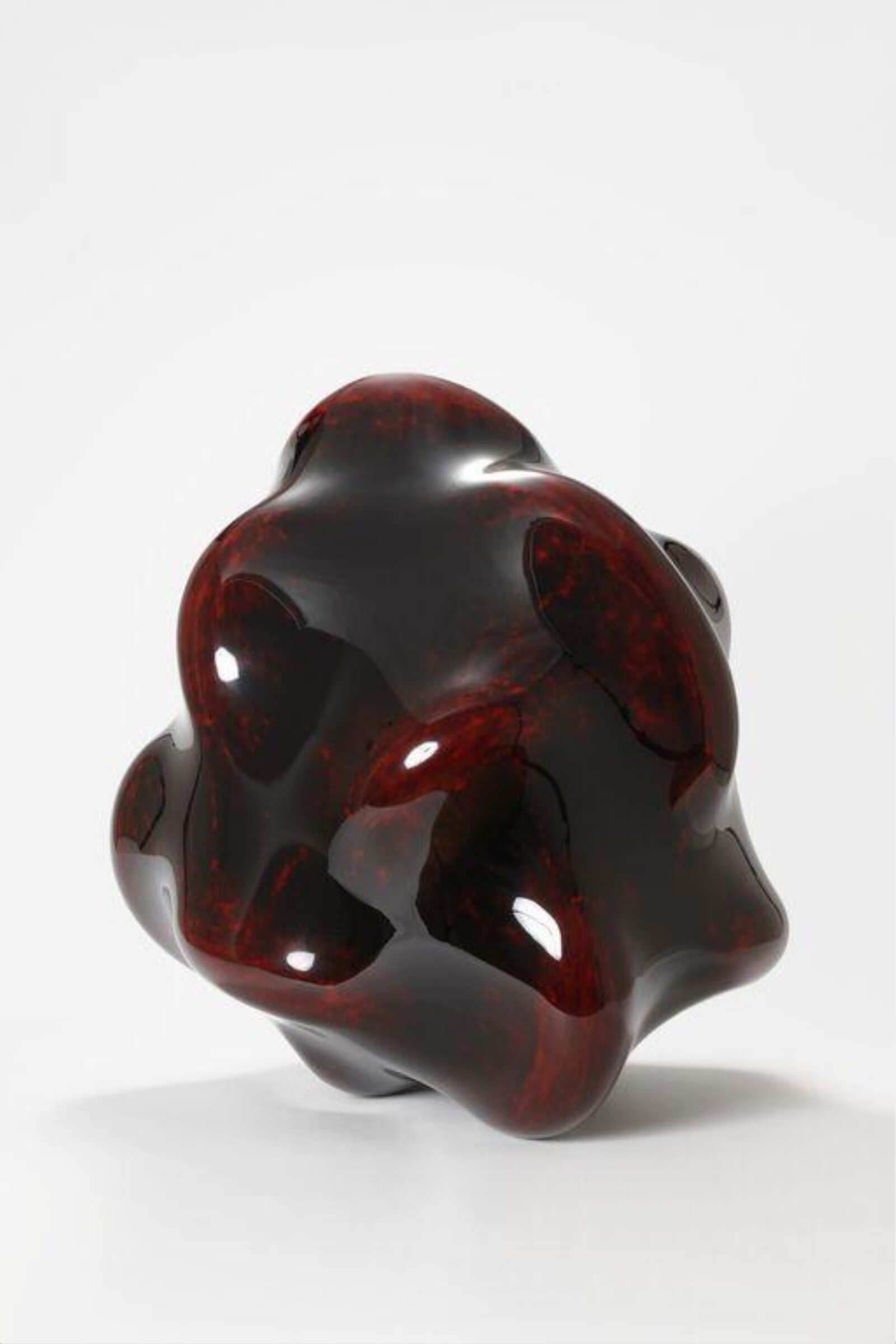
Red Flow, 2024

3D replica of Michelangelo's Prisoner (4117-1854), Factum Arte, 2024

Factum Arte

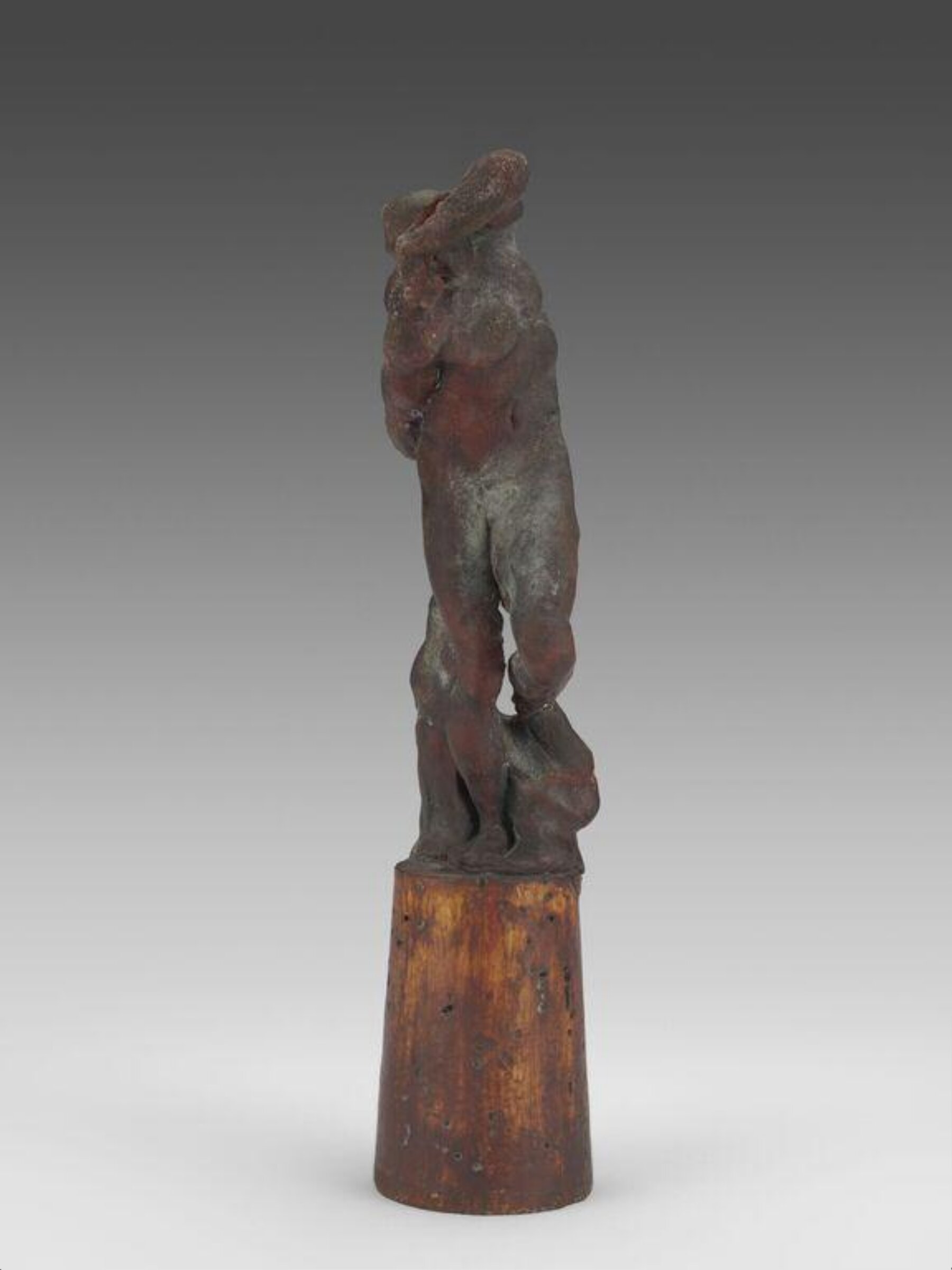
3D replica of Michelangelo's Prisoner (4117-1854), 2024

Sculpture, ‘Co-Existence – the Man and the Monkey’, Zhao Lin, 2024

Zhao Lin

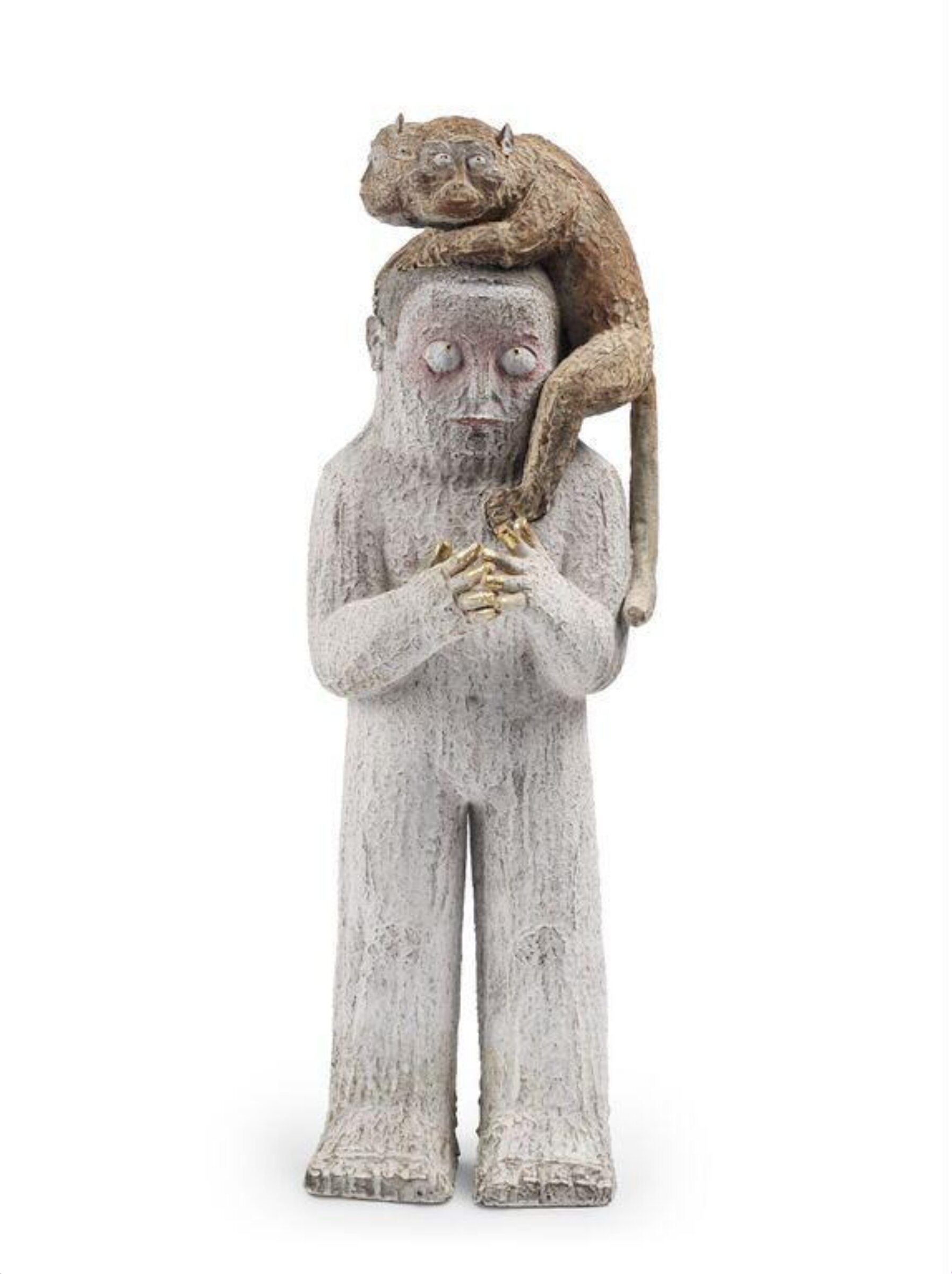
Sculpture, ‘Co-Existence – the Man and the Monkey’, 2024

Egoyomi met paddestoelen als falli, anonymous, 1861

anonymous

Egoyomi met paddestoelen als falli, 1861

Rijksmuseum

Misvormde paddestoel (Cryptogamae), Charles Meryon, 1860

Charles Meryon

Misvormde paddestoel (Cryptogamae), 1860

Rijksmuseum

Mossen, paddenstoelen en elfenbanken, Dirk van Gelder, 1925

Dirk van Gelder

Mossen, paddenstoelen en elfenbanken, 1925

Rijksmuseum

Artikel over Pieter Jacobus Barnouw, 1906-12-08

Artikel over Pieter Jacobus Barnouw, 1906-12-08

Rijksmuseum

22 voorbeelden van schimmels en doorsneden van schimmels, Sohier, c. 1888 - in or before 1893

Sohier

22 voorbeelden van schimmels en doorsneden van schimmels, c. 1888 - in or before 1893

Rijksmuseum

drawing, Beatrix Potter, 1897-1898

Beatrix Potter

drawing, 1897-1898

Not on view · Victoria and Albert Museum

Watercolour, Beatrix Potter, late 19th century - early 20th century

Beatrix Potter

Watercolour, late 19th century - early 20th century

Not on view · Victoria and Albert Museum

Fungi Flowers No. 12, Edith Meinel, 1970

Edith Meinel

Fungi Flowers No. 12, 1970

Not on view · Victoria and Albert Museum