ART WIKI33,040 on view
MapCollectionArtistsMuseumsExhibitionsJournal
Sign in

ART WIKI

Where the masterpiece hangs, and when they let you in.

Collections: Art Institute of Chicago, Getty Villa, Harvard Art Museums, Hirshhorn Museum and Sculpture Garden, J. Paul Getty Museum, Minneapolis Institute of Art, Musée du Louvre, National Gallery of Art, National Museum of Asian Art, National Portrait Gallery (Smithsonian), Pushkin State Museum of Fine Arts, Rijksmuseum, Smithsonian American Art Museum, SMK — National Gallery of Denmark, State Hermitage Museum, State Russian Museum, The Cleveland Museum of Art, The Metropolitan Museum of Art, The Museum of Modern Art, Tretyakov Gallery, Victoria and Albert Museum, Whitney Museum of American Art, State Catalogue of the Museum Fund of Russia (274 museums), Europeana (19 museums), Wikidata (6 museums), Paris Musées (12 museums), and Joconde, the French Ministry of Culture's museum database (495 museums). Images belong to their rights holders.

Sections

  • Map
  • Search
  • Collection
  • Masterpieces
  • On view now
  • Artists

More

  • Museums & galleries
  • Exhibitions
  • Journal
  • Where the data comes from
  • Privacy & cookies
HomeMapBrowse
  1. Collection/
  2. Victoria and Albert Museum/
  3. Vasya Vajravarahi
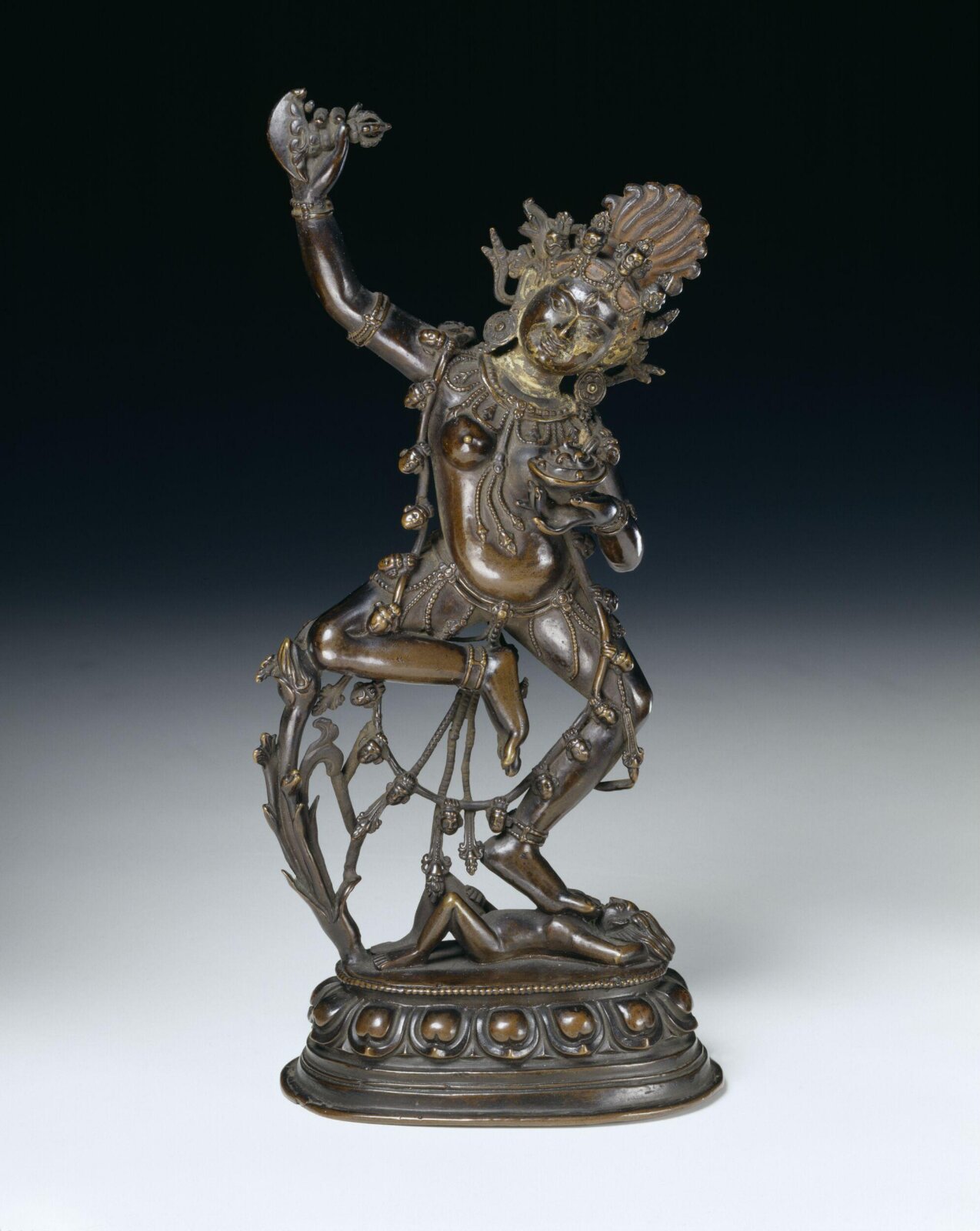
Vasya Vajravarahi, 16th century

Vasya Vajravarahi

16th century · Sculpture · 23 × 12 cm

May one see it?

Yes, receiving visitors

Victoria and Albert Museum

London, United Kingdom

RoomThe Himalayas and South-East Asia, Room 47a

On public display.

Checked
13 days ago
In this state since
Sep 25, 2026
Source
The museum
On the mapMuseum page

About the sculpture

Vasya Vajravarahi ('Diamond Sow') represents wisdom and emptiness. Her symbol, the boar's head emerging from her skull, represents the delusion of ignorance that must be overcome in tantric practice. Her name itself signifies the Varahi or female aspect of the boar manifestation of Visnu, Varaha, of Vajrayana Buddhism. She is a form of dakini, goddesses who 'walk in the sky', and ultimately represents inner space. Such figures appear to inspire, instruct and initiate human practitioners.

Victoria and Albert Museum

Particulars

Accession number
IM.197-1937

In the same room · The Himalayas and South-East Asia, Room 47a, Victoria and Albert Museum

Museum page

On the same theme · Buddhist

All works on the theme

What it shows

Buddhist

In the catalog

SculptureBronzeRenaissance16th centuryTibet

Sources

  • Victoria and Albert Museum
  • Image: Victoria and Albert Museum — © Victoria and Albert Museum, London
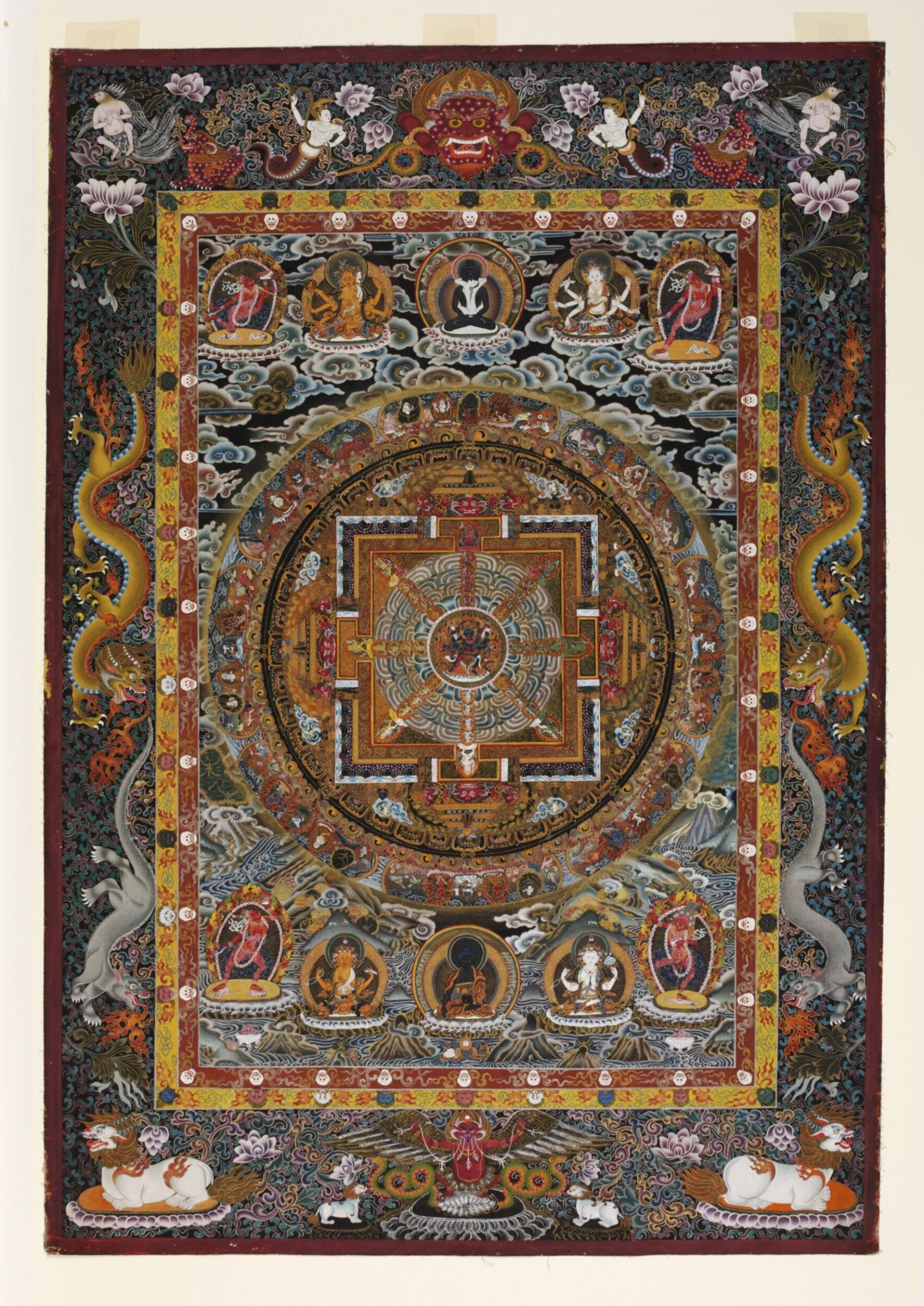
Tangka, Romio Shrestha, ca. 1980

Romio Shrestha

Tangka, ca. 1980

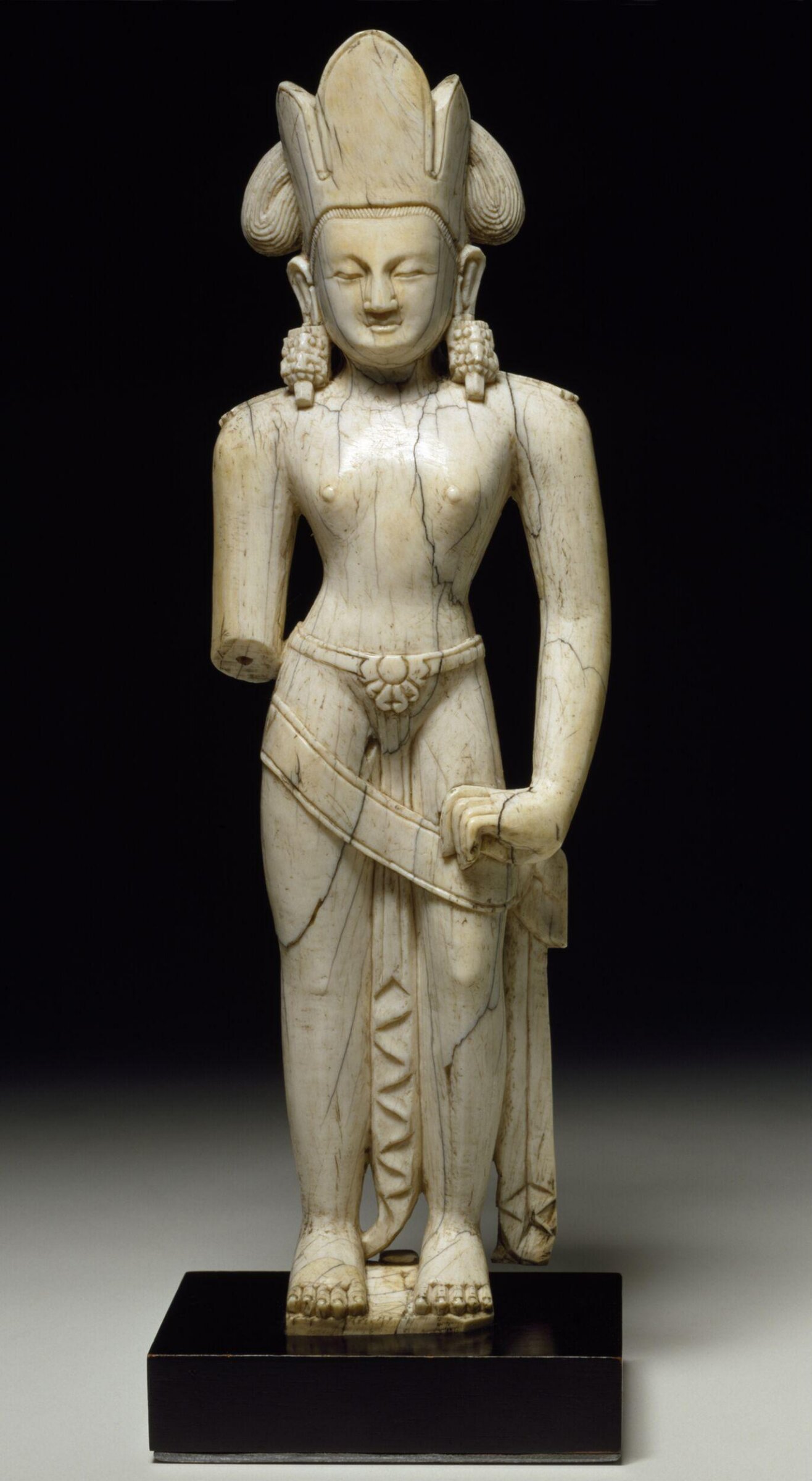
Bodhisattva Avalokitesvara, 18th century

Bodhisattva Avalokitesvara, 18th century

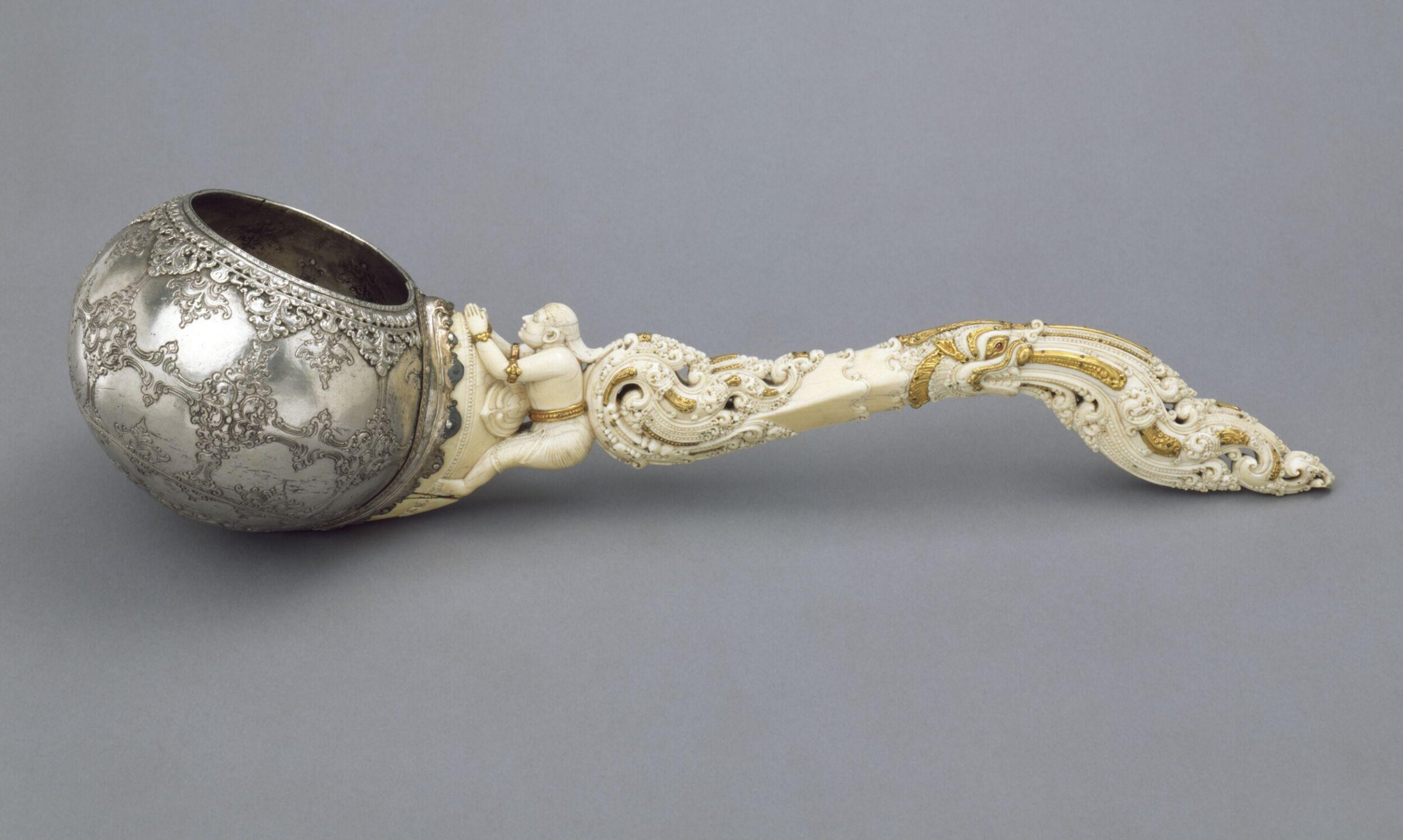
Ceremonial ladle, ca. 18th century

Ceremonial ladle, ca. 18th century

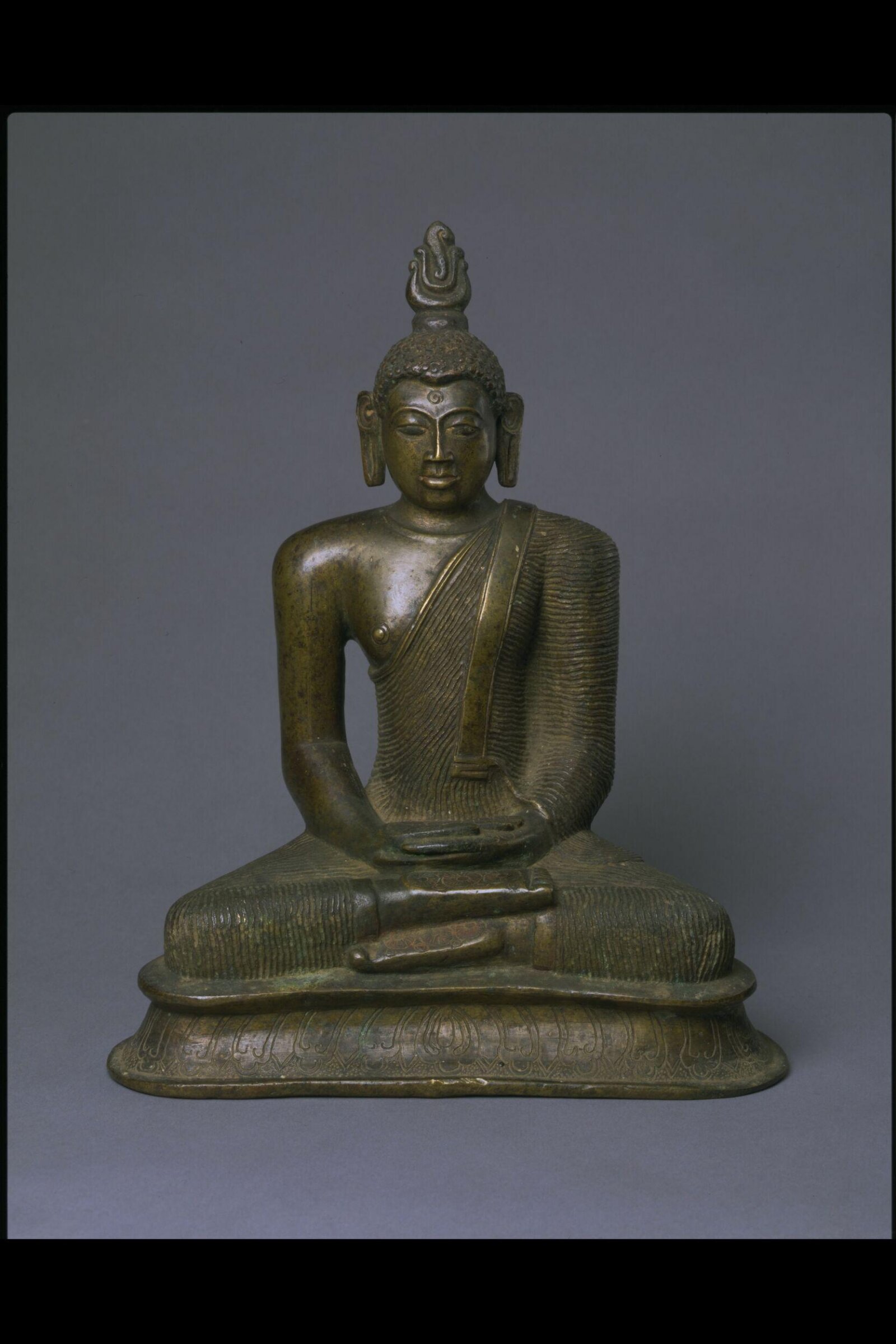
Seated Buddha, 18th century

Seated Buddha, 18th century

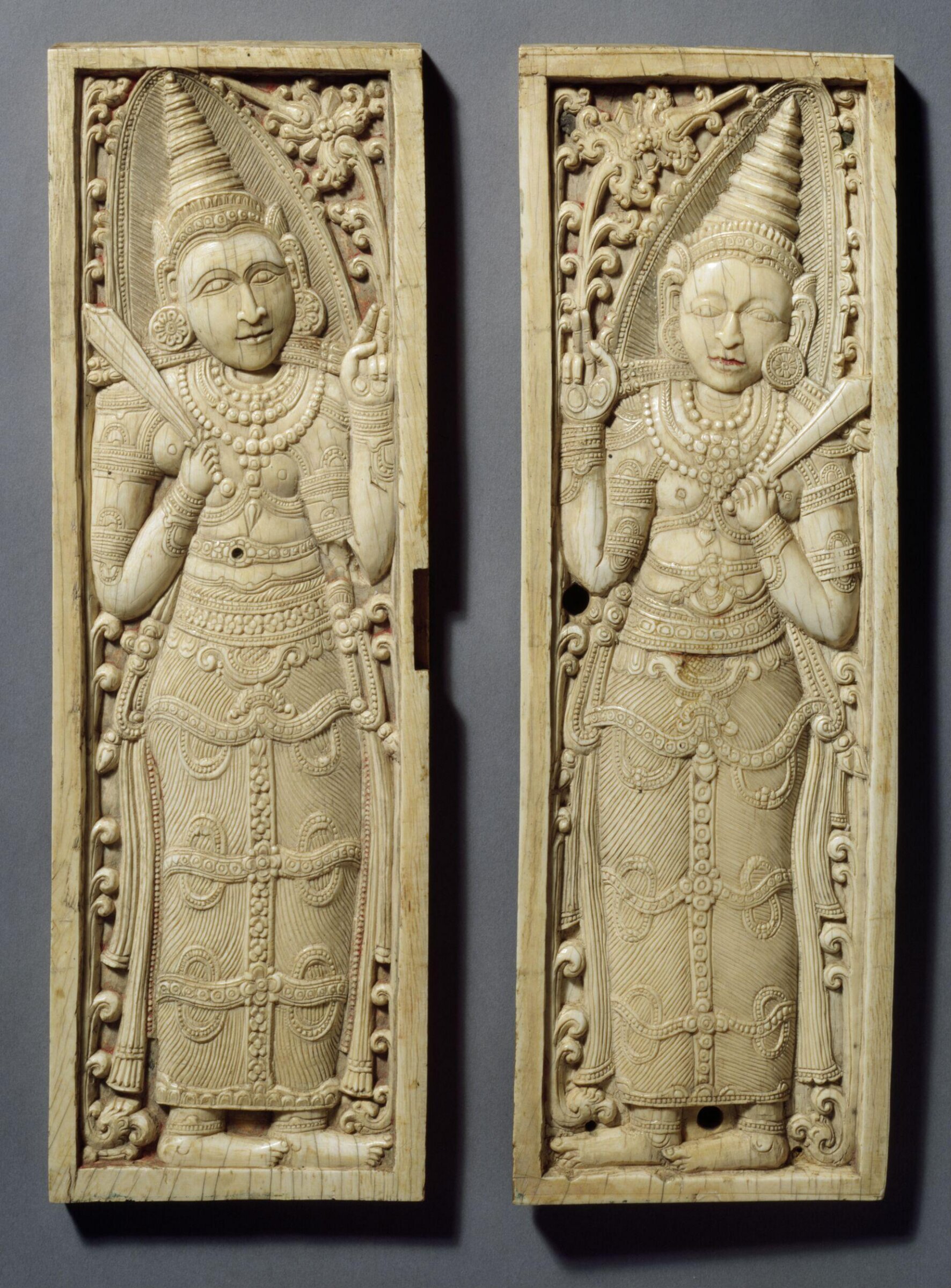
Celestial Guardians, c. 18th century

Celestial Guardians, c. 18th century

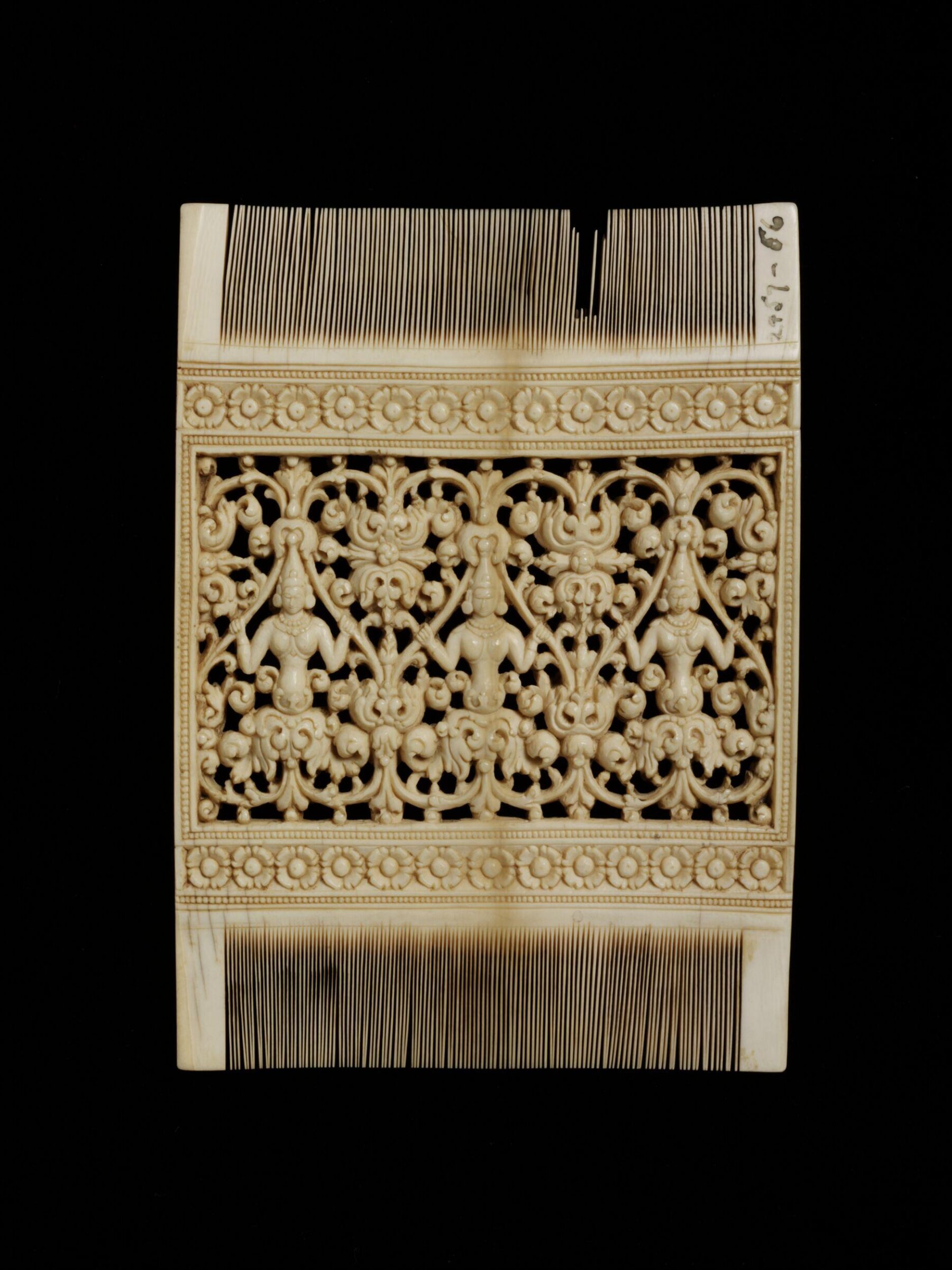
Comb, 18th century

Comb, 18th century

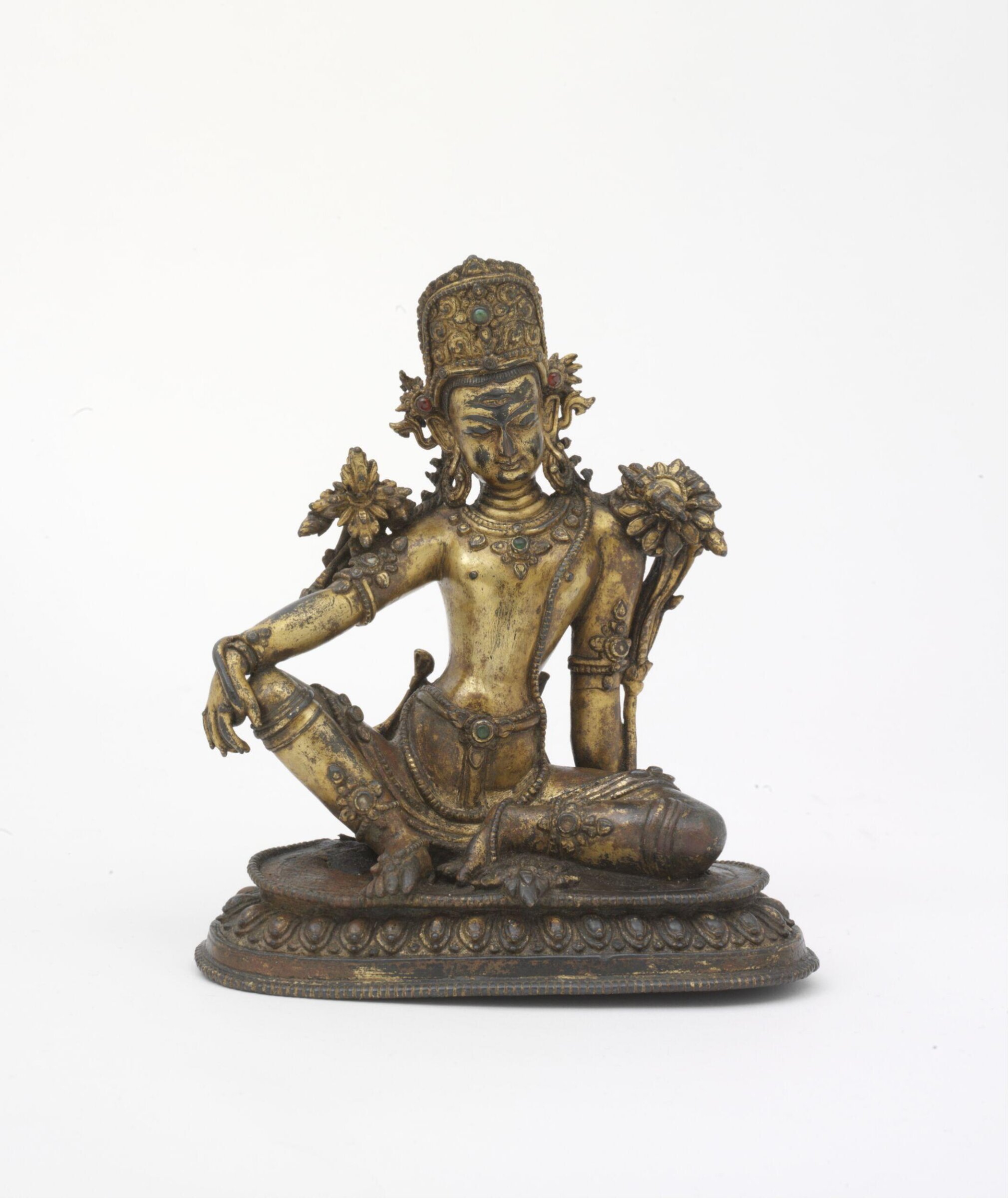
Indra, 17th century

Indra, 17th century

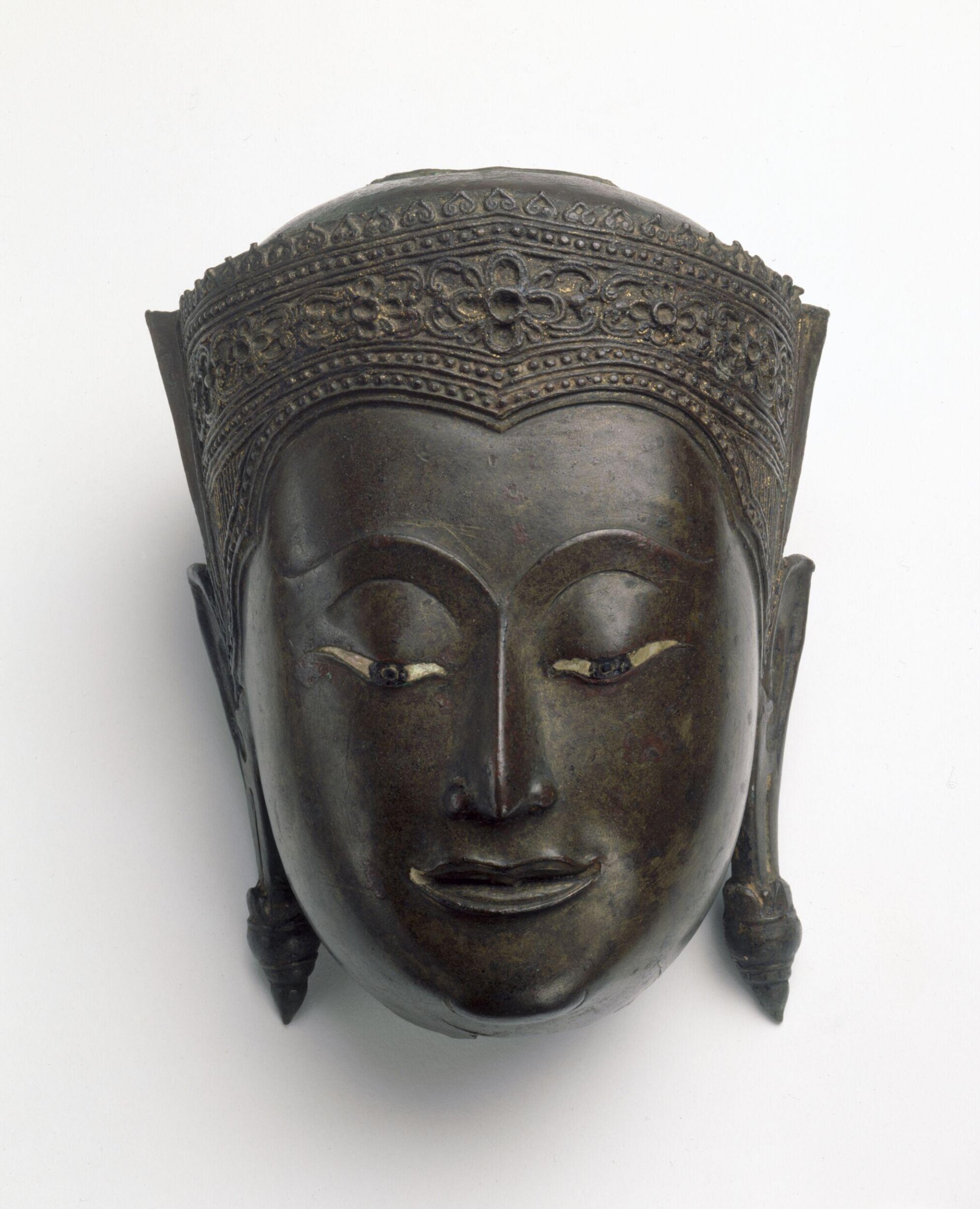
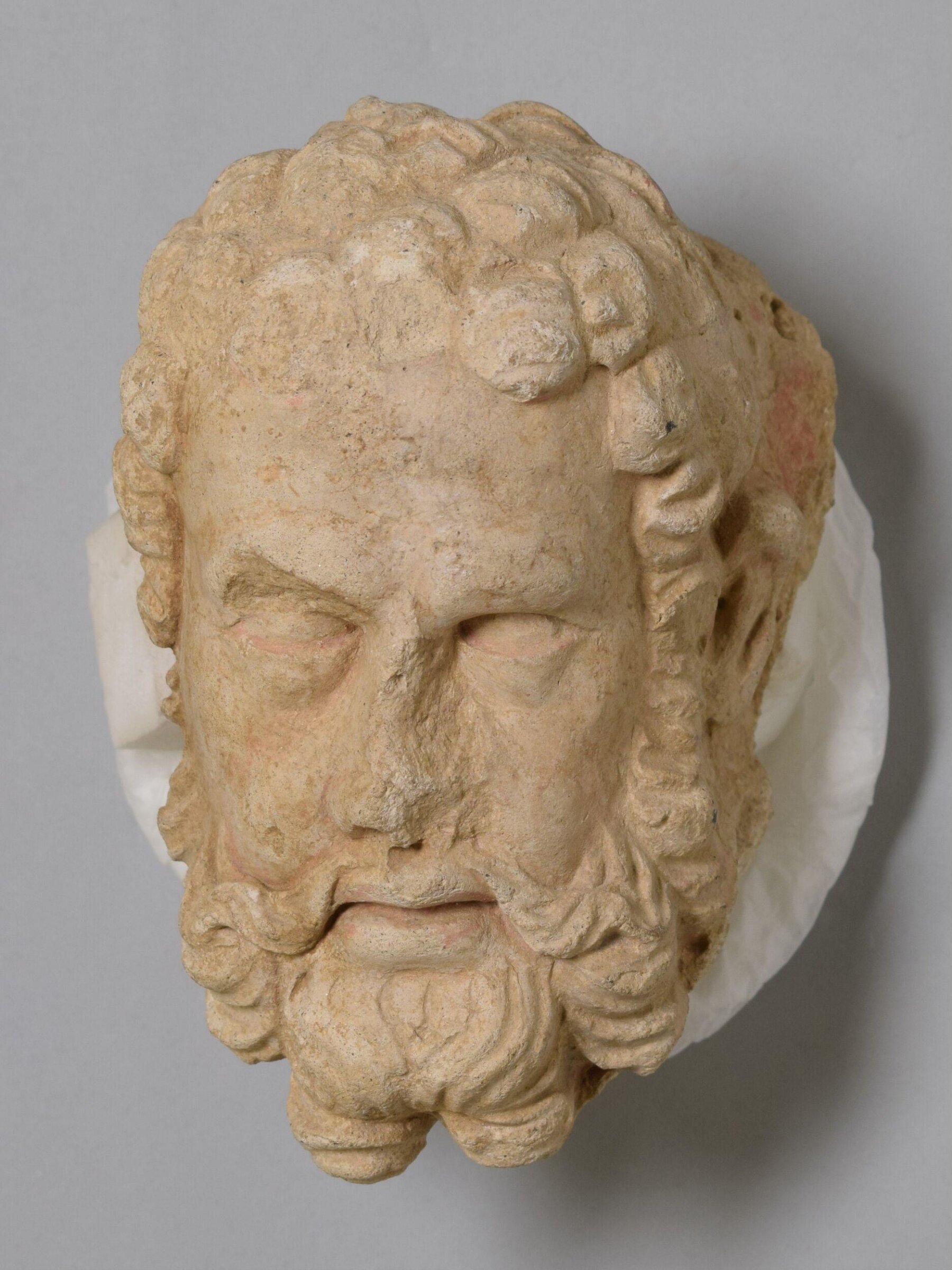
Head of the Buddha, 17th century

Head of the Buddha, 17th century

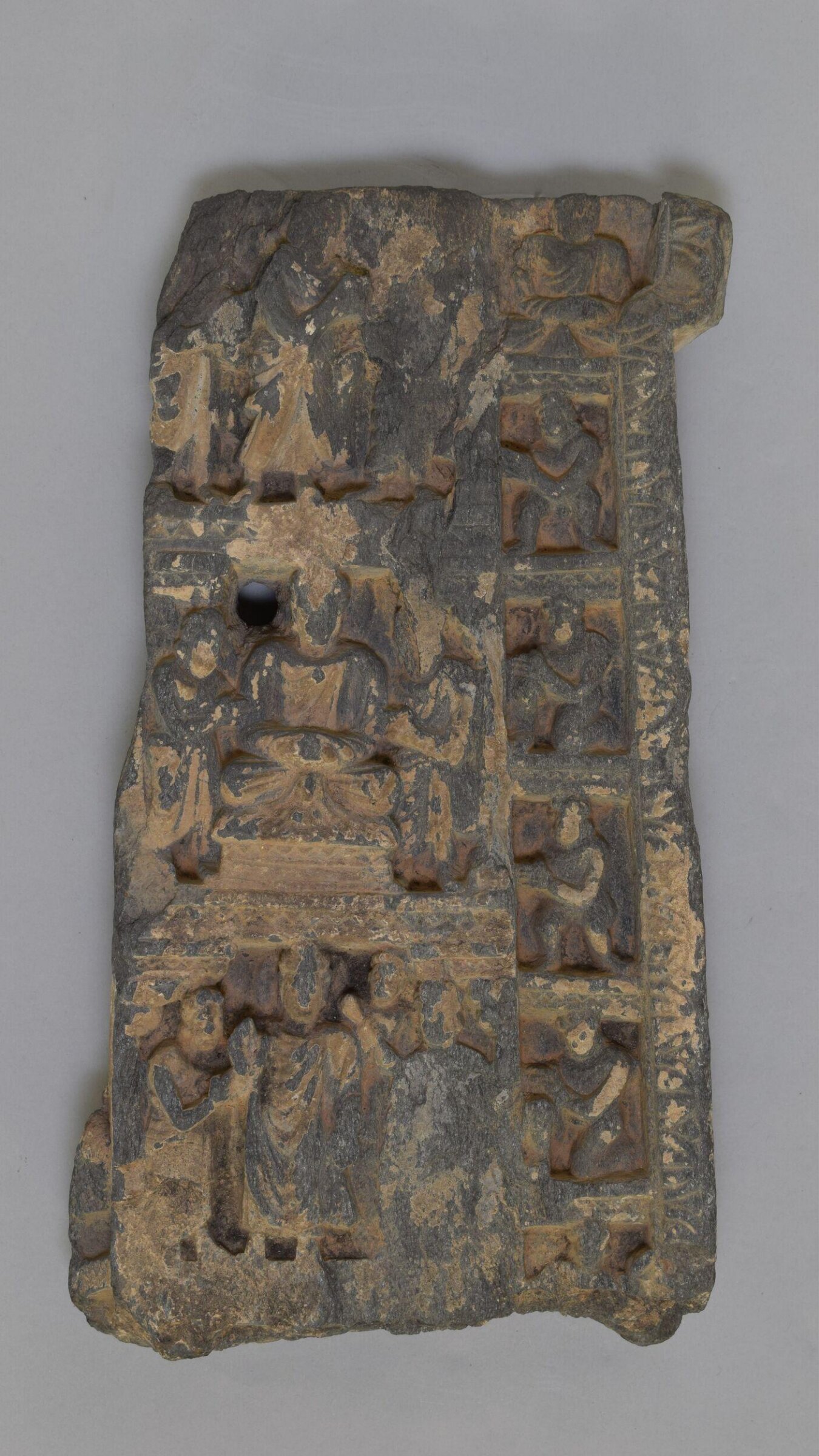
Relief, 4th century

Relief, 4th century

Not on view · Victoria and Albert Museum

Sculpture, 4th century -5th Century

Sculpture, 4th century -5th Century

Not on view · Victoria and Albert Museum

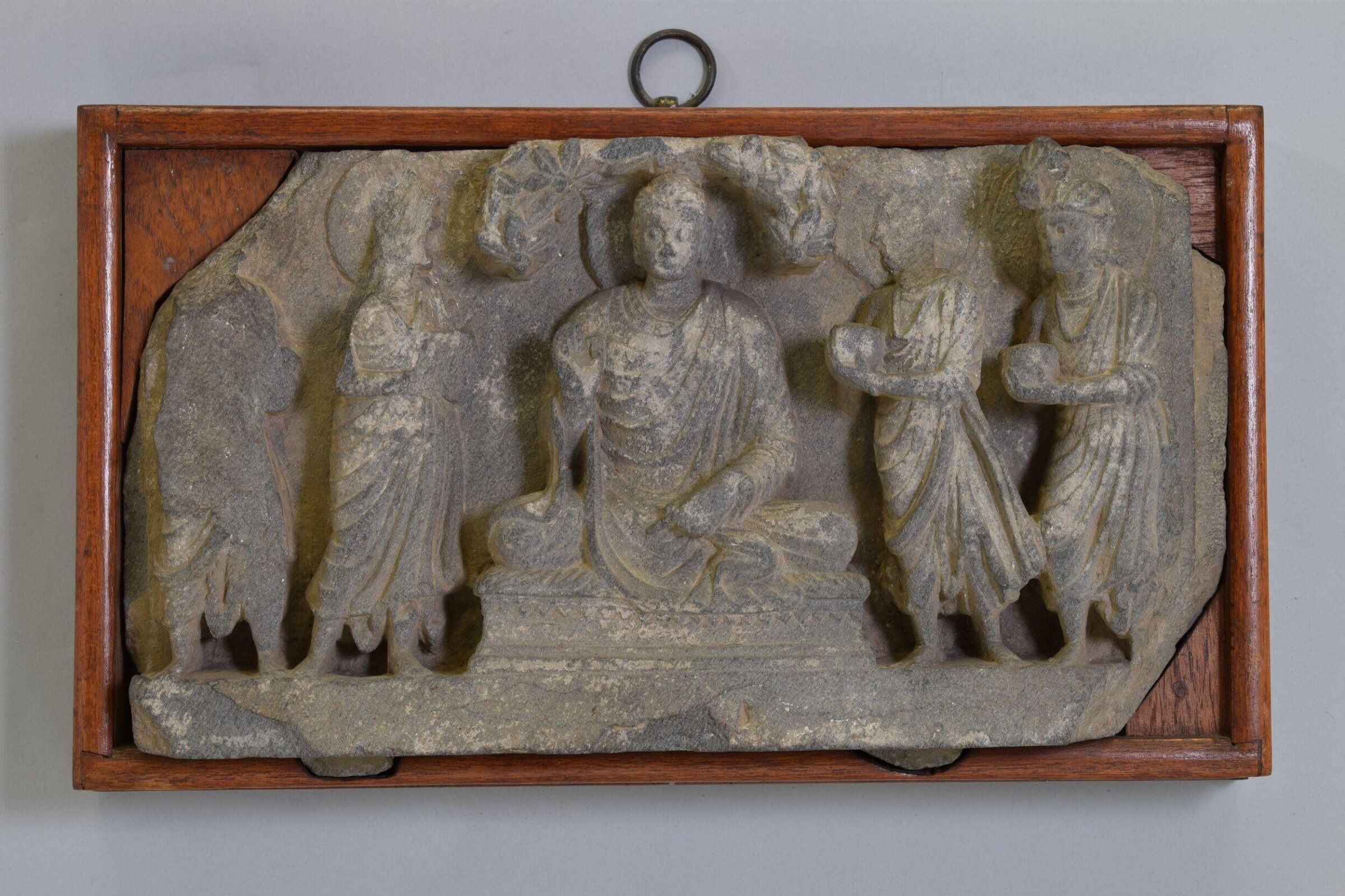
Relief panel, 2nd century- to 5th Century

Relief panel, 2nd century- to 5th Century

Not on view · Victoria and Albert Museum

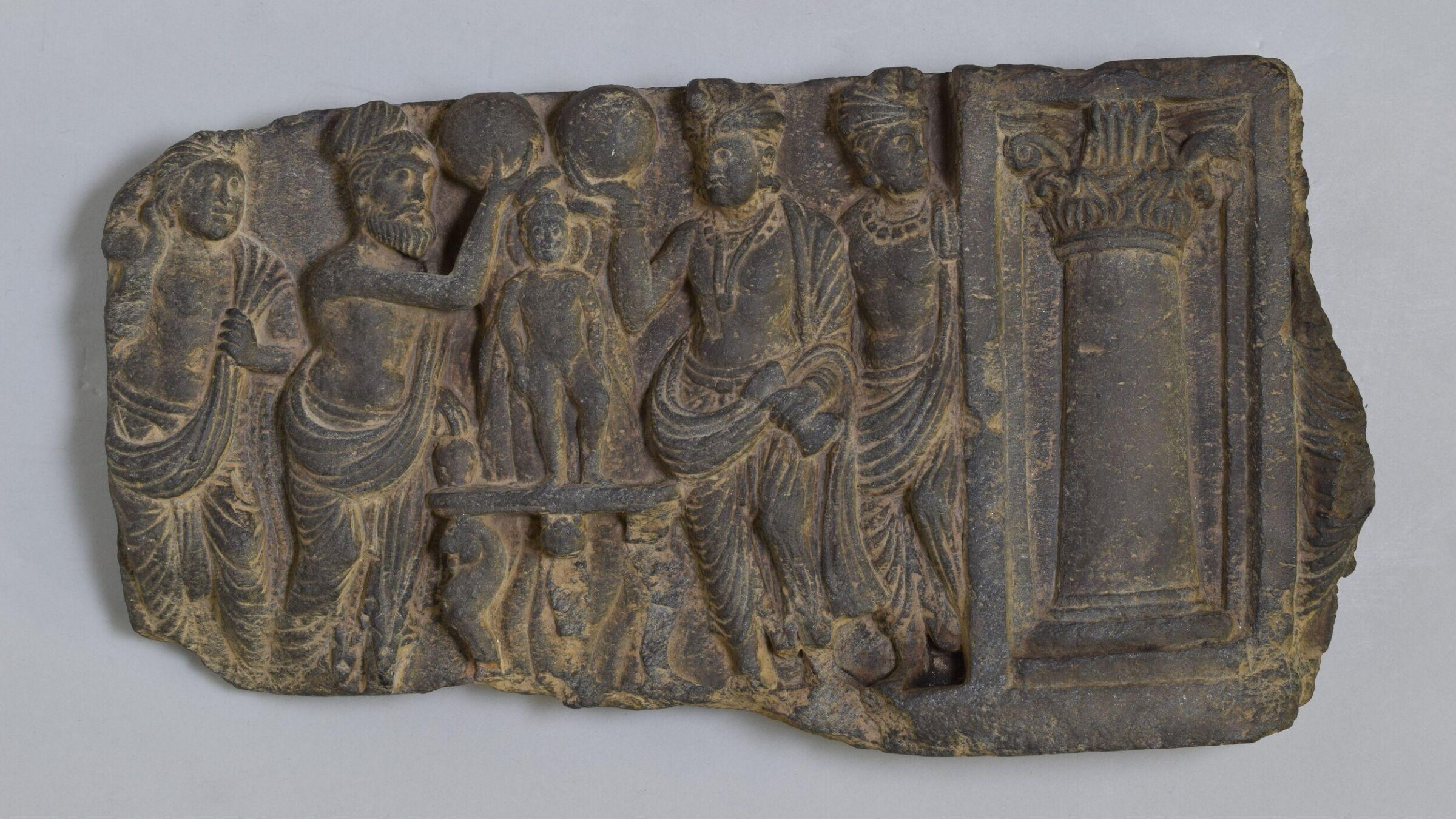
Relief panel, 1st century

Relief panel, 1st century

Not on view · Victoria and Albert Museum

Buddha Sakyamuni Preaching, 7th- 8th century

Buddha Sakyamuni Preaching, 7th- 8th century

Victoria and Albert Museum

Crowned Buddha Shakyamuni, 12th Century

Crowned Buddha Shakyamuni, 12th Century

Not on view · Victoria and Albert Museum

Mahakala, 1650-1800

Mahakala, 1650-1800

Victoria and Albert Museum

Three Heads (fragment of a wall painting), ca. 6th century

Three Heads (fragment of a wall painting), ca. 6th century

Victoria and Albert Museum