Le CorbusierSwiss, 1887–1965
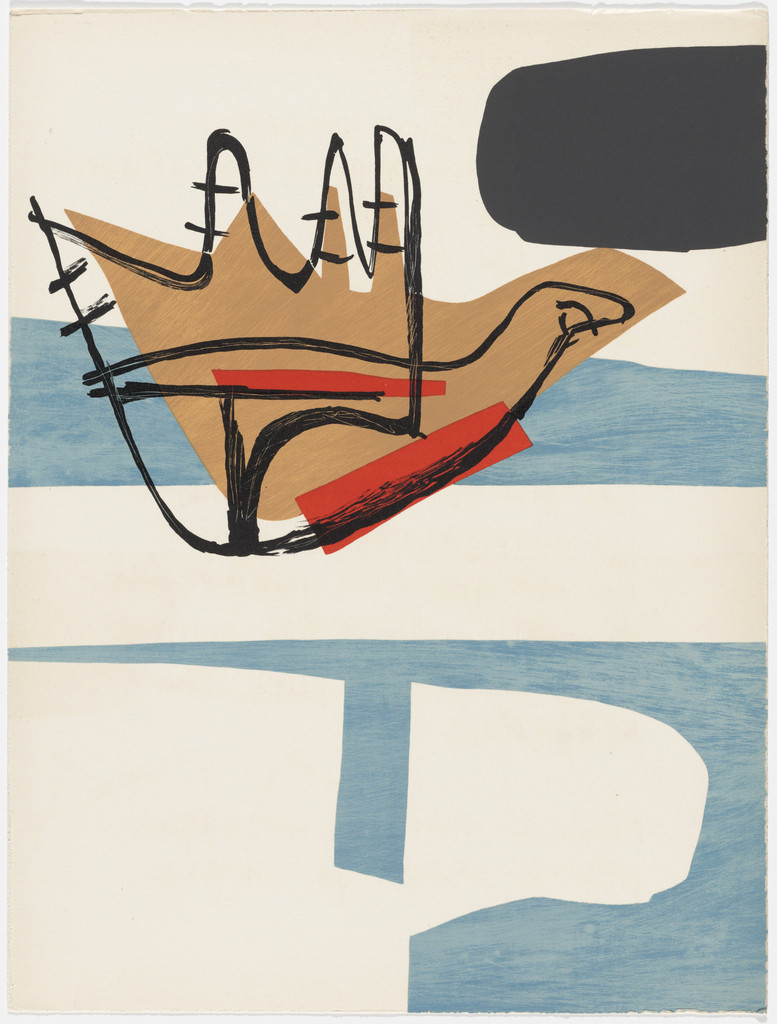
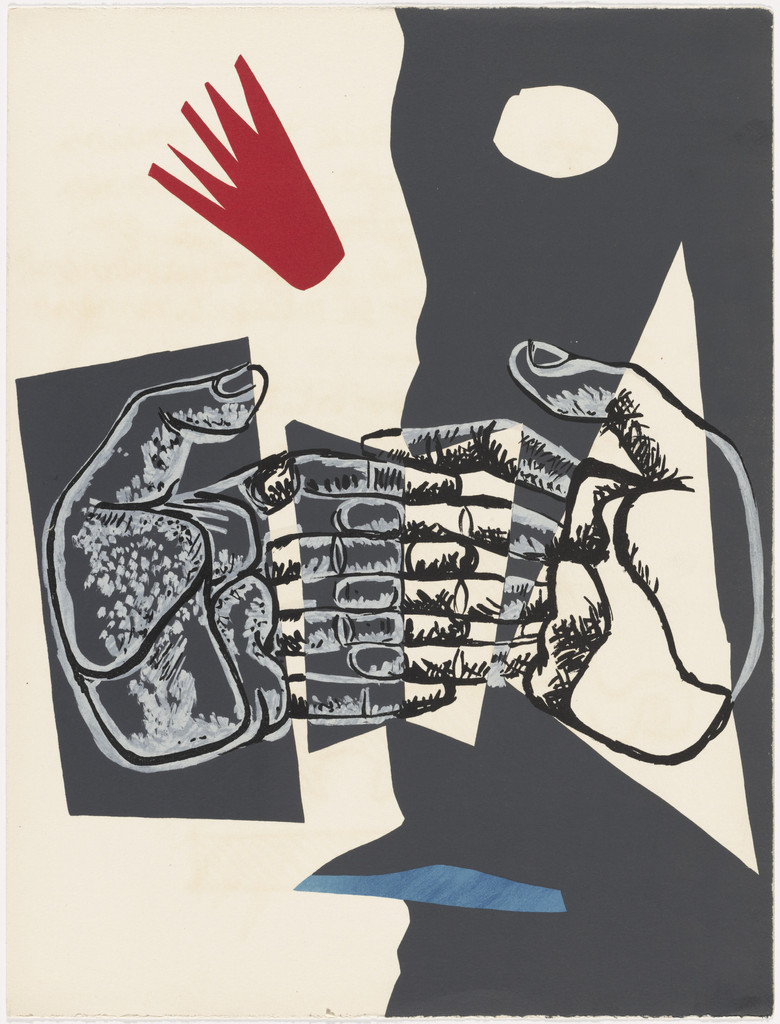
Two Women Bathers
Can I see it?
Not on view at present
Where is “Two Women Bathers” now? Collection: Art Institute of Chicago, Chicago. Not on view at present. Checked September 29, 2026.

Chicago, United States
It belongs to the collection, but is not on display at present.
- Checked
- In this state since
- Source
- The museum
Details
- Accession number
- 1963.455
In the catalog
Sources
- Art Institute of Chicago
- Image: Art Institute of Chicago — © the artist or rights holder
In the life of Le Corbusier
The whole life1931
The Plan Obus for Algiers
Le Corbusier drew up a plan for Algiers: a concrete viaduct carrying housing across the whole city above the old quarters, without demolishing them. It provoked discussion but never came close to being built.
1932
Stalin rejects his Palace of the Soviets
For the international competition for the Palace of the Soviets, planned on the site of the demolished Cathedral of Christ the Saviour, Le Corbusier proposed a complex with an arch from which the main hall's roof was suspended. To his distress, Stalin chose a massive neoclassical tower crowned by a statue of Lenin.
1933
The Athens Charter of CIAM
Le Corbusier's planning concepts formed the basis of the Athens Charter, adopted at the fourth CIAM congress in Athens.
1935
First visit to the United States: skyscrapers “much too small”
Le Corbusier visited the United States for the first time. Asked by reporters about New York's skyscrapers, he replied that they were “much too small”, and wrote a book on the trip, When the Cathedrals Were White: A Journey to the Country of the Timid, about the lack of boldness in American architecture.
1935
Publishes The Radiant City
In a new book Le Corbusier described the Radiant City of standardised apartment blocks, where homes would be allotted by family size rather than income, and industry, housing and commerce kept to districts of their own. The war intervened before any units could be built.