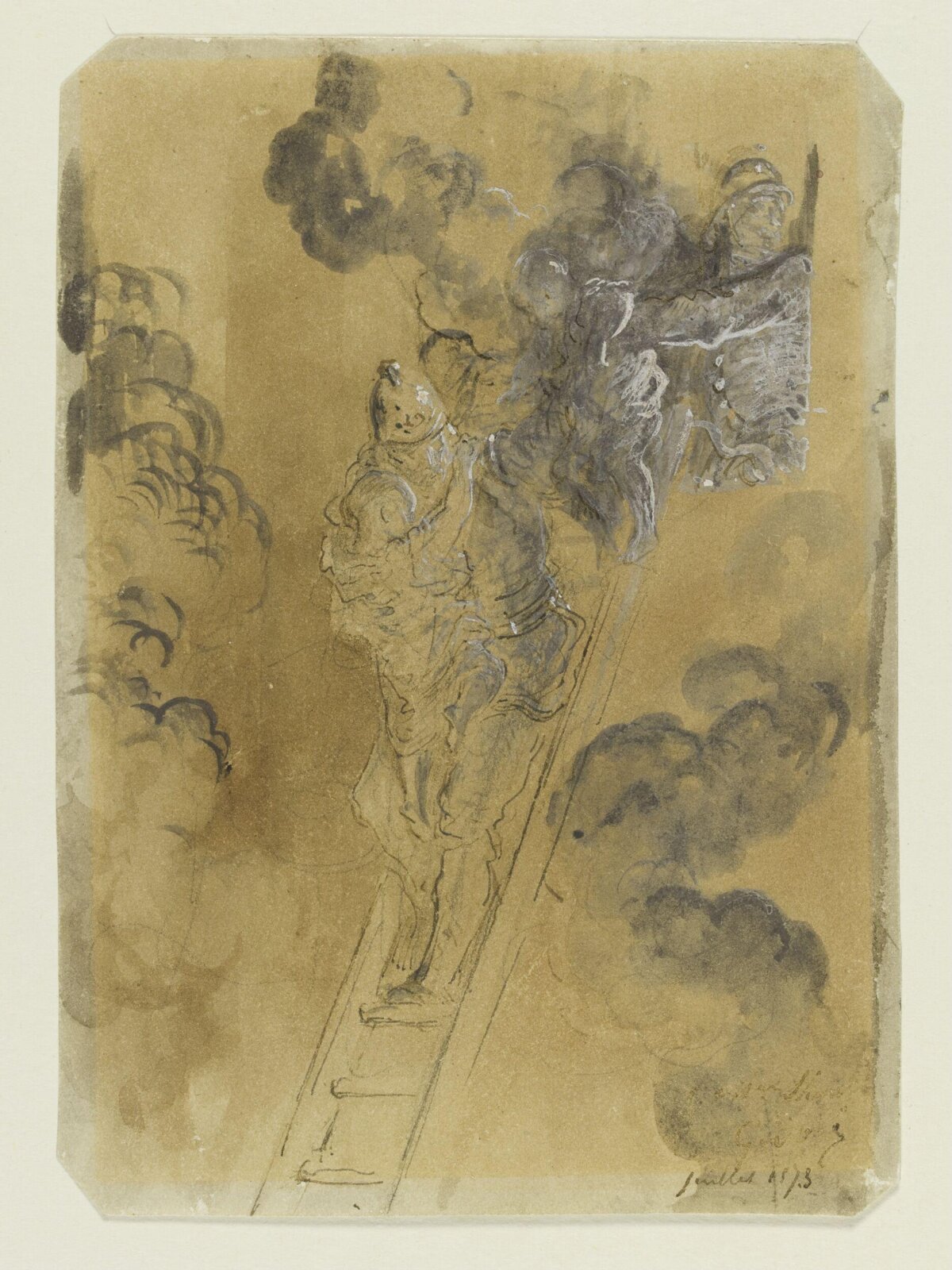
 Gustave DoréFrench, 1832–1883
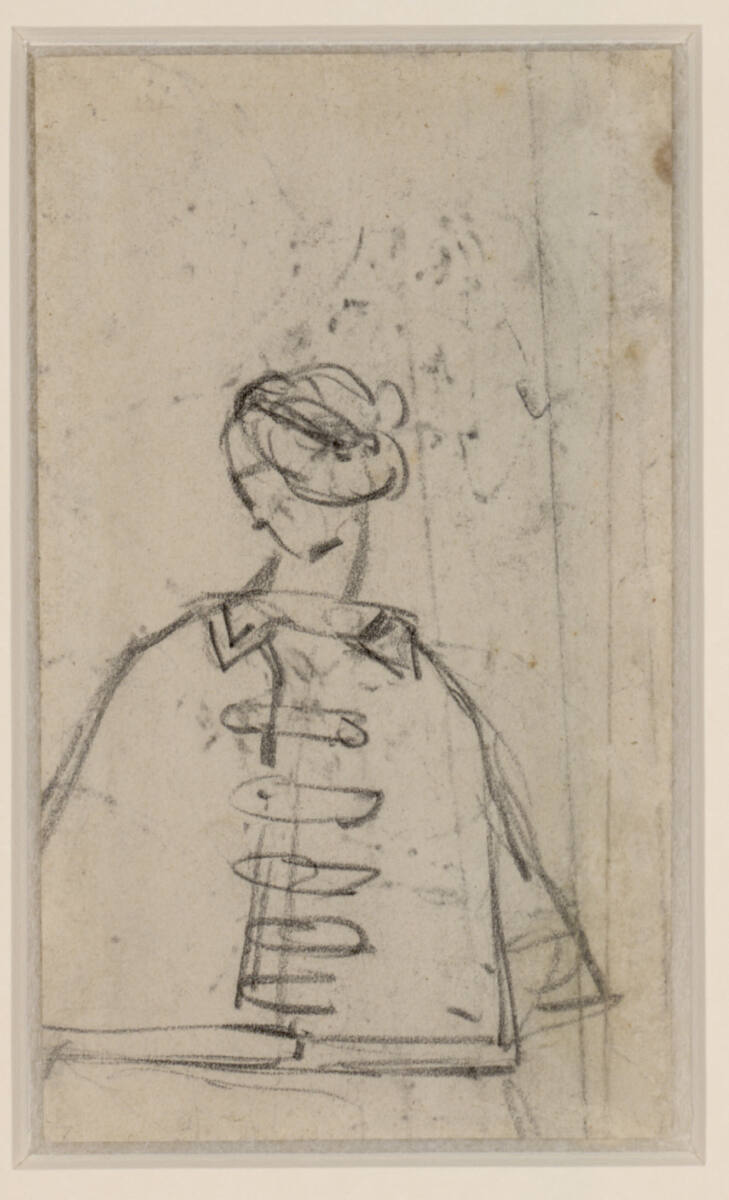
Two firemen rescuing children from a burning building
Can I see it?
Not on view at present
Where is “Two firemen rescuing children from a burning building” now? Collection: Victoria and Albert Museum, London. Not on view at present. Checked September 25, 2026.

London, United Kingdom
It belongs to the collection, but is not on display at present.
- Checked
- In this state since
- Source
- The museum
Details
- Accession number
- E.357-1948
What it shows
In the catalog
Sources
- Victoria and Albert Museum
- Image: Victoria and Albert Museum — © Victoria and Albert Museum, London
In the life of Gustave Doré
The whole life1860s
“Don Quixote” illustrated by Doré
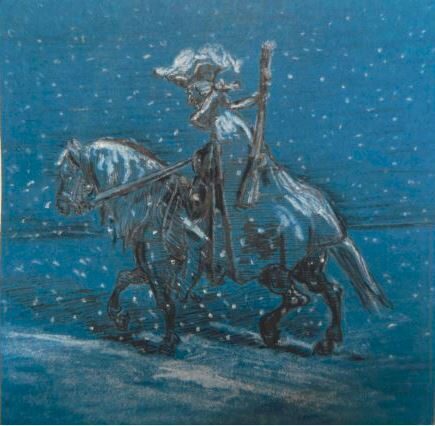
In the 1860s Doré illustrates a French edition of Cervantes's “Don Quixote”; his depictions of the knight and his squire, Sancho Panza, become so famous that they influence subsequent readers', artists' and stage and film directors' ideas of the physical “look” of the two characters.
1860s
Dante, Perrault and Baron Munchausen
The 1860s bring Doré's illustrations to Dante's “Inferno” and “Paradiso”, to Charles Perrault's fairy tales and to the adventures of Baron Munchausen.
1869
A contract for “London: A Pilgrimage”: £10,000 a year
In 1869 Blanchard Jerrold suggests that he and Doré work together on a comprehensive portrait of London, modelled on “The Microcosm of London” by Rudolph Ackermann, William Pyne and Thomas Rowlandson. Doré signs a five-year contract with the publishers Grant & Co: he is to stay in London for three months a year and receives the vast sum of £10,000 a year for the project.
1870s
The engraving cycle “Versailles and Paris” and a history of Spain
In the 1870s Doré makes a cycle of engravings, “Versailles and Paris”, and illustrates an edition on the history of Spain.
1872
“London: A Pilgrimage” appears with 180 engravings
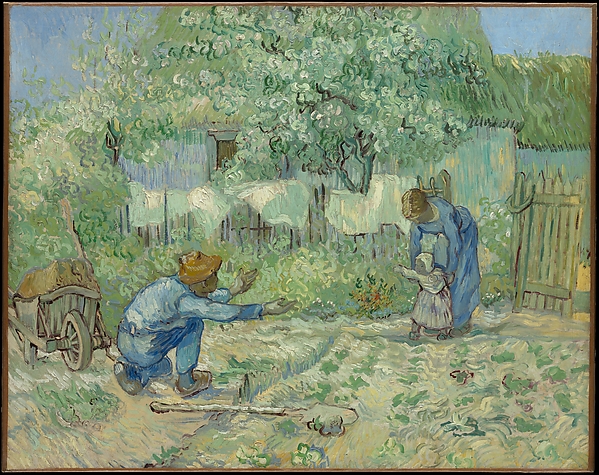
The book, a commercial success, is disliked by some British critics because it appears to focus on the poverty of parts of London: The Art Journal accuses Doré of “inventing rather than copying”, and the Westminster Review claims that he sets down the commonest, the vulgarest external features. The financial success brings Doré commissions from other British publishers, and the engravings impress Vincent van Gogh, who paints a version of the Prisoners' Round in 1890.
1873
A trip to Scotland: schooling in watercolour
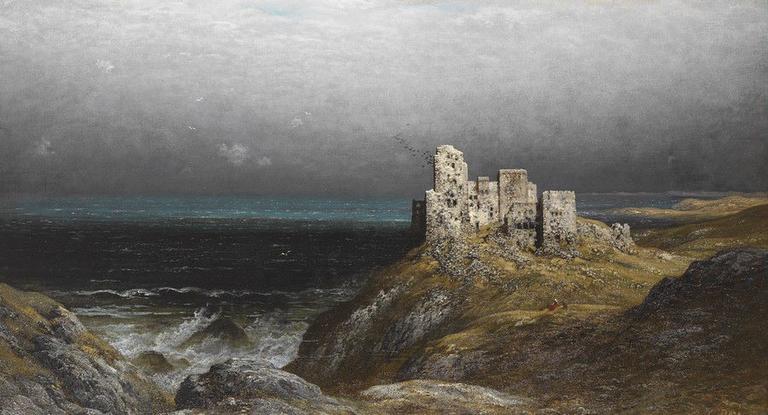
According to the Musée de Grenoble, Doré develops his expertise as a watercolourist during a trip to Scotland in 1873.