 Auguste RodinFrench, 1840–1917
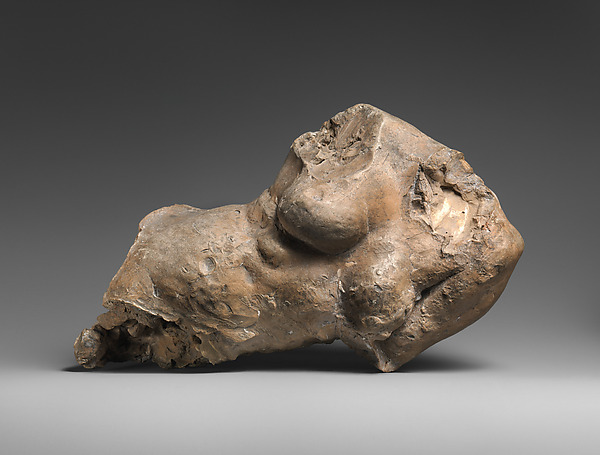
Torso (A Study for Ariane without Arms)
May one see it?
Yes, receiving visitors

The Metropolitan Museum of Art
Room800New York, United States
On public display.
- Checked
- 5 hours ago
- In this state since
- Sep 27, 2026
- Source
- The museum's own collection data
Particulars
- Accession number
- 12.13.1
Sources
- The Metropolitan Museum of Art: the museum's own open data · fetched 4 days ago
- Image: The Metropolitan Museum of Art — Open Access (CC0)
Meanwhile, in the life of Auguste Rodin
The whole life1890s–1900s
Young sculptors in Rodin's studio
His income let him hire gifted young sculptors, among them Antoine Bourdelle, Charles Despiau, Jules Desbois, François Pompon and Aristide Maillol. Constantin Brancusi left after two months, convinced that nothing grows under a big tree.
1898
The scandal over “Balzac”
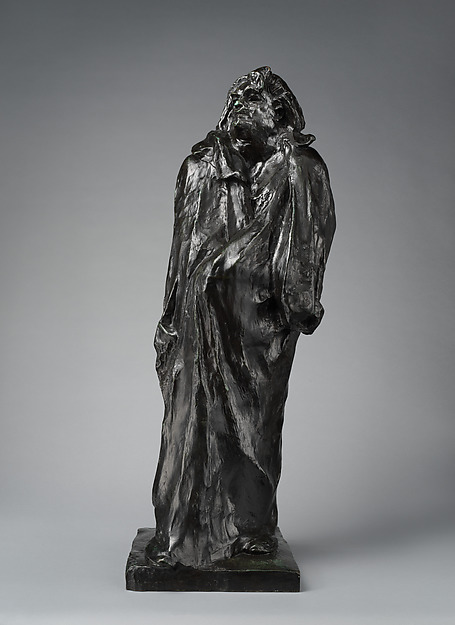
The monument's showing in 1898 caused a storm: the Société des Gens de Lettres rejected it, the press ran parodies, and Monet, Debussy and the future premier Clemenceau signed a manifesto in Rodin's defence. Rodin repaid the commission and moved the statue to his garden; he never completed another public commission.
1898
Parts from Camille Claudel
Rodin never gave up Rose Beuret, his companion of the lean years and the mother of his son; in 1898 he and Claudel parted. A few years later Claudel suffered what is called a nervous breakdown, and her family confined her to an institution for thirty years.
1900
Rodin's pavilion at the World's Fair
The French government gave him an entire pavilion: a retrospective of 136 sculptures and 14 unfinished works showed “The Gates of Hell” for the first time. The exhibition brought sales of sculptures to museums around the world worth about 200,000 francs.
1900s
Portraits of the famous and the rich
Rodin began to receive regular commissions for portraits; his clients included Bernard Shaw, Gustav Mahler, Georges Clemenceau, the Argentine president Sarmiento, the chemist Berthelot and the philanthropist Bertha Palmer. Clemenceau was displeased: he thought the portrait looked like a “Mongol general”.
1905–1906
Rilke as Rodin's secretary
In 1905–1906 the sculptor's private secretary was the German poet Rainer Maria Rilke, who later wrote an admiring monograph on Rodin.