ART WIKI32,963 on view
MapCollectionArtistsMuseumsExhibitionsJournal
Sign in

ART WIKI

Where the masterpiece hangs, and when they let you in.

Collections: Art Institute of Chicago, Getty Villa, Harvard Art Museums, Hirshhorn Museum and Sculpture Garden, J. Paul Getty Museum, Minneapolis Institute of Art, Musée du Louvre, National Gallery of Art, National Museum of Asian Art, National Portrait Gallery (Smithsonian), Pushkin State Museum of Fine Arts, Rijksmuseum, Smithsonian American Art Museum, SMK — National Gallery of Denmark, State Hermitage Museum, State Russian Museum, The Cleveland Museum of Art, The Metropolitan Museum of Art, The Museum of Modern Art, Tretyakov Gallery, Victoria and Albert Museum, Whitney Museum of American Art, State Catalogue of the Museum Fund of Russia (274 museums), Europeana (19 museums), Wikidata (6 museums), Paris Musées (12 museums), and Joconde, the French Ministry of Culture's museum database (495 museums). Images belong to their rights holders.

Sections

  • Map
  • Search
  • Collection
  • Masterpieces
  • On view now
  • Artists

More

  • Museums & galleries
  • Exhibitions
  • Journal
  • Where the data comes from
  • Privacy & cookies
HomeMapBrowse
  1. Collection/
  2. Victoria and Albert Museum/
  3. Time and Death
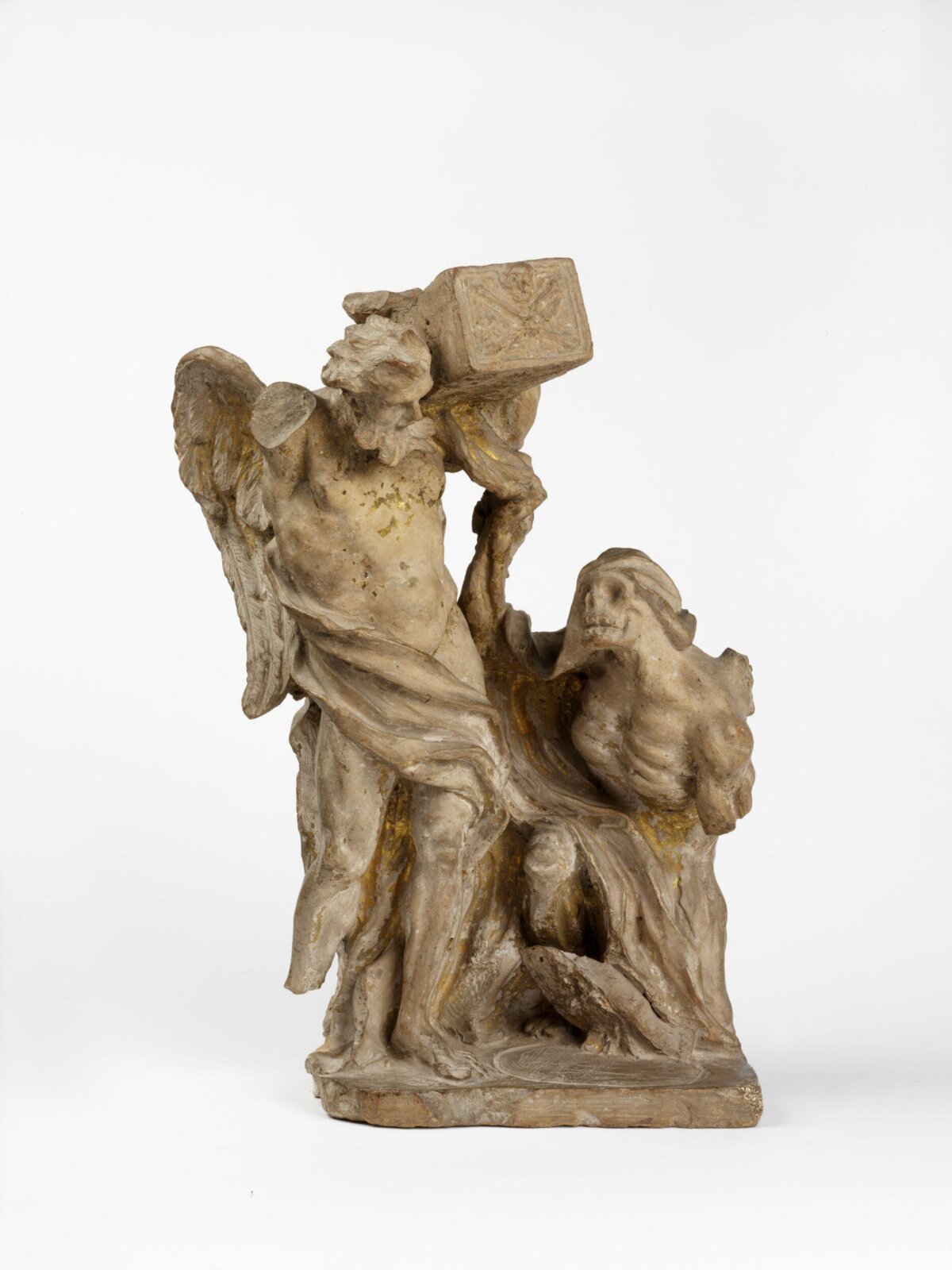
Time and Death, Gian Lorenzo Bernini, ca. 1670
Gian Lorenzo Bernini, portraitGian Lorenzo BerniniItalian, 1598–1680

Time and Death

ca. 1670 · Statuette · 36.8 × 26.5 cm

May one see it?

Yes, receiving visitors

Victoria and Albert Museum

London, United Kingdom

RoomEurope 1600-1815, Room 7, The Sheikha Amna Bint Mohammed Al Thani Gallery

On public display.

Checked
12 days ago
In this state since
Sep 25, 2026
Source
The museum
On the mapMuseum page

About the sculpture

This terracotta model of Time and Death is probably by Gianlorenzo Bernini (1598-1680), the leading Baroque sculptor in Rome. Modelled originally in the malleable material of clay, which has been fired to become terracotta, it still bears the imprint of the maker's touch and tools, with the back peppered with fingerprints. Models of this kind allowed sculptors to work out their compositions in three dimensions. As clay is fragile, the sketches were often fired to keep them in the studio, but they had already become sought by collectors during the sixteenth century as evidence of the artist's creative process.

Read on

This model, which shows Time dominating the skeletal figure of Death, conveys the message that the passage of time confirms the immortality of the deceased's reputation through fame (or of their soul through redemption). Here, Time raises the coffin out of Death's reach, thus cheating him of his prize. Death's missing arm was apparently holding open the lid of a catacomb, or underground burial chamber, the entrance of which is suggested by the circle roughly incised on the ground. Death appears to emerge from the ground itself, his skeletal form half decomposed and otherworldly. He effectively meet's Time's gaze, signalling a silent communication in which he must admit defeat. Nevertheless, he retains a tight grip on the shroud, with muscles tensed - a last desperate attempt to seize the coffin. Time and Death are commonly found in contemporary Roman tombs, where they appear more or less interchangeably as reminders of mortality. While this piece confirms the triumph of immortality, it equally provides a reminder of the omnipresence and inevitability of death.

The sculptor, most likely Bernini himself, retains the traditional depiction of 'Father Time', while lifting from the classical imagery in the representation of a muscular torso and flowing hair, reminiscent of figures such as the Laocoön and the Greek gods. The suggested movement of Time's mantle, which snakes around his body, combined with the upward thrust of his torso and arms, creates a dynamism that is typical of Bernini's sculpture. Similarly, the heightened dramatisation of the scene characterises the theatricality of Baroque art.

Victoria and Albert Museum

Particulars

ca. 1670
15981680
Accession number
A.29-1984

What it shows

DeathCoffinSkeletonSkullTime

In the catalog

SculptureTerracotta and ceramicsBaroque17th centuryRome

Sources

  • Victoria and Albert Museum
  • Image: Victoria and Albert Museum — © Victoria and Albert Museum, London
More by Gian Lorenzo Bernini

All works
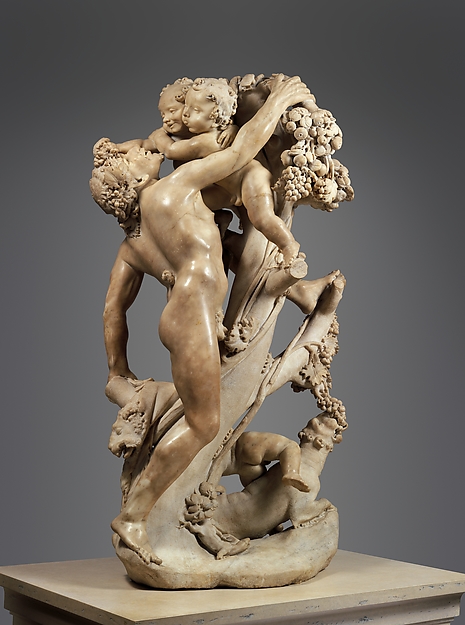
Bacchanal: A Faun Teased by Children, Gian Lorenzo Bernini, ca. 1616–17

A Faun Teased by Children

ca. 1616–17 · The Metropolitan Museum of Art

Bust of Pope Paul V, Gian Lorenzo Bernini, 1621

Bust of Pope Paul V

1621 · J. Paul Getty Museum

Monsignor Francesco Barberini, Gian Lorenzo Bernini, c. 1623

Monsignor Francesco Barberini

c. 1623 · National Gallery of Art

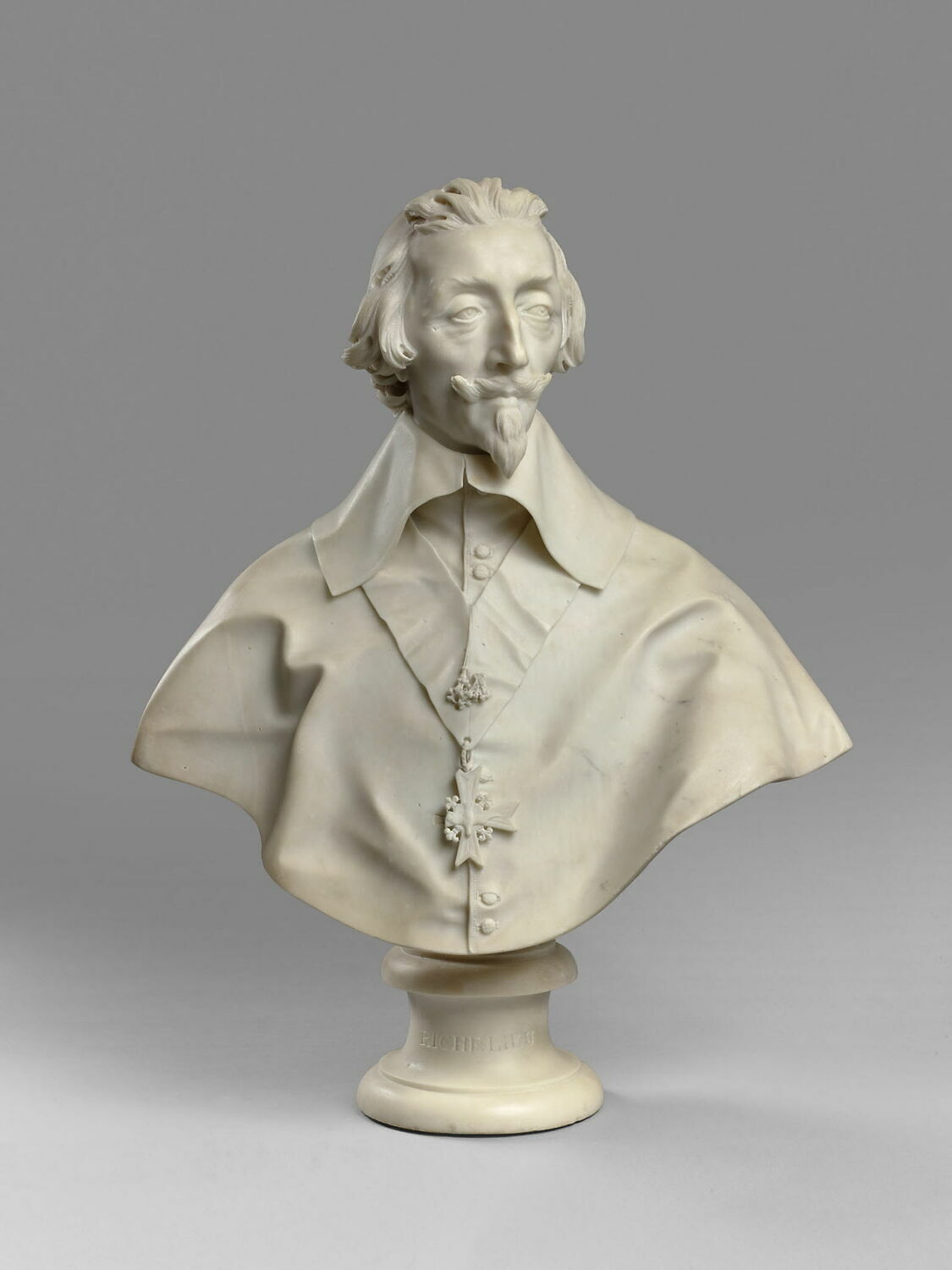
Le cardinal de Richelieu (1585-1642), Italie, 1640 - 1641

Le cardinal de Richelieu (1585-1642)

1640 - 1641 · Musée du Louvre

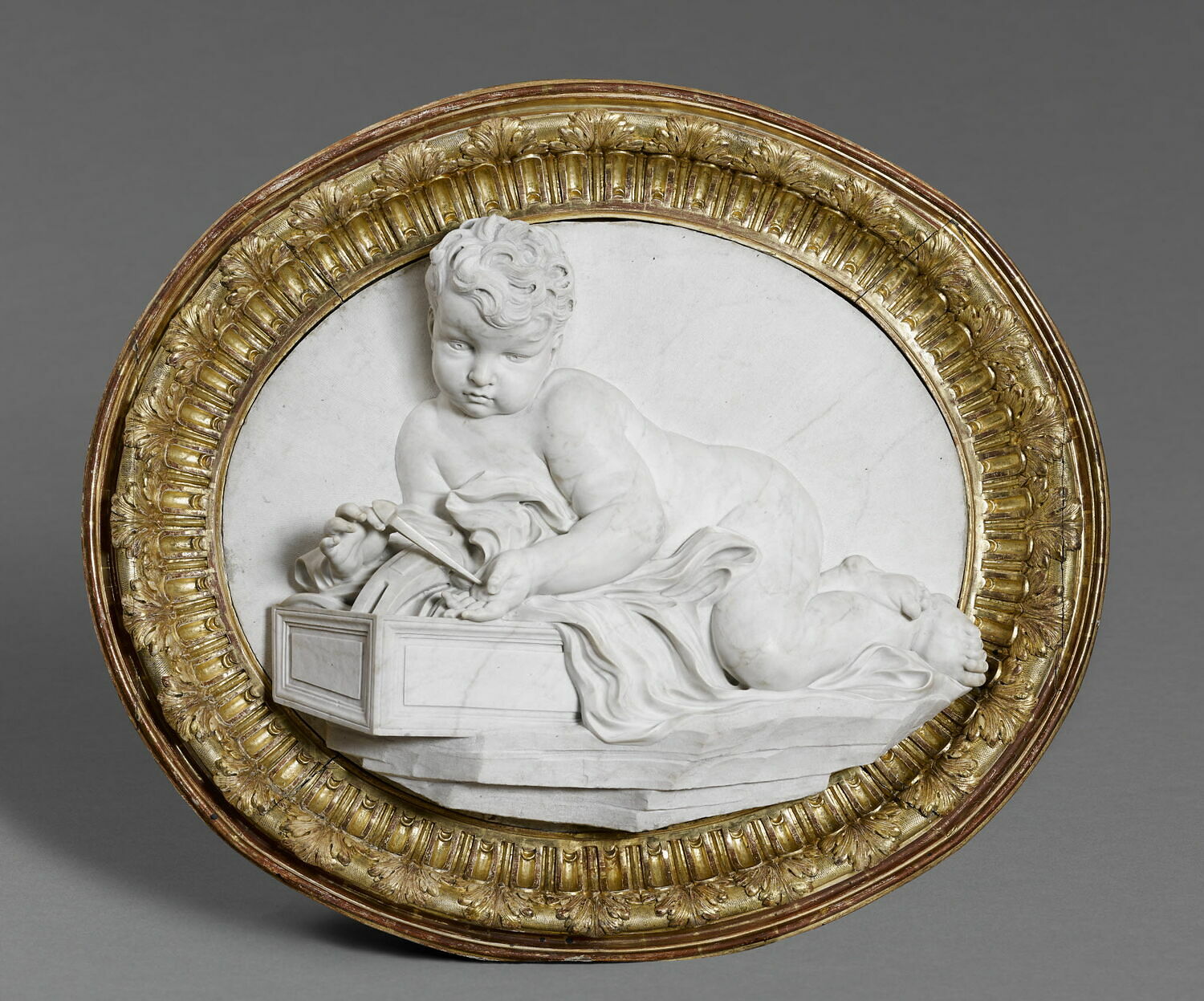
L'Enfant Jésus jouant avec un clou, Bernini, Paolo, 1665

L'Enfant Jésus jouant avec un clou

1665 · Musée du Louvre

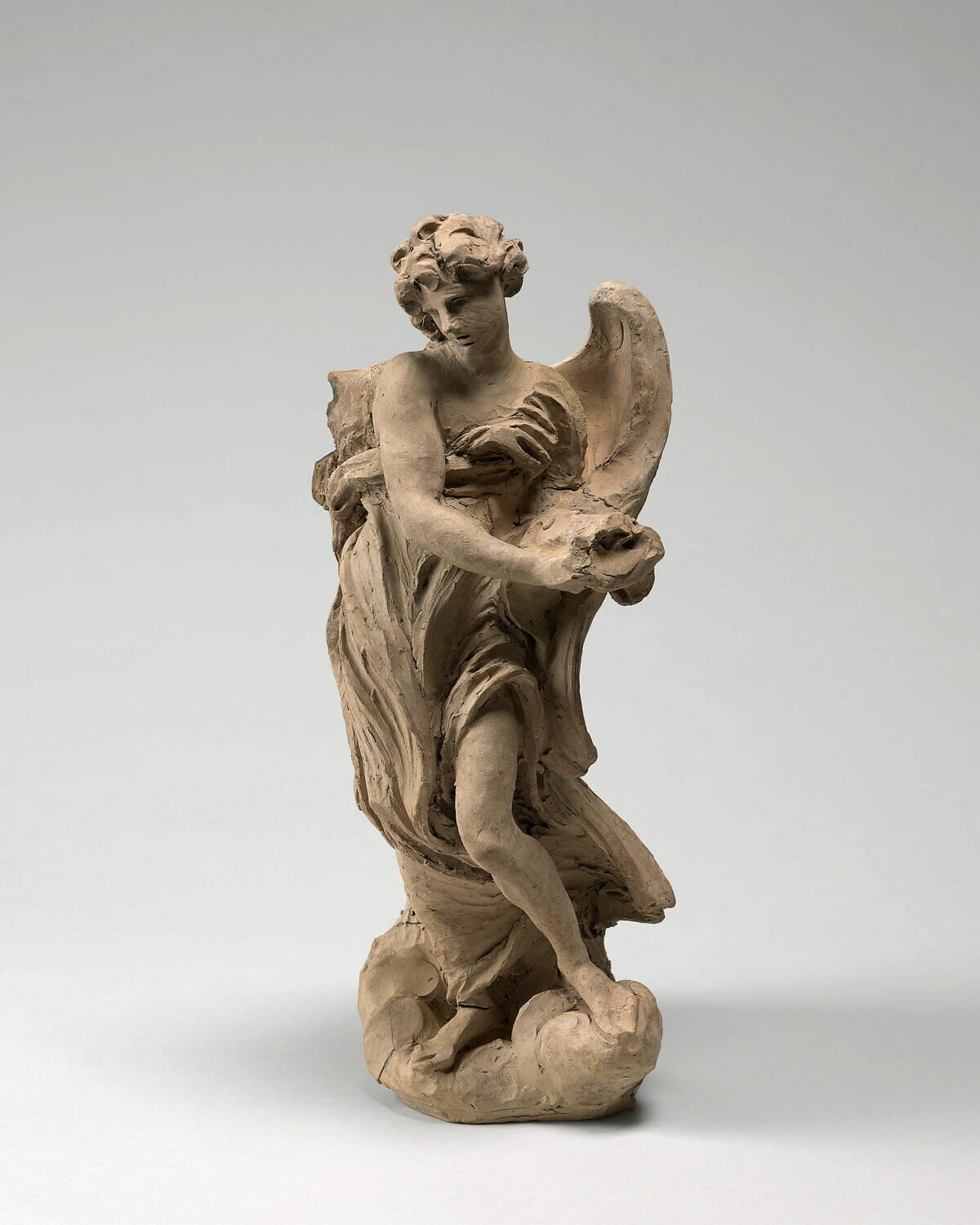
Ange portant la couronne d'épine, Bernin, Gian Lorenzo Bernini, dit Le Bernin, vers - 1667

Ange portant la couronne d'épine

c. 1667 · Musée du Louvre

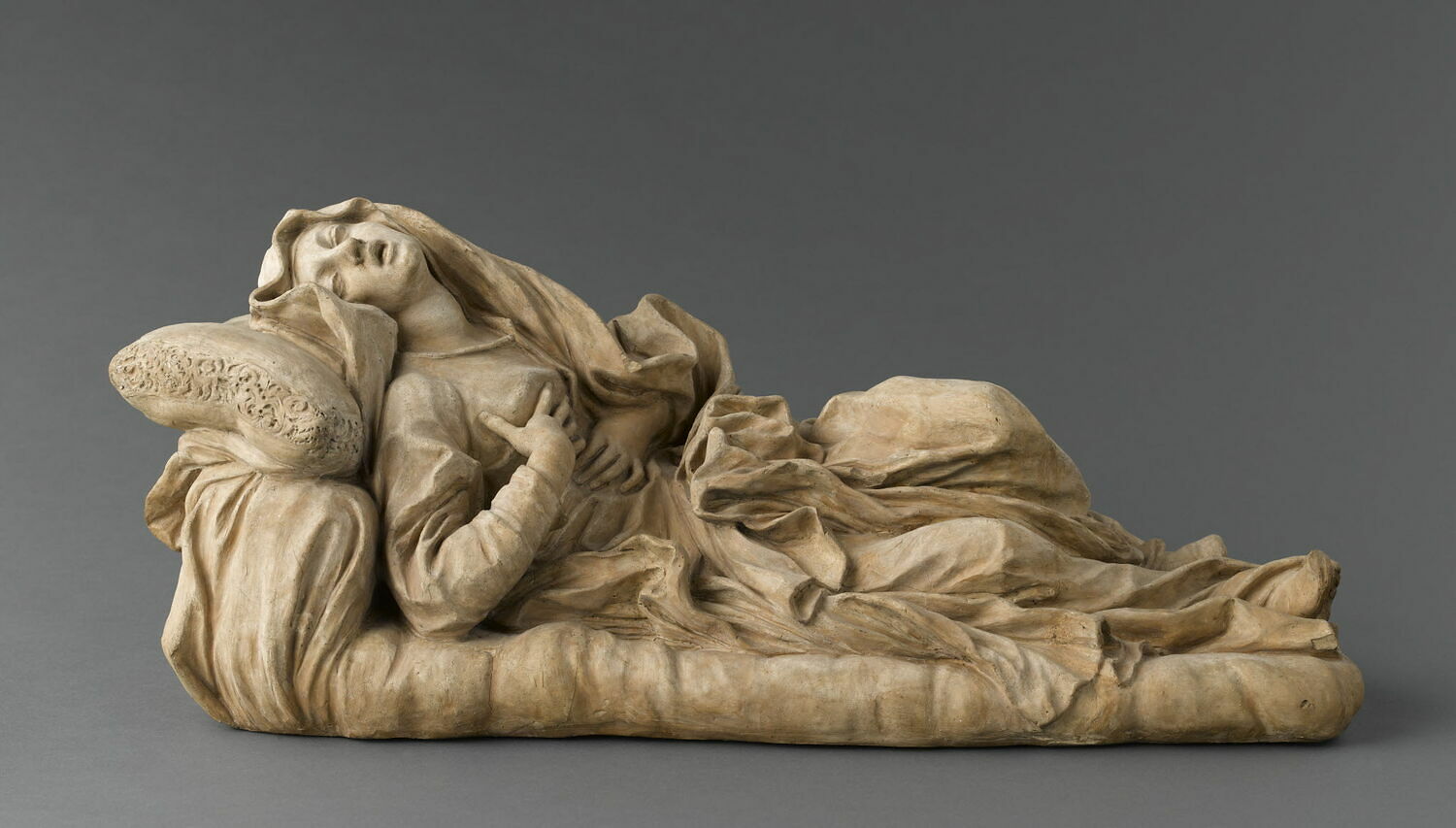
La bienheureuse Ludovica Albertoni (1473-1553), Italie, après 1674

La bienheureuse Ludovica Albertoni (1473-1553)

after 1674 · Musée du Louvre

Louis XIV, French 18th Century, after Gian Lorenzo Bernini, c. 1780, before 1793

Louis XIV

c. 1780, before 1793 · National Gallery of Art

Neighbors at Victoria and Albert Museum

Museum page
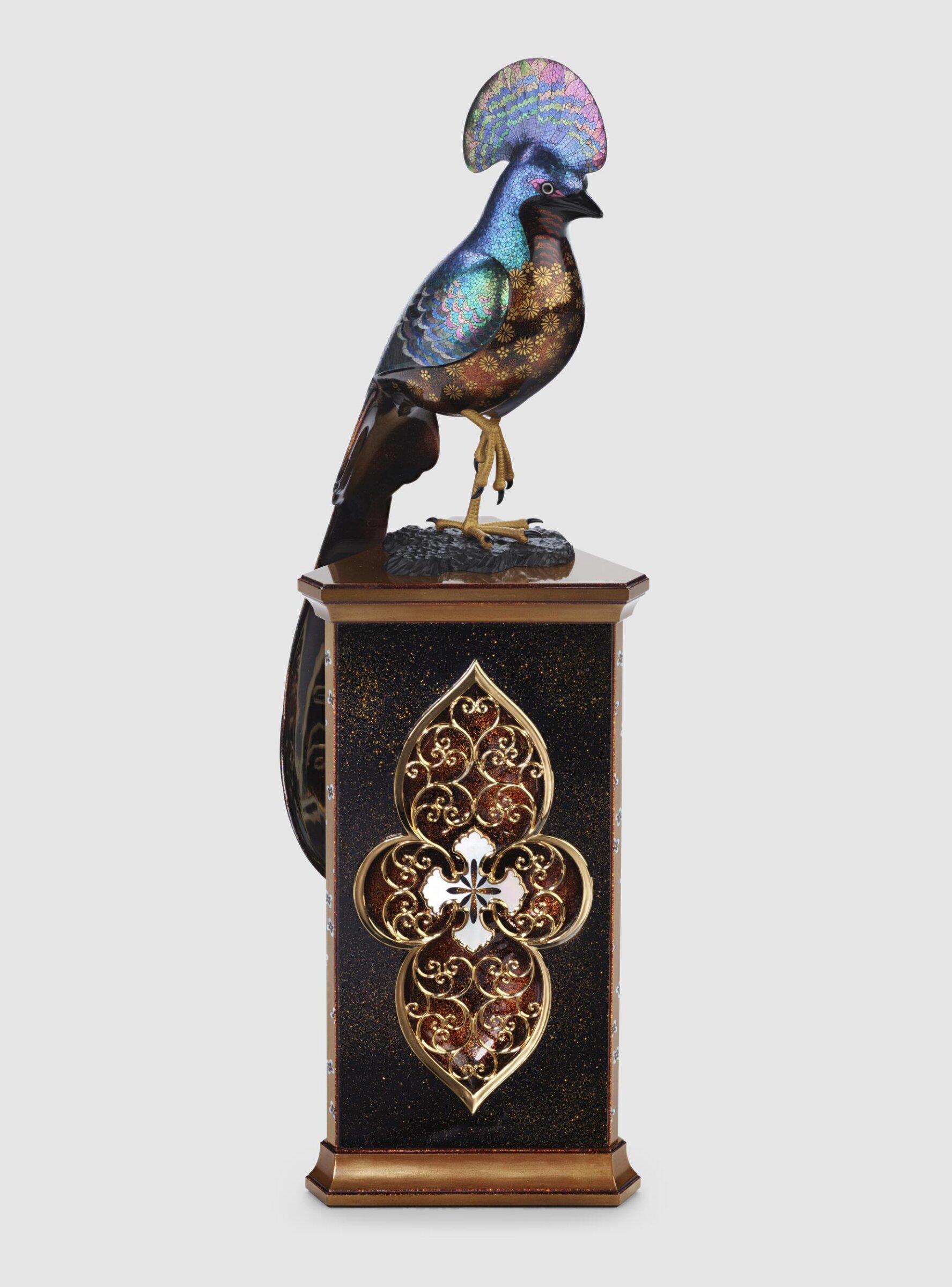
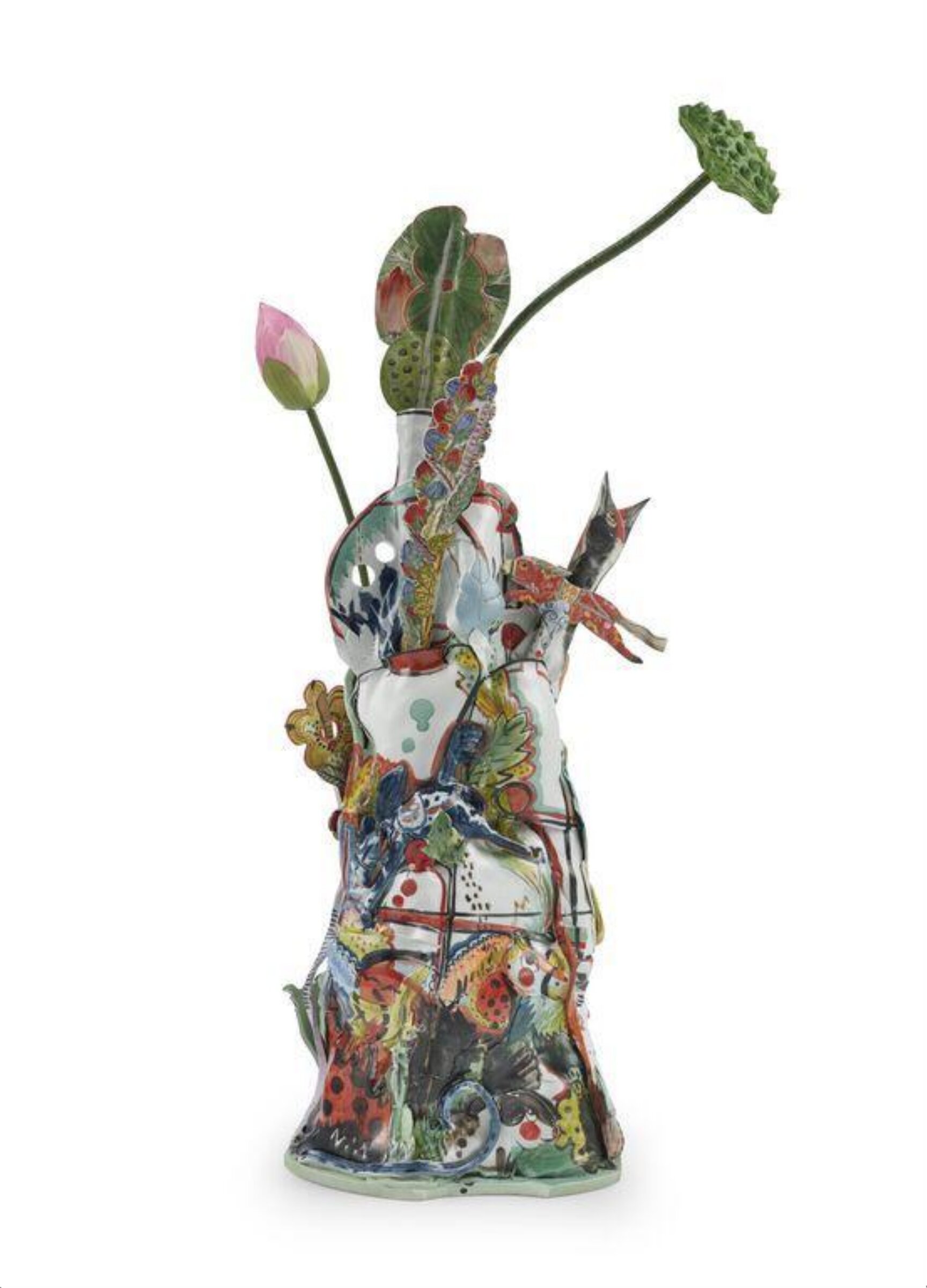
Bird of Paradise, Hashimoto Chitaka, 2026

Hashimoto Chitaka

Bird of Paradise, 2026

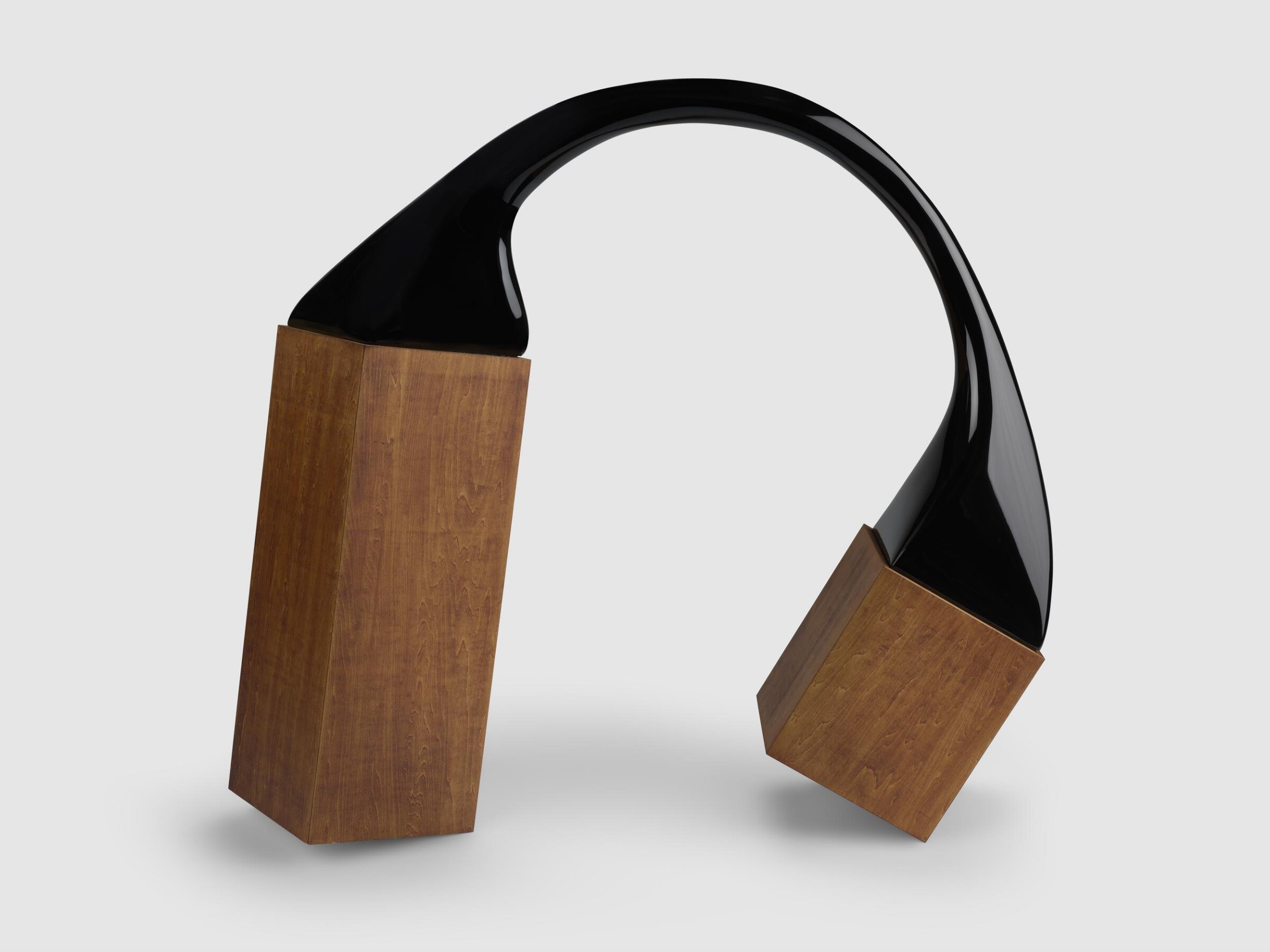
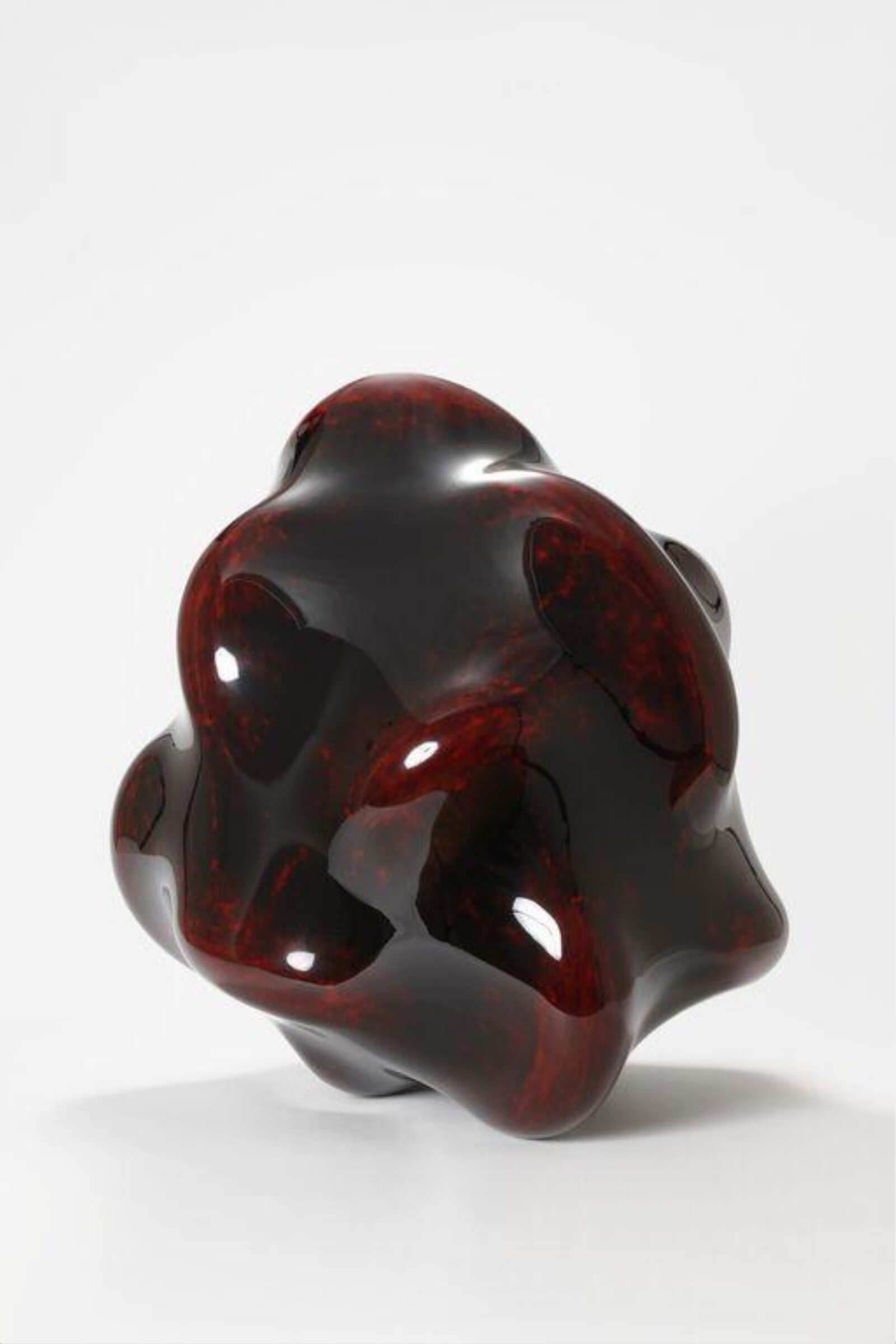
Torsion 2, Taruma Shoko, 2025

Taruma Shoko

Torsion 2, 2025

Fu, Someya Satoshi, 2025

Someya Satoshi

Fu, 2025

Bow Before the Curtain Falls, 2024

Bow Before the Curtain Falls, 2024

Summer, 2024

Summer, 2024

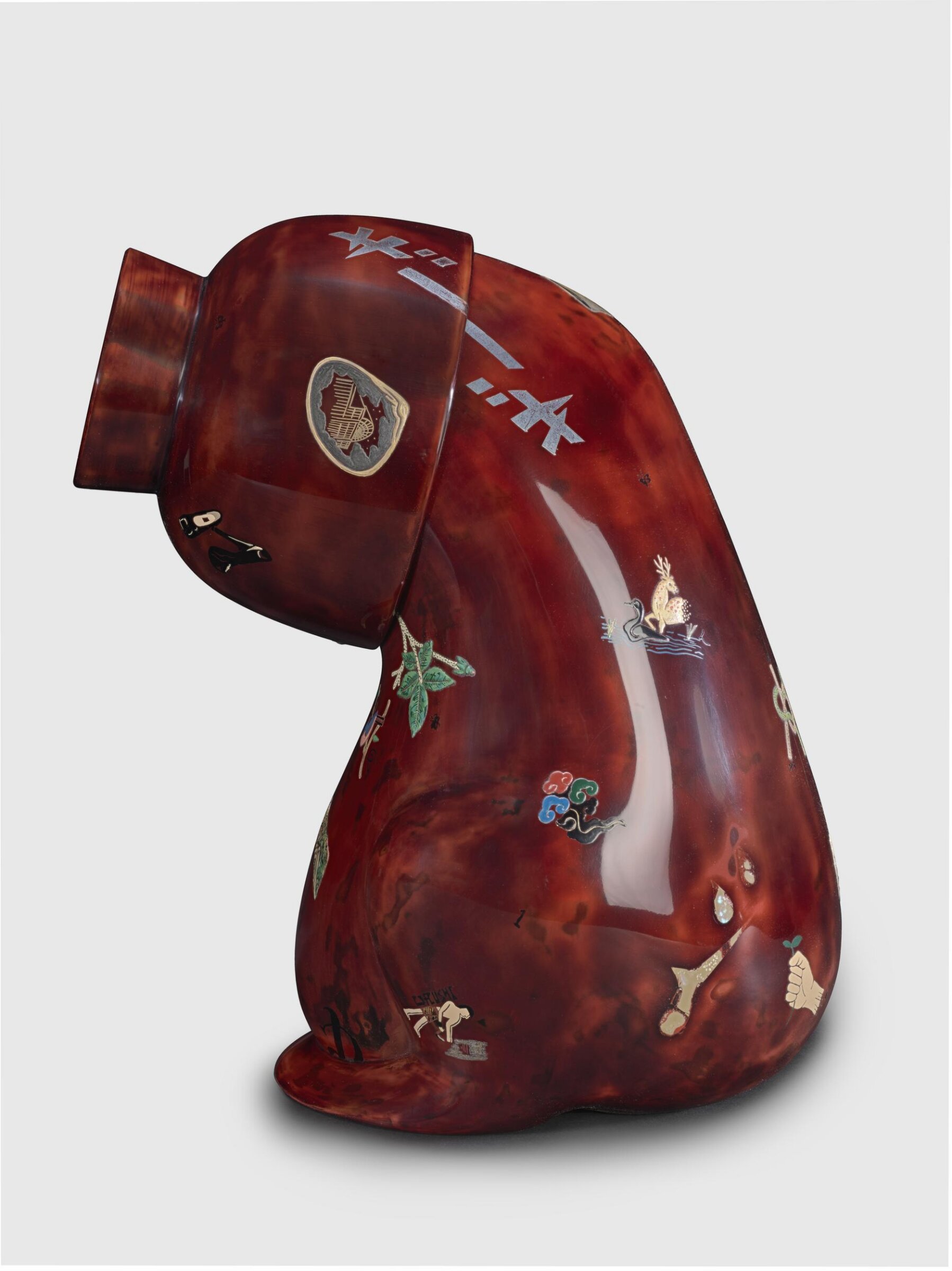
Red Flow, Ishizuka Genta, 2024

Ishizuka Genta

Red Flow, 2024

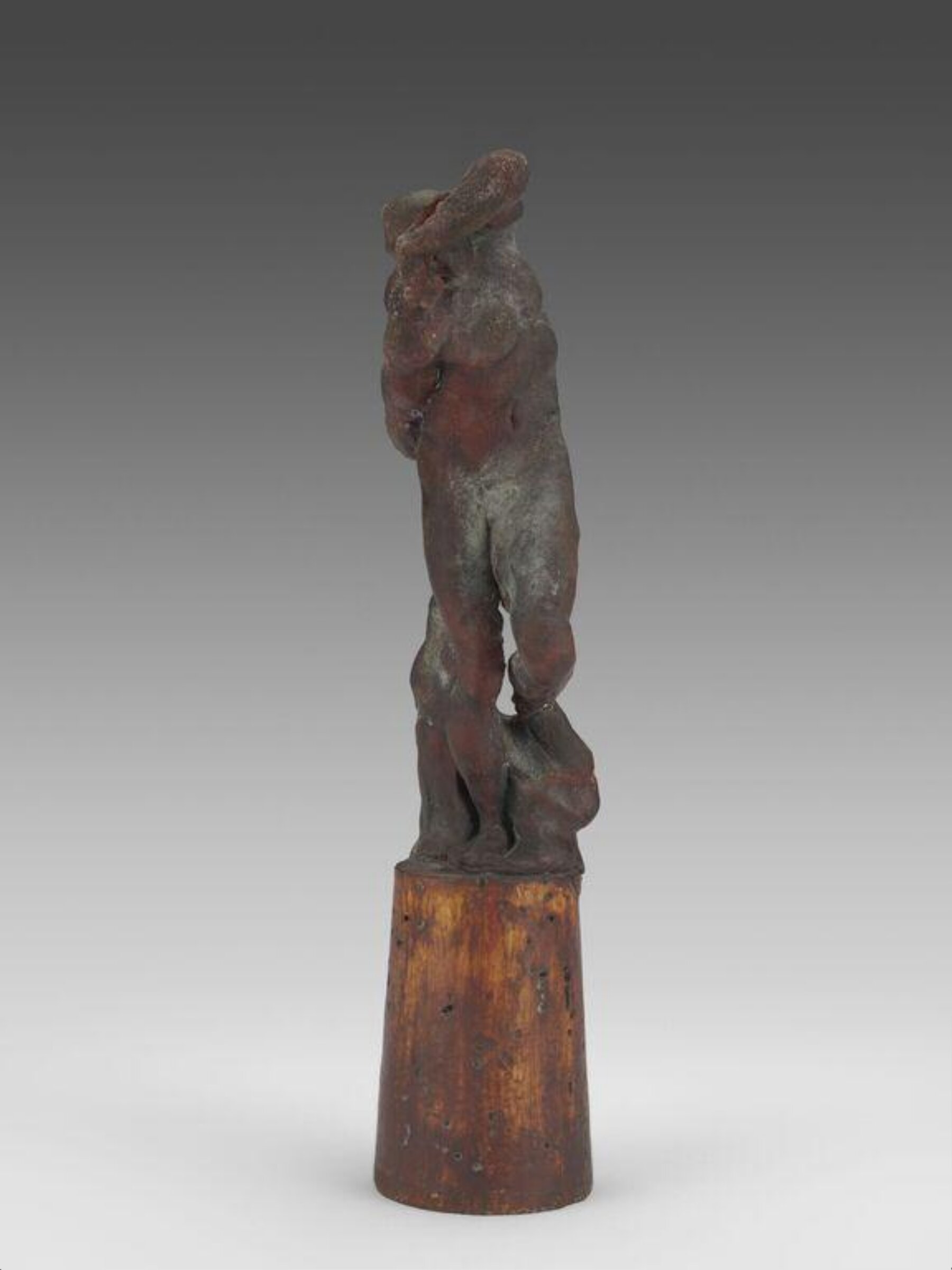
3D replica of Michelangelo's Prisoner (4117-1854), Factum Arte, 2024

Factum Arte

3D replica of Michelangelo's Prisoner (4117-1854), 2024

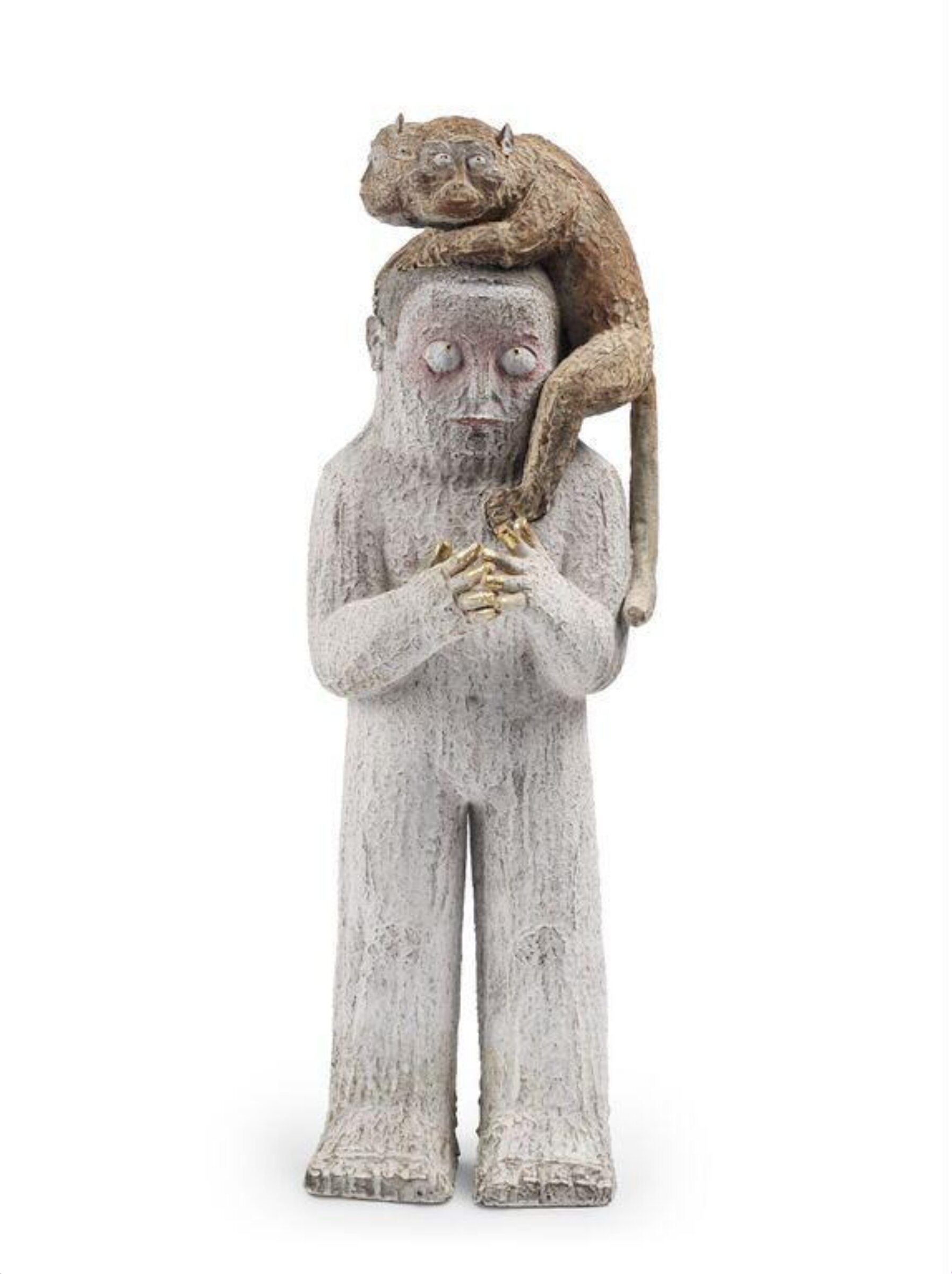
Sculpture, ‘Co-Existence – the Man and the Monkey’, Zhao Lin, 2024

Zhao Lin

Sculpture, ‘Co-Existence – the Man and the Monkey’, 2024