Pietro PeruginoItalian, 1448–1523
The Nativity
May one see it?
Yes, receiving visitors

Art Institute of Chicago
Room205Chicago, United States
On public display.
- Checked
- 2 days ago
- In this state since
- Aug 19, 2026
- Source
- The museum's own collection data
About the painting
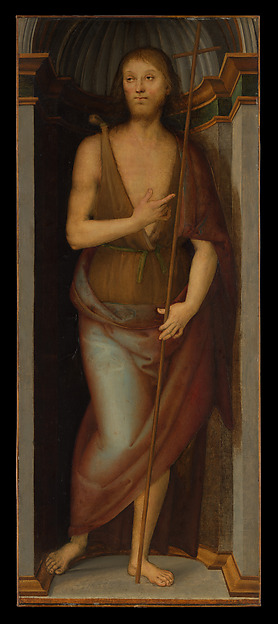
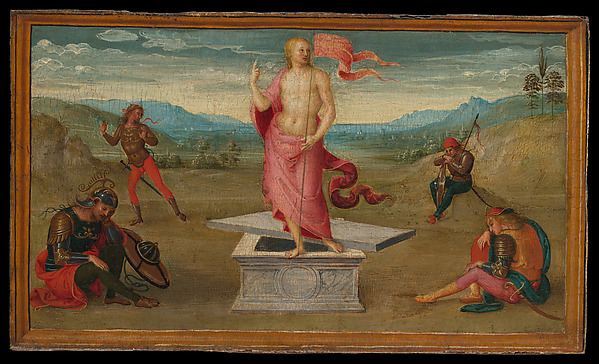
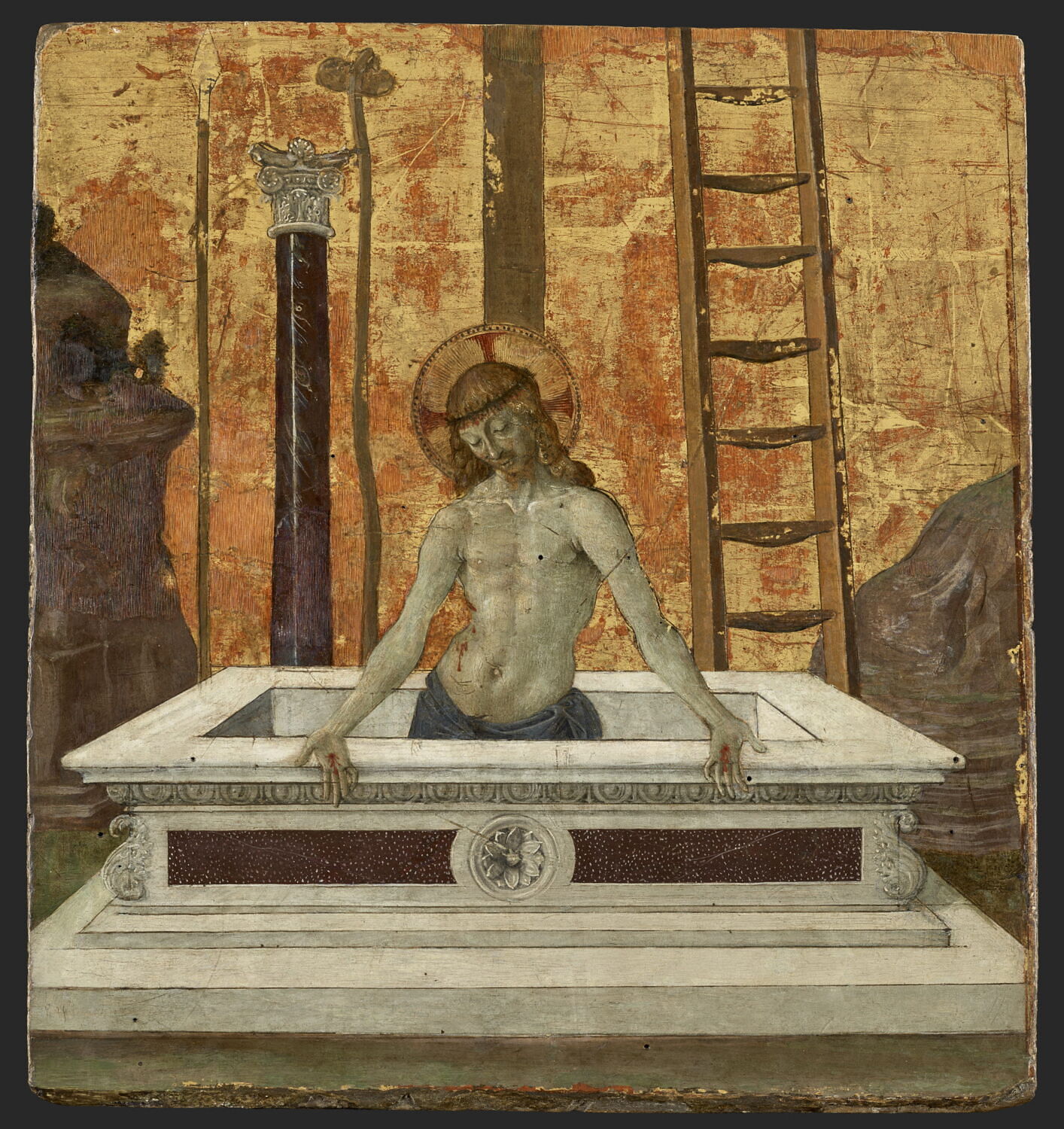
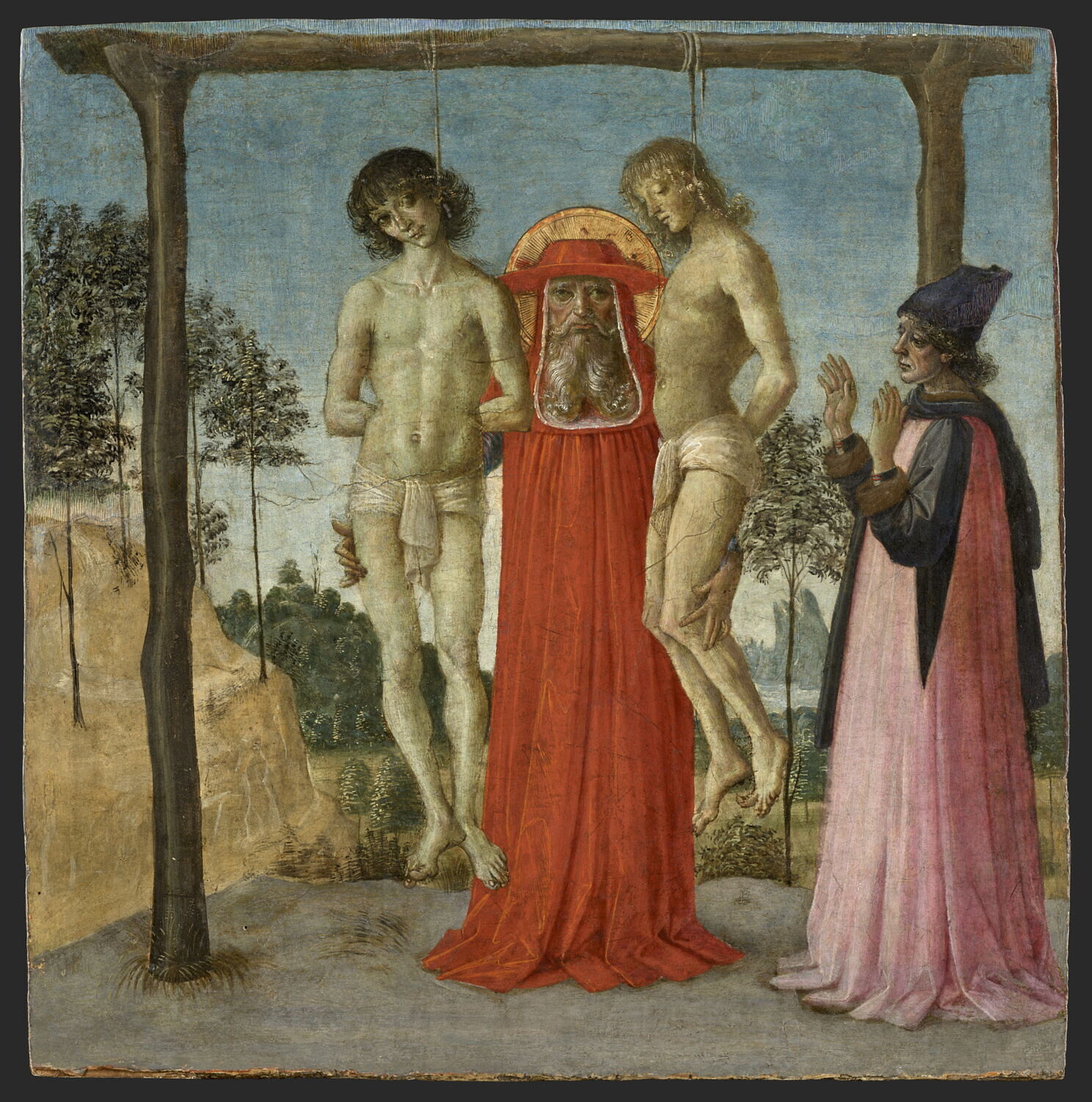
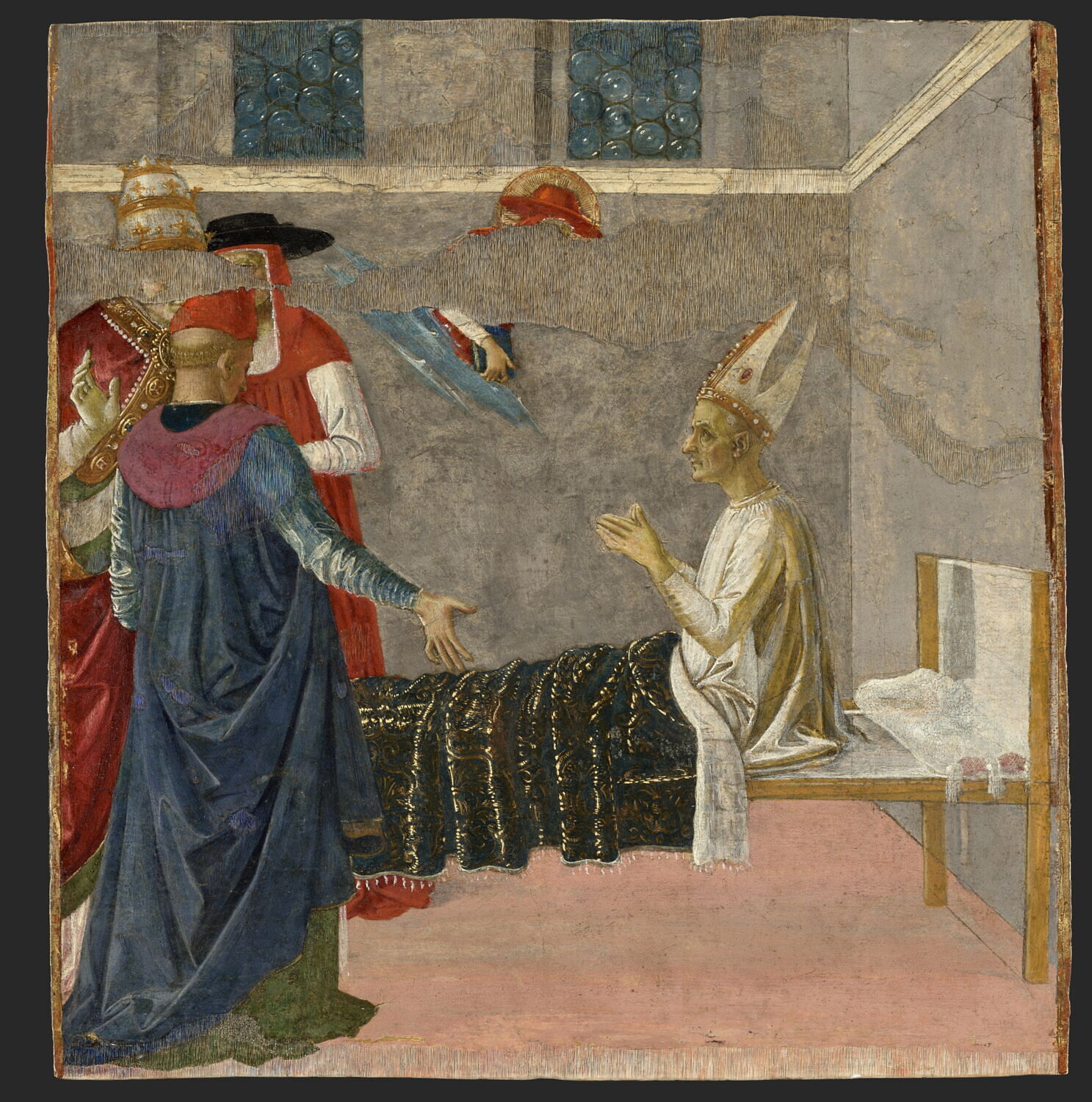
Perugino’s serene and decorous art was widely influential in his native region of Umbria and beyond, most famously through his contact with the young Raphael. These four panels, together with another one depicting the Resurrection, now at the Metropolitan Museum of Art, New York, once constituted a predella—a series of small pictures, often with narrative content, forming the base of an altarpiece. In this case, the painting that was positioned above the predella as the focal point of the altarpiece is unidentified. The predella scenes depict moments when Christ’s special nature was revealed: his birth, his baptism by Saint John the Baptist in the river Jordan, his conversation with a woman of Samaria at the well of the patriarch Jacob, the Resurrection, and his appearance to Mary Magdalene after the Resurrection.
Art Institute of ChicagoCC BY 4.0
Particulars
- Accession number
- 1933.1025
What it shows
In the catalog
Sources
- Art Institute of Chicago: the museum's own open data · fetched 5 days ago
- Image: Art Institute of Chicago — CC0
Meanwhile, in the life of Pietro Perugino
The whole life1486–1499
Two studios: in Florence and in Perugia
Between 1486 and 1499 Perugino works mainly between Florence and Perugia, maintaining a studio in each city. In the 1480s and 1490s he is one of the most celebrated artists of Italy.
1500s
Michelangelo calls Perugino a “bungler in art”
Michelangelo tells Perugino to his face that he is a bungler in art (goffo nell'arte); Vannucci brings an action for defamation of character, unsuccessfully.
1501
Made one of the priors of Perugia
In 1501 Perugino is made one of the priors of Perugia.