 Edwin Henry LandseerBritish, 1802–1873
The Letter
May one see it?
Not receiving at present

Victoria and Albert Museum
London, United Kingdom
It belongs to the collection, but is not on display at present.
- Checked
- In this state since
- Source
- The museum
About the work
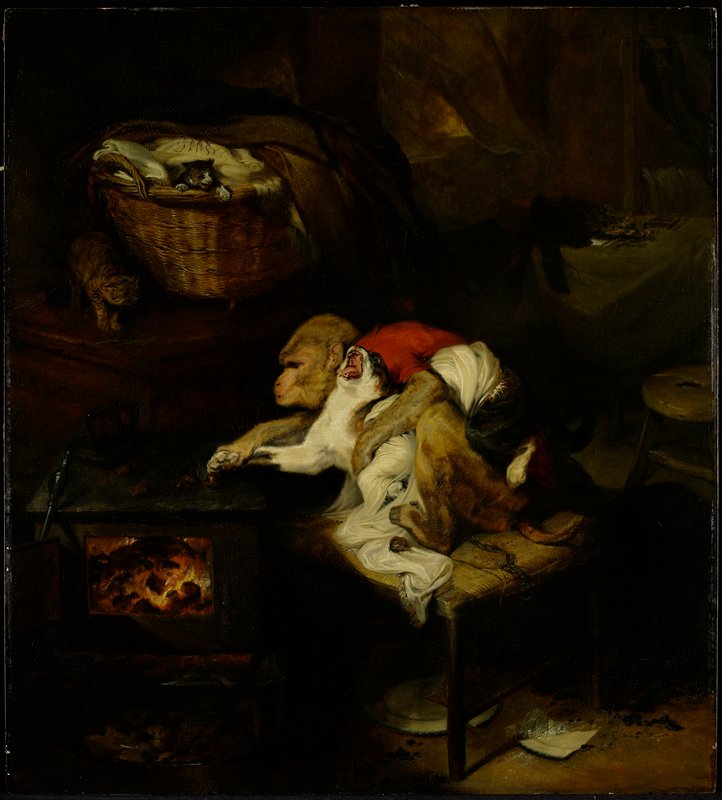
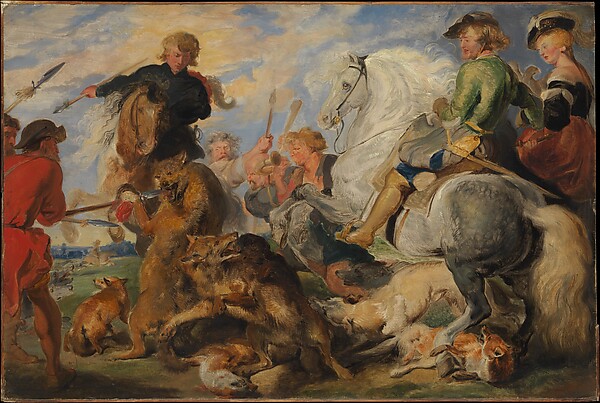
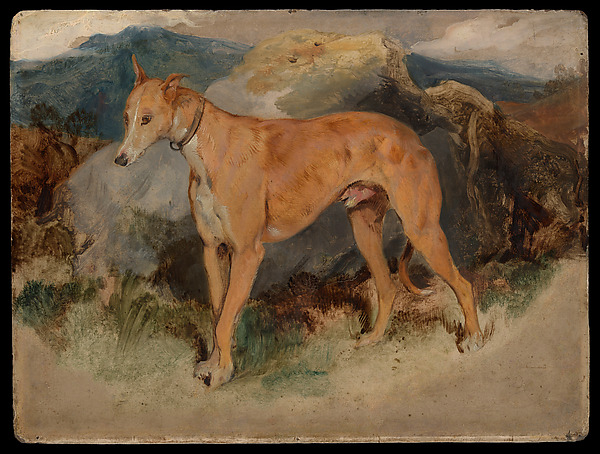
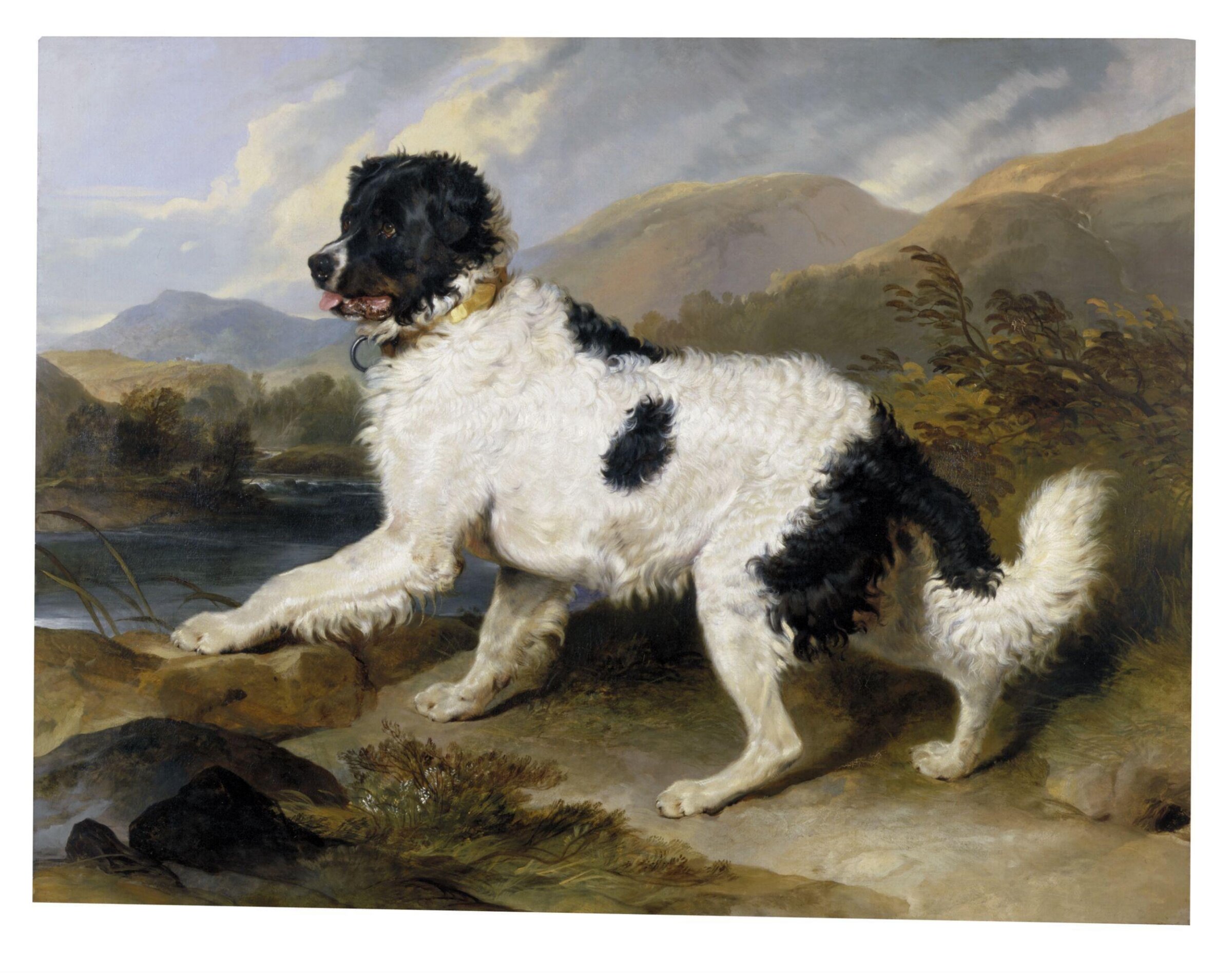
Sir Edwin Landseer (1802-1873) was one of the most popular and successful painters of 19th-century Britain. He is best known as an animal painter, and his anatomical studies of animals, in addition to his exceptional gifts as a draughtsman, brought a great degree of accuracy to his drawings and paintings. Landseer often introduced a narrative element into his animal pictures, and his dogs in particular are often invested with anthropomorphic qualities.
Read on
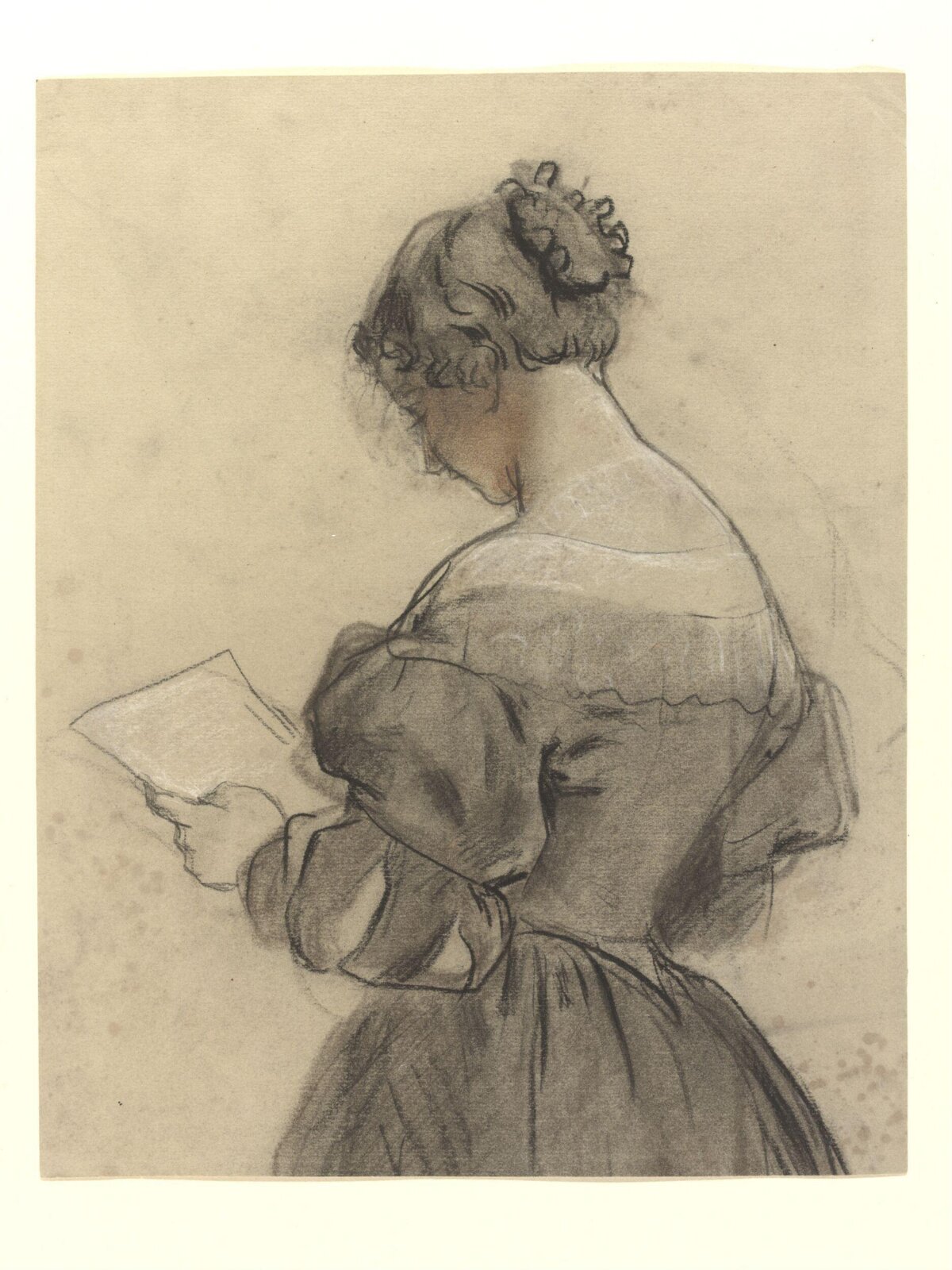
Landseer was also in demand as a portrait painter, and indeed he was commissioned several times by Queen Victoria to produce portraits of herself and her family. This graceful chalk drawing of a woman reading a letter has not been connected to a particular portrait, although it is possible that it represents Georgiana, Duchess of Bedford, a close friend of the artist, who Landseer drew and painted on many occasions. Landseer often used unusual poses for his figure drawings. Although here the woman's face is turned away, her elegant posture combined with her absorption in the letter she holds combine to make an expressive portrait.
Victoria and Albert Museum
Particulars
- Accession number
- E.164-2002
In the catalog
Sources
- Victoria and Albert Museum
- Image: Victoria and Albert Museum — © Victoria and Albert Museum, London
Meanwhile, in the life of Edwin Henry Landseer
The whole life1828
Illustrations for Sir Walter Scott's novels
Commissioned to produce illustrations for the Waverley Edition of Sir Walter Scott's novels.
1831
Royal Academician
Five years after becoming an Associate he is elected an Academician, a full member of the Royal Academy of Arts; his life is closely entwined with the institution.
c. 1839
Commissions from Queen Victoria
Queen Victoria commissions numerous pictures from him: first portraits of royal pets, then of ghillies and gamekeepers, and in the year before her marriage a portrait of herself. He teaches both Victoria and Albert to etch, makes portraits of their children as babies (usually with a dog) and two portraits of the couple dressed for costume balls, at which he was a guest himself.
1840
A severe nervous illness
In 1840, in his late thirties, he suffers a severe nervous illness, now believed to have been a substantial nervous breakdown; for the rest of his life he is troubled by recurring bouts of melancholy, hypochondria and depression, often aggravated by alcohol and drug use, yet he never stops drawing.