ART WIKI32,963 on view
MapCollectionArtistsMuseumsExhibitionsJournal
Sign in

ART WIKI

Where the masterpiece hangs, and when they let you in.

Collections: Art Institute of Chicago, Getty Villa, Harvard Art Museums, Hirshhorn Museum and Sculpture Garden, J. Paul Getty Museum, Minneapolis Institute of Art, Musée du Louvre, National Gallery of Art, National Museum of Asian Art, National Portrait Gallery (Smithsonian), Pushkin State Museum of Fine Arts, Rijksmuseum, Smithsonian American Art Museum, SMK — National Gallery of Denmark, State Hermitage Museum, State Russian Museum, The Cleveland Museum of Art, The Metropolitan Museum of Art, The Museum of Modern Art, Tretyakov Gallery, Victoria and Albert Museum, Whitney Museum of American Art, State Catalogue of the Museum Fund of Russia (274 museums), Europeana (19 museums), Wikidata (6 museums), Paris Musées (12 museums), and Joconde, the French Ministry of Culture's museum database (495 museums). Images belong to their rights holders.

Sections

  • Map
  • Search
  • Collection
  • Masterpieces
  • On view now
  • Artists

More

  • Museums & galleries
  • Exhibitions
  • Journal
  • Where the data comes from
  • Privacy & cookies
HomeMapBrowse
  1. Collection/
  2. Victoria and Albert Museum/
  3. The Lamentation
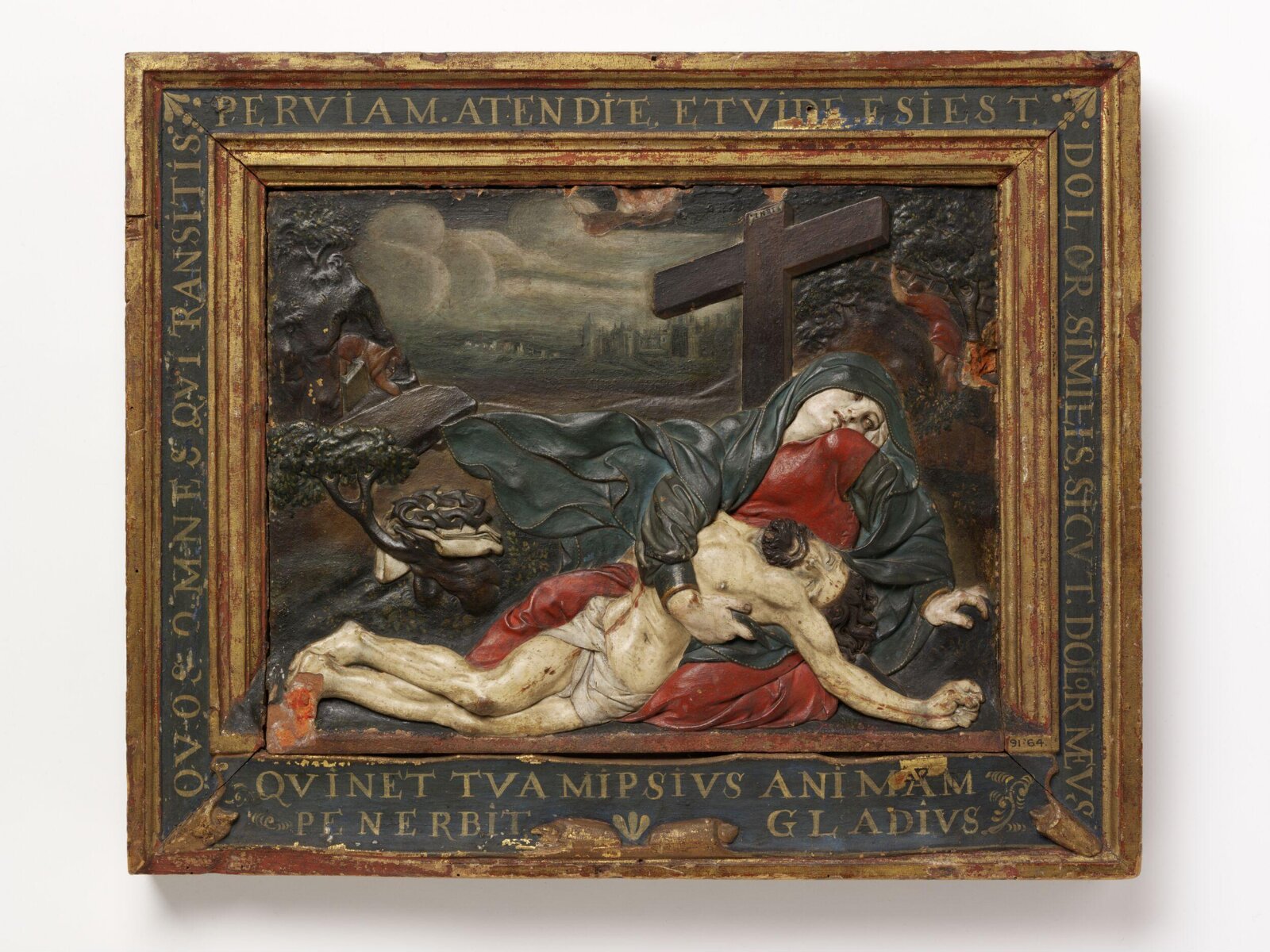
The Lamentation, Juan de Juni, ca. 1540-1550
JJuan de Juni

The Lamentation

ca. 1540-1550 · Relief

May one see it?

Yes, receiving visitors

Victoria and Albert Museum

London, United Kingdom

RoomMedieval & Renaissance, Room 62, The Foyle Foundation Gallery

On public display.

Checked
12 days ago
In this state since
Sep 25, 2026
Source
The museum
On the mapMuseum page

About the sculpture

Juan de Juni executed several versions of this composition, all in terracotta (baked clay), and almost certainly all cast from moulds. The twisted and Mannerist-style forms are typical of this sculptor's work. Although all his known sculpture was made in Castile in Spain, Juan de Juni was probably French in origin.

The present version should be assigned to the workshop of Juan de Juni, and can be tentatively dated to the 1540s , approximately contemporary with the Salamanca relief. It was probably a devotional object, intended to be hung in a chapel or church, or in a private house. The inscription on the frame reinforces its devotional purpose.

Victoria and Albert Museum

Particulars

Accession number
91-1864

What it shows

CrossTreeJesus ChristMary (Virgin Mary)

In the catalog

SculptureTerracotta and ceramicsRenaissance16th centurySalamanca (City)

Sources

  • Victoria and Albert Museum
  • Image: Victoria and Albert Museum — © Victoria and Albert Museum, London

More by Juan de Juni

All works
Cristo flagelado, Juan de Juni, 1540

Cristo flagelado

1540 · Lázaro Galdiano Museum

In the same room · Medieval & Renaissance, Room 62, The Foyle Foundation Gallery, Victoria and Albert Museum

Museum page
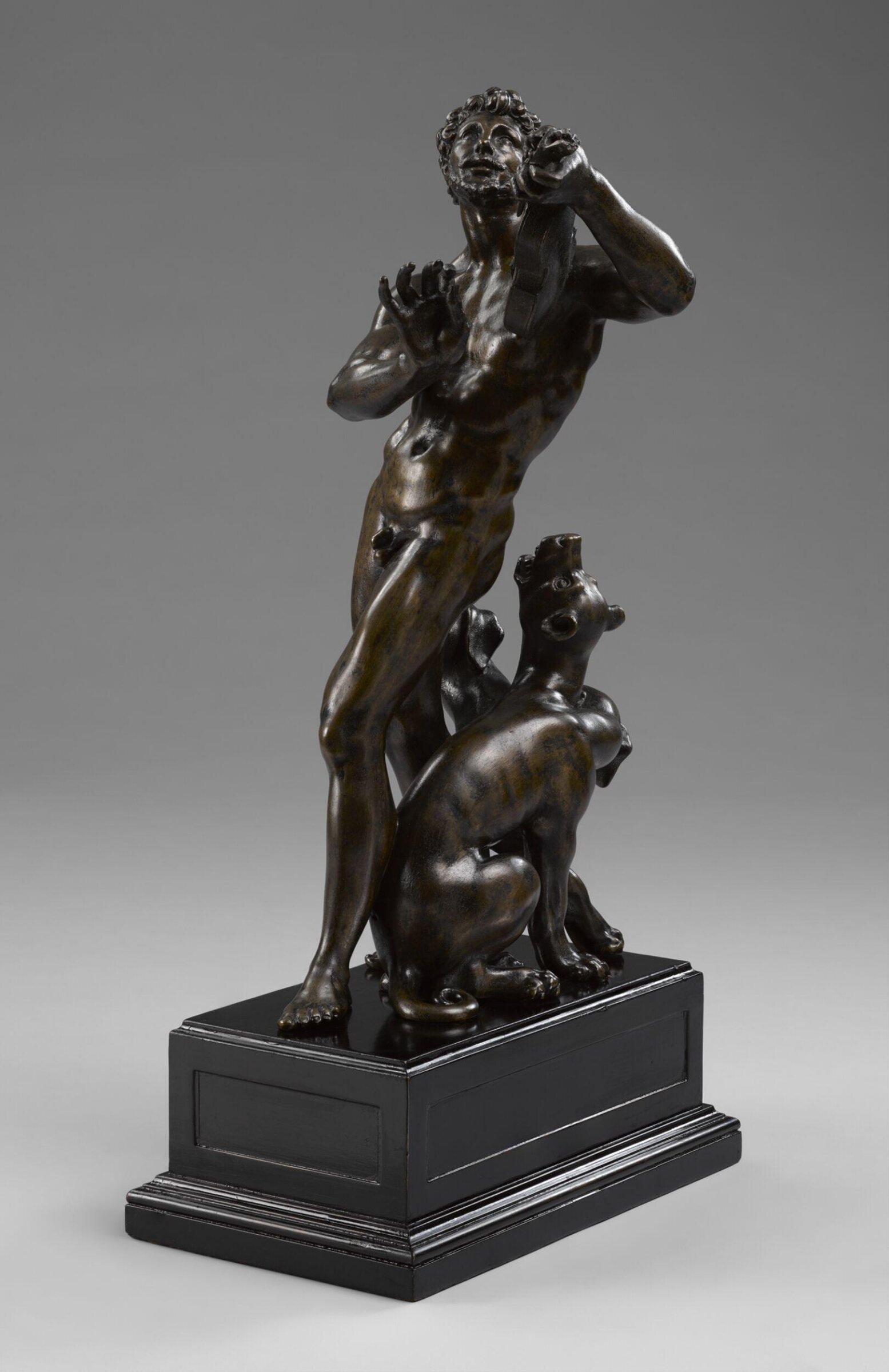
Orpheus and Cerberus, Hendrick de Keyser, ca. 1610-1615

Hendrick de Keyser

Orpheus and Cerberus, ca. 1610-1615

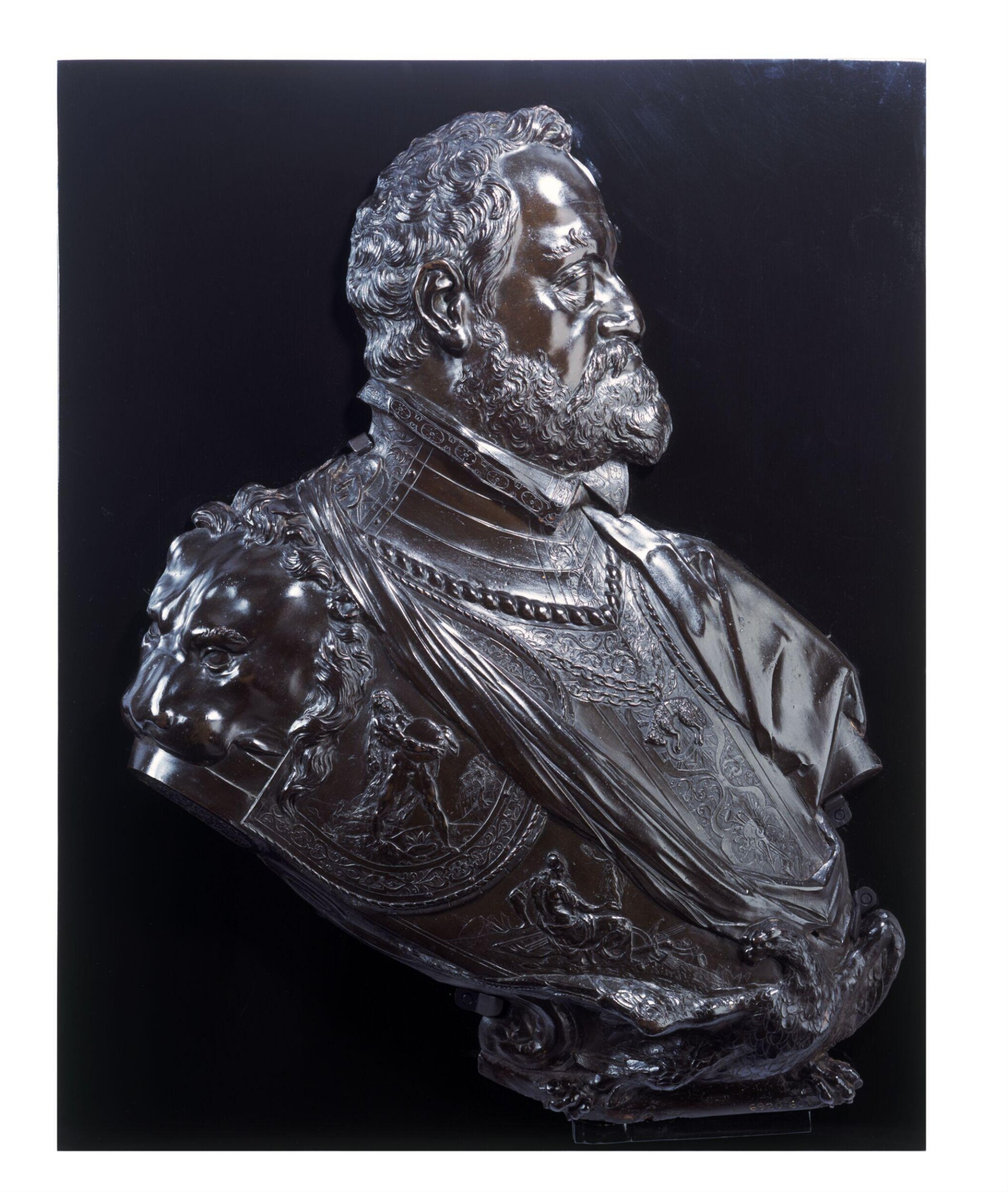
The Emperor Rudolph II, Adriaen de Vries, 1609

Adriaen de Vries

The Emperor Rudolph II, 1609

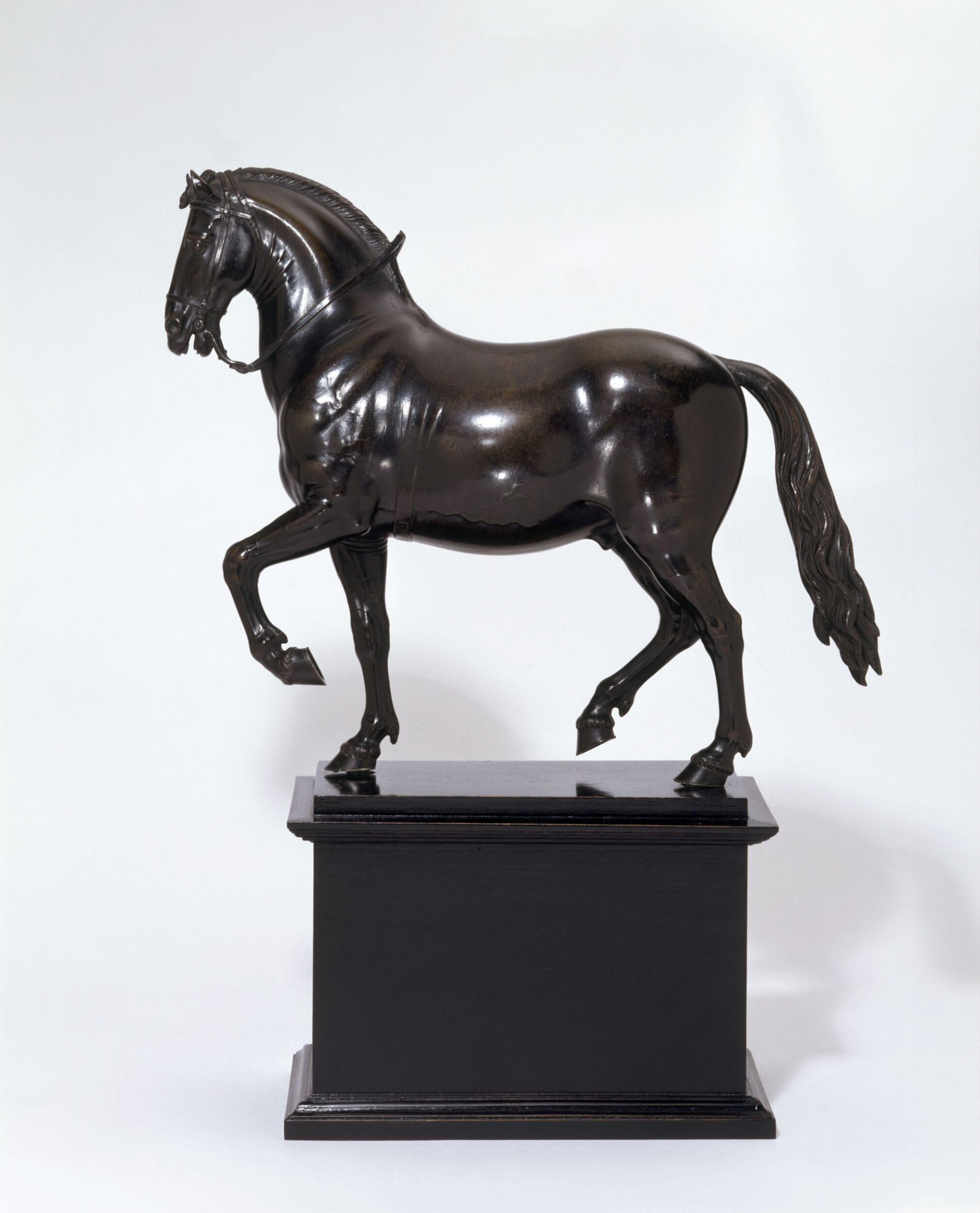
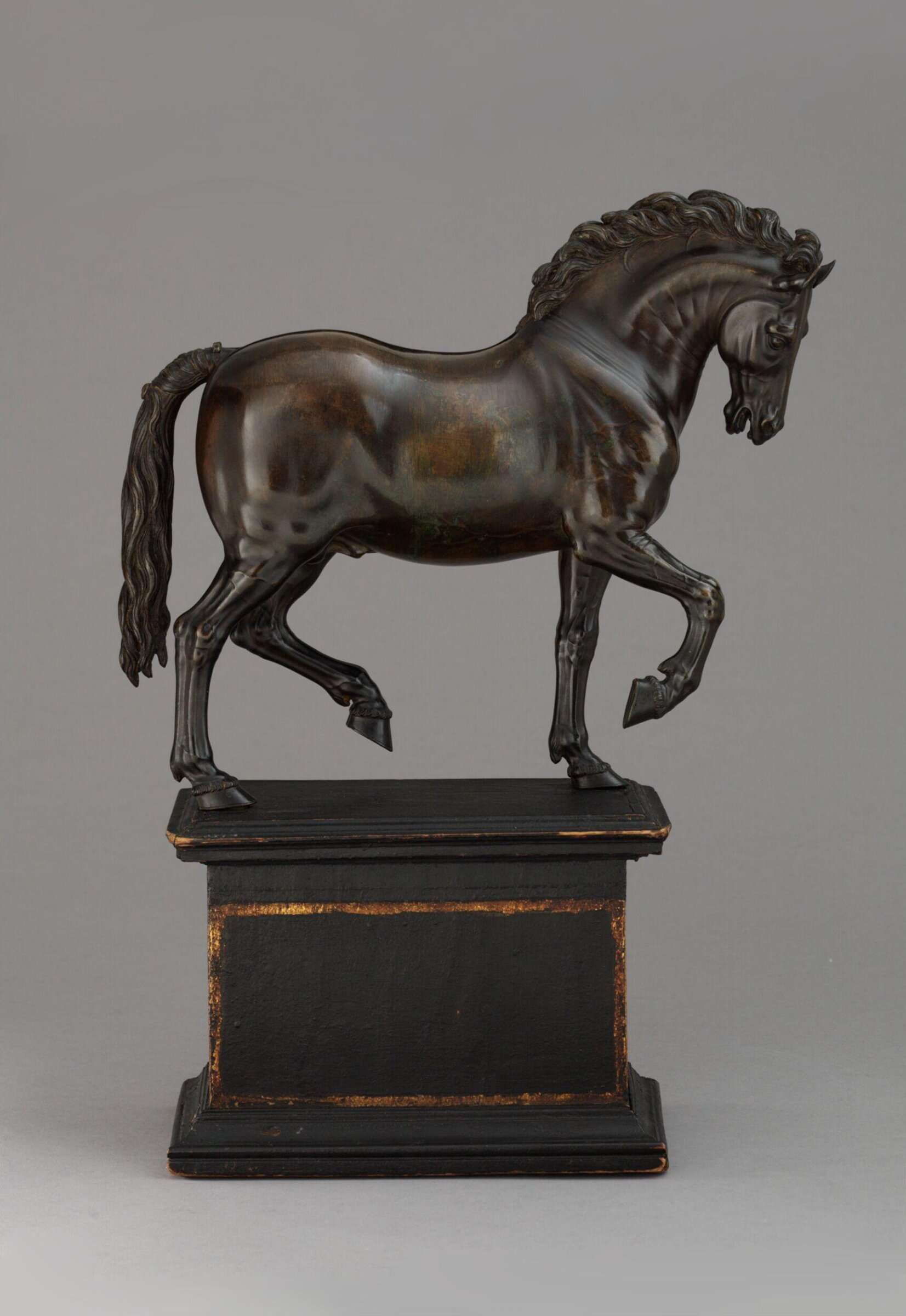
A Pacing Horse, Antonio Susini, ca. 1600

Antonio Susini

A Pacing Horse, ca. 1600

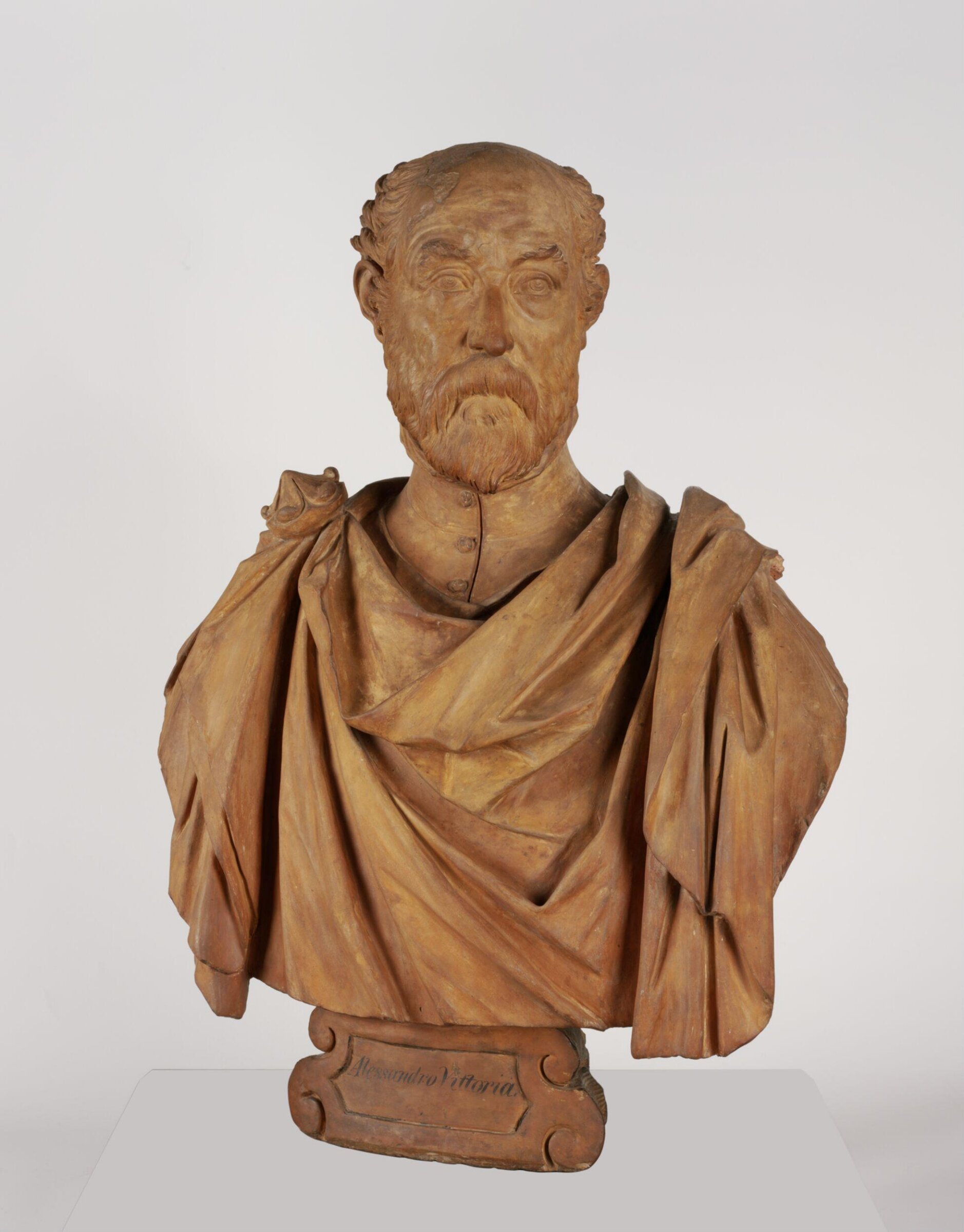
Self-portrait, Alessandro Vittoria, workshop of Alessandro Vittoria, ca. 1600

workshop of Alessandro Vittoria

Self-portrait, Alessandro Vittoria, ca. 1600

A Pacing horse, workshop of Giambologna, ca. 1595-1600

workshop of Giambologna

A Pacing horse, ca. 1595-1600

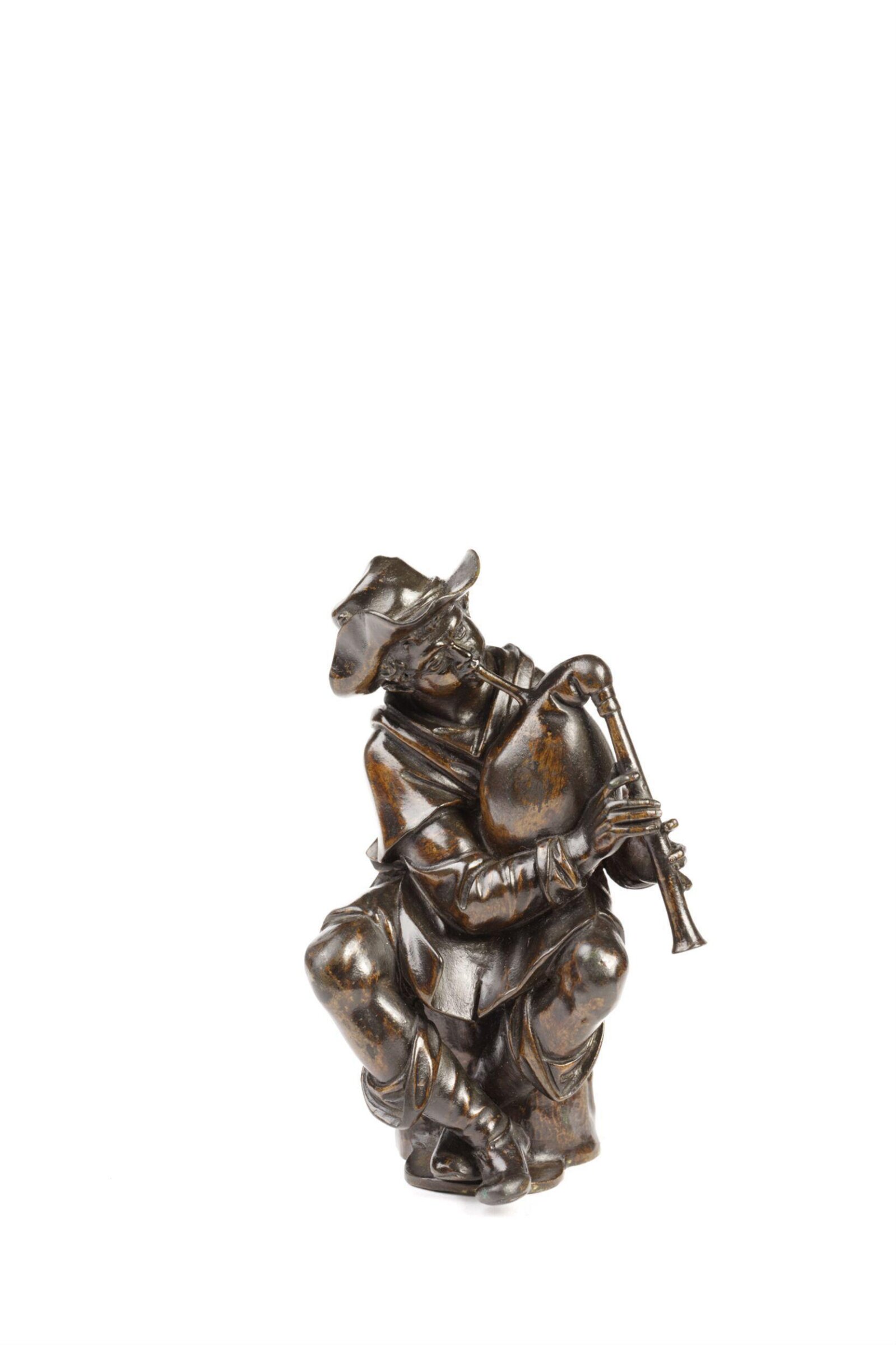
Seated boy playing the bagpipes, after Giambologna, 1590-1610

after Giambologna

Seated boy playing the bagpipes, 1590-1610

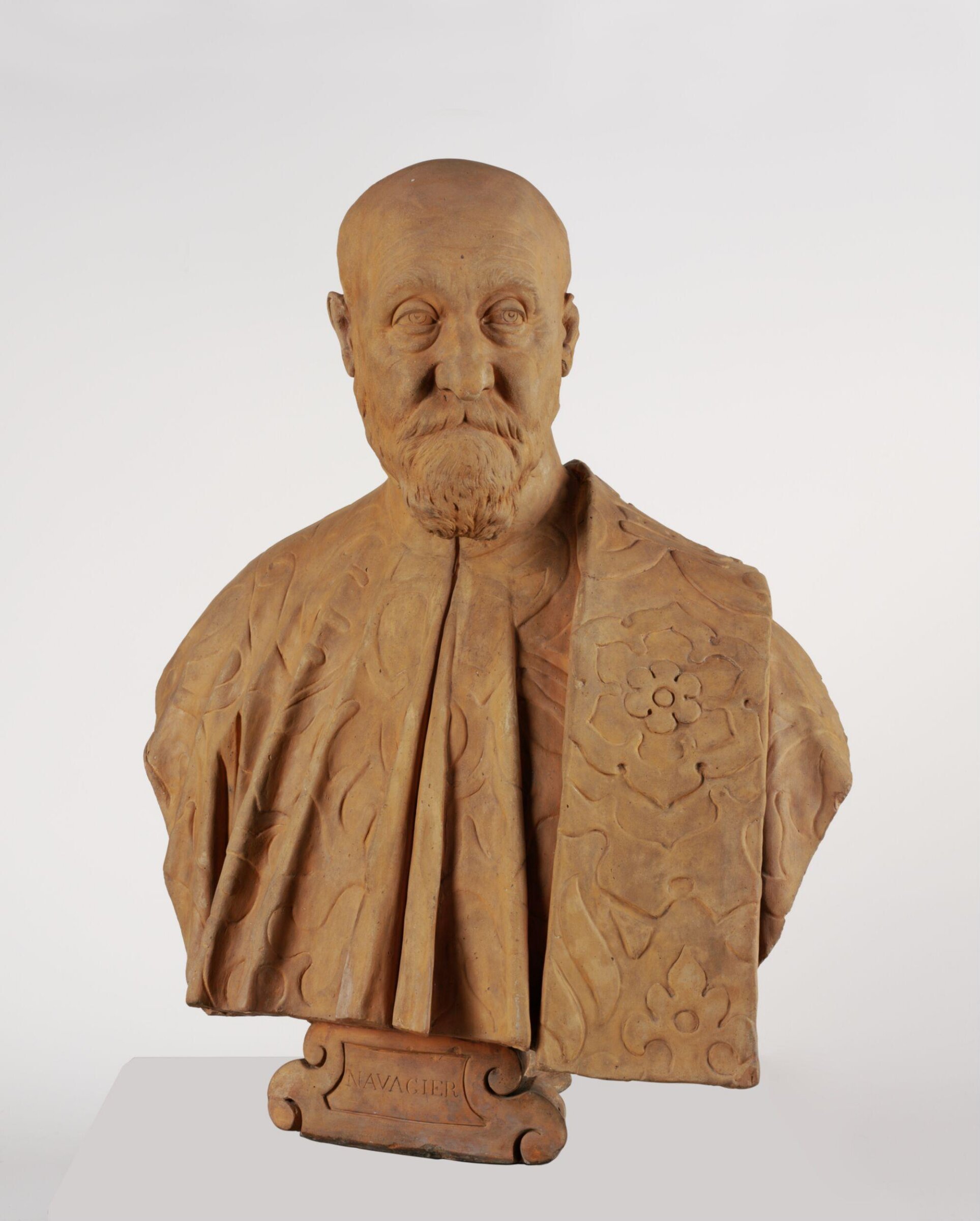
Bust of a member of the Navagero family, Alessandro Vittoria, ca. 1590-1600

Alessandro Vittoria

Bust of a member of the Navagero family, ca. 1590-1600

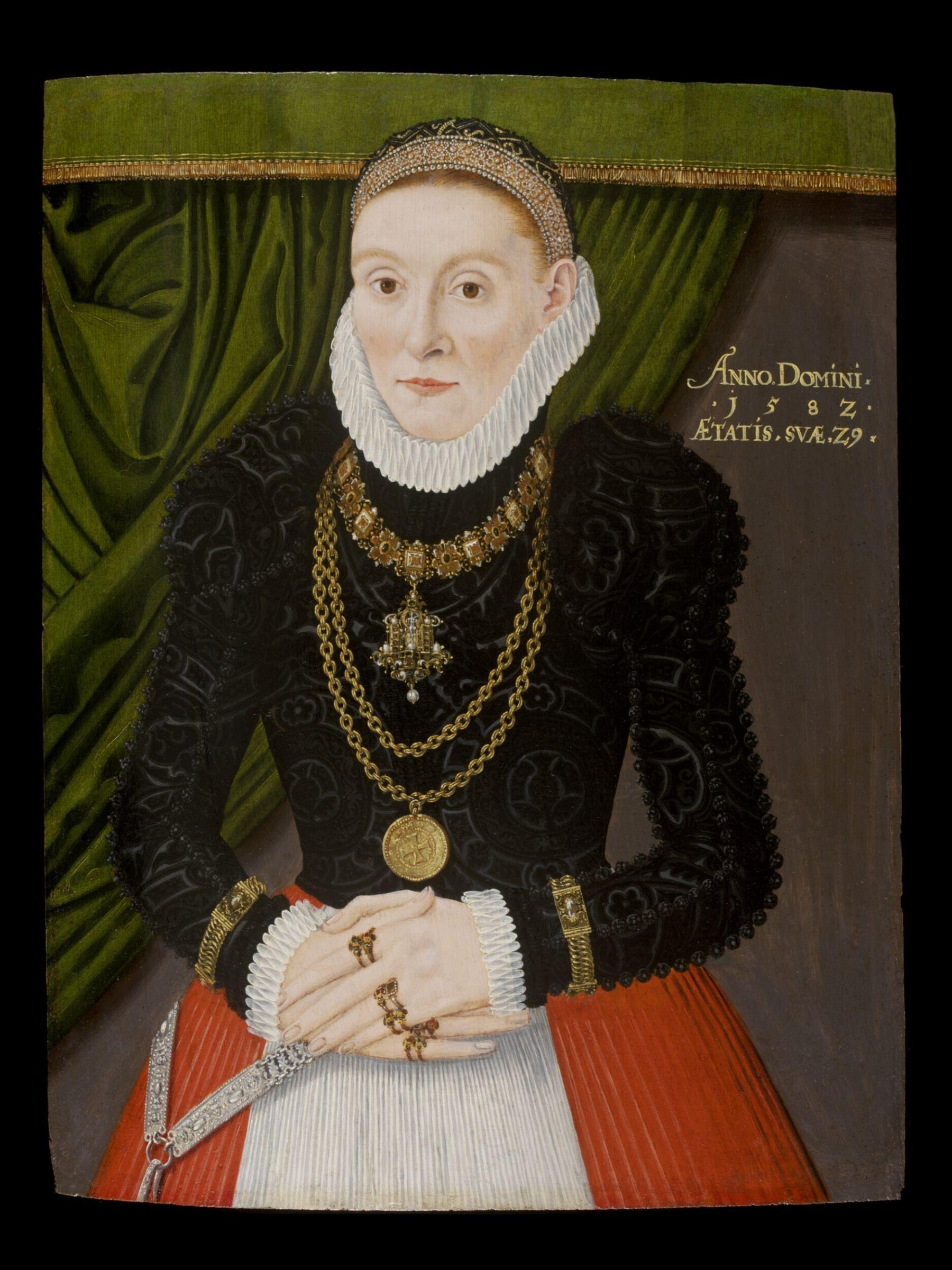
A Lady aged 29 in 1582, 1582

A Lady aged 29 in 1582, 1582

On the same theme · Cross

All works on the theme
Poet Gregory Corso addressing cross atop the Grey Nuns’ Orphanage grotto Kerouac immortalized in book 4 Chapter 1, _Doctor Sax_, a “gigantic pyramid of steps upon which the Cross itself poked phallically up with its poor burden the Son of Man all skewered across it in his Agony and fright – undoubtedly this statue moved in the night.” Lowell, Massachusetts, March 17, 1986., Allen Ginsberg, 1986, printed 1992

Allen Ginsberg

Poet Gregory Corso addressing cross atop the Grey Nuns’ Orphanage grotto Kerouac immortalized in book 4 Chapter 1, _Doctor Sax_, a “gigantic pyramid of steps upon which the Cross itself poked phallically up with its poor burden the Son of Man all skewered across it in his Agony and fright – undoubtedly this statue moved in the night.” Lowell, Massachusetts, March 17, 1986., 1986, printed 1992

Not on view · National Gallery of Art

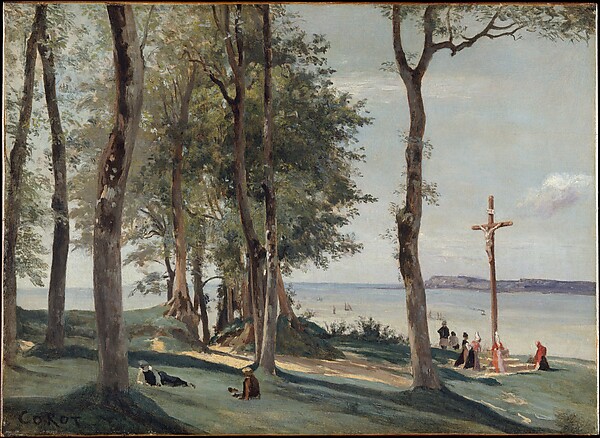
Honfleur: Calvary, Camille Corot, ca. 1830

Camille Corot

Honfleur: Calvary, ca. 1830

The Metropolitan Museum of Art

The Crucifixion, Bartolomé Estebán Murillo, ca. 1675

Bartolomé Esteban Murillo

The Crucifixion, ca. 1675

The Metropolitan Museum of Art

Washington, D.C. Sitting beneath the emblem of the crucifixion of Jesus on Calvary. Two members of the St. Martin's Spiritual Church listen and pray., Gordon Parks, August 1942, printed later

Gordon Parks

Washington, D.C. Sitting beneath the emblem of the crucifixion of Jesus on Calvary. Two members of the St. Martin's Spiritual Church listen and pray., August 1942, printed later

Not on view · National Gallery of Art

Peruvian Peddler, Gordon Parks, 1960

Gordon Parks

Peruvian Peddler, 1960

Not on view · National Gallery of Art

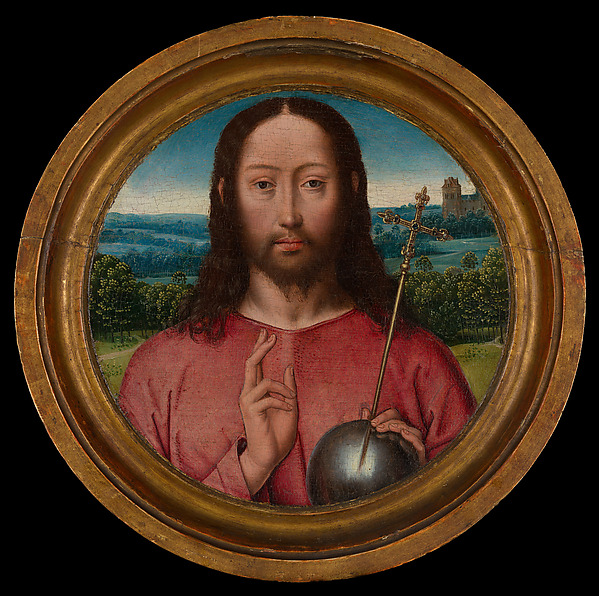
Salvator Mundi, Hans Memling, 1480–85

Hans Memling

Salvator Mundi, 1480–85

The Metropolitan Museum of Art

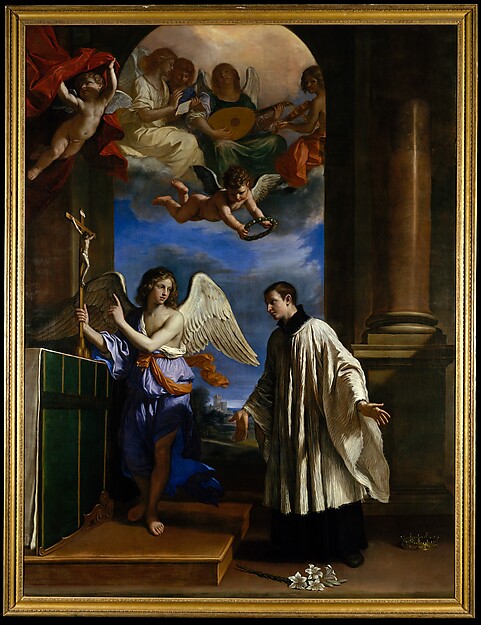
The Vocation of Saint Aloysius (Luigi) Gonzaga, Guercino, ca. 1650

Giovanni Francesco Barbieri, called Guercino

The Vocation of Saint Aloysius (Luigi) Gonzaga, ca. 1650

The Metropolitan Museum of Art

La Salle Erecting a Cross and Taking Possession of the Land.  March 25, 1682, George Catlin, 1847/1848

George Catlin

La Salle Erecting a Cross and Taking Possession of the Land. March 25, 1682, 1847/1848

Not on view · National Gallery of Art