ART WIKI32,979 on view
MapCollectionArtistsMuseumsExhibitionsJournal
Sign in

ART WIKI

Where the masterpiece hangs, and when they let you in.

Collections: Art Institute of Chicago, Getty Villa, Harvard Art Museums, Hirshhorn Museum and Sculpture Garden, J. Paul Getty Museum, Minneapolis Institute of Art, Musée du Louvre, National Gallery of Art, National Museum of Asian Art, National Portrait Gallery (Smithsonian), Pushkin State Museum of Fine Arts, Rijksmuseum, Smithsonian American Art Museum, SMK — National Gallery of Denmark, State Hermitage Museum, State Russian Museum, The Cleveland Museum of Art, The Metropolitan Museum of Art, The Museum of Modern Art, Tretyakov Gallery, Victoria and Albert Museum, Whitney Museum of American Art, State Catalogue of the Museum Fund of Russia (274 museums), Europeana (19 museums), Wikidata (6 museums), Paris Musées (12 museums), and Joconde, the French Ministry of Culture's museum database (495 museums). Images belong to their rights holders.

Sections

  • Map
  • Search
  • Collection
  • Masterpieces
  • On view now
  • Artists

More

  • Museums & galleries
  • Exhibitions
  • Journal
  • Where the data comes from
  • Privacy & cookies
HomeMapBrowse
  1. Collection/
  2. Victoria and Albert Museum/
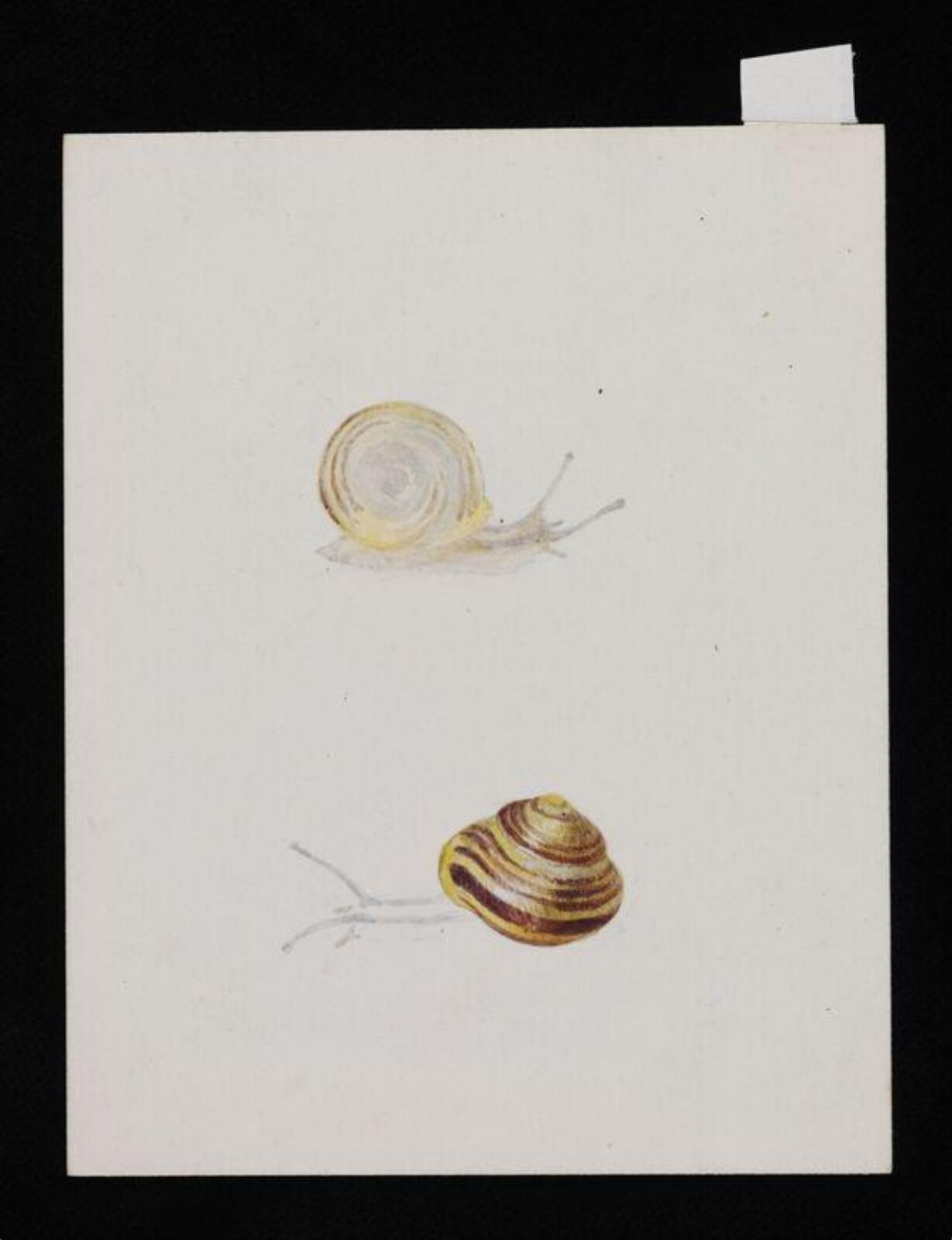
  3. Study of two snails
Study of two snails, Beatrix Potter, late 19th century

Study of two snails

late 19th century · Watercolour · 11.4 × 9 cm

About the work

Beatrix Potter (1866-1943) is one of the world's best-loved children's authors and illustrators. She wrote the majority of the twenty-three Original Peter Rabbit Books between 1901 and 1913. The Tale of Peter Rabbit (Frederick Warne, 1902) is her most famous and best-loved tale.

From early childhood Beatrix Potter spent time drawing the many pets that she kept in her schoolroom: over the years, her pets included lizards, snails, bats, mice, rabbits and many other animals. During the family’s long summer holidays to rural areas she also took the opportunity to draw the plants and animals she saw in the countryside. Even her earliest childhood drawings show a serious interest in natural history, her sketches annotated with information about the species concerned.

This undated sheet shows two snails. For a related study in the Linder Bequest, see museum number BP.404(a).

Victoria and Albert Museum

Particulars

late 19th century
18661943
Accession number

Meanwhile, in the life of Beatrix Potter

The whole life
  1. 28 July 1866

    Birth in London

    Helen Beatrix was born at 2 Bolton Gardens in West Brompton, London, into a comfortable Unitarian family: her father, the barrister Rupert Potter, was also a keen amateur photographer, and her paternal grandfather, Edmund Potter, owned the largest calico-printing works in England and sat in Parliament. She was educated by three governesses; she and her younger brother Walter Bertram, born in 1872, had few friends outside their large extended family.

  2. 1882

    The Lake District and Hardwicke Rawnsley

    When Dalguise was no longer available, the Potters spent their first summer in the Lake District in 1882, at Wray Castle near Lake Windermere; sixteen-year-old Beatrix fell in love with its beauty and resolved to live there one day. There she met Hardwicke Rawnsley, the vicar of Wray and later founding secretary of the National Trust, whose views on the countryside left a lasting mark on her.

  3. summer 1892

    Charles McIntosh and the fungi

    In the summer of 1892, at Dunkeld in Perthshire, Beatrix met Charles McIntosh, a revered naturalist and amateur mycologist: he helped make her illustrations more accurate, taught her taxonomy and supplied her with live specimens to paint in winter. By the 1890s her scientific interests had centred on mycology; she was first drawn to fungi by their colours and their evanescence.

  4. September 1893

    A letter to Noel Moore about four rabbits

    In September 1893, on holiday at Eastwood near Dunkeld, Beatrix ran out of things to write to Noel, the often-ill eldest son of her former governess Annie Carter Moore, and told him a story about “four little rabbits whose names were Flopsy, Mopsy, Cottontail, and Peter”. It became one of the most famous children’s letters ever written and the basis of her future career; it was Annie who later suggested that such letters might make good children’s books.

More by Beatrix Potter

All works

Neighbors at Victoria and Albert Museum

Museum page

On the same theme · Natural history

All works on the theme
BP.404(B)

Sources

  • Victoria and Albert Museum
  • Image: Victoria and Albert Museum — © Victoria and Albert Museum, London
  • 1895–1897

    A theory of spore germination, and Kew Gardens

    In 1895, curious about how fungi reproduce, Beatrix began microscopic drawings of agaric spores and developed a theory of their germination. Through her uncle, the chemist Sir Henry Roscoe, she consulted botanists at Kew and convinced George Massee of her ability to germinate spores, but William Thiselton-Dyer, the director of Kew, rebuffed her because of her sex and amateur status.

  • 1897

    A paper for the Linnean Society

    In 1897 Beatrix submitted a paper, “On the Germination of the Spores of the Agaricineae”, to the Linnean Society, but as a woman she could neither attend the meeting nor read it herself — George Massee introduced it. She later withdrew it on realising that some of her samples were contaminated, yet she continued her microscopic studies for several more years.

  • Beatrix Potter, portraitBeatrix Potter1866–1943

    May one see it?

    Not receiving at present

    Victoria and Albert Museum

    London, United Kingdom

    It belongs to the collection, but is not on display at present.

    Checked
    13 days ago
    In this state since
    Sep 25, 2026
    Source
    The museum
    On the mapMuseum page
    drawing, Beatrix Potter, late 19th century - early 20th century

    drawing

    late 19th century - early 20th century · Not on view · Victoria and Albert Museum

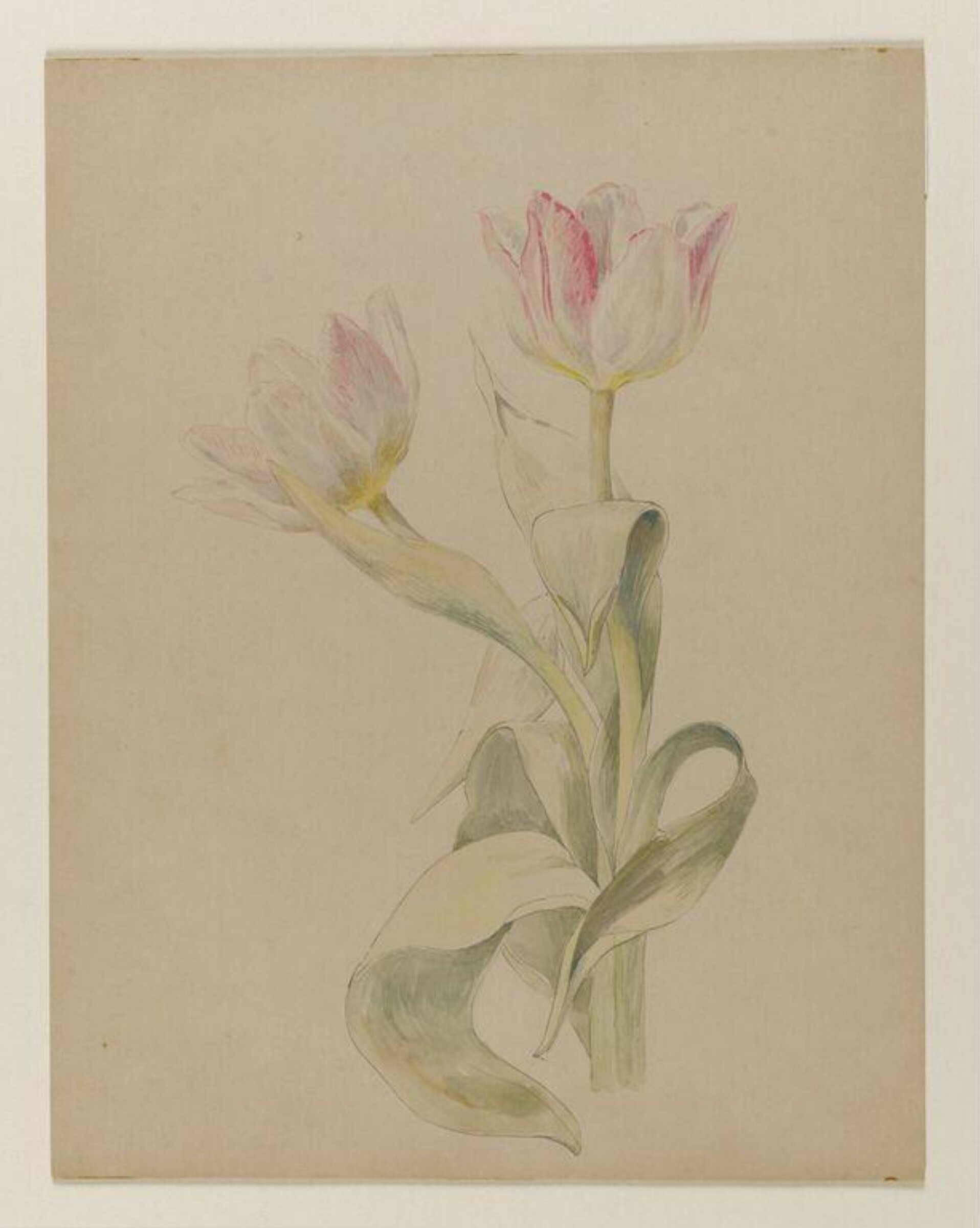
    Pink and white tulips, Beatrix Potter, late 19th century-early 20th century

    Pink and white tulips

    late 19th century-early 20th century · Not on view · Victoria and Albert Museum

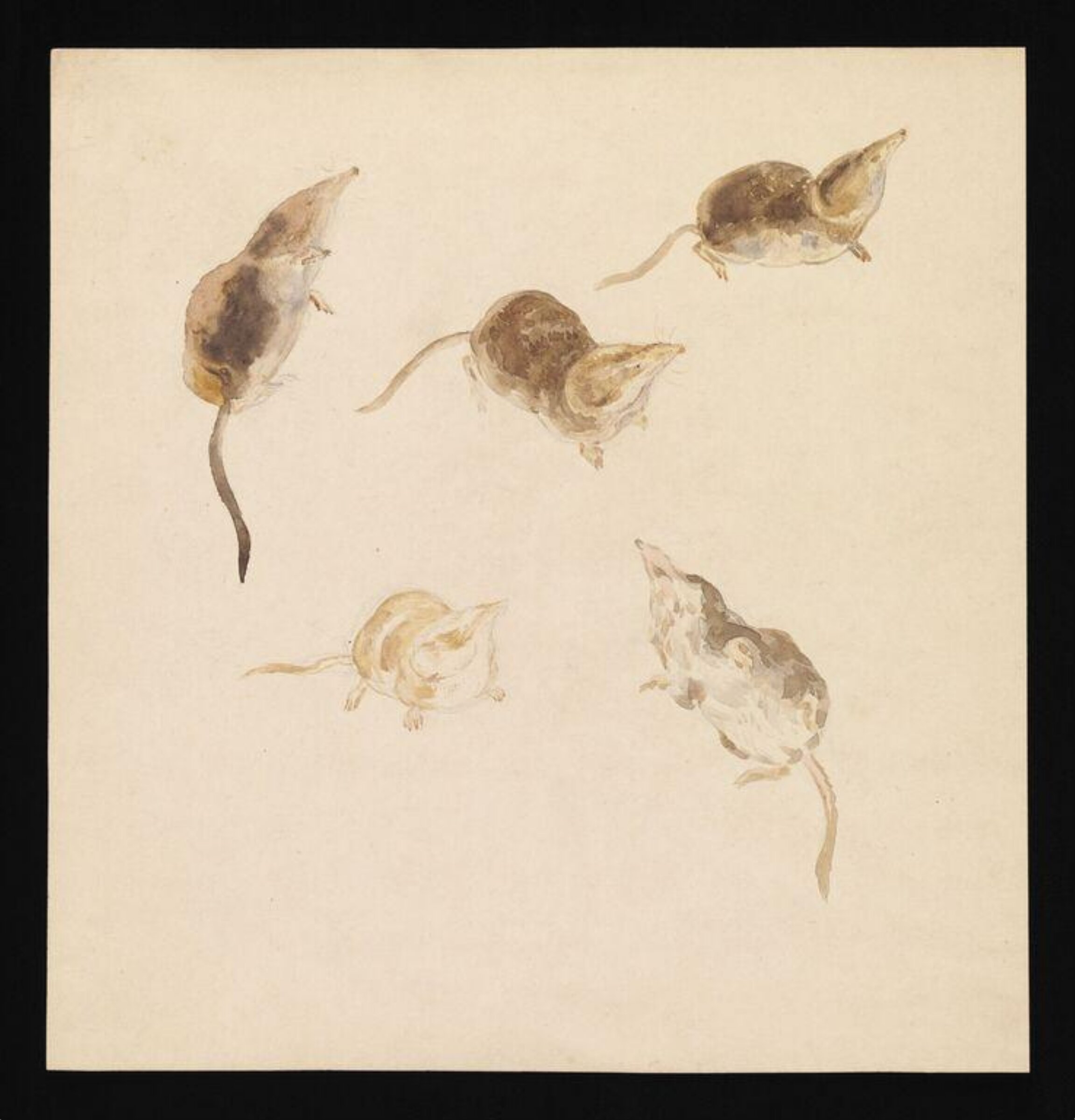
    Watercolour, Beatrix Potter, late 19th century - early 20th century

    Watercolour

    late 19th century - early 20th century · Not on view · Victoria and Albert Museum

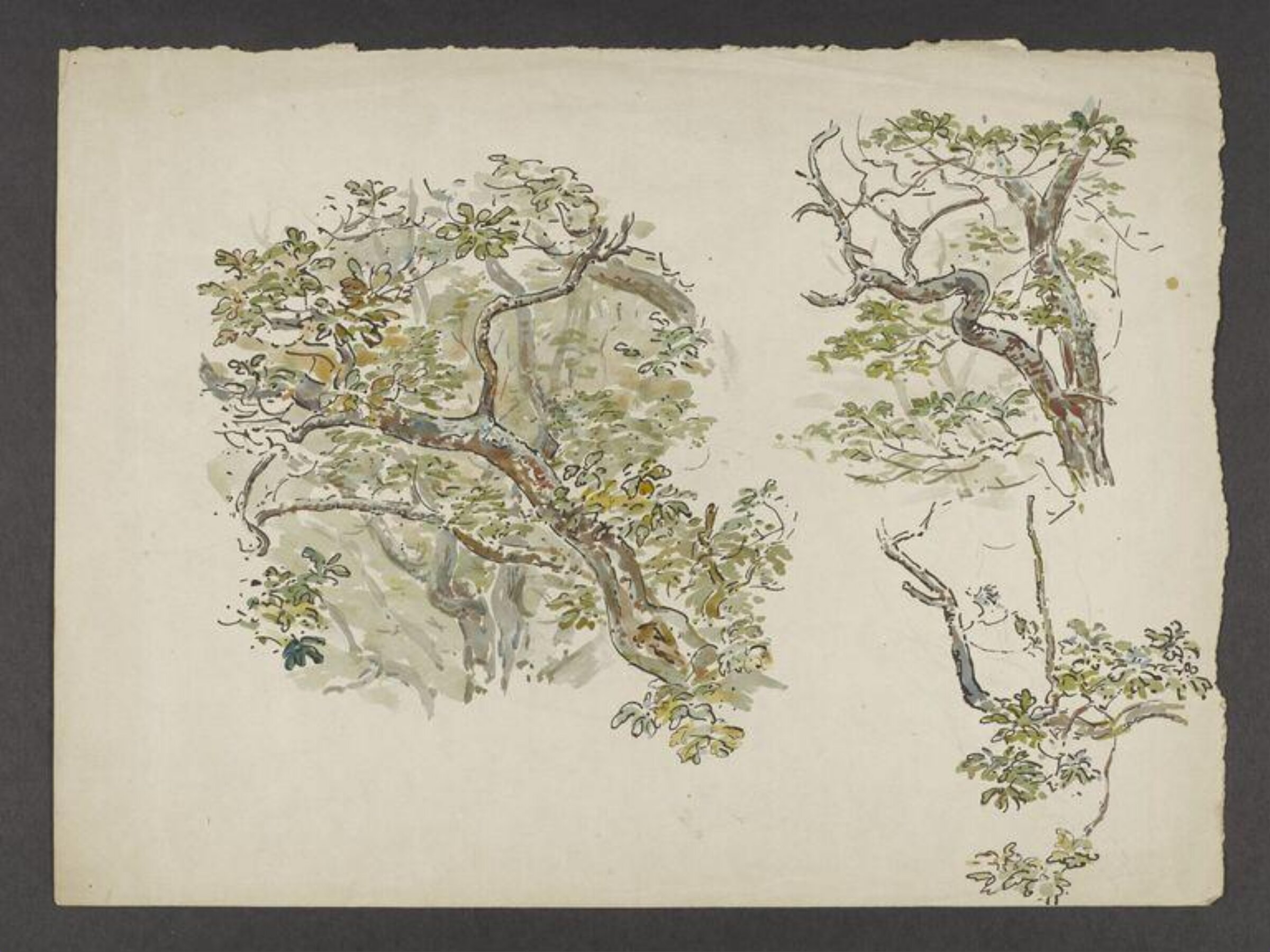
    Watercolour, Beatrix Potter, late 19th century - early 20th century

    Watercolour

    late 19th century - early 20th century · Not on view · Victoria and Albert Museum

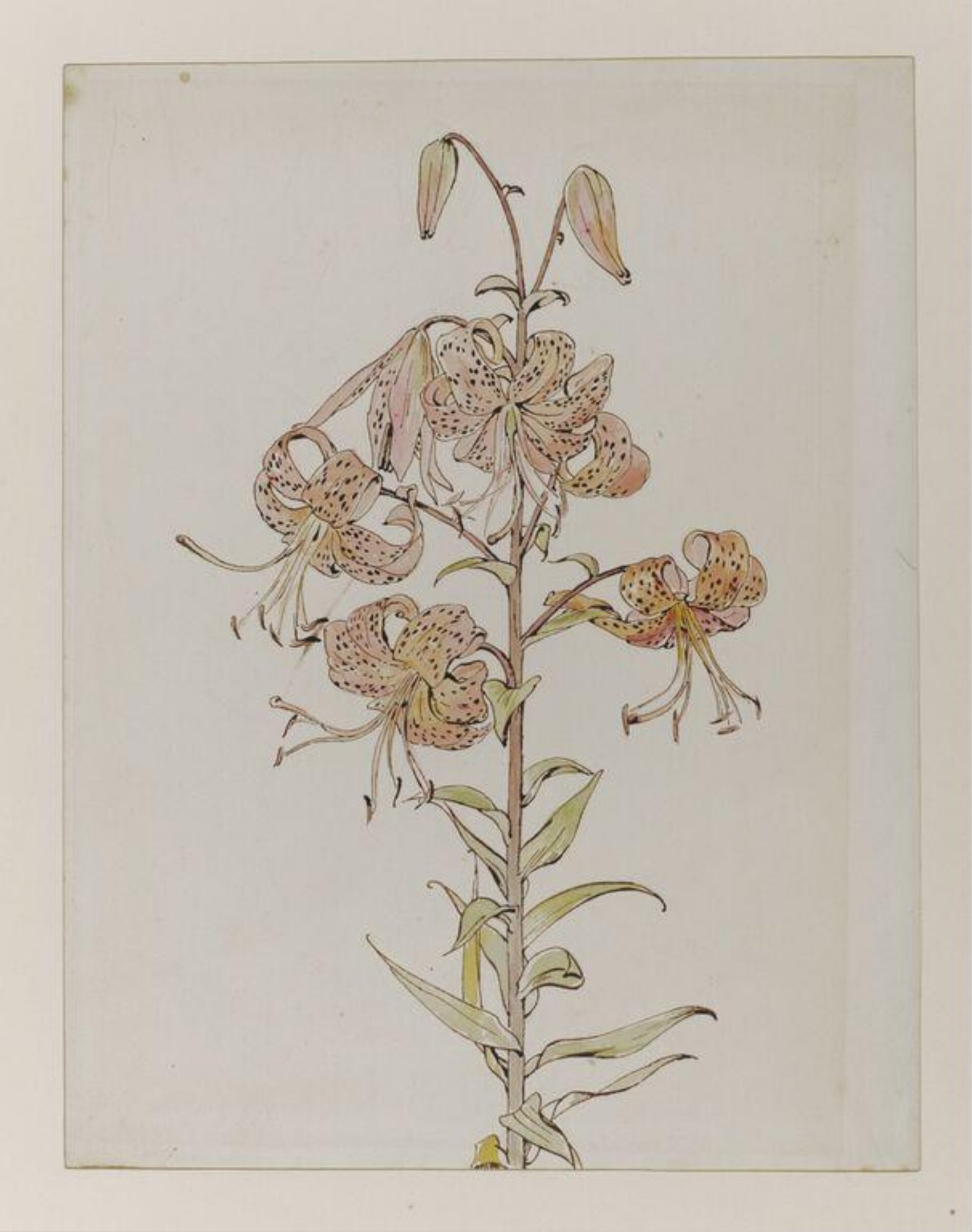
    Watercolour, Beatrix Potter, late 19th century - early 20th century

    Watercolour

    late 19th century - early 20th century · Not on view · Victoria and Albert Museum

    Watercolour, Beatrix Potter, late 19th century - early 20th century

    Watercolour

    late 19th century - early 20th century · Not on view · Victoria and Albert Museum

    Watercolour, Beatrix Potter, late 19th century - early 20th century

    Watercolour

    late 19th century - early 20th century · Not on view · Victoria and Albert Museum

    Watercolour, Beatrix Potter, late 19th century - early 20th century

    Watercolour

    late 19th century - early 20th century · Not on view · Victoria and Albert Museum

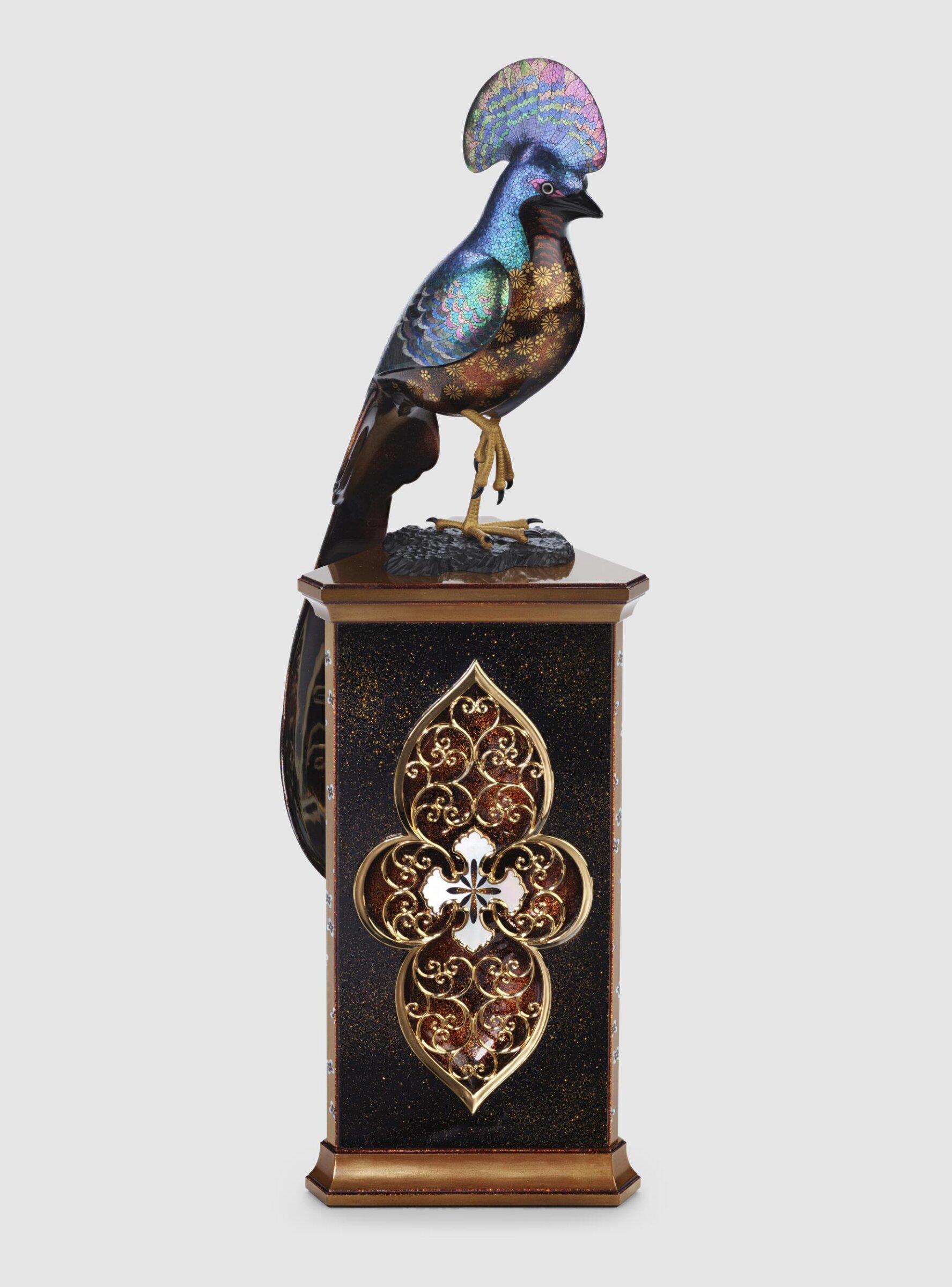
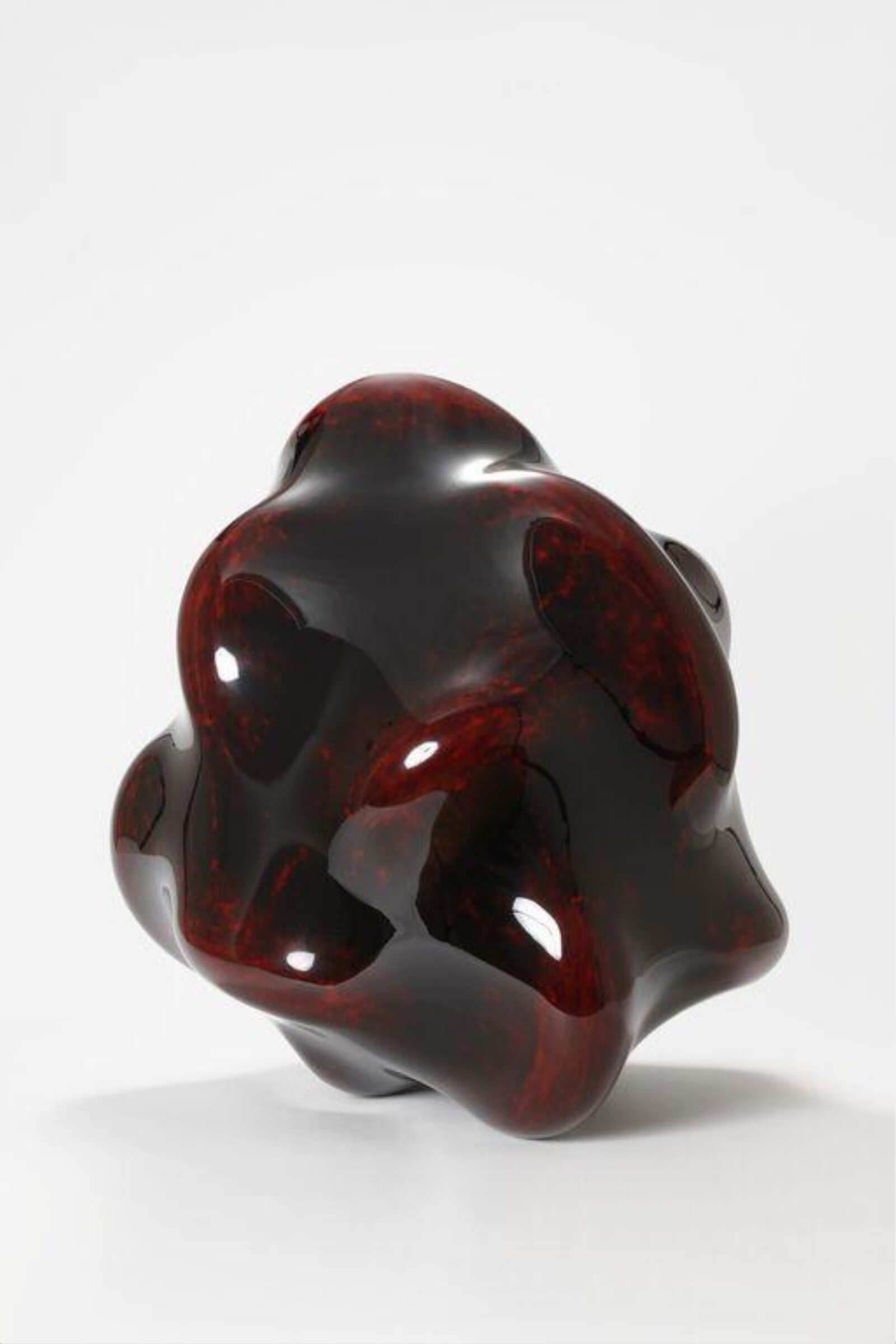
    Bird of Paradise, Hashimoto Chitaka, 2026

    Hashimoto Chitaka

    Bird of Paradise, 2026

    Torsion 2, Taruma Shoko, 2025

    Taruma Shoko

    Torsion 2, 2025

    Fu, Someya Satoshi, 2025

    Someya Satoshi

    Fu, 2025

    Bow Before the Curtain Falls, 2024

    Bow Before the Curtain Falls, 2024

    Summer, 2024

    Summer, 2024

    Red Flow, Ishizuka Genta, 2024

    Ishizuka Genta

    Red Flow, 2024

    3D replica of Michelangelo's Prisoner (4117-1854), Factum Arte, 2024

    Factum Arte

    3D replica of Michelangelo's Prisoner (4117-1854), 2024

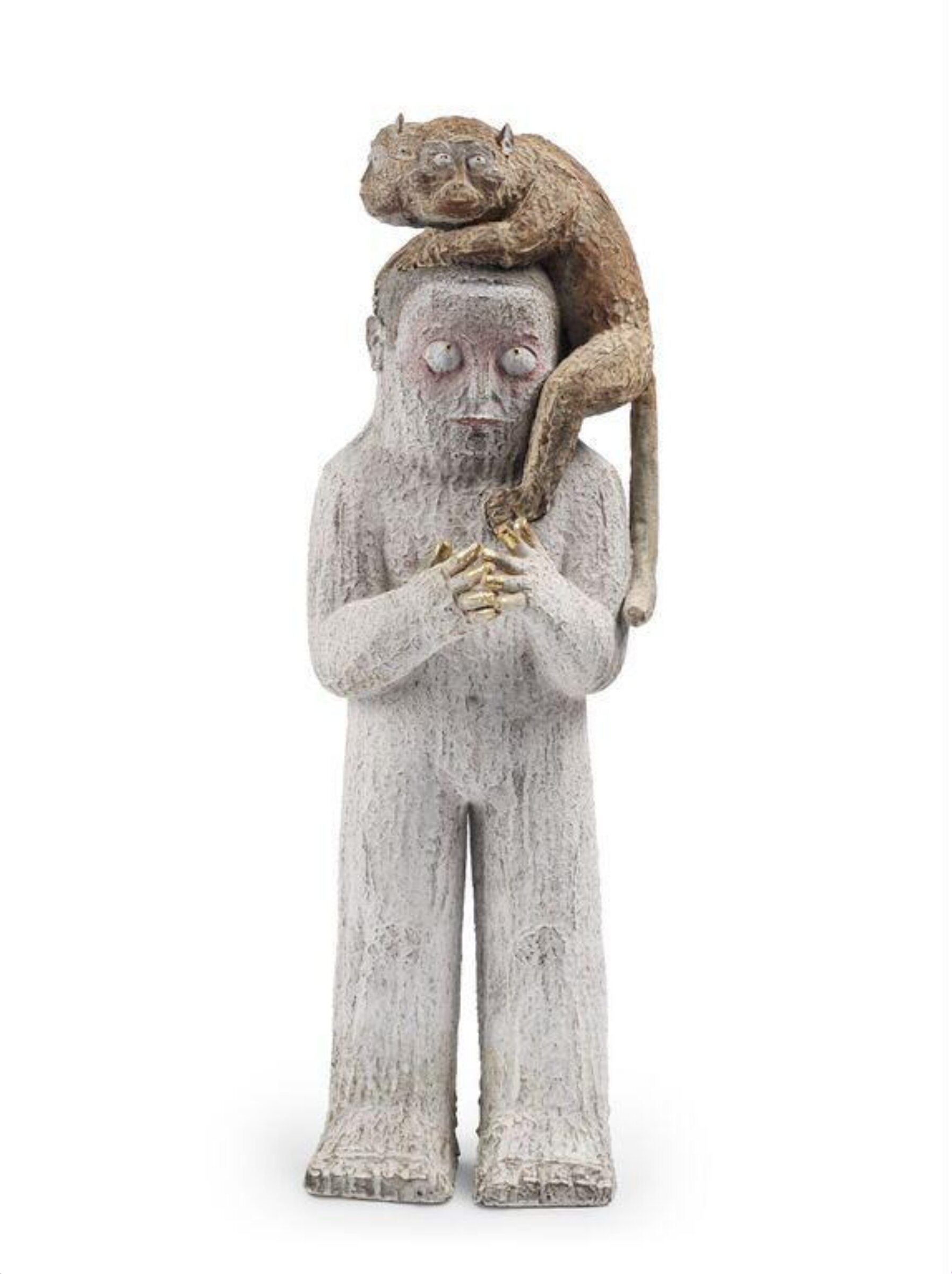
    Sculpture, ‘Co-Existence – the Man and the Monkey’, Zhao Lin, 2024

    Zhao Lin

    Sculpture, ‘Co-Existence – the Man and the Monkey’, 2024

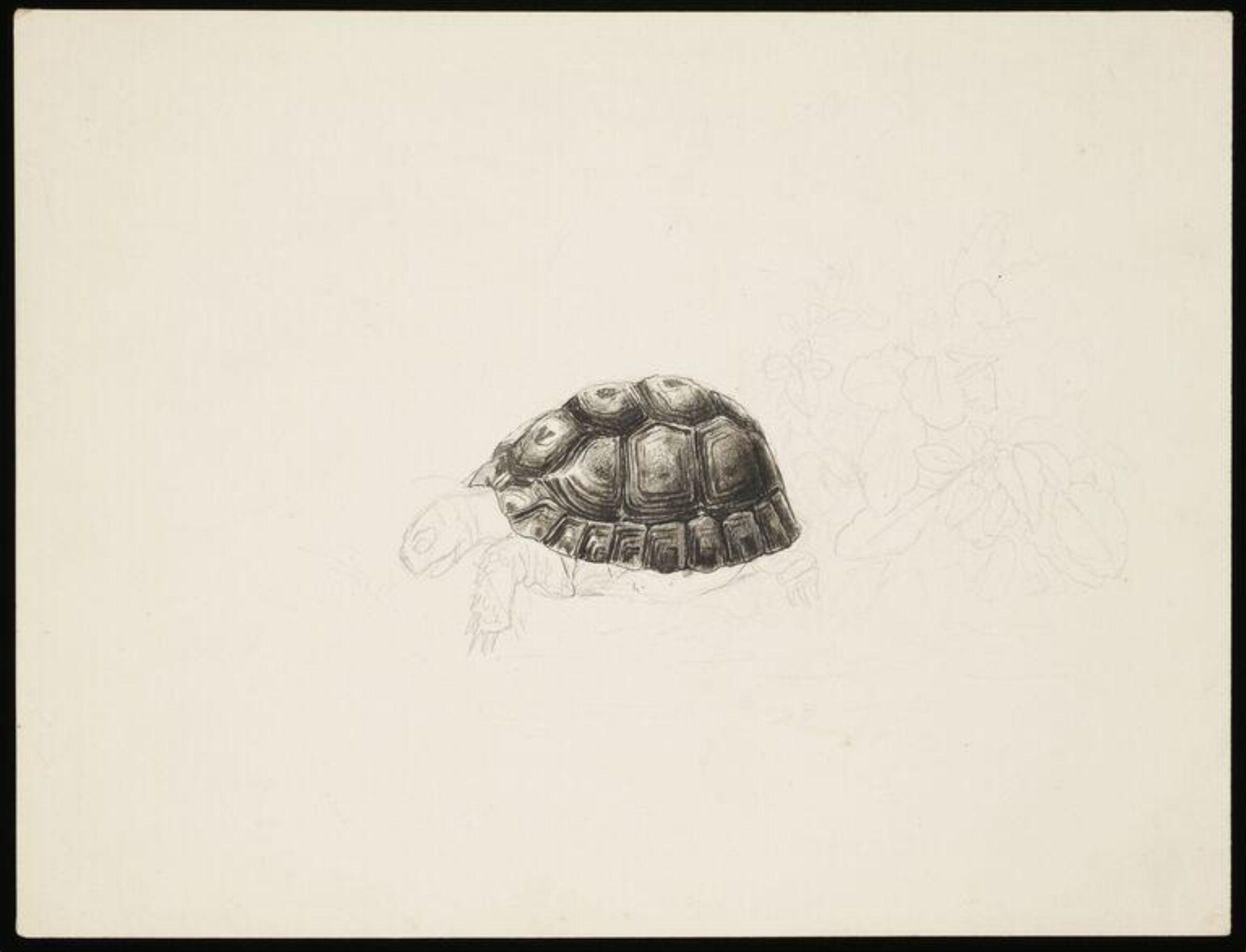
    drawing, Beatrix Potter, ca.1890s-1919

    Beatrix Potter

    drawing, ca.1890s-1919

    Not on view · Victoria and Albert Museum

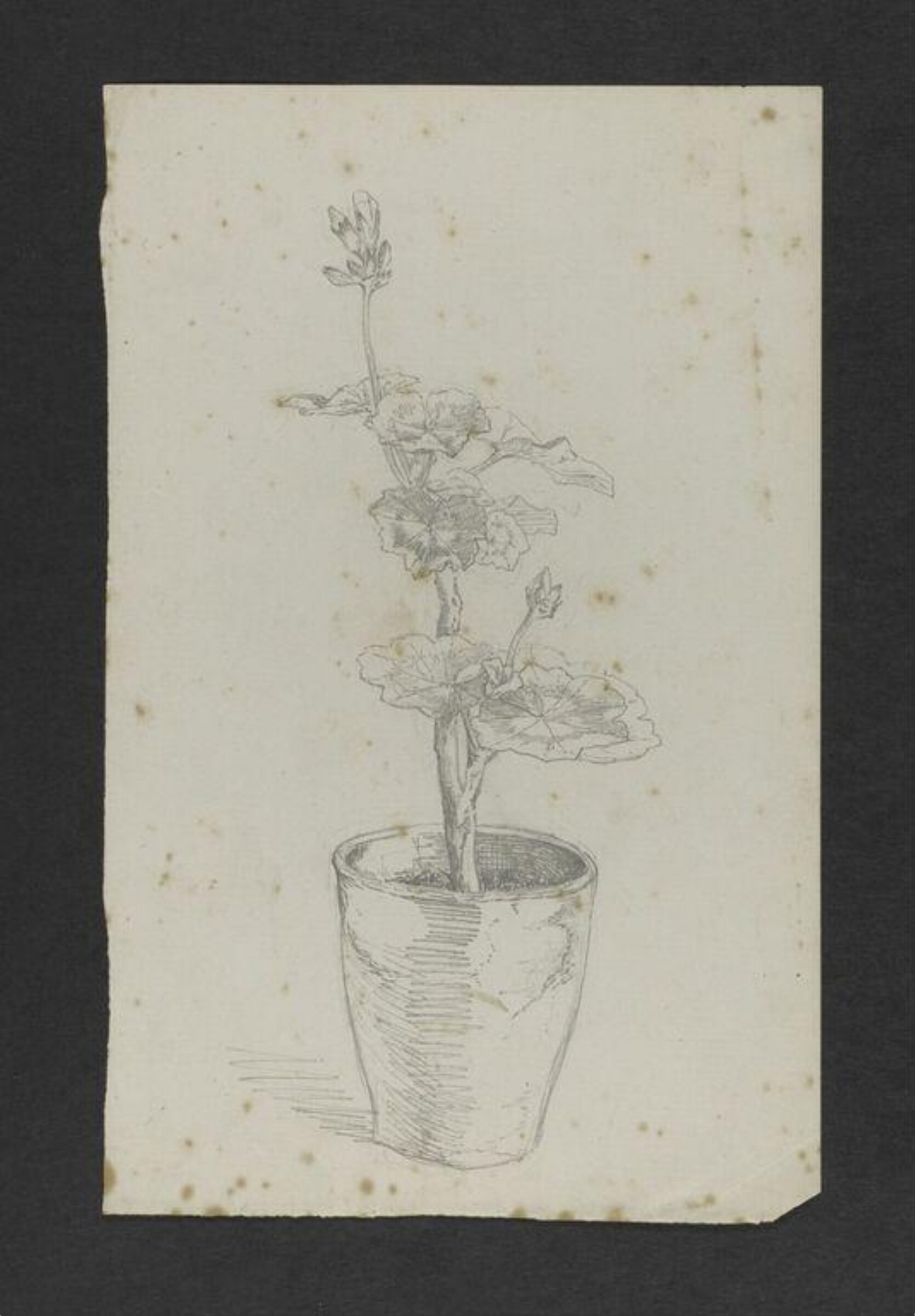
    Drawing, Beatrix Potter, August-October 1884

    Beatrix Potter

    Drawing, August-October 1884

    Not on view · Victoria and Albert Museum

    drawing, Beatrix Potter, ca.1876

    Beatrix Potter

    drawing, ca.1876

    Not on view · Victoria and Albert Museum

    drawing, Beatrix Potter, 02/1899

    Beatrix Potter

    drawing, 02/1899

    Not on view · Victoria and Albert Museum

    drawing, Beatrix Potter, 1897-1898

    Beatrix Potter

    drawing, 1897-1898

    Not on view · Victoria and Albert Museum

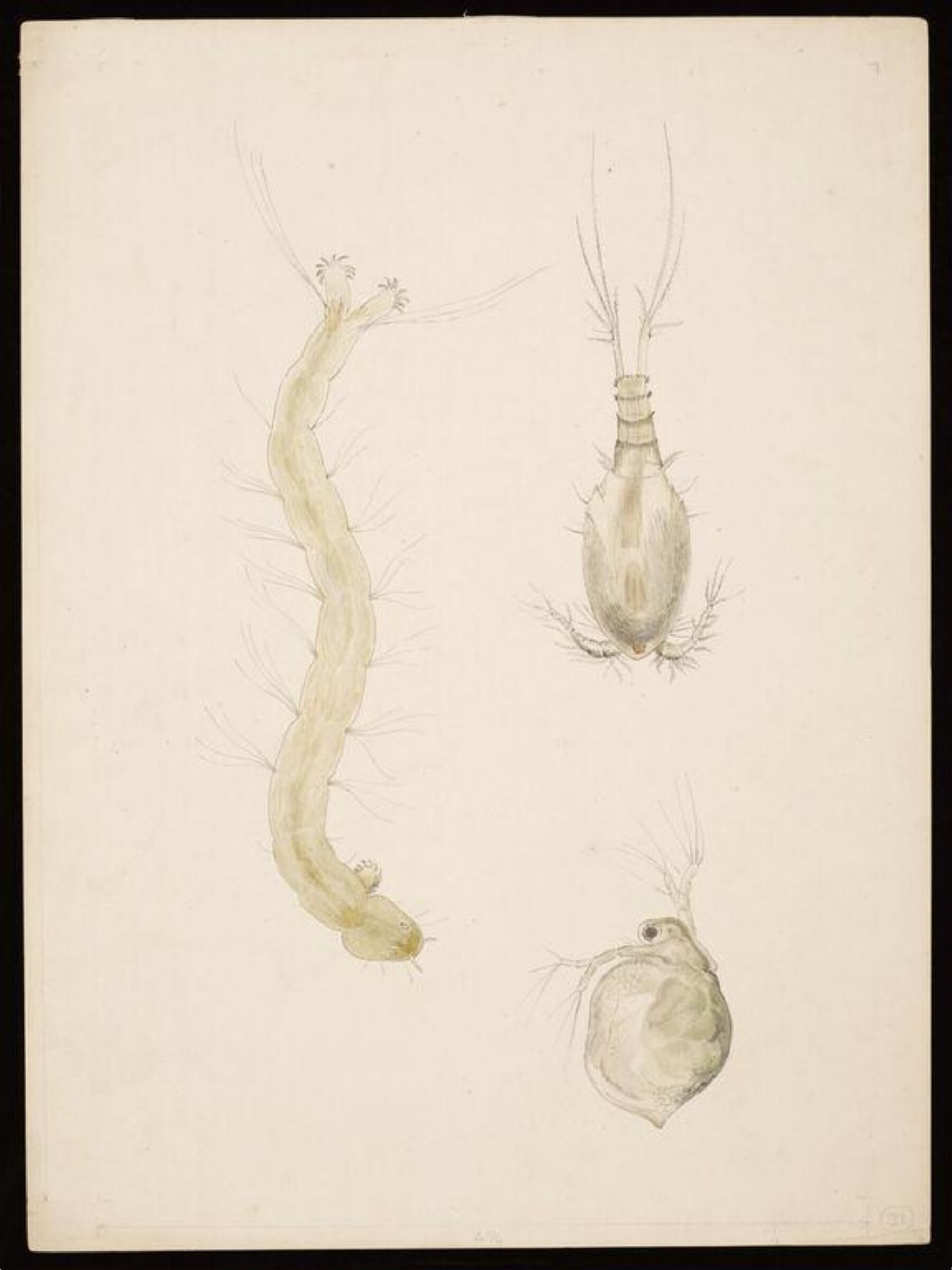
    Magnified studies thought to show water-fleas and a midge lava, Beatrix Potter, ca. 1887

    Beatrix Potter

    Magnified studies thought to show water-fleas and a midge lava, ca. 1887

    Not on view · Victoria and Albert Museum

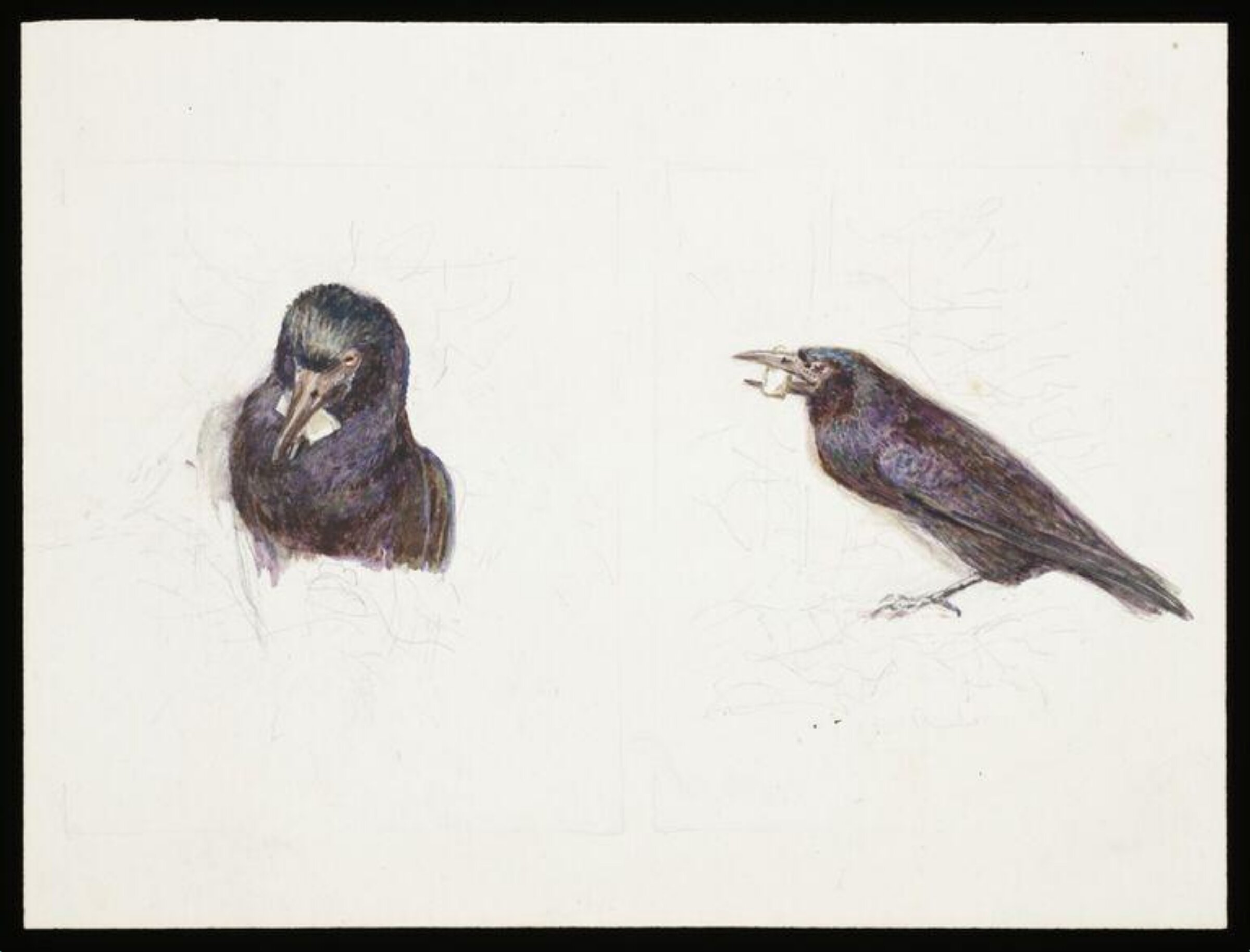
    Crow with cheese in its beak, Beatrix Potter, 1919

    Beatrix Potter

    Crow with cheese in its beak, 1919

    Not on view · Victoria and Albert Museum

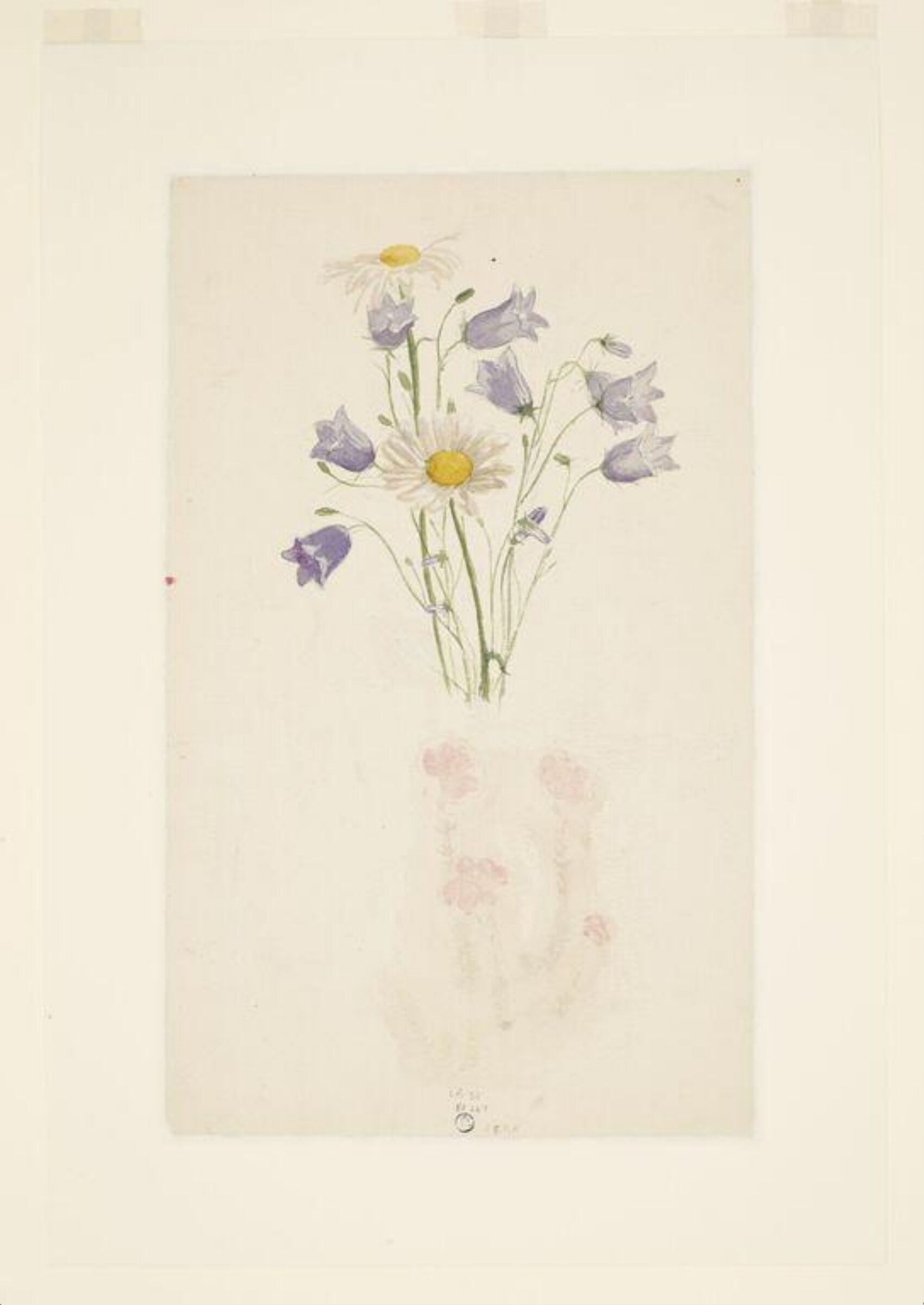
    Study of harebells and marguerites, Beatrix Potter, 5 July 1880

    Beatrix Potter

    Study of harebells and marguerites, 5 July 1880

    Not on view · Victoria and Albert Museum

    What it shows

    Natural historySnailsAnimal

    In the catalog

    Drawings & watercolorsWatercolourRealismImpressionism19th centuryBritish