 Beatrix Potter1866–1943
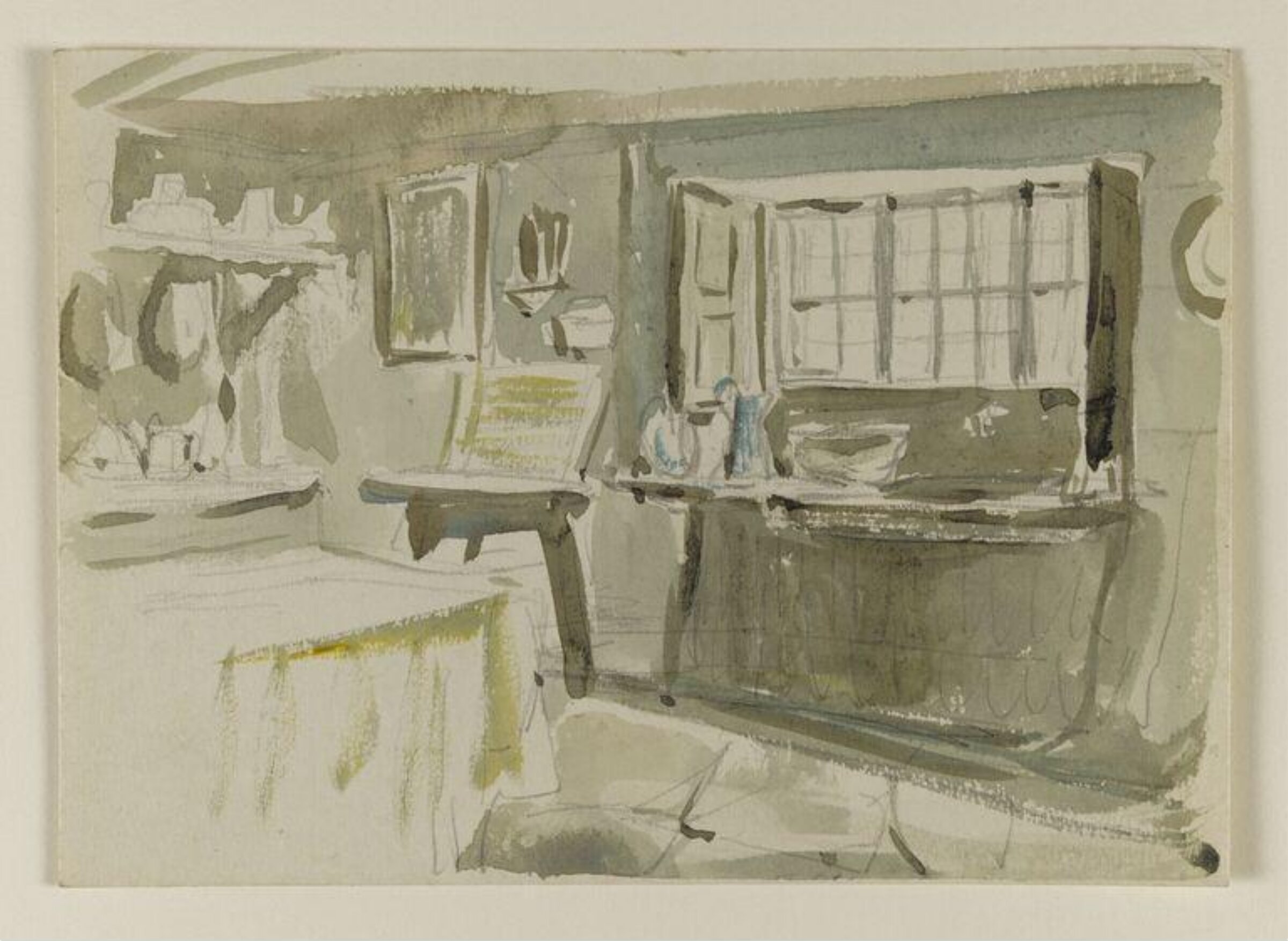
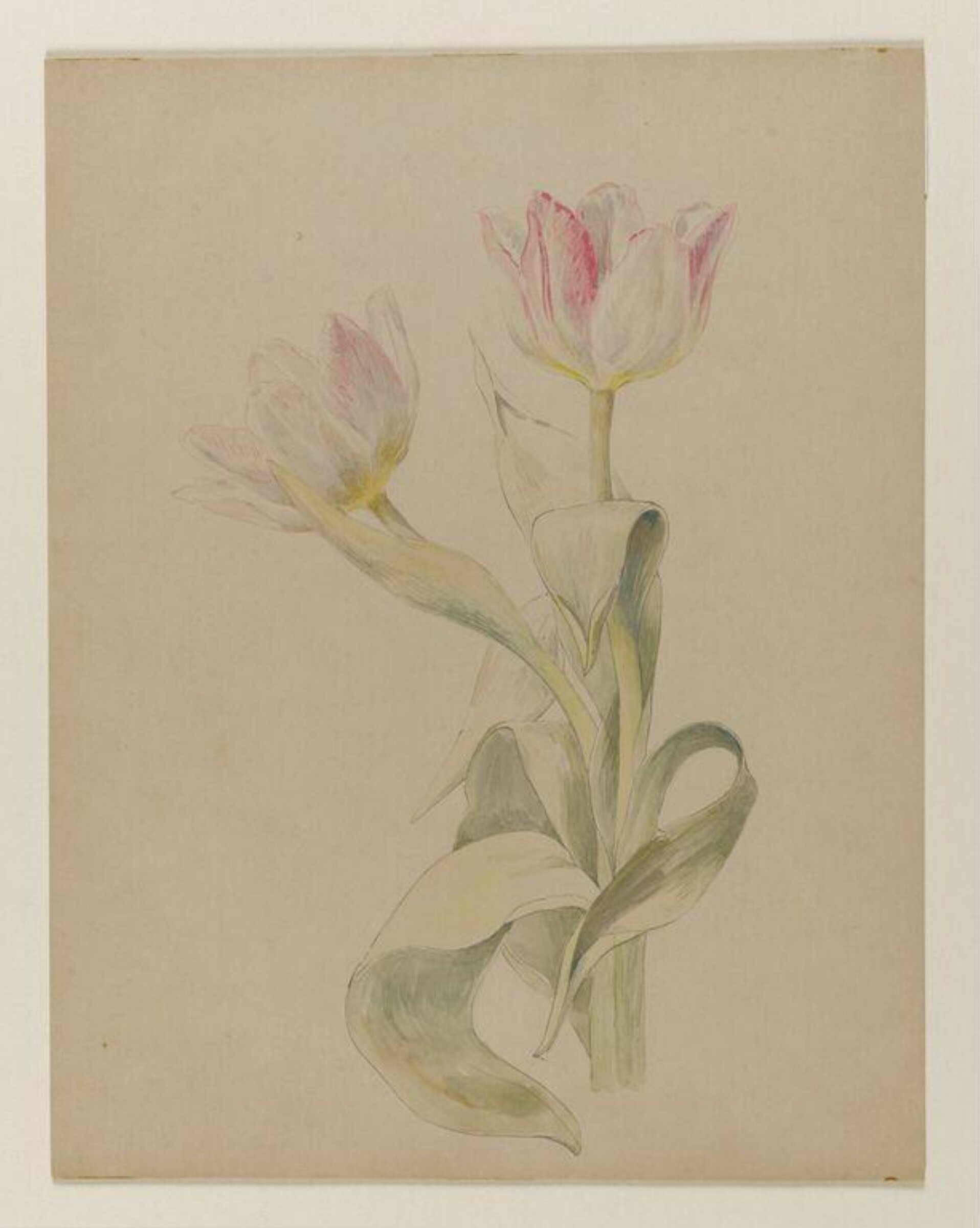
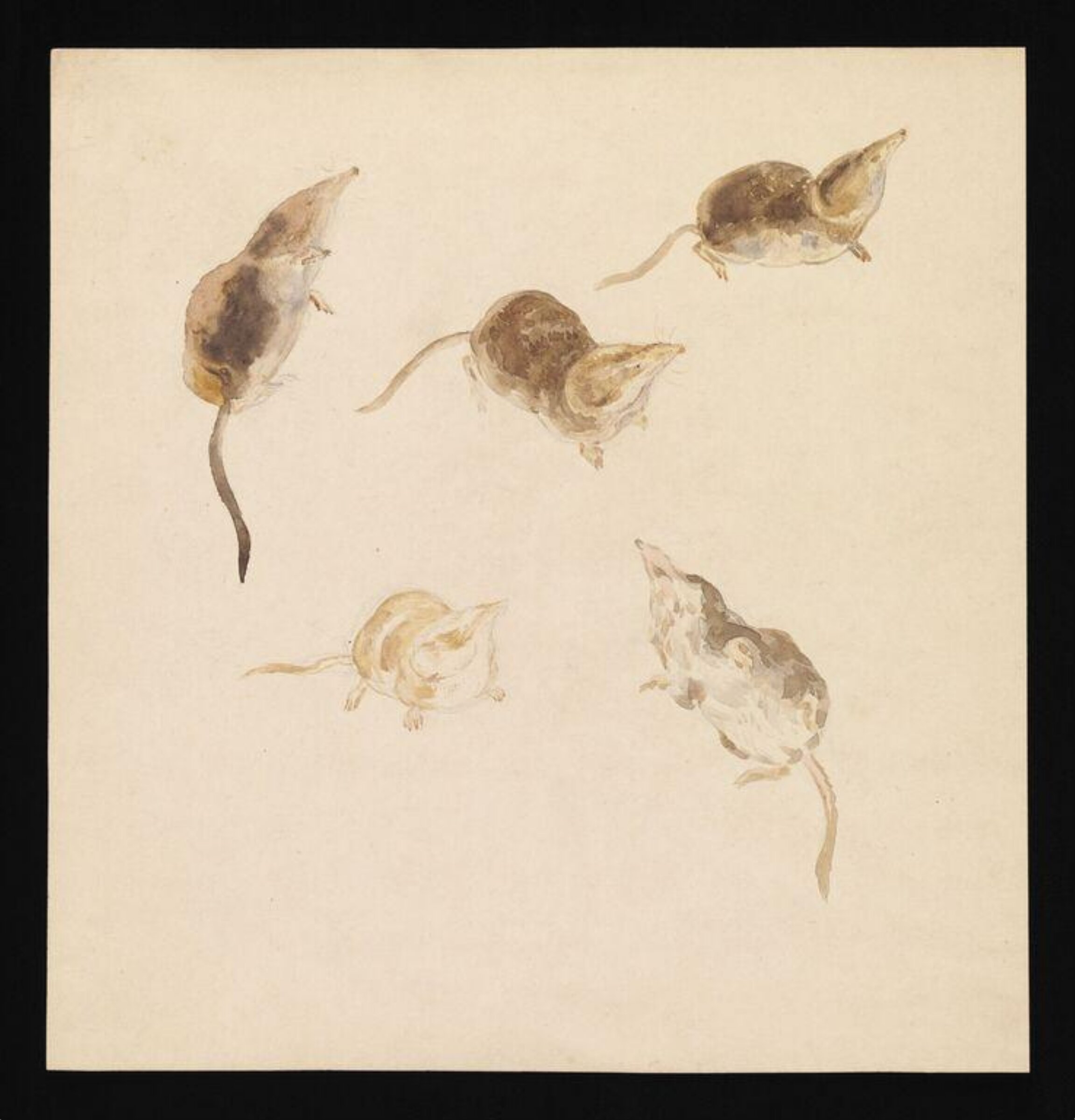
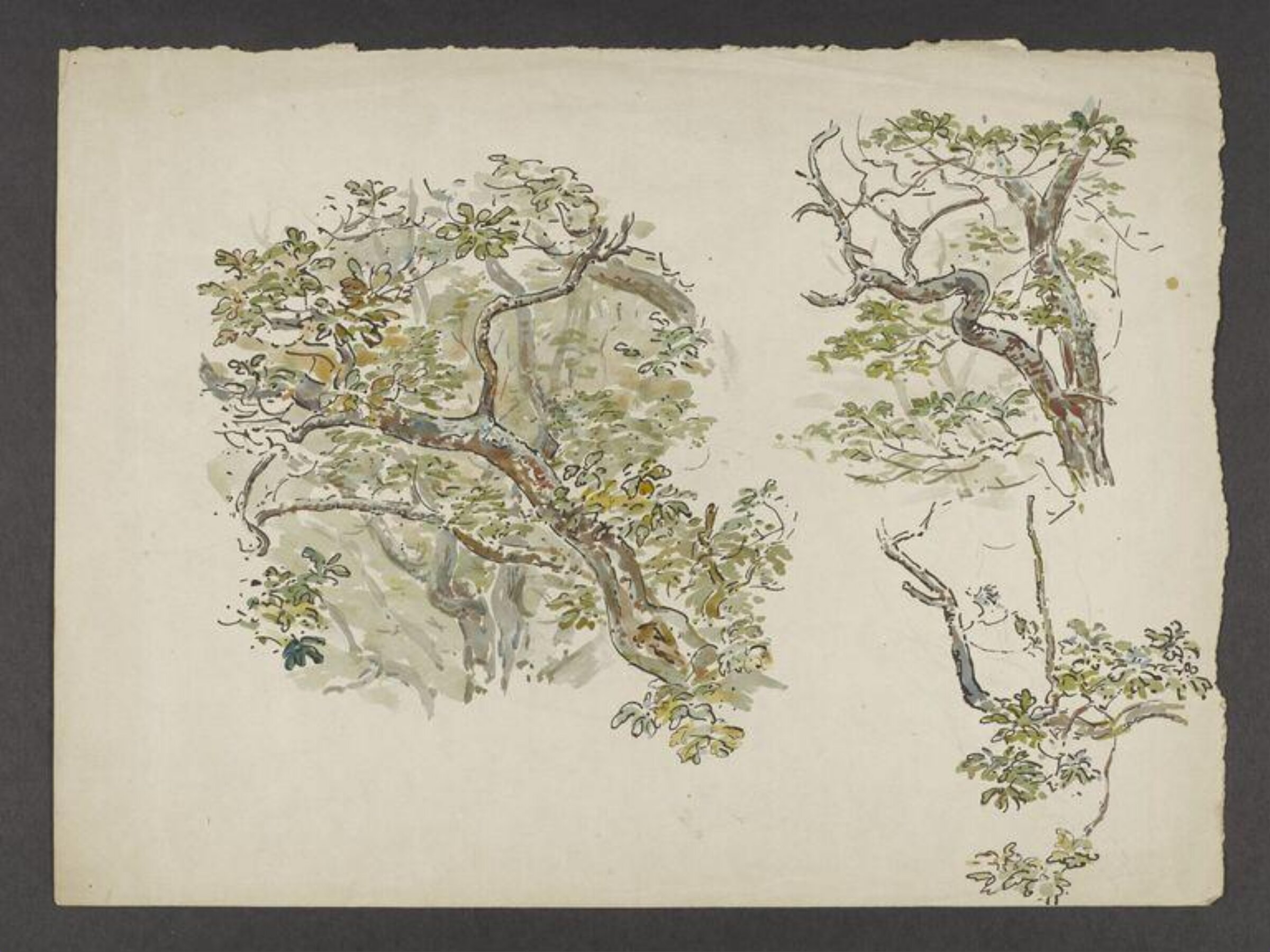
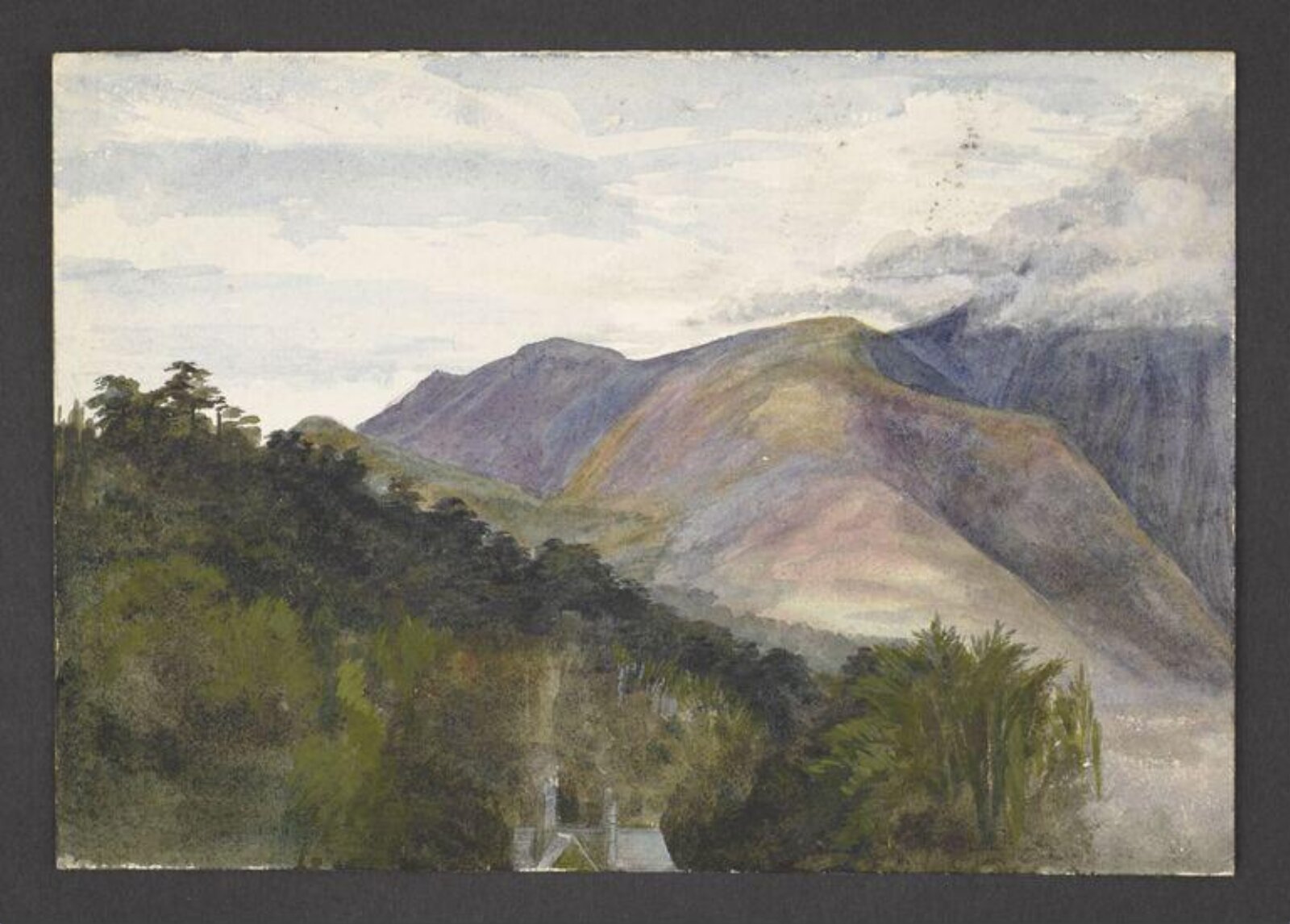
Study of a mountain ridge
Can I see it?
Not on view at present
Where is “Study of a mountain ridge” now? Collection: Victoria and Albert Museum, London. Not on view at present. Checked September 25, 2026.

London, United Kingdom
It belongs to the collection, but is not on display at present.
- Checked
- In this state since
- Source
- The museum
About the work
Beatrix Potter is one of the world's best-loved children's authors and illustrators. She wrote the majority of the twenty-three Original Peter Rabbit Books between 1901 and 1913. The Tale of Peter Rabbit (Frederick Warne, 1902) is her most famous and best-loved tale.
Beatrix Potter first visited the Lake District aged sixteen when she and her family stayed at Wray Castle. Over the next twenty years they spent many of their summers in the area. Following Beatrix Potter’s purchase of Hill Top in Near Sawrey in 1905 she made studies of Near Sawrey in all seasons. This landscape study appears to be a view of a Lakeland mountain ridge and might perhaps be Skiddaw, the distinctive high mountain that overlooks Keswick, near to the Potter family’s favourite haunt for a number of years, Lingholm.
Victoria and Albert Museum
Details
- Accession number
- BP.971
What it shows
In the catalog
Sources
- Victoria and Albert Museum
- Image: Victoria and Albert Museum — © Victoria and Albert Museum, London
In the life of Beatrix Potter
The whole lifeSeptember 1893
A letter to Noel Moore about four rabbits
In September 1893, on holiday at Eastwood near Dunkeld, Beatrix ran out of things to write to Noel, the often-ill eldest son of her former governess Annie Carter Moore, and told him a story about “four little rabbits whose names were Flopsy, Mopsy, Cottontail, and Peter”. It became one of the most famous children’s letters ever written and the basis of her future career; it was Annie who later suggested that such letters might make good children’s books.
1897
A paper for the Linnean Society
In 1897 Beatrix submitted a paper, “On the Germination of the Spores of the Agaricineae”, to the Linnean Society, but as a woman she could neither attend the meeting nor read it herself — George Massee introduced it. She later withdrew it on realising that some of her samples were contaminated, yet she continued her microscopic studies for several more years.
2 October 1902
“The Tale of Peter Rabbit” is published
Several publishers had turned the manuscript down, Frederick Warne & Co among them, but the firm, eager to enter the booming market for small-format children’s books, reconsidered on the advice of the artist L. Leslie Brooke; it declined Rawnsley’s verse version in favour of Beatrix’s own prose, and she agreed to colour her illustrations, choosing the new Hentschel three-colour process. “The Tale of Peter Rabbit” appeared on 2 October 1902 and was an immediate success.
1905
Engagement to Norman Warne, and his death
In 1905 Beatrix and her publisher Norman Warne became unofficially engaged; her parents objected because Warne was “in trade” and so socially unsuitable. The engagement lasted only a month: Warne died of a blood disease at the age of 37.
1905
Buys Hill Top Farm in Near Sawrey
In 1905, with the proceeds of her books and a small legacy from an aunt, Beatrix bought Hill Top Farm in Near Sawrey in the Lake District, six miles west of Lake Windermere. She and Warne may have hoped it would be their holiday home, but after his death she went ahead with the purchase, as she had always wanted to own that farm and live in “that charming village”.
1905–1913 · Education
governance