Alexandra ExterPolish, 1882–1949
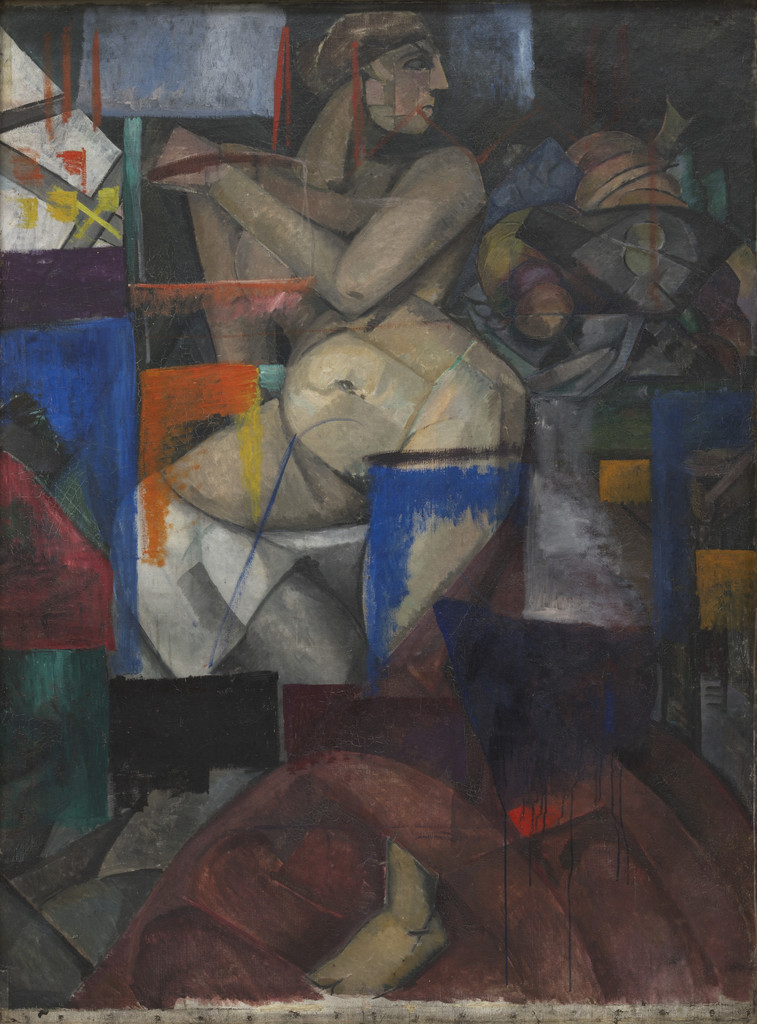
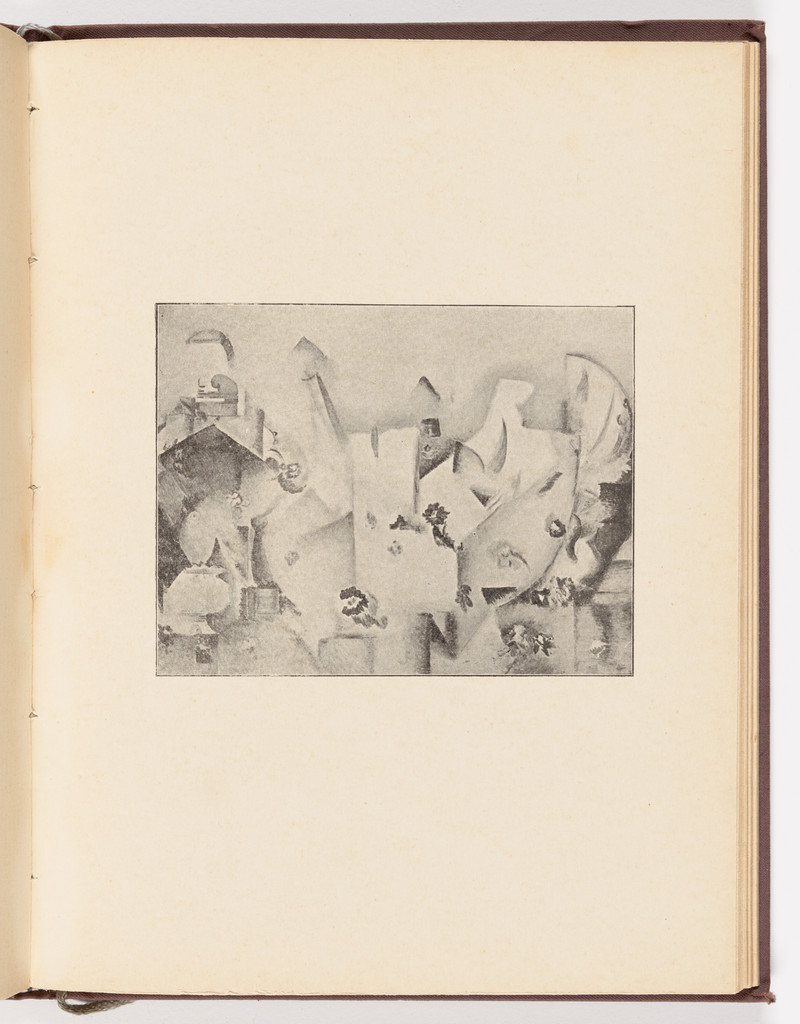
Still Life
Can I see it?
Unknown
Where is “Still Life” now? Collection: Museo Thyssen-Bornemisza, Madrid. Unknown.
Madrid, Spain
The owner is known; whether it is on view today is not.
- In this state since
- Source
- The museum
Details
- Accession number
- 540 (1973.26)
In the catalog
Sources
- Wikidata
- Image: Museo Thyssen-Bornemisza — Aleksandra Ekster · CC BY 2.0 · Wikimedia Commons
In the life of Alexandra Exter
The whole life1912
Meets Ardengo Soffici and the Italian Futurists
In Italy she meets the Futurist painter Ardengo Soffici and, through him, the country's leading avant-garde artists, and takes part in their exhibitions.
February 1912
Exhibits with the “Jack of Diamonds”
She is among the participants in most of the major exhibitions of the Russian avant-garde: the “Jack of Diamonds” (February 1912), the Union of Youth, “Tramway V” and others.
October 1912
The “Section d'Or” exhibition in Paris
Under the name Alexandra d'Exter she shows six works at the Salon de la Section d'Or at the Galerie La Boétie, alongside Jean Metzinger, Albert Gleizes, Marcel Duchamp and others; in March of the same year she had taken part in the Salon des Indépendants in Paris.
1914
International Futurist Exhibition in Rome
She exhibits at the International Futurist Exhibition in Rome together with the other “Russians” — Archipenko, Kulbin and Olga Rozanova.
1915
Joins Malevich's group Supremus
She joins Kazimir Malevich's group of avant-garde artists, Supremus, and works in the Cubo-Futurist and Suprematist idioms.
1915–1916
Works with peasants in the artels of Verbovka and Skoptsy
Together with Malevich, Liubov Popova, Ivan Puni, Olga Rozanova, Nadezhda Udaltsova and others she works with peasants in the art cooperatives of the villages of Verbovka and Skoptsy, run by Nina Genke, her pupil, and Natalia Davydova. Searching for ancient peasant embroidery, liturgical sewing and weaving, she discovers Ukrainian folk art, one of the sources of her imagery, and with Malevich, Puni and Ksenia Boguslavskaya draws Suprematist designs for embroideries on bags, pillows, carpets and belts.