ART WIKI32,979 on view
MapCollectionArtistsMuseumsExhibitionsJournal
Sign in

ART WIKI

Where the masterpiece hangs, and when they let you in.

Collections: Art Institute of Chicago, Getty Villa, Harvard Art Museums, Hirshhorn Museum and Sculpture Garden, J. Paul Getty Museum, Minneapolis Institute of Art, Musée du Louvre, National Gallery of Art, National Museum of Asian Art, National Portrait Gallery (Smithsonian), Pushkin State Museum of Fine Arts, Rijksmuseum, Smithsonian American Art Museum, SMK — National Gallery of Denmark, State Hermitage Museum, State Russian Museum, The Cleveland Museum of Art, The Metropolitan Museum of Art, The Museum of Modern Art, Tretyakov Gallery, Victoria and Albert Museum, Whitney Museum of American Art, State Catalogue of the Museum Fund of Russia (274 museums), Europeana (19 museums), Wikidata (6 museums), Paris Musées (12 museums), and Joconde, the French Ministry of Culture's museum database (495 museums). Images belong to their rights holders.

Sections

  • Map
  • Search
  • Collection
  • Masterpieces
  • On view now
  • Artists

More

  • Museums & galleries
  • Exhibitions
  • Journal
  • Where the data comes from
  • Privacy & cookies
HomeMapBrowse
  1. Collection/
  2. Minneapolis Institute of Art/
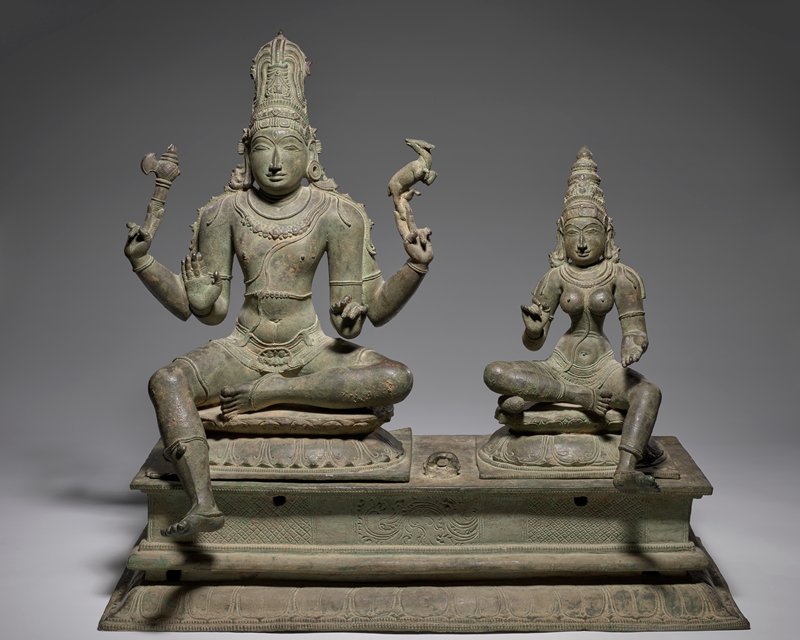
  3. Somaskanda (Holy Family)
Somaskanda (Holy Family), 13th-14th century

Somaskanda (Holy Family)

13th-14th century · Sculpture · 59.06 × 66.68 cm

About the sculpture

Shiva and his wife Uma sit next to each other on double lotus pedestals, between them a residual remnant of their small child, Skanda, now missing from the magnificent bronze. The standard format—known as Somaskanda—arose as early as the 6th century in temples from Tamil Nadu, and remains Shiva’s main manifest form today. In south Indian temples, bronze images play a huge role in devotional practice, where they are treated as living embodiments of the gods. The holes in the base indicate that this particular bronze would have been carried in processions outside the temple grounds. Priests dressed the gods in fine clothing, adorned them with flowers, and assembled an entourage of musicians and dancers to accompany them on a procession to bless the devotees who congregated along city streets.

Minneapolis Institute of Art

Particulars

Accession number
2009.12.2a-c

In the same room · G211, Minneapolis Institute of Art

Museum page

May one see it?

Yes, receiving visitors

Minneapolis Institute of Art

Minneapolis, United States

RoomG211

On public display.

Checked
3 days ago
In this state since
Sep 25, 2026
Source
The museum
On the mapMuseum page

In the catalog

SculptureBronzeIndia

Sources

  • Minneapolis Institute of Art
  • Image: Minneapolis Institute of Art — public domain
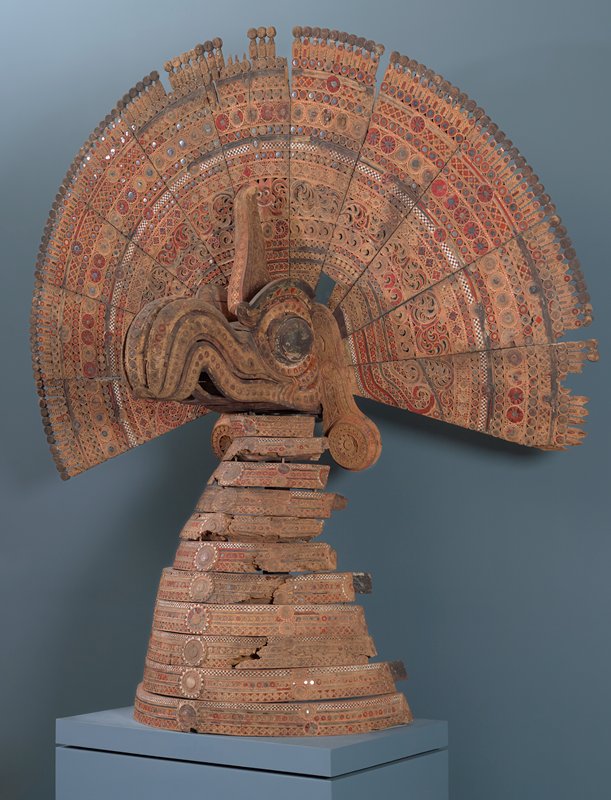
Processional image of a Large Swan (Velya Annam), 19th century

Processional image of a Large Swan (Velya Annam), 19th century

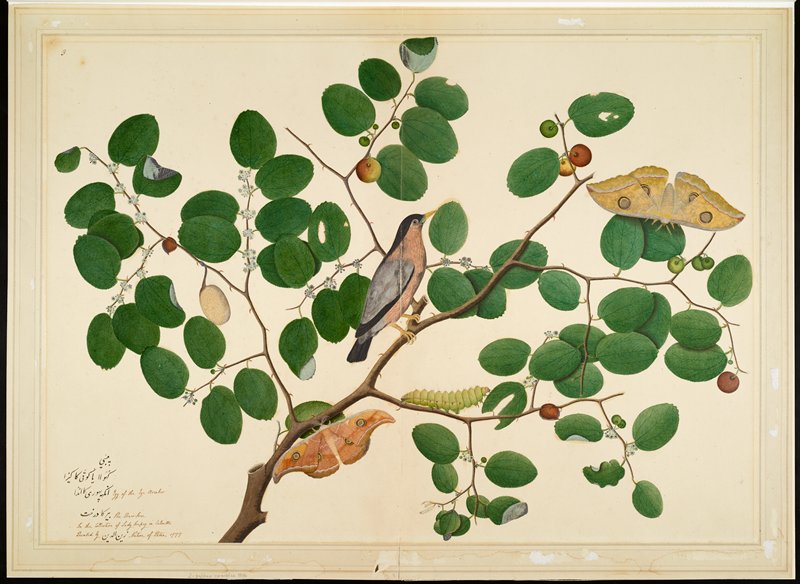
Brahminy Starling with Two Antheraea Moths, Caterpillar, and Cocoon on Indian Jujube Tree, Sheikh Zain al-Din, 1777

Sheikh Zain al-Din

Brahminy Starling with Two Antheraea Moths, Caterpillar, and Cocoon on Indian Jujube Tree, 1777

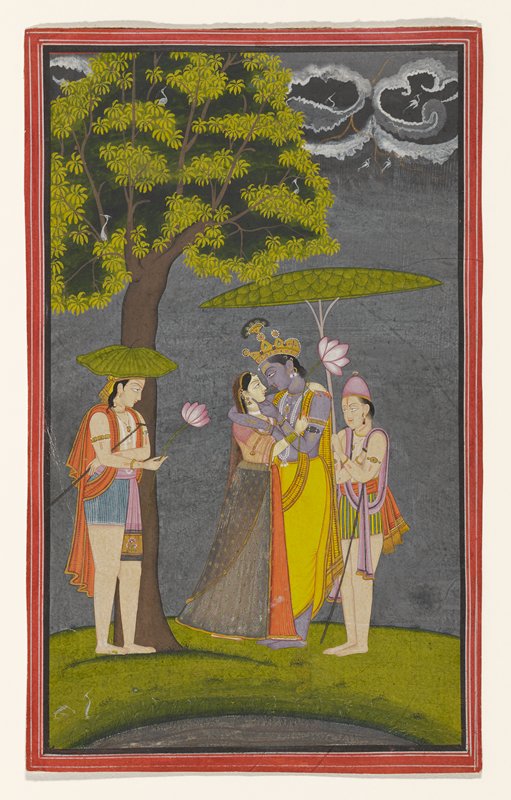
Krishna and Radha Sheltering from the Rain, Nurpur workshop, c. 1760

Nurpur workshop

Krishna and Radha Sheltering from the Rain, c. 1760

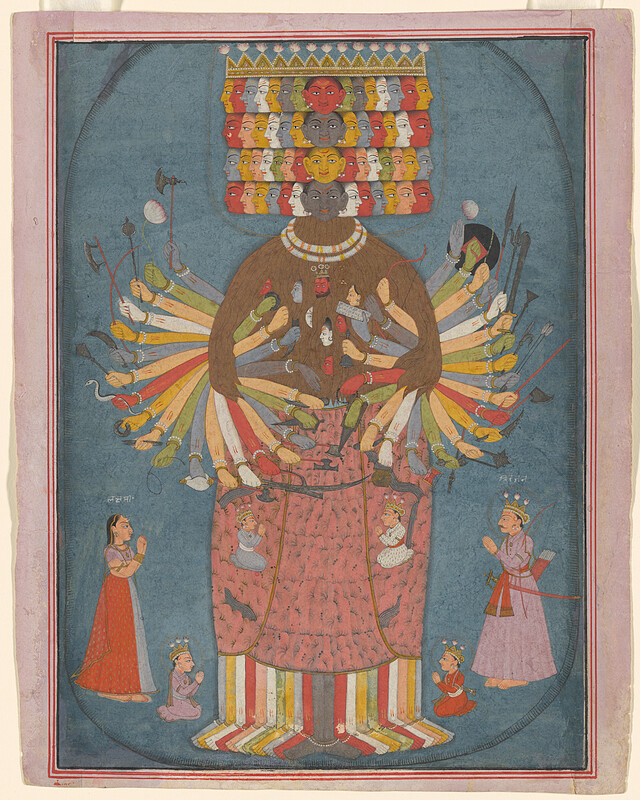
The Cosmic Form of Krishna, c. 1750–75

The Cosmic Form of Krishna, c. 1750–75

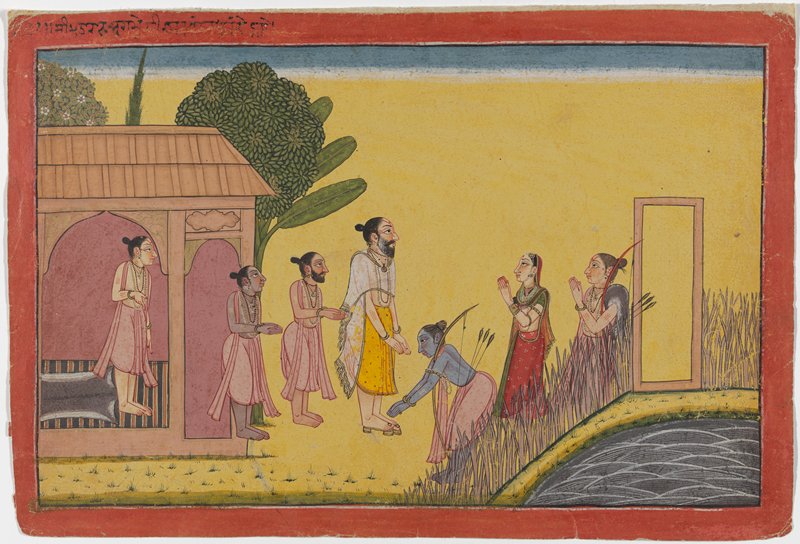
Folio from the Shangri Ramayana (Style IV): Rama, Sita, and Lakshmana Arriving at the Hermitage of Sage Agastya, Kulu or Mandi workshop, c. 1730

Kulu or Mandi workshop

Folio from the Shangri Ramayana (Style IV): Rama, Sita, and Lakshmana Arriving at the Hermitage of Sage Agastya, c. 1730

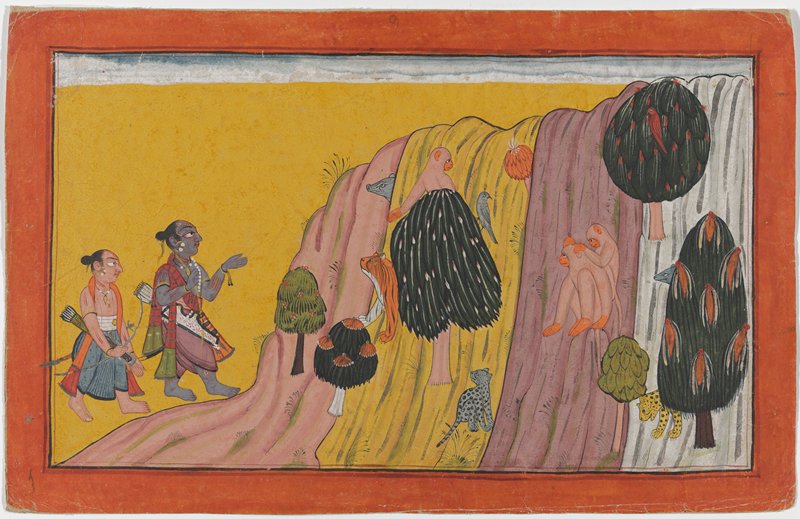
Illustration to the Shangri Ramayana (Style III): Rama and Lakshmana Arriving at the Rishyamukha Hill, Kulu or Mandi workshop, c. 1700

Kulu or Mandi workshop

Illustration to the Shangri Ramayana (Style III): Rama and Lakshmana Arriving at the Rishyamukha Hill, c. 1700

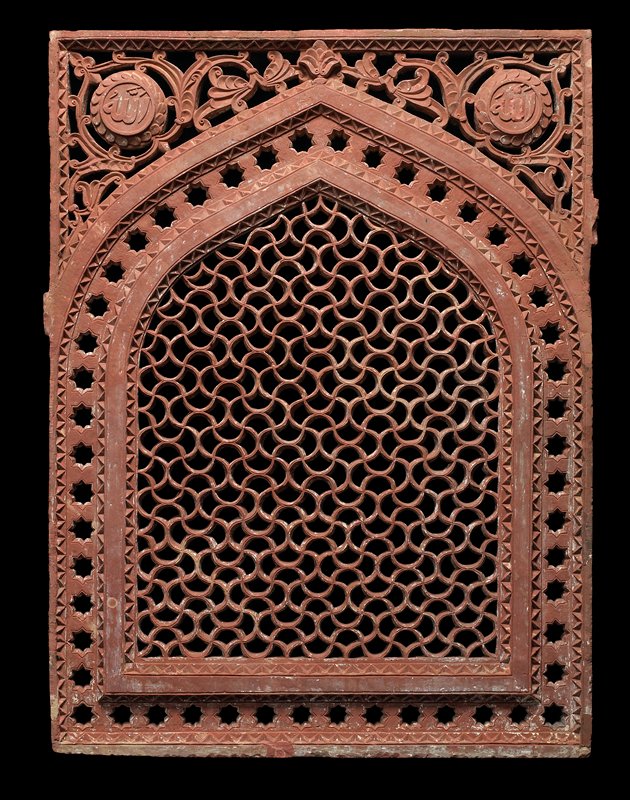
Jali (window screen), c. 1600–20

Jali (window screen), c. 1600–20

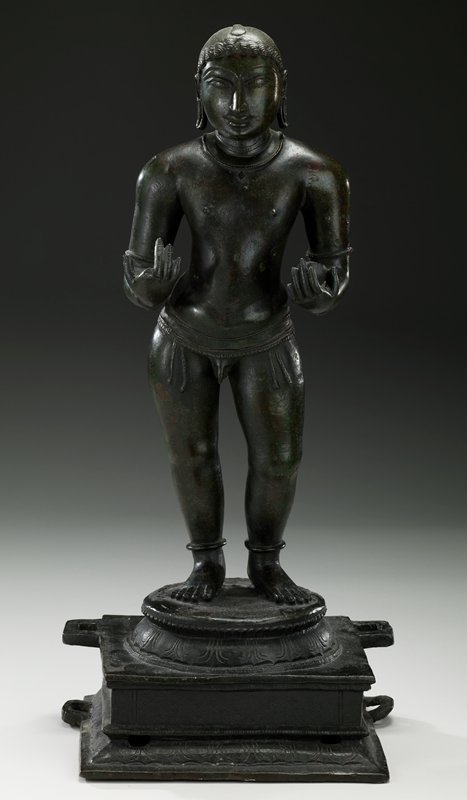
Child Shaiva Saint Sambandar, 15th century

Child Shaiva Saint Sambandar, 15th century